Iceland looks great on a map until you try to plan it. Everything feels far, the names are hard to read, and nobody agrees on what you actually need to see.
This guide takes care of that. It's a day-by-day Ring Road route with honest driving distances, the right overnight stops, and a clear answer to the question everyone asks: what do I skip?
Key Takeaways
10 days is enough to drive Iceland’s Ring Road and see the country’s biggest highlights, including the Golden Circle, South Coast, Jökulsárlón, Eastfjords, North Iceland, and Snæfellsnes.
Expect a lot of driving. The route covers more than 1,300 km, and some days are much longer than they look once you add stops, weather, fuel, and photo breaks.
May through September is the best time for a first Ring Road trip, with easier driving conditions, longer daylight hours, and most attractions fully accessible.
Focus on Iceland’s best-known stops—waterfalls, black sand beaches, glaciers, geothermal areas, and fjords—and leave the Westfjords, Highlands, and major F-road detours for a future trip.
Book your rental car, accommodation in places like Vík, Höfn, and Mývatn, and popular activities well in advance if you're visiting during summer.
A regular car is fine for a summer Ring Road itinerary, but staying flexible and checking road and weather conditions every day is essential
10 Days in Iceland at a Glance
Here's the full picture before you get into the details.
Route
Reykjavík → Golden Circle → South Coast → Jökulsárlón → Eastfjords → Mývatn → Akureyri → Snæfellsnes → Reykjavík
Best season
May to September
Best for
First-time visitors who want waterfalls, glaciers, hot springs, fjords, and black sand beaches
Pace
Medium-fast
Car needed
Yes, you need a rental car
Is 10 Days Enough for Iceland?
Yes. 10 days is enough to drive the Ring Road, and for most first-timers, it's actually one of the best trip lengths.
You'll cover more than 1,300 km of Route 1, going through the main regions: the Golden Circle, South Coast, glacier lagoon, Eastfjords, North Iceland, and Snæfellsnes Peninsula. It's not a slow trip. You're moving every day or every other day.
What 10 days won't get you: the Westfjords, the Highlands, every hot spring, every waterfall. You have to pick. This itinerary does the picking for you.
Good to know: Most Ring Road guides and operators recommend 10 to 14 days for a first loop. At 10 days, it's totally doable, especially from late spring to early fall.
Ring Road vs. Golden Circle: Not the Same Thing
A lot of people mix these up. They're two different routes, so it's worth knowing the difference before you start planning.
Golden Circle
Ring Road
What it is
A day loop near Reykjavík
The full circuit around Iceland
Length
Around 300 km
Around 1,332 km
Time needed
1 day
7 to 14 days
Main stops
Þingvellir, Geysir, Gullfoss
South Coast, Eastfjords, North Iceland, and more
This itinerary does both. The Golden Circle is Day 2. The Ring Road is everything after.
The Best 10-Day Iceland Itinerary Map
One thing about map drive times: they're almost always off. A stretch that looks like 2 hours can easily become 4 once you add photo stops, road conditions, weather, and the occasional sheep in the road. Give yourself more time than you think you need, especially on Days 4, 6, and 8.
Where to Stay Each Night
Getting the overnight stops right matters as much as knowing where to go during the day. Sleep in the wrong town, and you'll spend the next morning driving back the way you came.
One warning: Vík, Höfn, Mývatn, and anywhere near Jökulsárlón fill up fast in summer. For those nights, book as early as you can.
Recommended Overnight Stops
Night
Where to stay
Night 1
Reikiavik
Night 2
Selfoss, Hella, or Hvolsvöllur
Night 3
Vík
Night 4
Höfn or near Jökulsárlón
Night 5
Egilsstaðir or Seyðisfjörður
Night 6
Mývatn
Night 7
Akureyri
Night 8
Snæfellsnes
Night 9
Borgarnes or Reikiavik
Night 10
Departure, or an extra night in Reykjavík/Keflavík
Day-by-Day 10 Days in Iceland Itinerary
Here's the full route, day by day. For each day, you'll get what to see, where to sleep, and what to drop if you're running behind.
Day 1 — Arrive at Keflavík, Blue Lagoon, or Reykjavík
First thing to know: most flights land at Keflavík International Airport, which is about 50 km (31 miles) from Reykjavík. They're not in the same place. You pick up your rental car at the airport and drive from there.
Keep Day 1 light. After a long overnight flight, you don't want to jump straight into a full driving day.
Two options that make sense:
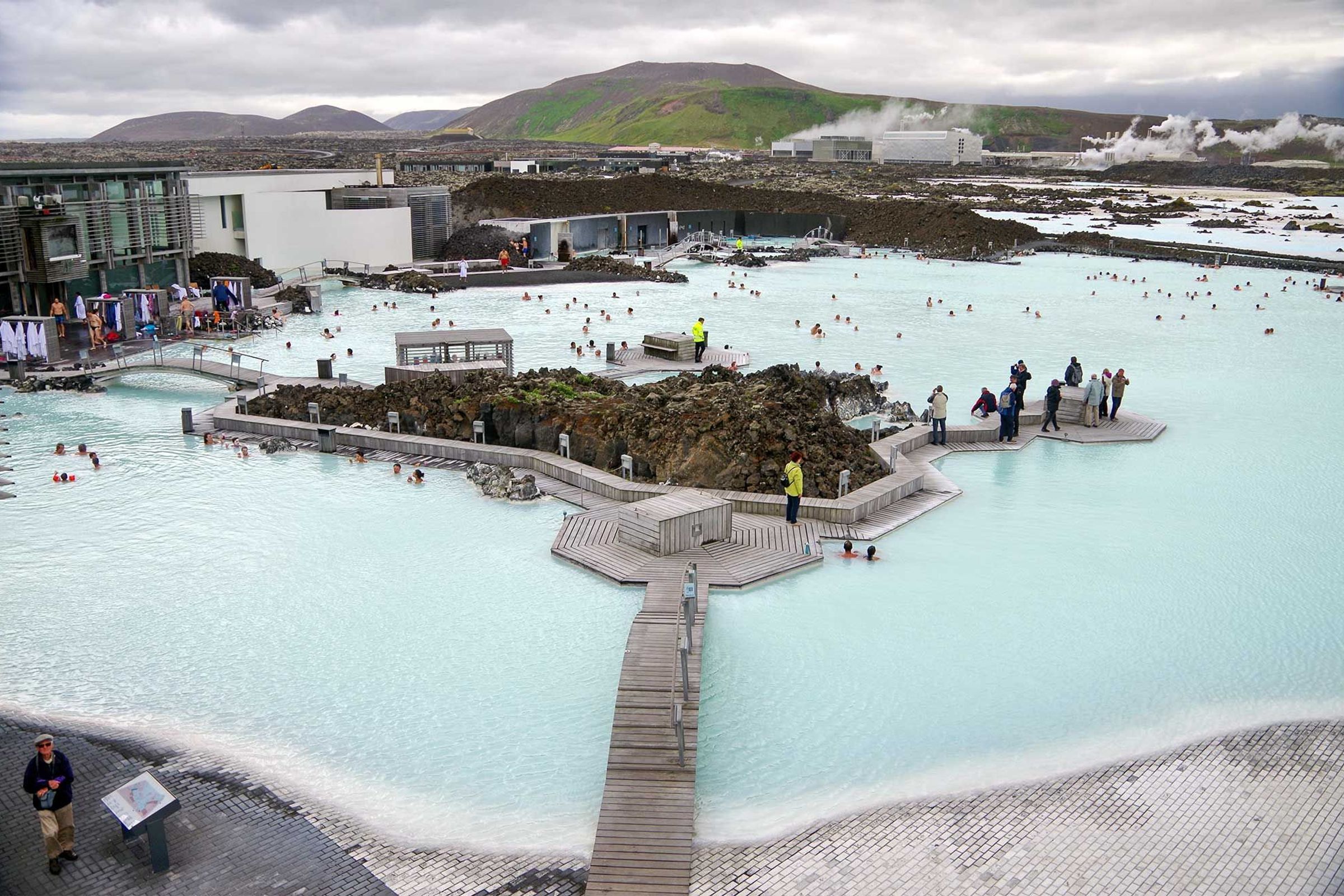
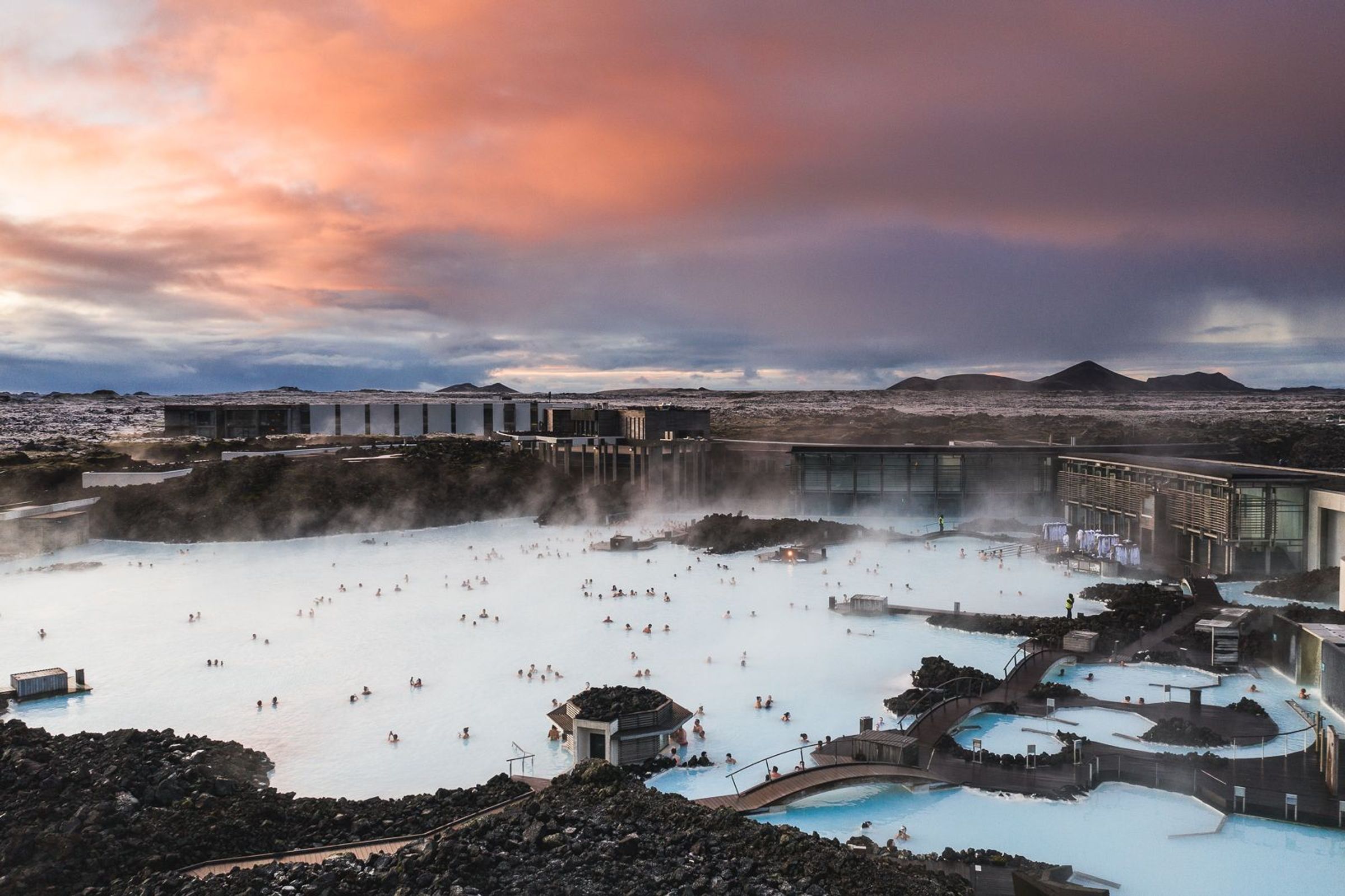
Reykjanes Peninsula and Blue Lagoon:The Blue Lagoon is a 10-minute drive from the airport. It's pricey, and you need to book ahead, but a lot of people find it a good way to unwind after a flight. If you'd rather skip the cost, the Reykjanes Peninsula itself has lava fields and coastline worth a slow drive.
Head straight to Reykjavík: Walk around the Old Harbour, check out Hallgrímskirkja, grab food near Harpa, go to sleep. The Ring Road starts tomorrow.
Tip: If you're arriving late or coming off a red-eye flight, just sleep. The rest of the trip will go better for it.
Overnight: Reykjavík
Drive: Keflavík Airport to Reykjavík (around 50 km or 31 miles, about 45 minutes)
Day 2 — Golden Circle to South Iceland
The Golden Circle hits three of Iceland's most well-known natural spots in one loop from Reykjavík. Leave early if you can, before the tour buses. Plan to sleep in Hella or Hvolsvöllur at the end of the day — it puts you in a much better position for Day 3.
Þingvellir National Park
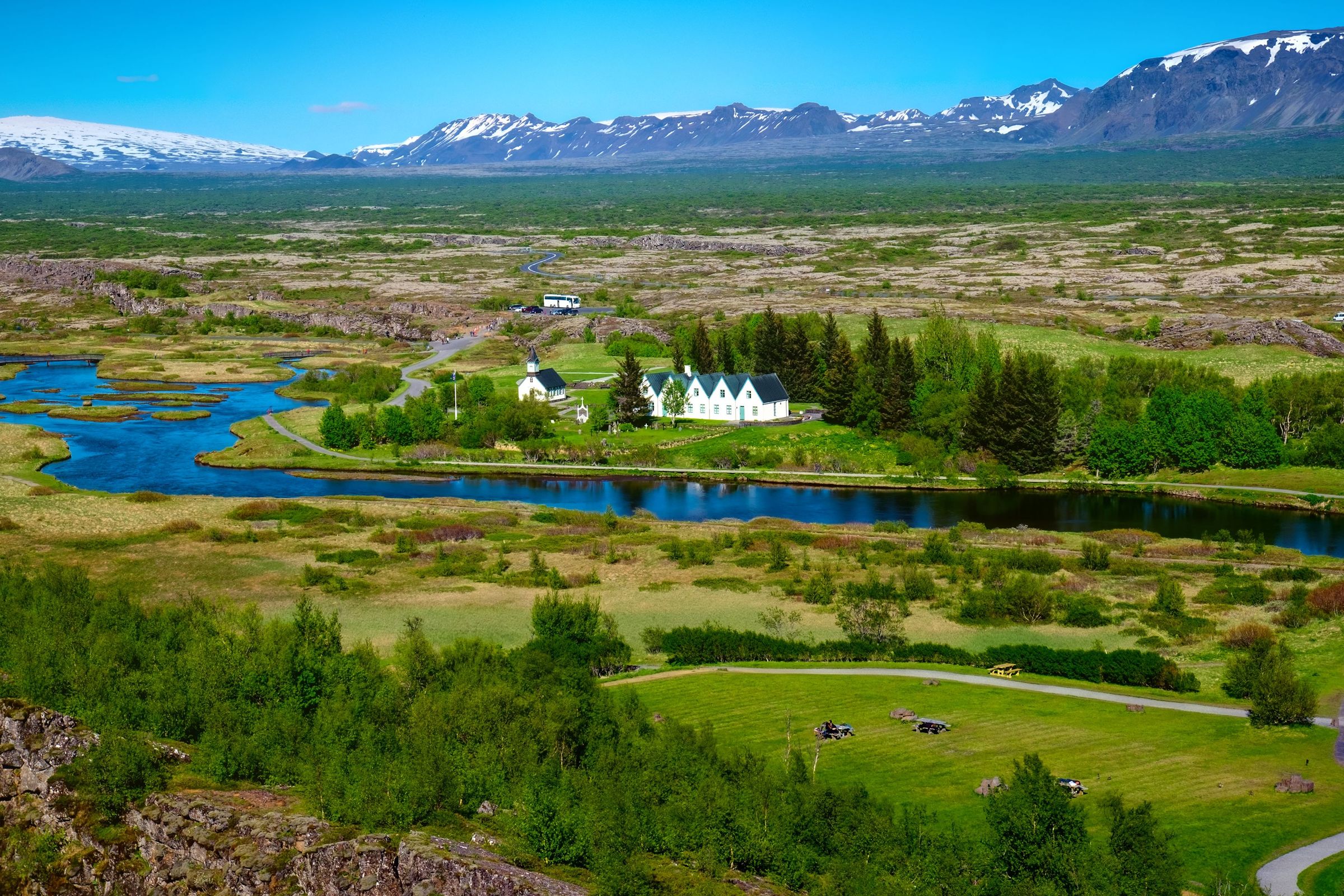
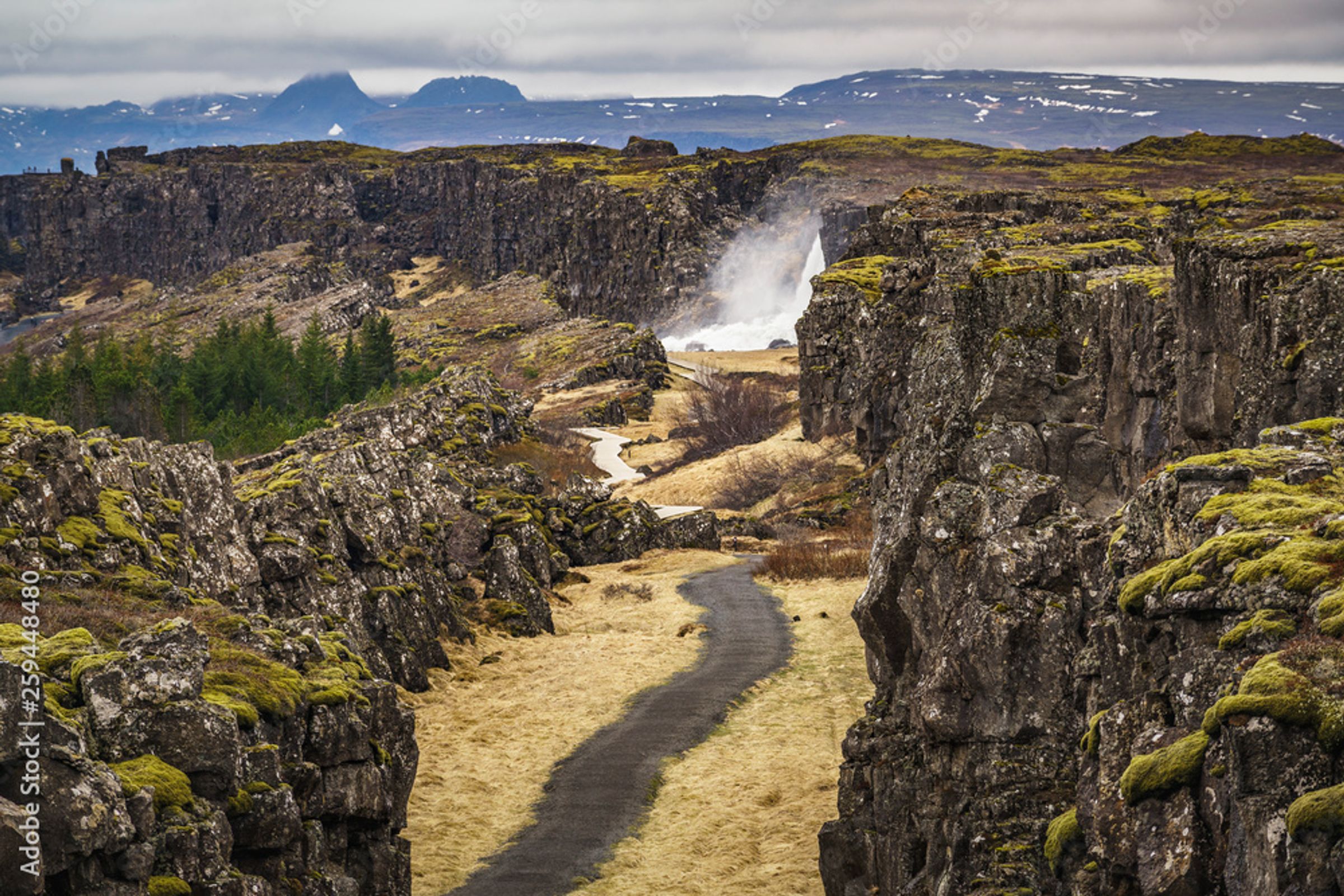
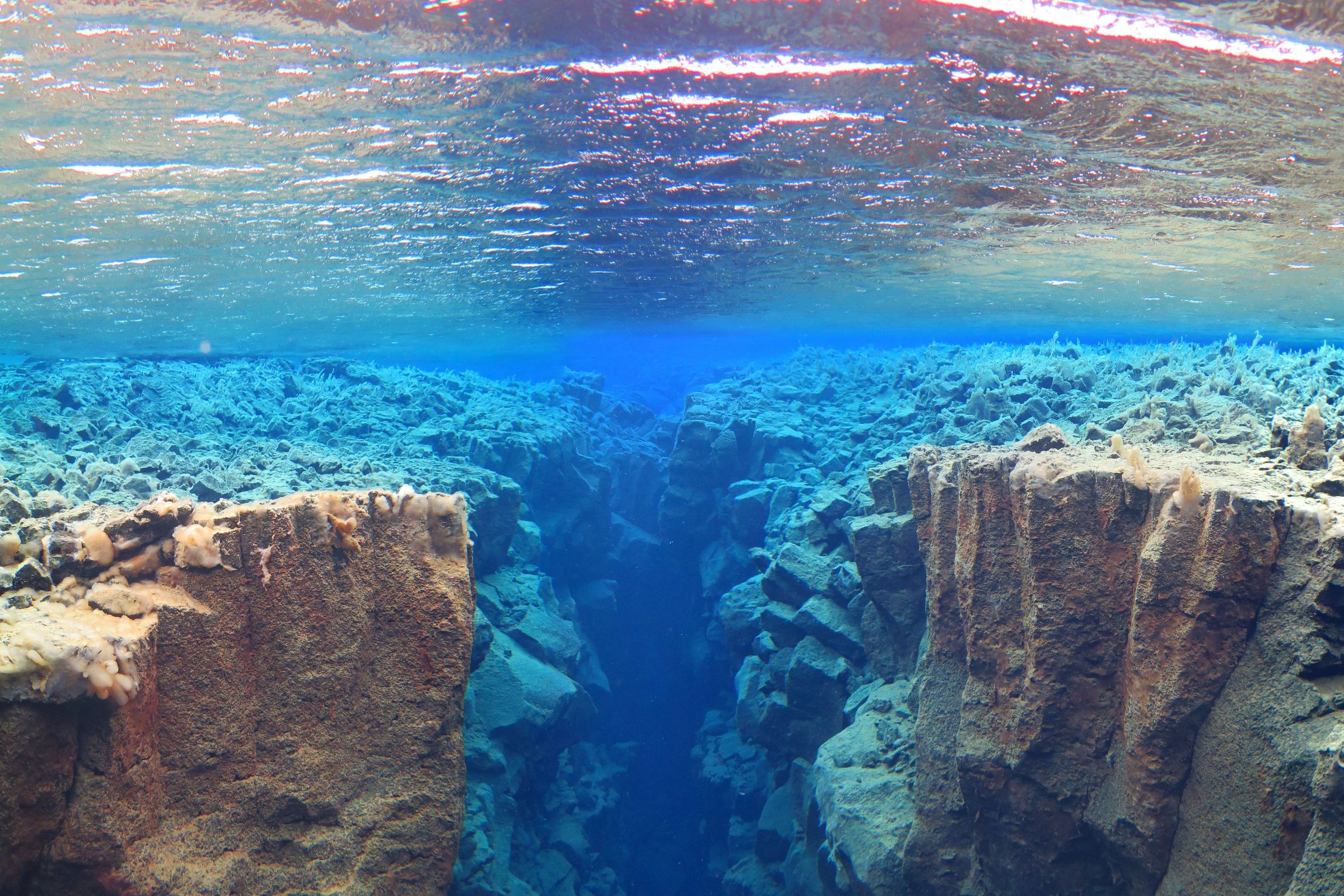
Start here. Þingvellir is where the North American and Eurasian tectonic plates are actually pulling apart, so you're walking in the crack between two continents. It's also where Iceland's first parliament, the Alþingi, met from 930 AD. Walk the Almannagjá gorge; it's short and the views are good. If you're into snorkeling or diving, the Silfra fissure is one of the few places in the world where you can swim between two tectonic plates in water clear enough to see for tens of meters.
Geysir Geothermal Area and Strokkur
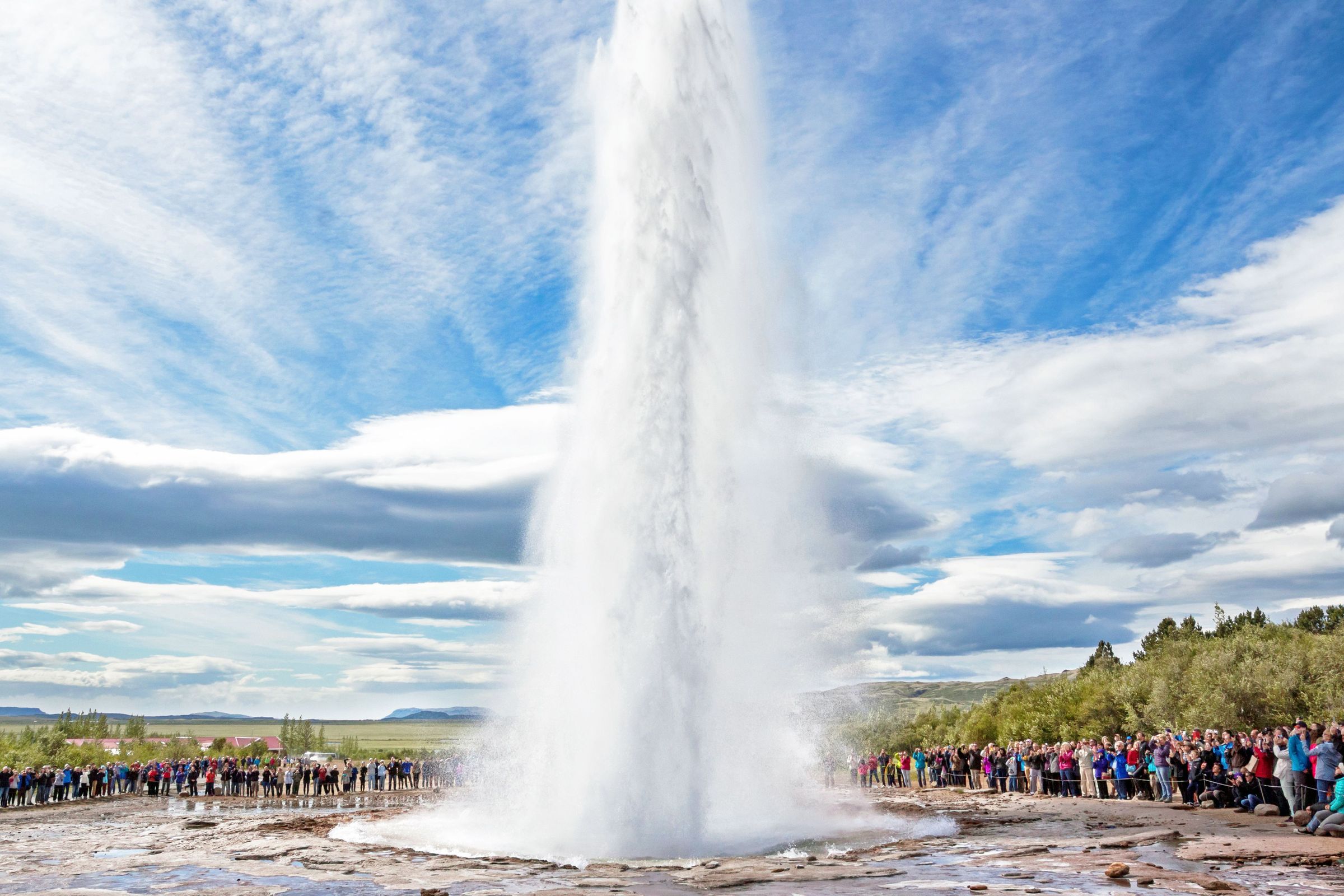
Worth knowing upfront: Geysir itself barely erupts anymore. Strokkur is the one to watch. It consistently shoots water 20 to 40 meters into the air every few minutes. Keep your camera out. The whole stop takes maybe 30 to 45 minutes.
Safety note: Stay behind the ropes at Strokkur. The geothermal water is scalding hot
Gullfoss
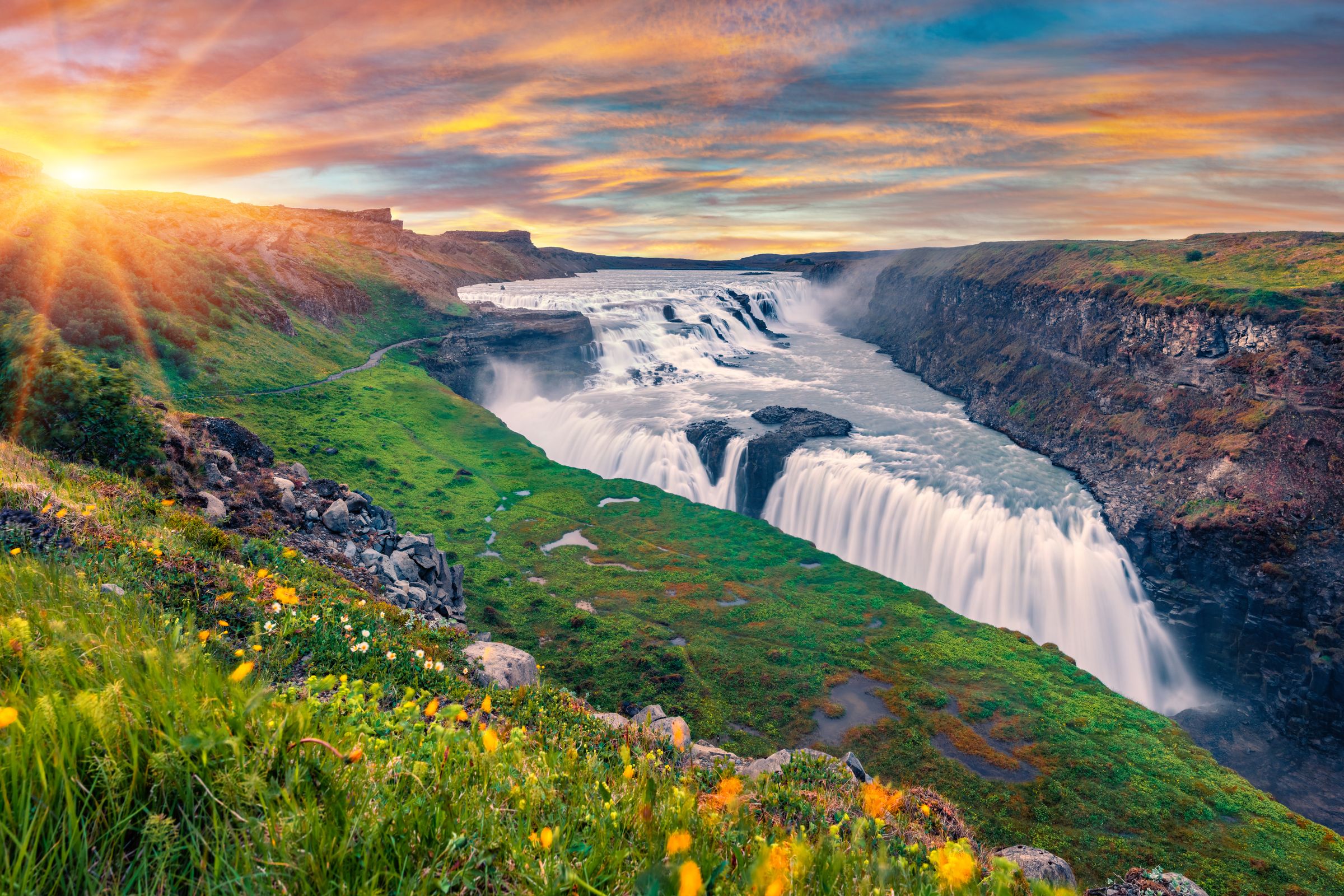
Gullfoss is a two-tiered waterfall that drops into a canyon. It's genuinely impressive up close. There are upper and lower viewing platforms. Do both. Bring a waterproof jacket, and not just for the mist.
Kerið Crater (Optional)
If you have time and you're sleeping in Selfoss, Kerið is worth a 20-minute stop. It's a volcanic crater about 3,000 years old with a lake at the bottom, and there's a 600 ISK entrance fee.
Overnight: Selfoss, Hella, or Hvolsvöllur
Drive: Reykjavík to Þingvellir to Geysir to Gullfoss to Selfoss (around 172 km or 107 miles, 4 to 5 hours with stops)
Day 3 — South Coast Waterfalls and Vík
Day 3 is the one most people are looking forward to, and it delivers. The South Coast has more to see per kilometer than pretty much anywhere else on this route. Leave early, there's a lot to fit in.
Seljalandsfoss and Gljúfrabúi
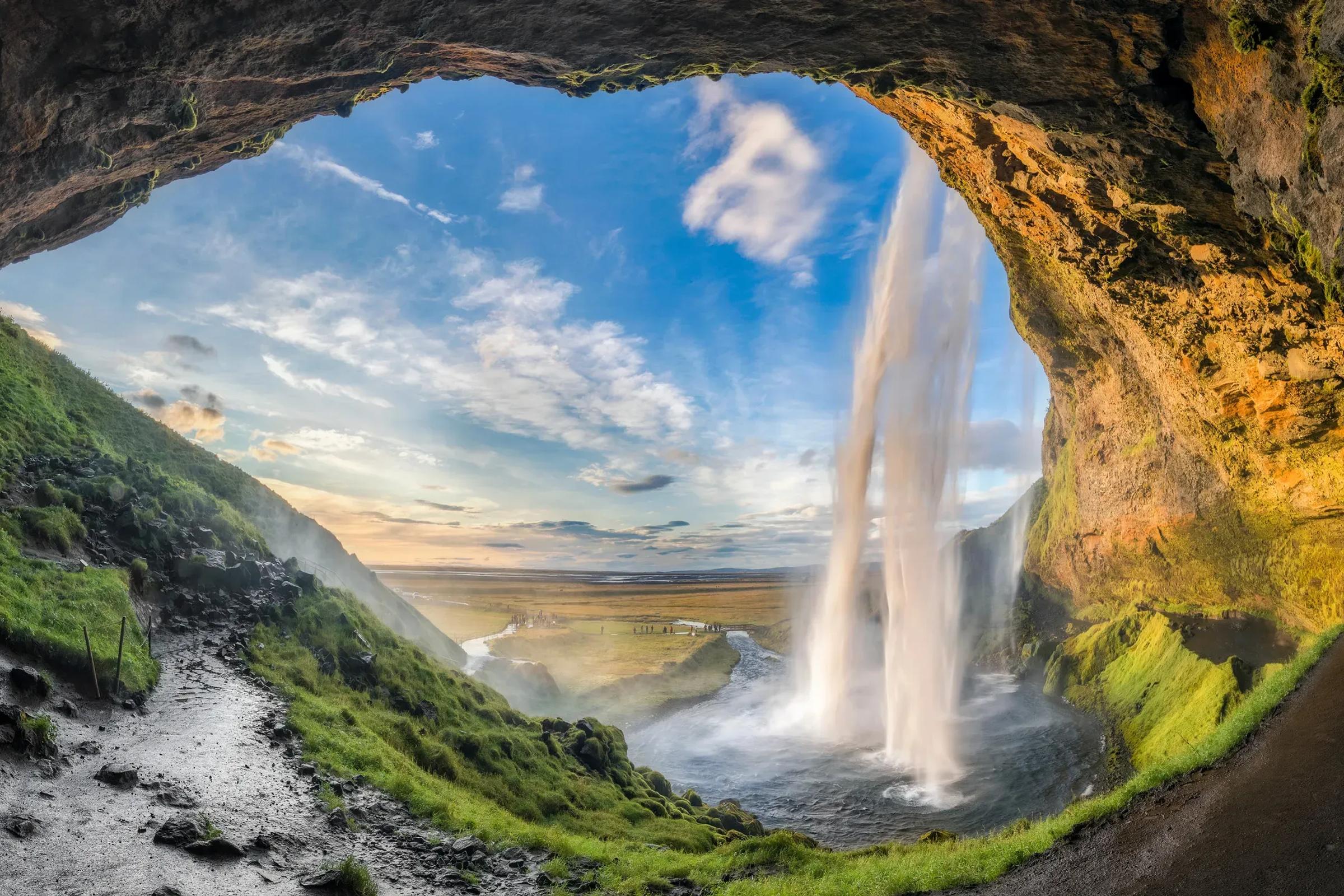
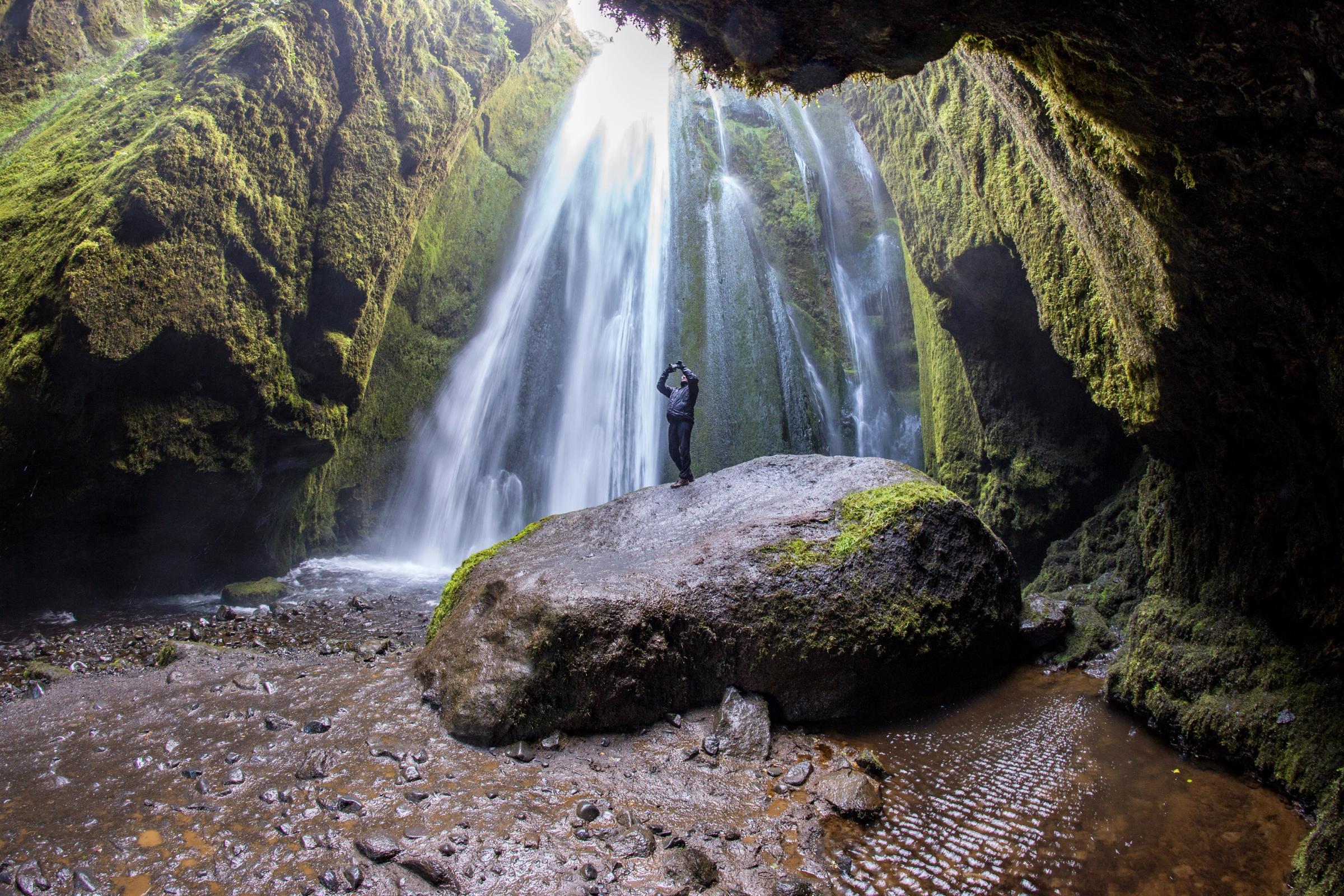
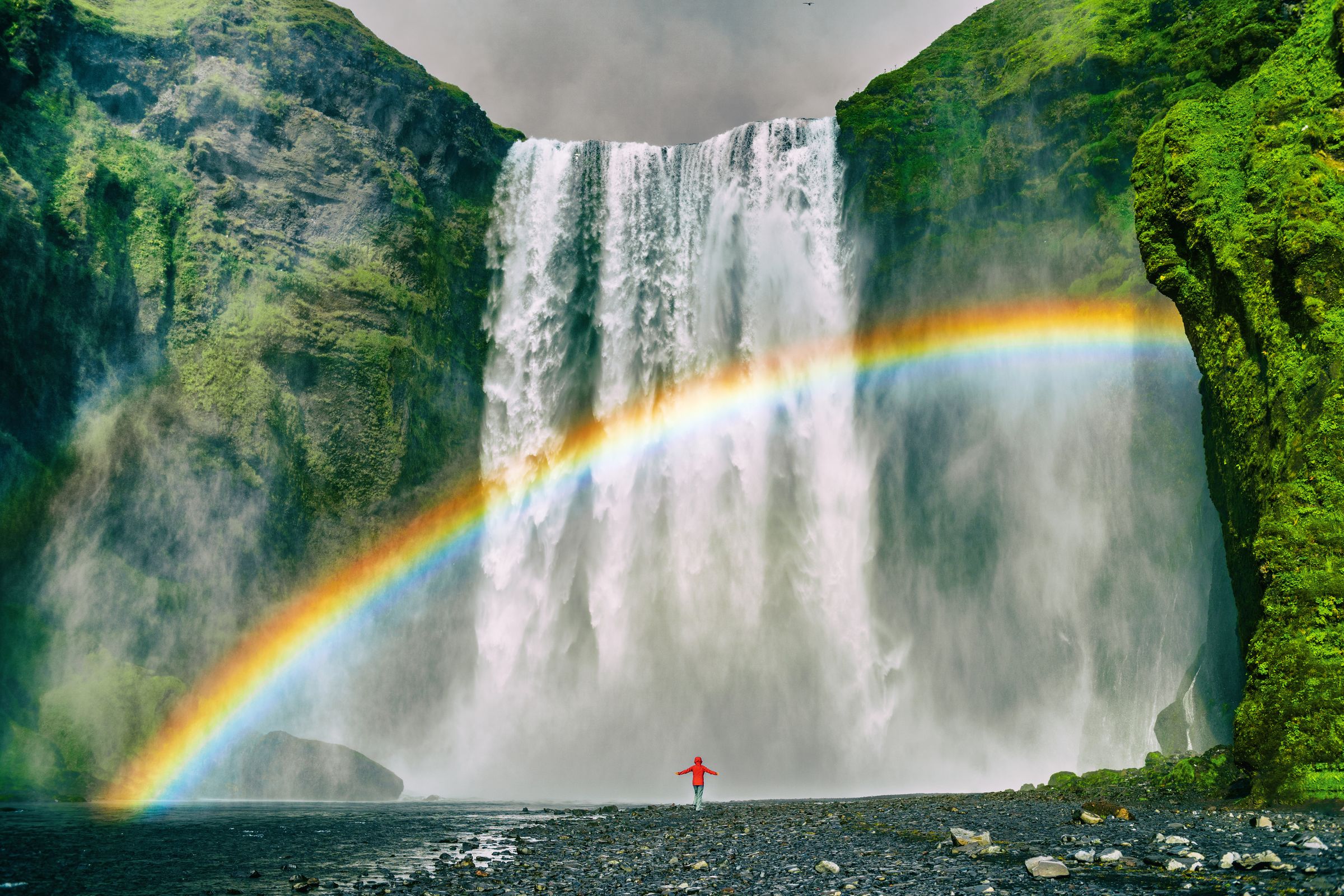
Seljalandsfoss is the waterfall you can walk behind, all the way around. The path is slippery, and you'll get wet regardless, so wear your waterproofs here. A few minutes further down the road, Gljúfrabúi is tucked inside a narrow gorge. Easy to miss, worth the short scramble in.
Skógafoss
Skógafoss is bigger and wider than Seljalandsfoss. There's a staircase on the right side that takes you up to a viewpoint at the top, and that's also where the Fimmvörðuháls hiking trail starts. Even if hiking isn't on the plan, go up. The view from the top is completely different from the view from the bottom.
Dyrhólaey
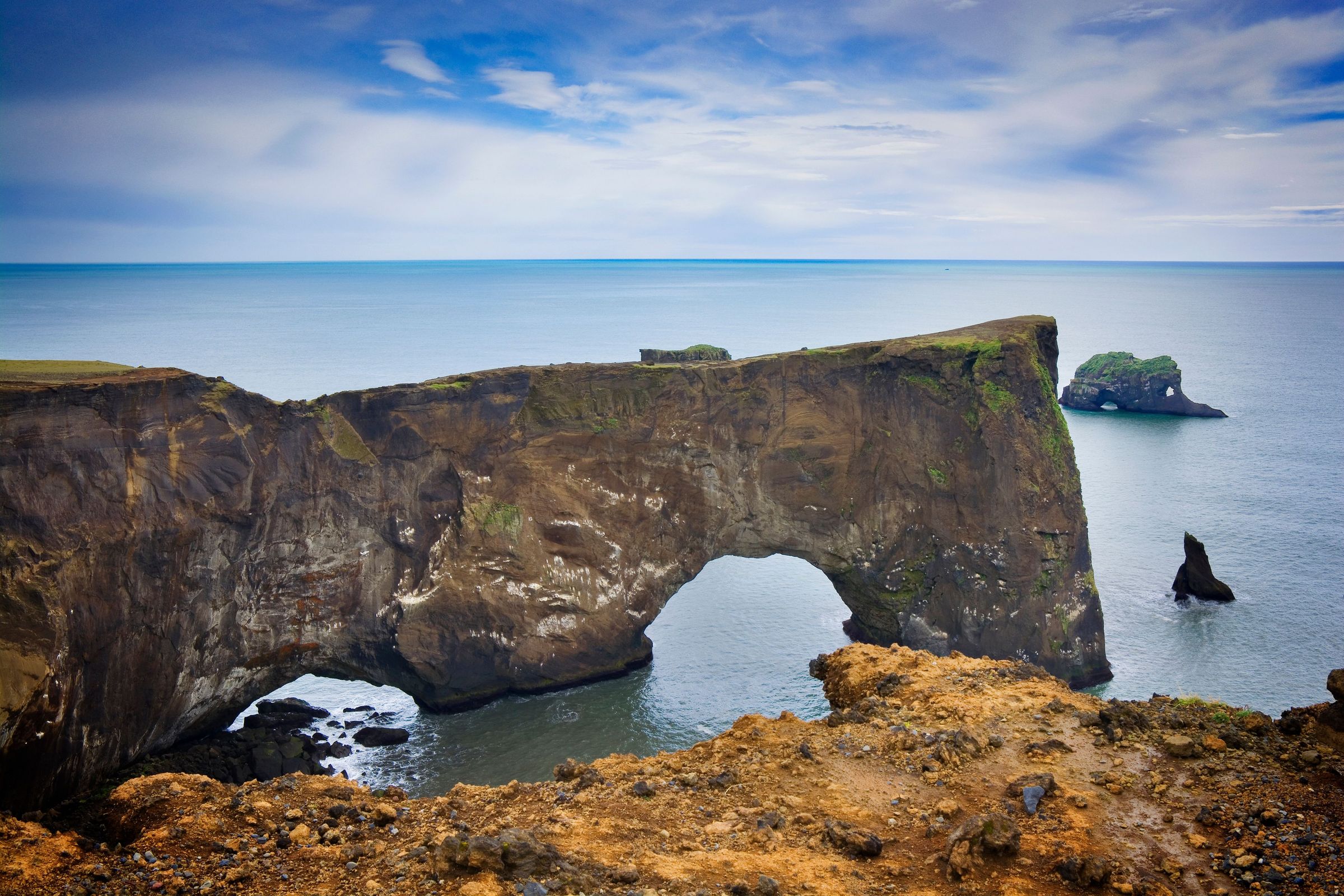
A headland with sea arches, black sand below, and puffins on the cliffs in season. Good viewpoint, and a natural pair with Reynisfjara just down the road. Check if it's open before you go, as it closes during puffin nesting.
Reynisfjara Black Sand Beach
This beach has black sand, basalt column walls, and the sea stacks called Reynisdrangar sticking out of the water just offshore. It's also genuinely dangerous, and that's not an exaggeration.
Safety warning: Sneaker waves at Reynisfjara have seriously injured people. Never turn your back on the water. Stay well back from where the waves reach. Don't climb the basalt columns. The warning lights are there for a reason. This is not a place to swim.
Overnight: Vík í Mýrdal
Drive: Hella to the South Coast stops to Vík (arou nd 130 km or 80 miles, expect a full day with stops)
Day 4 — Vík to Jökulsárlón and Diamond Beach
The glacier lagoon is the main reason to keep going past Vík, and it's worth it. This is one of the longer days, so start early and don't rush once you get there.
Fjaðrárgljúfur Canyon (Optional)
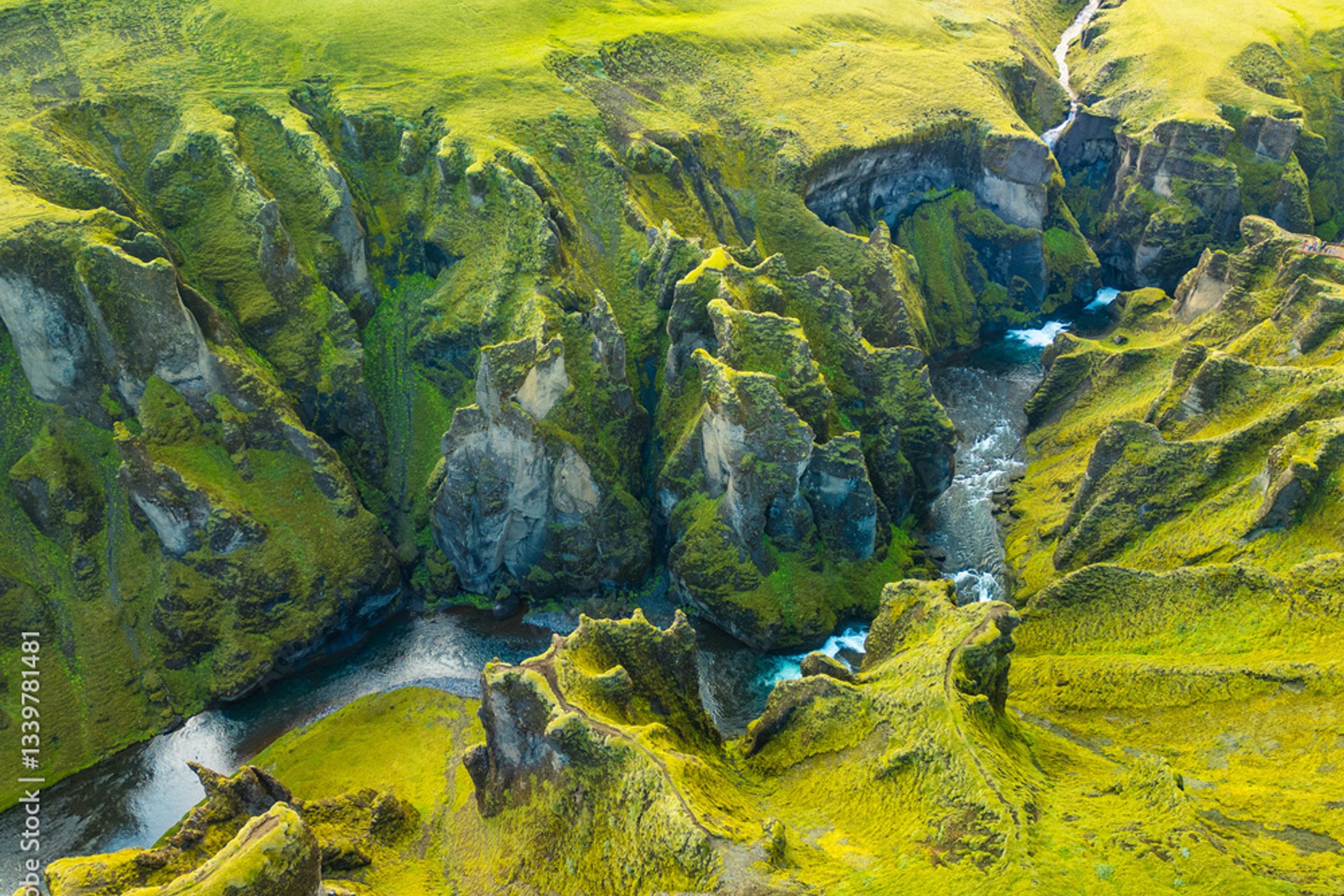
A short detour off Route 1 through a canyon of basalt and moss. The terrain is fragile, so stick to the marked paths. Closures do happen. If you're already running late, skip this one and save that hour for the lagoon.
Skaftafell (Vatnajökull National Park)
Skaftafell is where most glacier hikes depart from, and it's also where the trail to Svartifoss starts, a waterfall surrounded by hexagonal basalt columns. If you booked a glacier hike, it almost certainly leaves from here. Give yourself at least 2 to 3 hours. And if you haven't booked one yet, I'd do it. It's one of those things that's hard to describe and easy to remember.
Important: Don't step onto a glacier without a certified guide. Crevasses aren't always visible and conditions change quickly. Book glacier hikes in advance.
Jökulsárlón Glacier Lagoon
Jökulsárlón is a lagoon where icebergs break off the Breiðamerkurjökull glacier and slowly drift toward the sea. Boat tours run in season. Even without a tour, just standing at the edge and watching icebergs float past is something that sticks with you.
Diamond Beach
Directly across the road from the lagoon, chunks of ice wash up on a black sand beach and catch the light like giant glass blocks. Don't climb on them, they're unstable, and the waves here are still worth respecting.
Overnight: Höfn or near Jökulsárlón
Drive: Vík to Fjaðrárgljúfur to Skaftafell to Jökulsárlón to Höfn (around 280 km or 174 miles, expect a full day)
Day 5 — Southeast Iceland and the Eastfjords
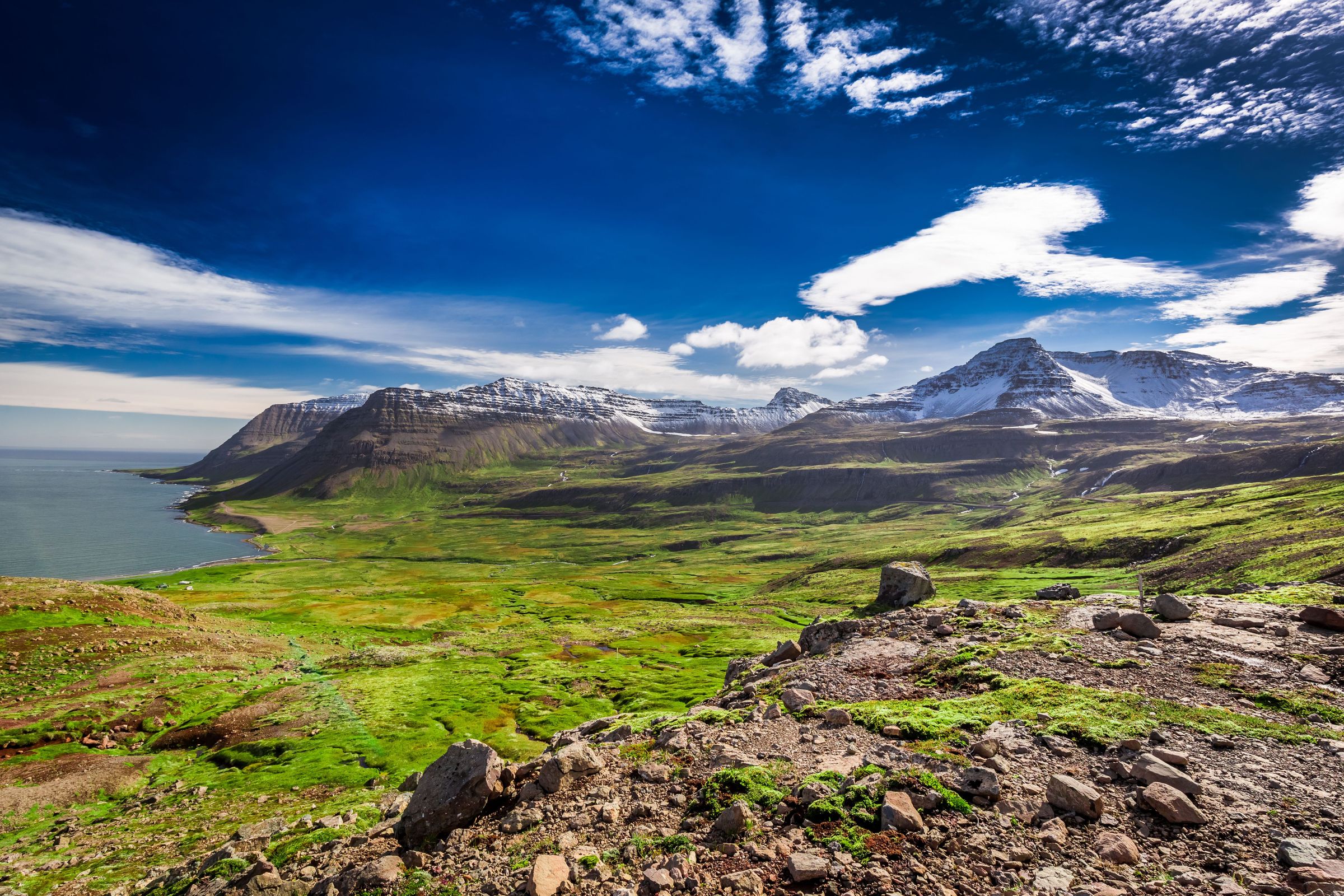
Day 5 is slower than what came before, and honestly, that's a good thing. The drive from Höfn through the Eastfjords is about fjords, fishing villages, and mountain passes, not big famous stops. If the South Coast pace wore you out, this is where you breathe again.
Optional stop: Stokksnes and Vestrahorn
Just outside Höfn, Stokksnes is a strip of black sand with Vestrahorn mountain sitting behind it. Photographers tend to love this one. There's a small access fee, and it works best when the weather cooperates.
The Eastfjords drive
The road winds between fjords and small ports. Towns like Djúpivogur and Breiðdalsvík are worth a short stop. On the narrower mountain passes, keep your focus on the road.
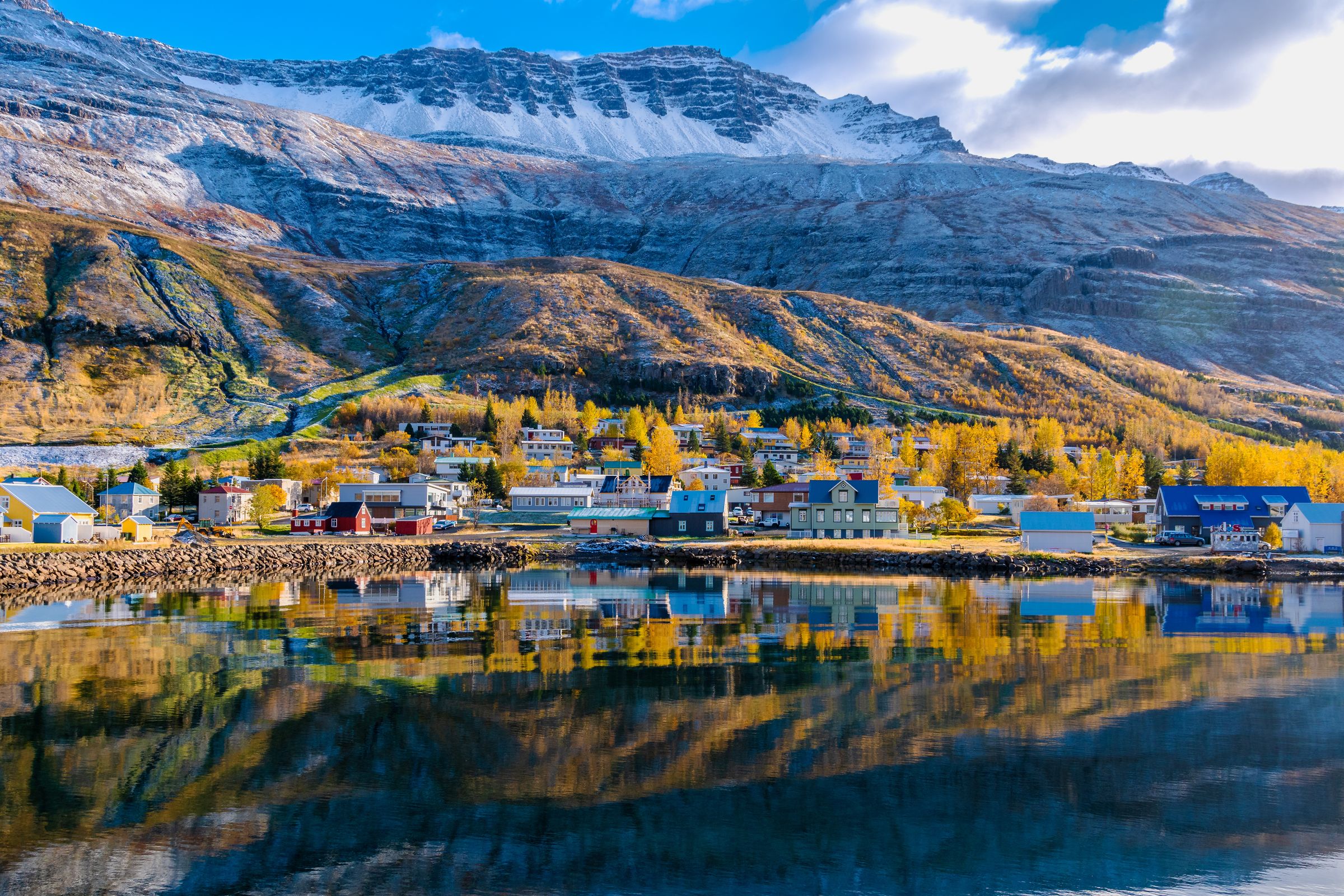
Seyðisfjörður
If you ask me, Seyðisfjörður is worth the effort even though it means backtracking from Egilsstaðir. The road over the mountain pass is something else, and the town at the bottom, Rainbow Street, blue church, fjord surrounding everything, is one of the most memorable places on the whole route. Check road conditions before heading up, especially outside of summer.
Overnight: Egilsstaðir or Seyðisfjörður
Drive: Höfn to the Eastfjords to Egilsstaðir/Seyðisfjörður (around 200 km or 124 miles, 4 to 5 hours)
Day 6 — Stuðlagil Canyon, Dettifoss, and Lake Mývatn
This day looks fine on the map and then turns into a lot once you're in it. There's genuinely too much here to rush through properly. Pick two of the three main stops and give yourself real time at each.
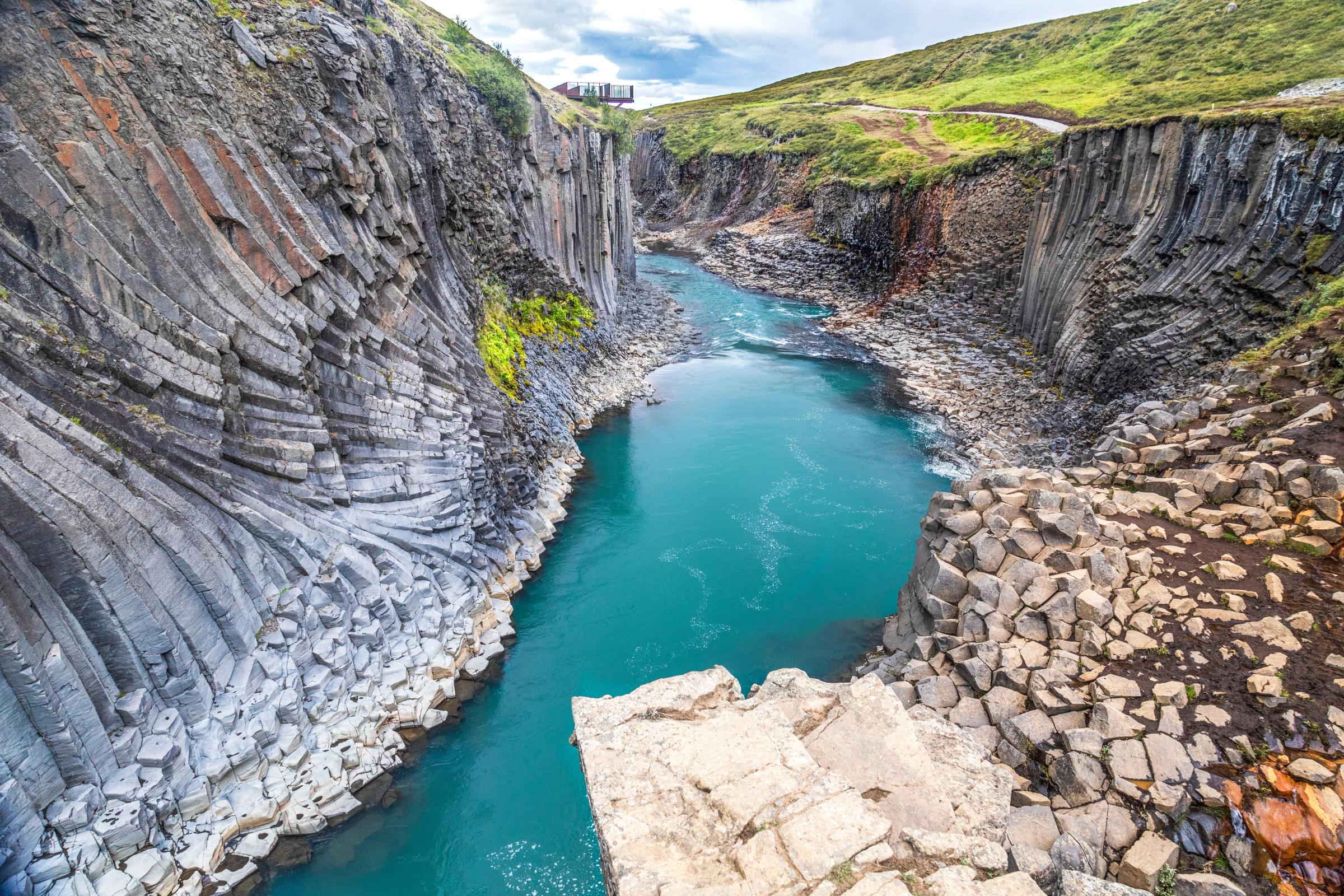
Stuðlagil Canyon
A canyon of vertical basalt columns with a blue-green river running through it. Which side you come in from matters: the east bank gets you up close to the columns, the west bank gives a wider view. Plan at least 1.5 to 2 hours, including the walk in and out.
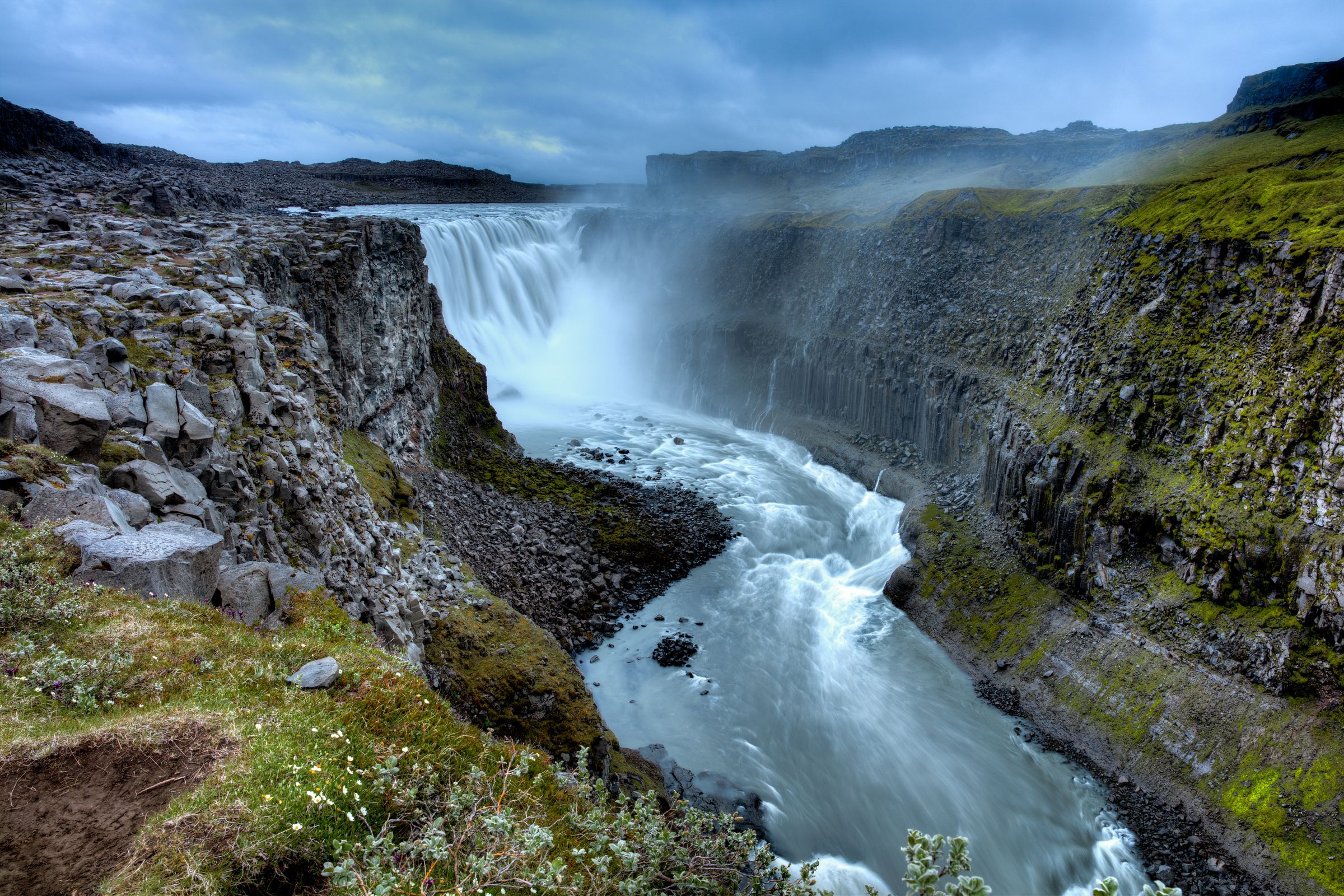
Dettifoss
Often described as Europe's most powerful waterfall. Dettifoss is around 45 meters high and 100 meters wide, and the amount of water going over is hard to take in until you're standing right there. Two roads to get there: the east road (Route 864) is usually rougher, the west (Route 862) is easier and often paved.
Bring waterproofs. The spray reaches far, and the ground near the edge gets slippery.
Hverir and Lake Mývatn
Hverir, also called Námafjall, is a geothermal field of mud pots, sulfur vents, and mineral-colored ground. It smells strongly of sulfur and looks like nowhere else you've ever been. Quick stop, but stay on the marked paths; the ground around geothermal vents can be thin.
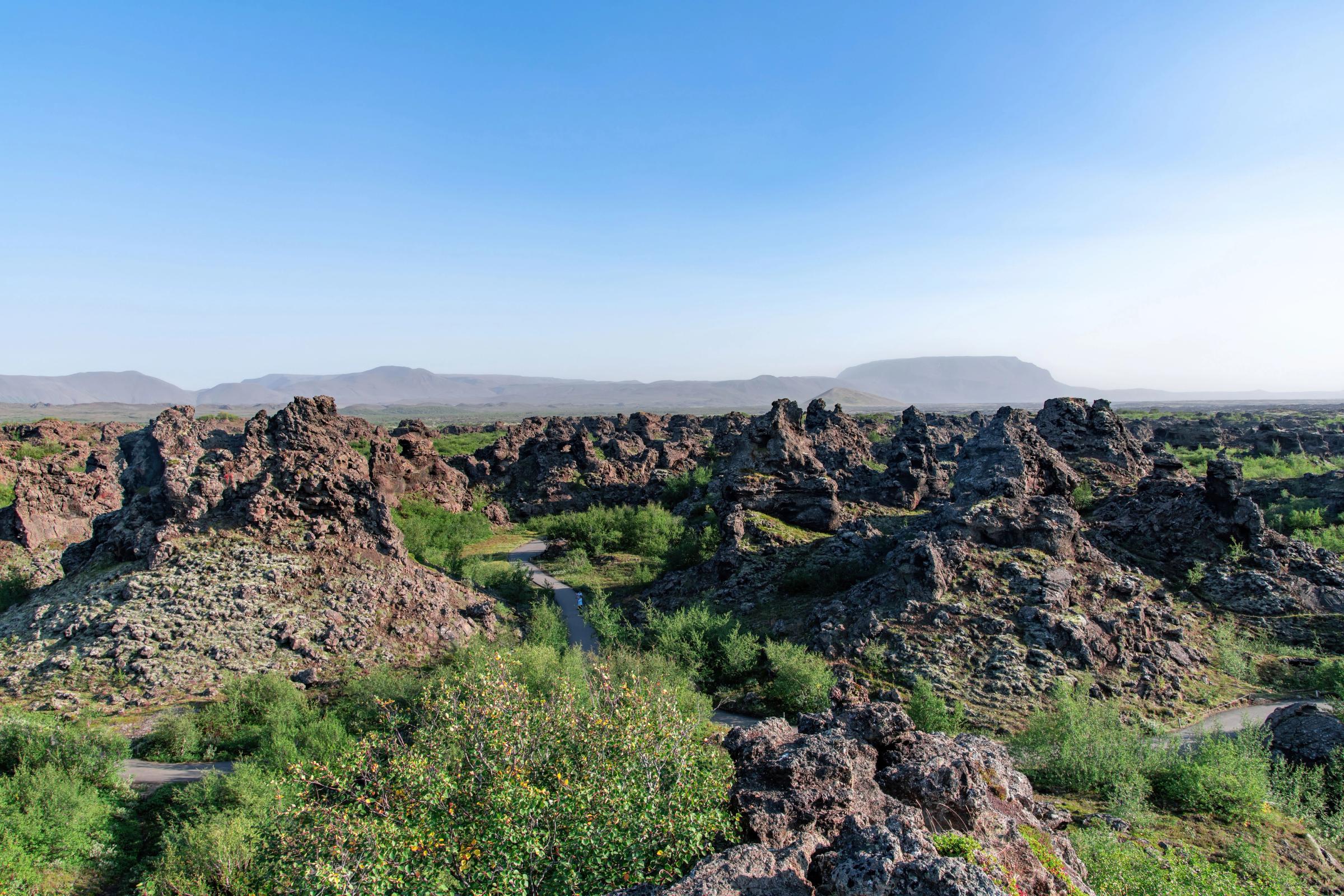
Lake Mývatn itself is a shallow lake with lava formations, pseudocraters, and geothermal features all around it. The main things to see are Dimmuborgir (strange lava rock formations), Skútustaðagígar (pseudocraters you can walk around), and Grjótagjá cave.
One thing to know: midges can be intense around Mývatn in warmer months. A head net helps.
Overnight: Mývatn
Drive: Egilsstaðir to Stuðlagil to Dettifoss to Mývatn (around 252 km or 156 miles, plus detours, a long day)
Day 7 — Earth Lagoon Myvatn, Húsavík, Goðafoss, , and Akureyri
Lighter than Day 6. Use the morning to see anything around Mývatn you missed, then head toward Akureyri with a couple of stops along the way.
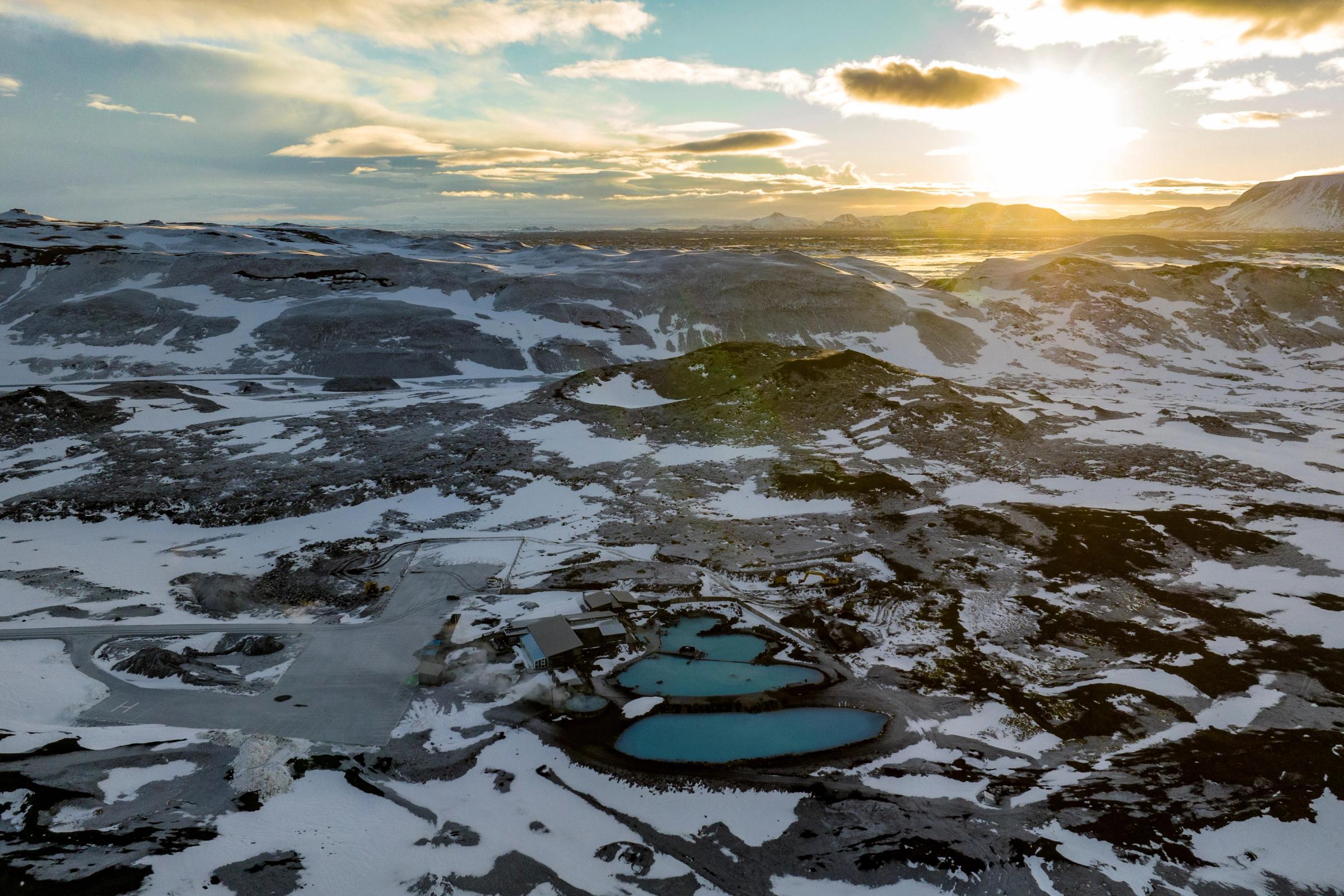
Earth Lagoon Mývatn
If you decided to skip the Blue Lagoon at the beginning of your trip, this is a great opportunity to enjoy a similar experience.
It’s usually less crowded, has a more relaxed atmosphere, and fits naturally into the route around the Ring Road.
It also tends to be a better experience in the morning than later in the day.
The Earth Lagoon Mývatn reopened in mid-June 2026 after a complete renovation and rebrand.
If you're reading this before mid-June 2026, keep in mind that it will still be closed.
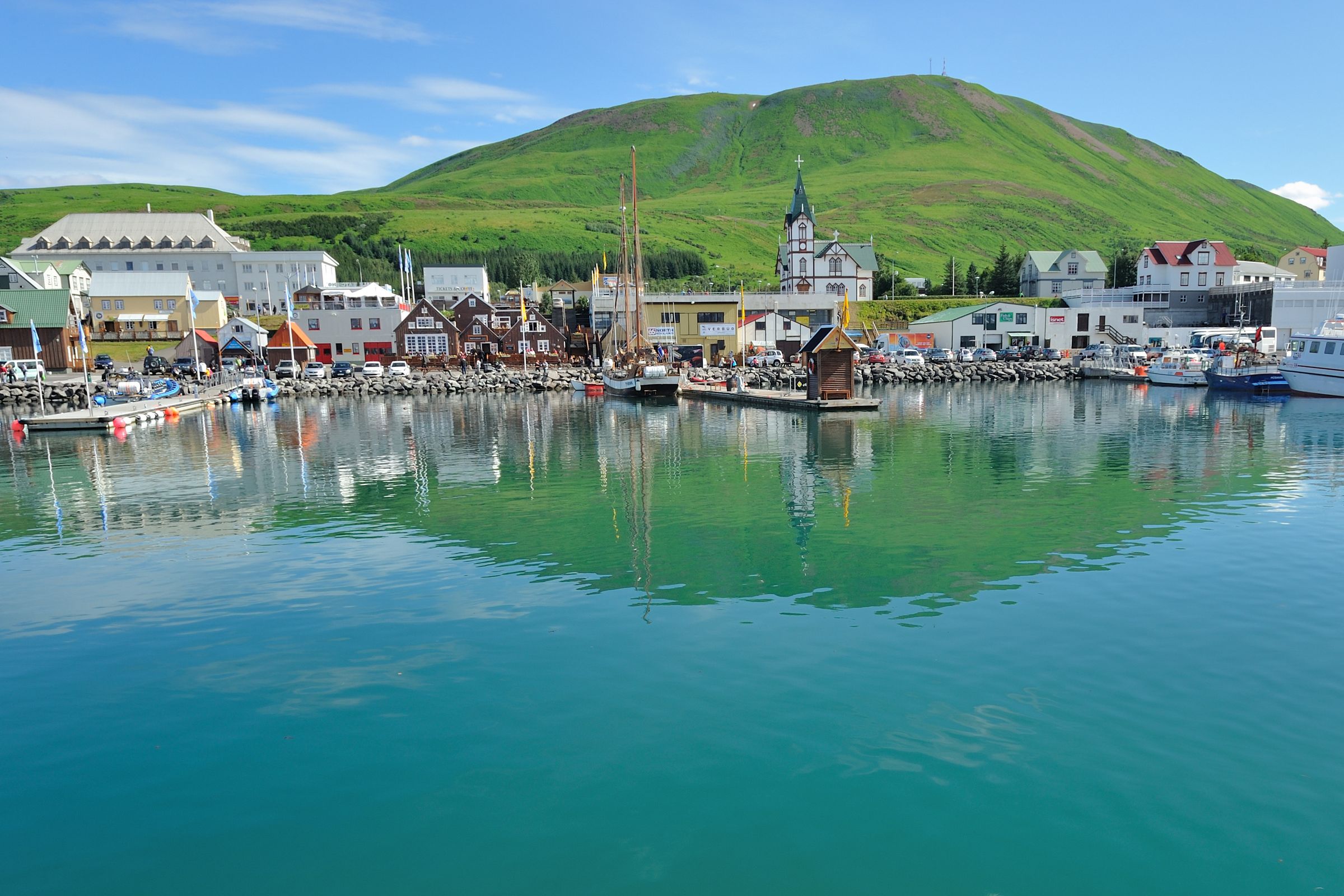
Húsavík (Optional)
Húsavík is Iceland's main spot for whale watching, and humpback sightings are consistently reliable there in summer. If wildlife is something you care about, it's worth the detour. If it's not a priority for you, skip it and use the time to visit Goðafoss and get to Akureyri at a decent hour.
Goðafoss
Goðafoss was named "Waterfall of the Gods," after a chieftain threw his pagan idols into it when Iceland converted to Christianity around the year 1000. Both banks have viewing areas, and it's only a few minutes off Route 1. Don't skip this one.
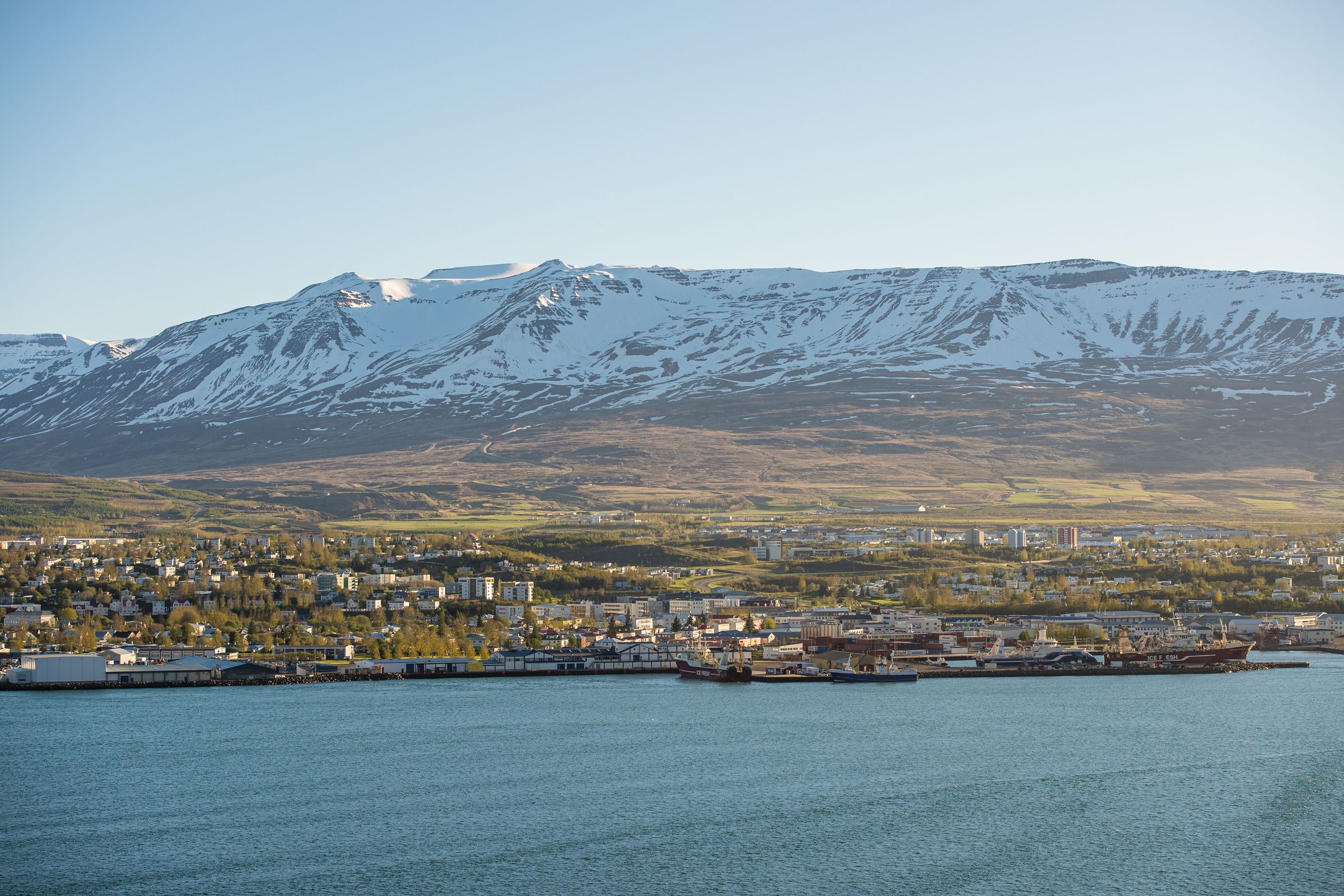
Akureyri
Akureyri is North Iceland's main town, and it's a good reset after a few days of rural driving. There are proper restaurants, grocery stores, fuel, and accommodation options that are easier to find than anywhere you've been since Reykjavík. If you need to do laundry, stock up on food, or just sit in a café for an hour, this is the place. It also has a botanical garden and a small but walkable center worth a short stroll if you arrive early enough.
Overnight: Akureyri
Drive: Mývatn to optional Húsavík to Goðafoss to Akureyri (around 140 to 150 km (87 miles))
Day 8 — North Iceland to West Iceland
Day 8 is mostly a driving day, and most itineraries won't tell you that. The distance from Akureyri to Snæfellsnes is around 350 km. Don't try to pack it with stops.
The drive through Northwest Iceland is good — fjords, farmland, ocean views — just not full of named attractions. A few things worth pulling over for if you pass them:
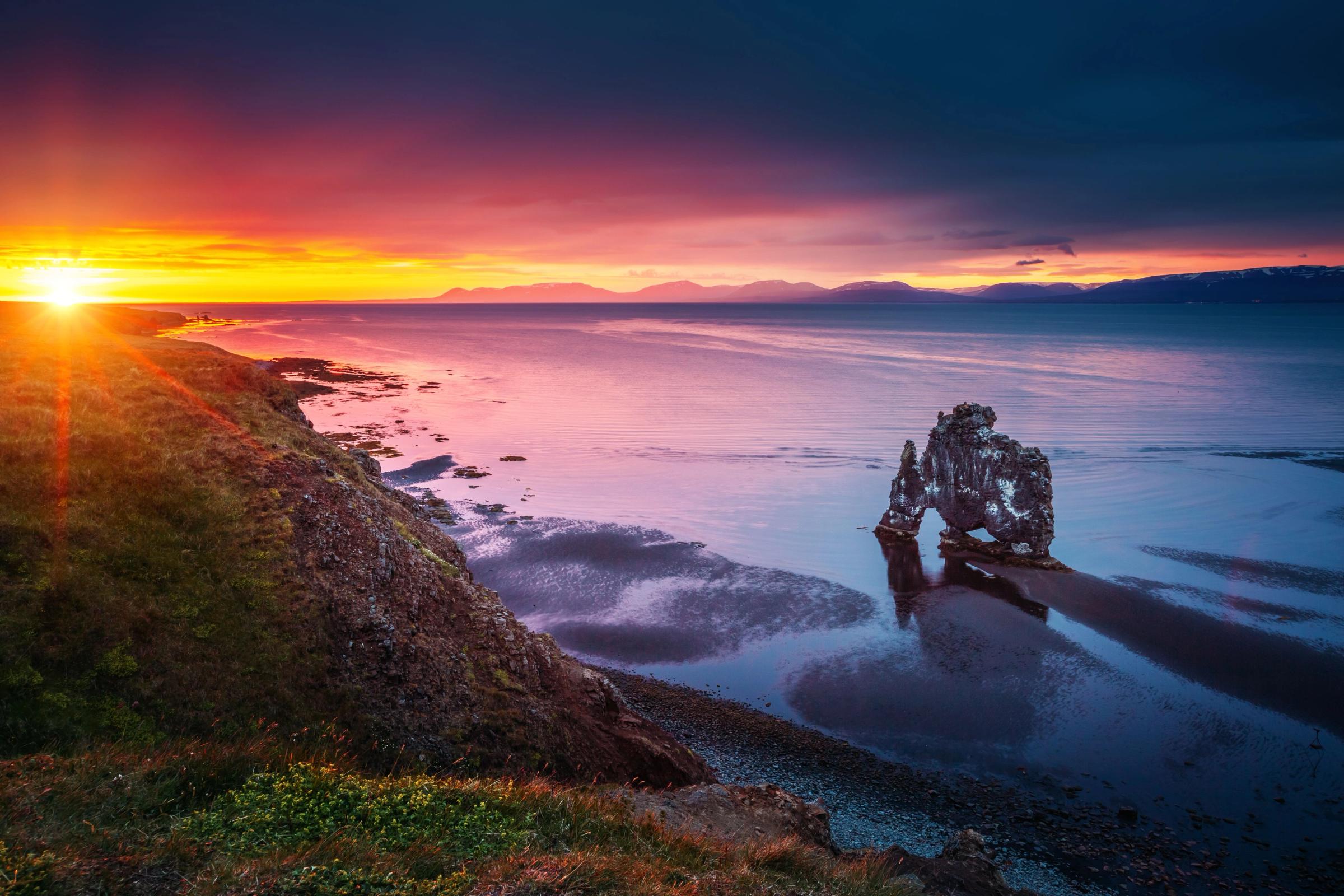
Hvítserkur: A 15-meter basalt rock formation just off the coast that looks like a drinking elephant or a dragon, depending on how you look at it. Short walk from the parking area.
Kolugljúfur Canyon: A small gorge with a waterfall that most people drive straight past. Worth 30 minutes if you're nearby.
If you get to Snæfellsnes late and don't have time to see anything, that's fine. Day 9 is entirely on the peninsula.
Overnight: Snæfellsnes (Grundarfjörður is a good choice)
Drive: Akureyri through Northwest Iceland to Snæfellsnes (around 370 km, 4.5 to 5 hours of driving)
Day 9 — Snæfellsnes Peninsula
Snæfellsnes is sometimes called Iceland in miniature: lava fields, sea cliffs, beaches, fishing villages, and a glacier-topped volcano all in one peninsula. It works really well as the last big day before heading back to Reykjavík.
Snæfellsjökull National Park covers the western tip of the peninsula and is open all year. It runs from the glacier at the top all the way down to the coast.
Kirkjufell
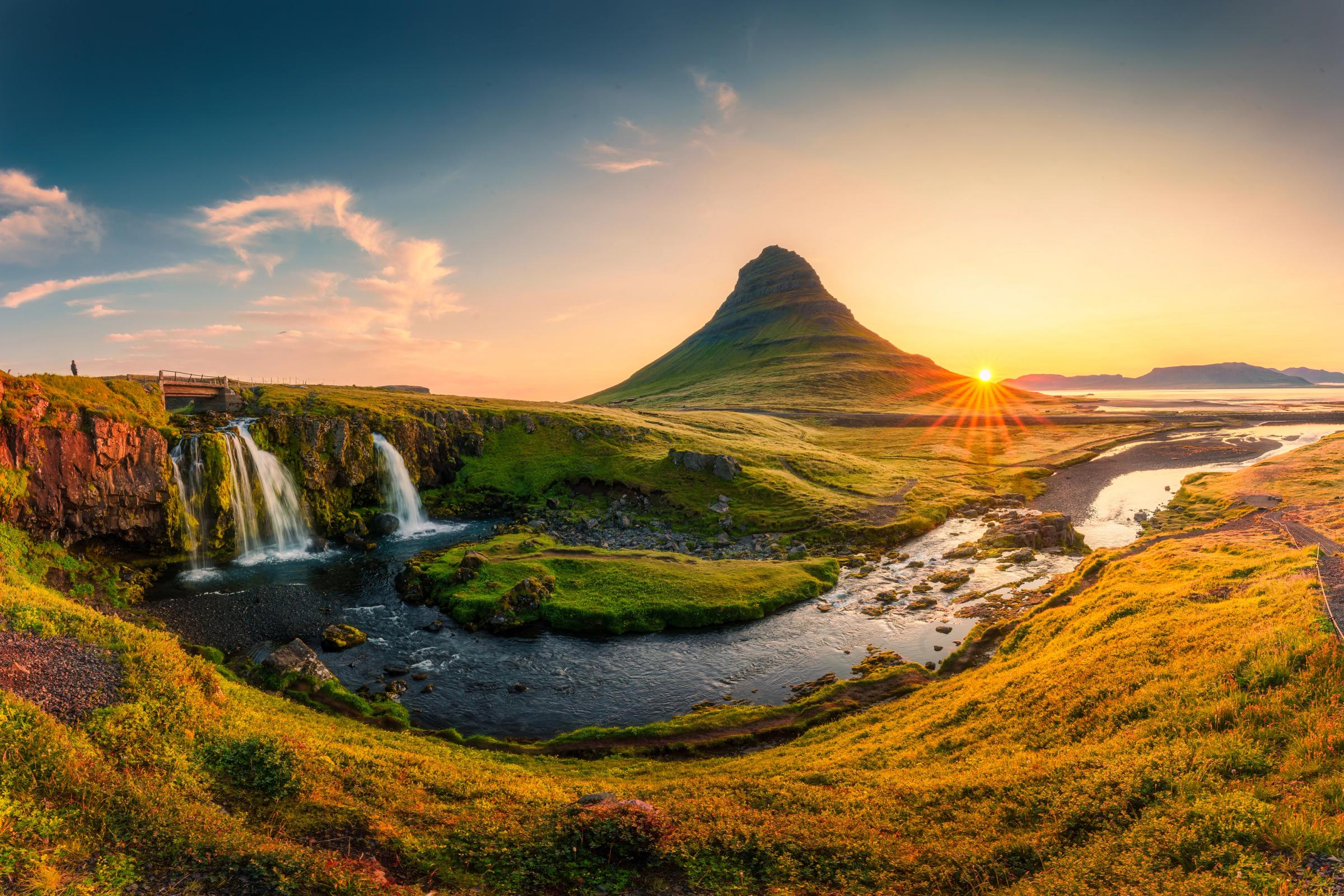
Kirkjufell is a mountain near Grundarfjörður, and is probably the most photographed natural wonder in Iceland. It looks even better with Kirkjufellsfoss waterfall in the foreground. Stay in the marked viewing areas and don't wander onto private land for a slightly better shot.
Djúpalónssandur: A pebble beach with lava boulders and the rusted wreck of a British fishing trawler that went down here in 1948. Strange and worth seeing.
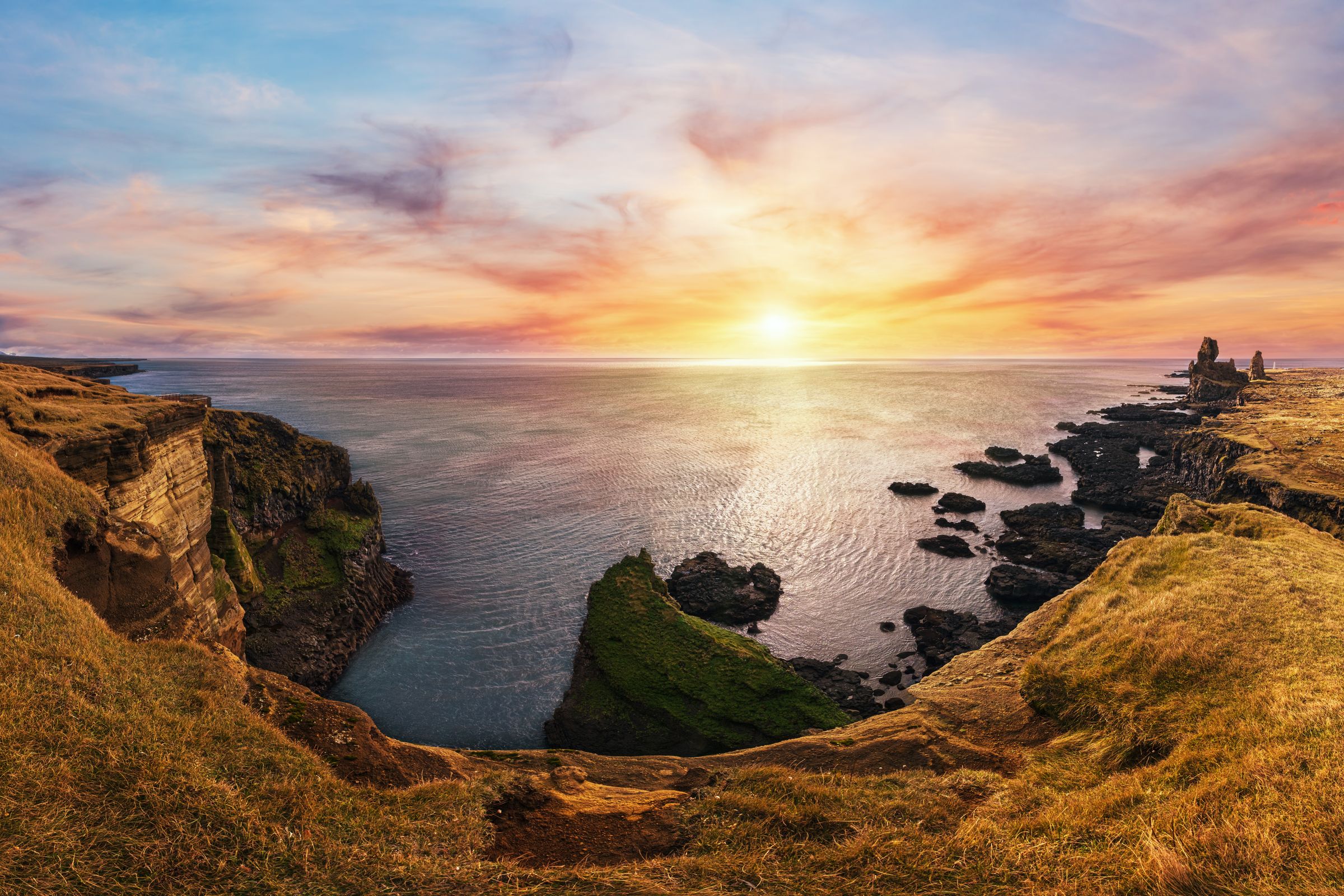
Lóndrangar: Twin basalt sea stacks on the coast. Short walk from the road.
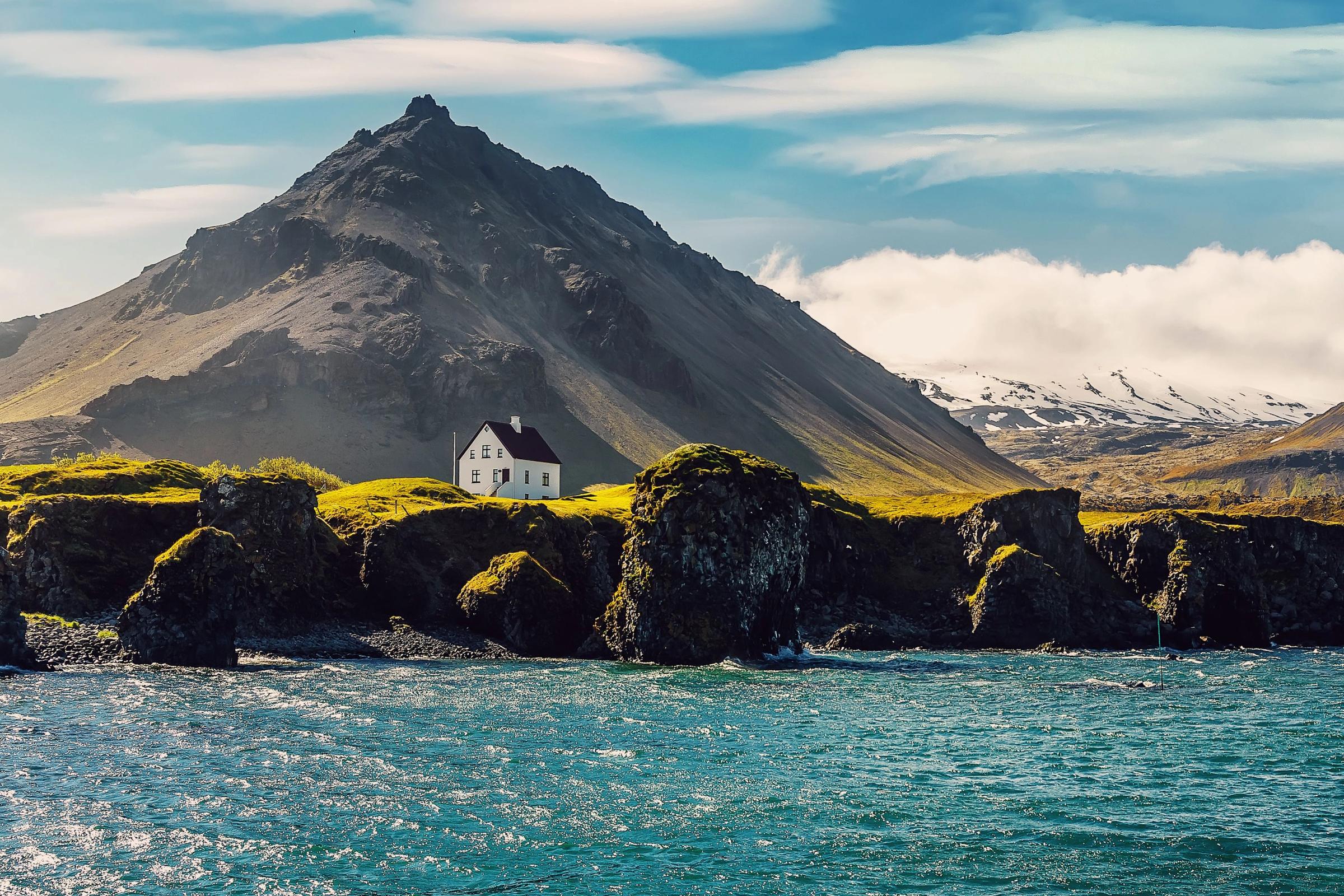
Arnarstapi and Hellnar: Two small fishing villages connected by a coastal path. Sea arches, cliffs, and seabirds the whole way.
Búðakirkja: A small black church sitting alone in a lava field. One of the most photographed buildings in Iceland, and one of the rare cases where you'll understand why.
If your flight is not until next day’s evening, I’d recommend you sleep in Borgarnes, which is just a 1-hour drive to Reykjavik. It’s a good stop for a bite, fuel, and a stretch. The Settlement Center museum covers early Icelandic history if you want context for everything you've been seeing.
Overnight: Reykjavík or Borgarnes (whichever avoids a very long drive on Day 10)
Drive: Snæfellsnes loop back to Reykjavík (around 200 km)
Day 10 — Reykjavík, Reykjanes, and Departure
Keep it simple. If your flight is in the afternoon or evening, you have options. If it's early, just leave enough time to return the car and get to Keflavík without rushing.
Ways to fill Day 10:
Walk Laugavegur street, stop at the harbor, grab coffee near Hallgrímskirkja
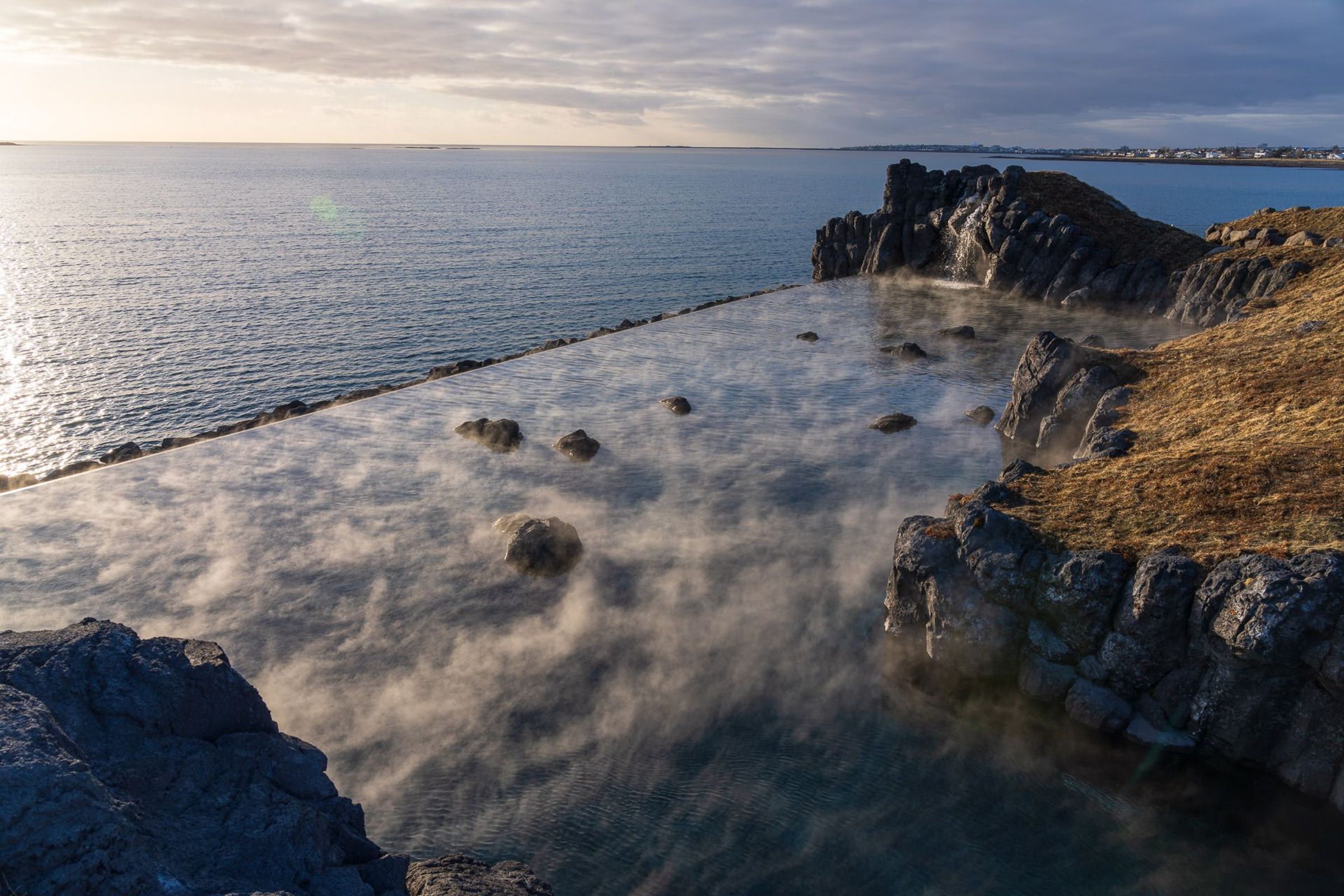
Sky Lagoon is close to Reykjavík and easier to fit in than the Blue Lagoon on this day
Blue Lagoon works as a last stop if you can drop your bags at the airport first
The Reykjanes Peninsula has volcanic landscapes right by the airport if you want one last short drive
One thing to say clearly: if your flight leaves before noon, sleep in Reykjavík on Night 9, as you won’t have time to do much on day 10.
Overnight: Departure, or an extra night in Reykjavík or Keflaví
What I'd Skip With Only 10 Days
Knowing what to leave out is half the job. Here's what doesn't fit a realistic first Ring Road trip.
A good 10-day Iceland itinerary isn't the one with the most stops. It's the one with enough time to actually be present at the stops.
Westfjords
The Westfjords are worth visiting, but slow to drive. They need at least 3 to 4 extra days on their own. Don't try to tack them onto a Ring Road trip.
Highlands and F-roads
The Highlands and F-roadsonly open in summer, need the right 4x4, and take multiple days per area. Save them for a trip built around them.
Long individual F-road detours
Even one can eat half a day. Leave them out unless it's a deliberate priority.
Sleeping in Reykjavík every night
You'd spend most of your time driving back to where you started. One or two nights in the capital is enough.
Try to see every waterfall
Iceland has dozens. Pick the best ones for each stretch and keep moving.
Multi-day hikes
Fimmvörðuháls, Laugavegur: both worth doing, both need their own trip.
Too many paid hot springs
One or two lagoon experiences is the right amount. Chasing every geothermal pool adds cost and time for not much extra reward.
Best Time of Year for This 10-Day Iceland Itinerary
Season makes a bigger difference in Iceland than almost anywhere else you'll drive. The route in this guide works well in some months and gets genuinely difficult in others.
Summer (June to August)
The easiest time for a first Ring Road trip. In June, it barely gets dark at all. Roads are clear, most things are open, and weather is more predictable than any other time of year. The downsides: everything costs more, popular spots are busy, and accommodation books out months in advance. You'll need a sleep mask due to the Midnight Sun.
May and September (Shoulder Season)
If I were picking when to do this trip, it'd be May or September. Fewer people, better prices, and conditions are still manageable for driving the full loop. September also gives you a real chance at seeing the northern lights as the nights start getting dark again. The tradeoffs are shorter days and more unpredictable weather. Some detours or roads might be closed, so check each morning.
Winter (October to April)
A full Ring Road in winter is possible but harder. Daylight is short, some roads close without much warning, and one bad storm can wipe out a day or two of your plan. If you're going in winter for northern lights, ice caves, or snow landscapes, a South and West Iceland route makes more sense: Reykjavík, Golden Circle, South Coast, Jökulsárlón, Snæfellsnes, Reykjanes — with buffer days. Save the full Ring Road for a warmer time of year.
Northern lights vs. Midnight Sun: You don't get both on the same trip. Summer means long daylight and no northern lights. Autumn to spring means dark nights and a real chance at the aurora. Decide which one matters more before you book.
Do You Need a 4x4? {#4x4}
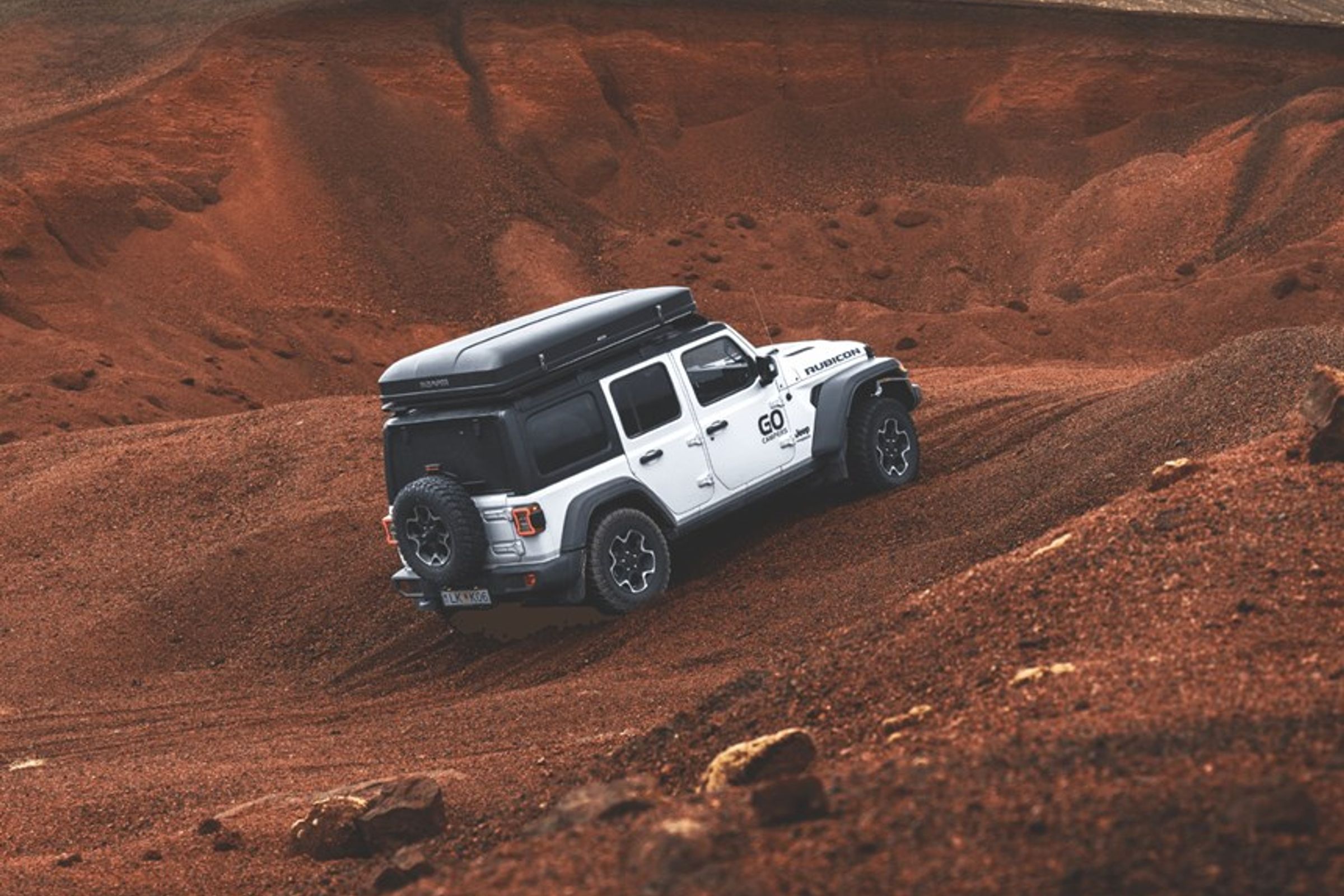
For a standard Ring Road trip in summer, a regular car is fine. Route 1 is mostly paved and manageable in decent weather.
A 4x4 is more useful in winter or shoulder season, if you want to take gravel-heavy side routes, or if you're considering any driving in the Highlands. F-roads are a completely different thing: rough, seasonal mountain tracks that often involve river crossings and legally need the right 4x4. A standard Ring Road itinerary doesn't include F-roads.
Whatever you rent, read the insurance carefully. Gravel protection, sand and ash coverage, and wind damage are all separate add-ons in Iceland, and they're genuinely relevant, not just upselling.
How Much Driving Is This Really?
A lot. The Ring Road is around 1,332 km in total, and this itinerary covers most of it plus Snæfellsnes. Some days look short on paper and turn out long once you're in the car.
The stretches that catch people off guard the most:
Vík to Höfn (Day 4): Long, with major stops spread across it
Höfn to Egilsstaðir (Day 5): Fjord roads are slower than the map makes them look
Egilsstaðir to Mývatn (Day 6): Add detours and it becomes a full day easily
Akureyri to Snæfellsnes (Day 8): The longest transfer day, at least 4 hours of driving minimum
Add photo stops, meals, fuel, and weather to any of those and the day disappears fast. Start early. Don't drive when you're tired. And don't take Google Maps drive times as your actual schedule, it doesn't account for stops or Icelandic road conditions.
How Much Does 10 Days in Iceland Cost?
Iceland is expensive, and there's no way around that. Here's a breakdown by category rather than one number that fits no one.
Category
Budget
Mid-range
Comfortable
Campervan rental (10 days)
$1,050–1,500
$1,500–2,325
$2,325–3,500+
Fuel
$350–465
$465–640
$640–815
Accommodation (9 nights)
$700–1,050
$1,400–2,100
$2,325–4,070+
Food
$350–465
$580–930
$930–1,745+
Tours and activities
$115–230
$350–700
$700–1,400+
Hot springs / lagoons
$60–115
$115–230
$230–465
Parking, fees, and miscellaneous
$60–115
$115–230
$175–350
Budget travelers can cut costs by staying in hostels or guesthouses, eating grocery meals, and skipping most paid tours. If you're traveling more comfortably, Iceland is one of the pricier destinations in Europe. Plan around that from the start.
What to Pack
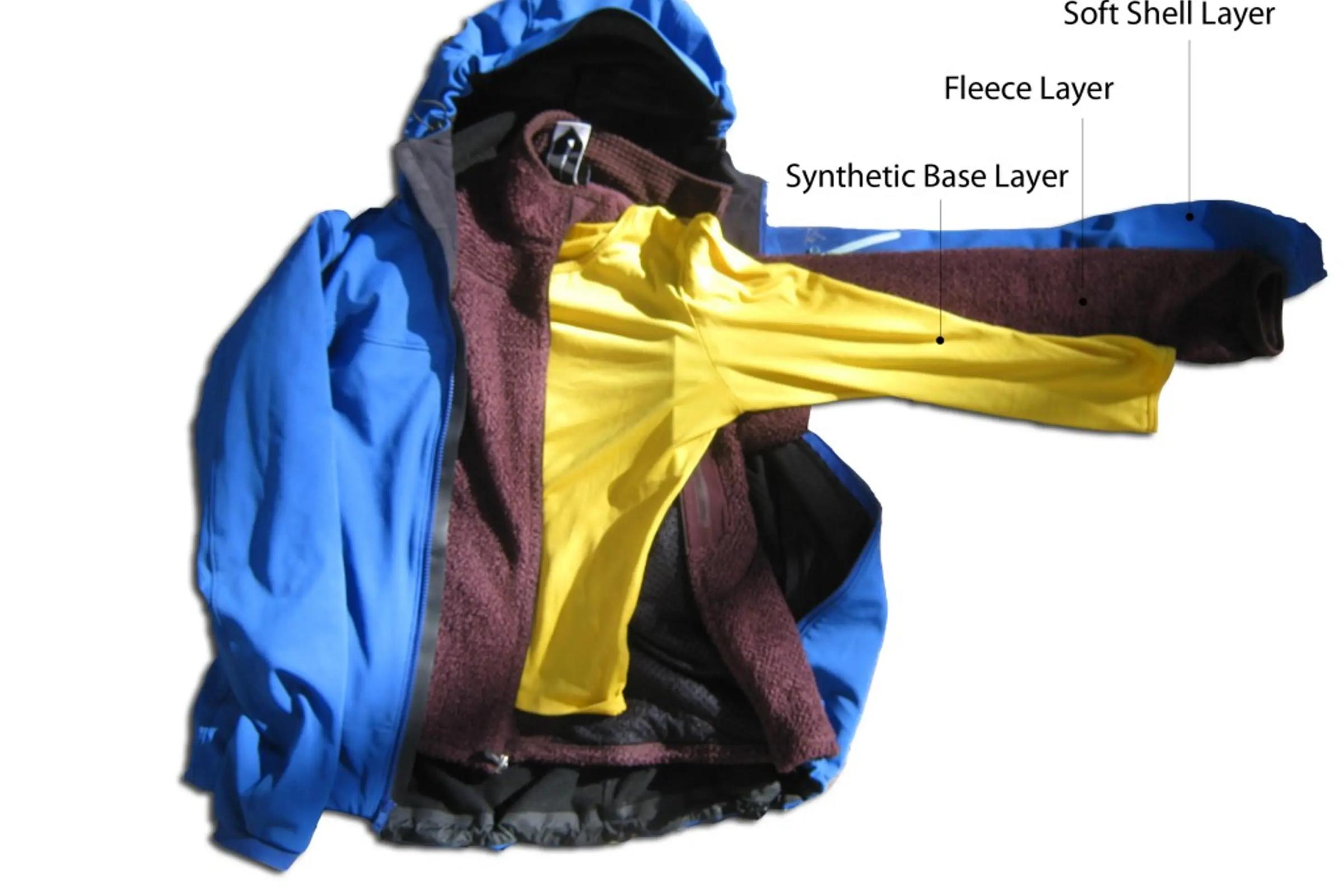
The weather in Iceland can change a lot in a single day. Layers and waterproofs aren't optional.
Clothes and gear
Waterproof jacket (non-negotiable, even in summer)
Waterproof pants
Warm mid-layer, fleece or wool
Hat, gloves, and a scarf, even if you're going in July
Hiking shoes or waterproof boots
Swimsuit for hot springs
Quick-dry towel
Practical extras
Reusable water bottle (tap water in Iceland is excellent everywhere)
Sunglasses
Sleep mask, especially in summer when it barely gets dark
Phone charger and car charger
Offline maps downloaded before you leave
Camera with weather protection
Winter and shoulder season only
Microspikes or crampons for icy paths
Heavier insulated layers under your waterproofs
10-Day Iceland Itinerary Variations
The route in this guide works for most first-timers, but here are some changes depending on your situation.
If You're Visiting in Winter
Drop the full Ring Road and focus on South and West Iceland instead: Reykjavík to Golden Circle to South Coast to Jökulsárlón, then back toward Reykjavík, then Snæfellsnes and Reykjanes. Build in buffer days for weather and road closures. Winter is the right time for northern lights, ice caves, and snow landscapes. Let the conditions shape your days rather than fighting a fixed schedule.
If You're Traveling With Kids
Fewer overnight changes. Kids don't do well with constant packing and unpacking. Stick to Reykjavík, the Golden Circle, South Coast, and Jökulsárlón, and include Iceland's public pools where you can: they're warm, cheap, and families love them. Leave North Iceland and Snæfellsnes for another trip.
If You're a Photographer
Fewer stops, more time at each. The spots worth prioritizing: Vestrahorn/Stokksnes, Jökulsárlón and Diamond Beach, Reynisfjara, Kirkjufell, and Goðafoss. Build sunrise and sunset flexibility into each day rather than locking into a fixed schedule. Getting the right shot at Jökulsárlón can take an hour of waiting.
If You Don't Want to Rent a Car
You can do Iceland in 10 days without driving, it just becomes a different kind of trip. Base yourself in Reykjavík and combine guided day tours with one or two multi-day packages on the South Coast or in North Iceland. You won't cover the full Ring Road, but you'll still see the highlights.
What to Book in Advance
Iceland trips fall apart when people wait too long on the key bookings. Here's what to sort out before you go.
Campervan or car rental: Months ahead for peak summer. Supply is limited and prices go up fast.
Accommodation in Vík, Höfn, Mývatn, and Snæfellsnes: All of these areas have limited options and they fill up quickly.
Blue Lagoon or Sky Lagoon: You can't just show up at either. Book in advance.
Glacier hike: Guides and slots are limited, especially at Skaftafell in summer.
Ice cave tours: Seasonal (typically November to March) and often sold out weeks ahead.
Whale watching in Húsavík: Book ahead in summer.
Popular summer guesthouses and farm stays: Some have fewer than 5 rooms. Book early.
Tip: For a June or July trip, I'd lock in accommodation at least 3 to 4 months ahead, especially for the trickier spots like Vík, Höfn, and Mývatn.
Final Thoughts
10 days in Iceland is enough, just not for everything. The Ring Road works best for people who sort out the big things early, stay flexible day-to-day, and don't try to squeeze one more stop into a day that's already full.
Check road conditions and weather every morning. Book the key accommodation well ahead. And when you get to Jökulsárlón or Reynisfjara or Kirkjufell, actually stop and take it in instead of rushing back to the car.
The best Iceland trip isn't the one with the most stops. It's the one you had enough time to actually enjoy.
Frequently Asked Questions
Yes. Ten days is one of the best lengths for a first Ring Road trip, particularly from late spring to early fall. It's fast-paced but realistic. You'll cover the main regions without trying to add the Westfjords or Highlands.
Counterclockwise works best for most first-timers. It puts the Golden Circle and South Coast at the start, so you hit the most well-known stops while you're still fresh. Clockwise works too if accommodation or weather makes it the better call.
One or two. One at the start, possibly one at the end. More than that, and you're spending your road trip commuting back to the capital.
Not checking the weather and road conditions each morning; Driving exhausted; Stopping in the road for photos; Underestimating how long each day takes; Too many stops per day.
Build in flexibility, and most of these problems disappear.
About the author
Aron Freyr
Local expert
Born and raised in Iceland, Aron Freyr has spent all 28 years of his life exploring the country and getting to know its landscapes, regions, and ever changing conditions.