What Are the Requirements to Rent a Camper in Iceland?
Renting a camper in Iceland isn't hard. But the rules aren't always clear. Here's what you need to know so you don't get stuck at the pickup counter or fined on a mountain road.
If you're planning a self-drive trip around Iceland, a camper is one of the best ways to do it. You get the freedom of a road trip without having to book a hotel every night. But rental companies have their own rules about who can drive, what you need to bring, and where you can take the vehicle.
The exact rules change a bit depending on the company and the camper. But the basics stay the same everywhere. Let's go through all of it, starting with the simple stuff.
Basic Requirements to Rent a Camper in Iceland
Here's the short list of things every rental company will ask for. This applies no matter who you book with or what camper you pick.
- A valid driver's license, good for the whole trip
- At least one year of driving experience with a full license (some companies want more, especially for bigger vehicles)
- A passport or government-issued ID
- A credit card, usually in the main driver's name, for the security deposit
- A signed rental agreement, done at pickup
- A booking confirmation, to show when you arrive
Most standard camper vans just need a regular car license, as long as the vehicle stays under about 3,500 kg. Bigger motorhomes can go over that weight. That's when license categories start to matter. More on that below.
Driver's License Requirements
Your driver's license is the most important thing you'll bring. It's also where most people get confused. Here's what actually matters.
Accepted Foreign Driver's Licenses
Tourists can drive in Iceland with a valid foreign license for up to three months, and rental companies follow the same rule. Licenses from the EU, EEA, the UK, the US, Canada, Australia, and New Zealand all work, as long as they're valid and match the vehicle you're renting.
The thing that trips people up isn't where the license is from. It's whether the rental staff and police can actually read it.
When You Need an International Driving Permit (IDP)
If your license uses the Latin alphabet and shows your name, license number, dates, and vehicle category, you're usually fine on its own. If it's written in something like Arabic, Chinese, Cyrillic, Japanese, Korean, or Thai, you'll probably need an International Driving Permit (IDP) or an official translation too.
Get your IDP before you leave home. It's quick and cheap in most countries. You can't get one after you've landed in Iceland.
License Requirements for Larger Motorhomes
Standard camper vans just need a regular license. That changes with bigger motorhomes. Some of them weigh enough to need a different license category.
If you want one of the larger campers, check the weight and license category before you book. A quick email to the rental company can save you from showing up with the wrong paperwork.

Age Requirements
There's no set legal age for renting a camper in Iceland. Each rental company sets its own minimum, and it usually depends on how big and powerful the camper is.
Minimum Age by Camper Type
The bigger the camper, the higher the age you need to be. Here's roughly how it breaks down:
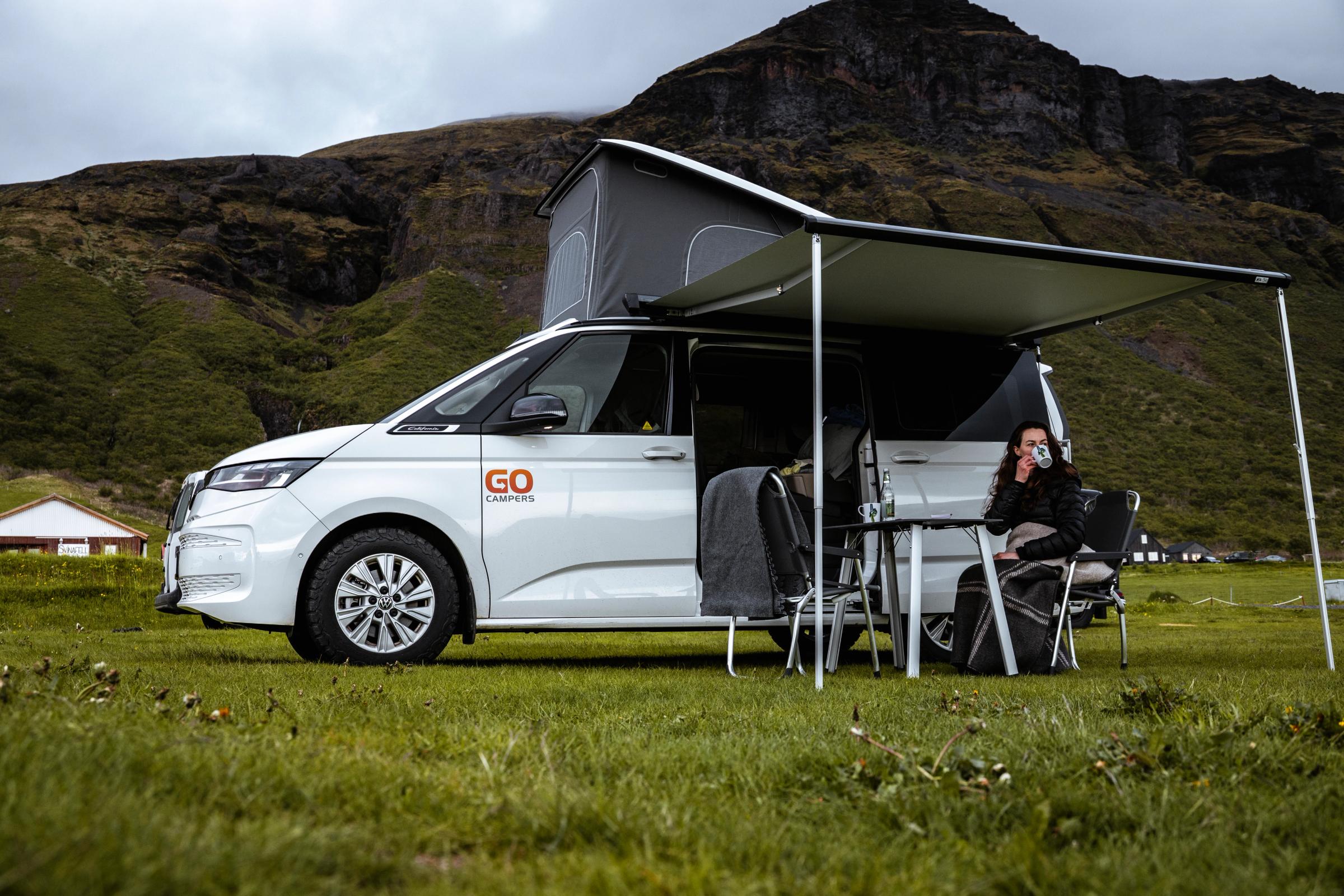
To rent and drive our campers, you must be at least 20 years old. However, for premium models such as the Go Big, Go 4x4 LUX, Go 4x4 PRO, and Go 4x4 WRANGLER, the minimum age requirement is 25 years.
There's usually no upper age limit, as long as your license is valid and you meet the other requirements. Still, check with the rental company, since this can vary.
Young Driver Fees and Restrictions
If you're under the minimum age for a certain camper, some companies will still rent it to you. They'll just add a young driver fee, often around €25 ($28) a day. This usually comes with the same rule: you need at least one year of driving experience.
Before you book a specific model, it's worth comparing the age requirement and any young driver fee against a smaller camper. Sometimes going one size down saves you the fee and the hassle.
Payment and Security Deposit Requirements
Money stuff trips up a lot of renters, mostly because people assume any card works the same way. It doesn't. Here's what to expect.
Credit Card vs. Debit Card
Most Iceland camper rental companies want a credit card in the main driver's name to hold the deposit. You can usually book with a debit card, but you'll normally need a credit card when you pick up the vehicle.
If you only have a debit card, you're not stuck. Some companies will take one if you add a higher insurance package, since that lowers their risk. Check this with the rental company before you book, not after you land.
How Security Deposits Work
The security deposit is just a hold on your card. It's not a real charge. It covers things like damage, missing fuel, cleaning fees, traffic fines, or the insurance excess if something goes wrong.
The amount depends on a few things:
- The type of camper
- Your insurance package
- The season
- Your age
- How you're paying
As long as you bring the camper back on time, clean, undamaged, and with the fuel level you agreed on, the hold gets released. How fast it clears depends more on your bank than the rental company. Don't worry if it takes a few days.
Insurance Requirements and Recommended Coverage
Insurance is where the fine print matters most. Basic coverage comes with almost every rental, but "included" doesn't mean everything's covered. Read this part twice.
What's Included in Basic Insurance?
Every camper rental in Iceland comes with some form of Collision Damage Waiver (CDW). CDW caps how much you'd pay if the camper gets damaged, but it usually has a high excess, sometimes a few thousand euros. Basic liability insurance is included too. It covers damage you cause to other people or their property.
Optional Insurance (CDW, SCDW, Gravel, Sand & Ash, etc.)
On top of the basic package, most companies let you add extra coverage that lowers what you'd owe if something happens. Here's what each one actually does:
- Super CDW (SCDW): brings your excess down even further, sometimes to zero for certain types of damage
- Gravel Protection: covers windshield chips, headlight damage, and dings from loose stones, which happen a lot on Iceland's gravel roads
- Sand and Ash Protection (SAAP): covers paint and glass damage from wind-blown sand or volcanic ash, a real risk in Iceland's windier spots
- Theft Protection: covers the camper if it's stolen, though theft isn't common in Iceland
- Tire Protection: covers flats and tire damage, which basic insurance usually skips
Given the gravel roads and the wind, Gravel Protection and Sand and Ash Protection are the two most drivers end up glad they bought.
Common Insurance Exclusions
No insurance package in Iceland covers everything. It's good to know the gaps before something happens. Even the best plans usually leave out:
- Damage to tires, wheels, or the undercarriage
- Water damage, including anything from a river crossing
- Wind damage from leaving a door open in strong gusts
- Damage from driving on F-roads, closed roads, or routes your camper isn't approved for
- Damage caused by negligence or ignoring official weather warnings
That last one matters a lot in Iceland, since local authorities put out weather alerts often. Driving through one can wipe out your coverage.
Driving Restrictions You Should Know
Not every road in Iceland is open to every camper. Getting this wrong isn't just a legal problem. It can also void your insurance.
F-Road Rules
F-roads are Iceland's mountain roads, running through the Highlands. They're rough, often unpaved, and can include river crossings and steep bits. Only approved 4x4 campers can go on them, and only when they're officially open, which is usually just in summer.
Standard 2WD camper vans can't go on F-roads, period. Driving one there anyway can mean a fine, a voided insurance policy, and you paying for any damage. Vegagerðin, the Icelandic Road and Coastal Administration, posts official road updates, so check them before you plan a route through the Highlands.
Off-Road Driving Laws
Driving off the marked road or track is illegal in Iceland, no exceptions. It doesn't matter how capable your 4x4 camper is. Iceland's land is fragile, and tire marks on moss can stick around for decades. Stay on marked roads and tracks, even if the view off to the side looks tempting.
Winter Driving Considerations
Winter driving in Iceland comes with its own rules and risks. These conditions can show up in spring and fall too, not just the coldest months. A few things worth knowing:
- Roads can close with little warning during storms
- Ice, wind, and low visibility are common, and campers get hit by wind harder than smaller cars
- F-roads are usually closed outside summer
- Rental companies typically switch to winter or studded tires by season
Check road.is and SafeTravel Iceland every day if you're driving in the colder months. Things change fast. A route that looks fine in the morning might be closed by afternoon.
Camping and Overnight Parking Rules
Where you can actually sleep in your camper is one of the most misunderstood parts of an Iceland road trip. The rules are stricter than most people think.
Can You Wild Camp?
Generally, no. Under Icelandic nature rules, you can't spend the night in a camper van, motorhome, or similar vehicle outside official campsites or urban areas, unless you have clear permission from the landowner. That means no overnight stays at scenic pull-offs, trailheads, or beaches, even if they look empty.
Using Official Campsites
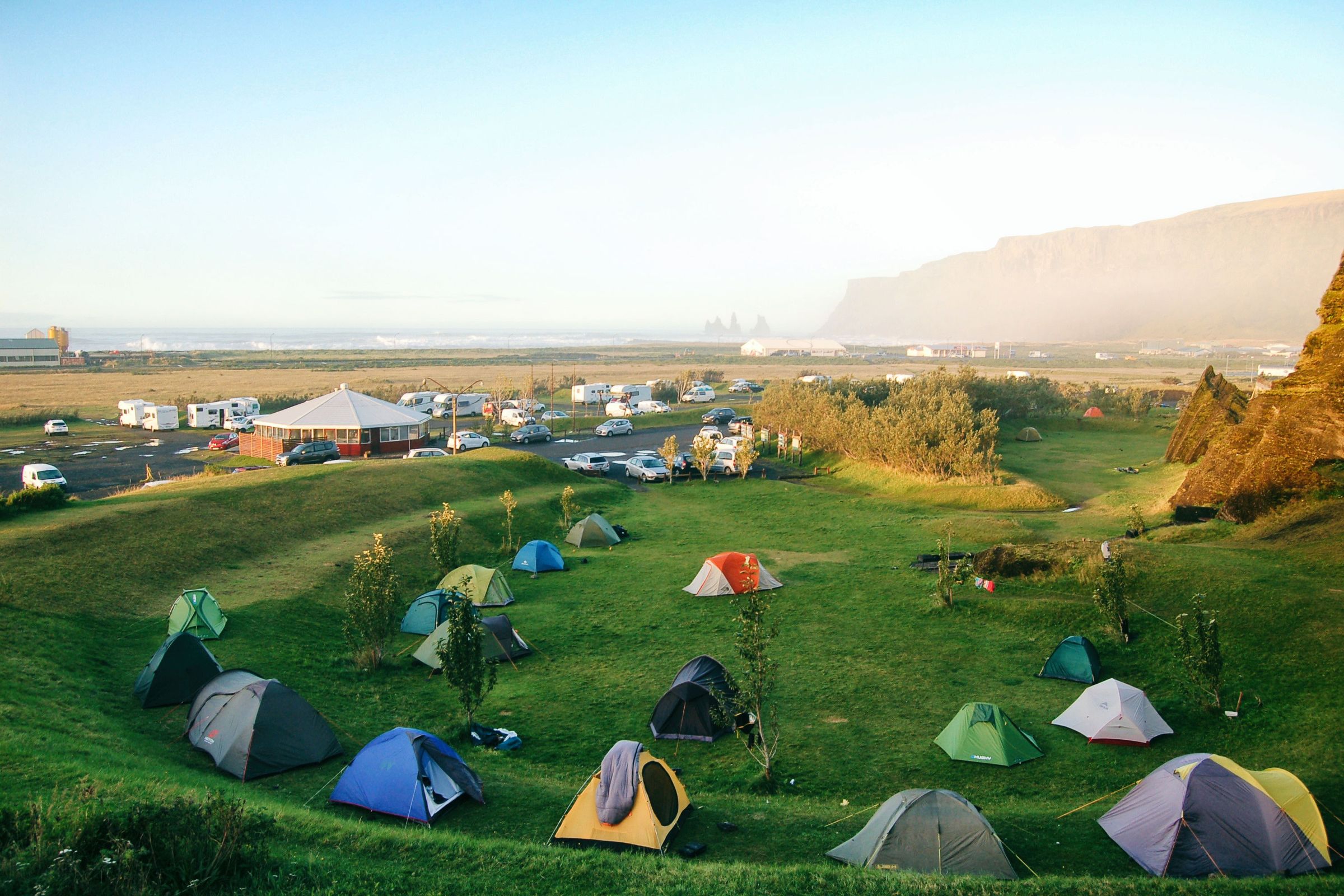
Official campsites are the safe, legal choice. Iceland has a good number of them along the Ring Road and in popular areas. In peak summer, book ahead in busy spots, since some fill up fast. Outside summer, a lot of campsites close down, so plan your route around which ones are open.
If you're doing a longer trip, look into the Camping Card, a prepaid pass accepted at a number of sites. It's not accepted everywhere, so check the current list before you count on it for the whole trip.
Additional Rental Policies
Beyond the big requirements, a few smaller policies can still catch you off guard if you don't check them ahead of time.
- Additional drivers: anyone who plans to drive needs to be listed on the rental agreement, show a valid license, and meet the age and experience rules. Driving without being listed can void your insurance.
- Fuel policy: most companies want the camper back with the same fuel level it had at pickup, unless you've prepaid for fuel.
- Mileage limits: a lot of rentals come with unlimited mileage, but confirm this before you book, especially for longer routes.
- Vehicle pickup and return: expect a walkthrough at pickup. Take your own photos of any existing scratches or dents before you drive off.
- Cleaning and late-return fees: bringing the camper back too dirty, or later than the grace period (often under an hour), can mean extra charges, sometimes a full extra rental day.
Final Thoughts
Renting a camper in Iceland comes down to a few things: a valid license (plus an IDP if you need one), meeting the age requirement for your camper, having a credit card ready for the deposit, and getting the right insurance for Iceland's gravel, wind, and weather. Add in knowing where you can drive and where you can legally sleep, and you've covered what trips up most first-time renters.
Policies still change from one rental company to another, so read the actual terms before booking, especially around deposits, insurance exclusions, and road restrictions.