

Camper Rental Insurance in Iceland: The Complete Guide
Iceland's roads aren't like the ones back home, and that changes what "insurance" really needs to mean. Before you book a campervan, motorhome, or 4x4 camper, here's what's covered, what's not, and what you should ask before you sign anything.
Renting a camper in Iceland comes with risks you just don't get with a normal rental car. Gravel roads, sudden wind, volcanic ash, and remote routes can all leave a mark on your vehicle. And while every rental company hands you some kind of insurance package, the fine print usually leaves out more than people expect.
This guide walks you through camper rental insurance in Iceland: what's included by default, which add-ons actually matter, what's almost always left out, and how to pick coverage based on where you're driving. We'll also get into credit card insurance, deposits, inspection checklists, and what to do if something goes wrong.
Quick answer
Most people renting a camper in Iceland should get at least CDW, Super CDW, and Gravel Protection. Heading to the South Coast? Add Sand and Ash Protection too. Planning to drive F-roads? You'll need an approved 4x4 camper, and you should check the exclusions for river crossings, water damage, roof damage, and undercarriage damage first, since these get left out even in the priciest packages.
Do You Need Camper Rental Insurance in Iceland?
Short answer: yes, and probably more than the basic package the rental company gives you. Iceland's roads and weather just work differently from most places, so let's look at why before you pick your coverage.
Is Insurance Mandatory for Camper Rentals?
Third-party liability (TPL) insurance is required by law for any vehicle driven in Iceland, campers included. That part isn't optional, and every rental company already builds it in. Everything else is optional: collision coverage for your own vehicle, gravel protection, sand and ash protection, and so on.
Why Iceland Has Unique Insurance Risks
Iceland's roads and weather throw up damage scenarios you won't see in most rental destinations:
- Loose gravel on rural roads that can chip windshields and paint
- Strong, unpredictable wind that can rip a camper door open
- Volcanic ash and sand that can scratch paint and pit glass
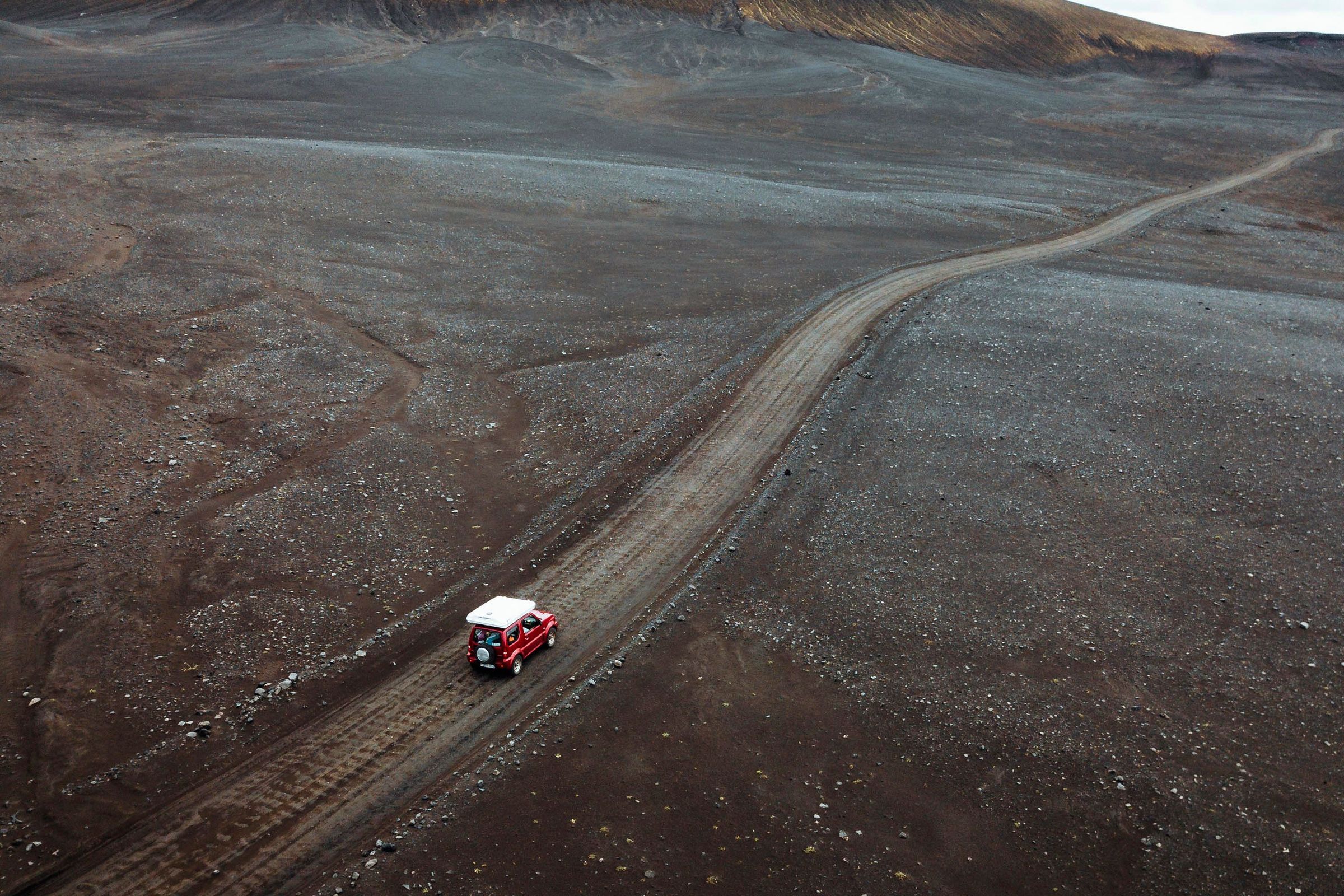
- Remote F-roads with river crossings that have no bridge
- Sheep, single-lane bridges, and weather that can flip on you fast
- Winter ice and snow that can show up even outside the official winter months
The Real Cost of Driving Without Adequate Coverage
A gravel chip in the windshield might cost a few hundred dollars to fix. Undercarriage damage from a rough F-road can run into the thousands. Water damage from a river crossing can wreck the engine and drivetrain. Basic CDW deductibles on Iceland camper rentals usually land between €2,000 ($2,268) and €3,500 ($3,970)k, so if you're not covered for the damage you actually run into, you could end up paying the full repair bill, not just the deductible.
What Insurance Is Included with Camper Rentals in Iceland?
Every rental company builds some baseline insurance into the price. It helps to know what that baseline actually covers before you think about upgrading.
Third-Party Liability Insurance (TPL)
TPL covers injury or damage you cause to other people, their cars, or their property. It doesn't cover your own rental camper. Think of it as protection for everyone else on the road, not for you.
Collision Damage Waiver (CDW)
CDW reduces what you owe for damage to the camper itself, but it almost always leaves a deductible. This is the part people get wrong the most: CDW isn't full insurance, it's a waiver with a limit. You're still on the hook for damage up to that limit, plus anything CDW just doesn't cover at all.
Theft Protection (TP)
Theft is a smaller risk in Iceland than gravel or wind damage, but most companies still include theft protection. It usually covers the camper if it gets stolen, not your stuff left inside.
Roadside Assistance
Roadside assistance helps if you break down, but how much you get varies a lot by company. Some cover towing and call-outs fully. Others charge extra, especially if the problem came from driver error, like getting stuck somewhere you shouldn't have gone.

Understanding Iceland Camper Insurance Coverage Types
Once you get past the basics, rental companies pile on a bunch of upgrade options. The names sound alike, but they cover different things, so let's slow down here.
What Is CDW?
CDW is the entry-level damage waiver. It caps what you'd pay for collision damage to the camper, but the deductible is usually high, and it typically skips gravel, tires, sand and ash, roof, and undercarriage damage unless you add those on separately.
What Is Super CDW (SCDW)?
SCDW brings your deductible down for damage that's already covered under CDW. It's an upgrade in price, not in what's covered. SCDW won't suddenly start covering gravel chips or wind damage if those weren't included somewhere else in your package.
What Is Zero-Excess Insurance?
Zero-excess insurance drops your deductible to €0 for covered damage. That's a real upgrade if a big bill worries you, but it only applies to damage your policy already covers. Anything excluded still gets charged in full.
Full Protection Packages Explained
Full protection" is a useful shorthand, but it's not a legal term, so it's worth knowing what it actually bundles before you buy. Most full protection packages combine CDW, SCDW, gravel protection, sand and ash protection, and theft protection into a single tier. That's genuinely good value if you're driving outside Reykjavík, since it covers the damage types that come up most often on Iceland's roads.
That said, no package on the market (including the most comprehensive ones) covers river crossings, water damage, roof damage, or undercarriage damage. These exclusions aren't unique to any one rental company; they're standard across the industry because this type of damage is tied to driver decisions (route choice, river depth, clearance) rather than ordinary road risk. The best move is simple: read what's actually listed in your policy's terms, and ask directly about anything that matters for your specific route.
How Deductibles, Excesses, and Self-Risk Work
These three words (deductible, excess, self-risk) all mean the same thing: what you owe when covered damage happens, before insurance picks up the rest. A €1,000 excess means you could pay up to €1,000 out of your own pocket for a covered claim. Anything excluded from your policy isn't covered by that cap at all. You'd just pay the full repair cost yourself.
Iceland-Specific Insurance Add-Ons You Should Know About
This is the part most travelers skip, and it's exactly where people end up losing money. These add-ons exist because Iceland's roads and weather cause damage that a plain CDW just doesn't cover.
Gravel Protection (GP)
Gravel roads are a normal part of driving in Iceland, and it doesn't take much for a loose stone to chip a windshield or leave a mark on the paint. Even if you're mostly sticking to the Ring Road, you'll likely come across gravel sections, roadworks, or parking areas where this type of damage can happen.
What It Covers
Gravel Protection covers damage from loose stones thrown up by other cars or your own tires, usually to the windshield, headlights, hood, and paint.
When It's Worth Buying
If you're driving anywhere outside Reykjavík, I'd recommend getting this one. Iceland has plenty of unpaved roads and gravel shoulders, even on routes that look mostly paved on a map.
Sand and Ash Protection (SAAP/SADW)
This is one of those insurance options that catches a lot of visitors by surprise. In some parts of Iceland, strong winds can pick up sand and volcanic ash and blast it against your vehicle, causing damage that standard CDW usually won't cover.
Why Iceland Is Different
Iceland's volcanic ground means loose ash, pumice, and sand sit out in the open across huge areas, and strong wind can turn that into something that scratches paint and pits glass.
Areas Most at Risk
The South Coast, areas near black sand plains, and other open, bare landscapes carry the most risk, especially when it's windy.
Windscreen Protection
This covers a cracked or chipped windshield. Sometimes it's bundled into gravel protection, sometimes it's sold on its own, so check which one actually applies before you assume you're covered.
Tire Protection
Tires usually get left out of standard CDW. Tire protection covers punctures, blowouts, and replacement, though labor and towing costs often still get charged separately, even with this add-on.
Door and Wind Damage Coverage
Strong wind can bend a camper door back if you're not careful opening or closing it, and a lot of rental companies treat that as something you could've avoided, which means it's excluded by default. Always hold the door with both hands, and park facing into the wind when you can.
Go Campers Insurance Packages Explained
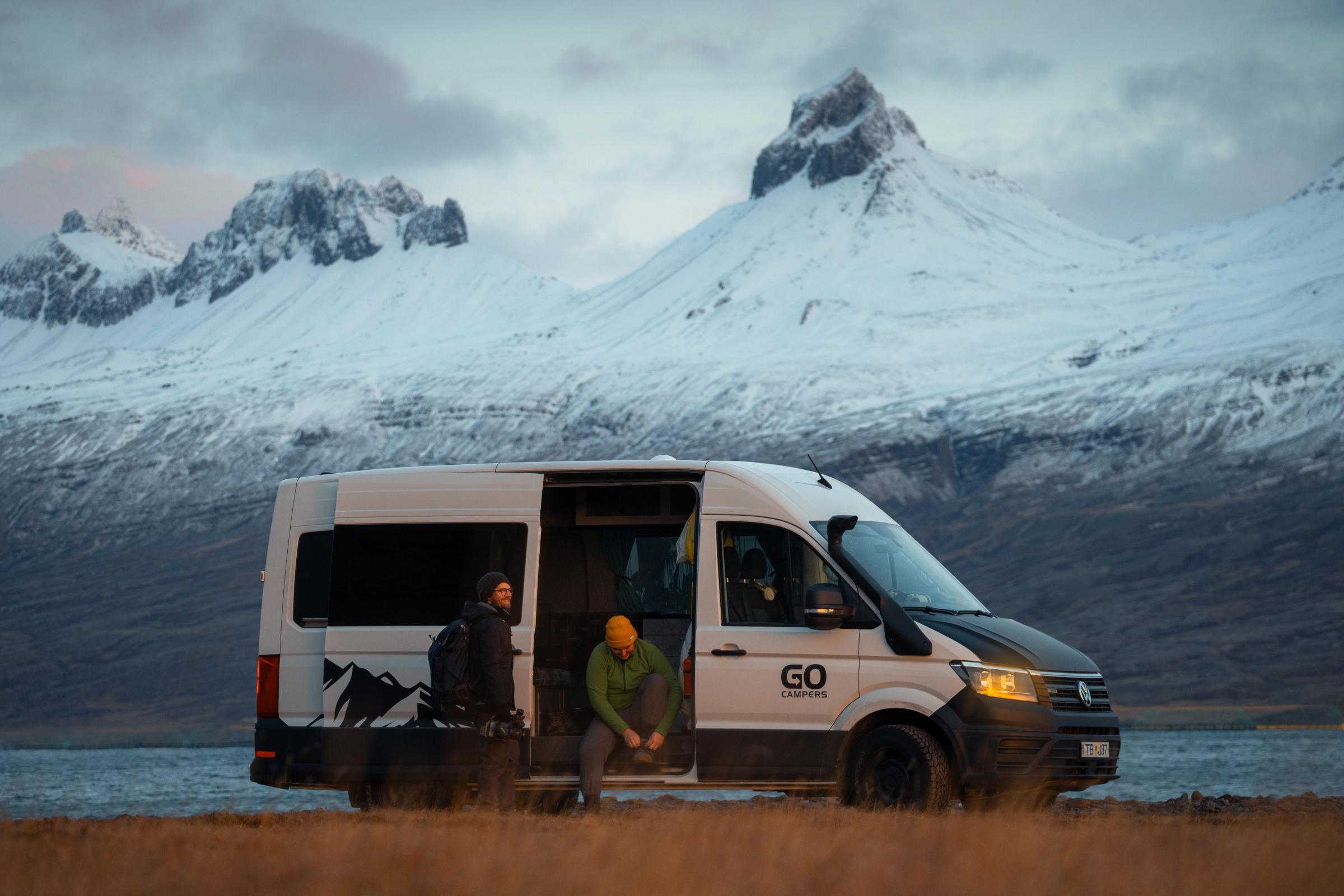
Go Campers offers four insurance packages, and the main difference between them is how much you'd have to pay if the camper is damaged during your trip.
| Package | Vehicle Damage Liability | Gravel Damage Liability |
| Basic | $3,970 | €1,134 |
| Silver | €1,134 | $283 |
| Gold | $0 | $0 |
| Platinum | $0 | $0 |
Liability is simply the maximum amount you're responsible for paying if the damage is covered by the insurance.
Basic Package
The Basic package includes Collision Damage Waiver (CDW). This limits your liability for damage to the camper to €3,500.
It also includes Gravel Protection, but you'll still be responsible for up to €1,000 in gravel-related damage, such as chips to the windshield, headlights, or paint.
Silver Package
Silver includes Super Collision Damage Waiver (SCDW), which lowers your liability for vehicle damage from €3,500 to €1,000.
It also improves the gravel coverage, reducing your liability from €1,000 to €250.
If you're looking for a middle ground between price and protection, this is usually where the biggest jump in coverage happens.
Gold Package
Gold reduces your liability for both vehicle damage and gravel damage to €0.
That means if the damage falls under a covered insurance category, you won't have to pay anything out of pocket. Just keep in mind that exclusions still apply, which we'll cover below.
Platinum Package
Platinum includes everything in Gold, plus Sand and Ash Protection and Tire Protection.
Sand and Ash Protection lowers your liability for sand and ash damage to €500, while Tire Protection covers damaged tires caused by things like punctures and blowouts.
Platinum is our most popular option, with around 60% of customers choosing it over the past year.
What Camper Rental Insurance Does NOT Cover in Iceland
Even with a premium package, some types of damage tend to stay excluded no matter how much you pay. This part is worth reading slowly before you sign anything.
Water Damage
Water getting into the engine, drivetrain, or interior is one of the most commonly excluded types of damage, no matter how it happened.
River Crossings
Driving through a river, even on an F-road that's technically open, is one of the biggest insurance traps in Iceland. Even some full protection packages leave out any damage tied to river crossings. If I were you, I'd never cross a river unless the rental company has said yes to it in writing.
Roof Damage
Roof damage often comes from low structures, gas station canopies, or wind, and it's usually excluded across most coverage levels.
Undercarriage Damage
Rough roads, rocks, and high-centering can damage the underside of the vehicle. We exclude chassis and undercarriage damage from every package we sell, no matter the tier.
Off-Road Driving
Off-road driving is illegal in Iceland, not just an insurance problem. Leaving a marked road or track, even on an F-road, can get you fined and void your coverage at the same time.
Negligence and Driver Error
Reckless driving, ignoring warning lights, driving under the influence, or not holding a door shut in high wind all count as negligence, and that voids most coverage right away.
Unauthorized Drivers
Only drivers listed on the rental agreement are covered. If someone else drives the camper and something happens, that claim is probably getting denied.

F-Roads, Highlands, and 4x4 Camper Insurance Rules
The Highlands are a different kind of driving altogether, and the insurance rules reflect that. If F-roads are part of your plan, this section matters more than almost anything else here.
What Are Iceland's F-Roads?
F-roads are Iceland's mountain and highland routes. They're rough, seasonal, and often remote, and some include river crossings with no bridge at all. SafeTravel, Iceland's official travel safety resource, points out that Highland driving is genuinely different from normal driving because conditions can change quickly and the roads remain rough.
Which Campers Are Allowed on F-Roads?
Only approved 4x4 vehicles can legally drive F-roads. A regular 2WD camper isn't allowed, and taking one onto an F-road anyway can void your whole policy.
Insurance Restrictions on Highland Roads
Not every 4x4 camper gets approved for every F-road. Some routes need more clearance than others. Always check with the rental company about exactly which F-roads your vehicle is cleared for before you build a route around them.
River Crossing Exclusions
Even with the right vehicle, river-crossing damage is often excluded. Ask in writing whether your camper is approved for the specific crossings on your route, and whether water damage is covered at all.
Common F-Road Insurance Mistakes
- Assuming "4x4" automatically means full access to every F-road
- Driving a closed F-road because it "looked fine" in person
- Crossing a river without checking the depth or getting company approval
- Assuming full protection covers water damage by default
- Skipping road.is or SafeTravel before heading out
Iceland Road Conditions and How They Affect Insurance Claims
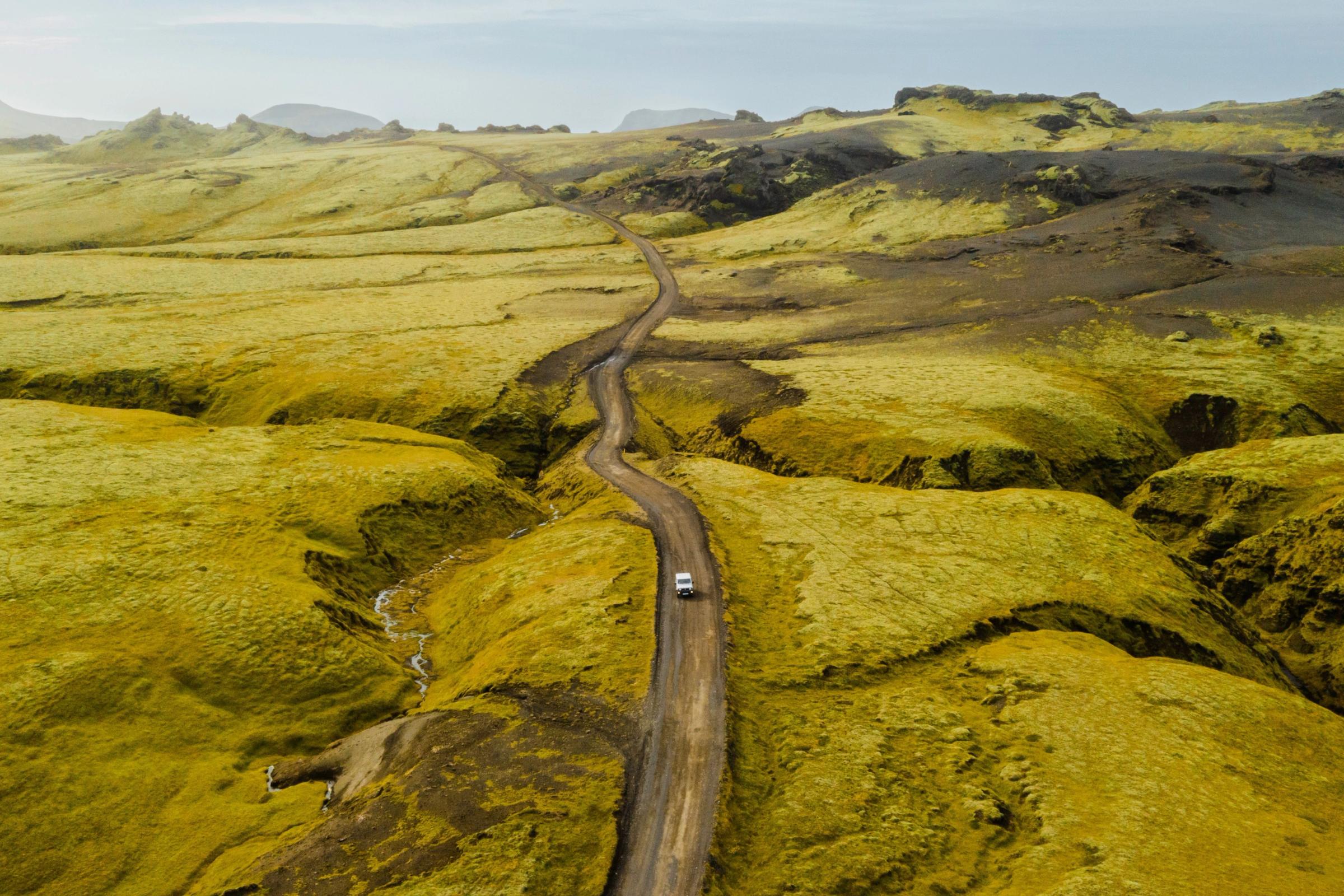
Iceland's roads have a few quirks that catch many first-timers off guard, and several of them directly affect how insurance claims are handled.
Gravel Roads
Gravel roads show up a lot outside the capital area, and the biggest risk comes from following too close to another car or meeting oncoming traffic too fast. Slow down well before you hit a gravel section.
Single-Lane Bridges
These pop up often on rural routes. Let oncoming traffic finish crossing first, and slow down well before you reach one.
Sheep on the Road
Sheep wander freely in rural areas, especially in summer. Treat an animal collision like any other accident: stop safely, take photos, and report it to the rental company.
Winter Driving Conditions
Ice and snow can show up even in spring and autumn, not just deep winter. SafeTravel specifically warns that winter-like conditions can pop up outside the official winter months.
Wind Damage Risks
High wind is one of the most underrated risks in Iceland. It can rip a door open, push a tall camper around on the road, and fling loose gravel or sand at your car.
Volcanic and Sandy Areas
Areas near black sand plains and volcanic ground carry a higher risk of sand and ash damage, especially once the wind picks up.
Camper Insurance Recommendations by Route
What you actually need changes depending on where you're driving. Here's a route-by-route breakdown so you're not paying for protection you don't need, or skipping protection you do.
Reykjavík and Golden Circle
Basic CDW and TPL might be enough for short, paved trips that stay close to the city. Still keep an eye out for wind-blown doors and gravel parking lots.
Ring Road
Long distances and rural stretches make SCDW, Gravel Protection, and Sand and Ash Protection worth looking into if you're doing the whole loop.
South Coast
If you're heading to the South Coast, I'd say go ahead and get Sand and Ash Protection, along with Gravel Protection and SCDW. The area is open, windy, and surrounded by volcanic ground, so the risk is real.
Westfjords
Expect more gravel and steeper, more remote roads. Gravel Protection and tire protection both pull their weight here, and it's worth understanding what roadside assistance actually covers in such a remote area.
North Iceland
Similar risk to the Ring Road: rural roads, long distances, and weather that can change quickly all point toward SCDW and Gravel Protection.
Highlands and F-Road Adventures
Only an approved 4x4 camper will do here, and you'll want written confirmation of exactly which F-roads and river crossings are covered before you set off.
Winter Road Trips
Go for the strongest deductible reduction you can get, plus Gravel Protection and tire protection. Keep your route modest and check conditions every day.
Credit Card Insurance vs Rental Company Insurance
Credit card rental insurance sounds like a free upgrade, but campervans don't always qualify the same way a normal rental car does. It's worth checking this closely before you decline the rental company's CDW.
Does Your Credit Card Cover Campervans?
Sometimes, but often no. A lot of credit card rental benefits flat out exclude recreational vehicles, motorhomes, and campers, or they leave the wording vague enough to cause problems when you actually try to file a claim.
Common Exclusions
Credit card coverage often skips gravel damage, sand and ash damage, tires, roof damage, undercarriage damage, and F-road driving, even on cards that do technically cover the vehicle type.
Credit Card Insurance vs Full Protection Packages
Rental company insurance is usually built around Iceland's specific risks and tends to lower your deposit at pickup. Credit card coverage usually works as reimbursement after the fact, meaning you pay the rental company first and file a claim later.
Questions to Ask Your Card Provider
My advice would be to call your card provider before you fly and ask:
- Does this card cover campervans or motorhomes in Iceland specifically?
- Does it cover gravel, sand and ash, tire, or undercarriage damage?
- Is the coverage primary, or does it only kick in after the rental company's policy?
- Do I need to decline the rental company's CDW for this to apply?
- What documents will I need if I have to file a claim?
Travel Insurance vs Camper Rental Insurance
People mix these two up a lot, but they protect completely different things.
What's the Difference?
Travel insurance protects your trip. Camper rental insurance protects the vehicle. There's not much overlap between the two.
What Travel Insurance Covers
Most travel insurance plans focus on medical emergencies, trip cancellation, lost luggage, and trip interruption. Some plans throw in rental excess reimbursement as an add-on, but campervans might be excluded from that part of the policy.
What Rental Insurance Covers
Rental insurance is all about the vehicle: collision damage, gravel, sand and ash, theft, and so on, depending on which package you go with.
When You Need Both
If you want medical and trip protection on top of vehicle damage protection, you'll probably need both, since one rarely fills in for the other.
How Deposits and Credit Card Holds Work
The deposit process confuses a lot of first-time renters, mostly because it sounds like the deductible but actually works differently.
Security Deposits Explained
At pickup, the rental company puts a hold on your credit card, sometimes matching your deductible, sometimes more. This isn't an actual charge. It's a temporary hold that gets released later.
How Excess and Deposits Differ
The excess is what you might owe for covered damage. The deposit is just money the company holds back in case it's needed. Buying premium insurance can shrink or even wipe out that deposit amount.
When Charges Are Refunded
If you bring the camper back undamaged, with the agreed fuel level and nothing missing, the deposit hold usually gets released within a few business days.
Common Reasons Rental Companies Charge Customers
- Damage that wasn't reported and shows up at drop-off
- Low fuel level
- Missing or broken camping equipment
- Returning the camper late
- Cleaning fees if it's left a mess
Camper Pickup Inspection Checklist
A solid inspection at pickup is your best defense against disputed charges later. Don't rush this part, even if there's a line behind you.
Exterior Inspection
Walk around the whole vehicle and photograph any dents, scratches, or paint chips already on the bumpers, hood, and side panels.
Windscreen and Lights
Check the windshield for chips or cracks, and make sure all the headlights and taillights actually work.
Tires and Wheels
Photograph each tire and rim, and check that the spare tire, jack, and tools are all there.
Roof and Undercarriage
Look at the roof from a safe distance and check underneath the vehicle if you can see it, since damage here usually isn't covered at all.
Interior and Camping Equipment
Test the stove, fridge, heater, and water system, and make sure all the camping gear that's supposed to be there is actually there and working.
Photos and Video Documentation
I'd recommend filming a slow walkaround video, snapping close-up photos of anything already damaged, and getting staff to mark it all on the rental agreement before you drive off. It feels like overkill until you need it.
What to Do If Your Camper Is Damaged in Iceland
Knowing what to do right after damage happens can save you time, money, and a lot of stress.
Accidents
Stop somewhere safe, check for injuries, call 112 if anyone's hurt or in danger, and take photos of the scene before you call the rental company.
Gravel Damage
Take photos as soon as it's safe to do so and report it to the rental company instead of waiting until drop-off.
Wind Damage
Note the time and conditions, take photos, and call the rental company quickly, since wind damage claims often come down to whether you took reasonable care.
Animal Collisions
Stop somewhere safe, take photos, and call the rental company. Call 112 too if there's danger to other drivers or anyone's hurt.
Water Damage Incidents
Stop driving right away if water has gotten into the vehicle. Keep driving and you might turn a covered situation into one that looks like negligence instead.
Filing an Insurance Claim
Hang onto every photo, receipt, and message you exchange with the rental company. Most claims require a damage report, and serious ones may require a police report as well.
Conclusion
Camper rental insurance in Iceland isn't something to brush off. The country's gravel roads, strong wind, volcanic ground, and remote F-roads create risks that regular rental insurance from other places just doesn't prepare you for.
For most trips, CDW and SCDW alone won't be enough. If you ask me, Gravel Protection is worth it for pretty much any route outside Reykjavík, and Sand and Ash Protection matters a lot if the South Coast is on your list. If F-roads are part of the plan, you'll need an approved 4x4 camper and a clear, written understanding of what's left out, since river crossings, water damage, roof damage, and undercarriage damage tend to stay excluded no matter how much you spend.
Before you book, compare what each coverage level actually includes instead of just looking at the price tag. The cheapest package can end up costing you way more if it doesn't cover the kind of damage your route is most likely to throw at you.


