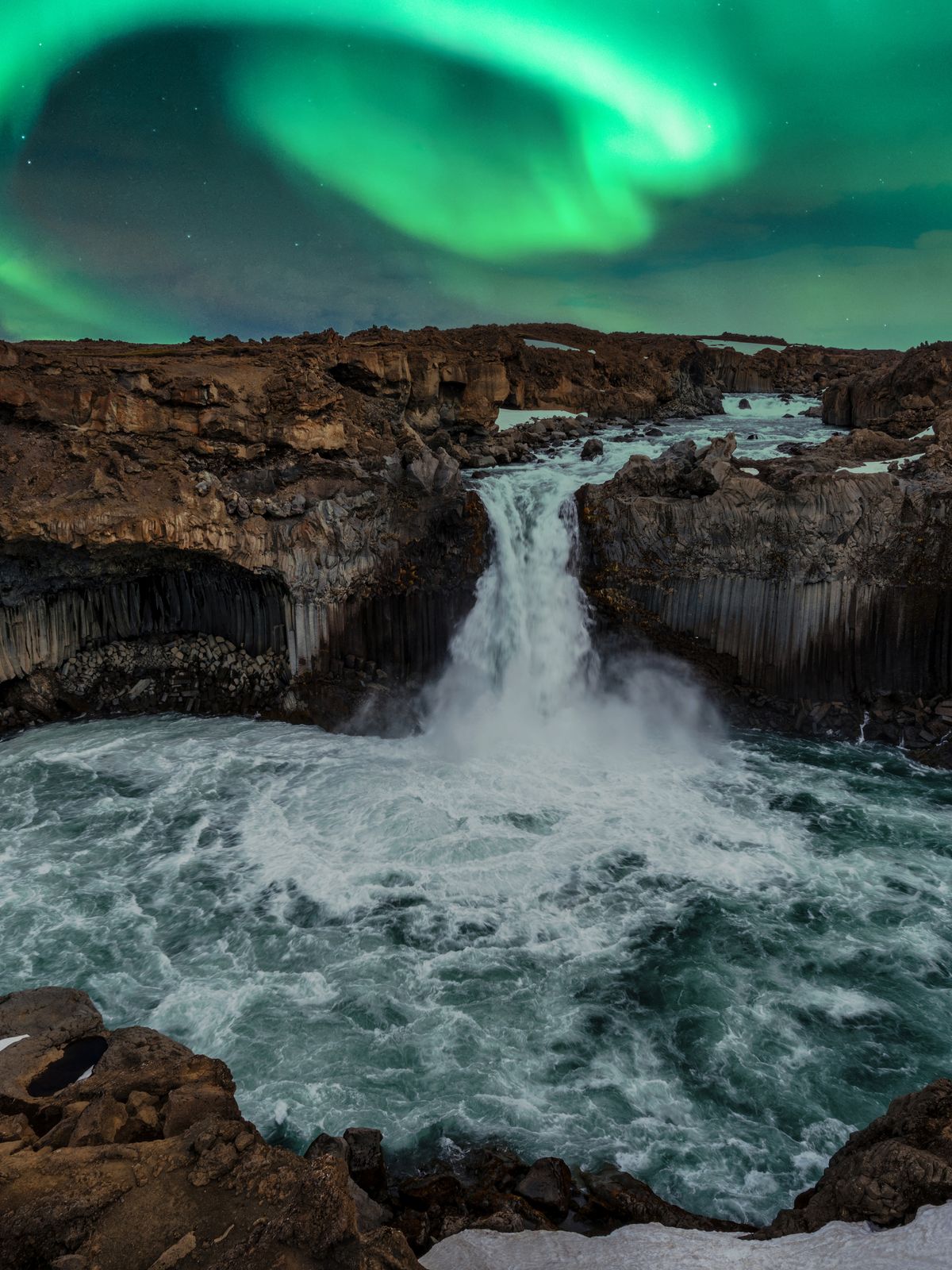
Svartifoss: One of Iceland’s most iconic waterfalls
This waterfall in South Iceland stands out for its architectural precision, like it was made by hand. It’s not the tallest or the most powerful, but it’s framed by unique rock formations, as if they had been chiseled by the most skillful sculptor. It’s a testament to the creative power of volcanic activity and the patient carving of glacial water over thousands of years.
Visiting this site is a highlight for anyone traveling by campervan, as it offers a perfect blend of accessibility and raw, untouched nature. On top of that, the surrounding area is full of wonders. Come with us to discover everything there’s to know about this magical place.
Key Takeaways
- Svartifoss is a waterfall located in South Iceland, at the edge of Vatnajökull National Park.
- Its name can be translated as “black waterfall.”
- The basalt columns framing the waterfall were the inspiration for the famous Hallgrímskirkja church in Reykjavík.
What's Svartifoss?
Svartifoss is widely considered one of the most unique waterfalls in the world, not necessarily because of its volume or height, but because of its incredible geological frame. The waterfall drops over a cliff consisting of dark, hexagonal basalt columns, which look almost like a giant, natural pipe organ. These columns were formed deep underground through a process in which a thick lava flow cooled down slowly. When the molten rock met water, in this case glacial water, it contracted and cracked into these symmetrical shapes. As a result, basalt columns were formed, and then had been eroded by the relentless action of the river and the shifting of glaciers.
The history of Svartifoss is intrinsically tied to the volcanic history of the Skaftafell region. While Iceland is home to thousands of waterfalls, not many have had such a profound impact on the nation's cultural identity as Svartifoss. The distinct geometric patterns of the basalt columns have been the inspiration for some of Iceland’s most famous architectural works. Most notably, the State Architect Guðjón Samúelsson used the shapes found here to design the stunning Hallgrímskirkja church in Reykjavík and the ceiling of the National Theatre. When you stand at the base of the falls, you can clearly see the formations hanging from the top of the cliff, giving the landscape a unique appearance. It feels like something created by the human hand and deeply natural at the same time.
The waterfall is inside the Skaftafell Nature Reserve, one of the most impressive natural areas in Iceland. It was, in the past, a national park, but was later integrated inside Vatnajökull National, one of the three national parks in the country and the largest national park in Europe. Svartifoss is an amazing natural monument by itself, but it’s also surrounded by an even more impressive area.

About Svartifoss waterfall
Talking about facts and data about Svartifoss, let’s start with the name. "Svartifoss" literally translates to "Black waterfall." In Iceland, the name of natural places is often quite descriptive, and that’s something that also applies to this place. It’s a name that comes from the dark color of the basalt columns that frame the water. Unlike the surrounding mountains which might be covered in green moss or white snow, these pillars are black, especially when they are wet from the spray of the falls. This creates a high-contrast visual that is a dream for photographers and nature lovers alike.
In terms of technical data, Svartifoss stands at a height of approximately 20 meters, or roughly 65 feet. While this is significantly shorter than other giants in the Southern Region, like Skógafoss or Seljalandsfoss, the columns are so vertical that they make it appear much more imposing. The width of the falls is relatively narrow, more a powerful jet of water rather than a wide curtain, cutting into the cliff. The river that feeds Svartifoss is the Stórilækur, which originates from the meltwater of the glaciers higher up in the mountains.
One of the perks of visiting Svartifoss is its accessibility. It’s very close to the Skaftafell Visitor Centre. You can park your campervan in the parking area and then hike uphill to the waterfall. The trail is about 1.5 kilometers (0.9 miles) each way. The path is well-maintained but can be steep in certain sections. As you go up, you can enjoy panoramic views of the Skeiðarársandur plains and the Atlantic Ocean in the distance.
Pass by the visitor center before your visit. They have free maps and great info about the area, its monuments, and the best hiking routes.

Where's Svartifoss and How to get there
Svartifoss is located in the Skaftafell Nature Reserve, which is part of the larger Vatnajökull National Park in Iceland’s Southern Region, Suðurland in the native tongue. For those traveling by campervan, this is one of the most rewarding stops along the South Coast. The journey to Svartifoss from Reykjavik, the capital of the country, is a scenic drive that showcases the diversity of Icelandic terrain, from moss-covered lava fields to dramatic mountain ranges.
The best way to reach Svartifoss is undoubtedly by car or campervan. Having your own wheels allows you to set your own pace and avoid the crowded bus tours that frequently stop in the area.
From Reykjavík, you will head east on the Ring Road (Route 1). You just have to continue on it for about 320 kilometers (roughly 200 miles), until you see a smaller road on the lefthand side. There’s a sign that marks Skaftafell. From there, it’s just two kilometers on Route 998 to the Skaftafell Visitor Centre. Without stopping, the drive takes about 4 and a half hours, but since there are so many sights along the way, most travelers take a full day or even two to reach the area.
Once you get to the visitor center, there’s a parking area (you’ll have to pay a small fee) where you can leave your campervan. From there, the trail to Svartifoss is clearly marked. It is important to note that during the winter months, the road is usually kept open, but you should always check the weather conditions and road closures on the official Icelandic Road and Coastal Administration website before heading out.

Where to stay near Svartifoss waterfall
When traveling in a campervan, finding the right campsite is essential for a comfortable and enjoyable trip. The area around Svartifoss offers several excellent options, ranging from large sites to more secluded spots tucked away in the mountains. It’s important to know that wild camping is illegal in Iceland.
Skaftafell Camping
Distance to Svartifoss: 1.5 km (0.0 miles). Right at the start of the trailhead.
Opening period: All year round.
This is the most convenient place to stay if you want to be the first person at the waterfall in the morning. It’s just by the Skaftafell visitor center. It is a massive campsite with plenty of room for campervans. Also, if you stay in this campsite, you won’t need to pay the fee for the parking lot. It’s quite big, with lots of pitches for both tents and campervans, with more than 400 spots. The facilities are basic but well-maintained, with toilets, showers (additional fee), sinks to do the dishes, and tables for eating. There’s no kitchen, so you must cook in your van or on a stove you bring.
Svínafell Campground
Distance to Svartifoss: 8 km (5 miles).
Opening period: May 1st to September 30.
Just a short drive from Skaftafell, Svínafell offers a quieter escape with a large service building, Skáli, housing toilets, showers, and a communal kitchen. Campervans are welcome, but there’s no electricity available. This site also has six cabins for four people that can be rented, but you must bring your own sleeping bag. They don’t take reservations in advance.
Hörgsland Guesthouse and Camping
Distance to Svartifoss: 60 km (37 miles).
Opening period: All year round.
If you are heading back toward the west or want a stop before reaching Skaftafell, Hörgsland is a great choice. It is located near Kirkjubæjarklaustur and offers a very friendly atmosphere. It’s a mix of camping area with cottages, with spaces for campervans, too. It’s a very comfortable site with toilets, showers, electricity, Wi-Fi, laundry room, shared kitchen, outdoor and indoor lounge area, playground for children, and hot tubs. The staff organize different activities, such as horse-riding tours. You can also get fishing permits on site.
Kleifar-Mörk Camping Ground
Distance to Svartifoss: 70 km (43 miles).
Opening period: June 1st to August 31st
This campsite is a more basic site compared to Skaftafell but offers a peaceful environment away from the crowds. It is an excellent spot for those who enjoy a more "wild camping” feel while still having access to basic toilets and running water.
Kirkjubær Camping Ground
Distance to Svartifoss: 70 km (43 miles).
Opening period: All year round.
Just outside the town of Kirkjubæjarklaustur, this campsite is equipped with everything you need for a cozy campervan stay. The flat, grassy area is ideal for parking, and the electricity hookups allow you to charge devices or run small appliances. The facilities feature toilets, showers, electricity hookups, a communal kitchen, a washing machine, and a dryer. The village has a shop, a gas station, and a restaurant, which can be very convenient for restocking. In addition to camping, they also offer sleeping bag accommodation in seven heated cottages.
What to see and do near Svartifoss
The region surrounding Svartifoss is a playground for outdoor enthusiasts. You could easily spend several days exploring the various trails, glaciers, and canyons that make up this part of the Vatnajökull National Park. But the fun doesn’t end there.
Hundafoss
As you hike up the trail toward Svartifoss, you will encounter Hundafoss, another waterfall. The name means “dog falls.” It is the first major waterfall you see on the path and is often overlooked by travelers rushing to see the basalt columns. The name comes from the fact that during heavy floods, dogs from local farms were sometimes swept away by the river. It is a very tall and powerful waterfall, and there is a viewing platform that allows you to see the water plunging into a deep, wooded ravine. It serves as a wonderful introduction to the beauty of the Skaftafell hikes.
Skaftafell Nature Reserve
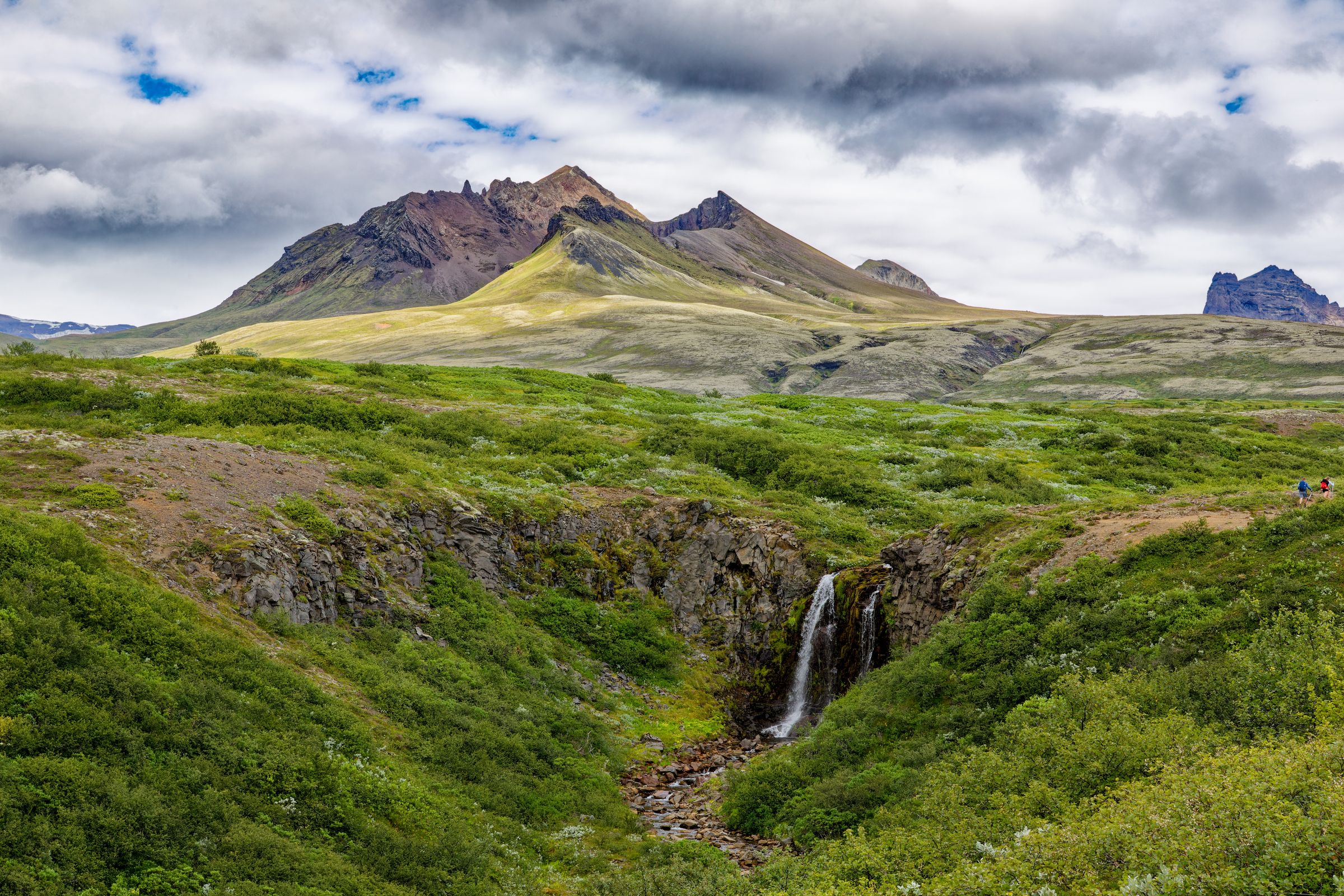
Skaftafell was a national park in its own right before being incorporated into the larger Vatnajökull National Park. It is a true hiker's paradise. Aside from the Svartifoss trail, there are dozens of other paths ranging from easy walks to challenging mountain treks. One of the most popular is the hike to Sjónarnípa, which offers a breathtaking view over the Skaftafellsjökull glacier. The area is also unique for its relatively high amount of birch forest. There are very few forests in Iceland, so it’s a rarity.

Mórsarfoss
If you are up for a serious adventure, you might want to continue your hike up to Mórsarfoss. This is the tallest waterfall in Iceland, measuring over 230 meters (750 feet). It was only discovered in 2007 when the Mórsárjökull glacier began to retreat, revealing the falls that had been until then trapped under ice. Getting a close look at Mórsarfoss is difficult and requires a long, guided hike across glacial terrain, but it can be seen from a distance from certain peaks in the Skaftafell area. Its multiple streams cascading down a cliff face make it a magnificent sight.
Múlagljúfur Canyon
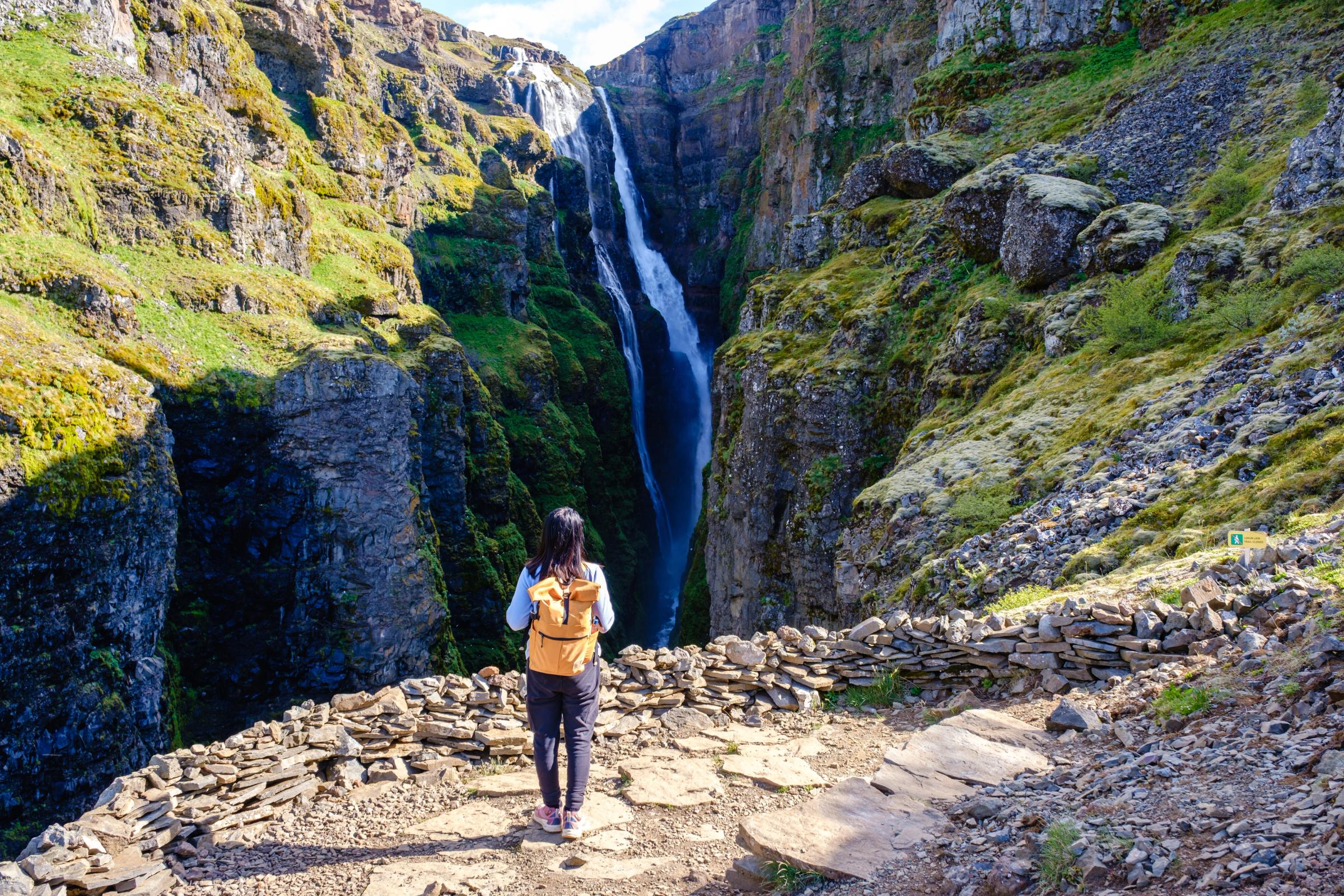
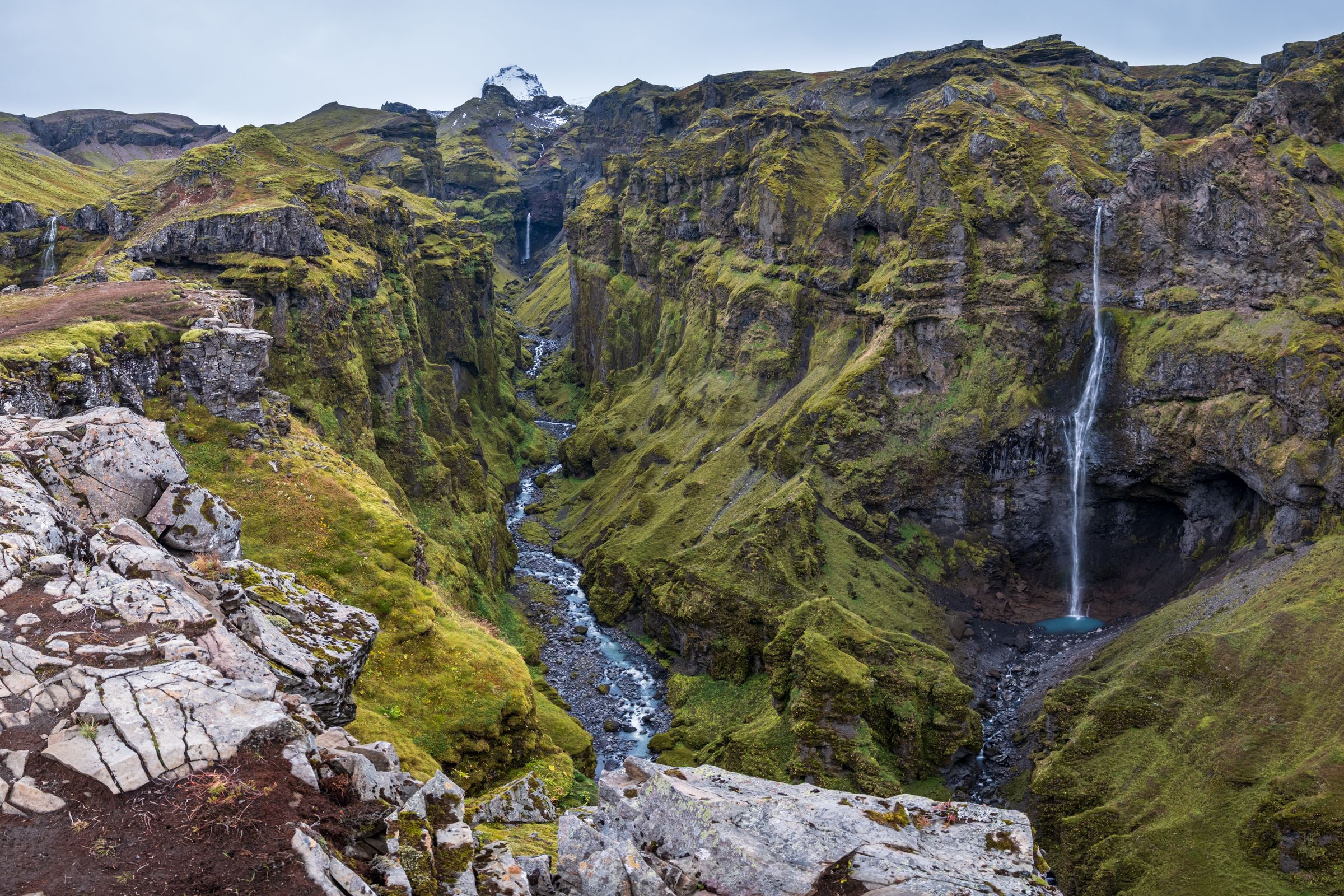
This astonishing site, truly a hidden gem, is located just a short drive east of Skaftafell. Múlagljúfur Canyon is much less crowded than other famous canyons in Iceland. A hike along the rim of the canyon provides views of two stunning waterfalls, Hangandifoss and Múlafoss, with the massive Vatnajökull glacier acting as a backdrop. The scale of this canyon is huge, but you’ve got to be careful. You can walk along the edge, but there are not guardrails or paved paths, so watch your step.
Vatnajökull National Park
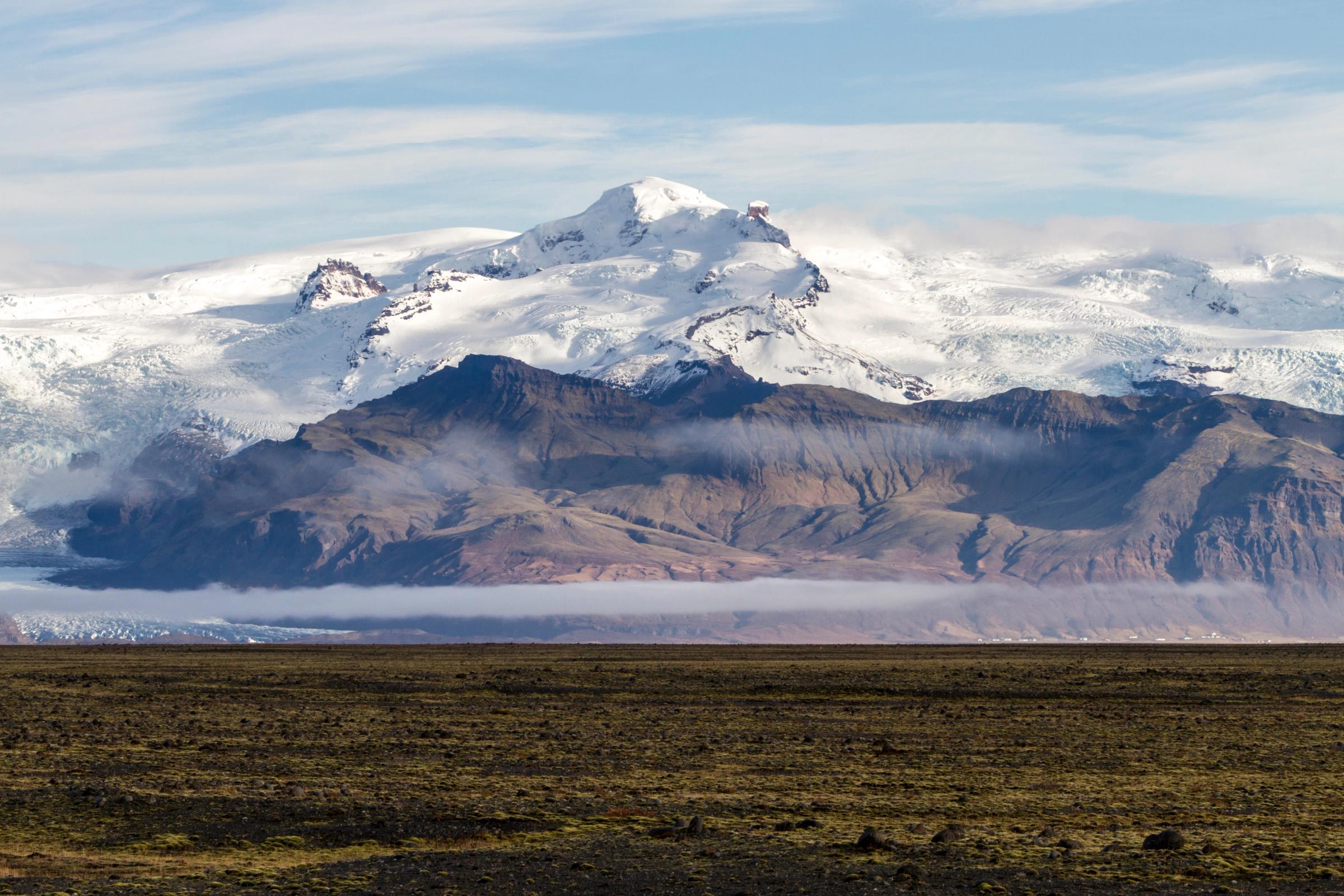
Vatnajökull National Park is the largest in Europe, covering about 14% of Iceland’s total landmass, and one of the three national parks in Iceland. The park’s centerpiece is the glacier of the same name, also the biggest in the continent, but it’s so big that not everything is ice. There are many different ecosystems inside, for all tastes. One of the most popular things is guided tours on the glacier. The expert guides will give you amazing insights about the park and glaciers in general, as well as safety gear like helmets and crampons. In winter, you can embark on a visit to the ice caves. Every summer, meltwater carves the glacier, creating tunnels and crevasses. When the cold arrives, it freezes up again, creating unique formations that are different each year.
Fjaðrárgljúfur Canyon
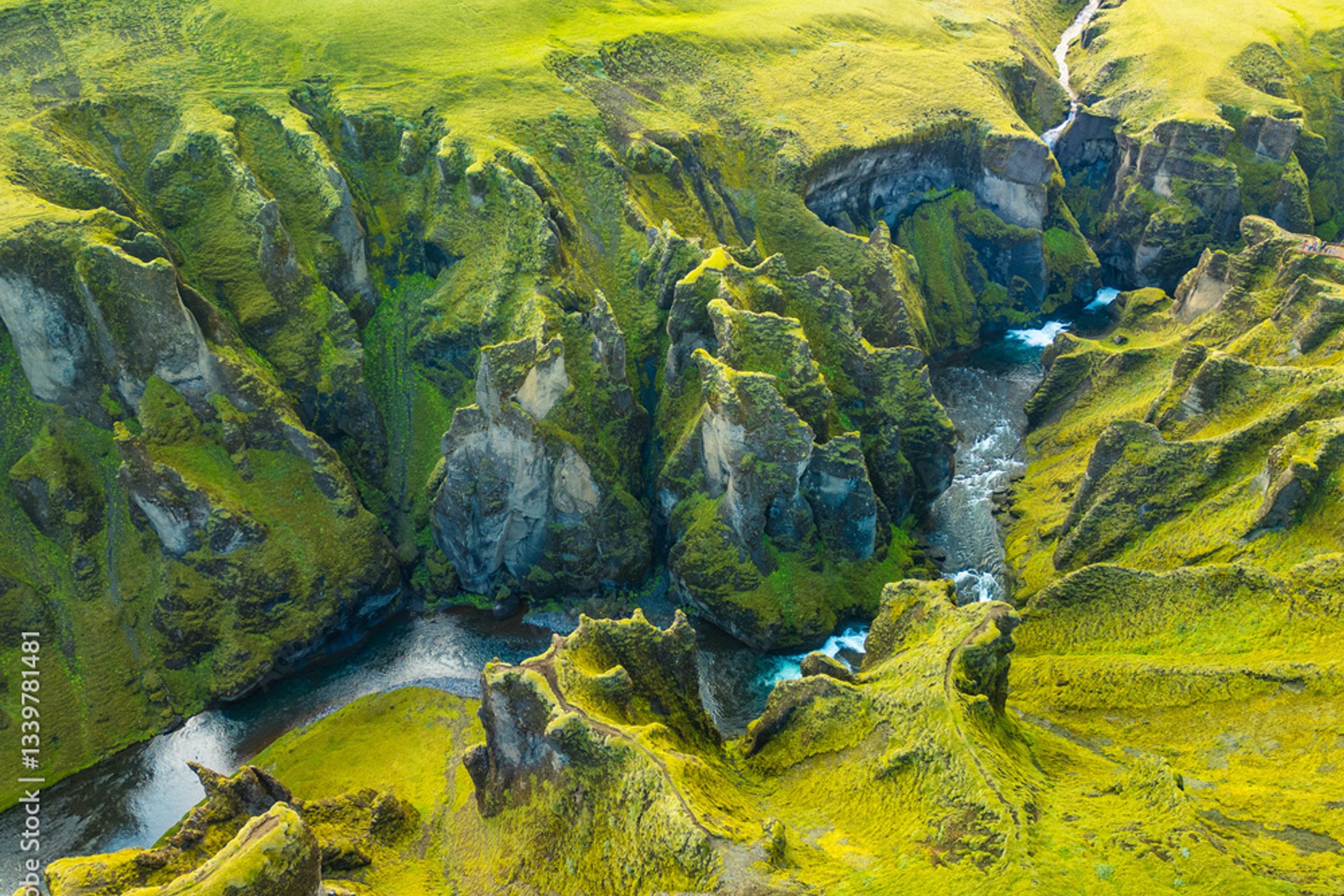
Located near Kirkjubæjarklaustur, this serpentine canyon is one of the most photographed spots in the country. It is about 100 meters deep and 2 kilometers long, with the Fjaðrá river winding through the bottom. The bright green moss covering the steep walls creates an atmosphere that seems out of a fantasy novel. There is a marked walking path along the top of the canyon with several observation decks. It is essential to stay on the marked paths here to protect the fragile moss, which takes decades to recover if stepped on.
Eldhraun Lava Field
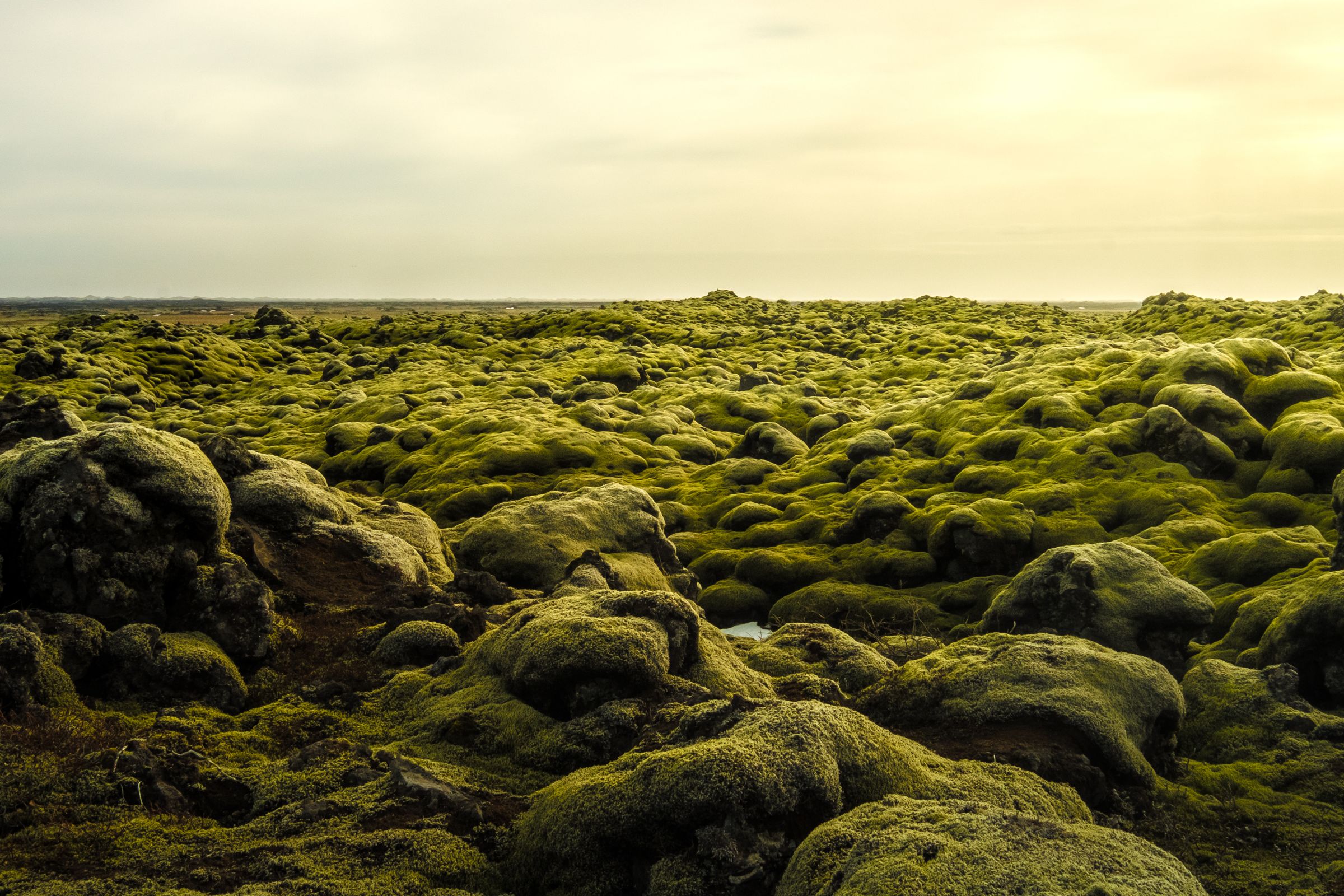
Further west from Svartifoss, you can see Eldhraun, one of the largest lava fields of its kind in the world. It’s the result of one of the most violent and massive volcanic eruptions in recorded history—the Laki eruption of 1783-1784, a catastrophic event that sent molten rock flying across the land, changing the course of several rivers and filling the air with toxic ash. Today, that geological chaos has settled into an irregular and beautiful field made of volcanic rocks covered by a thick layer of green moss. It looks like a giant green carpet stretching as far as the eye can see. There are designated pull-off areas where you can step out and admire the landscape, but again, please do not walk on the moss.
The seasons at Svartifoss
The experience of visiting Svartifoss changes dramatically with the seasons. The weather has a huge influence on a trip to Iceland, and knowing how to expect can help you prepare better. Having said that, the climate is highly unpredictable in this country, so be prepared for all sorts of events.
Spring (April and May): This is a season of transition. The snow begins to melt after the long winter, but it does so gradually. There’s still quite a bit of snow in the first weeks of the season. With it, the water volume of the falls increases considerably. The average temperatures range from 0°C to 7°C (32°F to 45°F). The weather can be even more unpredictable, with sudden rain showers and strong winds in exposed areas. On the other hand, there are not many tourists and the areas around the waterfall look astonishing, especially by late May.
Summer (June to August): This is the most popular time to visit. The days are incredibly long, almost 24 hours of daylight by the end of June. This means you’ll have plenty of time to explore with natural light. Temperatures are mild, it’s never too warm in Iceland, averaging between 10°C and 15°C (50°F to 59°F). This is the best time for hiking the trails in the park. The greenery is at its peak, and all the campsites are fully operational. Be prepared for occasional rain, as the South Coast is one of the wettest parts of Iceland.
Autumn (September and October): Autumn brings a change of colors in the vegetation around Svartifoss. The birch trees in Skaftafell turn shades of gold and orange, making the hike to the waterfall particularly beautiful. Temperatures start to drop, ranging from 3°C to 10°C (37°F to 50°F). Rain and wind probabilities go up, but it’s the season with the fewest tourists.
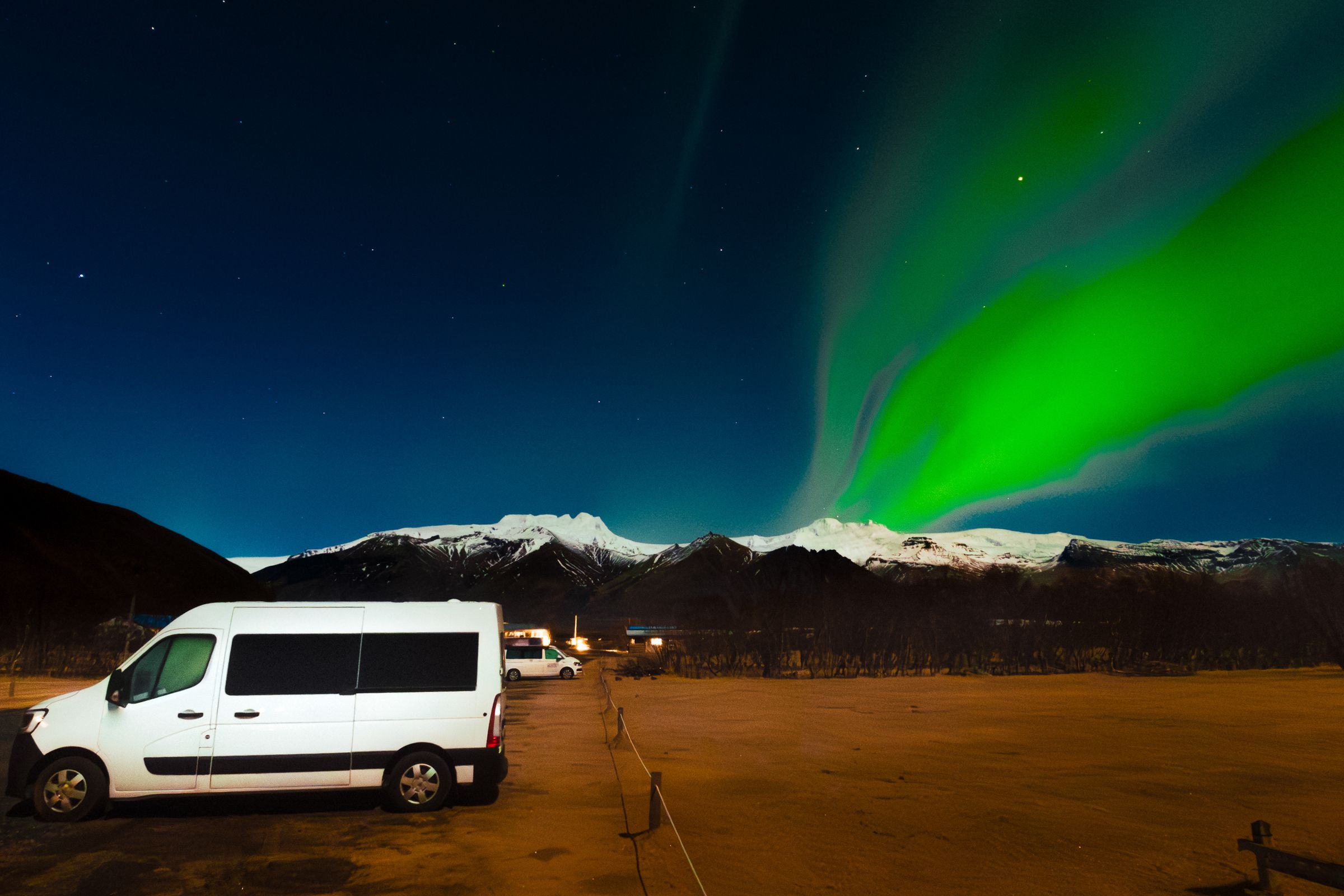
Winter (November to March): Winter at Svartifoss is a magical experience but requires careful planning. The waterfall looks amazing, like a magical holiday postcard, with icicles hanging from the basalt columns. The average temperatures hover around -2°C to 3°C (28°F to 37°F) and traveling by road can be tricky. Many roads close if the weather is bad, but the Ring Road is kept open. Also, the trail up to the waterfall can be slippery. The days are very short, barely 4-6 hours of natural light. If the night is clear, there are chances to see the Northern Lights.

What to pack to visit Svartifoss
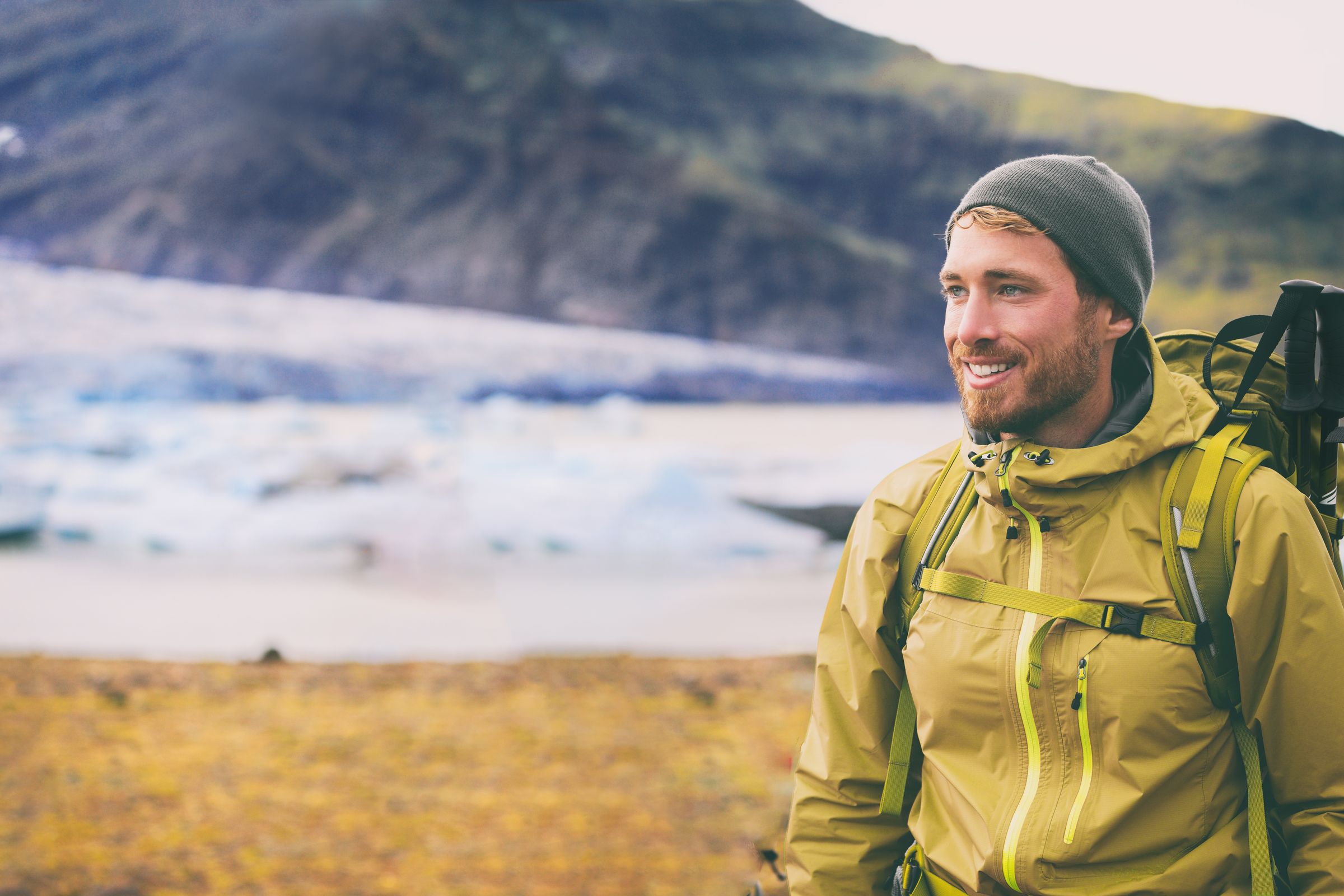
- Sturdy Hiking Boots: The trail is uneven at certain points and can be rocky or muddy. Better if they’re waterproof, rain can hit at any moment.
- Waterproof Jacket and Pants: Even on a sunny day, the weather can change in minutes.
- Dress in Layers: The best way to adapt to the constant temperature changes is dressing in layers.
- Reusable Water Bottle: Icelandic tap water is some of the cleanest in the world. You can fill up at the Visitor Centre.
- Power Bank: While campervans have charging ports, a portable battery is useful for long days out. Also, not all the campsites have access to electricity.
- Gloves and Hat: Even in summer, the nights can be chilly and the wind can bite.
Travel Tips
- Arrive Early or Late: Svartifoss is a popular destination. To enjoy the falls without the crowds, try to hike before 9:00 AM or after 6:00 PM.
- Pay for Parking: The Skaftafell parking area has CCTV. Make sure to pay at the machines or via the Parka app to avoid fines.
- Check Road Conditions: Stay updated on road closures and weather warnings, especially outside summer.
- Stay on the Paths: Nature is fragile in Iceland.
- Use the Visitor Centre: The staff at the Skaftafell Visitor Centre can be incredibly helpful. Ask them about trail conditions and hidden spots nearby.
- Fill Up Your Tank: Gas stations can be sparse in the Southeast. Make sure your campervan has plenty of fuel before leaving Kirkjubæjarklaustur heading east.
- Respect the Moss: It can take decades for Icelandic moss to grow back after being stepped on. Look but do not touch.
Conclusion
Iceland has become an increasingly popular traveling destination in recent years. The main reason is that nature is displayed here in ways that are difficult to understand. Some of the natural monuments here are truly masterpieces that seem created by ancient gods. Svartifoss is sure one of those. The kind of place you won’t want to miss.