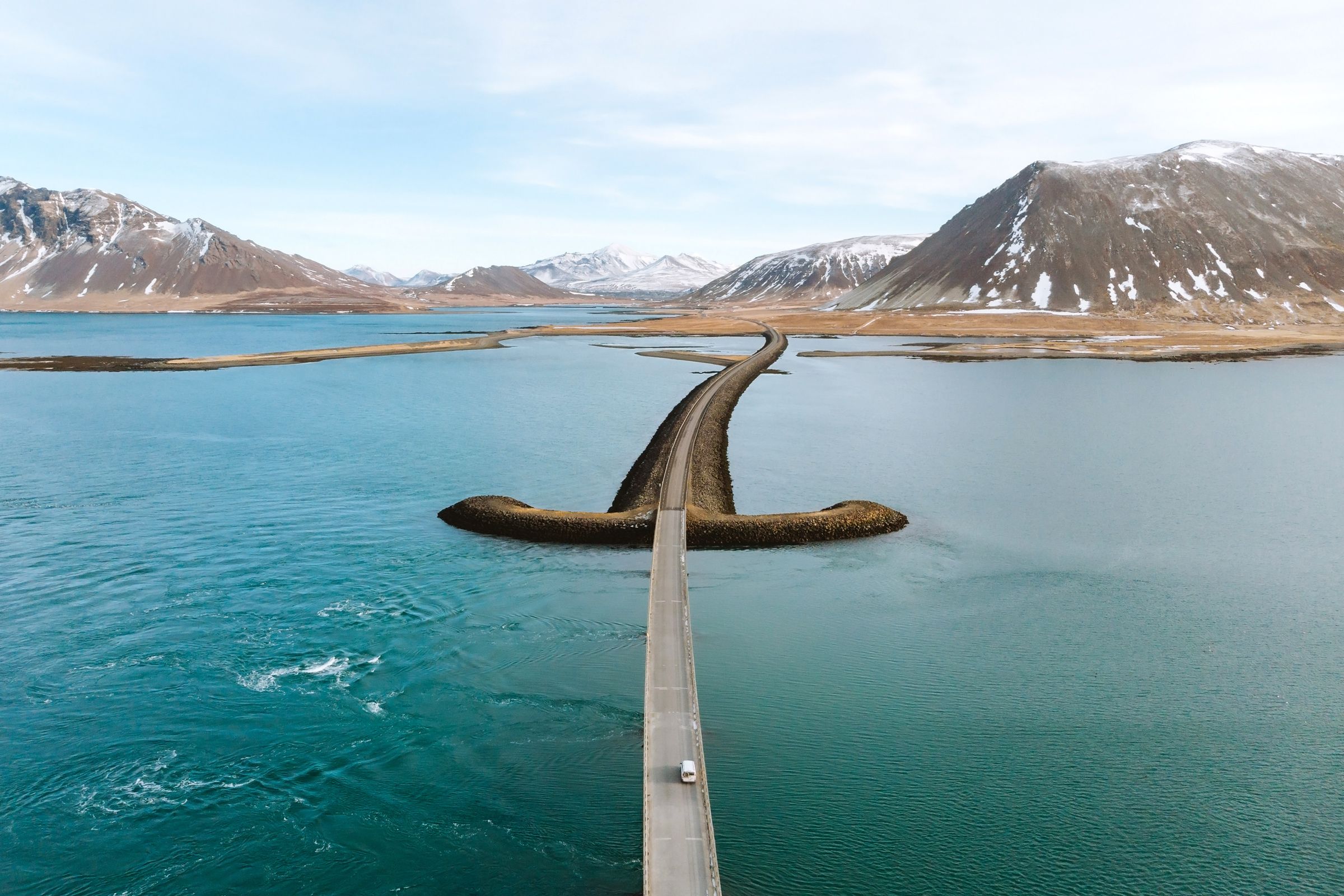
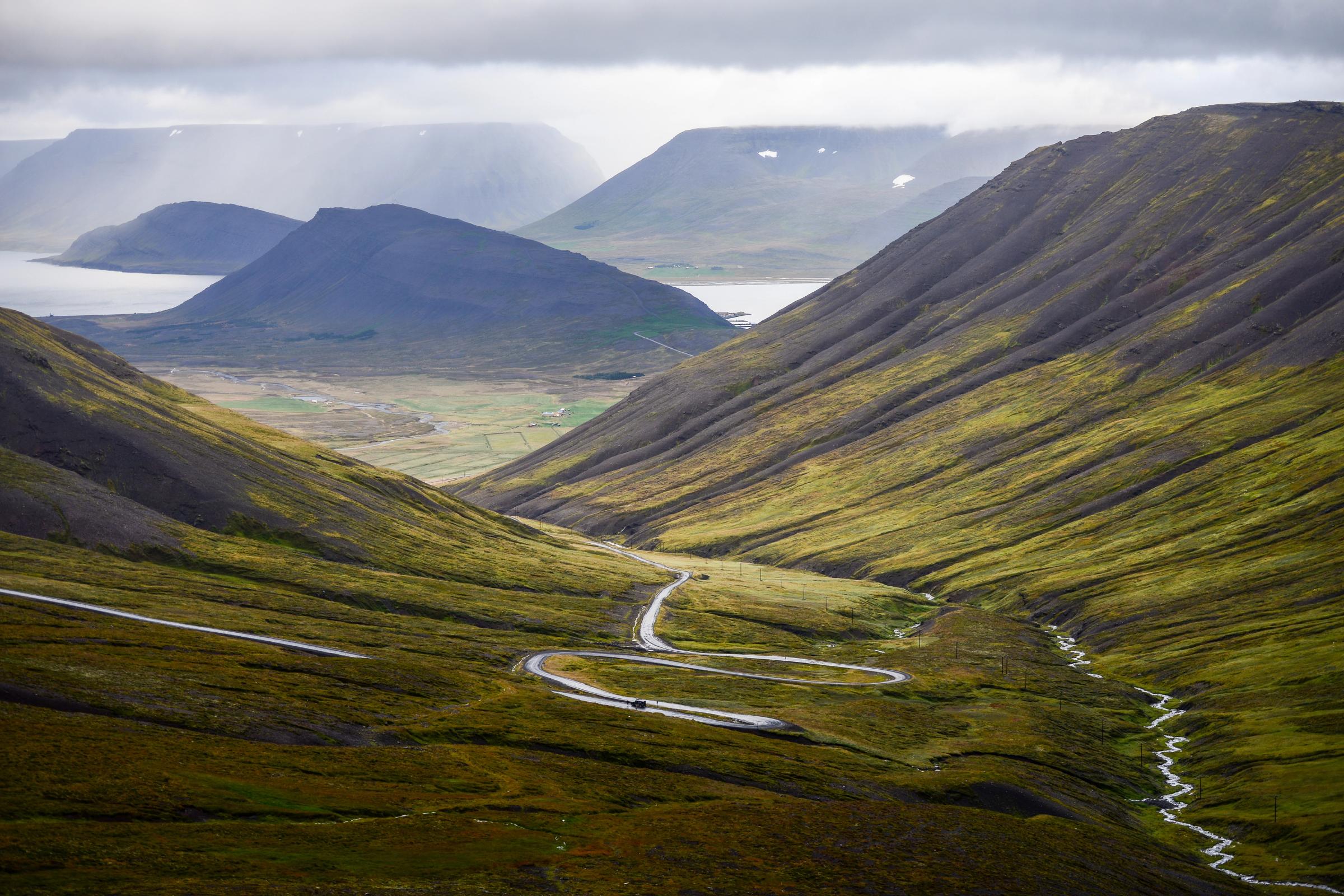
Both campervans and rental cars work well in Iceland, but they lead to very different trips. A campervan is your vehicle and your bed in one. A rental car is just transport, so hotels and guesthouses handle the nights. Which one makes sense for you depends mostly on the kind of trip you want.
Quick Answer: Campervan or Rental Car?
No time to read everything? Here's the short version. Go with a campervan if you want flexibility, the ability to cook your own food, and the freedom to sleep close to what you're exploring. Go with a rental car if you want a real bed, a private bathroom, and easier driving.
A campervan makes sense if you want:
A road trip where your plans can shift from day to day
Transport and a place to sleep in one vehicle
To cook and save money on Iceland's pricey restaurant scene
To do the Ring Road in summer
To move around without being tied to hotel bookings
A rental car makes sense if you want:
A proper bed and private bathroom every night
Easier driving and parking
Better options in winter
Lower fuel costs
A shorter trip focused on Reykjavík
One thing you need to know upfront: you can't just pull over anywhere and sleep in a campervan in Iceland. The Environment Agency of Iceland forbids overnight stays in campervans, caravans, and similar vehicles outside organized campsites or urban areas are generally illegal without the landowner's permission. You get a lot of freedom, but it works within the campsite system, not around it.
Who Should Rent a Campervan in Iceland?
A campervan works well for people who see Iceland as a road trip first and a comfort trip second. It's best in summer and shoulder season, when more campsites are open, there's plenty of daylight, and you're not up against winter road conditions.
I'd go with a campervan if you're a couple doing the Ring Road, a photographer who wants to be in the right spot at dawn, or someone who wants to cook most meals and keep costs down. It's also great if you hate packing and unpacking your bag every single morning.
A campervan is the right call if you:
Are traveling as a couple or a flexible solo traveler
Want to follow good weather instead of hotel check-in dates
Plan to cook most meals to avoid Iceland's expensive restaurants
Are fine with shared campsite showers and kitchens
Are doing the Ring Road, South Coast, or Snæfellsnes Peninsula
The 2026 Iceland Camping Card costs €179 and covers up to 28 nights for two adults and up to four children under 16 at participating campsites. It expires September 15, and some campsites close before that.
Who Should Rent a Car Instead?
A rental car is the better choice when comfort and predictability matter more than flexibility. For most people visiting in winter, it's also just the safer and easier option.
Stick with a rental car if you:
Want a private bathroom every night
Are going in winter or early spring
Have young kids who need more space and a stable place to sleep
Prefer hotels, lodges, or guesthouses
Are doing a short trip around Reykjavík, the Golden Circle, and the South Coast
Don't want to handle a taller, heavier vehicle in crosswinds
Rental car prices vary a lot by season. Economy cars can run around $45/day in winter and well over $125/day in peak August. Larger 4x4s can go much higher than that.
Campervan vs Rental Car: Main Differences
The core difference is straightforward. With a campervan, you're paying for your vehicle and your accommodation at once. With a rental car, you're paying for transport only, and accommodation is a separate thing to sort out.
Accommodation
With a campervan, your nights revolve around campsites. With a rental car, they revolve around hotels, guesthouses, apartments, or hostels. Hotels are more comfortable, but they lock you into a place. Campervans are less comfortable, but changing your overnight plan is easy and doesn't cost you a cancellation fee.
Flexibility
Campervans win on this one. You drive until the weather, the scenery, or your energy says stop, then find the nearest campsite. With a car, your days are flexible but your nights less so, especially if accommodation is already paid for.
Cost
A campervan can be cheaper than a car plus hotels, but not by default. The right comparison isn't campervan rental versus car rental. It's campervan rental plus campsites plus fuel plus groceries versus car rental plus hotels plus restaurants plus fuel. For two people in summer, the campervan often comes out ahead.
Food and Cooking
Most campervans include basic cooking gear, so you can shop at Bónus, Krónan, or Nettó and make simple meals. That saves real money in Iceland, where eating out is expensive. Rental car travelers can still grab groceries, but without a stove and a fridge on hand, cooking on the road is much harder.
Driving Comfort
Rental cars are easier to drive. They're lower, quieter, more aerodynamic, and easier to park. Campervans are taller and heavier and catch a lot more wind, which matters more in Iceland than in most places.
Weather Protection
A hotel room is a lot better than a campervan when the weather gets bad. The campervan keeps rain out better than a tent, sure, but it's still a small vehicle. After a few days of storms, wet gear everywhere, and nowhere to dry anything properly, a warm room starts looking very appealing.
Campsite Access
Campervans need campsites to be open. Many in Iceland are seasonal, so outside June through August, this is a real thing to think about.
Bathroom and Shower Access
Most small campervans don't have a toilet or shower built in. You rely on campsite bathrooms, campsite showers, public pools, visitor centers, or gas stations. With a rental car, your hotel or guesthouse takes care of that for you.
Cost Comparison: Is a Campervan Cheaper Than a Car and Hotels
Usually yes, especially for two people in summer. But it depends on your route, how long you're going, and how much you actually cook.
Campervan Rental Cost
Small two-person campervans typically start around $70–$285/day in winter and $117–$540/day at peak summer. Larger motorhomes cost quite a bit more.
Rental Car Cost
Rental cars are usually cheaper per day and burn less fuel. The problem is accommodation. In peak season near busy stops, hotels fill up fast and prices go up if you don't book well ahead.
Campsite Fees
Campsite fees are much lower than hotel prices. Most charge per person per night, sometimes with extras for showers, electricity, or laundry. The 2026 Camping Card at €179 can cut costs on longer summer trips if the participating campsites line up with your route.
Hotel and Guesthouse Prices
Hotels vary a lot depending on where you are and when. Near Vík, Jökulsárlón, Mývatn, and Akureyri in summer, prices run high and rooms go fast.
Fuel Costs
Campervans burn more fuel than small cars because they're heavier and less aerodynamic. As of late June 2026, gasoline in Iceland was around $1.74/L and diesel around $1.97/L. On longer routes like the Ring Road, the Westfjords, or the Eastfjords, this adds up to a meaningful chunk of your budget.
Grocery Savings
Cooking simple meals in the campervan instead of eating out saves a lot. Even just making your own breakfasts and dinners cuts costs fast in a country where an average restaurant meal can easily run $25–40 per person.
Insurance and Hidden Costs
Insurance is where a lot of people get surprised. In Iceland, pay attention to what's actually covered:
Gravel protection
Sand and ash protection
Wind damage exclusions
Undercarriage damage
Tire damage
River crossing exclusions
F-road restrictions
Extra driver fees, bedding, Wi-Fi, and heater add-ons
Campervans generally cost more to repair than small cars. Don't just grab the cheapest insurance option without reading what it covers.
Why a Campervan Gives You More Flexibility in Iceland
Flexibility is the main reason to choose a campervan. But it's worth knowing what that actually means day to day.
Changing Plans Based on Weather
Iceland's weather moves fast. If the South Coast has bad wind warnings, you can head toward Snæfellsnes or North Iceland instead without losing a hotel deposit. I'd make it a habit to check road and weather conditions every morning before deciding where to drive. The Icelandic Road and Coastal Administration (Vegagerðin) runs umferdin.is, which has live road and traffic info.
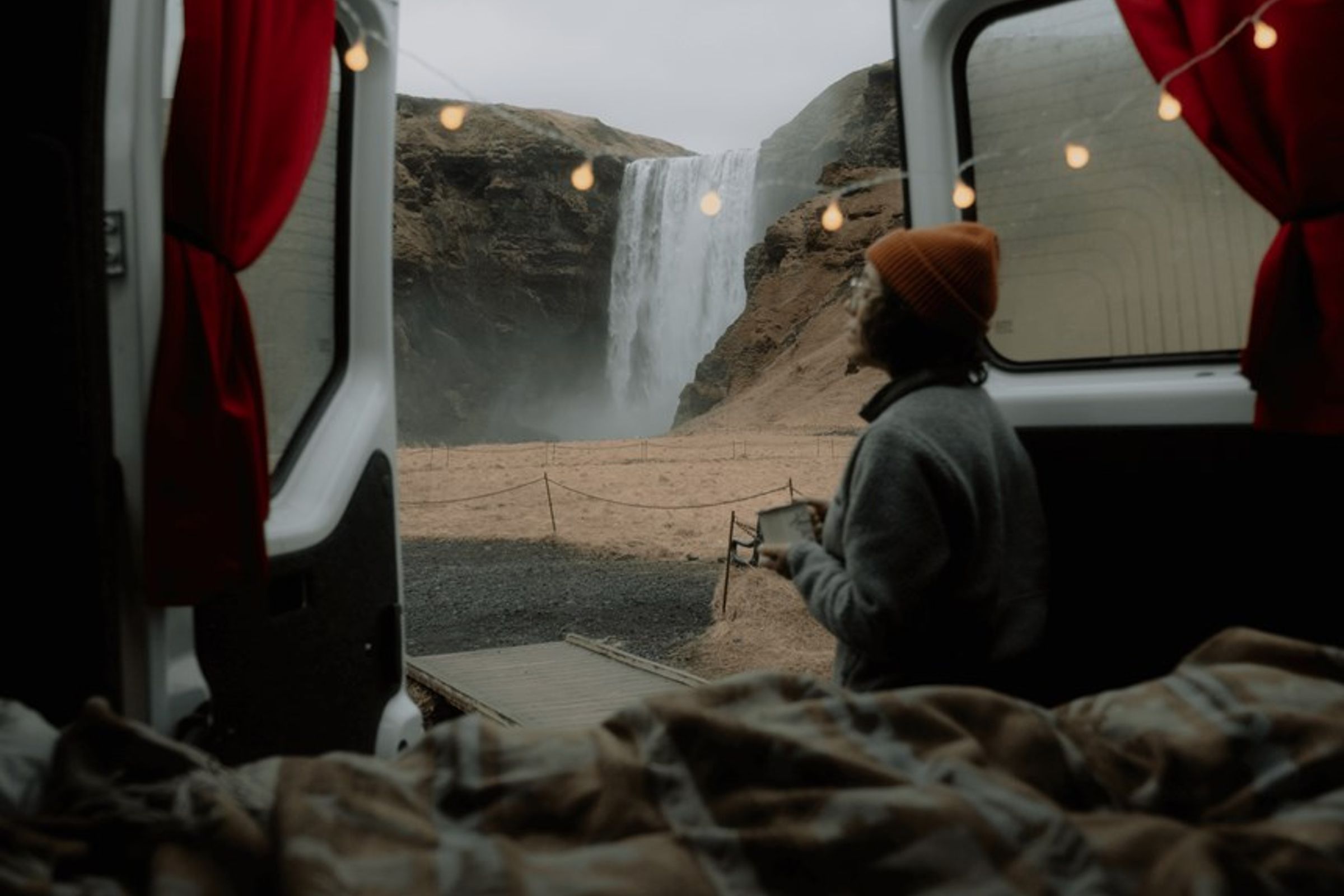
Staying Closer to Waterfalls, Glaciers, and Beaches
With a campervan, you can stay near the big natural areas as long as there's a legal campsite nearby. That means shorter drives to early morning hikes, better timing for photos, and less backtracking.
Avoiding Daily Hotel Check-Ins
You don't need to plan your day around hotel check-in times. It sounds small, but it changes how a trip flows, especially on the Ring Road where towns are spread out and driving distances vary a lot.
Chasing the Midnight Sun or Northern Lights
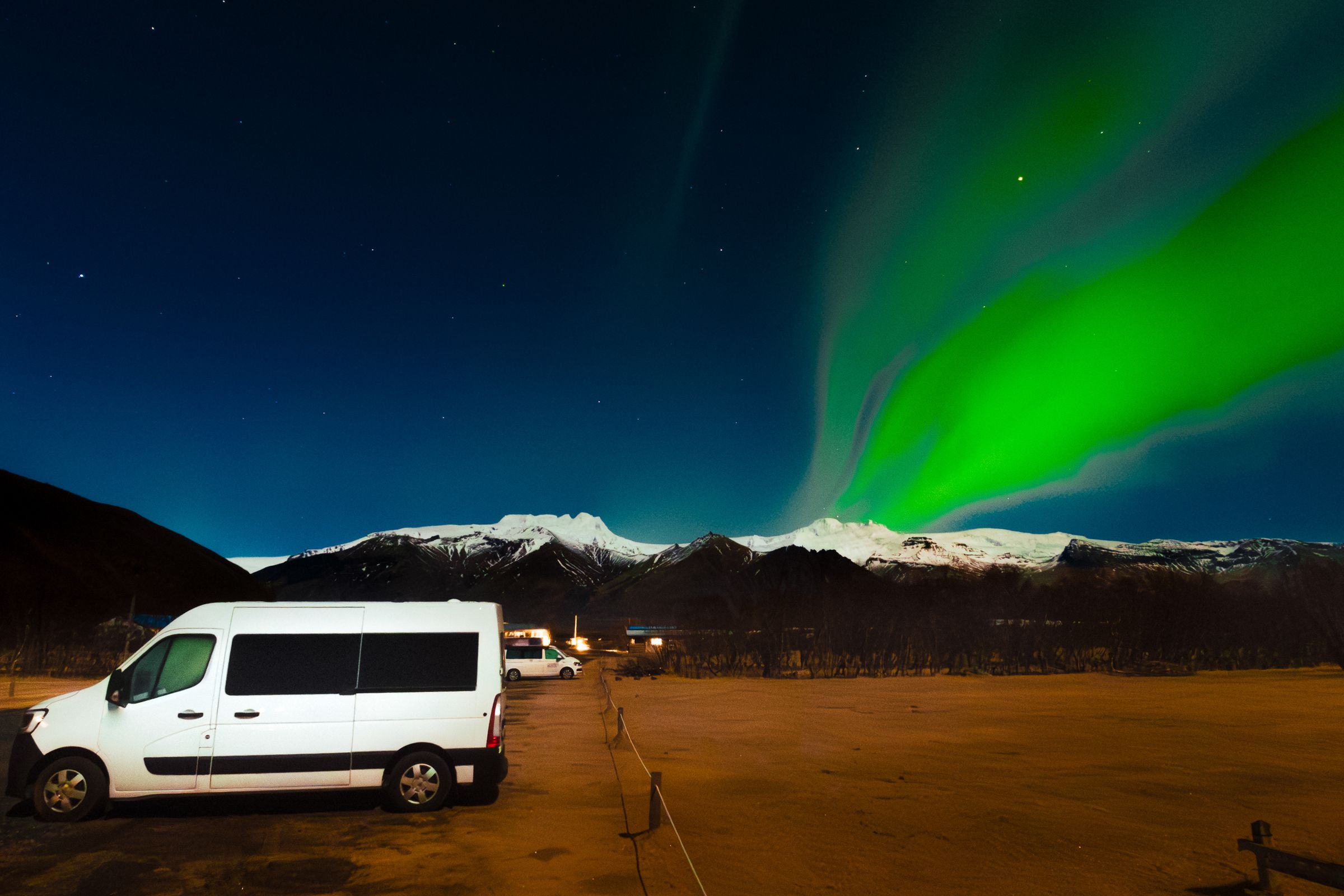
In summer, campervans are great for late-night exploring under the Midnight Sun. In autumn, they help with northern lights chasing since you can move based on where the sky is clear, though you still need a legal campsite for overnight stops.
Iceland Camping Rules: Can You Sleep Anywhere in a Campervan?
No. This is probably the most common thing people get wrong about campervan travel in Iceland.
Wild Camping Rules
The Environment Agency of Iceland (Umhverfisstofnun) says it's illegal to spend the night in campervans, caravans, tent campers, or similar vehicles outside organized campsites or urban areas without permission from the landowner or right holder.
Overnight Parking Rules
A scenic pullout is not a campsite. Sleeping at waterfall parking areas, trailheads, beach pullouts, viewpoints, or roadside spots isn't okay. Those spots are for day visitors.
Why Campsites Matter
Campsites protect Iceland's landscape. They handle waste, provide toilets and drinking water, and give you a safe base when the weather turns bad. They're not just a legal requirement. They're a useful and genuinely practical part of the trip.
Landowner Permission
If you're outside a campsite or urban area and want to stay overnight, you need clear permission from the landowner or rights holder. Don't assume that land in the middle of nowhere is up for grabs.
Leave No Trace Travel
Leaving no trace in Iceland means sleeping only where it's allowed, never driving off-road, using campsite facilities for waste disposal, and avoiding any damage to moss, lava fields, or fragile vegetation. Iceland's landscape looks durable, but a lot of it takes decades to recover from damage.
What Are Campsites Like in Iceland?
Icelandic campsites range from a basic grassy field with a toilet block to well-set-up spots with kitchens, showers, laundry, electricity hookups, and decent views. Part of doing a campervan trip well is knowing which sites work for your route.
Toilets and Showers
Most organized campsites have toilets. Showers are hit or miss: some are free, some cost extra, and quality varies. Bring a quick-dry towel, shower sandals, and coins or a card.
Shared Kitchens
Many of the better campsites have shared kitchens or covered cooking areas. These are a real help when it's raining or blowing and you'd rather not cook in the van.
Electricity and Charging
Some campsites offer electrical hookups for a fee. Even without one, most have charging points somewhere in the common areas. Charge phones, cameras, and power banks whenever you get the chance.
Drinking Water
Iceland's tap water is excellent. Just refill your bottles at campsites and skip the bottled water entirely.
Laundry and Waste Disposal
Larger campsites usually have laundry. Smaller ones often don't. Plan laundry stops around bigger towns like Akureyri, Höfn, or Egilsstaðir. Also figure out in advance where you can drop off trash, recycling, and gray water.
Iceland Camping Card
If I were you, I'd figure out whether the Camping Card actually makes sense for your specific route before buying it. At €179 for 2026, covering up to 28 nights for two adults and four children under 16, it can save money on longer summer trips if the participating campsites line up with where you're going. Less useful for short trips, routes with few participating sites, or travel after September 15.
Driving a Campervan vs Driving a Car in Iceland
Driving is where the two options feel most different on a daily basis.
Ring Road Driving
Both handle the Ring Road fine in normal summer conditions. A car is just easier to drive. A campervan makes the route feel more like a proper road trip. For winter Ring Road travel, a rental car and hotels are the safer and more comfortable choice for most people.
Gravel Roads
A lot of roads in Iceland outside the main routes are gravel. Campervans can handle many of them if the rental company allows it, but you need to slow down, leave more stopping distance, and watch out for loose surfaces and blind crests.
Wind and Weather
Wind is the thing most people underestimate when driving a campervan in Iceland. Taller vehicles catch a lot more crosswind than cars. Check wind warnings before you set off, hold doors with both hands in gusty conditions, and ease off on open plains and exposed coastal roads.
Parking
Cars are easier to park in towns, at supermarkets, and at busy viewpoints. Campervans need more room and more care, especially in Reykjavík, Vík, and small village centers.
Winter Driving
Winter is where rental cars have a real advantage. Campervans are colder, taller, harder to heat, and tied to campsites that may be closed. If you're coming to Iceland for the first time between November and March, a rental car and hotels is the sensible setup.
Road Closures and Safety Checks
Check road and weather conditions every morning before you drive. SafeTravel is Iceland's official safe travel resource, run by ICE-SAR, the Icelandic Association for Search and Rescue.
Check road conditions on umferdin.is and the weather forecast before you drive each day. Conditions in Iceland can shift fast, and campervans are more affected by wind and ice than small cars.
Are Campervans Allowed on F-Roads?
Sometimes, but not most campervans, and not without checking your rental contract carefully first.
2WD Campervans vs 4x4 Campervans
A standard 2WD campervan is not built for F-roads. F-roads are mountain roads that need a proper 4x4. A 4x4 campervan might be allowed on some F-roads, but only if the rental company says so in the contract.
Highlands Travel
The Highlands are remote, seasonal, and genuinely rough. They're not a quick side trip off the Ring Road. You need a permitted 4x4, a clear understanding of your insurance, daily road condition checks, and some idea of what river crossings involve before heading up there.
River Crossings
River crossings are one of the biggest risks for rental vehicles in Iceland. Water levels change fast, and most rental agreements exclude water damage, even for 4x4s. If you're not sure the crossing is safe and your contract covers it, don't cross.
Rental Company Restrictions
What the contract says matters more than what the vehicle looks like. A van might appear capable of going anywhere, but the agreement might rule out certain roads entirely. Always confirm which roads are allowed, whether river crossings are covered, and whether undercarriage damage is included before you sign.
Best Iceland Routes for a Campervan
Not every route in Iceland suits a campervan the same way. Here's a quick rundown.
Golden Circle
Fine for short trips and first-timers. A campervan works, but a rental car with Reykjavík-based accommodation works just as well here. No real advantage either way.
South Coast
One of the best routes for a campervan. Seljalandsfoss, Skógafoss, Reynisfjara, Vík, Skaftafell, Jökulsárlón, and Diamond Beach are all strung along a long linear route. Being able to sleep near the next day's stops makes a genuine difference here.
Ring Road
The most natural campervan route in Iceland. You want at least 8–10 days, and 10–14 is more comfortable. Campervans work really well here in summer. A car with pre-booked hotels works too, but needs more planning ahead.
Snæfellsnes Peninsula
A good shorter loop. Coastal villages, lava fields, and Kirkjufell make it compact but worth doing.
North Iceland
Good for longer trips or people who've already done the South Coast. Goðafoss, Mývatn, Húsavík, Akureyri, and Dettifoss all suit flexible, slow travel.
Eastfjords
Great if you want to take your time. The fjords, small villages, and quiet roads are perfect for a campervan that can stop whenever something looks good.
Westfjords
Worth it, but slower and more remote than most people expect. Plan for gravel roads, long drives, fewer services, and more weather uncertainty. Best for experienced drivers with enough time.
Highlands by 4x4 Only
Standard campervans don't belong here. Only go with a rental-company-approved 4x4 and check F-road status on safetravel.is before you try any highland route.
Best Time to Rent a Campervan in Iceland
Season matters more for campervan travelers than for people staying in hotels. Your campsite options, road access, and basic comfort all change a lot depending on when you go.
Summer Campervan Trips
June through August is the best window overall. More campsites are open, daylight is long, roads are more manageable, and sleeping in a vehicle is actually comfortable. It's also the most expensive time to rent, so book early.
Shoulder Season Campervan Trips
May, early June, September, and sometimes early October can be good, with fewer crowds and lower prices. Some campsites will be closed, nights are colder, and weather is less reliable. Doable, but you need to plan more carefully.
Winter Campervan Trips
Possible for experienced travelers, but not a great fit for most first-timers. Short days, icy roads, closed campsites, cold nights, and harder driving all push toward the rental car plus hotels setup from November through March.
Midnight Sun
Late May through July is ideal if you want to explore late and photograph soft evening light. You can visit popular spots after the main crowds leave and sleep whenever you feel like it.
Northern Lights
Northern lights are possible from late August through April when nights are dark enough. A campervan helps you shift locations based on cloud cover, but deep winter is much more comfortable in a hotel.
Campervan Comfort: What to Expect
A campervan is more comfortable than a tent. It's not a hotel room. Knowing that before you go makes the experience a lot better.
Sleeping Space
Two-person campervans are fine for a few nights and can feel cramped on a longer trip. Check bed dimensions before booking, especially if you're tall. Good blackout curtains and proper ventilation matter more than you'd think.
Heating
Heating matters outside high summer. Before you book, check whether the heater runs overnight, whether it needs fuel or campsite electricity, and whether a carbon monoxide detector is included.
Condensation
Condensation builds up in campervans, especially in cool weather. Ventilate when you can, use campsite kitchens when they're available, and wipe down windows in the morning.
Cooking Inside the Camper
Cooking inside works fine in bad weather, but keep vents clear and never use cooking gear as a heater. When there's a campsite kitchen available, use it.
Storage and Luggage
Soft bags are much better than hard suitcases in a campervan. Hard luggage eats up space and makes getting to your things annoying. Packing cubes and dry bags are worth it.
Privacy
Campervans have less privacy than hotel rooms, and busy summer campsites can get noisy. Try to find a spot away from the main kitchen and bathroom buildings. Earplugs and an eye mask go a long way.
Bathrooms and Showers
This is the biggest trade-off. Most small campervans don't have a toilet or shower. If your own bathroom is non-negotiable, a larger motorhome or a rental car with hotels is the better option.
Campervan vs Car by Traveler Type
The right choice really does depend on who you are and how you like to travel.
Couples
A campervan is a solid pick for couples doing a summer road trip. It's cost-effective, flexible, and tends to be more of an experience than moving between hotels. A rental car is better for couples who want comfort, privacy, and nicer places to stay.
Solo Travelers
Campervans get expensive when you're on your own since you're covering the full vehicle cost. A small rental car plus hostels or budget guesthouses often works out cheaper. If flexibility matters more than budget, the campervan still has its merits.
Families
Families with young kids usually do better with a rental car and apartments or guesthouses. More space, private bathrooms, and consistent sleeping arrangements make a real difference. A larger motorhome can work for families, but costs and driving difficulty both go up.
Photographers
Campervans are a great fit here. You can sleep close to your morning location, be out at the right time without a long drive, and adjust your route based on conditions. For winter trips or when you're carrying heavy gear that needs to dry properly, a rental car and hotels works better.
Budget Travelers
For two people splitting costs, a campervan is often the cheapest way to do Iceland. For solo travelers, the math usually points toward a rental car and budget accommodation.
Luxury Travelers
Go with a rental car. Boutique hotels, farm stays, and lodges are what you're after. A campervan, whatever the model, isn't set up around luxury.
Winter Travelers
A rental car and hotels is almost always the right call in winter. It's safer, warmer, and a lot less complicated when campsites are limited and road conditions are worse.
Ring Road Travelers
For a summer Ring Road trip, a campervan is often the most practical and enjoyable way to do it. It takes the pressure off finding a different hotel every night and makes the whole thing feel like a real road trip. A rental car works too, but you need to book ahead.
Pros and Cons of Renting a Campervan in Iceland
Here's the honest version.
Campervan Pros
Transport and accommodation in one vehicle
Much more flexible route planning
Easy to cook and save money on food
Works really well for the Ring Road and South Coast in summer
No repacking or daily hotel check-ins
Good for photographers who need to be somewhere specific at a specific time
Can cost less than a car plus hotels for two people
Campervan Cons
Overnight stops need to be at campsites or have landowner permission
Less comfortable than hotels
No private bathroom in most small campervans
More affected by wind
Burns more fuel than a small car
Limited storage and living space
Condensation and wet gear get old fast on a long trip
Many campsites are seasonal
Most campervans can't go on F-roads
Pros and Cons of Renting a Car in Iceland
Let’s see the same thing but for cars
Rental Car Pros
Easier to drive, park, and maneuver
Better fuel economy
Comfortable when paired with good hotels
Private bathrooms at accommodation
Better in winter
Better for families
Better for luxury travel
More vehicle options, including proper 4x4s
Rental Car Cons
Accommodation costs add up fast, especially in summer
Less flexibility once hotels are booked
Last-minute changes can be expensive or just not possible
More restaurant dependence without cooking gear in the car
Less of a road trip feel
Hotels near popular stops sell out fast in peak season
Campervan vs Rental Car: Side-by-Side Comparison
Here's how the two options compare on the things that actually matter.
Factor
Campervan
Rental Car
Total cost
Often cheaper for two people in summer because it combines transport and accommodation.
Usually has a lower daily rental price, but hotels or guesthouses can make the total cost rise quickly.
Flexibility
Very flexible. You can move around more freely and adjust your route as you go.
Flexible during the day, but less flexible at night once your accommodation is booked.
Comfort
More basic. You sleep, cook, and travel in the same small space.
More comfortable, especially if you stay in good hotels or guesthouses.
Fuel use
Uses more fuel than a regular rental car.
Uses less fuel, especially if you rent a small or mid-size car.
Food savings
Strong advantage because you can cook in the camper.
Depends on your accommodation. You save more if your hotel, guesthouse, or apartment has a kitchen.
Weather comfort
Fine in light rain, but not ideal in strong wind, heavy rain, or storms.
Better in bad weather because you can return to a warm hotel room.
Campsite dependence
You need to stay at campsites every night.
No campsite needed. You stay in hotels, guesthouses, cabins, or apartments.
Bathroom access
Usually shared bathrooms and showers at campsites.
Usually private bathrooms if you book hotels or guesthouses.
F-road access
Only possible with approved 4x4 campervans, and only if the rental company allows it.
4x4 rental cars usually offer better access to F-roads.
Winter suitability
More limited. Winter weather can make camper travel harder and less comfortable.
Better for winter, especially with a suitable 4x4 and fixed accommodation.
Ring Road suitability
Excellent in summer, especially for longer trips.
Also works well, especially if you book accommodation in advance.
Not sure which to pick? If your trip is 7 or more days in summer and you're fine with campsite facilities, the campervan usually wins on value and experience. Under 5 days, or going in winter, go with the rental car.
Common Mistakes When Renting a Campervan in Iceland
Renting a campervan in Iceland is pretty straightforward, but a few mistakes can make the trip more stressful or expensive than it needs to be. Most problems come from underestimating the weather, driving distances, campsite rules, or what the vehicle can actually handle.
Thinking You Can Sleep Anywhere
The most common mistake. Campervans need campsites or landowner permission for overnight stops. Scenic pullouts and waterfall parking lots don't count.
Ignoring Wind Warnings
Wind can make a campervan genuinely hard to drive and can pull doors off their hinges if you're not careful. Take wind warnings seriously.
Driving Too Far Each Day
Iceland looks manageable on a map, but stops eat up time. Wind, gravel roads, hikes, and viewpoints all slow you down. Shorter daily distances make the whole thing more enjoyable.
Not Checking Campsite Opening Dates
A great campsite in July might be closed in April or October. Check seasonal availability before you plan your route.
Choosing the Wrong Vehicle
Don't rent a tiny camper for a long trip if you need some comfort. Don't rent a big motorhome if you're not confident parking something that size. Don't rent a 2WD camper if you're planning on highland or rougher gravel routes.
Skipping the Insurance Details
Read the exclusions. Gravel damage, sand and ash damage, wind damage, tire damage, and undercarriage damage can all be expensive, and the basic package often doesn't cover them.
Final Recommendation: Should You Rent a Campervan or a Car?
It comes down to what kind of trip you want and what you can live without.
If you're doing the Ring Road or South Coast in summer, want to cook your own food, are fine with campsite bathrooms, and like having the option to change your plans based on weather and what you find, a campervan is almost certainly the better choice. It's more flexible, more immersive, and often cheaper for two people.
If you want hotel comfort, a private bathroom, easier driving, better sleep, or you're going in winter, a rental car is the right call. It's the more practical option for families, winter visitors, luxury travelers, and anyone who doesn't want to think about campsite availability at the end of every day.
For a summer Ring Road trip, personally, I'd take the campervan without a second thought. For most other situations, it really does come down to your priorities.
Frequently Asked Questions
Yes. Most travelers leave their bags inside the campervan while visiting waterfalls, beaches, and other attractions. Just keep valuables out of sight and lock the vehicle whenever you leave it.
Most do. They can feel a bit cramped on longer trips, but they're designed for two adults to sleep and travel comfortably. If you prefer more space or you're carrying a lot of gear, it's worth looking at a larger model.
Yes. Many rental companies offer pickup near Keflavík Airport, making it easy to start your road trip as soon as you arrive. Just check where the pickup office is located, as some companies provide a shuttle from the terminal.
It depends on your trip. If you're traveling for a week or more, spending a little extra on a larger campervan can make a big difference in comfort. For shorter trips, a smaller model is usually enough for two people.
About the author
Aron Freyr
Local expert
Born and raised in Iceland, Aron Freyr has spent all 28 years of his life exploring the country and getting to know its landscapes, regions, and ever changing conditions. From long summer road trips to winter journeys through remote areas, he has traveled across Iceland more times than he can count. As part of the Go Car Rental Iceland team, Aron turns this firsthand experience into trustworthy, practical guidance that helps visitors navigate Iceland with confidence. His deep local insight makes him one of the most reliable voices on Icelandic travel today. He claims this expertise also includes knowing exactly which gas stations make the best hot dogs.