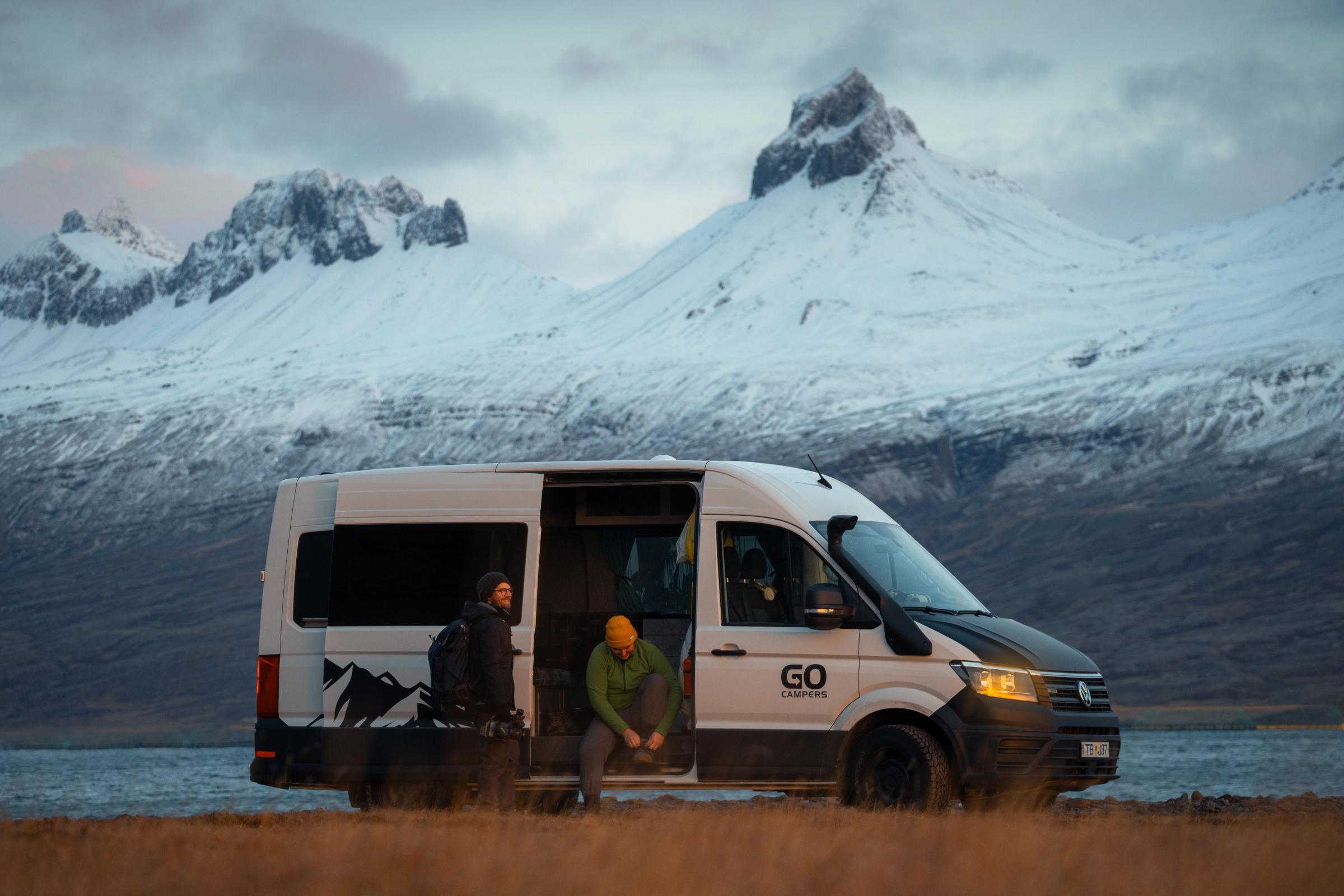
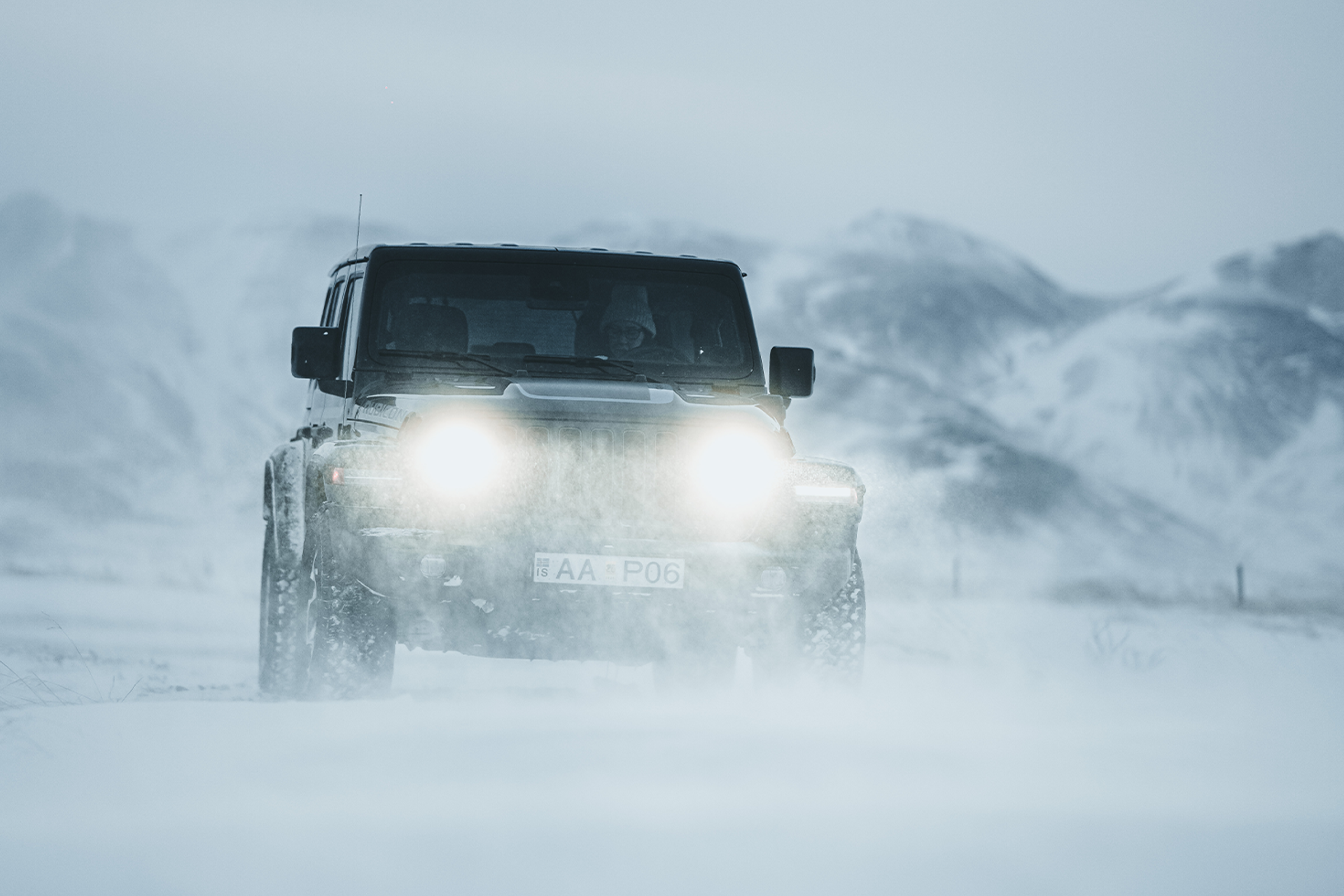
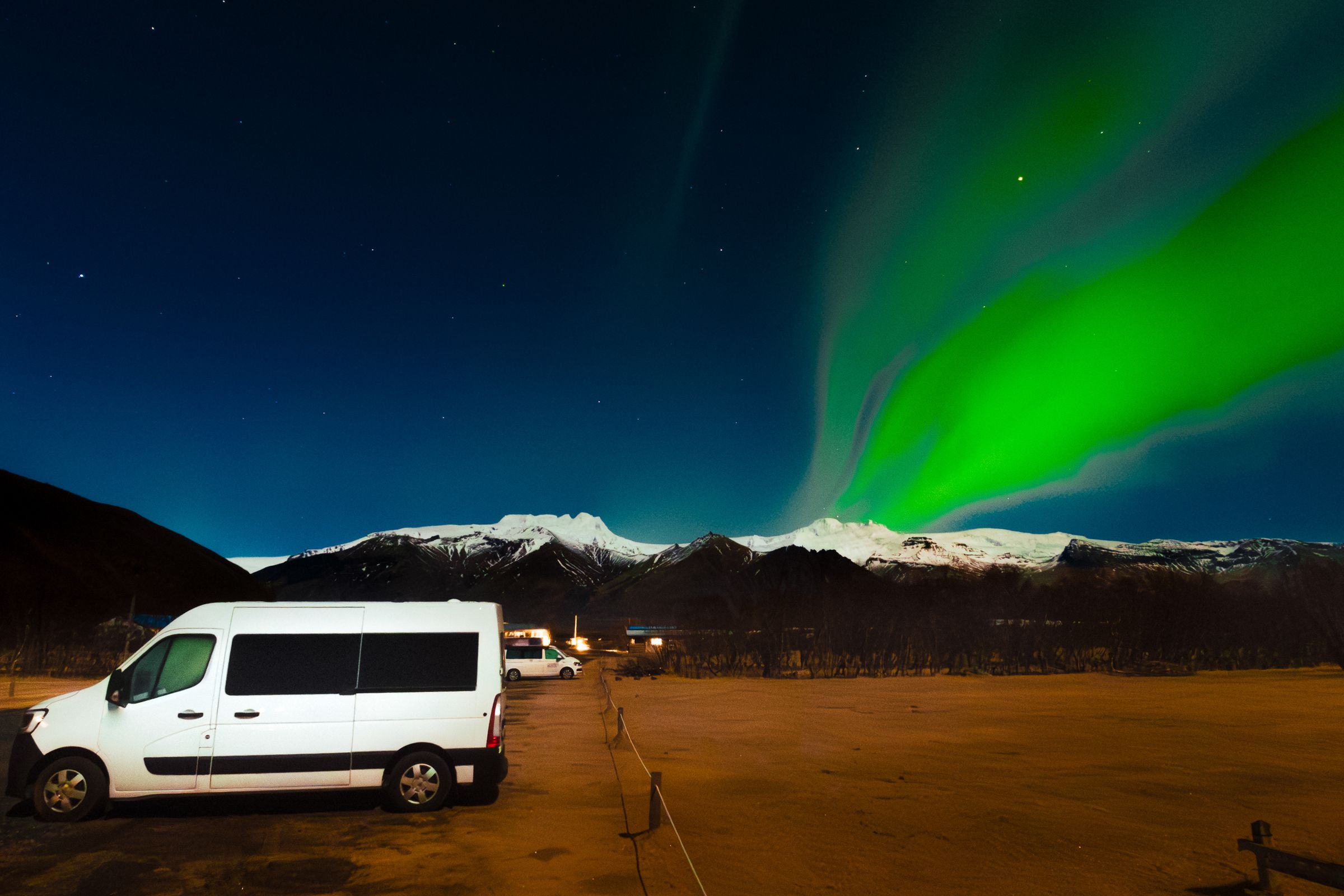
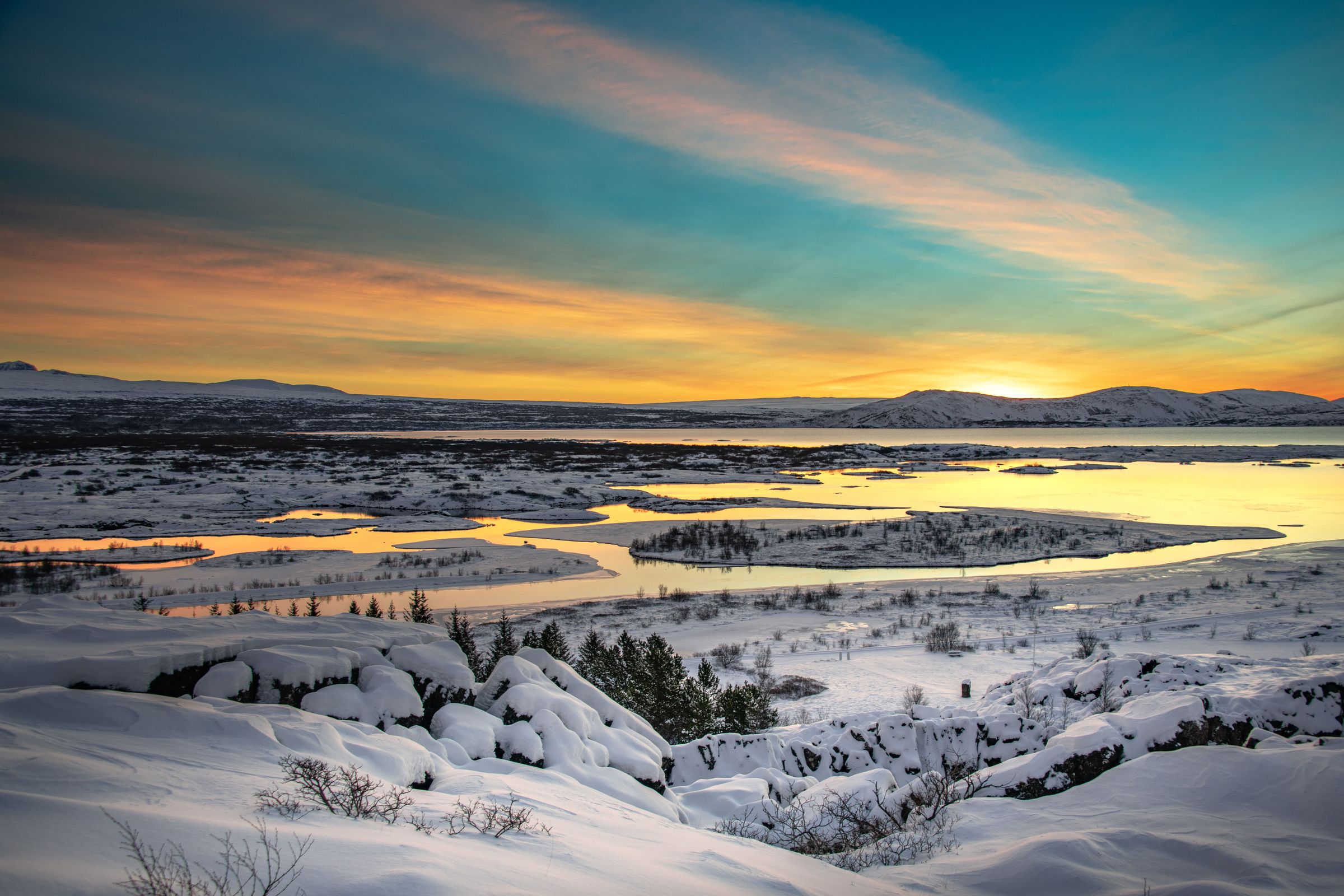
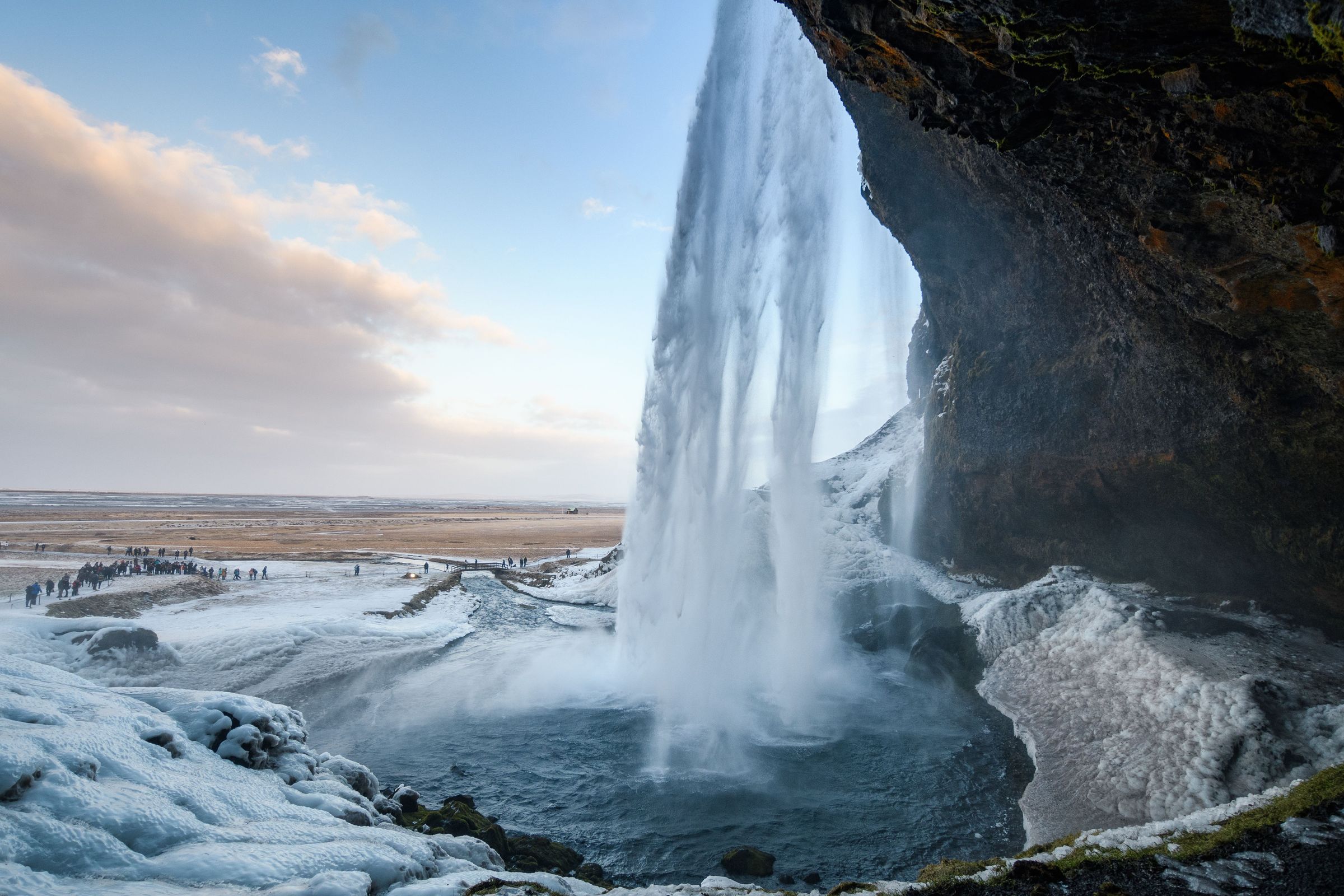
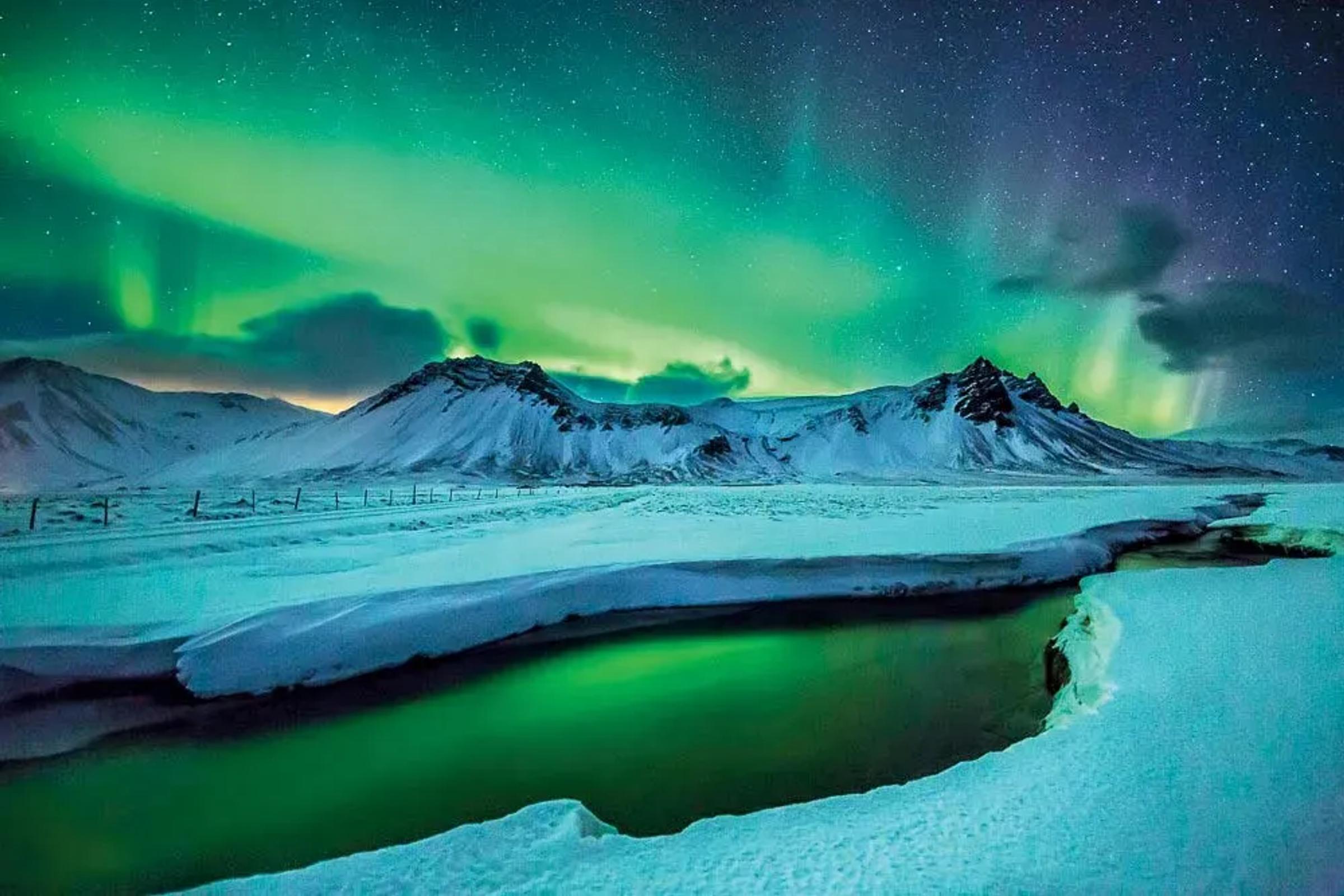
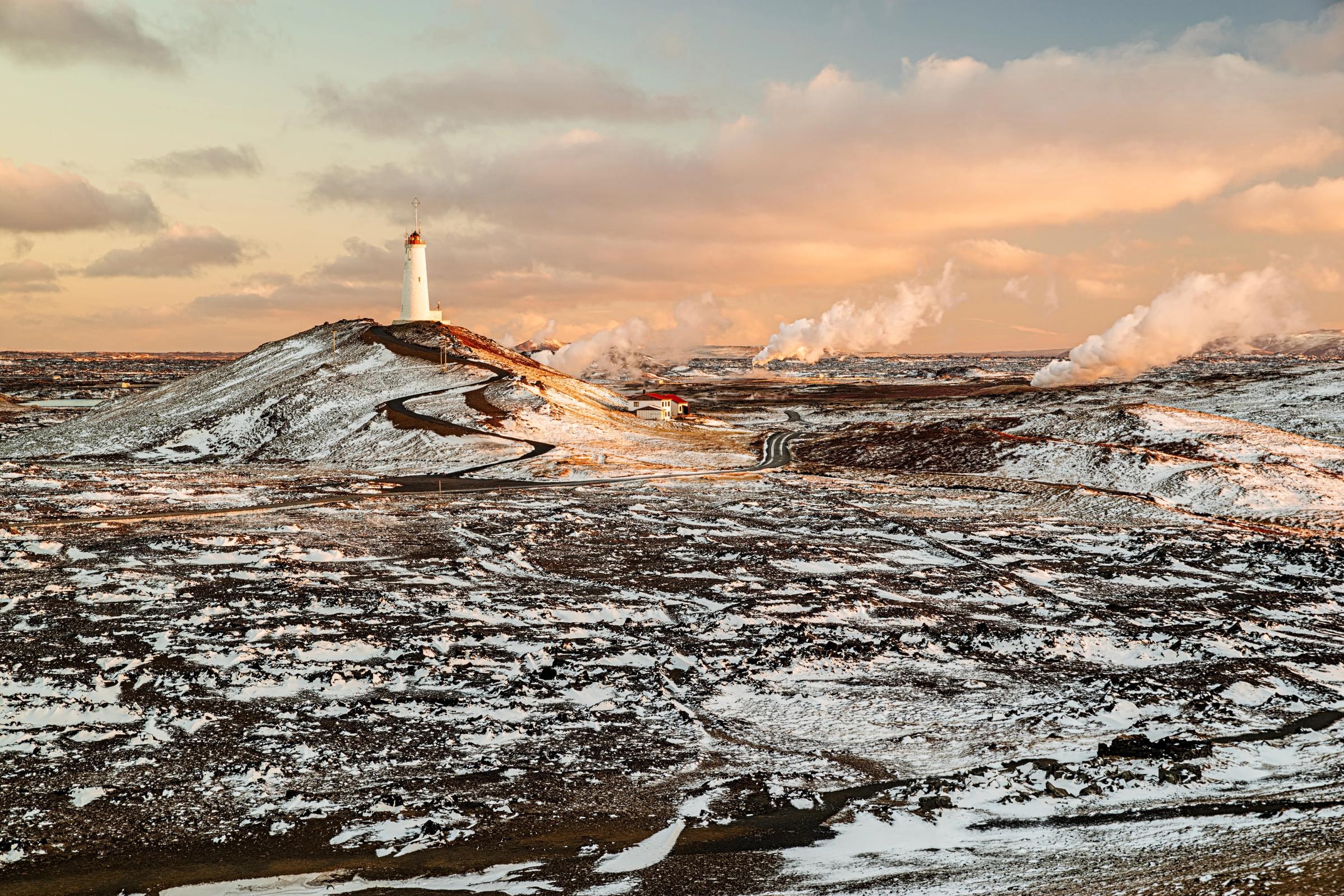
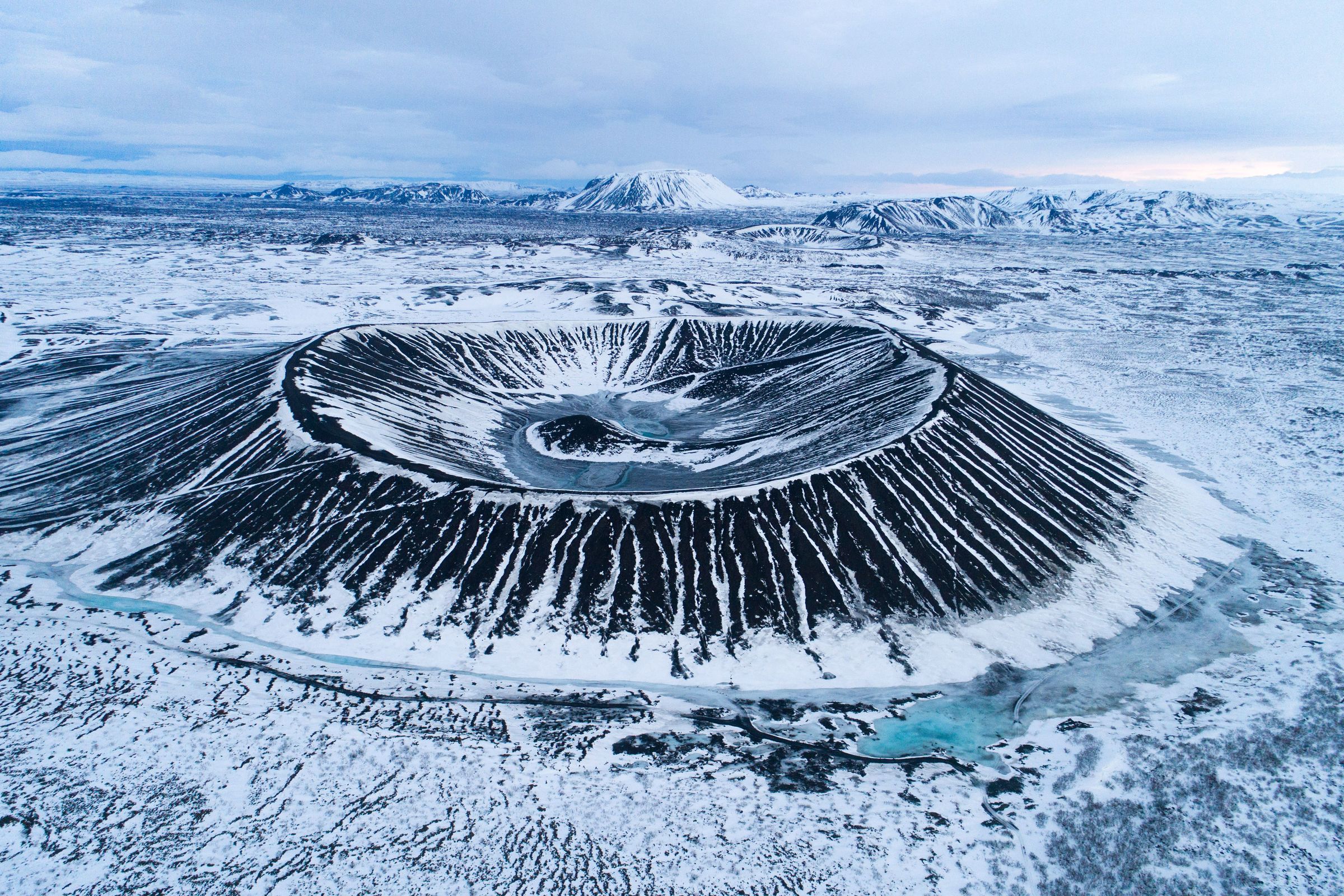
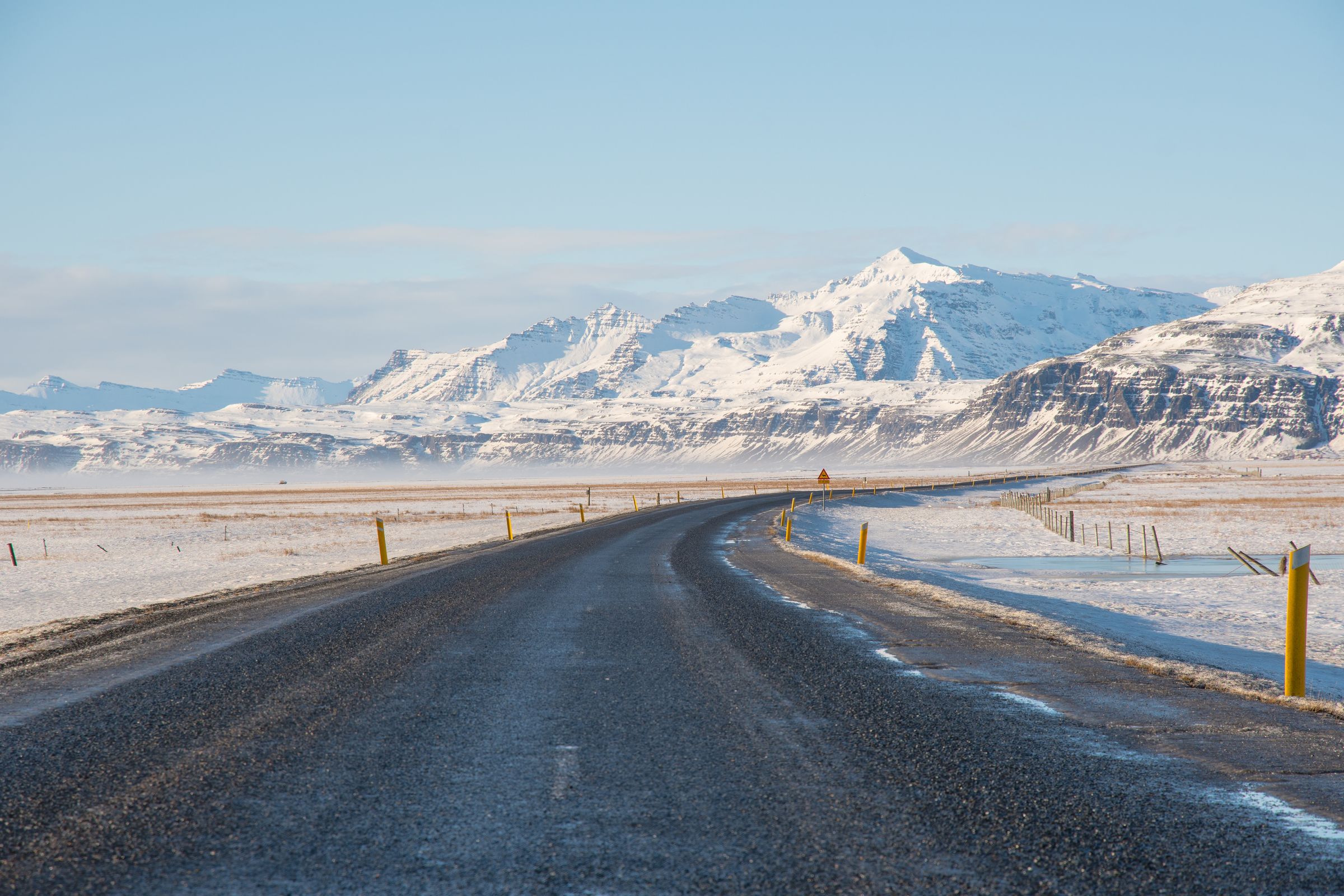
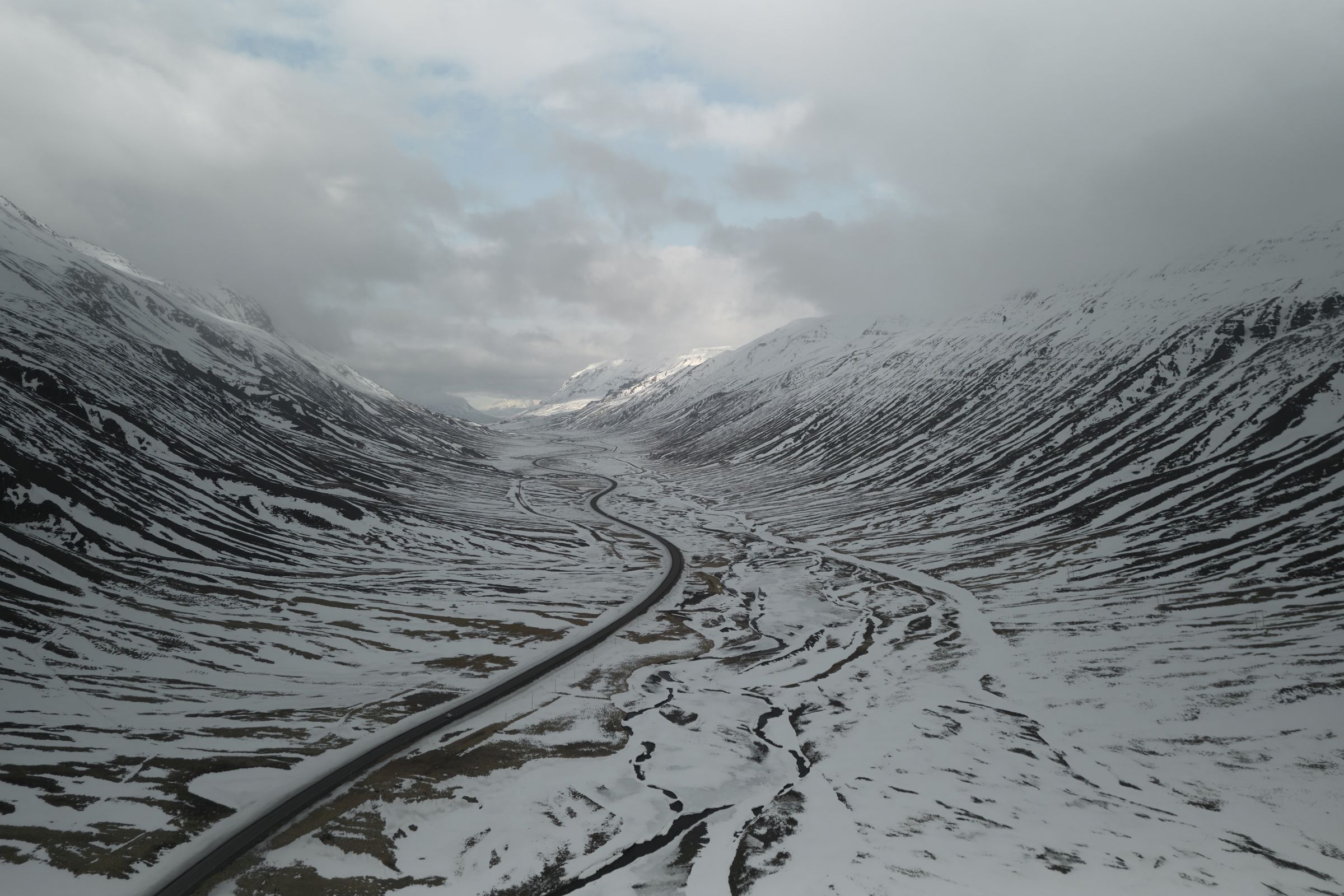
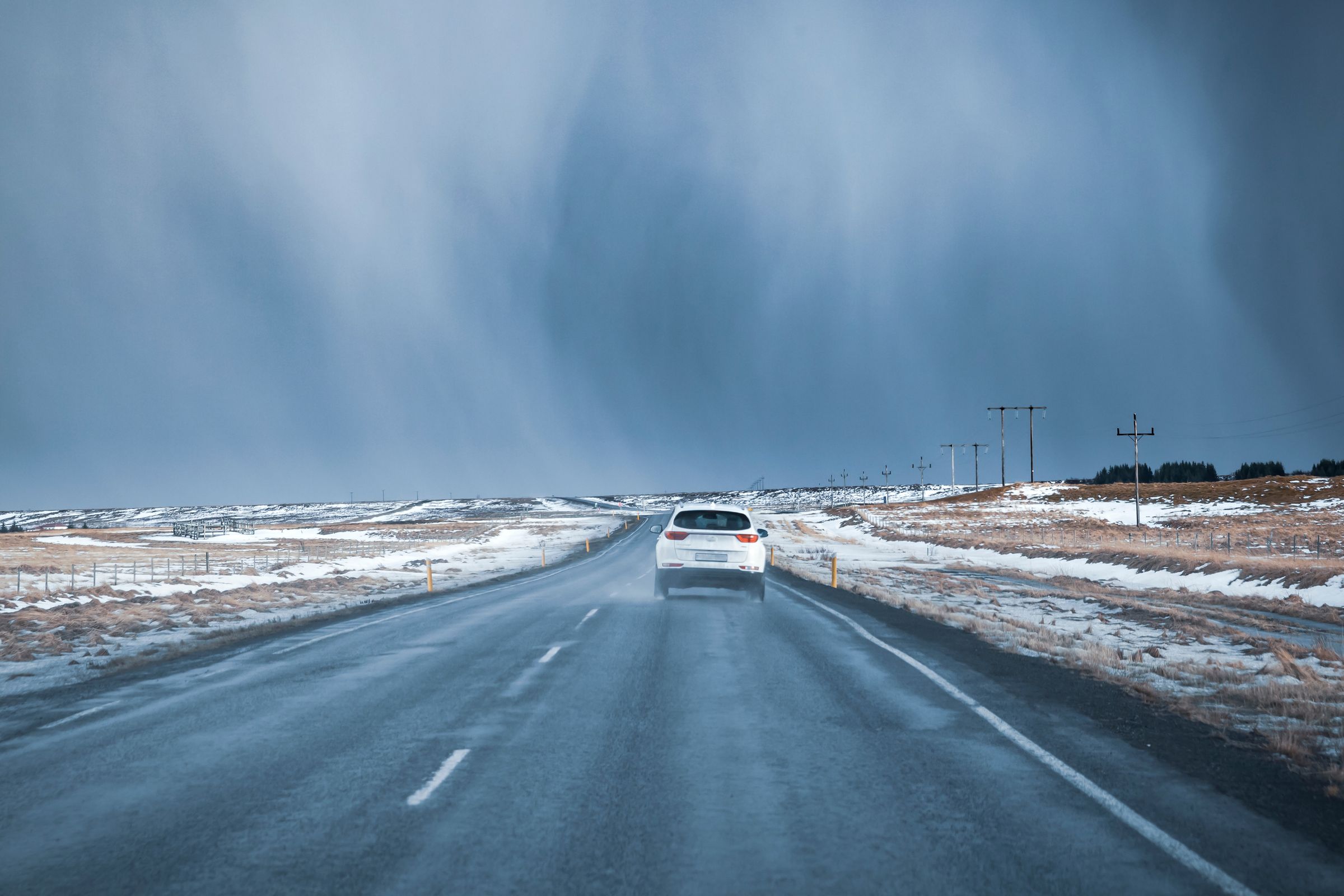
Renting a campervan in Iceland in winter can be one of the best ways to see the country. You get to chase the Northern Lights, cook your own food, and change your plans whenever you want. But winter isn't just summer with extra layers on. Road closures, short days, and rules about where you can sleep all change how the trip goes.
This guide covers what to really expect, from picking the right van to knowing exactly where you're allowed to park for the night.
Key Takeaways
A winter campervan trip in Iceland offers flexibility, lower travel costs, and better Northern Lights opportunities, but requires adapting plans around unpredictable weather, road closures, and limited daylight.
A 4x4 campervan is the safest choice for most winter travelers, especially outside Reykjavík, while features like a diesel heater, insulation, winter tires, and an auxiliary battery are essential for comfort and safety.
Check road.is, SafeTravel Iceland, and the Icelandic Met Office every day before driving, and never ignore road closures or weather warnings, as conditions can change within hours.
Overnight stays are generally only legal at organized campsites or with explicit landowner permission, so confirm winter campsite availability before planning your route.
March offers the best overall balance of daylight, road conditions, and Northern Lights potential, while budget travelers typically find the best rental prices in November, January (after New Year's), and February.
Is Renting a Campervan in Iceland in Winter Worth It?
A winter campervan trip in Iceland isn't just a colder version of a summer one. It's a different trip altogether, built around shorter days, weather that can flip fast, and a slower pace. Before you book anything, here's what you're actually getting into.
Pros of Winter Campervan Travel
A campervan gives you things a hotel trip can't. Here's why people like doing this in winter:
Flexibility: you can change your plans day to day based on the weather, instead of being locked into hotel bookings
Northern Lights opportunities: you can drive toward clearer skies instead of staying stuck in one place
Cost savings: having your transport and your bed in one vehicle can save money, especially if you cook your own meals
Access to remote landscapes: you can reach quieter parts of the South Coast or Snæfellsnes without worrying about checkout times
Cons of Winter Campervan Travel
Winter brings real downsides, too, the kind that don't show up in the pretty trip photos. Here's what you're up against:
Extreme weather: wind, snow, and ice can shut your whole day down out of nowhere
Road closures: parts of the Ring Road and other rural roads close pretty often in winter
Short daylight hours: in December and January, you might only get a few hours of usable light
Limited campsite availability: a lot of summer campsites shut down, so you've got fewer legal places to sleep
Who Should Rent a Campervan in Winter?
This works best for people who are okay driving in winter conditions, who don't mind switching plans at the last minute, who are watching their budget, and who want a shot at the Northern Lights without putting safety second.
Who Should Choose Hotels Instead?
If you've never driven on snow or ice, need a set plan every day, or want to squeeze the whole Ring Road into a short trip, you'll have a better time with hotels. The same goes if you're traveling with young kids or anyone who needs steady warmth and a real bathroom every night.
What Winter Is Really Like in Iceland
Before picking dates or routes, it helps to know what winter actually looks like on the ground, since it shapes pretty much every decision in this guide.
Winter Weather in Iceland
Icelandic winter weather doesn't really follow a pattern, and it can change within hours.
Temperature: usually sits a few degrees above or below freezing near the coast, colder once you head inland
Snowfall: common from November through March, heavier up north and inland
Wind: often the real danger here, with gusts strong enough to make driving a tall campervan risky
Rain and ice: coastal areas often get rain instead of snow, and that rain can turn into black ice overnight
Daylight Hours by Month
Daylight is the biggest thing deciding how far you can drive in a day.
November: daylight drops fast, down to around 6-7 hours by the end of the month
December: the shortest days of the year, sometimes just 4-5 hours of usable light
January: about the same as December, but daylight slowly starts coming back
February: days get noticeably longer now, around 8-9 hours by the end of the month
March: a big jump, often 10-12 hours of daylight
April: close to 14-15 hours, which makes it the easiest month to drive in
How Winter Conditions Affect Travel Plans
Short days and weather that can turn fast mean you should plan less driving each day than you would in summer, and leave room for storms to mess with your schedule. The Icelandic Met Office puts out daily weather warnings, and it's worth checking them every morning before deciding where to go.
Best Time to Rent a Campervan in Iceland
Every winter month brings its own mix of daylight, weather, and prices. Here's how they stack up.
November
Daylight is shrinking fast, but roads are usually still in decent shape early on. Prices tend to be lower than the holidays, and you've already got a good shot at the Northern Lights.
December
This is the darkest month, with just a few hours of usable light. It feels magical and the aurora viewing is great, but driving gets harder and prices climb around the holidays.
January
Deep winter keeps going here, with cold temperatures and storms happening often. Prices usually drop again after New Year's, which makes this a good pick if you're watching your budget and don't mind the dark.
February
Days get noticeably longer now, and the winter scenery and aurora chances stay strong. It's a solid middle ground for a lot of travelers.
March
Daylight, weather, and aurora chances line up better here than in any other winter month. If I were planning a winter trip, this is probably the month I'd pick.
Best Month for Northern Lights
December and January give you the most darkness, but clouds and storms still decide what you'll actually get to see on any given night.
The best time to see the Northern Lights in Iceland
April gives you the easiest driving, with longer daylight and fewer big storms than deep winter.
Best Month for Budget Travelers
November, January (once the holidays pass), and February tend to offer better rental and campsite rates, though exact rates vary by company and vehicle.
Choosing the Right Campervan for Winter
The van you pick affects everything, from where you can safely drive to how comfortable your nights end up being. Here's what to think about before you book.
2WD vs 4x4 Campervan
This is one of the biggest calls you'll make, and it really comes down to where you're going.
A 4x4 campervan makes more sense for North Iceland, Snæfellsnes, the Eastfjords, or any longer Ring Road plan, since it gives you more grip and clearance on snow and on rural roads that don't get cleared as often. A 2WD campervan can work if you're sticking to Reykjavík, Reykjanes, the Golden Circle, and the easier stretches of the South Coast when conditions are good, but you need to stay flexible enough to cancel a drive if the roads turn bad.
Why Most Travelers Should Consider a 4x4
A 4x4 won't make ice safe, but it gives you more room for error on snow, slush, and rural roads that aren't cleared as much as the main routes. If I were renting in winter, I'd pay extra for it unless I was staying close to Reykjavík the whole trip.
Winter Features to Look For
Not every campervan is set up the same way for winter, so check the specs before booking, not after you've already got the keys.
Diesel heater: keeps the sleeping area warm overnight without you running the engine
Insulation: affects how much heat escapes and how much condensation builds up
Winter tires: should come standard on any winter rental, but confirm this at pickup
Studded tires: help with grip on ice, especially once you're outside the capital area
Auxiliary battery: runs the heater and lights without draining the main battery
USB charging: keeps your phone, camera, and power bank topped up
Bedding: ask whether winter-rated sleeping bags or extra blankets are included
Driving a Campervan in Iceland During Winter
Driving a campervan here in winter feels different from driving a regular rental car, mostly because of how tall and heavy these vans are. Here's what to know before you get behind the wheel.
Is It Safe?
It can be, as long as you drive carefully, check conditions every day, and turn back when the road or the weather tells you to. It stops being safe when people ignore wind warnings, push through closures, or think a 4x4 means they can go anywhere.
Common Winter Driving Hazards
These are the things that trip up most visitors.
Black ice can form on bridges, shaded bends, and mountain passes, even when the road looks fine
High winds can push a tall campervan across lanes or rip a door open if you're not careful
With whiteouts you suddenly can't see anything during heavy snow, especially in open, exposed spots
Snowdrifts can pile up fast on rural roads and sometimes bury part of the lane
Mountain passes: usually the first roads to close and the last ones to open after a storm
Icelandic Driving Rules Visitors Should Know
A few rules apply specifically to driving in Iceland, and they matter even more once winter hits.
Headlights stay on at all times, day and night, all year round
Off-road driving is illegal everywhere in the country, since it damages moss and volcanic soil that can take decades to grow back
Never drive past a closed road, no matter what your map app says
Speed Limits in Iceland
Standard speed limits sit at 50 km/h in towns, 80 km/h on gravel roads, and 90 km/h on paved rural roads, unless signs say otherwise. In winter, the safe speed is usually well below whatever the sign says.
Driving at Night in Winter
Try to avoid it. Some darkness is unavoidable in December and January, but long drives at night on icy rural roads add risk you don't need. Save your sightseeing and harder driving for daylight hours.
What to Do During a Storm
If a storm hits while you're on the road, pull over somewhere safe, like a campsite, gas station, or town, instead of trying to push through it. If you're already parked, just stay put, keep your fuel tank from running too low, and check SafeTravel Iceland for updates before you move again.
Checking Road Conditions and Weather
Iceland's winter roads change fast, which is why locals never go off memory or guesswork. Here are the official tools worth checking every day.
Road.is and the Icelandic Road and Coastal Administration
The Icelandic Road and Coastal Administration runs road.is and umferdin.is, showing live road conditions, closures, and winter service updates across the country. Check it before every single drive, not just once at the start of your trip.
SafeTravel Iceland
SafeTravel is Iceland's official source for travel safety, run by the search and rescue group ICE-SAR. It points out that Icelandic weather and road conditions can change fast, which is exactly why checking the official source beats trusting whatever your map app shows.
Iceland's 112 Emergency App
The 112 Iceland app lets you contact emergency services and send your GPS location if something goes wrong on a remote road. Download it before you start driving, not once you need it.
Icelandic Met Office Forecasts
The Icelandic Met Office puts out daily forecasts and weather warnings, including alerts for wind, snow, and storms. Check it every morning, especially before driving anywhere outside the capital area.
Understanding Road Status Categories
Iceland's road status isn't just a simple "open" or "closed." Knowing what each category means helps you plan with your eyes open.
Open with caution: the road is passable, but conditions call for extra care
Difficult driving: usually means the road is only safe for 4x4 vehicles
Impassable: the road is shut to all traffic until conditions improve
How to Plan Around Road Closures
If a road's closed, you wait, you reroute, or you turn around. Build buffer days into your trip so one closure doesn't wreck your whole schedule, and try not to book non-refundable activities back to back on tight days.
Where You Can Legally Sleep in a Campervan
This is one of the most misunderstood parts of campervanning in Iceland, and getting it wrong can mean a fine or a genuinely unsafe night.
Iceland's Wild Camping Rules
You can't just park anywhere and sleep. The Environment Agency of Iceland says it's illegal to sleep in camper vans, caravans, or similar vehicles outside organized campsites or urban areas, unless the landowner or rightholder has given permission.
Campervan Laws and the Nature Conservation Act
These camping rules come from Iceland's Nature Conservation Act, which protects fragile land from the wear and waste that unrestricted camping can cause. It's not just red tape. It's the reason Iceland's landscapes stay intact for the next person who visits.
Organized Campsites vs Wild Camping
Organized campsites are your main legal option for sleeping overnight. Wild camping in the way some people picture it, just pulling over wherever the view looks good, isn't allowed under Icelandic law.
Parking Lots and Overnight Parking
Don't assume an empty parking lot at night is fair game. Unless a spot is clearly set up for overnight camper parking, treat it as off-limits.
Private Land Permission Rules
Want to camp on private land? Get permission straight from the landowner or rightholder first. Showing up and hoping it's fine isn't enough.
Winter Campsites in Iceland
Knowing which campsites are actually open, and what they offer, matters just as much as knowing where you're legally allowed to stop.
Are Campsites Open in Winter?
Some are, plenty aren't. A lot of Iceland's summer campsites close for the season, so build your route around campsites that are confirmed open, not ones you spotted on a map.
Facilities to Expect
Facilities vary a lot from one campsite to the next, and they matter more in winter than in summer.
Showers: sometimes included, sometimes an extra cost
Kitchens: a heated kitchen makes cooking and drying out gear a lot easier
Electricity: handy for charging devices and helping run your van's heater
Laundry: not always there, but nice to have after a wet or snowy day
Best Winter Campsites by Region
How to Find Open Campsites
Check directly with the campsite or your rental company before you head out, since opening dates and hours can change with little warning. Don't trust a summer map alone.
Staying Warm in a Campervan
Staying warm isn't just about comfort here. It changes how well you sleep, how much condensation builds up, and how safe your whole trip feels.
How Diesel Heaters Work
Most winter campervans run on a diesel auxiliary heater, which can keep the sleeping area warm overnight without you idling the engine. Before you head off, ask the rental company how long the heater can run, whether it pulls from a separate leisure battery, and what happens if that battery gets low.
Managing Condensation
Condensation is just normal in a small, heated space, especially with two people breathing and cooking inside overnight. Crack a window a little for airflow, skip drying wet clothes inside when you can, and wipe down the windows in the morning.
Bedding and Sleeping Bags
Even with a good heater, your bedding still matters. Bring or rent a winter-rated sleeping bag, change into dry layers before bed, and keep a spare blanket around for the colder nights.
Using Electricity and Batteries in Winter
Cold weather drains batteries faster, so charge things while you drive and use campsite electricity whenever you can. Keep one power bank just for emergencies, separate from the one you use for photos and entertainment.
Cooking Inside a Campervan
You can cook inside, but it adds to the condensation and feels tight when the wind picks up. Use campsite kitchens whenever you can, and stick to quick, simple meals when you're stuck cooking in the van itself.
Campervan Insurance Explained
Insurance is where a lot of travelers either pay too much or get caught out by exclusions they never read. Here's what the main types actually mean.
Collision Damage Waiver (CDW)
CDW usually comes included with your rental, but it normally has a high deductible and doesn't cover everything. "Included" doesn't mean "fully covered," so don't assume it does.
Super CDW (SCDW)
SCDW lowers your liability or excess compared to basic CDW, but it still won't cover certain kinds of damage. Check exactly what's left out before you count on it.
Gravel Protection
Gravel protection covers damage to windshields, headlights, and paint from loose stones, which can happen even on roads that look well maintained.
Sand and Ash Protection
This matters most on the South Coast and other windy spots, where wind can blast volcanic sand or ash hard enough to damage paint and glass.
Theft Protection
Theft isn't a big risk in Iceland overall, but this coverage often gets bundled into rental packages anyway.
What Insurance Usually Does Not Cover
Even the premium packages tend to skip certain situations, so read the fine print closely.
Tyre and wheel damage
Undercarriage damage
Wind damage to doors
River crossings
Driving on closed roads or unauthorized F-roads
Is Full Coverage Worth It?
For winter trips, I'd recommend pairing SCDW with gravel protection and adding sand or ash protection if you'll spend time on the South Coast. "Full coverage" isn't really a guarantee of anything, so always ask exactly what's excluded before you sign.
How Much Does It Cost to Rent a Campervan in Iceland in Winter?
Costs sneak in from more places than just the rental price. Here's what to actually plan for.
Rental Costs
Rental prices change based on vehicle size, whether it's 2WD or 4x4, and the time of year. Winter is the cheapest time of the year to rent a campervan, with prices starting at $84/day for a 10-day trip.
Fuel Costs
Campervans burn more fuel than regular cars, and winter driving plus running the heater adds to that.
Campsite Fees
Campsite prices vary by location and season, and most charge per person in addition to a vehicle fee. Prices range from $12 to $20 per night.
Food and Grocery Costs
Cooking your own food saves a good amount compared to eating out, especially since restaurants outside Reykjavík can be limited and pricier in winter.
Insurance Costs
Insurance upgrades like SCDW and gravel protection add a daily cost on top of the base rental, but skipping them can mean a much bigger bill if something actually goes wrong.
Example Winter Budget
For two people on a week-long trip, plan for the campervan rental, insurance upgrades, fuel, campsite fees, groceries, the occasional restaurant meal, pool entry, parking, and some buffer cash in case a storm forces you into an emergency hotel night.
Is a Campervan Cheaper Than Hotels?
A lot of the time, yes, but not automatically. A campervan combines your transport and your bed, but you're still paying for campsites, fuel, insurance, and food. Build a real budget instead of just assuming it'll come out cheaper.
Best Winter Campervan Routes in Iceland
Not every part of Iceland makes sense for a winter campervan trip. Here are the routes that actually work, and a few that don't.
Golden Circle Route
This is a practical first route if you're new to winter driving, since it stays close to Reykjavík and covers Þingvellir, Geysir, and Gullfoss. It's also easy to adjust if the weather turns.
South Coast Route
The South Coast is one of the best winter regions, with waterfalls, black sand beaches, and glaciers all within a manageable drive of Reykjavík. Key stops include Seljalandsfoss, Skógafoss, Vík, and Reynisfjara, with Jökulsárlón as an extra stop if you've got the time and conditions cooperate.
Snæfellsnes Peninsula Route
Snæfellsnes looks great but gets exposed to strong wind, so a 4x4 campervan and a flexible schedule make this route work better.
Reykjanes Peninsula Route
Reykjanes sits close to Keflavík Airport, which makes it a good pick for your first or last day, especially if you land or fly out in rough weather.
North Iceland Route
North Iceland, including Akureyri and the Mývatn area, can look amazing in winter but comes with more snow and longer drives between stops. This one suits experienced winter drivers with a 4x4.
Ring Road in Winter
The full Ring Road is doable, but only if you've got enough days and a flexible mindset. More on that just below.
Routes to Avoid During Winter
The Highlands, F-roads, and the more remote parts of the Westfjords just aren't realistic winter campervan destinations for most people, for reasons covered further down.
Can You Drive the Ring Road in Winter?
The Ring Road is Iceland's most famous drive, but winter changes what it takes to actually pull it off.
Is It Possible?
Yes, sometimes, but never count on it. Storms, closures, and icy mountain passes can break up the loop at any point, so treat the route as something flexible rather than fixed.
How Many Days You Need
Plan on at least 10-14 days, plus extra buffer time, if you want to attempt the full Ring Road in winter. Trying to squeeze it into 6-7 days leaves zero room for bad weather.
Biggest Winter Challenges
Short daylight, closures that pop up without warning, and long gaps between services are the main hurdles. Mountain passes tend to be the first sections to close after a storm.
Ring Road Safety Tips
Keep your fuel tank topped up, check road and weather conditions every morning, and be ready to skip a section instead of pushing through bad conditions just to stay on schedule.
Why F-Roads and the Highlands Are Off-Limits for Most Winter Travelers
This is one of the clearest rules in this whole guide: don't plan winter campervan routes into the Highlands or onto F-roads.
What Are F-Roads?
F-roads are mountain roads that lead into Iceland's Highlands. Even in summer, they need an approved 4x4 vehicle, and 2WD campers aren't allowed on them at all.
Why They Close in Winter
Outside summer, F-roads are usually unserviced, often impassable, and closed to public traffic. Just because a road shows up on a map doesn't mean it's open, kept up, or safe to drive.
Highland Conditions Explained
The Highlands are Iceland's interior wilderness, and in winter, they're just not suited to normal campervan travel. Services are limited or simply don't exist, and the weather can turn dangerous fast.
Common Tourist Mistakes
Some visitors assume a 4x4 campervan means they can drive any road on the map, including Highland routes like Landmannalaugar, Þórsmörk, or Sprengisandur. In winter, none of those belong in a campervan trip, no matter what you're driving. If you take one thing from this guide, I'd say it's this: a 4x4 buys you margin, not permission.
Seeing the Northern Lights from a Campervan
A campervan really does give you an edge for chasing the aurora, but only if you're smart about how you use it.
Why Campervans Are Great for Aurora Hunting
You can drive toward clearer skies and away from city light without needing to head back to a hotel afterward, which gives you more freedom than staying in one fixed spot.
Best Regions for Northern Lights
The Þingvellir area, the South Coast away from towns, and parts of Snæfellsnes (when wind and roads allow) all give you dark skies away from city lights.
How to Find Clear Skies
Check the aurora forecast right alongside the regular weather forecast, since cloud cover matters just as much as solar activity. A clear patch of sky a short drive away often beats staying put under clouds.
Safe Places to Watch the Aurora
Stick to campsites or legal parking spots instead of pulling over on a dark, unfamiliar road. Chasing the lights isn't worth an unsafe stop or a late-night drive when you're already tired.
Photography Tips
Bring a tripod, spare batteries (cold drains them fast), and gloves that still let you work your camera. A headlamp with a dim or red-light setting helps you see without ruining your night vision or your photos.
What to Pack for a Winter Campervan Trip
Packing the right stuff makes a real difference in how comfortable, and how safe, your trip feels.
Clothing Essentials
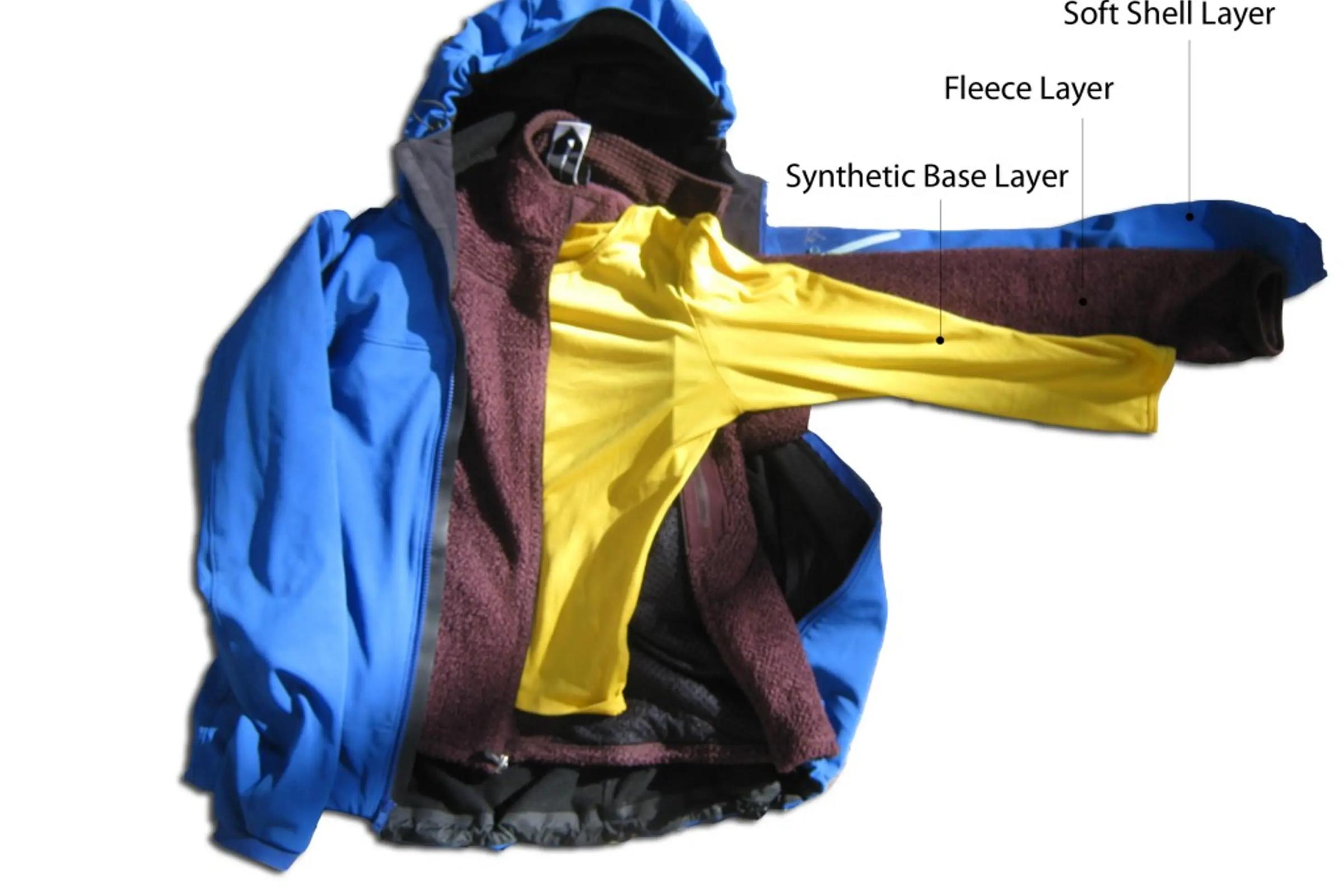
Layering is the key to staying warm without overheating once you're up and moving.
Thermal base layers
A fleece or wool mid-layer
A waterproof shell jacket and pants
Warm hat, gloves, and wool socks
Waterproof boots
Safety Gear
A few extra items can make a real difference if something goes wrong out on the road.
Headlamp with spare batteries
Power bank
Microspikes for icy walking paths
Offline maps, just in case you lose signal
Electronics
Cold weather drains batteries faster than you'd expect, so plan around that.
Car charger and USB cables
Spare camera batteries
A power bank kept aside just for emergencies
Food and Cooking Supplies
Simple, quick meals work best, especially on windy nights when cooking inside the van is your only option. If I were packing for this trip, I'd skip anything that takes more than one pot.
Groceries bought early, since small rural shops can close earlier in winter
A refillable water bottle and a thermos
Basic cooking supplies if your van doesn't already come with them
Photography Equipment
If you're hoping to catch the Northern Lights, a few extras are worth the space in your bag.
Tripod
Lens cloth
Extra batteries
Gloves that still let you work a camera
Common Mistakes to Avoid
A lot of winter campervan trips go sideways for the same handful of reasons, and they're all avoidable.
Ignoring Weather Warnings
Skipping the daily check on road.is, SafeTravel, or the Met Office, is one of the most common mistakes people make, and one of the easiest to avoid.
Booking the Cheapest Campervan
A cheap van without a solid heater, decent tires, or good insulation can turn into a miserable, even risky, winter trip. Pick function over price.
Driving Too Far Each Day
Short daylight hours mean a route that looks easy on a map can eat up way more time than expected. Plan shorter driving days than you would in summer.
Assuming Campsites Are Open
Many summer campsites close for the winter. Confirm directly with the campsite before you count on it being open.
Sleeping Outside Legal Areas
Parking overnight outside an organized campsite or without the landowner's permission isn't just risky. It's illegal under Icelandic law.
Underestimating Wind
Wind is often more dangerous than snow when you're driving a tall campervan. Take wind warnings just as seriously as snow warnings, maybe more.
Conclusion
Winter campervan travel in Iceland can be an amazing way to see the country, but it comes down to a few key calls: picking the right vehicle, respecting winter road and weather conditions, using official resources like road.is and SafeTravel, sticking to legal campsites, and staying flexible with your plans. If I were planning a winter campervan trip, I'd start with the 4x4 vs. 2WD decision, then build the route, insurance, and daily weather checks around it. Get those basics right, and you've got a much better shot at a smooth, memorable trip.
Frequently Asked Questions
Yes. Most winter campervans include USB ports or charging sockets, and many campsites offer electrical hookups. It's still a good idea to bring a power bank, as cold weather drains batteries much faster than usual.
Yes. Most winter campervans come with a diesel heater that's designed to keep the sleeping area warm overnight without leaving the engine running. Before you set off, ask your rental company how the heating system works and whether there are any usage limits.
It depends on the rental company. Some include winter-rated duvets or sleeping bags as standard, while others charge extra. Check what's included before you book so you don't end up paying for equipment you thought was part of the rental.
Not always. Campervans are compact, and wet clothes can quickly create condensation inside. If your campsite has a heated kitchen or laundry room, that's usually the best place to dry your gear.