

Should You Rent a Campervan in Iceland? Pros, Cons, Costs & Tips
A campervan in Iceland gives you your ride and your bed in one package. Sounds good, until you're parked in 50 km/h wind trying to cook pasta without losing the lid.
Here's the real breakdown on costs, rules, and whether this trip actually fits you.
Quick Answer: Is Renting a Campervan in Iceland Worth It?
Short version before we get into all the details: yes, for a lot of people, a campervan is one of the better ways to do Iceland. But it's not right for everyone, so let's figure out who it actually works for.
When a Campervan Is the Best Choice
This setup tends to work if most of this sounds like you:
- You're a couple, solo, or traveling with one or two friends
- You're going sometime between May and September
- You like having the option to change plans when the weather turns bad
- You don't mind cooking your own food and sharing a bathroom at a campsite
- Saving money matters more to you than sleeping in comfort every night
When Hotels or Rental Cars Make More Sense
You might want to skip the campervan if:
- You're going in winter, and you've never driven in snow or ice
- You're traveling with kids or just need more room
- You want your own bathroom every night
- Wind or gravel roads make you nervous behind the wheel
- A good night's sleep matters more to you than what you save
Our Verdict
If it's your first trip, summer or shoulder season is where a campervan makes the most sense. If you're set on going in winter, a rental car with hotels is usually the easier choice, unless you've already driven in real winter conditions before.
Why Iceland Is One of the Best Countries for Campervan Travel
Iceland didn't get lucky here by accident. The shape of the country just works for this kind of trip.
The Ring Road Makes Campervan Travel Easy
The Ring Road, also called Route 1, loops around the whole island. It's about 1,332 km, and most of it is paved. That one road links up nearly everything people come to see, from Reykjavík along the South Coast, up through the east, across the north, and back down the west side.
Iceland's Extensive Campsite Network
Iceland has campsites all over the place, even in small towns you wouldn't expect to have one. That matters because campervan travel here isn't really "park wherever you feel like it." It's more like driving from one legal campsite to the next, and there are enough of them spread out that this never feels limiting.
Why Self-Drive Travel is So Popular
Most of what makes Iceland worth seeing isn't sitting in a city. It's waterfalls, lagoons, and beaches strung along the coast. Driving yourself means you stop the second something catches your eye, instead of waiting for a tour bus to decide it's time.
The Advantages of Combining Transport and Accommodation
Here's the simple math behind all this: a campervan rolls your hotel and your car into one bill. Instead of paying for both separately, you pay for one thing doing both jobs. That's basically the whole reason this makes financial sense in a country where hotel rooms cost a lot.
Pros of Renting a Campervan in Iceland
Before we get into the downsides, here's why so many people pick this option in the first place.
Save Money on Accommodation
Iceland hotels aren't cheap. A mid-range room usually runs $150 to $250 a night, and during peak summer or busy dates, that can climb to $350, sometimes $800 or more. A campervan swaps that nightly bill for a campsite fee that's a fraction of the cost, and it covers your transport too.
Greater Freedom and Flexibility
Weather in Iceland can flip fast. SafeTravel, the country's official safety resource, says conditions can change quickly and look nothing like what most visitors are used to. With a campervan, you're not stuck with a hotel booking in a town that turns out foggy or windy that day. You just drive somewhere else.
Easy Access to Nature and Scenic Attractions
You can park closer to the stuff you actually came for. That means catching sunrise at a waterfall, hanging around a glacier lagoon until the light looks good, or beating the crowds because you were already there before the tour buses showed up.
Ideal for Road Trips and Photography
If you're hoping to catch the Northern Lights or want to use the Midnight Sun to your advantage, a campervan lets you wait around without worrying about checkout times or losing your evening to a drive back to a hotel.
Lower Dependence on Hotel Availability
Small towns along the Ring Road can run out of rooms in summer, and prices jump when that happens. Campsites rarely get squeezed the same way, which takes one big headache off your plate.
Cons of Renting a Campervan in Iceland
This isn't all upside, and it's worth being honest about the trade-offs before you book anything.
Weather Can Be Challenging
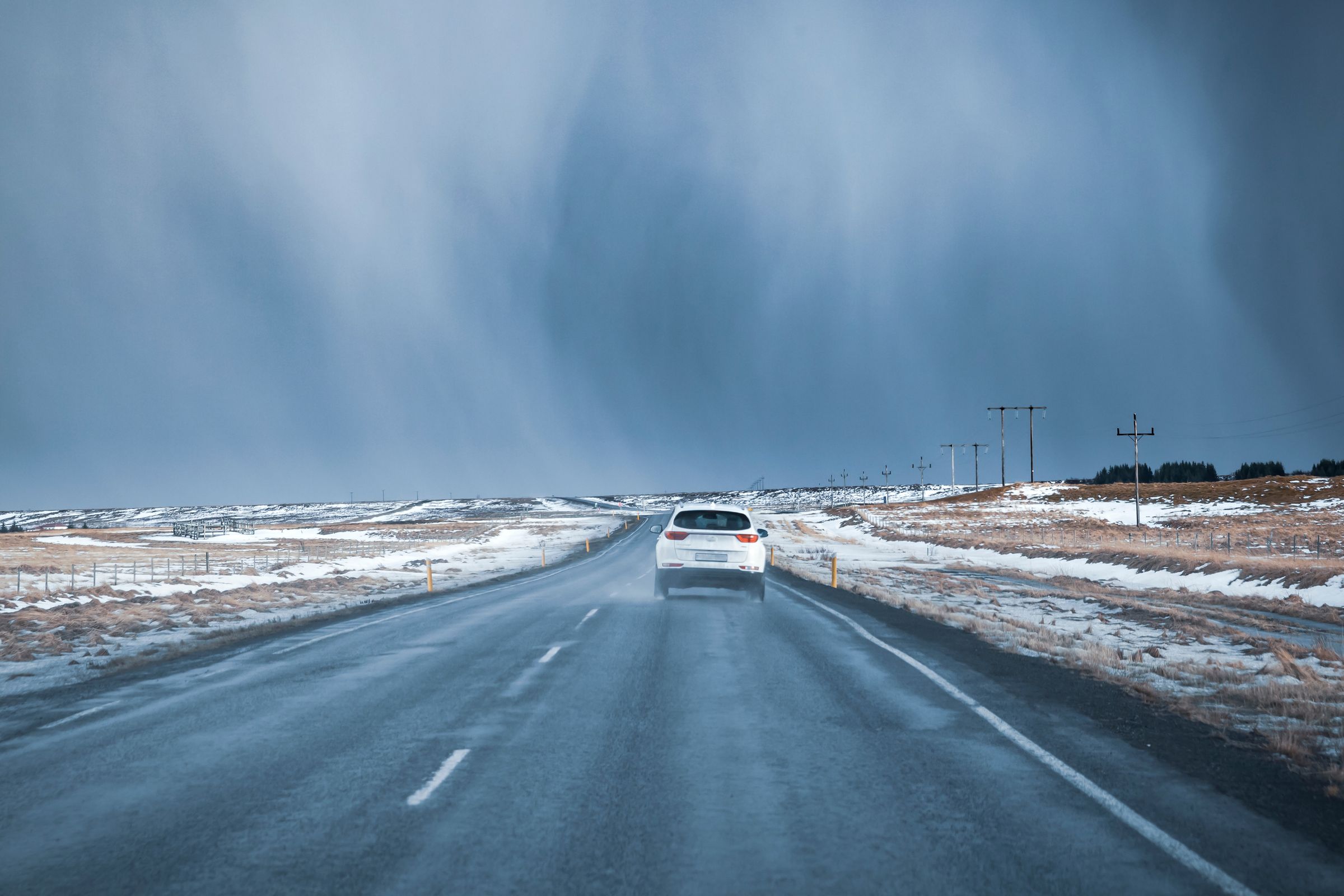
This is the big one. Strong wind, heavy rain, and in winter, snow and ice, can turn a relaxed road trip into a stressful one fast. Campervans are taller than regular cars, so wind pushes them around more, and an open door in a gust can cause real damage.
Limited Space and Comfort
You're sleeping in a van, not a hotel room. Expect a small bed, tight storage, condensation on cold mornings, and the occasional scramble for your phone charger because you've had to rearrange the whole van just to sleep.
Fuel and Insurance Costs Add Up
Gas and diesel in Iceland aren't cheap, and the Ring Road covers real distance. Add optional insurance for gravel damage, theft, or windshield protection, and your "budget" trip can creep up fast if you're not paying attention.
Driving Can Be Tiring
Long stretches of the Ring Road, gravel sections, single-lane bridges, and sheep wandering near the road all add up over several days. It's doable, just don't expect it to be a passive way to travel.
Campsites Are Usually Required
You can't just pull over wherever looks nice and stay the night. Legal camping in Iceland means either using an approved campsite or obtaining permission from the landowner, which we'll cover below.
Campervan vs Hotel in Iceland
This is probably the comparison most people actually want, so here it is side by side.
| Factor | Campervan | Hotel |
| Cost | Lower overall for most road trips | Higher, especially in peak season |
| Flexibility | High | Moderate |
| Comfort | Moderate | High |
| Cooking | Yes | Limited |
| Planning | Easier once you know your campsites | Needs more advance booking |
Cost Comparison
A campervan usually wins here, mostly because it bundles your ride and your bed into one cost. Two people cooking most of their own meals will normally spend less overall than two people paying for hotel rooms and restaurant dinners every night.
Comfort Comparison
Hotels win, easily. A real bed, your own bathroom, and four solid walls beat a van every time the weather goes bad.
Flexibility Comparison
Campervans win this one. You're not locked into a specific town each night, so you can shift your plans around weather, traffic, or just wanting to stick around somewhere longer than planned.
Which Option Is Better for Different Travelers?
- Budget-focused road trippers: campervan
- Couples who want adventure over comfort: campervan
- Families needing more space: hotel
- Anyone going in winter without driving experience: hotel
Campervan vs Rental Car + Hotels
A lot of people skip over this comparison, but it's worth thinking about since both options have you driving yourself anyway.
Which Option Costs Less?
Campervan, most of the time, especially in summer when you're cooking your own meals and the rental rate is decent. In winter the math can flip, since hotel prices often drop while campervan rental and insurance costs tend to stay the same or even go up.
Which Offers More Freedom?
Campervan, easily. You're never racing the clock to make a hotel check-in time.
Which Is Better in Summer?
Campervan. Campsites are open, the Midnight Sun gives you extra hours to work with, and the roads are at their easiest all year.
Which Is Better in Winter?
Rental car and hotels, for most people. A hotel gives you a warm, guaranteed place to wait out a storm, and that matters a lot when road closures and short daylight are part of the deal.


How Much Does It Cost to Rent a Campervan in Iceland?
Costs swing a lot based on the season, the size of your van, and how much insurance you pile on. Here's a realistic breakdown for a 10-day trip with two people.
Campervan Rental Prices
A basic van can cost as little as $500 for 10 days off-season, while a nicer summer van can run up to $2,500 for the same length trip. This is by far the biggest variable in your budget, so it's worth shopping around and being honest with yourself about how much comfort you actually need.
Fuel Costs
Plan for around $100 on a short trip, or up to $300 if you're doing the full Ring Road. That's based on roughly 1,300 km and vans that average 10 to 15 km per liter.
Campsite Fees
Expect somewhere between $100 and $400 for 10 nights, depending on whether the site charges per person or per van. The Iceland Camping Card can bring this down if you're on a longer trip and sticking mostly to campsites that take it.
Insurance Costs
This is where the price tag can really swing. Here's how the typical insurance tiers break down:
| Insurance Package | Price/Day | Key Coverage Details |
| Basic | $0/day | High excess liability ($4,013) and gravel liability ($1,147) |
| Silver | $29/day | Lower excess liability ($1,147), gravel liability ($287) |
| Gold | $40/day | No excess liability, no gravel liability |
| Platinum | $57/day | No excess liability, includes sand/ash and tire protection |
| Roadside Protection Plus | $10/day | Covers towing, flat tires, getting stuck |
Even the top tier doesn't cover everything. Wind-caught door damage, chassis damage from rough roads, and driving somewhere you're not supposed to are usually left out, no matter which package you pick. Read the contract before you sign anything.
Food and Grocery Costs
Cooking for two usually costs $15 to $25 a day in groceries, or $150 to $250 over 10 days. Compare that to restaurants, where two meals a day can easily hit $30 to $50 per person each, and the savings add up fast.
Sample Campervan Budget
Putting it all together, here's what a realistic 10-day trip for two might look like:
- Campervan rental: $500–$2,500
- Fuel: $100–$300
- Campsites: $100–$400
- Groceries: $150–$250
- Insurance/extras: $0–$300
- Activities: $20–$600
- Parking fees: $20–$150
- Total for 2 people: somewhere between $890 on the low end (basic, winter) and $4,500 on the high end (premium, summer)
Do You Need a 4x4 Campervan in Iceland?
Short answer: probably not, unless you're heading into the Highlands. Here's why.
Standard Campervan vs 4x4 Campervan
A regular 2WD campervan handles the Ring Road, the Golden Circle, and the South Coast just fine. A 4x4 costs more, usually $180 to $250 a day or more, and gives you better grip on rougher ground, but you don't need one for most first-time trips.
Routes That Don't Require 4x4
- Ring Road (Route 1)
- Golden Circle
- South Coast, including the drive to Vík and Jökulsárlón
- Reykjavík and the area around it
When a 4x4 Is Worth the Extra Cost
It can be worth paying for if you're going in shoulder season when gravel roads might be rougher, or if you just want extra confidence on remote stretches, even if you're sticking to paved roads.
F-Roads and Highland Access
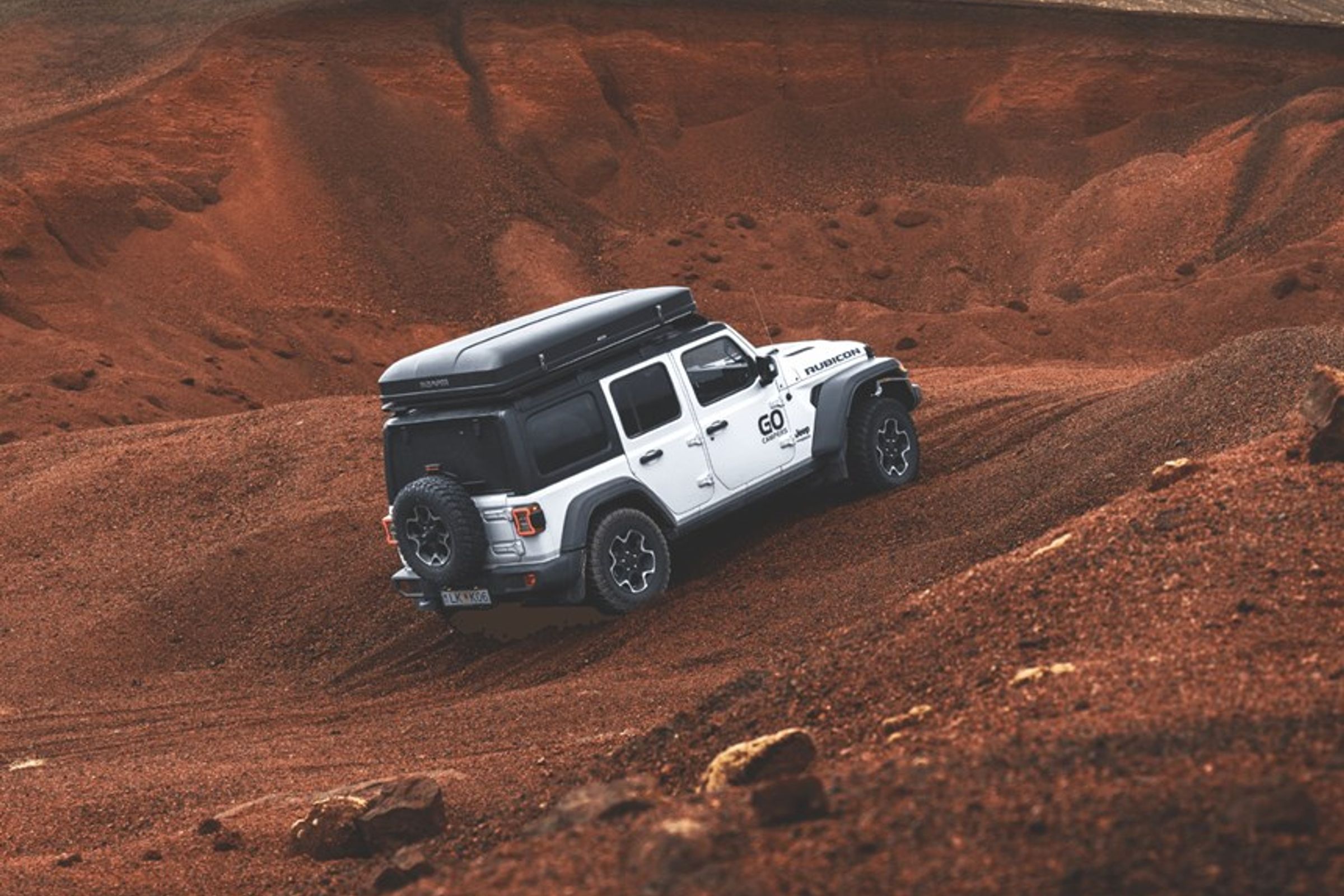
F-roads are a different thing altogether. These are Iceland's mountain roads, unpaved, seasonal, and remote, and a 4x4 isn't a nice-to-have there, it's required. Most standard rental vans aren't even allowed on them, and trying anyway can void your insurance. If the Highlands are part of your plan, check your rental contract and look up Vegagerðin's road status before going near an F-road.
Can You Legally Sleep Anywhere in a Campervan in Iceland?
No, you can't just park and sleep wherever you like. Under Icelandic law, specifically Act No. 60/2013 on Nature Conservation, spending the night in a campervan outside an organized campsite or urban area is against the rules, unless the landowner says it's fine. These rules exist because Iceland's moss, soil, and plants are fragile and take a long time to recover once damaged.
Where Campervans Can Stay Overnight
Your real options come down to a short list:
- Official, approved campsites
- Urban areas where overnight parking is clearly allowed
- Private land, but only with the owner's okay
- Designated spots in protected areas, where they exist
That scenic pullout or black sand beach parking lot might look perfect for the night, but unless it's clearly marked for camping, treat it as a stop, not a place to sleep.
What Icelandic Campsites Are Really Like
Facilities vary a lot from one site to another. Many have toilets, showers, a shared kitchen area, laundry, power, and somewhere to dump waste, but some charge extra for showers or run a more basic setup. It's worth checking reviews for the spots you're planning to hit instead of assuming they're all the same.
Is the Iceland Camping Card Worth It?
The 2026 Iceland Camping Card costs €179 and covers up to 28 nights at participating campsites, for two adults plus up to four kids under 16. If your trip runs long and you're mostly sticking to campsites that take it, it can save you real money. Just know it expires on September 15, and some campsites close even earlier, so it's mainly a summer tool.
How Camping Rules Affect Campervan Travel
In practice, this just means you plan your route around where the next legal campsite actually is, instead of stopping wherever you get tired. Sounds like extra work at first, but it becomes second nature after a day or two on the road.

Is Driving a Campervan in Iceland Easy or Stressful?
It really comes down to the season and how confident you are behind the wheel. Here's what to expect.
Driving the Ring Road for First-Time Visitors
Most of the Ring Road is paved and well marked, and in summer it's manageable for anyone with normal driving experience. The distances feel longer than they look on a map though, so don't underestimate how much of your day will go toward just driving.
Gravel Roads and Rural Driving Conditions
Some sections, especially off the main Ring Road, turn to gravel. Slow down on these. Loose surfaces, single-lane bridges, and sheep that wander right onto the road are all things you'll actually run into, not just things guidebooks mention to sound interesting.
The Biggest Risk: Icelandic Wind
Wind is what catches most people off guard. Tall vehicles like campervans get pushed around more than regular cars, and Iceland's road authorities specifically warn that strong wind needs extra caution for vehicles that get affected by it. I always park nose-into-the-wind before I even start unpacking for the night, it makes the door so much easier to handle. Hold the door with both hands getting in and out, and never stop in the middle of the road for a photo, no matter how good the shot looks.
Winter Driving Challenges
Snow, ice, sudden storms, and short daylight make winter a completely different experience. Honestly, this isn't the season to learn campervan driving for the first time.
When Is Renting a Campervan in Iceland Most Worth It?
Timing changes this trip more than almost anything else, so let's go season by season.
Summer (June–August): The Best Season for Campervan Travel
This is peak campervan time. Campsites are fully open, roads are easiest, daylight stretches way into the night thanks to the Midnight Sun, and you can reach more remote spots without worrying about closures. It's also the busiest and most expensive time to go.
Shoulder Season (May & September): The Best Value
May and September often hit a nice middle ground. Lower prices, fewer crowds, and roads that are still in decent shape. Some campsites might have shorter hours or close early, though, so check your specific stops instead of assuming everything's open.
Winter (October–April): Is a Campervan Still Worth It?
It's possible, but it's the toughest season for this kind of trip by far. Expect snow, ice, occasional closures, short days, and fewer open campsites. This season really suits people with real winter driving experience, not someone on their first trip to Iceland.
Northern Lights vs Midnight Sun Experiences
If seeing the Northern Lights matters to you, you'll need to go in the darker months, since the constant summer daylight makes them impossible to spot. If you'd rather have nonstop daylight and easier logistics, the Midnight Sun in summer is the trade-off. You usually can't get both on one trip.
Who Should Rent a Campervan in Iceland?
By now, you've got the full picture, so here's a quick gut check on whether this trip style is actually for you.
Best for Couples
Most standard campervans are built with two people in mind, and the whole setup suits couples who'd rather have adventure than fancy comfort.
Best for Budget Travelers
Combining your transport and accommodation into one cost is the clearest way to cut spending on a destination that's otherwise pricey.
Best for Photographers
Flexible timing means you can chase good light at sunrise or sunset without rushing back to a hotel.
Best for Adventure Travelers
If basic facilities don't bother you and you're fine changing plans on the fly, this style of travel fits you well.
Who Should Choose Hotels Instead?
If you're traveling with family and need the space, going in winter without driving experience, or just want a comfortable night every time, a rental car with hotel stays will serve you better.


Conclusion
Renting a campervan in Iceland makes the most sense if flexibility and saving money matter more to you than hotel-level comfort, and you're going in summer or shoulder season. It's a harder sell if you're traveling with family and need space, you're new to winter driving, or you'd rather not deal with shared bathrooms and unpredictable weather.
If your plan is the Ring Road, the South Coast, the Golden Circle, or Snæfellsnes, and you can stay flexible with a few extra days built in for weather, a campervan is genuinely one of the better ways to see Iceland. If you want something more predictable and comfortable, especially outside summer, a rental car with hotel stays is the safer bet.
