Full Guide to Renting a Campervan in Iceland
This complete guide covers everything you need to know about renting a campervan in Iceland, from choosing the right camper and understanding insurance to planning your route, knowing the driving rules, and making the most of your road trip.

Should You Rent a Campervan in Iceland?
First things first: if you're planning a trip around Iceland, deciding whether to rent a campervan is one of the most important choices you'll make before you book.
A campervan gives you the freedom to travel at your own pace while combining your transport and accommodation in one. You can stop whenever something catches your eye, change your plans as you go, and spend more time enjoying Iceland instead of driving between hotels.
That said, a campervan isn't the right option for everyone. The best choice depends on your itinerary, the season you're visiting, your budget, how many people you're traveling with, and the kind of trip you want to have.
Still unsure? Read our complete guide to find out when renting a campervan in Iceland makes sense, when it might not, and what you should consider before making your booking.
How Much Does It Cost to Rent a Campervan in Iceland?
Campervan rental prices in Iceland can vary quite a bit depending on the season, the type of campervan, how early you book, and the insurance you choose. To give you a better idea of what to expect, we've put together a simple breakdown of the average rental costs for a 7-day trip.
If you want a closer look at the numbers, check out our full guide to campervan rental prices in Iceland, including money-saving tips and the factors that have the biggest impact on the final cost.
| Period | Compact | 4x4 / F-Road Allowed | Large | Context |
| Jan–Mar (low season) | $608–$1,305 | $1,806–$3,489 | $1,403–$1,867 | Cheapest time to rent |
| Apr–May (shoulder) | $728–$2,166 | $2,626–$3,672 | $1,656–$2,575 | Good balance of price/weather |
| Jun (ramp-up) | $855–$2,318 | $2,580–$3,929 | $2,663–$3,000 | Prices start rising fast |
| Jul–Aug (peak) | $1,010–$2,741 | $3,324–$4,646 | $3,152–$3,549 | Most expensive period |
| Sep (drop) | $960–$2,603 | $3,157–$4,414 | $2,993–$3,372 | Still high, but better |
| Oct–Nov (low again) | $1,247–$3,384 | $4,103–$5,737 | $3,890–$4,383 | Great value |
| Dec (holiday spike) | $1,247–$3,384 | $4,103–$5,737 | $3,890–$4,383 | Christmas surge |
Budgeting for a Campervan Trip in Iceland
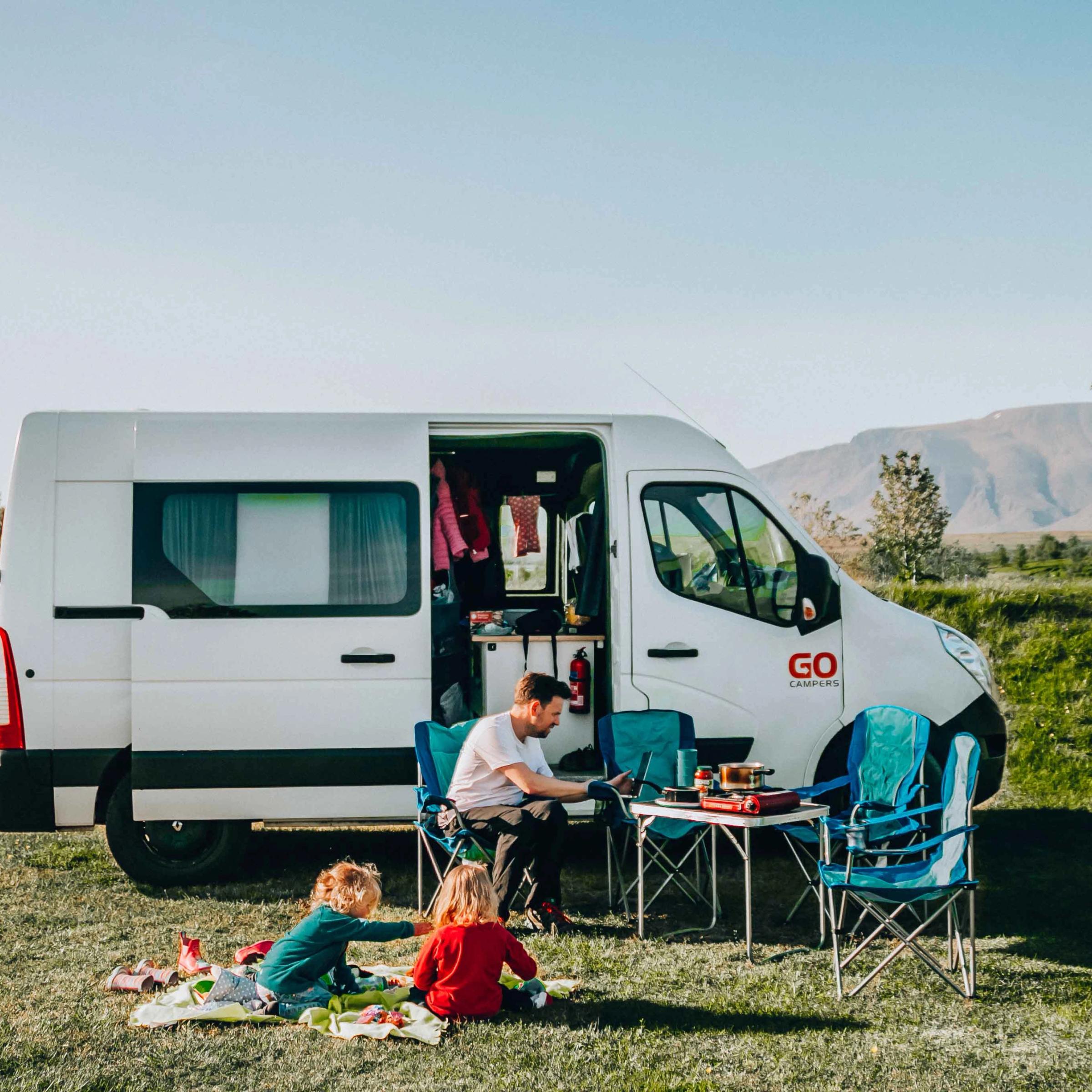
Traveling by campervan is one of the best ways to keep costs down in Iceland, but it's still worth planning your budget ahead of time. Besides the camper rental, you'll want to factor in fuel, campsites, food, insurance, and any tours or activities you have planned. The total cost can also vary quite a bit depending on the season and how you travel.
Read our complete guide to budgeting for a campervan trip in Iceland and get a better idea of what to expect.
How to Choose the Right Campervan in Iceland
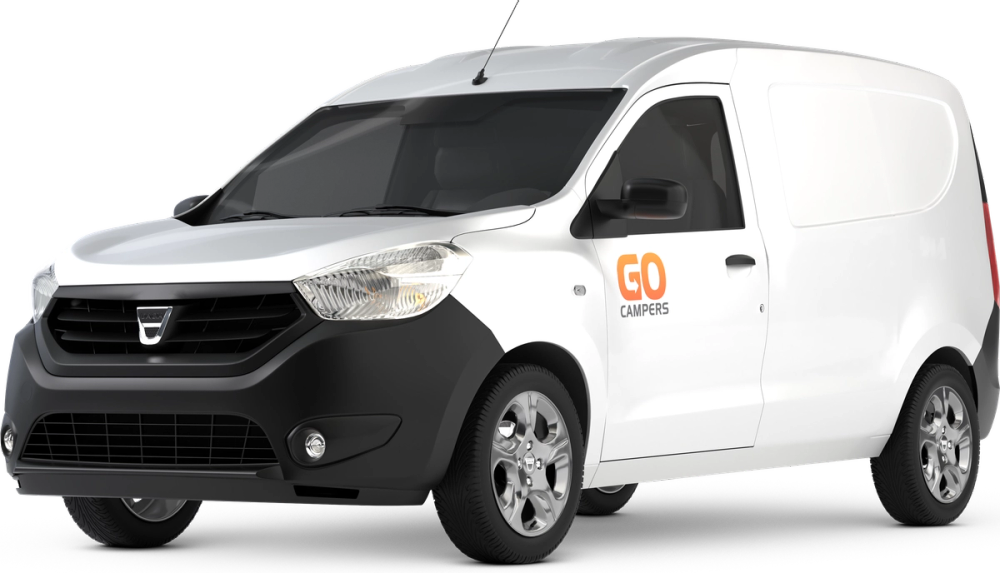
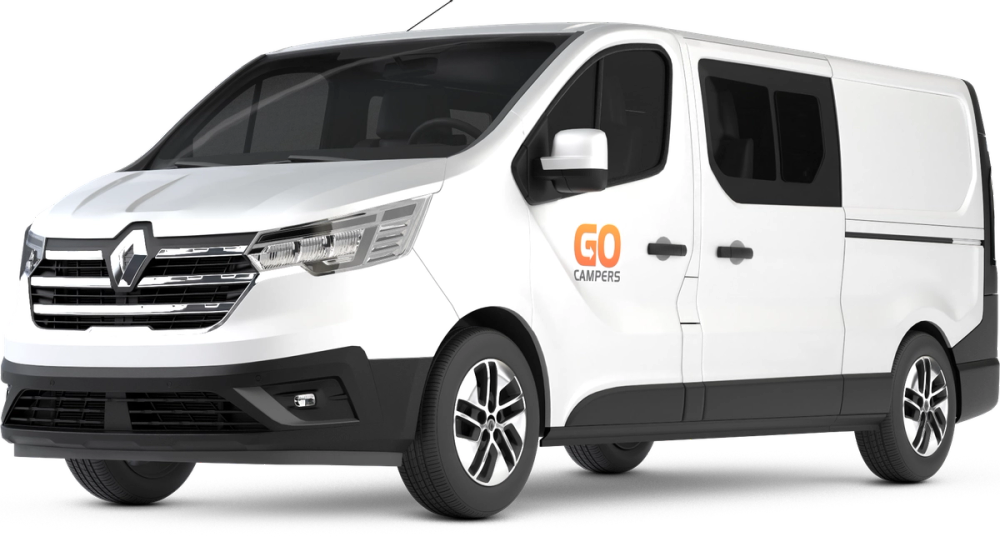
Not all campervans are the same, and choosing the right one can have a big impact on your trip. The best campervan for you will depend on your itinerary, the season you're visiting, how many people you're traveling with, and whether you plan to stick to the Ring Road or explore more remote areas.



What Do You Need to Rent a Campervan in Iceland?
Renting a campervan in Iceland is simple, but there are a few key requirements to keep in mind before your trip. Most travelers qualify without any issues as long as they have a valid driver's license, meet the minimum age requirements, and bring the necessary documents.
Before booking, make sure you understand the following:
- Driver's License Requirements
- Minimum Age Requirements
- Credit Card & Payment Requirements
- Required Rental Documents
- Insurance Requirements & Coverage Options
- Driving & Camping Restrictions
- Additional Driver Rules
- International Visitor Requirements
Campervan Insurance in Iceland
From changing weather and gravel roads to campsite living and long days on the road, having the right campervan insurance can make all the difference during your Iceland adventure. Understanding your coverage options helps you travel with confidence, protect your rental, and avoid unexpected costs if the unexpected happens.
Coverage
Basic
Silver
Gold
Platinum
Roadside Protection Plus
Travel with confidence knowing support is always available at no additional cost. This add-on covers the full price of roadside support during your trip, including towing, flat tires, or getting stuck. No service fees. No surprises. Just quick, reliable help when you need it.
Campervan Travel in Iceland During Winter
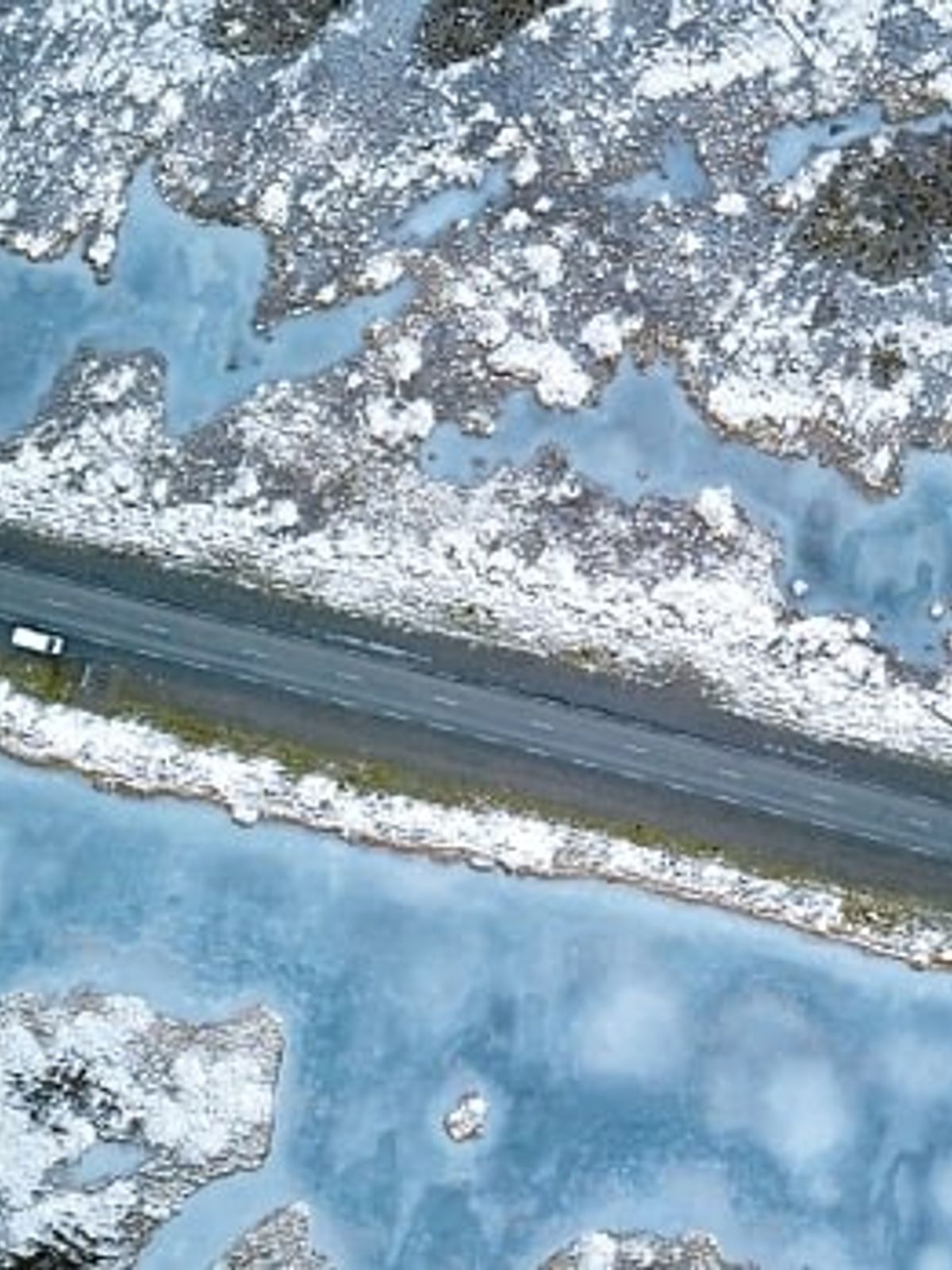
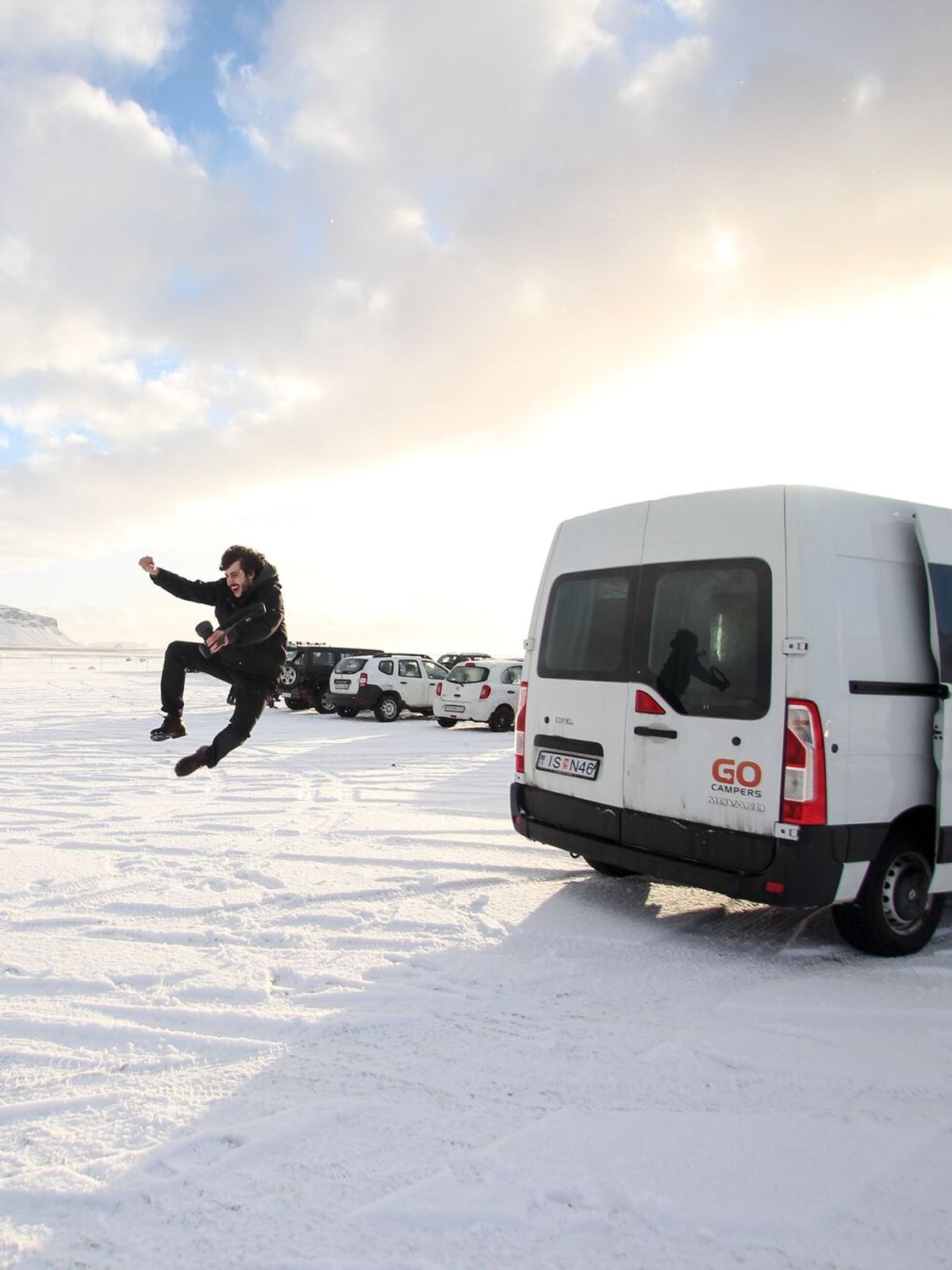
A winter campervan trip in Iceland can be an unforgettable adventure, but it also requires extra planning. From changing weather and road conditions to choosing the right vehicle, being prepared is key to a safe and enjoyable journey.
Planning a winter campervan adventure? Read our complete guide to campervan travel in Iceland during winter and get ready for the road ahead.
Do You Need a 4x4 Campervan in Iceland?
If you're planning a campervan trip around Iceland, you might be wondering whether you need a 4x4. It really depends on when you're visiting, where you want to go, and the kind of roads you'll be driving.
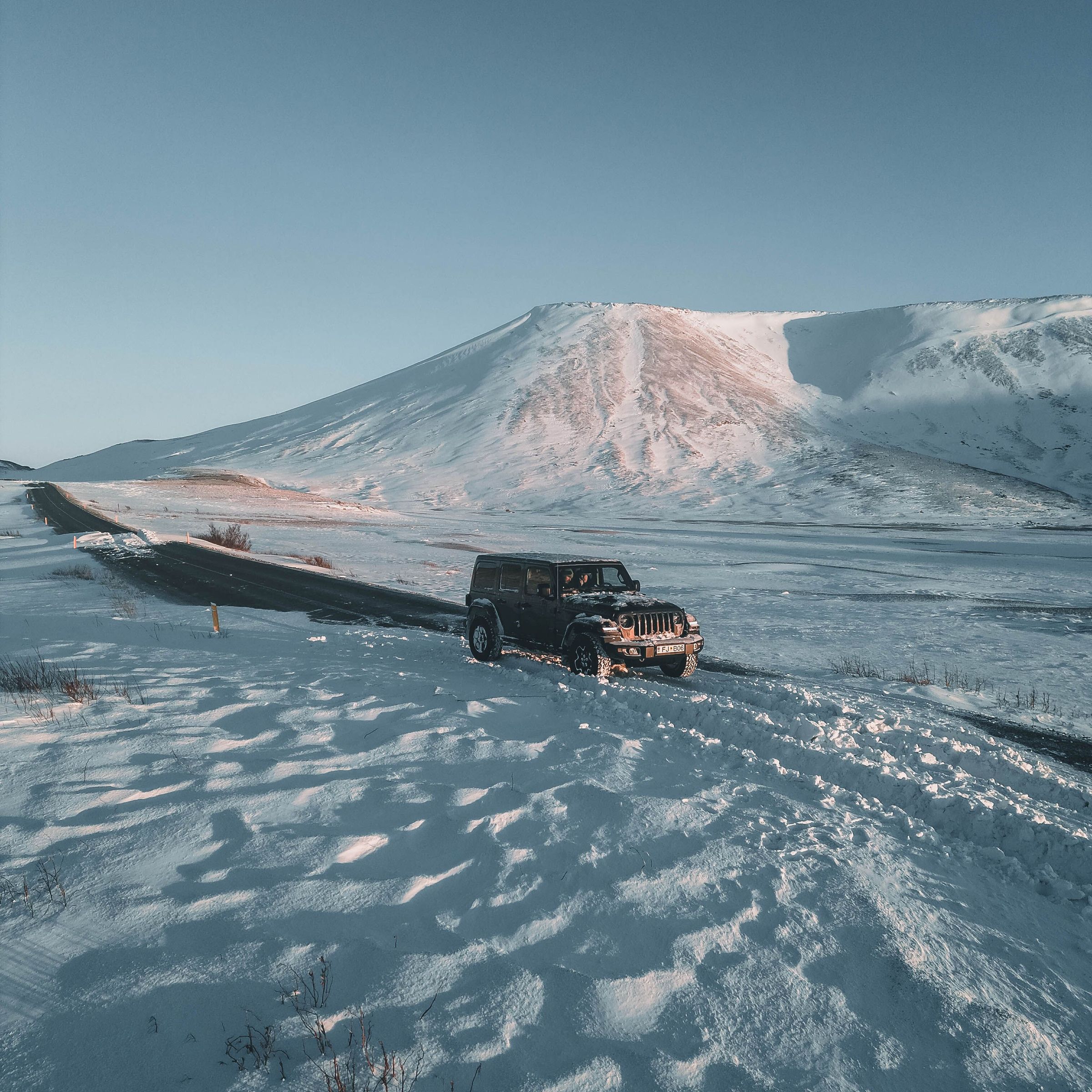
A 4x4 campervan is required for Iceland's F-roads and can make driving more comfortable in rough conditions or during winter. But if you're sticking to the Ring Road in summer, a standard campervan is often all you need.
Not sure which one is right for your trip? Read our complete guide to find out when a 4x4 campervan is worth it.
Why Choose a 4x4 Campervan in Iceland?
A 4x4 campervan lets you explore more of Iceland, from the Highlands and F-roads to remote places beyond the usual tourist route. Check out our guides to learn the benefits of a 4x4 campervan and how to choose the right one for your trip.


Best Campervan Routes in Iceland
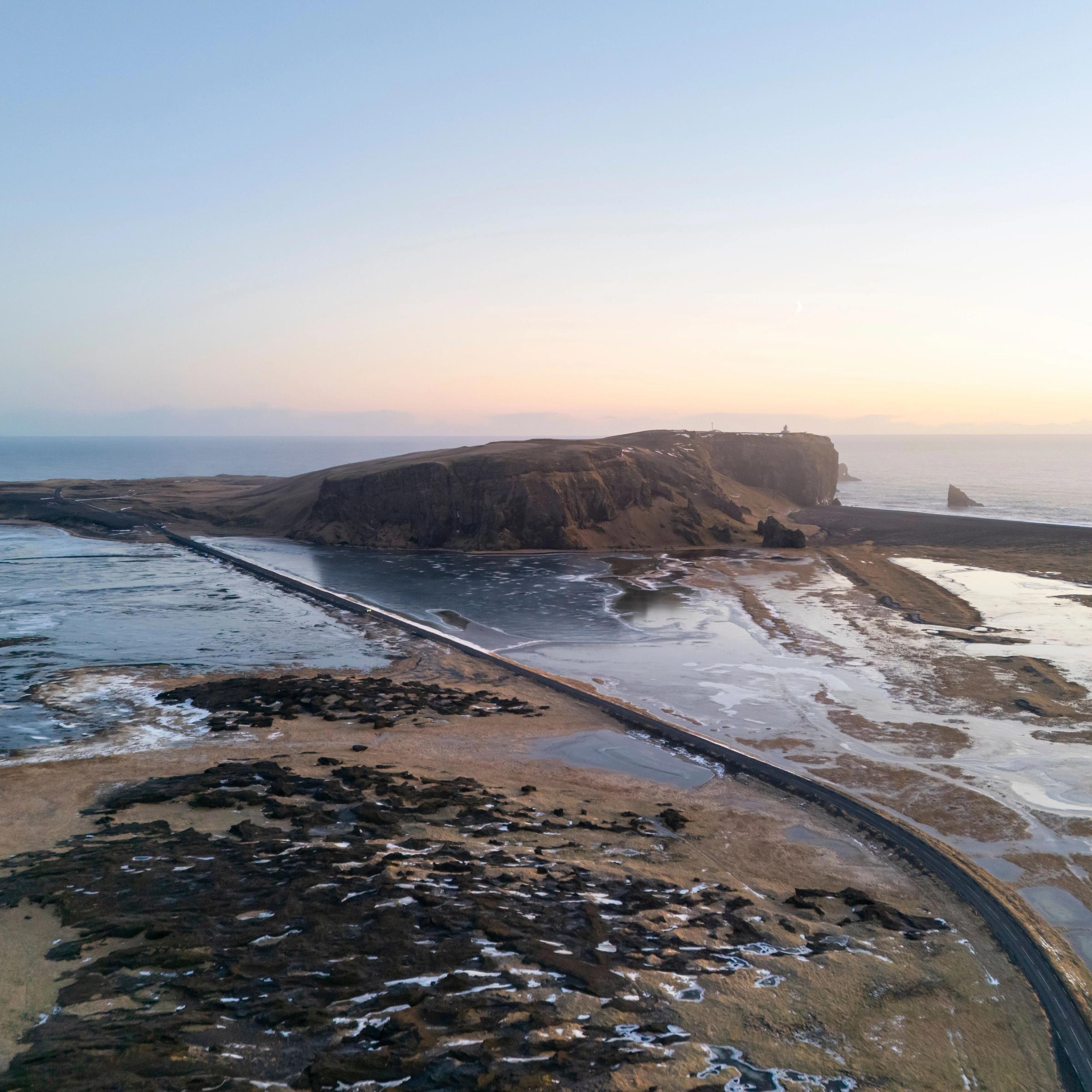
The best route depends on how much time you have and when you're visiting. The Ring Road is ideal for 7–10 days, while the South Coast and Golden Circle are great for shorter trips. If you're visiting in summer, you can also explore the Highlands and Westfjords for a more off-the-beaten-path adventure.
Read our guide to the best campervan routes in Iceland and choose the itinerary that's right for your trip.
Planning a Campervan Trip in Iceland
A campervan gives you the freedom to explore Iceland at your own pace, but a bit of planning makes the trip much easier. Whether you're deciding when to visit, what to pack, how to book your camper, or which apps to download before you arrive, these guides will help you get ready and avoid common mistakes along the way.


Solo Campervan Travel in Iceland
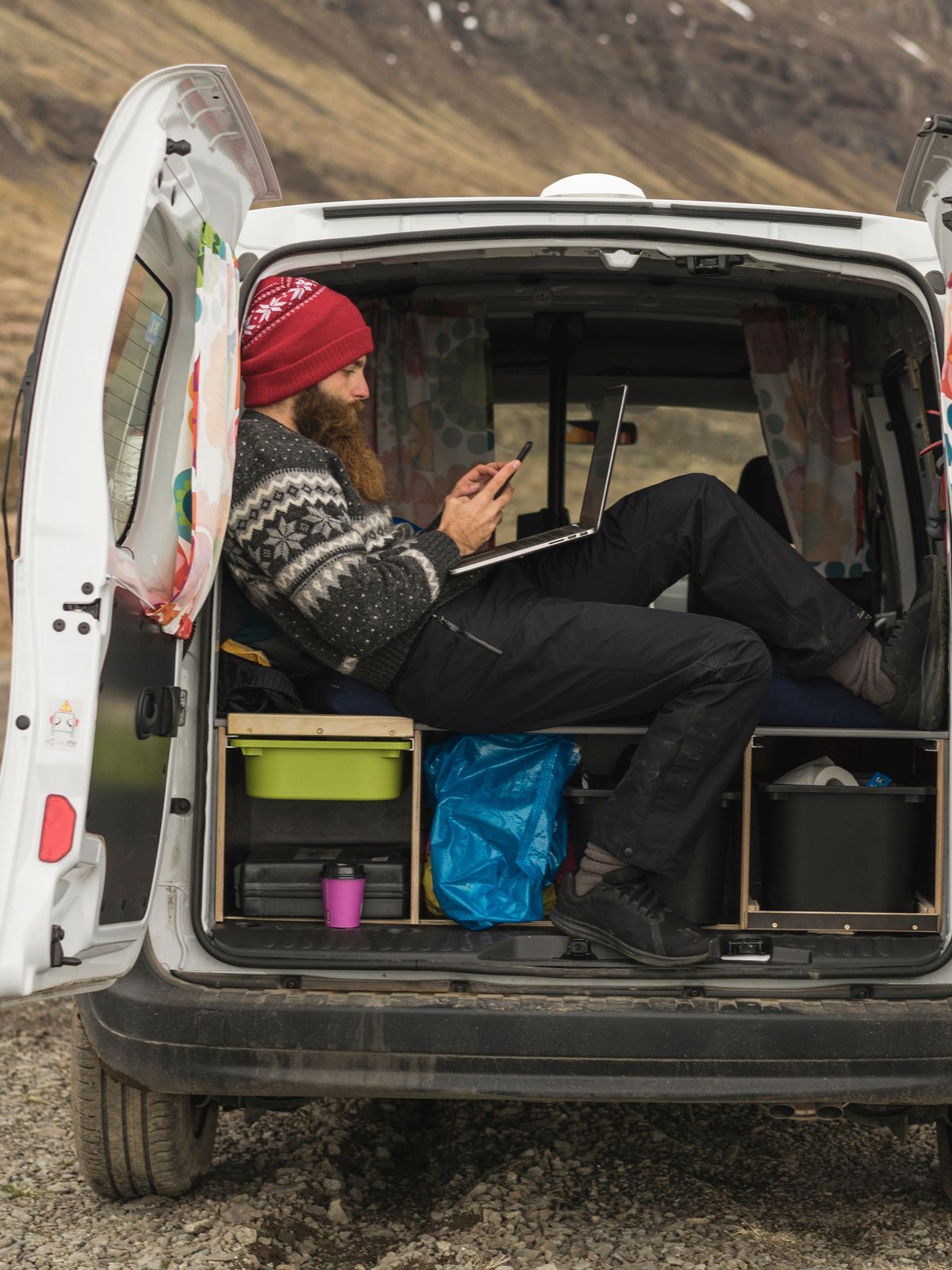
Iceland is one of the safest countries in the world, making it a great destination for solo campervan travel. With the freedom to set your own pace, you'll also want to plan your route, choose the right campervan, know where to camp, and stay prepared for changing weather and road conditions.
Read our complete guide to solo campervan travel in Iceland and get practical tips for planning your adventure.
Campervan Meals & Road Trip Snacks
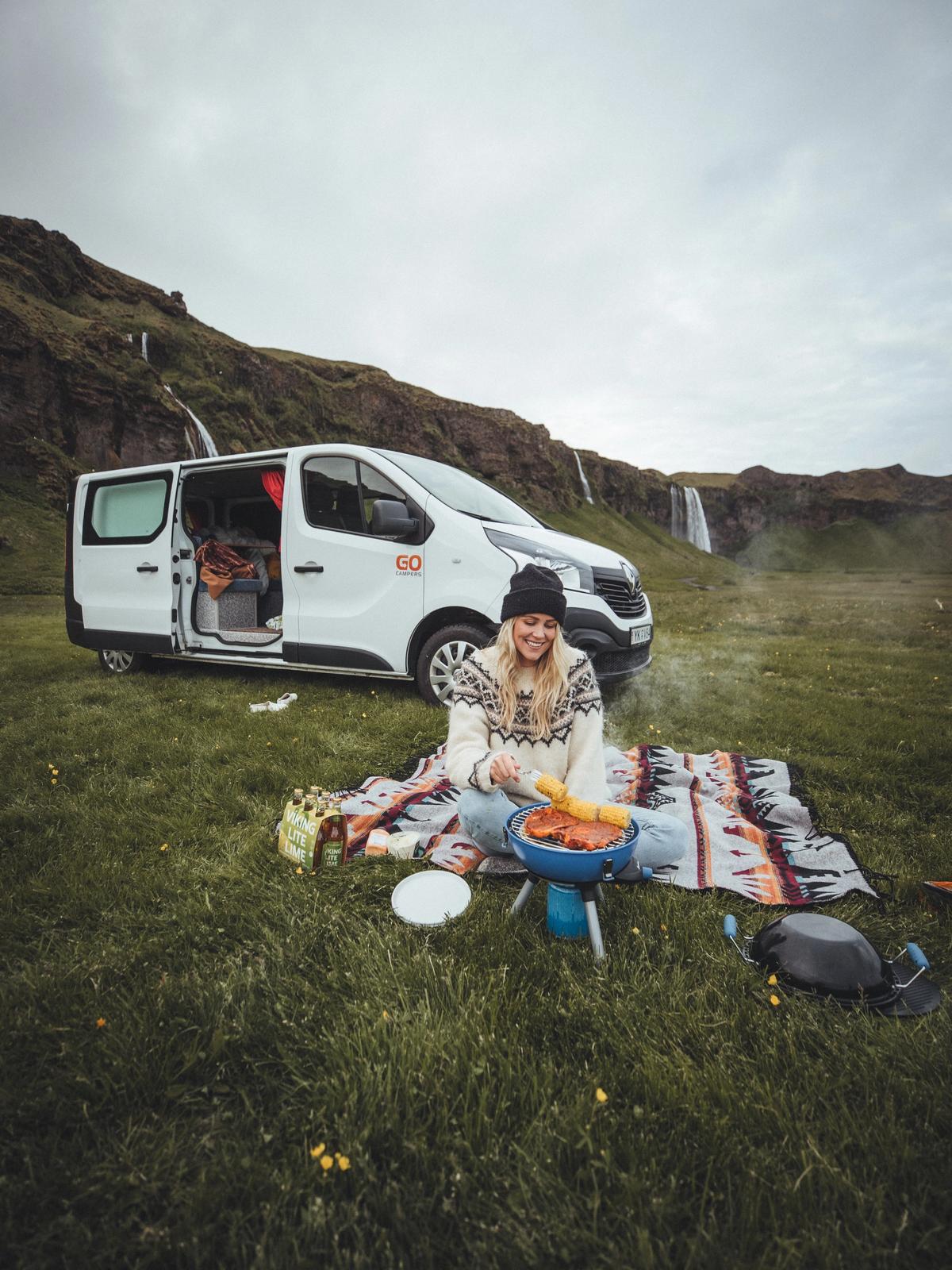
One of the best things about traveling by campervan is being able to cook your own meals and save money along the way. From easy one-pan recipes to classic Icelandic snacks you can pick up at local supermarkets and gas stations, these guides will help you eat well without spending hours in the kitchen.

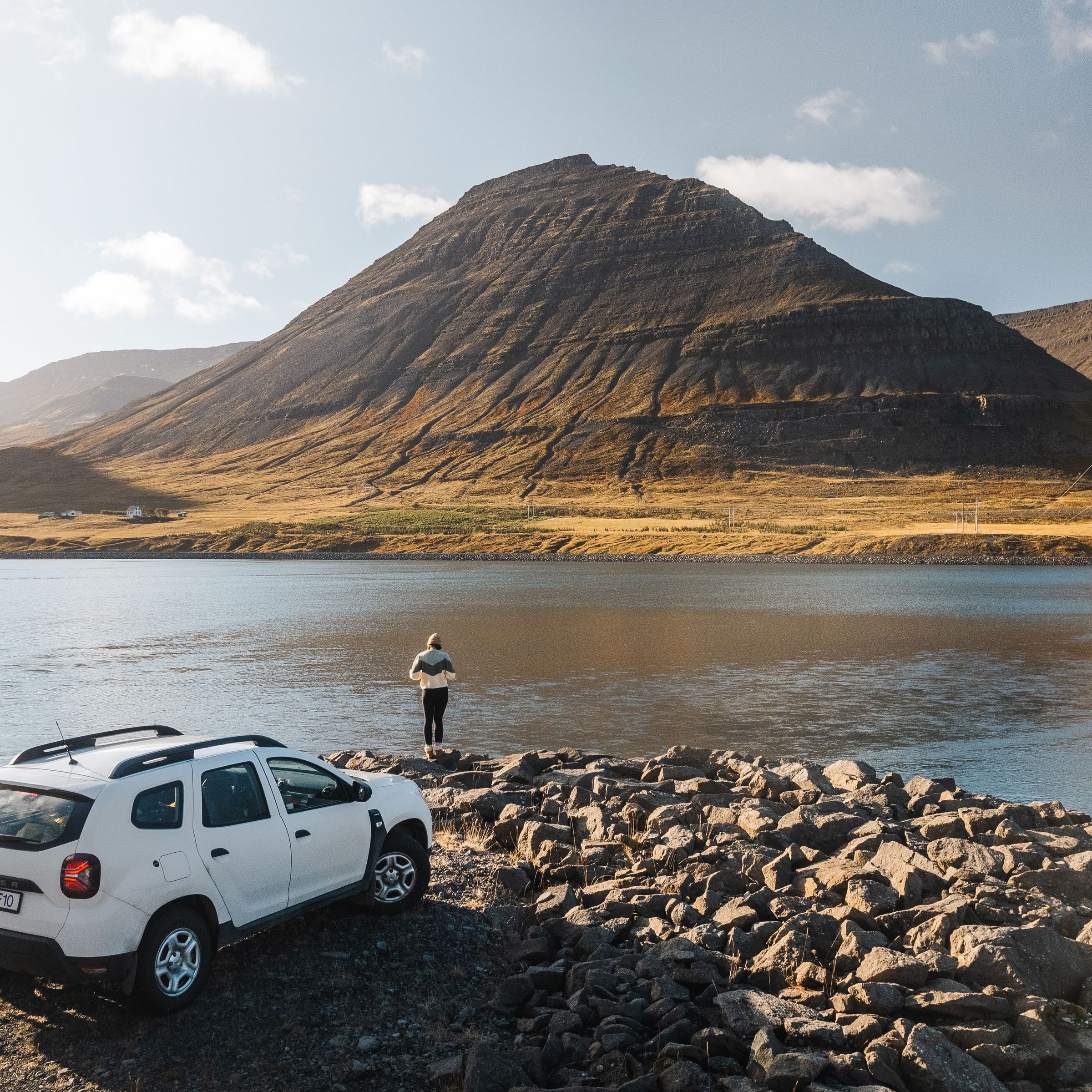
Campervan vs. Car Rental in Iceland
Both are great ways to explore Iceland, but the right choice depends on the kind of trip you're planning. A campervan gives you the freedom to travel and sleep in the same place, which can help keep costs down. A rental car can be a better option if you're staying in hotels or only visiting for a few days.
Read our full guide to campervan vs. car rental in Iceland and find out which one makes the most sense for your trip.
FAQs About Renting a Campervan in Iceland
Here are some relevant questions that you might find helpful when planning a campervan trip around Iceland.