

How to Choose the Right Campervan in Iceland
Picking a campervan for Iceland comes down to a few things: your route, when you're going, how many people are with you, and how much comfort you want. Get this right and your trip goes smoothly. Get it wrong, and you're stuck in a van that's too small or not built for the roads you planned to take.
This guide covers everything that matters, from the basics of the Ring Road to F-road rules, so you can book without second-guessing yourself.
Key Takeaways
- Your route is the biggest factor when choosing a campervan. A 2WD is enough for the Ring Road, Golden Circle, and South Coast, but if you're planning to drive F-roads or visit the Highlands, you'll need a rental that's approved for them.
- Pick a van that fits your group without going bigger than you need. Smaller campers are cheaper and easier to drive, while larger vans make more sense for longer trips, families, or anyone traveling with lots of gear.
- Think about the time of year before you book. A night heater is well worth having outside the middle of summer, and features like blackout curtains and good ventilation make life a lot more comfortable.
- Look at the total cost, not just the daily rate. Fuel, campsites, insurance, mileage limits, bedding, kitchen gear, and extra-driver fees can make one rental a much better deal than another.
- Read the rental terms before you book. Make sure the van is allowed on your planned route, check what's included, and pay attention to insurance exclusions so you don't end up with any surprises.
Choose Based on Your Route
Your route is really the main thing that decides what van you need. Some roads work fine with almost any vehicle. Others legally need a 4x4. Knowing which one applies to your trip before you book saves you money and hassle down the road.
Ring Road, Golden Circle, and South Coast
If you're sticking to the main tourist route, you're in easy territory. These roads are paved and well kept.
A 2WD camper is enough for the Ring Road, the Golden Circle, and the South Coast in normal summer weather. You'll pay less for rental and gas, and you still get to see everything: Gullfoss, Skógafoss, Reynisfjara, all of it.

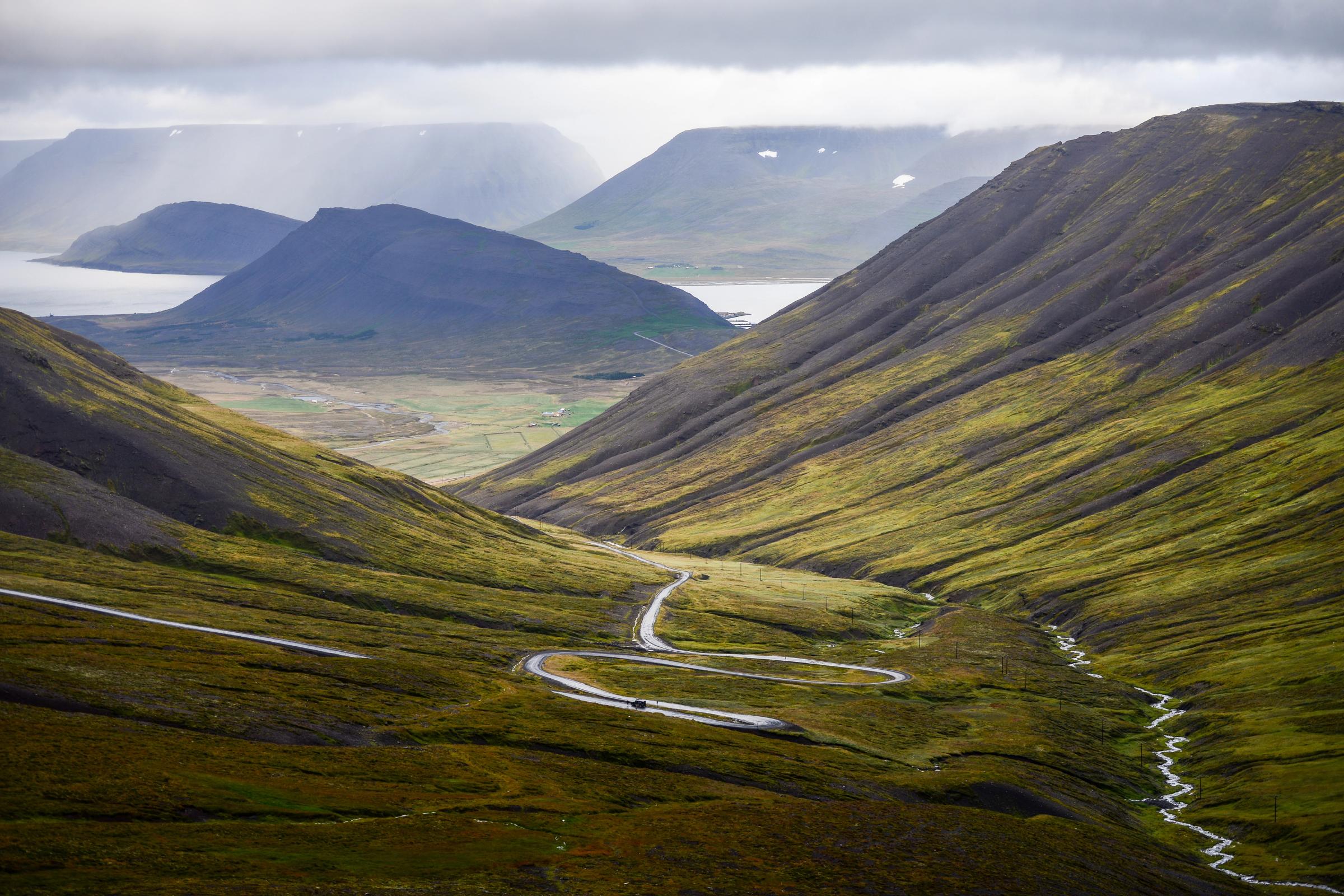
Westfjords and Remote Gravel Roads
The Westfjords are a bit different. You'll hit gravel, some steep bits, and longer stretches with nothing around.
You don't need a 4x4 everywhere in the Westfjords, but more ground clearance helps on the rougher gravel roads. I'd check the exact road numbers on your route instead of just assuming the whole area needs four-wheel drive. It really comes down to where exactly you're going.
Highlands and F-Roads
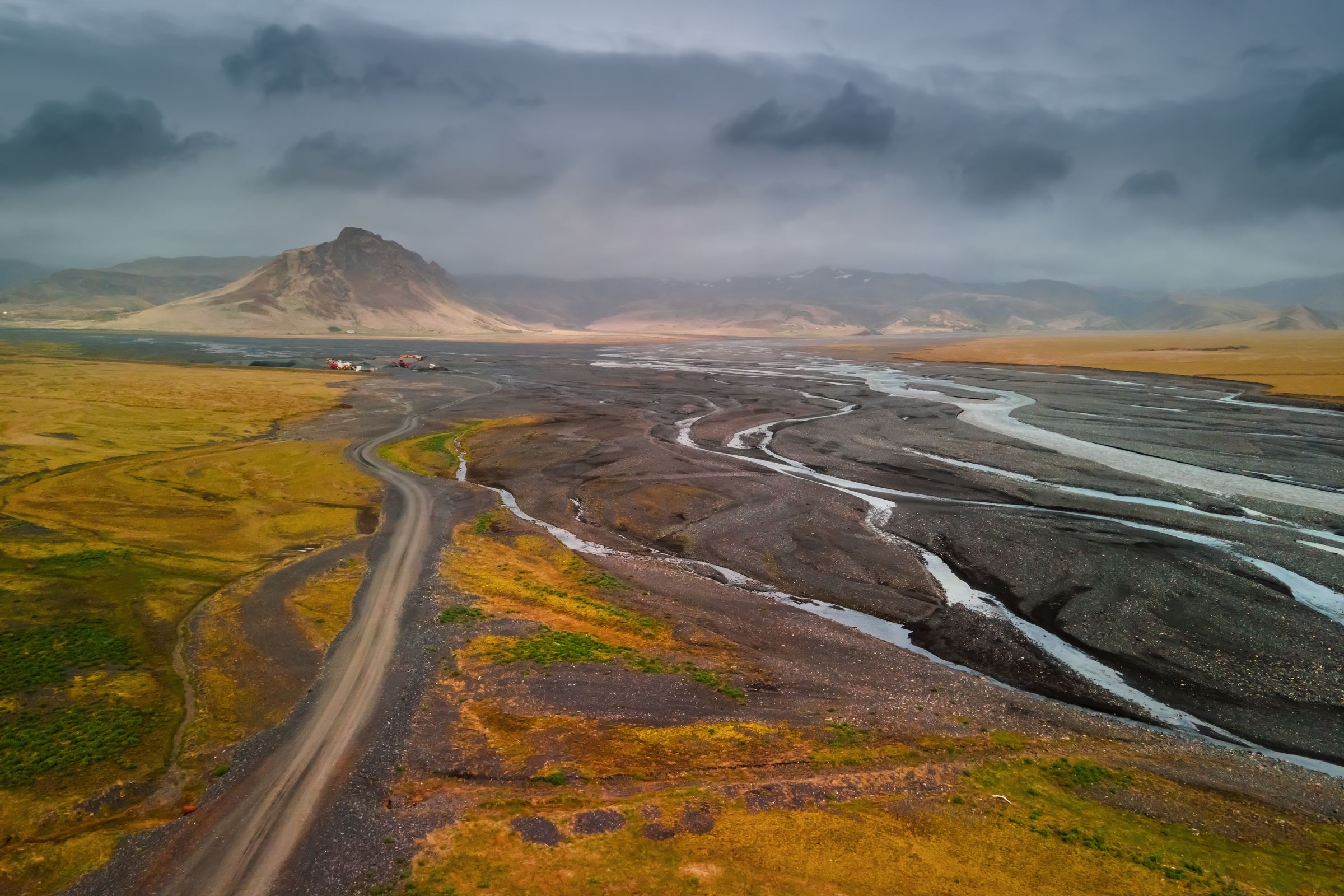
The Highlands are where this stops being about comfort and turns into an actual requirement.
F-roads are Iceland's mountain roads, and most rental companies just won't let you take a regular 2WD van on them. A lot of these roads close for part of the year too, and some have river crossings with no bridge. Most years they don't open until sometime between June and July, depending on how fast the snow melts. So if your trip touches the Highlands at all, you need a 4x4 that's actually approved for it, and I'd get that confirmed in writing before you drive off with the keys.
Choose the Right Campervan Size
Once you know your route, next you need to figure out how much space you actually need. Bigger isn't always better here. It's more about matching the van to your group and your bags.
Compact Campervan
A compact camper works well if you're traveling alone or as a couple on a shorter trip without much luggage.
For two people, something like the Go SMART Camper (manual, front-wheel drive, 2 sleeping spots, night heater, from €77/day) or the Go Iceland Camper (manual, front-wheel drive, 2 sleeping spots, night heater, from €87/day) gives you a good mix of price and comfort. If keeping costs low matters most and you're traveling at peak summer, the Go SMART Budget Camper (manual, front-wheel drive, 2 sleeping spots, no night heater, from €73/day) is the cheapest one there is, just know you won't have a heater if it gets cold at night.
Don't want to drive manual? The Go SMART Automatic Camper (automatic, front-wheel drive, 2 sleeping spots, night heater, from €90/day) takes that off your plate for a bit more money.

Medium Campervan
If you're a couple going for longer, or bringing more stuff, a medium camper will make life easier. You get a wider bed, more storage, and more room to move after a long day on the road.
The Go LITE Camper (manual, front-wheel drive, 3 sleeping spots, night heater, from €120/day) and Go LITE Automatic Camper (automatic, front-wheel drive, 3 sleeping spots, night heater, from €127/day) both do this job well. The automatic one only costs €7 more a day, so it's an easy pick if you'd rather skip shifting gears on roads you don't know.

Large Campervan or Motorhome
Families and bigger groups need more than extra beds. You need room to stand up, real storage, and enough seatbelts for everyone.
The Go BIG range covers this: the Go BIG Budget Camper (manual, front-wheel drive, 5 sleeping spots, night heater, from €171/day), the Go BIG Camper (manual, front-wheel drive, 5 sleeping spots, night heater, from €180/day), and the Go BIG Automatic Camper (automatic, front-wheel drive, 5 sleeping spots, night heater, from €193/day). All three have a heater, so it really just comes down to manual versus automatic and what your budget allows. Keep in mind five sleeping spots doesn't always mean five comfortable spots once you throw luggage and gear into the mix.

Match the Campervan to the Season
Iceland's weather changes fast, and what works in July won't always work in October. Think about the season before you book.
Summer
Summer gives you the longest days and the most campsites open, but that doesn't mean warm nights are a given.
Look for good ventilation, blackout curtains (the midnight sun is real and it's bright all night), enough space for extra layers, and decent fuel efficiency. A smaller van is fine this time of year since you'll probably spend more time outside than in.
Winter
Winter is a different game. Shorter days, colder temps, and roads that are harder to predict.
A working night heater stops being optional. Look for good insulation, winter tires, and enough battery to run the heater and lights overnight without leaving the engine on. If I were planning a winter trip, I'd also keep the schedule loose, since closures happen more often once you're past summer.

Decide Between 2WD and 4x4
This is one of the questions people ask the most, and the answer really just depends on where you're headed.
2WD is fine for the Ring Road, the Golden Circle, the South Coast, and most regular roads in normal conditions. It costs less to rent, uses less fuel, and is easier to handle if you're not used to driving in Iceland.
4x4 becomes something you actually need if your trip hits F-roads, Highland spots, or rougher gravel where the rental company requires it. Worth keeping in mind though, 4x4 doesn't make ice, strong wind, or river crossings safe. It just gives you more grip, not better judgment. You still need to slow down, check conditions on road.is and SafeTravel Iceland, and treat a closed road as closed, no matter what.
If you want F-road access without paying a ton, the Go 4x4 TOP Camper (manual, all-wheel drive, 2 sleeping spots, no night heater, from €95/day) is the cheapest way in, though no heater means it's better for warmer months.
Check the Essential Features
Past size and drivetrain, a few features make a big difference in how the trip actually feels.
Keep an eye out for:
- Independent heater that runs without the engine on
- Bed size that fits how tall you are and how you sleep
- Luggage storage that works well for soft bags (hard suitcases eat up way more room)
- Cooking equipment, usually a portable gas stove and basic utensils
- Refrigerator, ideally one that runs off the leisure battery
- Auxiliary battery for your lights, USB ports, and the heater fan
- USB or power outlets to charge phones and cameras
- Ventilation to handle condensation overnight
- Blackout curtains for both the bright summer nights and winter privacy
- Freshwater capacity that lasts your trip without constant refills

Compare the Total Cost
The daily rental price only tells part of the story. Looking at the full cost across companies gives you a much clearer idea of what you'll actually pay.
Think about:
- Daily rental price
- Fuel for your route
- Mileage limits and what you'll owe if you go over
- Campsite fees each night
- Bedding and kitchen gear (sometimes this costs extra)
- Extra-driver fees
- Security deposit
- Insurance excess
Some rental packages, Go Campers included, build extras like a fuel discount, road assistance, zero deposit, and free cancellation right into the price. Those extras can make a slightly pricier daily rate cheaper overall than a bare-bones deal somewhere else.
Review Insurance and Rental Restrictions
Insurance terms aren't the same from one company to the next, so read what's actually covered instead of trusting the name. Pay attention to:
- CDW and excess, which caps what you'd owe for covered damage
- Gravel protection, for chips to the windshield and body of the van
- Sand and ash protection, which matters in windy, exposed spots
- Tire and wind damage coverage
- Underbody and water damage exclusions, which are usually not covered
- F-road restrictions, since driving a van that isn't approved on an F-road can void your coverage completely
- Roadside assistance, and whether it covers driver mistakes or only mechanical problems
Before you sign anything, get it confirmed in writing whether your rental deal excludes river-crossing damage. This is one of the exclusions people get wrong the most when renting a campervan in Iceland.
Match the Campervan to Your Travel Style
Different people need different things, and the "best" van really comes down to who's asking.
- Solo travelers: A compact 2WD like the Go SMART Camper keeps things cheap without giving up comfort.
- Couples: The Go Iceland Camper or Go SMART Automatic Camper hit a good balance for most Ring Road trips.
- Families: The Go BIG lineup gives you the seatbelts, sleeping spots, and storage a family trip actually needs.
- Budget travelers: The Go SMART Budget Camper is the cheapest way in, as long as you're heading somewhere warm.
- Photographers and hikers: Care more about battery life and storage for wet gear than about size.
- Winter travelers: A heated van with good insulation matters more than the drivetrain alone.
- Highlands travelers: You'll need a confirmed F-road-approved 4x4, like the Go 4x4 Cruiser Camper (automatic, four-wheel drive, 2 sleeping spots, night heater, from €230/day) or the Go 4x4 PRO Camper (automatic, four-wheel drive, 4 sleeping spots, night heater, from €330/day) if your group is bigger.

Questions to Ask Before Booking
Before you commit to a van, ask the rental company these questions first:
- Is the vehicle allowed on my planned roads?
- Is the heater independent from the engine?
- What are the exact bed dimensions?
- How much luggage space is there?
- Is mileage unlimited?
- What kind of damage is excluded from insurance?
- Are bedding and kitchen equipment included?
- How much is the deposit?
- What roadside assistance is included?
Quick Decision Checklist
Once you've gone through all of this, use this as your final check before booking:
- Confirm your route.
- Decide if you need 2WD or 4x4.
- Choose enough space for everyone and their luggage.
- Match the van to the season.
- Confirm heating, storage, cooking, and power.
- Compare the full cost, not just the daily rate.
- Read through the insurance exclusions and road restrictions.
Conclusion
The best campervan for Iceland is just the smallest one that fits your route, your season, your group, your luggage, and your budget without cutting corners on comfort. For most summer trips on the Ring Road or South Coast, a heated medium 2WD camper covers pretty much everything. If your plans touch the Highlands or F-roads, you'll need an approved 4x4, and I'd get that confirmed in writing before you leave the rental lot. Go through your trip step by step, and you'll end up with a van that actually fits your plans instead of whatever looked good on the website.