

Discovering Iceland's Ice Caves in 2026
Iceland's glacier caves are hard to put into words. Blue ice walls, dark volcanic ash streaks, chambers carved by centuries of meltwater. But there's a lot to know before you book anything, starting with the fact that most of these caves don't exist year-round, and the one you visit probably won't look exactly like the photos you've seen.
This guide covers the best ice caves in Iceland, when to go, how tours work, what to wear, and what's happening to these formations as the climate changes.
Key Takeaways
- Iceland’s ice caves are natural tunnels formed inside glaciers by meltwater, not rock caves with ice inside them, and they change every year depending on weather and glacier movement.
- The most famous blue ice caves are found in Vatnajökull near Jökulsárlón, where old, dense glacier ice creates the deep blue color Iceland is known for.
- Katla Ice Cave near Vík looks completely different from the Vatnajökull caves, with black volcanic ash layers running through the ice because of the Katla volcano beneath the glacier.
- Most natural ice caves are only safe to visit from November through March, when colder temperatures make the glacier more stable. Katla and the Langjökull ice tunnel are the main year-round options.
- Ice cave tours should always be done with certified guides since glacier caves can collapse, flood, or change quickly, sometimes within hours.
- Climate change is already affecting Iceland’s glaciers, with shorter ice cave seasons, less predictable conditions, and glacier retreat making some caves harder to access over time.
What Are Iceland’s Ice Caves?
Iceland's glacier caves aren't rock caves with some ice inside. They're tunnels and chambers formed within the glacier ice itself, which makes them a completely different thing, both visually and structurally.
Definition of Ice Caves
In the Icelandic travel world, "ice cave" almost always means a glacier cave: a naturally formed space inside a moving body of glacial ice. Meltwater carves them, glacier movement shapes them, and winter cold stabilizes them just enough to walk through.
Ice Cave vs Glacier Cave
People use these two terms interchangeably, but they mean slightly different things. A glacial cave forms within glacial ice. An ice cave can technically be any cave that contains ice, including lava tubes with seasonal frost. For this guide, we're talking about glacier caves.
How Glacial Meltwater Forms Caves
In warmer months, meltwater flows through the glacier, cutting channels as it drains downward. When winter comes, and water flow slows, some of those tunnels empty out enough to walk through. Each fall, guides go out and check what formed over the summer to figure out which caves are large and stable enough for tours.
Why Glacier Ice Appears Blue
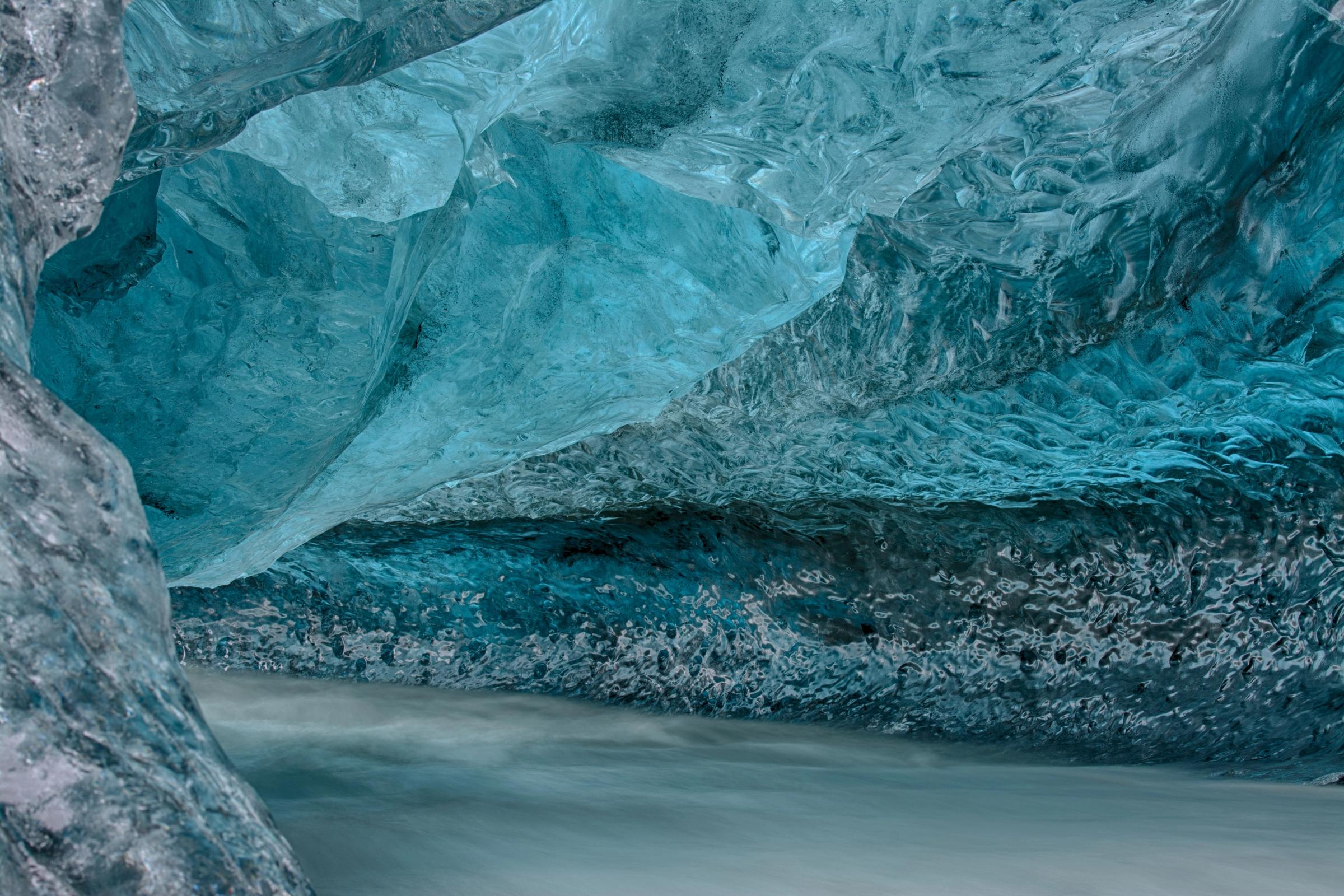
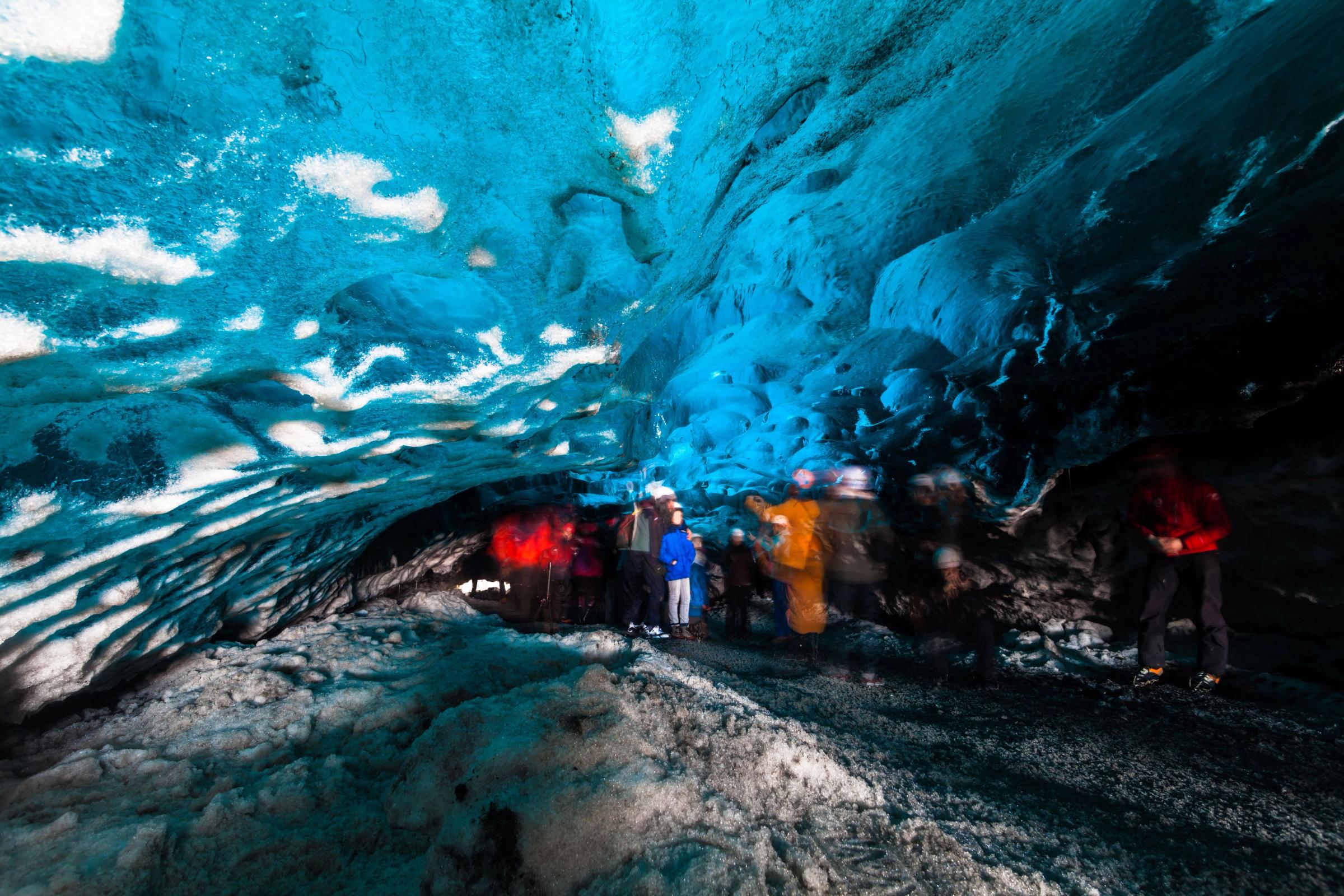
Dense, compressed glacial ice contains very few air bubbles. That density causes the ice to absorb red and yellow light and scatter blue light back toward you. The older and more compressed the ice, the deeper the blue. White ice still has air trapped in it, so it scatters all wavelengths equally and looks white.
The ice in some Vatnajökull caves is hundreds of years old. That compression over centuries is what creates the deep blue color you see in photos.
Why Iceland Has Some of the World's Best Ice Caves
Iceland sits at the intersection of two factors that produce great glacial caves: massive ice caps and active volcanoes beneath them.
Iceland's Glacier Geography
Glaciers cover roughly 10% of Iceland's total land area. That gives meltwater a lot of ice to work through, and it gives guides a lot of terrain to scout each fall.
Vatnajökull and Outlet Glaciers
Vatnajökull is Europe's largest glacier by volume, covering around 7,600 km². It's not one flat sheet of ice. It feeds dozens of outlet glaciers that flow down toward the coast, and those outlet glaciers are where most of the famous caves form. The edges and bases of outlet glaciers are where meltwater drainage is most active.
Volcanoes Beneath Glaciers
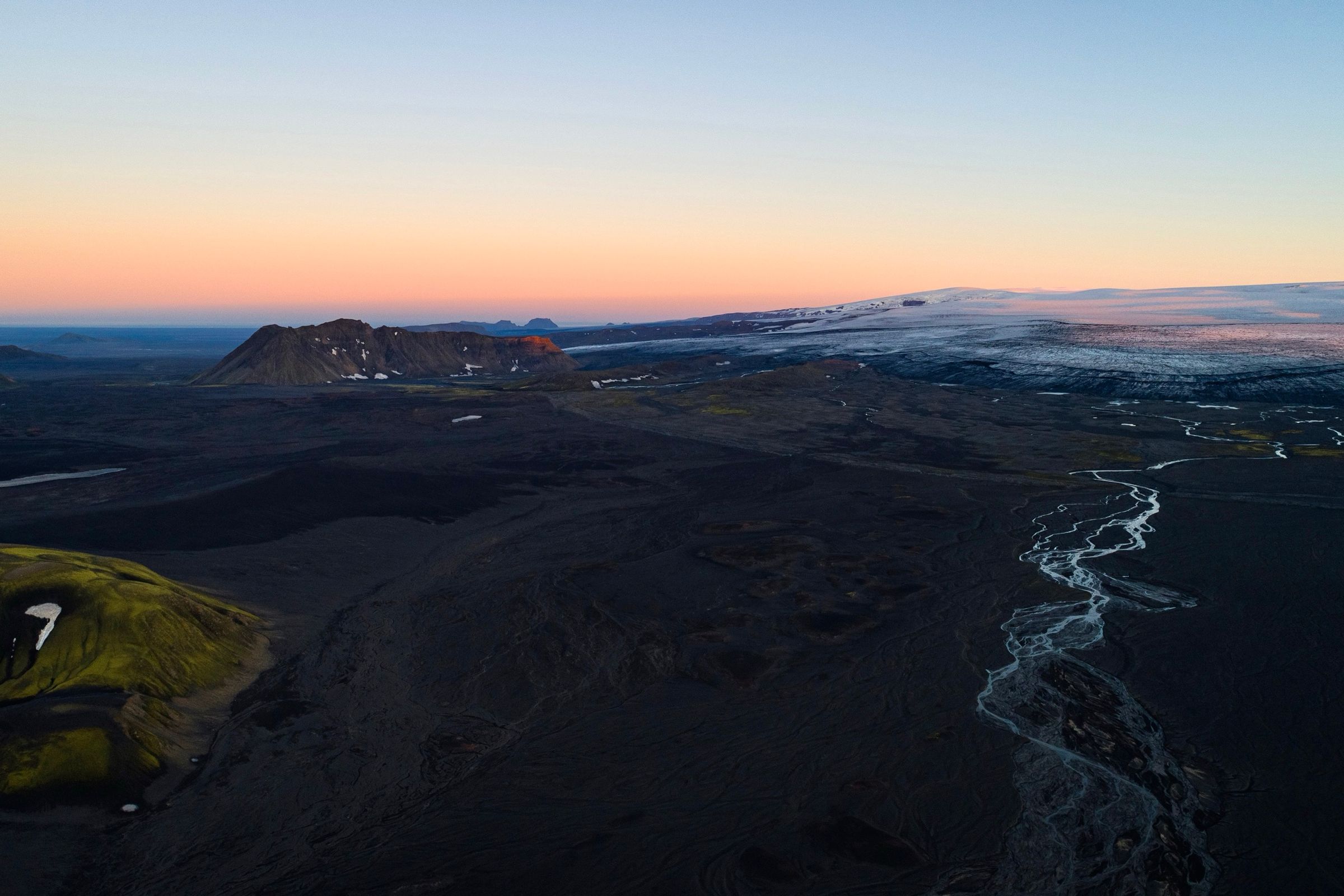
Several of Iceland's glaciers sit directly over active or dormant volcanoes. Mýrdalsjökull covers Katla. Parts of Vatnajökull sit over Grímsvötn and Bárðarbunga. That geothermal heat affects how ice melts, how caves form, and in the case of Katla, why the cave walls are streaked with dark volcanic ash.
The Role of Iceland's Climate
Iceland's maritime climate brings frequent rain and big temperature swings throughout the year. Those freeze-thaw cycles are part of what shapes caves from one season to the next. It also means conditions can change fast, which is a big reason why guided access matters.
Best Ice Caves in Iceland
No two winters produce the same caves. Guides scout the glacier each fall, and what's available varies by season. These are the main options you'll come across when booking.
Crystal Ice Cave
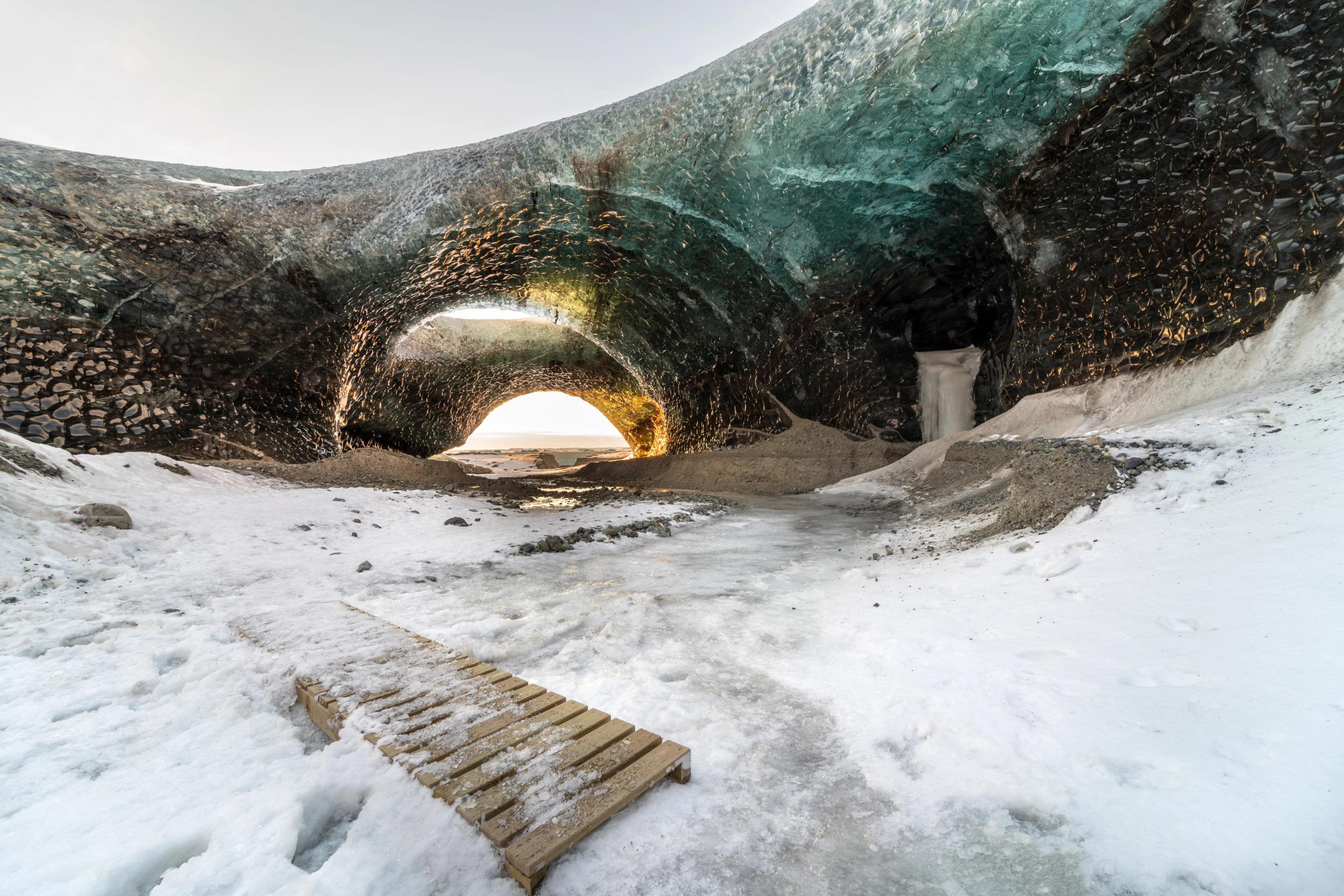
The Crystal Ice Cave is Iceland's most famous natural ice cave, found in the Vatnajökull glacier system near Jökulsárlón Glacier Lagoon. It's the one most people picture when they think about blue ice, and it lives up to that. The walls are dense and compressed, and the blue has an almost luminous quality to it.
It gets crowded, though. If photography is your main reason for going, I'd recommend booking a small-group or private tour. Larger groups cycle through quickly and your time inside the cave is limited.
Sapphire Ice Cave
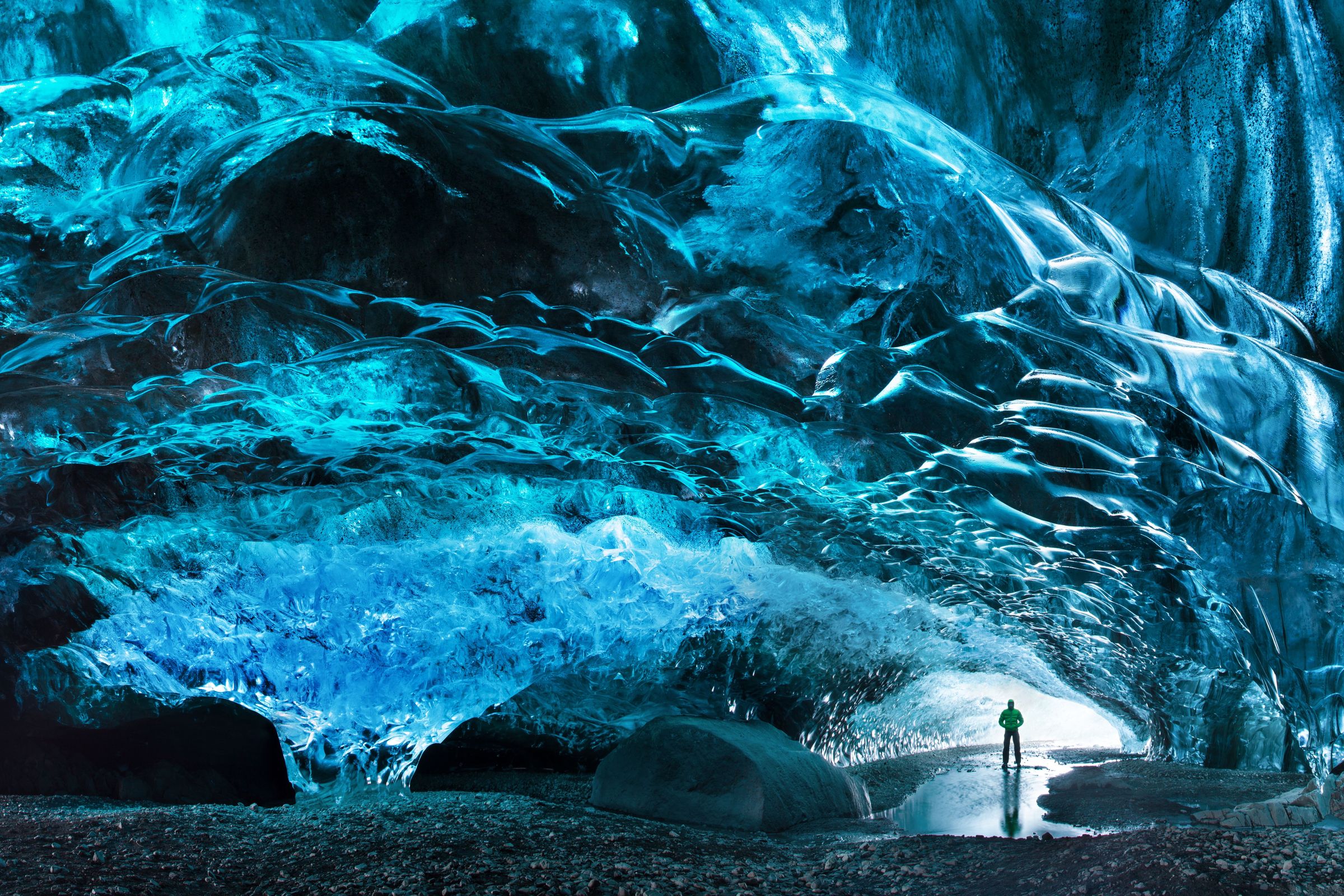
The Sapphire Ice Cave is another seasonal formation in the Vatnajökull system, typically known for particularly deep blue walls. Like the Crystal Cave, its exact location and accessibility change from season to season depending on what guides find during their fall scouting.
Blue Diamond Ice Cave
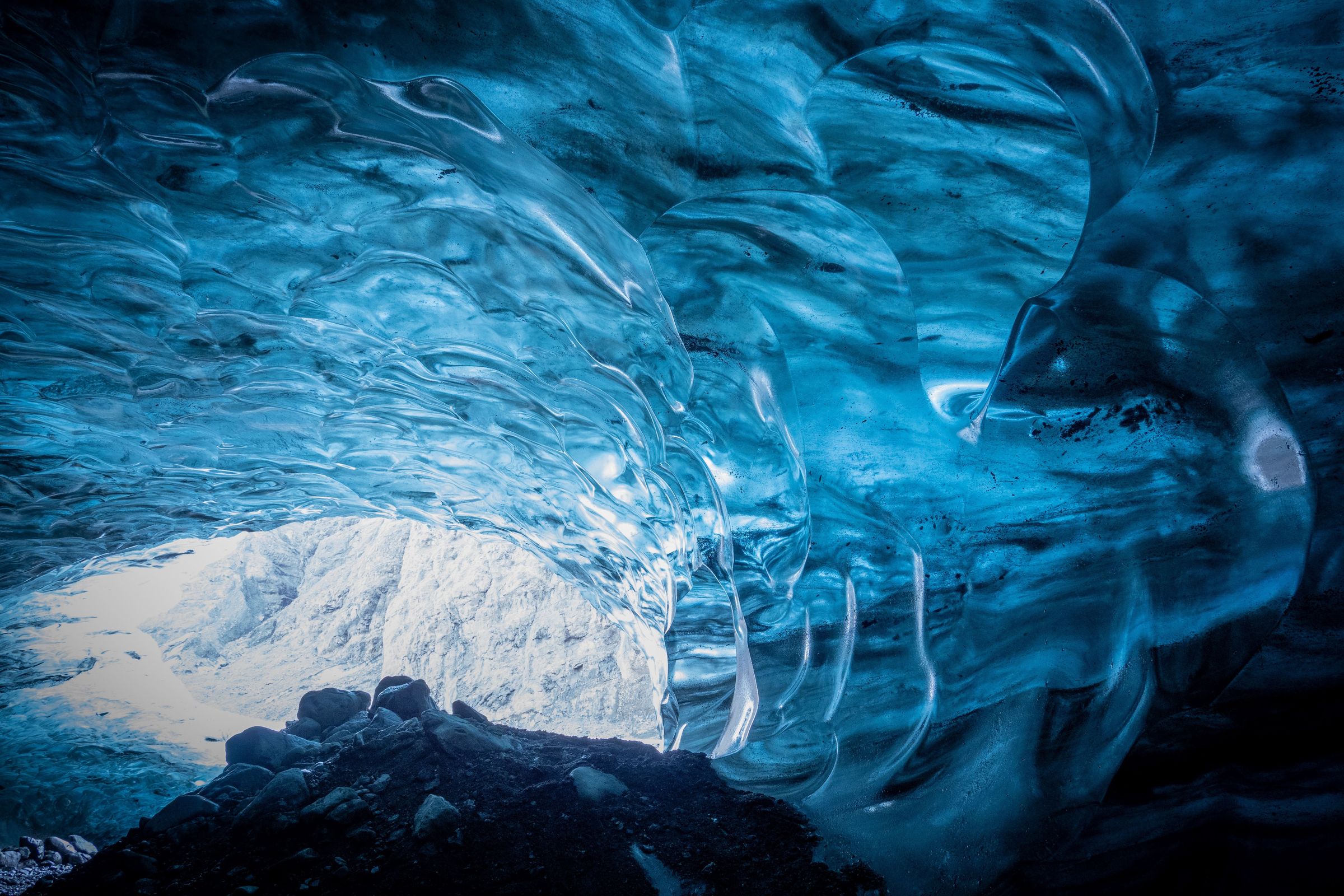
Blue Diamond is a name some operators use for high-quality blue ice formations in the same glacier region. The name is partly marketing, but the caves are real seasonal discoveries within the Breiðamerkurjökull outlet glacier.
Worth knowing: names like "Crystal," "Sapphire," and "Blue Diamond" usually refer to a type of formation or a seasonal product, not a fixed permanent location. The cave you visit may look different from the operator's photos.
Katla Ice Cave
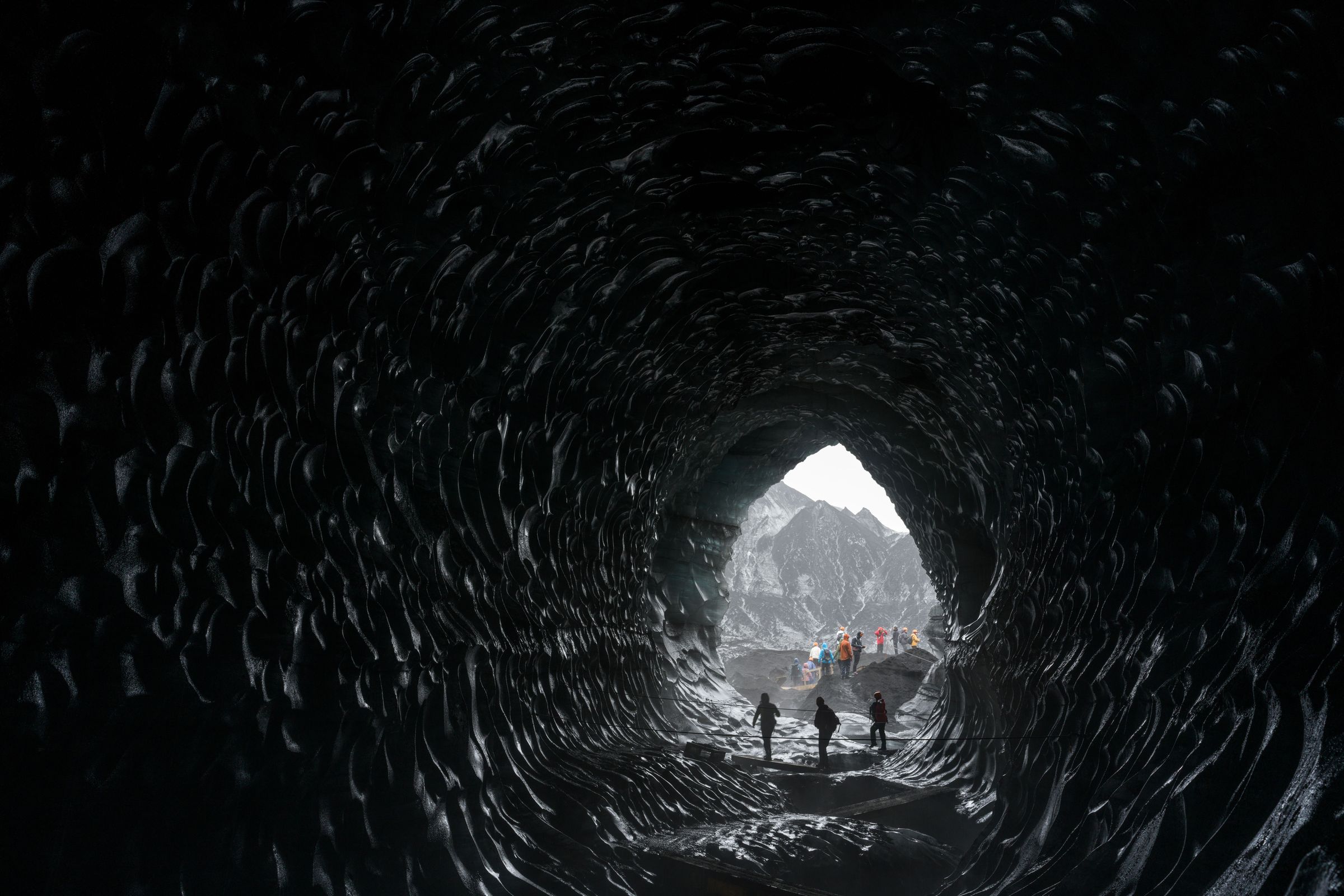
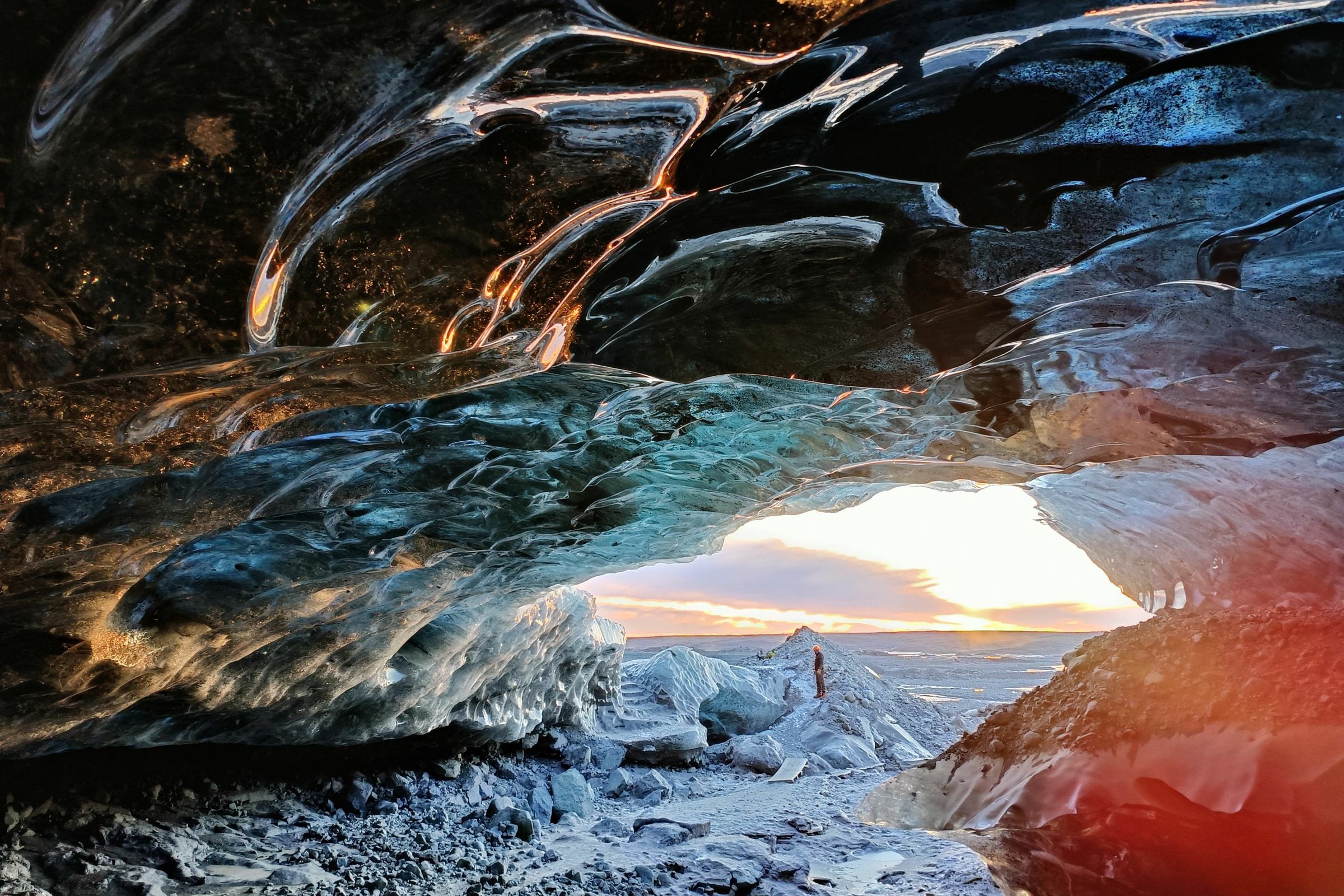
Katla Ice Cave sits in the Mýrdalsjökull glacier, above the Katla volcano, near the town of Vík. It looks nothing like the Vatnajökull caves. You get black volcanic ash layers running through blue-white ice, darker chambers, and a much more raw geological feel.
Katla is often accessible year-round, which makes it the best natural cave option outside winter. Tours leave from Vík and involve a Super Jeep ride followed by a short walk over uneven terrain.
Langjökull Ice Tunnel
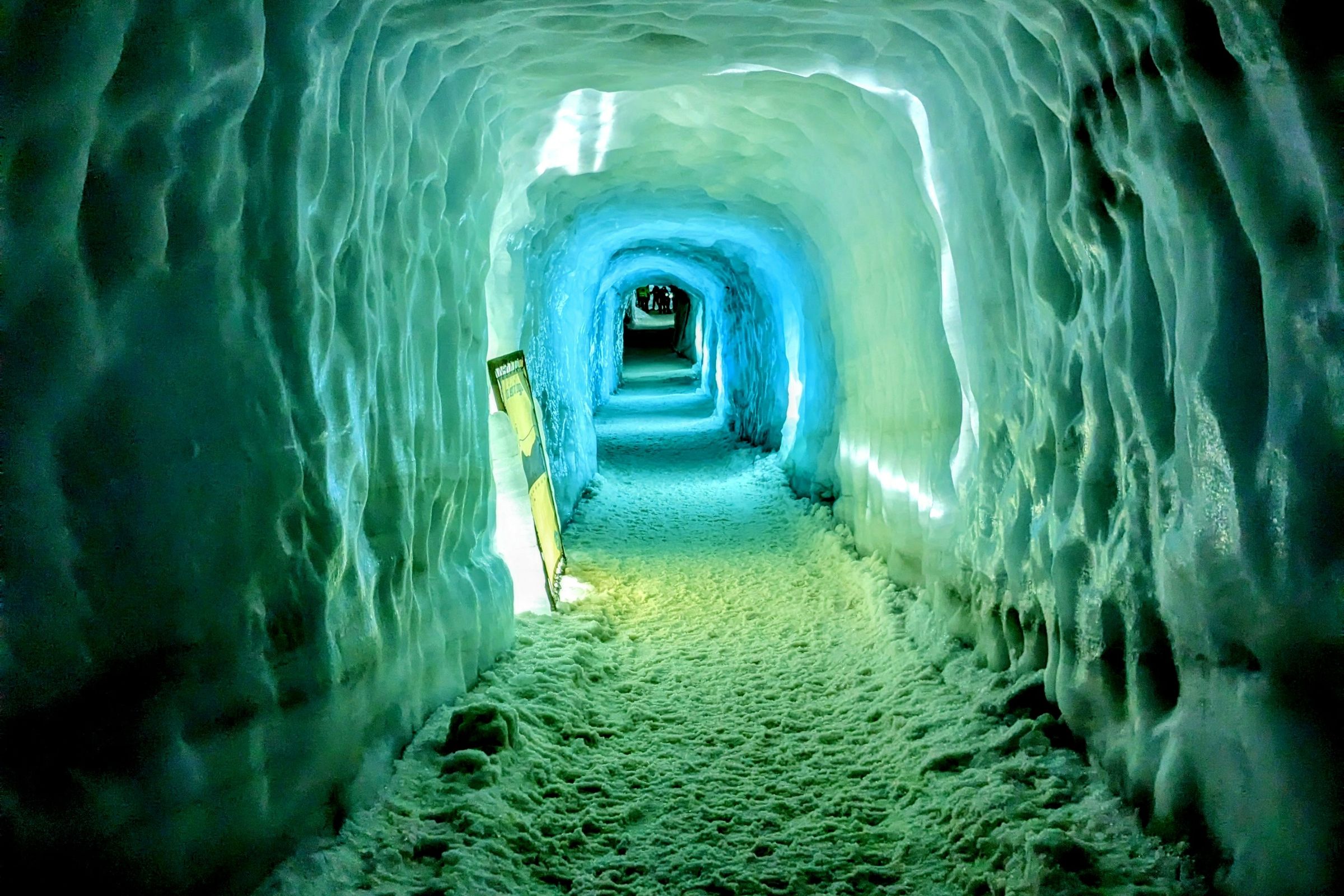
This one is different from everything else on this list. It's a man-made tunnel carved into Langjökull, Iceland's second-largest glacier. The "Into the Glacier" experience runs year-round and sits about two hours from Reykjavík, making it one of the most accessible glacier interior options in the country.
It doesn't have the raw feel of a natural cave, and the installed lighting and infrastructure give it a more controlled atmosphere. That said, for families, summer visitors, or anyone who wants a glacier interior without the unpredictability of natural cave access, it's a solid pick.
Skaftafell Ice Caves
Skaftafell tours usually pair glacier hiking with access to a seasonal ice formation on an outlet glacier of Vatnajökull. The caves here tend to be more open and canyon-like compared to the enclosed blue chambers near Breiðamerkurjökull. Good option if you want more time walking on the glacier itself.
Kverkfjöll Ice Caves
Kverkfjöll is on the northern edge of Vatnajökull and involves geothermal-glacial cave formations. It's remote and better suited to highland expeditions than standard day tours. If you're researching a more advanced glacier experience, it's worth looking into, but it's not a typical tourist cave.
Vatnajökull Ice Caves Explained
Vatnajökull National Park is a UNESCO World Heritage site and Iceland's largest national park. It covers the glacier and surrounding landscapes, including Skaftafell and Jökulsárlón. Tour operators in the area follow park regulations, and those rules around ice cave access were tightened after a fatal cave collapse on Breiðamerkurjökull in August 2024.
Most of what people associate with Iceland's ice caves comes from Vatnajökull and the area around it.
Breiðamerkurjökull Glacier
Breiðamerkurjökull is an outlet glacier of Vatnajökull and the source of many of the most famous blue ice cave tours. It flows down toward Jökulsárlón Glacier Lagoon, and it's where guides find the Crystal Cave and similar formations each winter.
Why Most Famous Blue Caves Form Here
The ice in Breiðamerkurjökull is old, dense, and relatively clean of volcanic ash compared to the Katla region. That combination produces the deep blue color these caves are known for. The glacier's movement and drainage patterns also create natural tunnels large enough to enter safely in winter.
Katla Ice Cave Explained
Katla deserves its own section because it's a genuinely different experience from the Vatnajökull caves.
Mýrdalsjökull Glacier
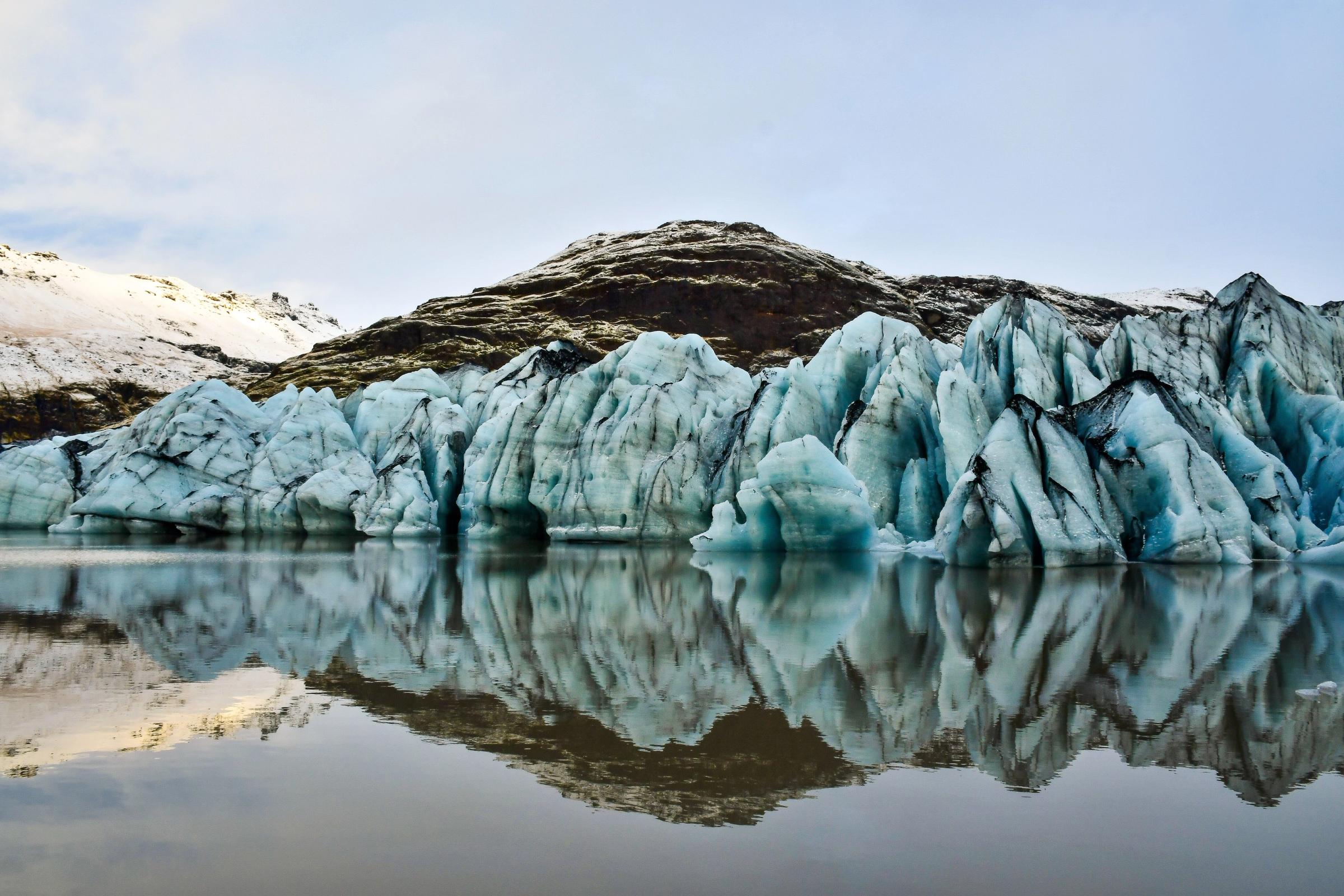
Mýrdalsjökull is the glacier that covers Katla volcano in south Iceland. It's smaller than Vatnajökull but geologically more active, and that volcanic influence shows up clearly inside the cave.
Katla Volcano
Katla is one of Iceland's most powerful volcanoes, erupting roughly every 40-80 years. The last major eruption was in 1918. The geothermal heat beneath the glacier affects how ice melts and has historically produced jökulhlaups (glacial outburst floods) that reshape the surrounding landscape.
Black Ash Layers in the Ice
The dark bands inside Katla Ice Cave are layers of tephra, which is volcanic ash and debris from past eruptions, embedded in the glacier ice over centuries. Each band is basically a record of a past Katla eruption, visible in cross-section on the cave walls.
Why Katla Looks Different From Vatnajökull
Vatnajökull caves are about clean, compressed blue ice. Katla is darker, more complex, and tells a more interesting geological story. If you want the classic blue cave photo, Vatnajökull is the answer. If you want something that feels more raw and geological, or you're visiting outside winter, Katla is the better pick.
Best Time to Visit Ice Caves in Iceland
Timing matters a lot, and the right answer depends on which cave you're going to.
Winter Ice Cave Season
Most natural glacier caves are only accessible in winter, generally from late October through March, with the best conditions running from December through February.
Why November-March Is Best
Cold temperatures reduce meltwater flow and harden the cave structure, making it safer and more photogenic. The ice looks its bluest when it's coldest and most compressed. Guide teams at Vatnajökull start scouting caves each fall, and what's on offer depends on what they find.
| Month | Conditions |
| November | Early season, variable conditions |
| December-February | Peak blue ice, most stable caves |
| March | More daylight, caves still accessible |
| April | Late season, higher melt risk |
| Summer | Natural blue ice caves mostly unavailable |
Why Summer Changes Glacier Conditions
In summer, meltwater runs freely through the glacier. Many cave systems fill with water or become structurally unstable. The Vatnajökull blue ice caves are winter-only for this reason.
Year-Round Exceptions
Katla Ice Cave near Vík remains open year-round due to volcanic activity on the local glacier. The Langjökull ice tunnel is also year-round since it's man-made. These are your two main options if you're visiting in summer.
Year-round access doesn't mean the experience is the same year-round. Summer Katla tours are a real option, but what you see is quite different from a winter visit to a Vatnajökull blue cave.
How Ice Cave Tours Work
Ice cave tours are not self-guided hikes. Getting into a glacier cave requires certified guides and proper equipment. In 2026, ice cave tours range from as little as $105 to over $200, depending on the destination, the mode of transport, and whether you combine it with other activities like glacier hiking or snowmobiling.
Guided Glacier Access
Tour operators scout caves before the season starts, check conditions daily, and decide each morning whether it's safe to run. If a cave is unstable, flooded, or too risky, the tour gets rerouted or canceled. That's completely normal and should be expected when you book.
Super Jeep Transportation
Most Vatnajökull cave tours use Super Jeeps (modified high-clearance 4x4 vehicles) to reach glacier access points across rough terrain. The drive can take 30-60 minutes each way and is genuinely part of the experience.
Glacier Hiking Combinations
Some tours combine a short glacier hike with cave access, especially around Skaftafell. These are worth considering if you want more time on the ice and a better sense of the glacier landscape overall.
Photography Tours
Photography-specific tours have smaller groups, more time inside the cave, and guides who understand what you're trying to shoot. If photos are the main goal, I'd put the extra money into one of these rather than joining a large standard tour.
Small Group vs Private Tours
Small-group tours (usually 6-12 people) offer more access and flexibility than large coach tours. Private tours cost significantly more but give you full control over timing, pace, and what you shoot.
Tour Difficulty Levels
Most beginner tours only need average fitness. You'll walk on crampons over uneven ice and may need to crouch or duck at certain points. Tours that include longer glacier hikes require better physical condition.
How far in advance should you book an ice cave tour?
For December through February, book at least 4-6 weeks ahead, especially around Christmas and New Year. For November and March, 2-3 weeks is usually fine, though earlier is always the safer bet.
Are Iceland's Ice Caves Safe?
Guided tours with certified operators are generally safe. Going without a guide is not.
Why Independent Entry Is Dangerous
Glacier ice moves constantly, sometimes up to a meter per day in summer. Caves can collapse, flood, or shift with little warning. SafeTravel, Iceland's official travel safety resource run by ICE-SAR, is clear on this: you should never go on a glacier without experience or proper equipment.
Glacier Collapse Risks
Ice ceilings and cave entrances can fail. A collapse on Breiðamerkurjökull in August 2024 killed one tourist and injured another during a guided tour, which led to stricter regulations for Vatnajökull-area operators. It's a reminder that even professionally managed glacier trips carry real risk.
Hidden Crevasses
Crevasses (deep cracks in the glacier ice) can be hidden under snow, especially near cave entrances. Guides know where it's safe to walk and where to avoid.
Rapid Weather Changes
Weather on Icelandic glaciers can turn bad much faster than in the surrounding lowlands. Wind, rain, and whiteout conditions can come in within hours, which is another reason tours get canceled or rerouted without much notice.
How Guides Assess Cave Safety
Professional glacier guides check conditions daily, sometimes more than once before a tour goes out. They look at cave stability, meltwater levels, weather forecasts, and access routes. If something changes after a tour has departed, they have procedures for safe exit and emergency response, coordinated with Icelandic Search and Rescue (ICE-SAR).
A canceled tour is actually a good sign. It means the operator is making a careful call rather than running people into a cave that isn't safe that day.
How to Get to Iceland Ice Caves
Where you're going changes how you get there, and distances in Iceland are easy to underestimate on a map.
Reykjavík to Vatnajökull
The Vatnajökull cave region near Jökulsárlón is about a 5-5.5 hour drive from Reykjavík under normal conditions. In winter, road conditions, stops, and weather can add time on top of that. If I were you, I'd stay at least one night near Höfn or Jökulsárlón rather than trying to do it as a day trip from the capital.
South Coast Driving Route
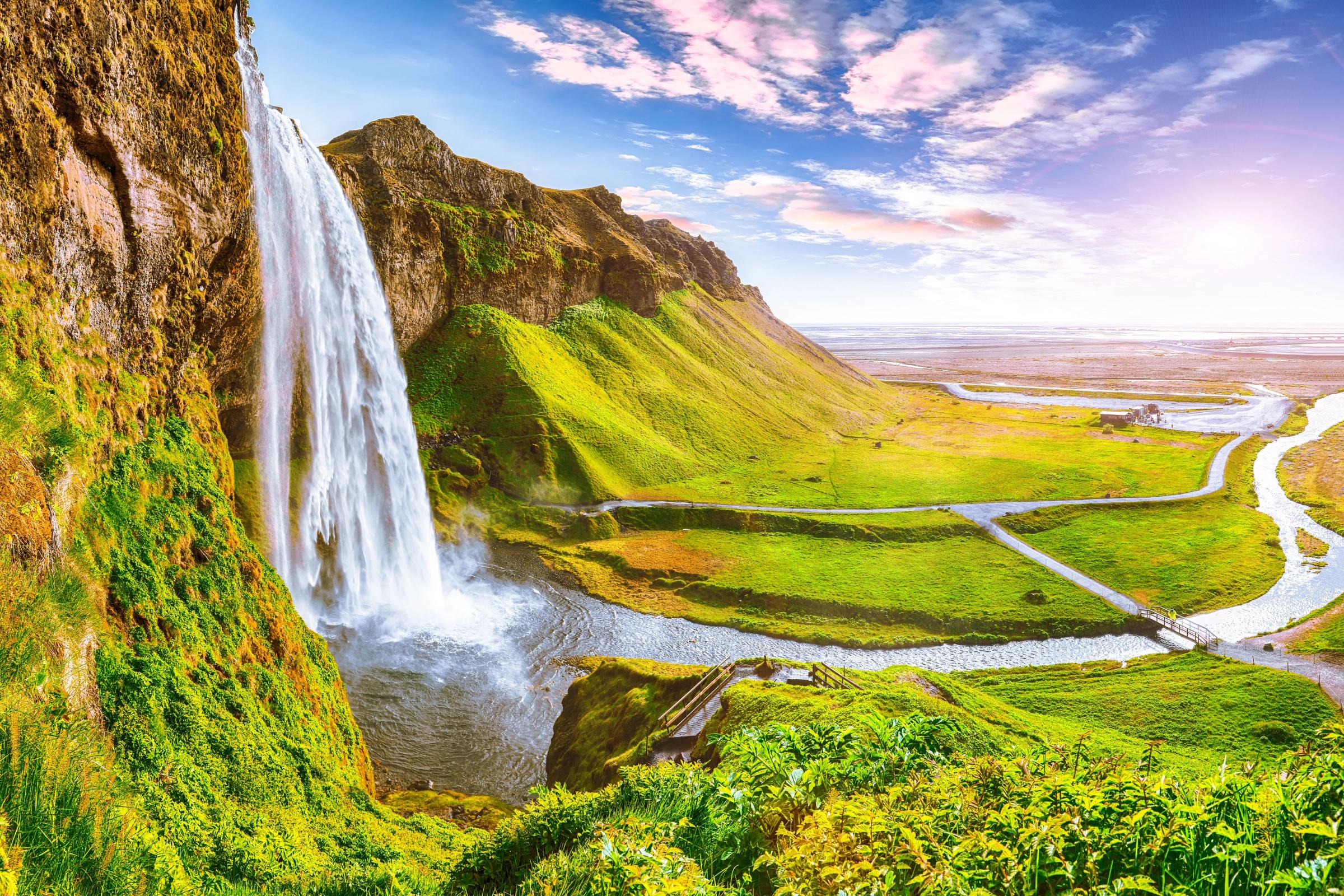
The standard route heads east along the Ring Road, passing Seljalandsfoss, Skógafoss, Vík, Kirkjubæjarklaustur, and Skaftafell before reaching the Jökulsárlón area. Most ice cave tour operators are based along this corridor.
Ring Road Access
For Katla Ice Cave, Vík is your base, about 3 hours from Reykjavík. For Langjökull, the Húsafell area is about 2 hours from Reykjavík, making it the most realistic day-trip glacier option from the capital.

Winter Driving Conditions
A 4x4 is strongly recommended for winter driving in Iceland. Road closures, icy surfaces, and low visibility are common between November and March. Check road conditions at road.is before every drive.
Tour Pickup Options
Most operators offer Reykjavík pickup for Katla tours, though that drive time counts toward the total tour duration. For Vatnajökull, pickup is usually from the Jökulsárlón area or Skaftafell, so you'll need to drive there yourself or stay nearby the night before.
What to Wear for an Ice Cave Tour
Layering is the core idea. Caves are near freezing and often dripping, and the approach outside involves real wind and cold.
Layering for Icelandic Winter
Your clothing needs to work across three different conditions: the drive, the glacier walk, and inside the cave. Outside it's cold and often windy. Inside it's cold and wet from dripping meltwater overhead.
Waterproof Clothing Essentials
A waterproof and windproof outer shell (jacket and pants) is non-negotiable. Drips from cave ceilings, wet glacier surfaces, and rain on the approach will soak through anything that isn't properly sealed.
Glacier Hiking Footwear
You need waterproof hiking boots with ankle support and stiff soles. Crampons strap onto your boots, so flexible or smooth-soled shoes won't work. Operators usually spell out minimum boot requirements when you book.
Accessories You Shouldn't Forget
Gloves, a warm hat that fits under a helmet, and a neck gaiter are all worth having. A microfiber cloth for your camera lens is a smart thing to throw in your bag too.
Here's a quick packing checklist:
- Waterproof hiking boots (crampon-compatible)
- Thermal base layer (merino wool or synthetic, no cotton)
- Fleece or insulating mid-layer
- Waterproof outer shell jacket and pants
- Wool socks (bring a spare pair)
- Thin warm hat that fits under the provided helmet
- Waterproof gloves plus liner gloves
- Neck gaiter or buff
- Sunglasses (for glacier glare outside the cave)
- Small backpack with water, snacks, and camera gear
Skip cotton entirely. It holds moisture, stops insulating when wet, and can cause real heat loss in cold conditions. Merino wool and synthetics are the right call.
Climate Change and Iceland's Ice Caves
This isn't just background information. It directly affects when you can visit, what you'll find, and how long these caves will be accessible at all.
Glacier Retreat in Iceland
The Icelandic Meteorological Office confirms that almost all of Iceland's glaciers are currently retreating. Scientists project they could largely disappear within 100-200 years if current warming trends continue. Iceland has already lost several smaller glaciers entirely.
How Warming Temperatures Affect Cave Stability
As temperatures rise, the window of stable cave conditions gets shorter. Warm spells and rain in what would normally be winter months can flood cave systems or make them too unstable to enter. Guides are canceling or rerouting tours more often as conditions become harder to predict.
Changing Ice Cave Seasons
The prime season for natural blue ice caves used to be a fairly reliable November through March. In recent years, that window has become less predictable. Some seasons start later; others get cut short by warm weather. Tour operators watch this closely and adjust as conditions change.
The Future of Icelandic Glaciers
Vatnajökull is projected to lose around 25% of its volume within the next 50 years under current climate models. That means fewer viable cave systems over time, shorter access seasons, and glacier fronts that keep shifting. The caves you can visit today won't necessarily look the same in ten years, and some won't exist at all.
Other Experiences to Combine With Ice Caves
Most ice cave tours leave time in the day for other stops, and the South Coast has plenty to see.
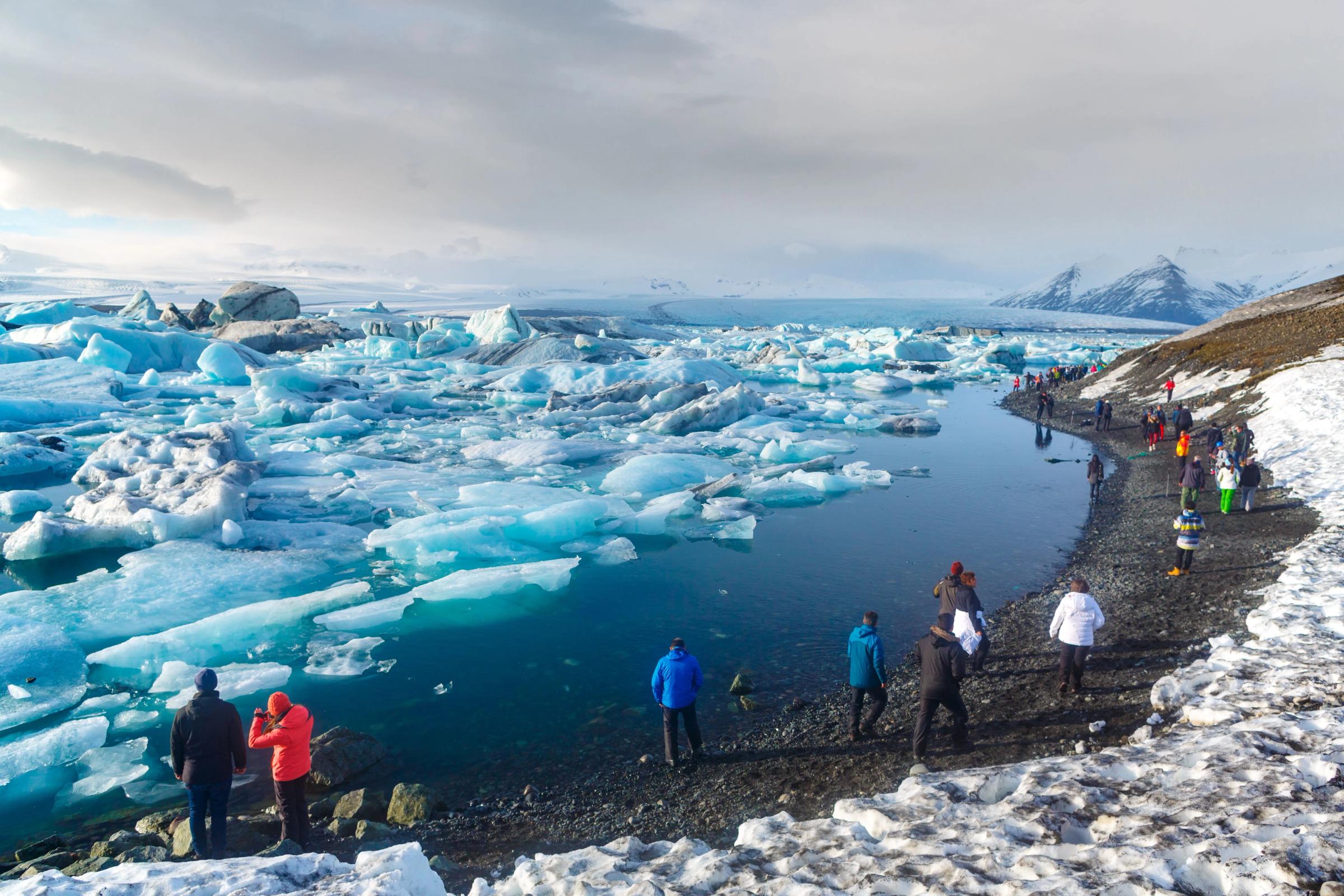
Jökulsárlón Glacier Lagoon
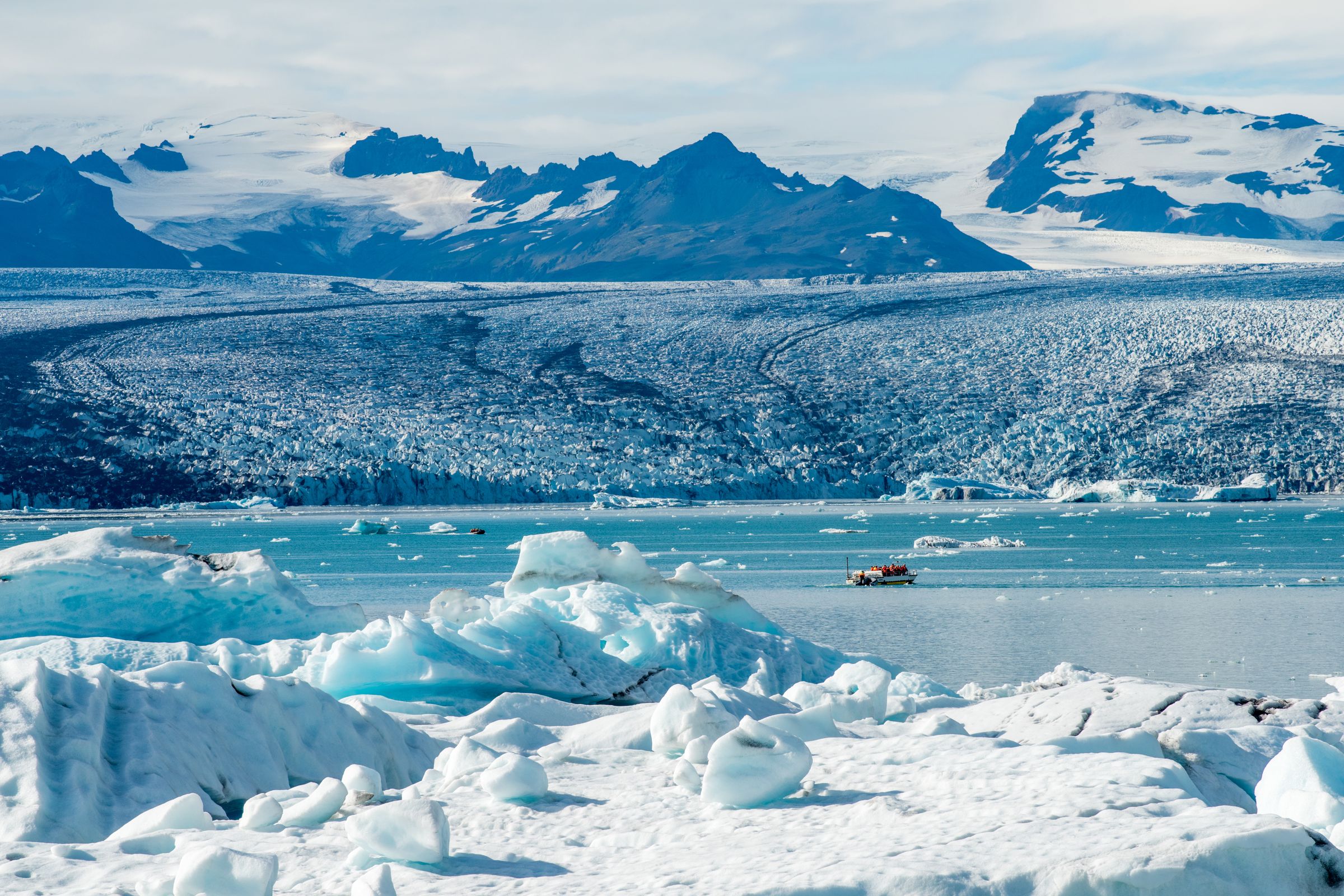
If you're doing a Vatnajökull cave tour, Jökulsárlón is right there. Walk the shoreline, watch icebergs drift past, and take the boat tour if the season allows. It fits naturally into the same day as any cave tour in the area.
Diamond Beach
Just across the road from the lagoon, Diamond Beach is worth 30-60 minutes. Clear ice chunks sitting on black sand make for some genuinely good photos.

Northern Lights Tours
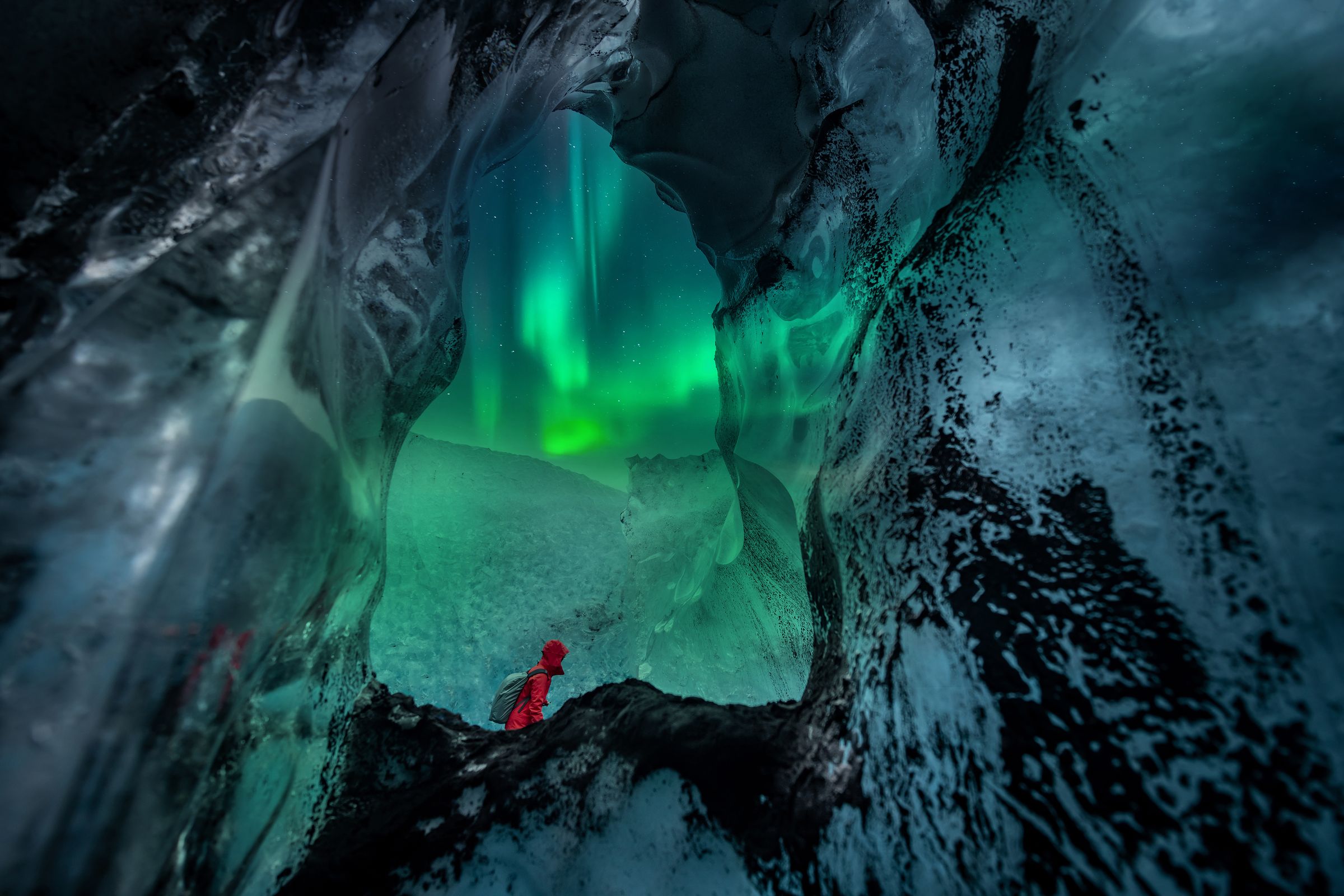
Winter ice cave season lines up almost exactly with the best Northern Lights window. Caves are daytime; auroras happen at night under clear skies. If you're staying near Jökulsárlón or Höfn for a couple of nights, there's a real chance of seeing both.
South Coast Waterfalls
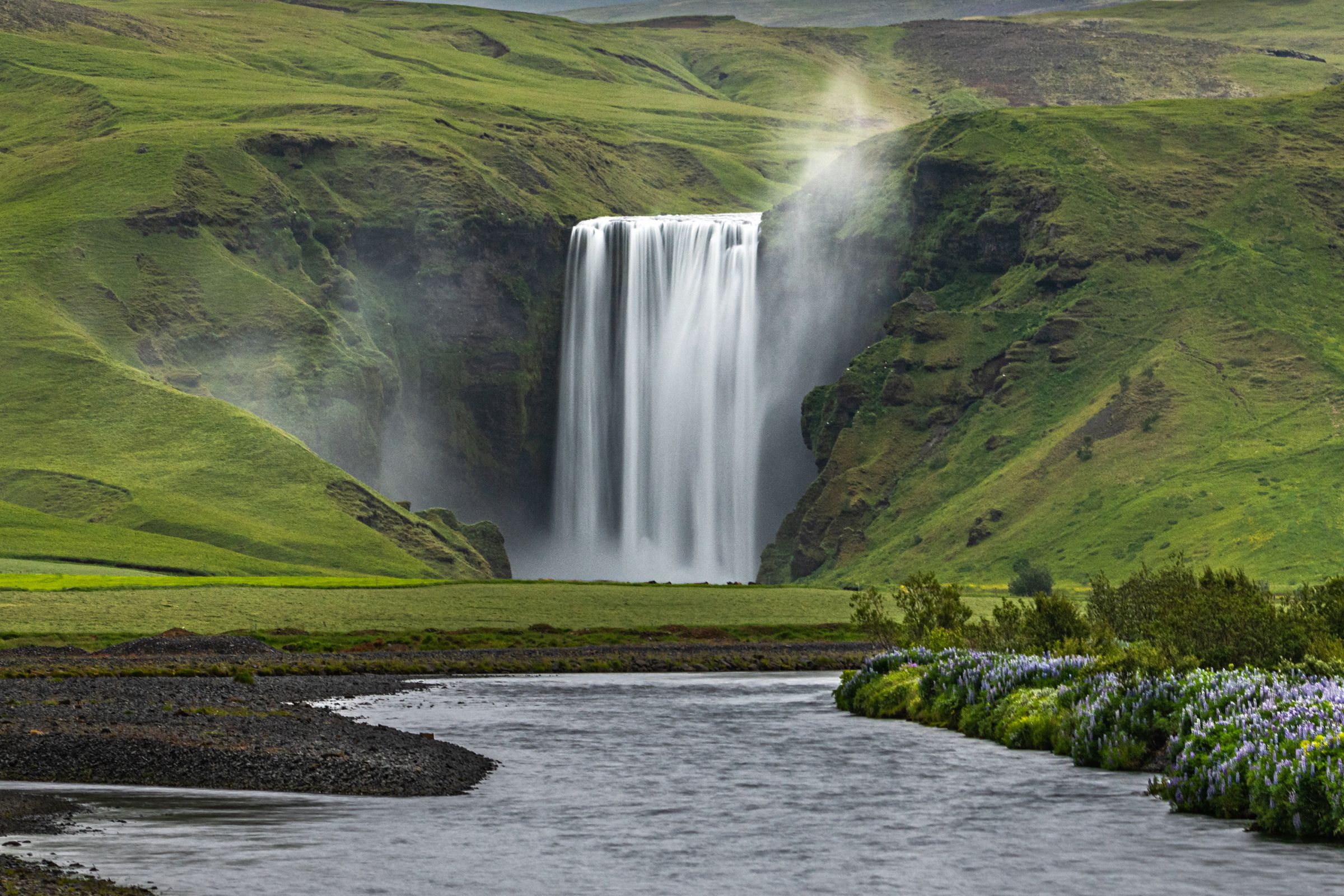
Seljalandsfoss and Skógafoss are both on the drive between Reykjavík and the ice cave regions. Seljalandsfoss is the one you can walk behind, which is worth the five minutes it takes. Build them into the itinerary rather than rushing past.
Glacier Hiking
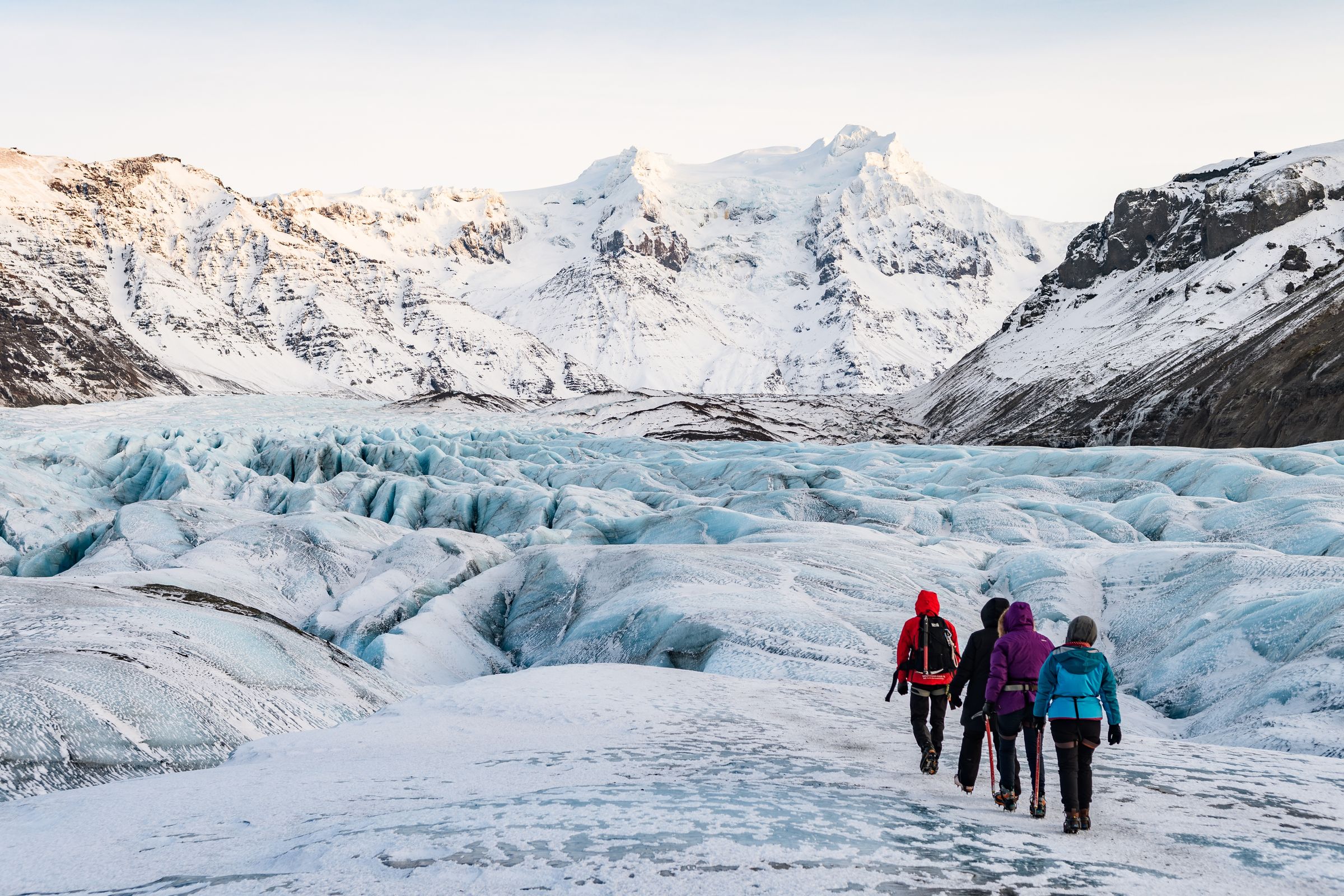
Many operators offer glacier hiking as a standalone activity or paired with a cave tour, particularly in Skaftafell. Personally, I'd try to do both on the same trip since they give you very different perspectives on the same glacier.
Black Sand Beaches
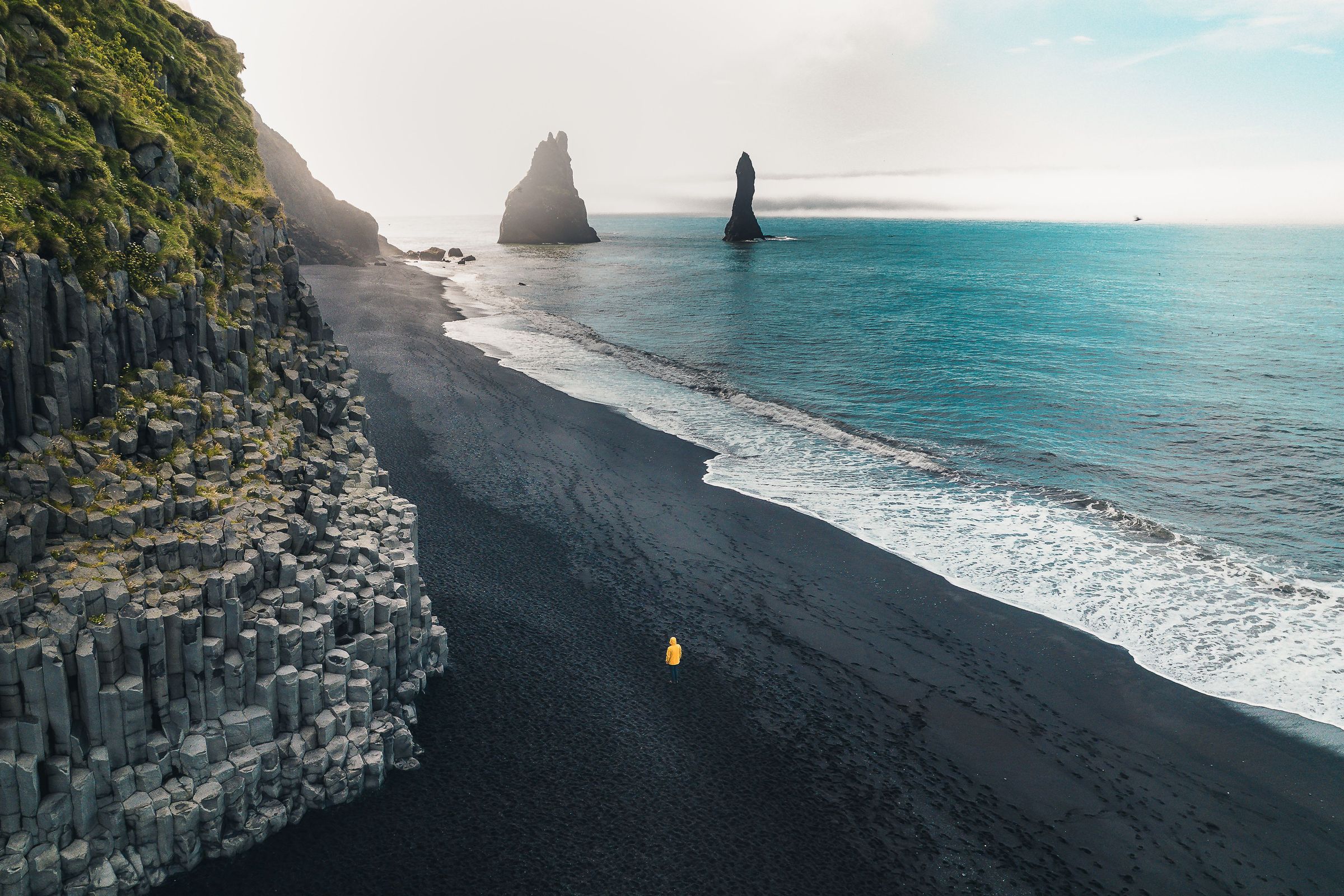
Reynisfjara near Vík is worth a stop on any South Coast drive. The basalt columns, black sand, and Atlantic views are a good contrast to the glacier landscape.
Conclusion
Iceland's glacier caves are worth it, but they're best experienced by people who know what they actually are: temporary formations inside moving glaciers, shaped by weather, meltwater, volcanic activity, and a changing climate. The cave you see won't look exactly like the photos, and that's honestly part of what makes it interesting.
Get your timing right (November through March for the best natural caves), book with certified operators, dress properly for the cold, and don't underestimate the drive. Staying a night or two near Jökulsárlón or Vík rather than attempting a round trip from Reykjavík in a single day makes the whole thing significantly better.
These caves are also changing. Warmer winters, shorter stable seasons, and retreating glaciers mean they won't be this accessible forever. That's not a reason to stress, but it is a reason not to keep putting the trip off.