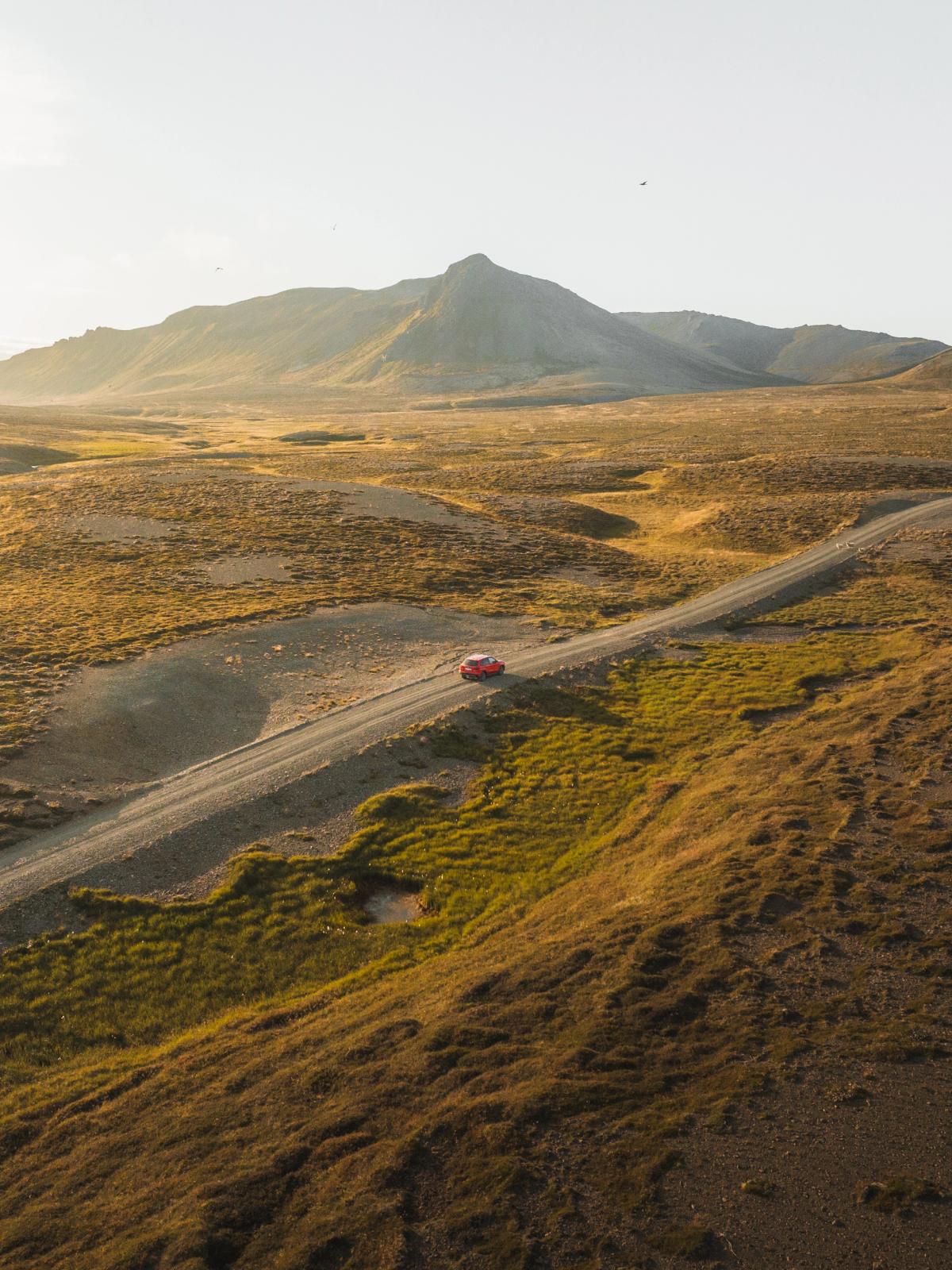
Gjáin Valley: Iceland’s Secret Canyon of Waterfalls and Lava Landscapes
Gjáin is a small gorge in Þjórsárdalur Valley, South Iceland, with waterfalls, lava formations, and a landscape that looks nothing like the surrounding terrain.
Here's everything you need to plan your visit.
What Is Gjáin Valley?
Gjáin (also written Gjain) is a small gorge in Þjórsárdalur Valley, South Iceland, near the edge of the Highlands. The name means "the cleft," and that's pretty much what it is: a narrow ravine cut into volcanic rock, with the Rauðá river running through it. That river creates a bunch of small waterfalls, clear pools, and cascades, all surrounded by moss and greenery.
It's a small place. You're not looking out over a big valley from a viewpoint. You walk in, and you're already in the middle of it.
Quick facts about Gjáin:
- Location: Þjórsárdalur Valley, South Iceland
- Access roads: Route 32, then Road 332
- Time needed: 1–2 hours on site; half-day with nearby stops
- Best for: Photographers, geology fans, travelers who like quiet, less crowded places
- Nearby: Stöng, Þjóðveldisbærinn, Háifoss, Granni, Hjálparfoss
- Cost: Free
What Makes It Worth Visiting
Gjáin isn't about one big thing. It's the combination: the Rauðá moving through rocky channels, Gjárfoss dropping into a clear pool, dark lava walls covered in moss, and smaller cascades you walk right past. Everything is close together, and it feels different from the big Iceland spots most people visit.
There's also history nearby. A short walk from the gorge are the ruins of Stöng, a medieval farm buried by Mount Hekla in 1104. Next to that is Þjóðveldisbærinn, a full-scale reconstruction of that farm based on what archaeologists found at Stöng. So the area gives you both nature and a real historical story, which is harder to find in one place than you'd think.

Why Visit Gjáin Over Other Destinations in Iceland?
Iceland has plenty of waterfalls and dramatic landscapes. So why bother with Gjáin?
It's a different kind of experience from most stops on the standard routes. Instead of one big thing to look at from a distance, you get a small, detailed landscape you can walk through slowly. Multiple small falls, rocky channels, pools, and lava formations, all packed into a compact gorge. You get more out of it the more time you spend on it.
It's Quieter
The Golden Circle is busy. Gjáin isn't. Even in summer, it stays calm, which makes a real difference. You can stop, look around, take photos, and actually enjoy being there.
Nature and History Together
Gjáin, combined with Stöng and Þjóðveldisbærinn, gives you a medieval archaeological site, a reconstructed saga-age farm, and one of Iceland's more unusual landscapes, all within a few kilometers of each other. That's a strong combination for one detour.
Who It's Best For
Gjáin is especially good for photographers, repeat visitors to Iceland, and people who prefer smaller, quieter places over big viewpoints with tour groups. If you're on your first Iceland trip with a tight schedule, the Golden Circle and South Coast probably come first. But if you have flexibility and want something off the main routes, Gjáin and Þjórsárdalur Valley are worth the drive.

Top Things to See in Gjáin
Gjáin works because of the details, not one headline feature. Here's what you'll actually find.
Rauðá River
The Rauðá is the river that runs through the gorge. The name means "Red River" in Icelandic, referring to the reddish volcanic rock it flows over in parts of its course. Inside Gjáin, the water is clear and cold, moving through rocky channels before dropping over ledges into pools. The whole gorge is built around this river.

Gjárfoss
Gjárfoss is the main waterfall in Gjáin. It drops about 15 meters into a clear plunge pool. Dark basalt walls on both sides, moss covering most of the rock. On clear days, the spray catches the light. It's not a huge waterfall, but that's kind of the point: the scale of it fits the gorge.

Smaller Cascades and Pools
Beyond Gjárfoss, the Rauðá produces a series of smaller falls and quieter cascades as it moves through. None of them is dramatic on its own, but together they make the whole gorge feel active and interesting in a way that one big waterfall couldn’t.
Lava Formations and Rock Walls
The walls of the gorge are basalt and older lava deposits. You'll see fractured rock faces, columnar basalt sections, lava cave openings, and formations that have ended up in interesting shapes. There's one rock near the gorge with a natural hole through it that's good for framing shots; easy to walk past if you're not paying attention.
Vegetation
Gjáin is a lot greener than the plateau around it. Moss covers the walls, ferns grow in sheltered spots, and wildflowers, including angelica, appear through the gorge in summer. It's a noticeable contrast to the volcanic terrain above.

How to Get to Gjáin
Gjáin is about 135 km from Reykjavík, roughly 2 to 2.5 hours depending on your route and stops. There is no public transport here, so you need a car or a guided tour.
Driving from Reykjavík
Take the Ring Road (Route 1) east toward Selfoss, then go north on Route 30, then east on Route 32 into Þjórsárdalur Valley. From there, turn onto Road 332 toward the Stöng and Gjáin area. Route 32 is paved. Road 332 is gravel, and the quality of the surface changes.
Two Parking Options
There are two places to leave the car, and the choice matters.
Option 1: Park at Stöng. This is the better option for most people. The parking area near Þjóðveldisbærinn / the Commonwealth Farm works for standard cars. A stone path leads from there to Gjáin in about 15–20 minutes, about 2.1 km round trip. Good choice if you're in a smaller rental or want to visit the historical farm on the same walk.
Option 2: South direct parking. You can continue further along Road 332 to a parking area right above the steps going down into the gorge. Shorter walk to the main features, but the road to get there is rougher. A 4x4 is strongly recommended for this stretch. Quicker access to the lava formations and lower falls.

Best Things to Do at Gjáin
There's no long list of activities here. You walk through the gorge, you look at things, and you take your time. Here's how to get the most out of it.
Walk Through Slowly
Don't rush it. Walk the paths, double back, stop near the water, look at things up close. Gjáin rewards attention. Give yourself at least 90 minutes.
Photography
Gjáin is a good photography spot, and it's not just about one angle. It works well for closer compositions: water running into pools, moss on dark rock, cascades with the gorge walls behind them. Overcast weather is actually useful here because it reduces glare on wet surfaces and keeps the greens looking strong. A phone camera is fine, given how compact the place is.
Photography tip: Drones are not allowed in the protected area. Ground-level only. Early morning and late afternoon give better light and fewer people around.
Combine with Nearby Stops
Gjáin works best as part of a Þjórsárdalur loop, not a standalone two-hour drive. The natural combinations are Gjáin with Stöng and Þjóðveldisbærinn, or adding Háifoss and Hjálparfoss if you have a full day. More details on those below.

Road Conditions, Parking, and Driving Tips
Road 332 is worth paying attention to, because it can surprise people who aren't expecting it.
It's not an F-road, but it's not smooth either. Gravel, potholes, and uneven sections are normal. After rain or in the shoulder season, the surface gets worse. Parking areas are small and can fill up on busy summer days.
Do You Need a 4x4?
It depends on conditions and which parking area you're heading to. In good summer weather, many people reach the Stöng parking in a standard car without problems. For the south direct parking and the rougher sections, a 4x4 or high-clearance vehicle is more comfortable and safer.
Check your rental agreement before driving on gravel. Many standard car rentals in Iceland exclude damage on unpaved roads. If something goes wrong on an excluded road type, you pay for it yourself.
Check Live Road Conditions
Iceland's road conditions can change within hours. Before you go, check the Icelandic Road and Coastal Administration (IRCA) at road.is / umferdin.is for live road status, and SafeTravel Iceland at safetravel.is for any warnings.
No Off-Road Driving
Off-road driving is illegal in Iceland. Stay on marked roads around Gjáin and don't pull off onto open terrain, even if it looks fine. Damage to Iceland's volcanic soil and moss takes a very long time to recover.

Best Time to Visit Gjáin
June through September is the practical window for most visitors. July and August are the most reliable for road access, full greenery, and nearby services being open.
Why Summer Works
The vegetation is what makes Gjáin look the way it does, and it's at its best in summer. The gorge is greener, the waterfalls run fuller, and the contrast with the volcanic plateau above is strongest. Long daylight hours give you flexibility on timing.
Shoulder Seasons
May and October can work, but need more planning. Road conditions are harder to predict, and some nearby facilities, including Þjóðveldisbærinn, run on a seasonal schedule.
Winter
Winter isn't a realistic option for most visitors. Road 332 can become impassable with snow and ice, and without the vegetation, the gorge loses most of what makes it interesting. Don't try a winter trip here without confirmed live road conditions and real experience driving in the Icelandic winter.
Best Time of Day
Early morning or late evening. Parking is easier, the light is softer, and there are fewer people. Because Gjáin is small, a few extra visitors can significantly change the feel of the place.

Walking and Hiking at Gjáin
Gjáin is not a hiking destination. It's a short walk with some rough terrain. Good to know before you arrive.
What the Walk Is Like
From the Stöng parking area, the path to Gjáin takes about 15–20 minutes each way on a stone-and-gravel track. Once inside the gorge, you follow natural paths along the water, cross stepping stones in places, and work your way up to viewpoints near the upper falls. At a relaxed pace, the whole thing takes 1–2 hours.
Terrain and Footwear
The ground is uneven throughout. Wet rocks near the water are slippery. Mossy ledges need careful footing. Waterproof hiking shoes or boots with real grip are a must. Sneakers will get wet, making the terrain harder to navigate.
Accessibility
Gjáin doesn't have paved or wheelchair-accessible paths. Visitors with limited mobility can access some parts of the area, but the gorge paths are natural terrain throughout.
Nearby Attractions to Combine with Gjáin
Gjáin pairs really well with other sites in Þjórsárdalur Valley. Don't make the drive just for the gorge. Build it into a longer loop.
Stöng and Þjóðveldisbærinn (The Commonwealth Farm)
This is the most important pairing. Stöng is the site of excavated medieval farm remains in Þjórsárdalur, buried when Mount Hekla erupted in 1104. Þjóðveldisbærinn, the Commonwealth Farm, is a full-scale reconstruction of that farm based on the excavation.
Visiting both adds real context to the day. You're in a valley where people lived and farmed for centuries, and then a volcano buried it all. The farm is open seasonally.

Háifoss and Granni
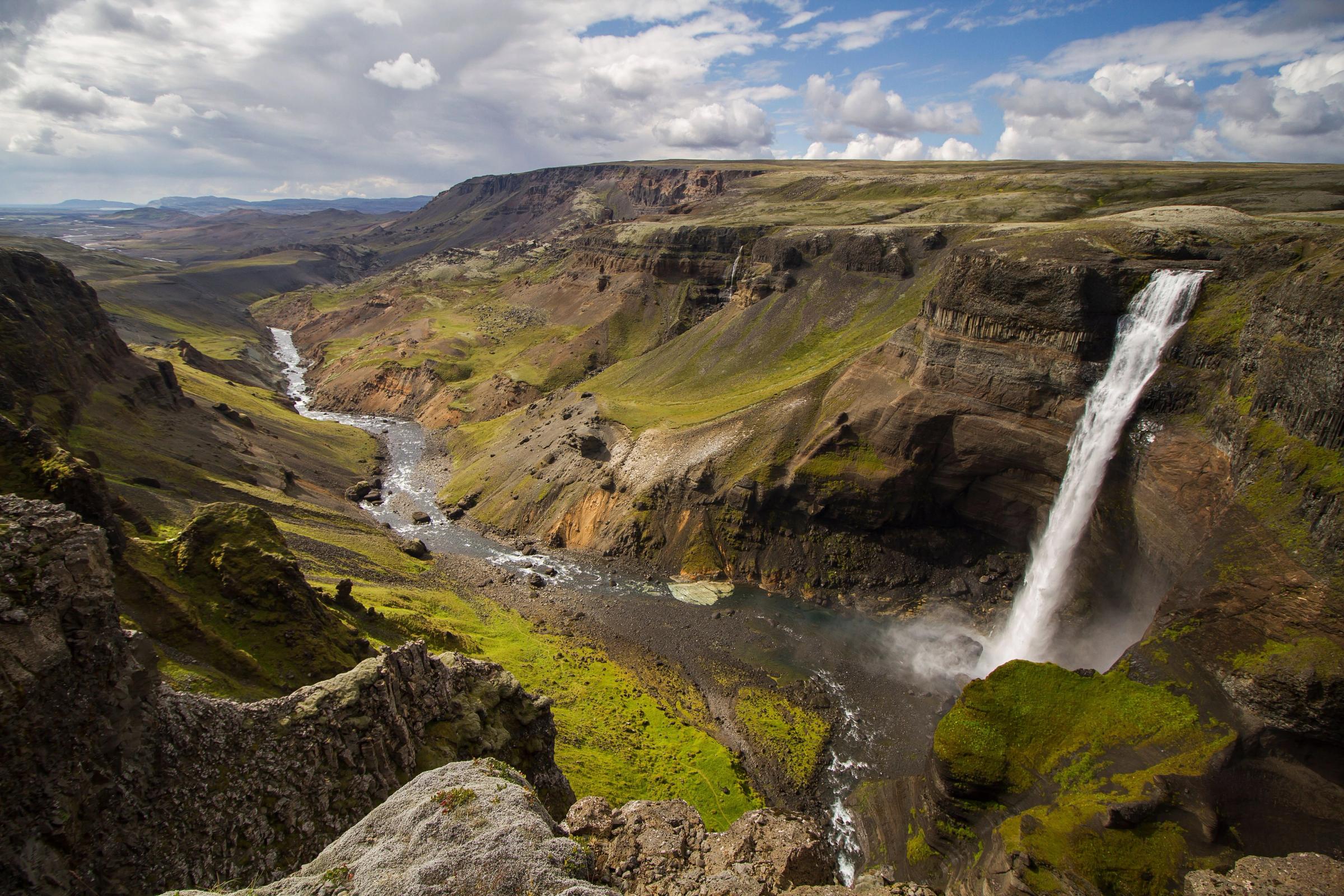
Háifoss is one of Iceland's highest waterfalls at 122 meters and one of the main attractions in Þjórsárdalur. If Gjáin is small and detailed, Háifoss is the opposite: tall, dramatic, all about scale. Together they make a complete day. Granni is the companion waterfall at the same viewpoint and is usually seen on the same stop.
Road access to Háifoss can be rough. Check road.is before heading there.
Hjálparfoss
Hjálparfoss is a two-stepped waterfall near where the Fossá meets the Þjórsá river. It's easy to reach and works well as a first stop on a Þjórsárdalur day before heading inland to Gjáin and Stöng. The name means roughly "help waterfall." Historically, the vegetation around it gave horses and travelers somewhere to rest and graze after crossing the barren interior.

Suggested Day Itinerary
A good one-day loop from Reykjavík: Hjálparfoss → Þjóðveldisbærinn / Stöng → Gjáin → Háifoss and Granni if the road and weather hold up. That gets you waterfalls, history, geology, and a solid cross-section of what Þjórsárdalur has to offer.
Travel Tips
Practical things that'll make your visit easier.
- Wear waterproof footwear. The ground near the water is wet, mossy, and slippery. Don't skip this.
- Bring layers. Inland South Iceland, near the edge of the Highlands, gets windier and colder than the coast, and the weather can shift quickly.
- No services at Gjáin. No café, no toilets, no shop. Bring water, food, and something to carry your trash in. Stock up in Selfoss or another town before heading inland.
- Go early or late. Parking fills up, and the site is small. Fewer people means a better experience and cleaner photos.
- Stay on the paths. The vegetation here is fragile and slow to grow back. Keep to marked paths and obvious walking lines.
- Check conditions the morning you go. Road status can change overnight after rain. Road.is is the best source.
- Combine your stops. Gjáin alone is a short visit. A Þjórsárdalur half-day or full-day circuit makes the drive worth it.
Safety Tips
Iceland is generally a safe place to travel, but conditions inland can change fast, and that catches people off guard. A few things to keep in mind:
- Check road conditions before you leave. Use the Icelandic Road and Coastal Administration (IRCA) at road.is / umferdin.is. Road 332 and the Háifoss access road can change quickly.
- Check the weather. Use vedur.is or safetravel.is. Temperature drops, wind, and rain can happen in summer without much warning in this part of Iceland.
- Stay away from water edges. Wet volcanic rock near the falls and pools is slippery. There are no barriers or railings in most of the gorge.
- Drive carefully on gravel. Road 332 is uneven and loose in places. It's not a paved road.
- No off-road driving. It's illegal in Iceland, and the terrain around Gjáin is fragile.
- Emergency number in Iceland: 112.
Geology in Simple Terms
You don't need any geology background to enjoy Gjáin, but knowing a bit of the backstory makes the landscape make more sense.
Lava Terrain Carved by a River
Gjáin sits in Þjórsárdalur, a valley shaped by thousands of years of volcanic activity, mostly from Mount Hekla and the other volcanic systems in the South Iceland Highlands. The region's dark, rough terrain, including the Þjórsárhraun lava field, is the result of all that volcanic history.
The gorge itself was carved by the Rauðá, which slowly cut through the volcanic rock over time. What you're walking through is the result of water working down through basalt and older lava layers, forming the channels, pools, and waterfalls that are there now.
It's also worth knowing that the Þjórsá river once ran through the broader area before being redirected by a natural dike between Sandafell and Skeljafell. That's part of why the landscape around Gjáin looks a bit disconnected from the current river course: the terrain still shows where water used to flow.
Why There's So Much Greenery
The gorge is sheltered. The walls on either side block the wind, the Rauðá keeps the area wet, and the shape of the terrain holds moisture in a way the open plateau above it can't. That's what allows vegetation to grow here when everything around it looks barren. It's simple geography, just an unusual setting for it.
What Hekla Did to the Valley
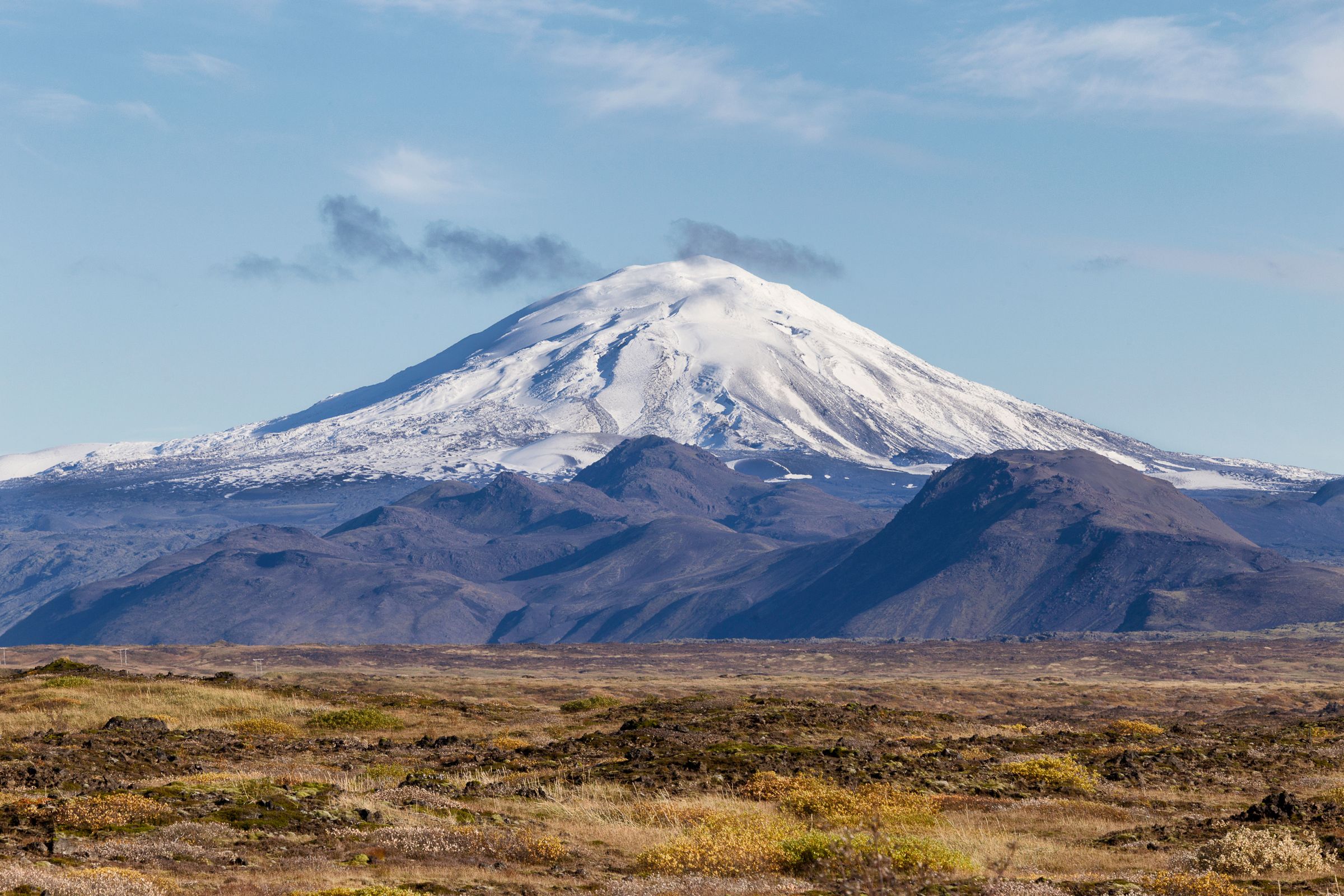
In 1104, Mount Hekla erupted and covered Þjórsárdalur in ash and volcanic debris. It destroyed farms across the valley, including Stöng, and forced everyone living there to leave. That disaster is also why Stöng was preserved well enough for archaeologists to excavate it later. The gorge you're walking through is in a valley with a history like that.
Conclusion
Gjáin is a solid detour in South Iceland, and it's best when you treat Þjórsárdalur Valley as the destination rather than just the gorge. Pair it with Stöng and Þjóðveldisbærinn for the historical side of the valley, add Háifoss for scale, and you've got a full day in one of Iceland's most underrated inland areas.
Frequently Asked Questions About Gjáin