Iceland Daylight Hours: What To Expect Each Season
Iceland has some of the most extreme changes in daylight on the planet. Depending on when you visit, you could be hiking at midnight under a bright sky or watching the sun set at 3:30 p.m.
This guide breaks down exactly how many hours of daylight Iceland gets each month, why it happens, and what it means for your trip.
Key Takeaways
- Iceland goes from barely 4–5 hours of daylight in December to more than 20–21 hours in June, with even more extreme contrasts in the north of the country.
- The midnight sun season runs from late May to July: in June it barely gets dark in Reykjavík, and places like Grímsey experience a full 24 hours of daylight.
- Mainland Iceland does not experience true polar night in winter, but days are still very short, with the most useful daylight usually concentrated between 11:00 a.m. and 3:00 p.m.
- September is often the best-balanced month for a first trip: long enough days, fewer tourists, and real chances of seeing the Northern Lights.
- Northern Lights require darkness, which is why June and July are practically ruled out, while the best aurora season runs from September to April.
- On August 12, 2026, Iceland will experience a total solar eclipse visible from Reykjavík, Snæfellsnes, and the Westfjords, something that will not happen again until 2196.
How Many Hours of Daylight Does Iceland Get?
Somewhere between 4 and 21 hours, depending on the time of year. That's a bigger swing than almost anywhere most travelers will ever visit.
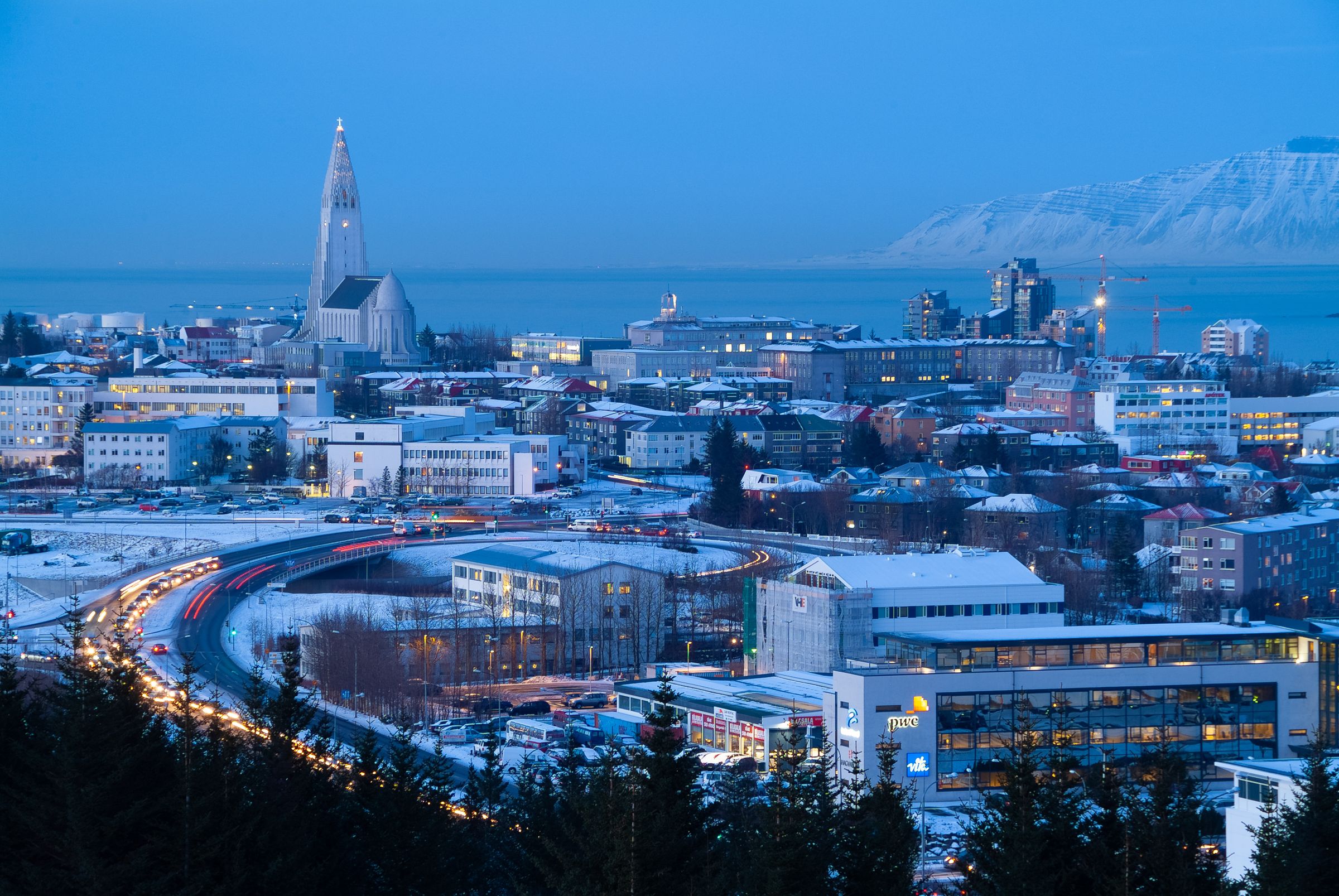
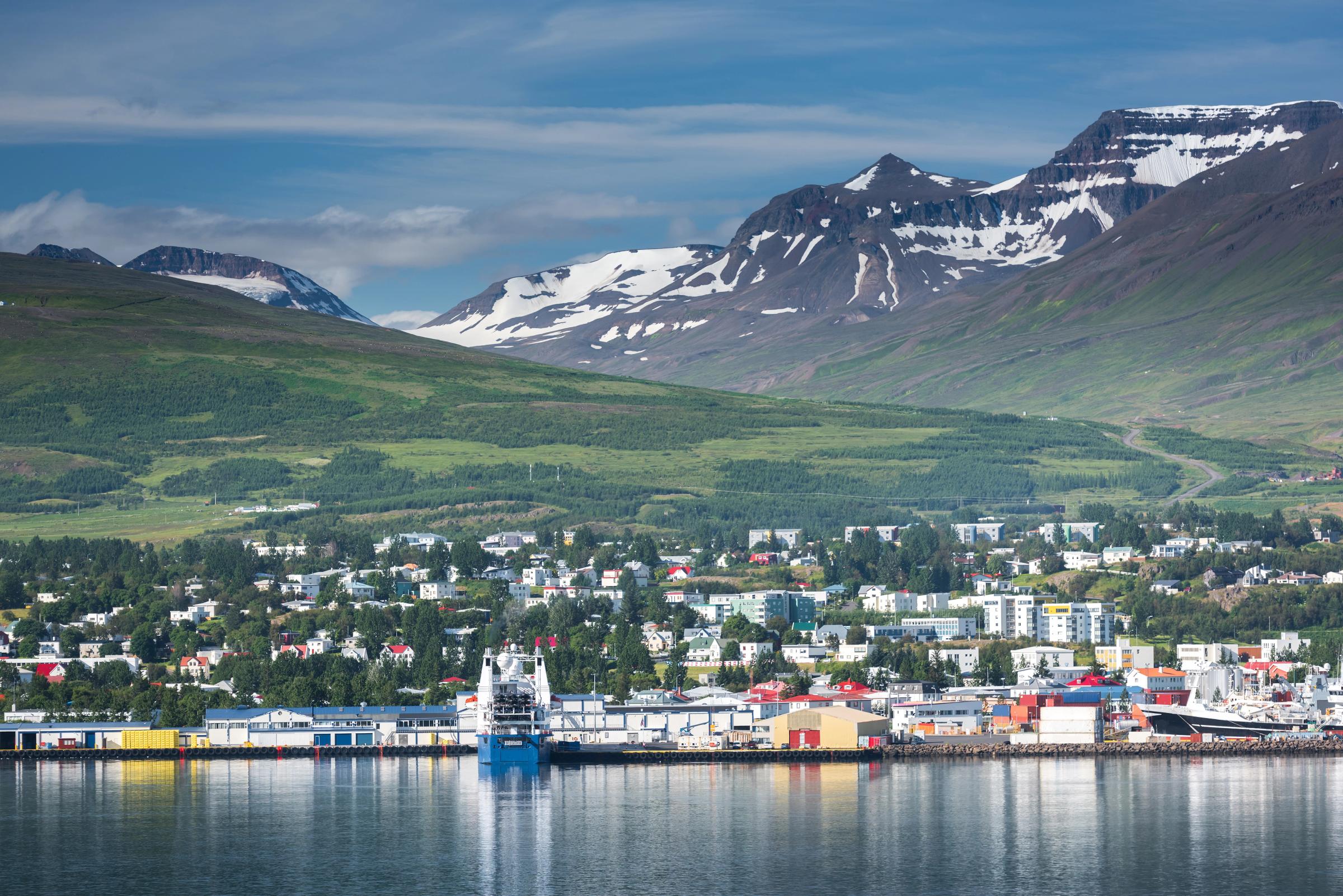
In Reykjavík, daylight is around 4–5 hours near the December solstice and about 21 hours around the June solstice. Go farther north to Akureyri, and it gets even more extreme: roughly 23.5 hours in June versus just over 3 hours in December.
One practical thing to know: Iceland stays on GMT/UTC+0 all year. It doesn't use daylight saving time, so there are no clock-shift surprises when you're planning around sunrise and sunset.
Iceland Daylight Hours by Month
Here's a month-by-month breakdown for Reykjavík. These are approximate ranges since daylight shifts a little every day, especially in spring and fall.
| Months | Approx. Daylight | Sunrise | Sunset | What It Feels Like |
| January | 4.5–7 h | ~11:20 → 10:10 | ~15:45 → 17:10 | Short, dark days; good aurora conditions |
| February | 7–10 h | ~10:10 → 08:45 | ~17:10 → 18:45 | Noticeably brighter, still winter |
| March | 10–13 h | ~08:45 → 06:45 | ~18:45 → 20:15 | Light building fast near the equinox |
| April | 13–16.5 h | ~06:45 → 05:00 | ~20:15 → 21:50 | Long evenings are back |
| May | 16.5–20 h | ~05:00 → 03:30 | ~21:50 → 23:20 | Very bright nights begin |
| June | 20–21+ h | ~03:30 → 02:55 | ~23:20 → 00:05* | Midnight Sun season; sky barely darkens |
| July | 18–21 h | ~03:00 → 04:45 | ~00:05 → 22:50 | Long days, almost no real darkness |
| August | 14.5–18 h | ~04:45 → 06:15 | ~22:50 → 20:45 | Brightness fading; nights slowly return |
| September | 11.5–14.5 h | ~06:15 → 07:50 | ~20:45 → 19:00 | Good mix of light and darkness |
| October | 8–11.5 h | ~07:50 → 09:30 | ~19:00 → 17:15 | Autumn light, longer nights |
| November | 5–8 h | ~09:30 → 10:45 | ~17:15 → 15:50 | Winter feel is back |
| December | 4–5 h | ~10:45 → 11:20 | ~15:50 → 15:30 | Shortest days of the year |
One thing to keep in mind: early March and late March feel completely different from each other, and the same goes for early and late October. Daylight near the equinoxes changes fast, sometimes several minutes per day, so monthly averages only tell part of the story.
Why Iceland Has Extreme Daylight Changes
It comes down to two things: where Iceland is on the map, and how Earth moves around the Sun.
Earth's Axial Tilt
Earth isn't perfectly upright on its axis. It's tilted about 23.5 degrees. In summer, the Northern Hemisphere leans toward the Sun, so high-latitude places like Iceland get a lot of daylight. In winter, it leans away, and those same places get very little. This has nothing to do with Iceland being closer to or farther from the Sun. It's purely about the angle.
Iceland's Position Near the Arctic Circle
Iceland sits between roughly 63°N and 66.5°N, right near the Arctic Circle at 66.56°N. At that latitude, the Sun's path across the sky looks completely different depending on the season.
In summer, the Sun follows a long, shallow arc. It rises early, sets very late, and in northern areas barely dips below the horizon at all. In winter, it follows a short, low arc, rises late, and never gets high in the sky. That low solar elevation angle is why Iceland's winter light often looks so soft, sometimes golden or bluish, even at midday.
Daylight also changes fastest near the spring and autumn equinoxes, and slows down near the June and December solstices.
Reykjavík vs Northern Iceland Daylight
Daylight isn't the same everywhere in Iceland. The farther north you go, the more extreme the seasonal swings get, and that's worth knowing when you plan your route.
| Location | Peak Summer Daylight | Midwinter Daylight |
| Reykjavík (~64°N) | ~21 h at solstice | ~4–5 h |
| Akureyri (~65.7°N) | ~23 h 30 min | ~3 h 3 min |
| Ísafjörður / Westfjords (~66.1°N) | Sun can stay up around solstice | Very short; fjord shadows make it worse |
| Grímsey (66.56°N) | True 24-h sun around solstice | Brief true polar night |
Akureyri's swing between its longest and shortest days is about 20.5 hours, which is a lot.
Reykjavík is still the best reference for most travelers since it's where most trips start. But if you're heading north in June, expect noticeably more light than in the capital. Heading north in December means the opposite, so I'd factor that into your itinerary if you're planning a winter road trip.
Midnight Sun in Iceland
The Midnight Sun is the summer phenomenon where the Sun stays visible at or near midnight. Technically, true 24-hour daylight only happens inside the Arctic Circle. Most of mainland Iceland is just south of it, but the effect is still very real.
What It Actually Looks Like
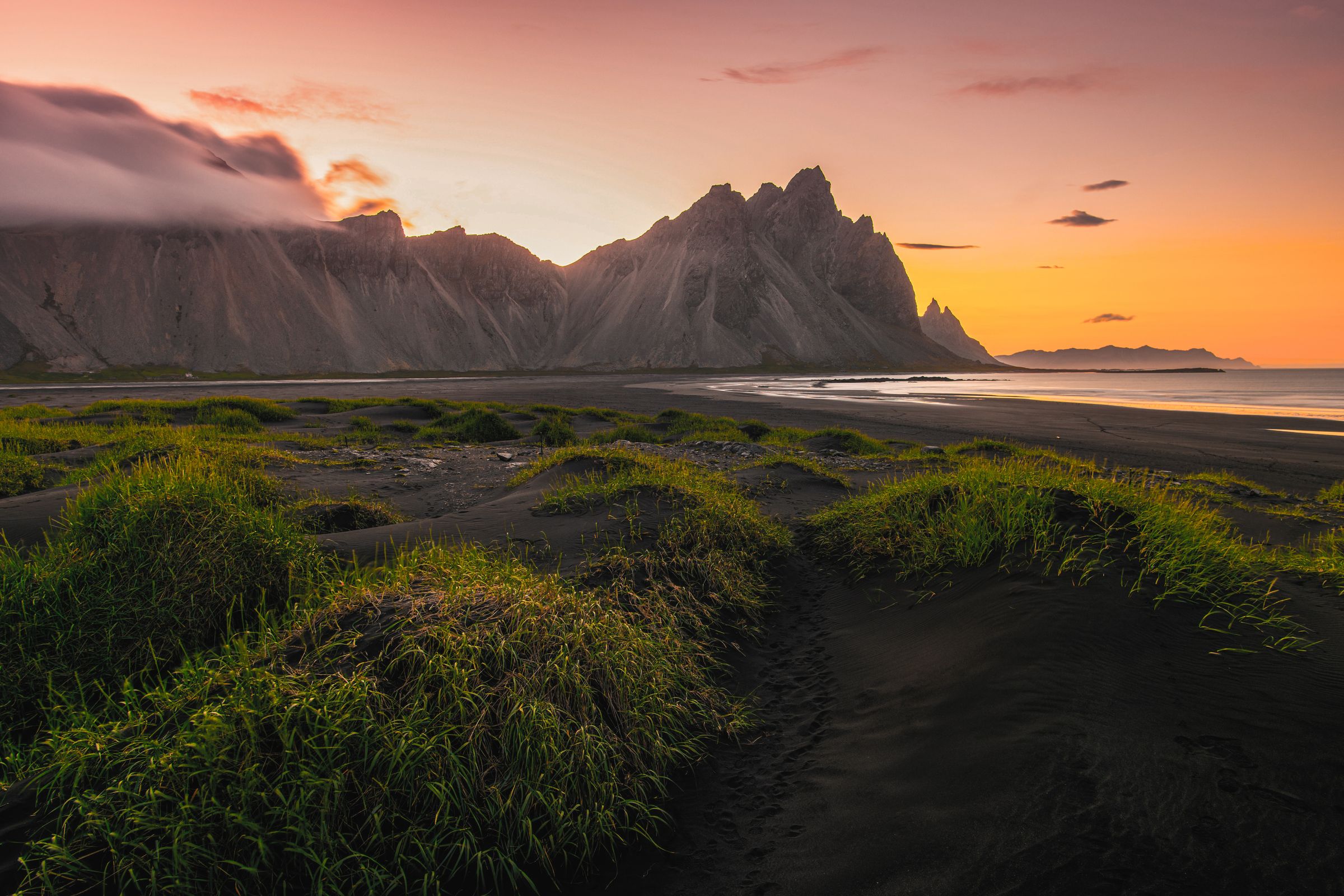
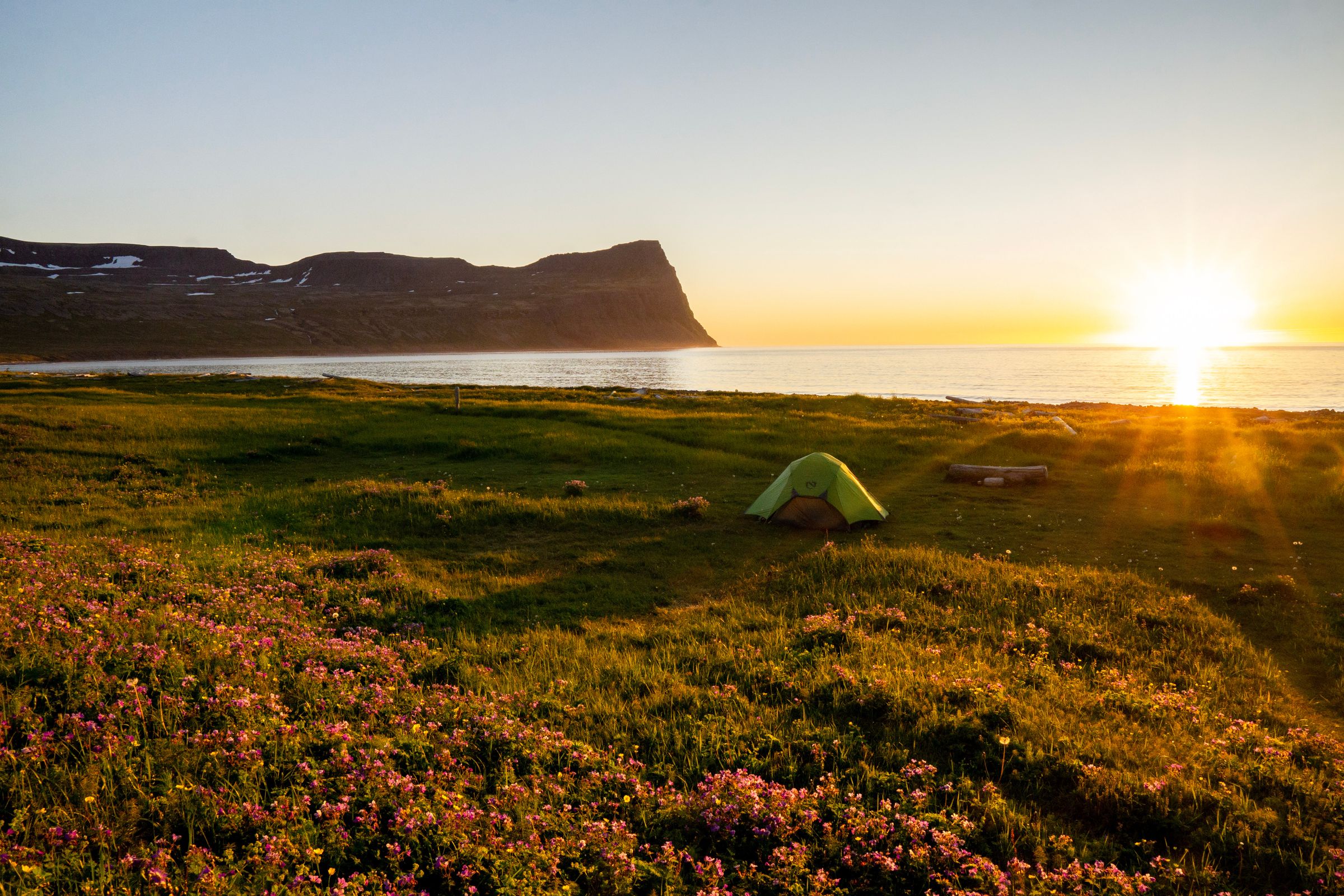
In Reykjavík, the Sun does set in June, but it goes down so briefly and at such a shallow angle that the sky often never fully darkens. Civil twilight fills the gap and keeps things bright enough to take photos, read outside, or drive without headlights. Farther north, the gap between sunset and sunrise gets even smaller.
When and Where to See It
The Midnight Sun season runs from late May through July, with the peak around the June summer solstice on June 20–22. If you want the real Arctic Circle experience, Grímsey Island is the place. The Arctic Circle crosses the island directly, and there's a landmark there called Orbis et Globus that marks the exact line. It gets moved periodically because the Arctic Circle slowly shifts over time.
If you're planning a trip around the Midnight Sun, I'd spend at least a couple of nights in northern Iceland so you can really see what it looks like. Reykjavík is great, but the further north you go, the more dramatic the effect.
What You Can Do With All That Light
- Hike after dinner without a headlamp
- Drive the Ring Road without running out of daylight
- Photograph waterfalls and glaciers at 11 p.m. with no crowds around
- Go whale watching or birdwatching in extended natural light
- Sightsee without any real time pressure
The downside of the Midnight Sun is that it messes with your sleep. Bring an eye mask and book accommodation with blackout curtains. Your body won't naturally feel tired when the sky outside looks like 2 p.m. at midnight.
Winter Darkness in Iceland
Iceland in winter isn't as dark as people often think. Around the December winter solstice, Reykjavík gets about four hours of actual daylight. Northern areas like Akureyri get closer to three. But the day doesn't go straight from dark to dark with nothing in between.
What a Winter Day Actually Looks Like
A typical late December day in Reykjavík goes something like this: dark past 10 a.m., a window of low soft light from late morning to mid-afternoon, then dark again by around 3:30–4 p.m. Long twilight periods stretch out on either side of that window, so it's not pitch black all day.
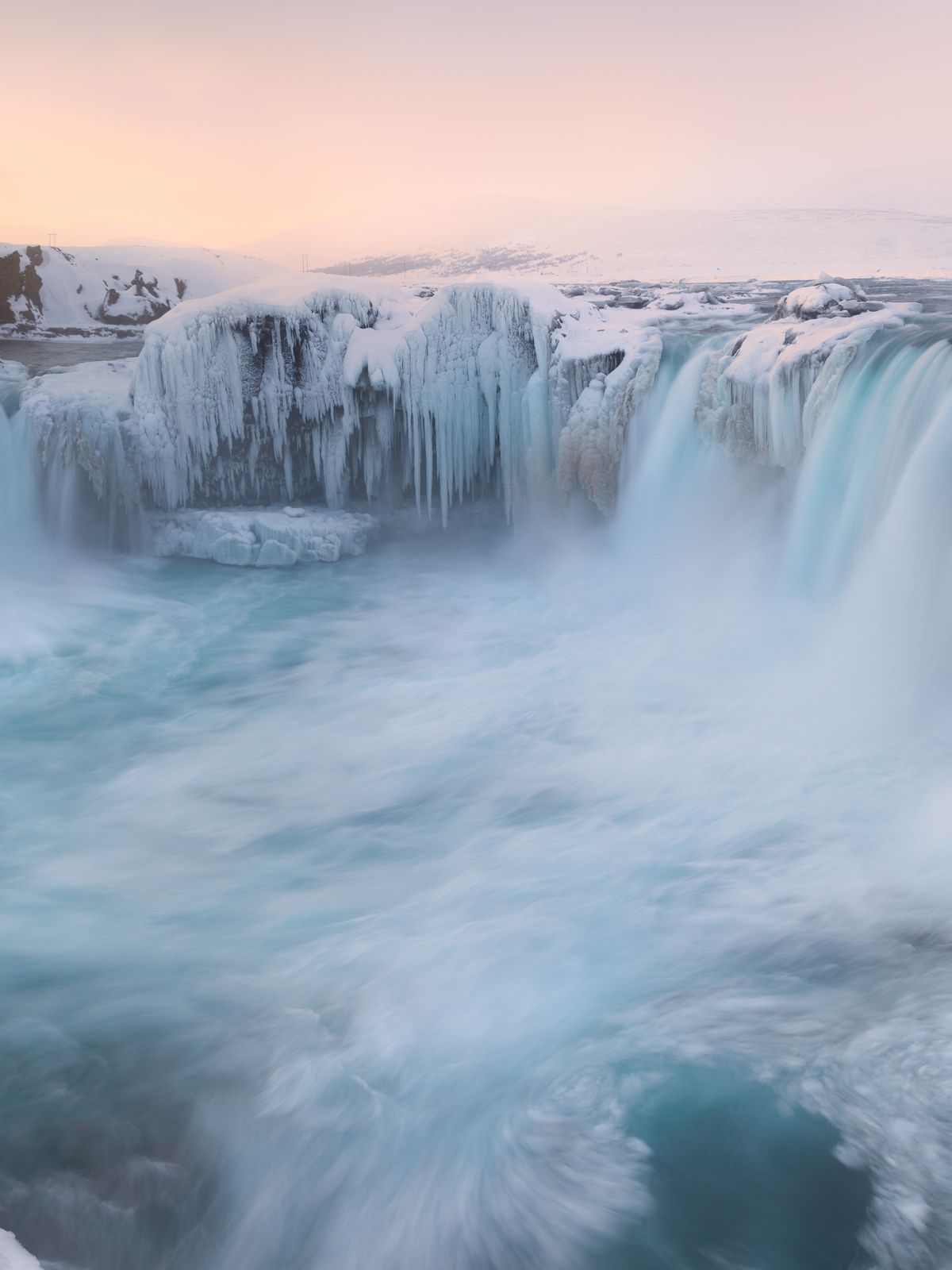
That low sun angle also creates some genuinely nice light. Snow, ice, black sand beaches, and glaciers can look really good in it.
Planning Around Short Days
You can't pack as much into a winter day as you can in summer, so it's worth being realistic about that. If I were visiting Iceland in December, I'd stick to one main outdoor destination per day and keep driving distances short. Check road conditions before leaving each morning, focus your outdoor time between 11 a.m. and 3 p.m., and save museums, hot springs, and restaurants for the dark hours.

Does Iceland Have Polar Nights?
Mainland Iceland doesn't have true polar night. Polar night means the Sun doesn't rise for at least 24 consecutive hours, which only happens inside the polar circles. Because most of Iceland sits just south of the Arctic Circle, the Sun still rises every day, even in December.
The One Exception: Grímsey Island
Grímsey, a small island north of the Icelandic mainland, sits on the Arctic Circle. Around December 21, the Sun technically doesn't rise there. The reverse happens around June 21, when it doesn't set. For everywhere else in Iceland, the simplest way to put it is: very short winter days, but not the prolonged polar night you'd get in Svalbard or northern Greenland.
In some fjord valleys, surrounding mountains can block the already-low winter sun entirely for weeks, which creates a local polar-night effect on the mainland. Parts of the Westfjords experience this.
Solar Eclipse in Iceland: August 12, 2026
On August 12, 2026, Iceland's daylight story will take an unusual turn. In the middle of what should be a bright summer afternoon, the Moon will completely block the Sun for up to 2 minutes and 18 seconds, dropping daylight to near-zero in a matter of minutes. The last time this happened in Iceland was 1954. The next time will be 2196.
The path of totality crosses western Iceland, covering the Westfjords, Snæfellsnes Peninsula, Reykjavík, and the Reykjanes Peninsula. Totality hits around 17:43–17:50 GMT, right in the middle of the afternoon. Outside the totality path, you'll only see a partial eclipse.
Cloud cover is the main risk since August weather in Iceland is unpredictable. If I were planning this trip, I'd stay flexible and be ready to drive toward clearer skies on the day.
This is also one of the few times you'll need eclipse glasses in Iceland during the summer. Never look directly at the Sun during the partial phases without ISO-certified protection.
Best Time to Visit Iceland Based on Daylight
The right time to visit depends on what you want from the trip. There's no single best answer, but there's usually a wrong one if your timing doesn't match your priorities.
Summer (June–July): Maximum Daylight
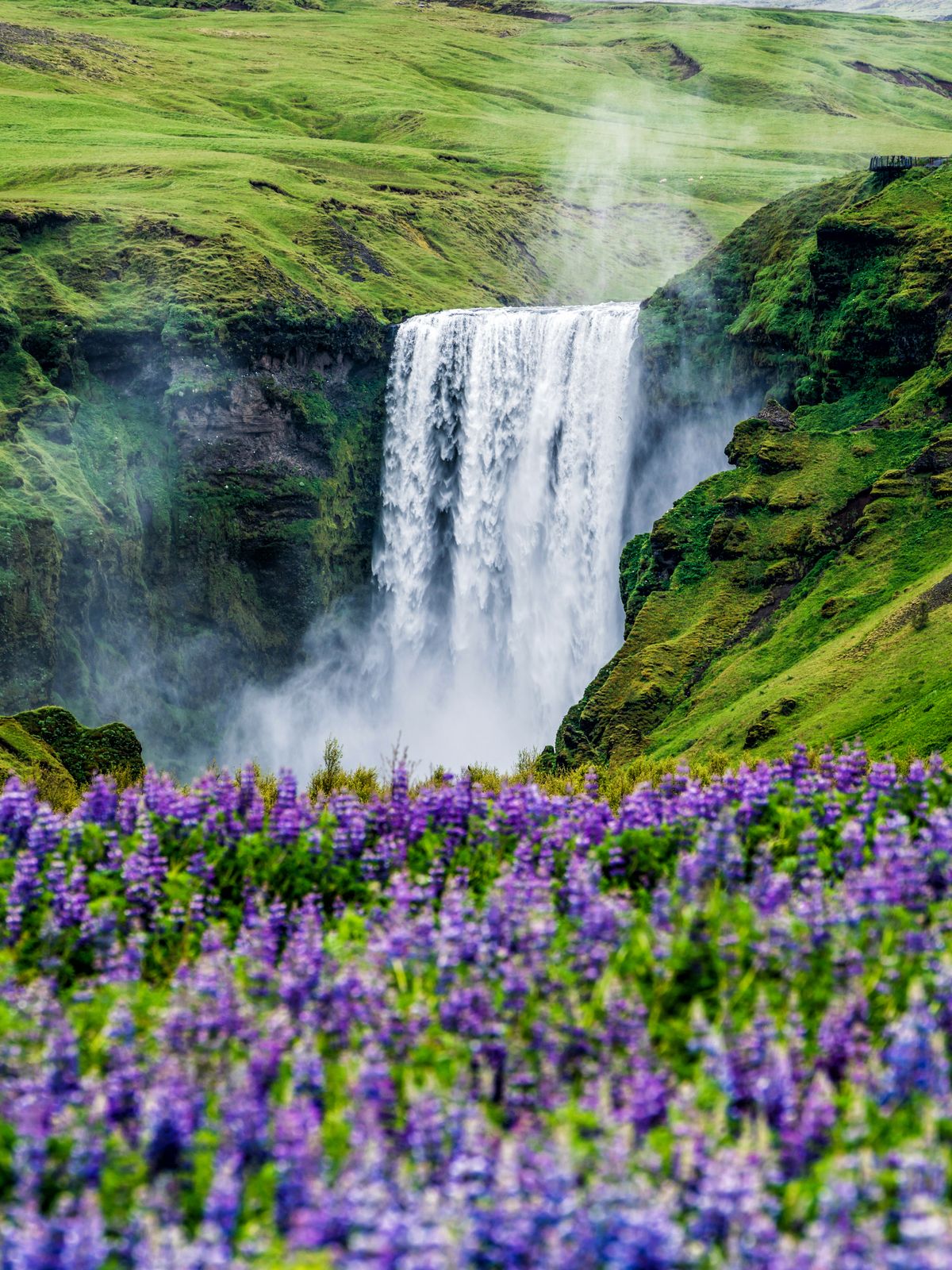
June and July are the obvious pick for maximum daylight, road trips, hiking, and the Midnight Sun. The highland roads open up in summer, and you can realistically fit 18+ hours of outdoor activity into a single day.
The trade-offs are real: higher prices, more crowds, and almost no chance of seeing the Northern Lights.
Shoulder Seasons (May, August, September): Best Balance
These months don't get enough credit. May gives you long days before peak crowd season. August still has solid light but with darkness starting to return. September is genuinely one of the better months overall: decent daylight, possible Northern Lights, some autumn colors in spots, and fewer people than July.
If someone asked me to pick one month for a first trip, I'd say September without hesitating.
Winter (November–March): Northern Lights and Atmosphere
Short days mean you need to plan more carefully, but winter has things summer doesn't: snow, ice cave tours that are only available in the colder months, that distinctive blue-hour light, and long dark nights for aurora hunting.
Northern Lights and Daylight Hours
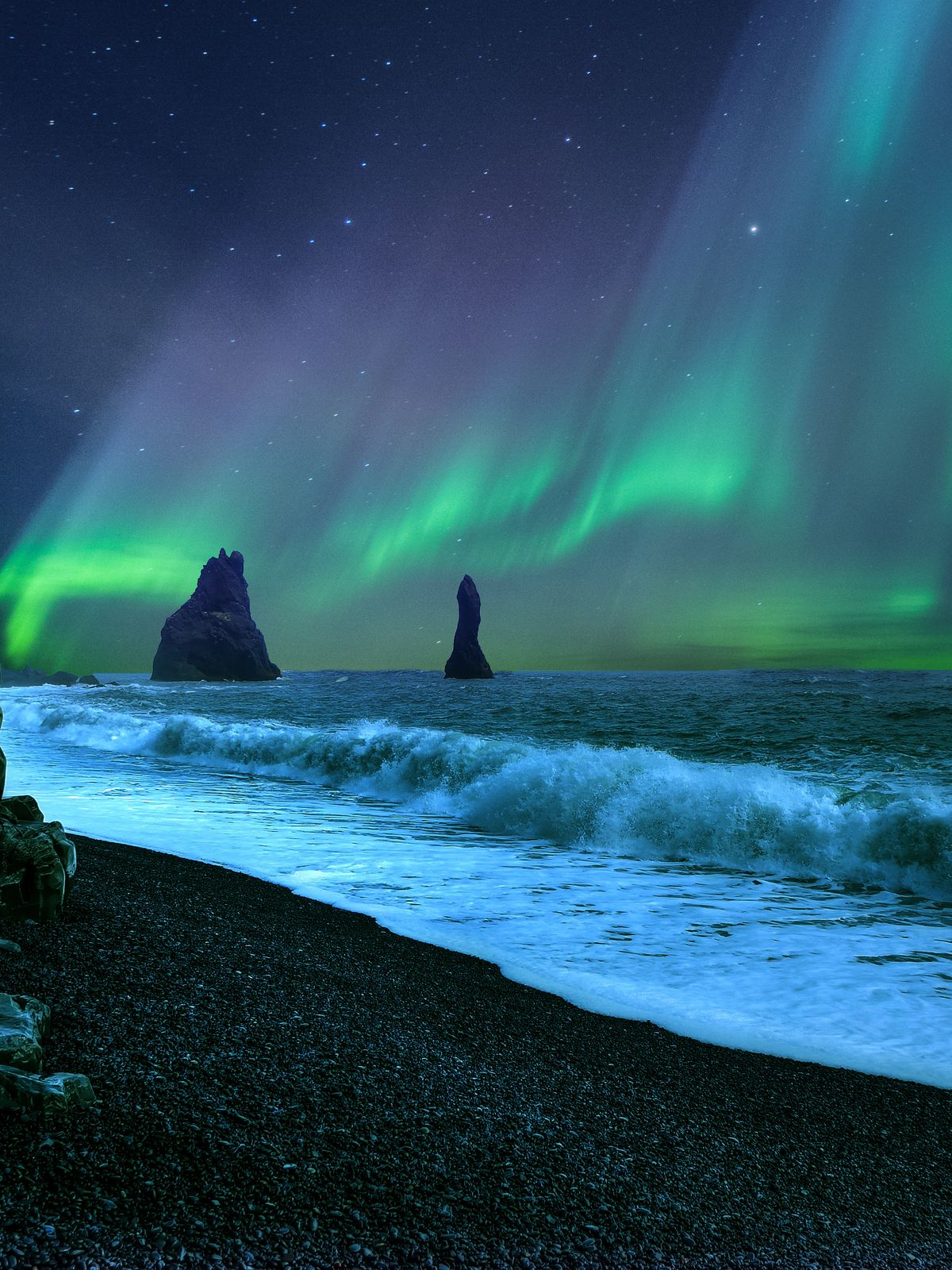
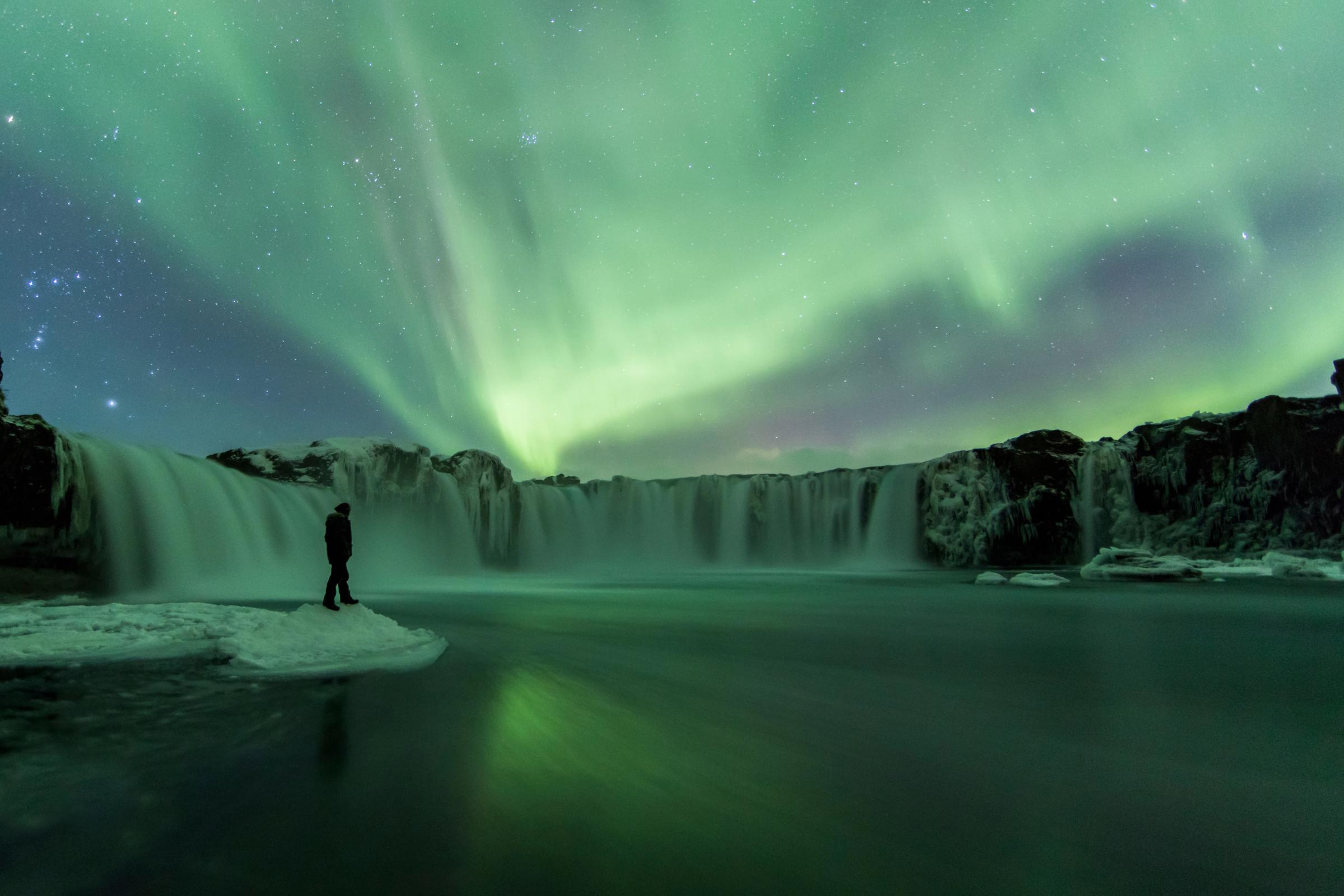
The Northern Lights, or Aurora Borealis, need dark skies to be visible. That's why Iceland's daylight calendar matters so much for aurora planning. In June and July, the sky doesn't get dark enough, so aurora viewing is basically off the table.
When to Go for the Aurora
The main Northern Lights season runs from roughly September through mid-April, with late August and early April sometimes working too, depending on conditions. The Icelandic Meteorological Office aurora forecast is the most useful planning tool because it combines cloud cover data with auroral activity levels in one place.
Month-by-Month Aurora Logic
More darkness doesn't automatically mean better viewing. December has the longest nights, but winter weather in Iceland can be rough. The months that tend to work best are the ones that combine good darkness with reasonable travel conditions.
- September–October: Good darkness, manageable weather, still enough daylight for sightseeing
- November–February: Maximum darkness, higher weather risk, best for dedicated aurora hunters
- March: Strong aurora potential and more comfortable daylight hours returning
If you're specifically going for the Northern Lights, I'd recommend staying at least four or five nights. Cloud cover is unpredictable in Iceland, and you want enough nights to give yourself a real chance.
Conclusion
Iceland's daylight shapes the whole trip, whether you account for it or not. Plan around it, and you'll get a lot more out of your time there. Ignore it, and you might end up trying to sleep in full sunlight or cramming too much into a three-hour winter afternoon.
The core things to remember: June is the brightest month, December is the darkest, and the gap between them is bigger than almost anywhere else most travelers will visit. Build your itinerary around that, and the rest gets a lot easier.
Frequently asked questions about Iceland's daylight hours