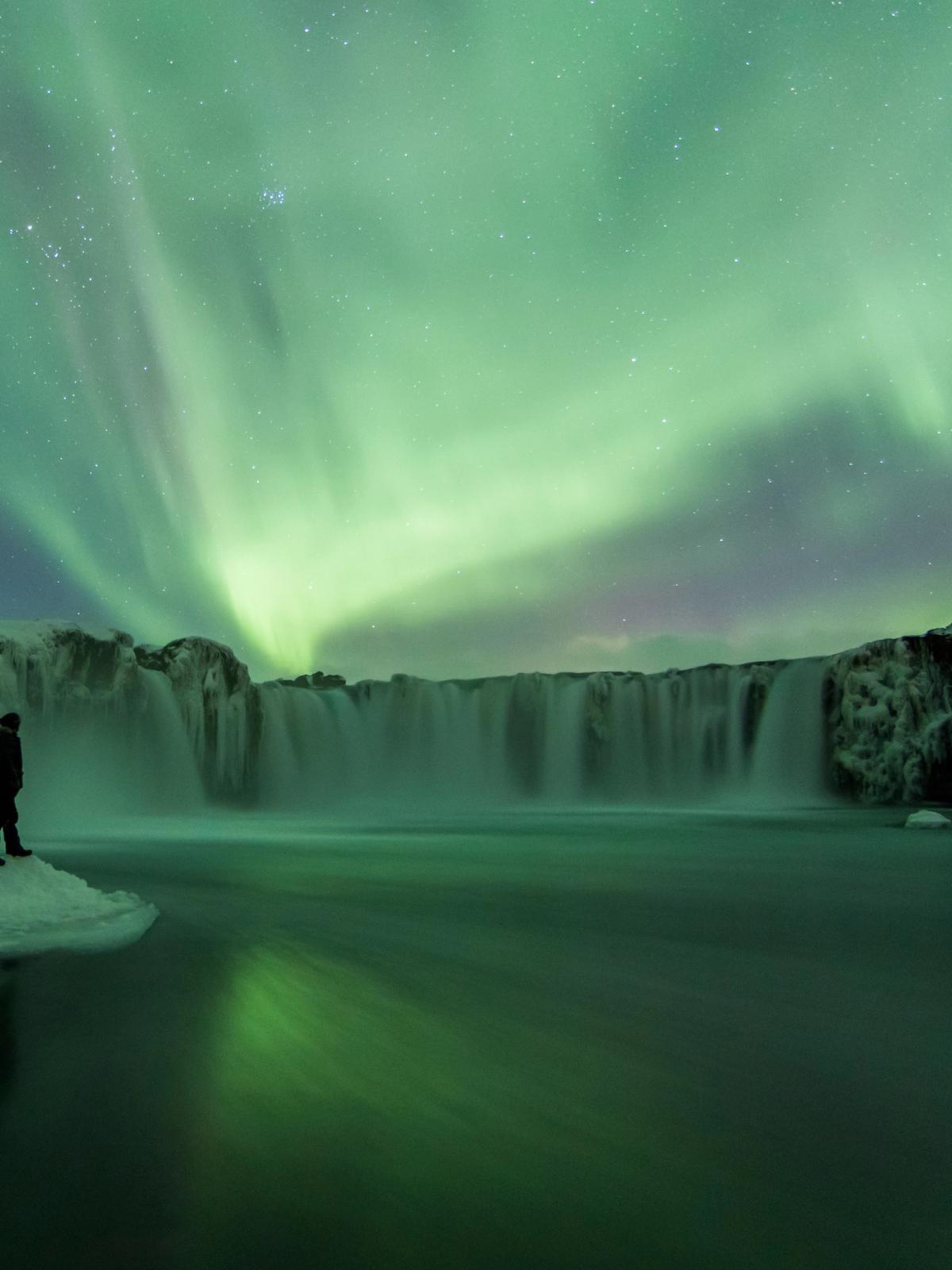
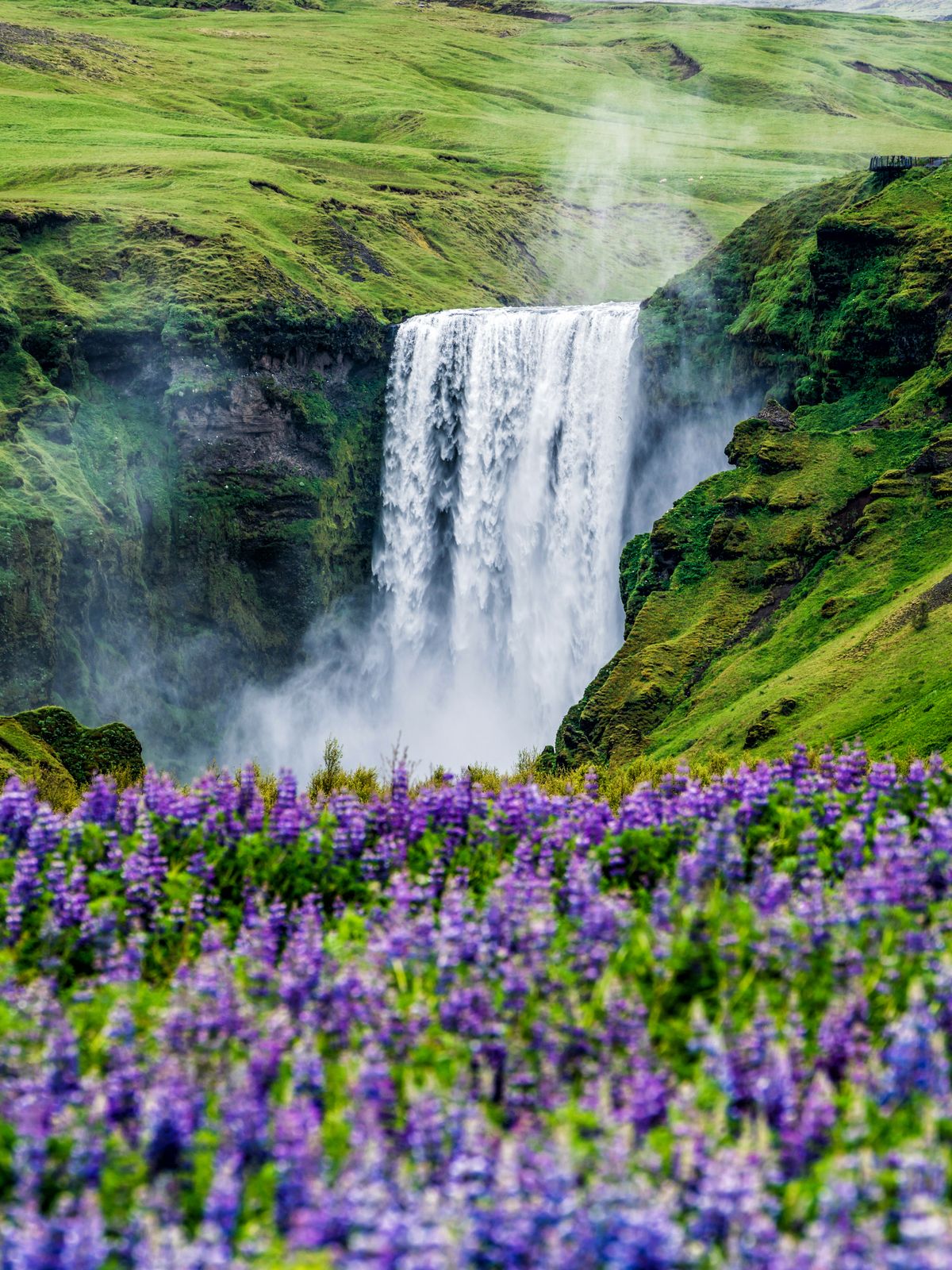
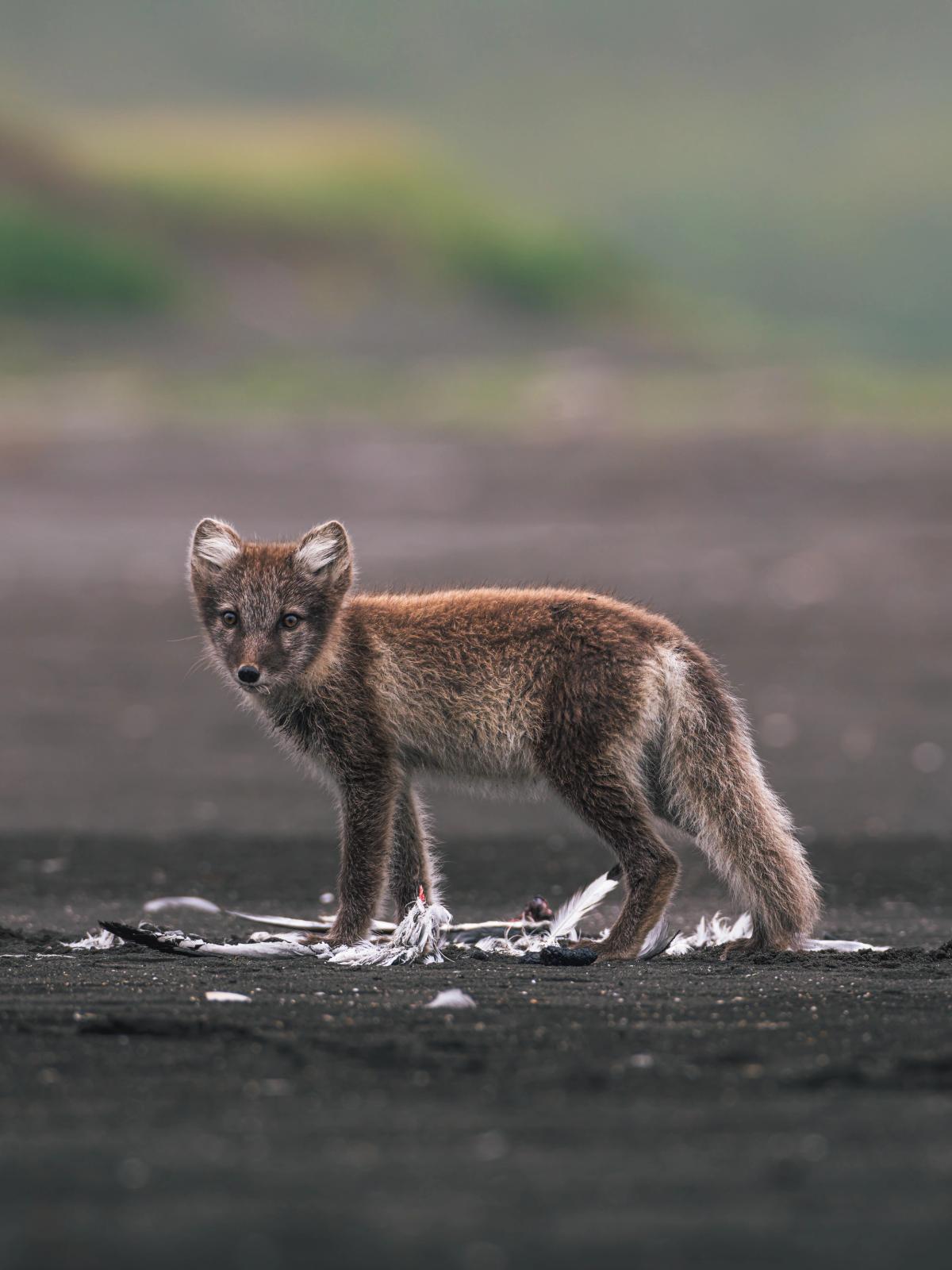
Iceland is wild. You've got hot springs next to glaciers, waterfalls everywhere, and landscapes that don't look like anywhere else. Some places you can drive right up to, others need serious 4x4 skills and good planning. But everything here is worth the effort.
This guide covers 30 spots you shouldn't miss. Some are famous for good reason, others are hidden gems that most people never hear about. We'll tell you what makes each place cool, how to actually get there, and what to expect so you don't waste time or money.
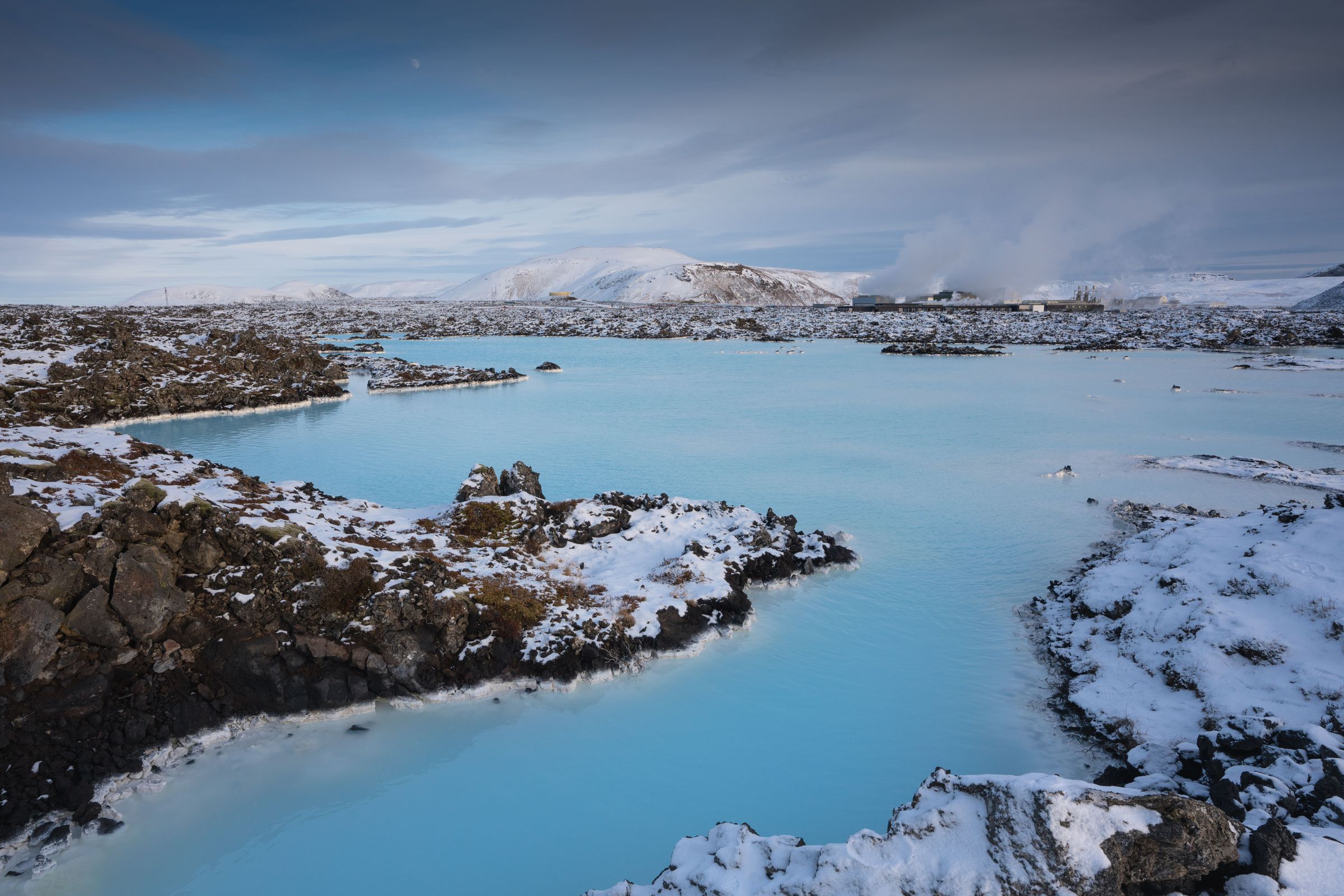
Blue Lagoon
The Blue Lagoon sits in black lava rocks near the airport, with warm milky-blue water from a power plant and silica mud that softens your skin. You can grab drinks in the water and even get massages while you float. Tickets start around $65 and must be booked early. Go in the morning or evening, especially in winter when snow or Northern Lights make it amazing.
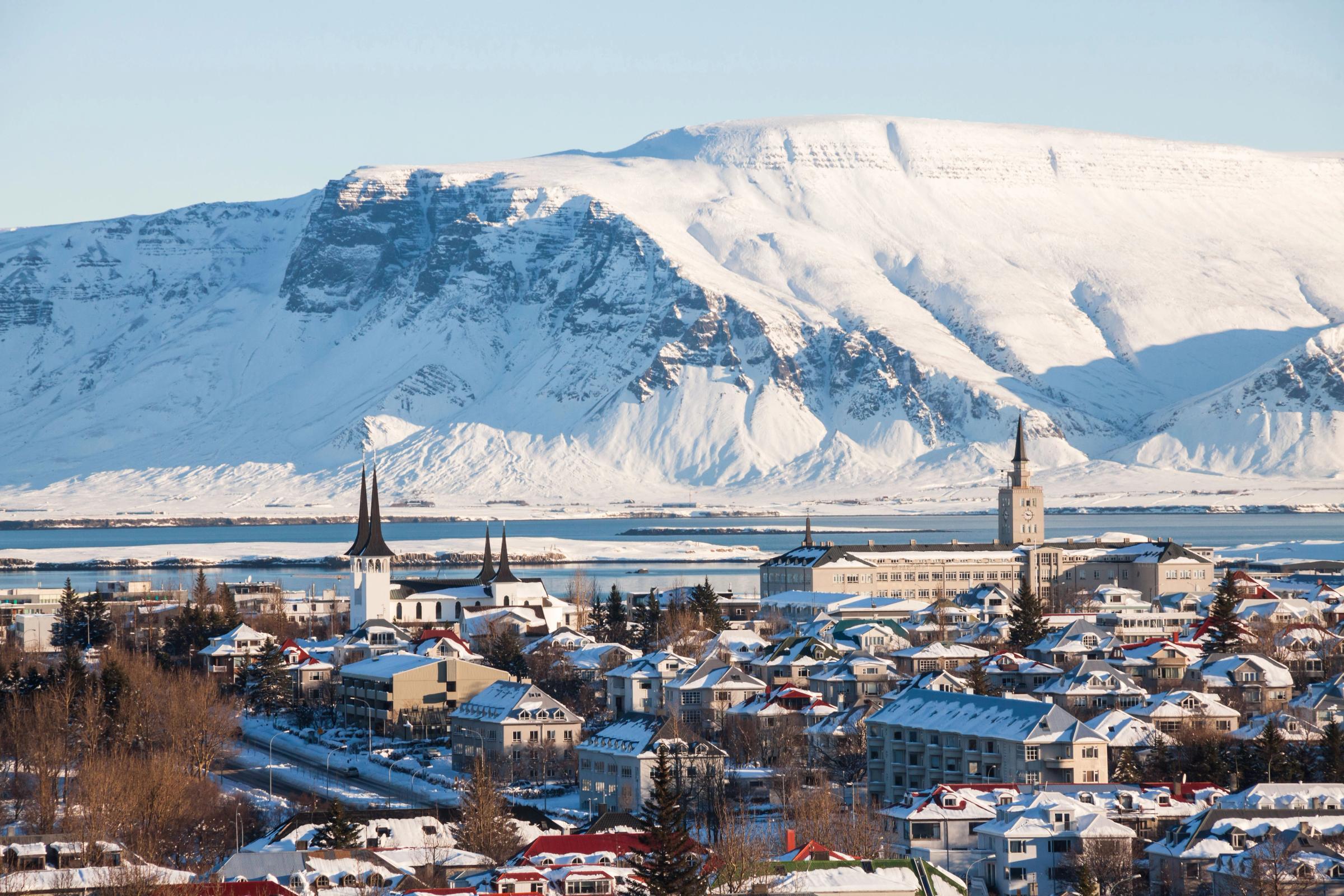
Reykjavík
Reykjavík is full of energy with colorful houses, street art, and cafés around Laugavegur. Hallgrímskirkja and Harpa Concert Hall are big highlights. Use the city as your base, try Bæjarins Beztu hot dogs, and visit local pools. In November, Iceland Airwaves turns the city into a big party.
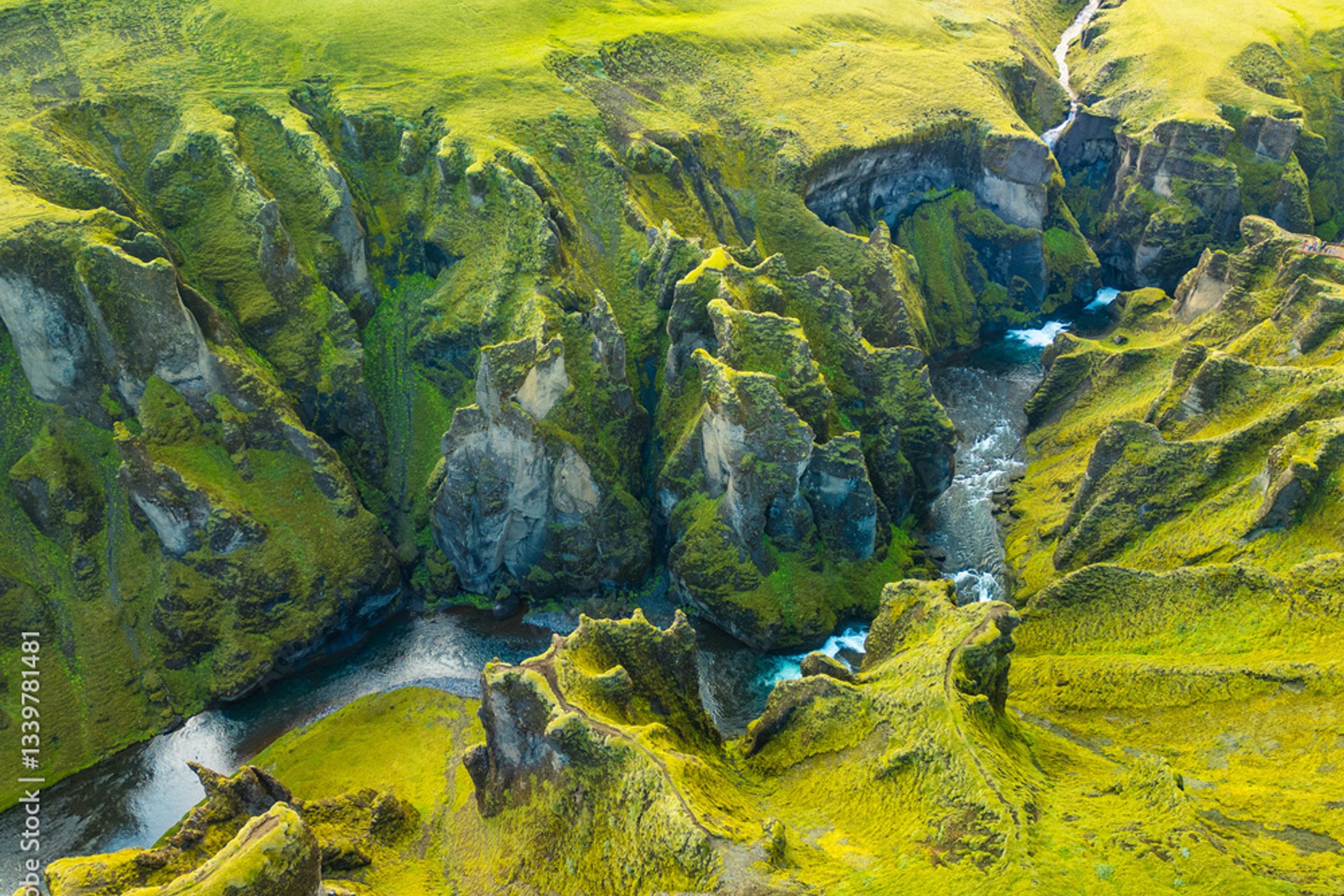
Fjaðrárgljúfur Canyon
This 2-kilometer canyon has tall mossy walls and a tiny river far below. It became famous after Justin Bieber and Game of Thrones. New platforms protect the moss after a 2019 closure. Walking the rim takes about 30–45 minutes.
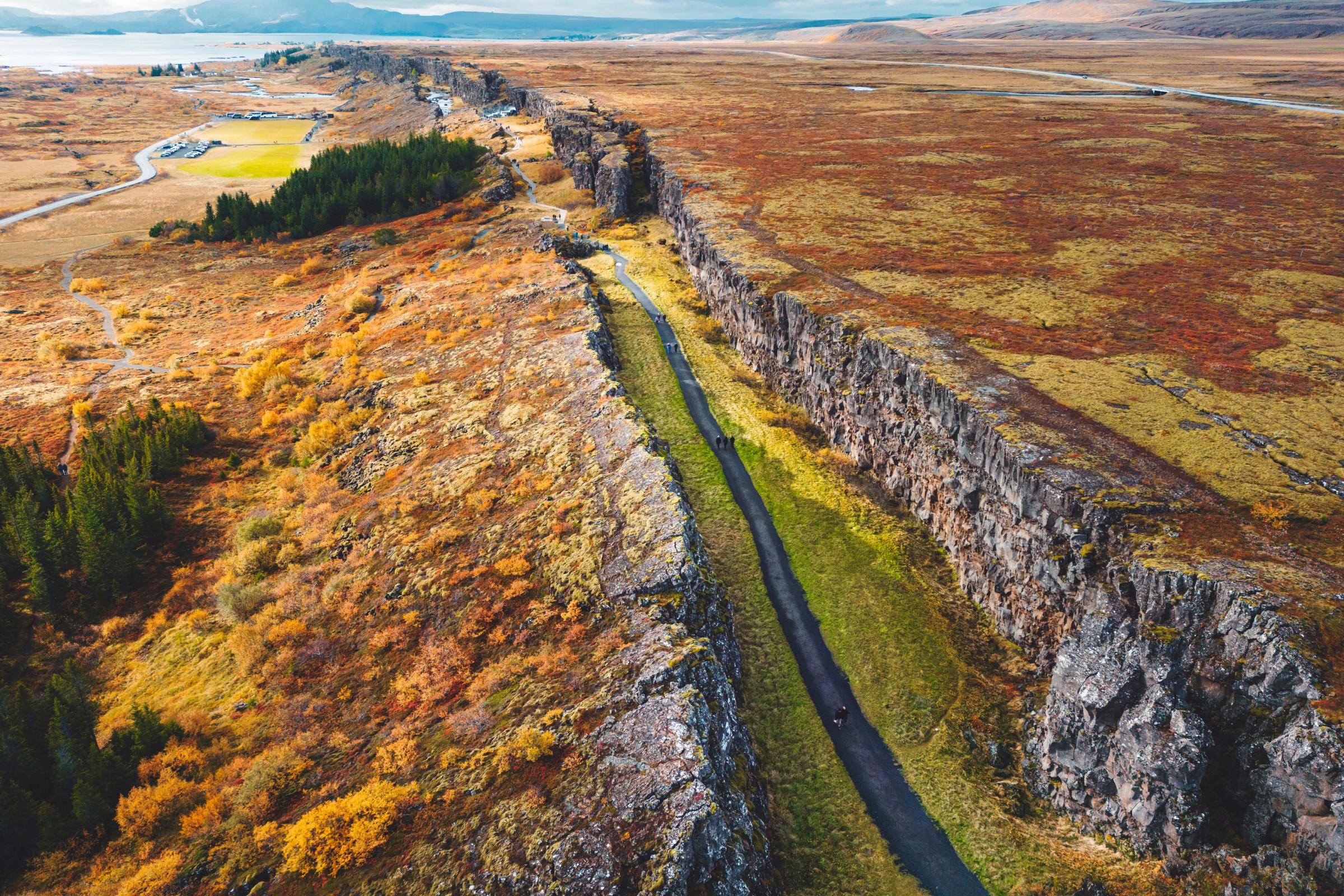
Þingvellir National Park
Þingvellir lets you walk between the North American and Eurasian plates in a huge rift valley. It’s also where Iceland’s first parliament met in 930 AD. Entry is free, parking is $5, and it’s 45 minutes from Reykjavík. Silfra offers super clear but freezing snorkeling or diving.
Gullfoss
Gullfoss drops 32 meters in two steps and creates rainbows in the mist. It almost became a dam until a local woman saved it. You can walk close enough to get soaked, and the sound is like thunder. In winter, parts freeze into giant ice sculptures.
Seljalandsfoss
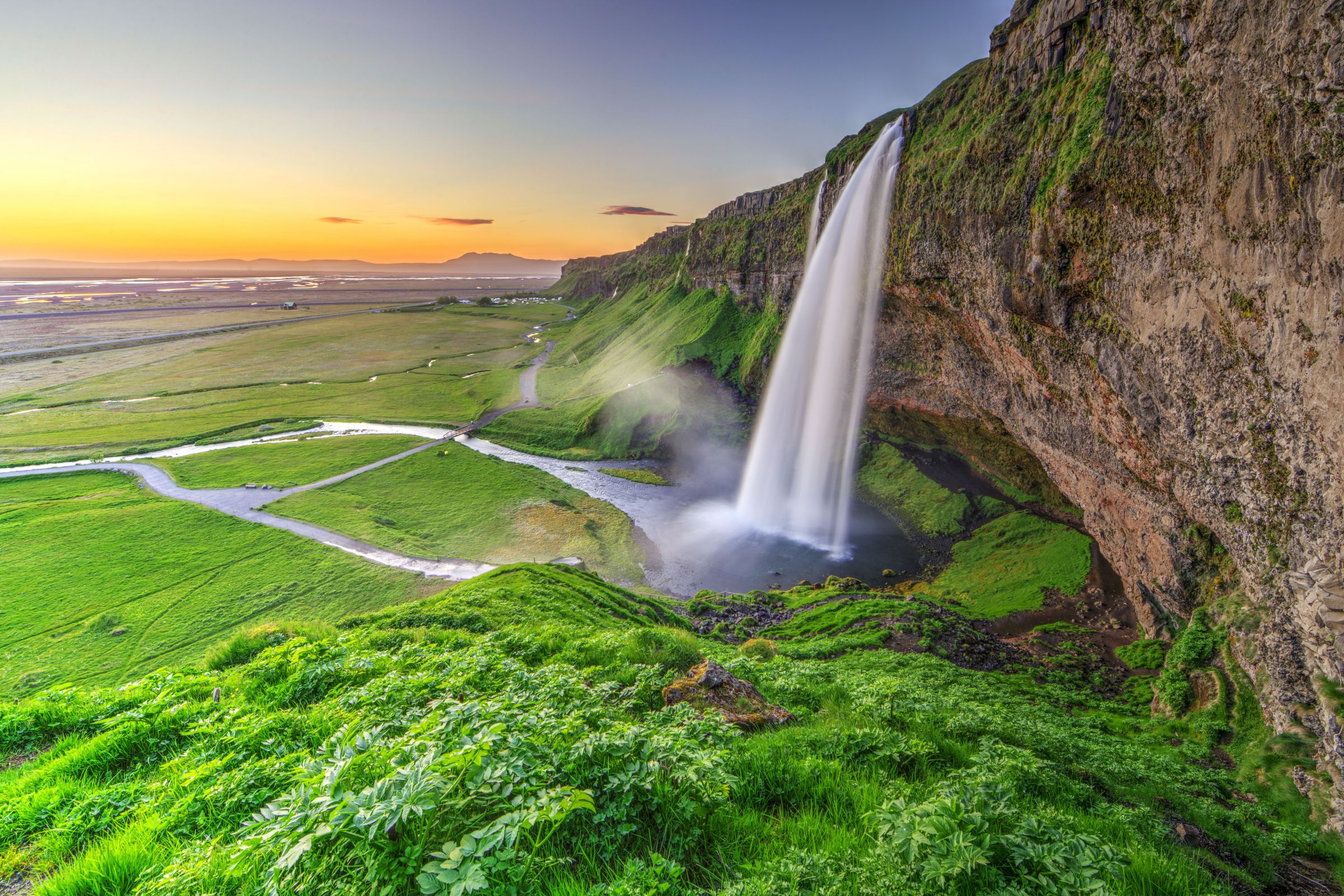
Seljalandsfoss is the waterfall you can walk behind, though you’ll get soaked. The water comes from Eyjafjallajökull glacier. It’s right off the Ring Road with Gljúfrabúi hidden just north. Sunset is great here, and you can camp nearby.
Snæfellsjökull National Park
This park has black beaches, cliffs, lava fields, and a glacier-topped volcano that inspired “Journey to the Center of the Earth.” You can visit Djúpalónssandur, Arnarstapi, and climb Saxhóll crater. Weather changes fast, so bring layers. Many people say the place has a special vibe.
Skógafoss
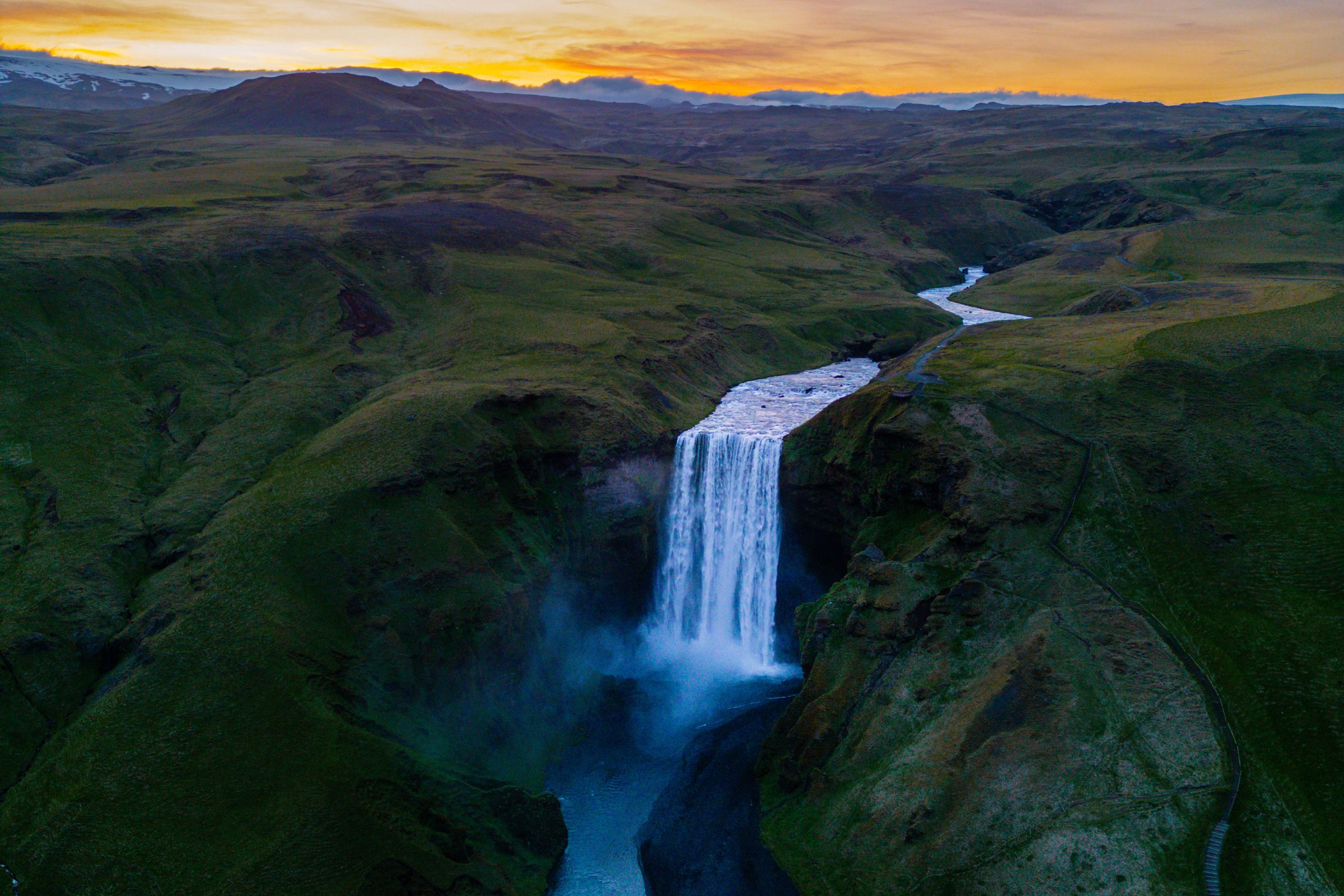
Skógafoss is a 60-meter waterfall that creates double rainbows on sunny days. You can walk to the base or climb 527 steps for views. The Fimmvörðuháls Trail begins here, and legends say a Viking treasure hides behind the falls. Skogar museum and summer puffins add more reasons to stop.
Reynisfjara Black Sand Beach & Reynisdrangar
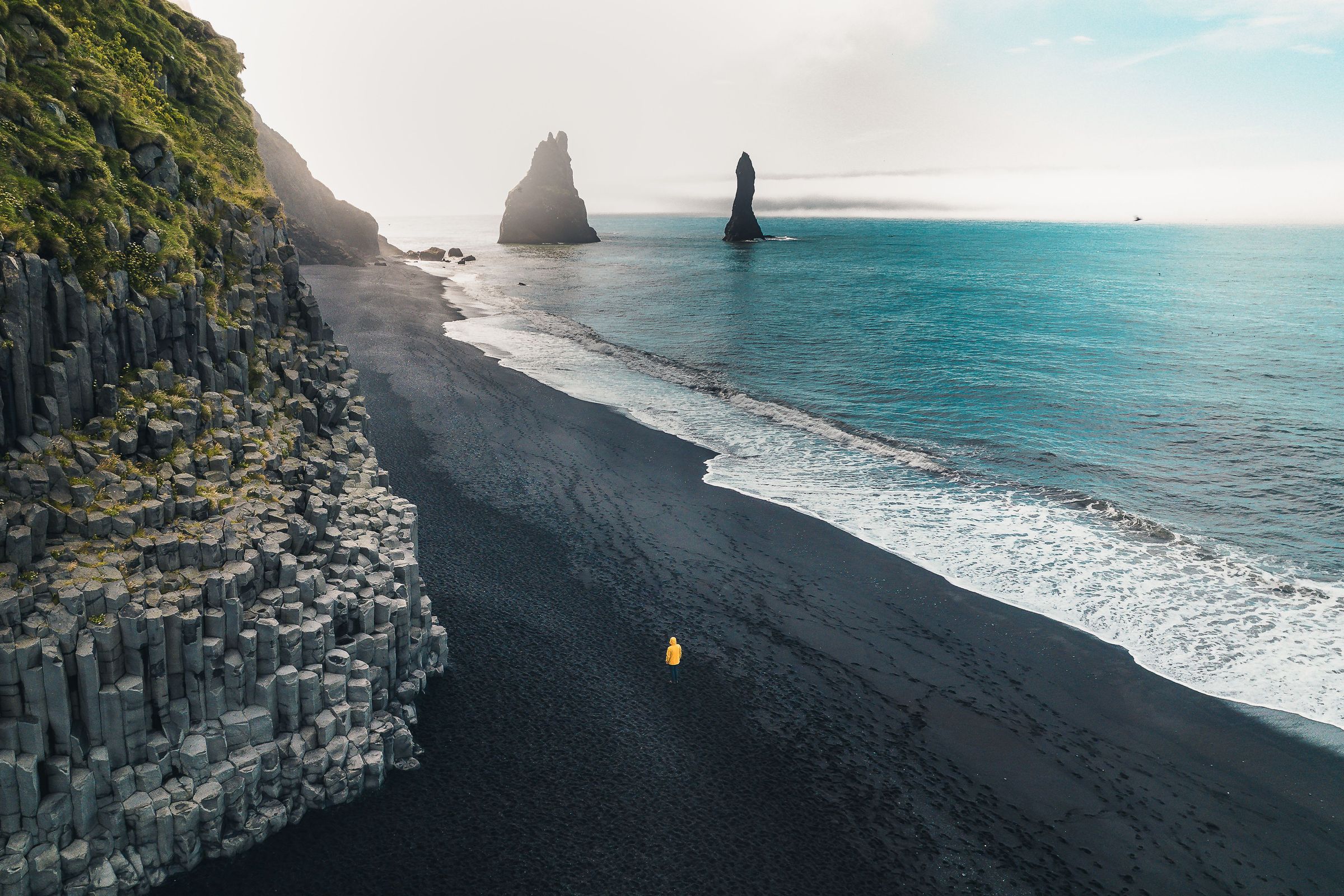
This black sand beach has volcanic ash, basalt columns, and sea stacks said to be trolls turned to stone. Sneaker waves make it dangerous, so never face away from the ocean. Puffins nest here in summer. Vík is nearby and the dramatic colors make great photos.
Jökulsárlón Glacier Lagoon
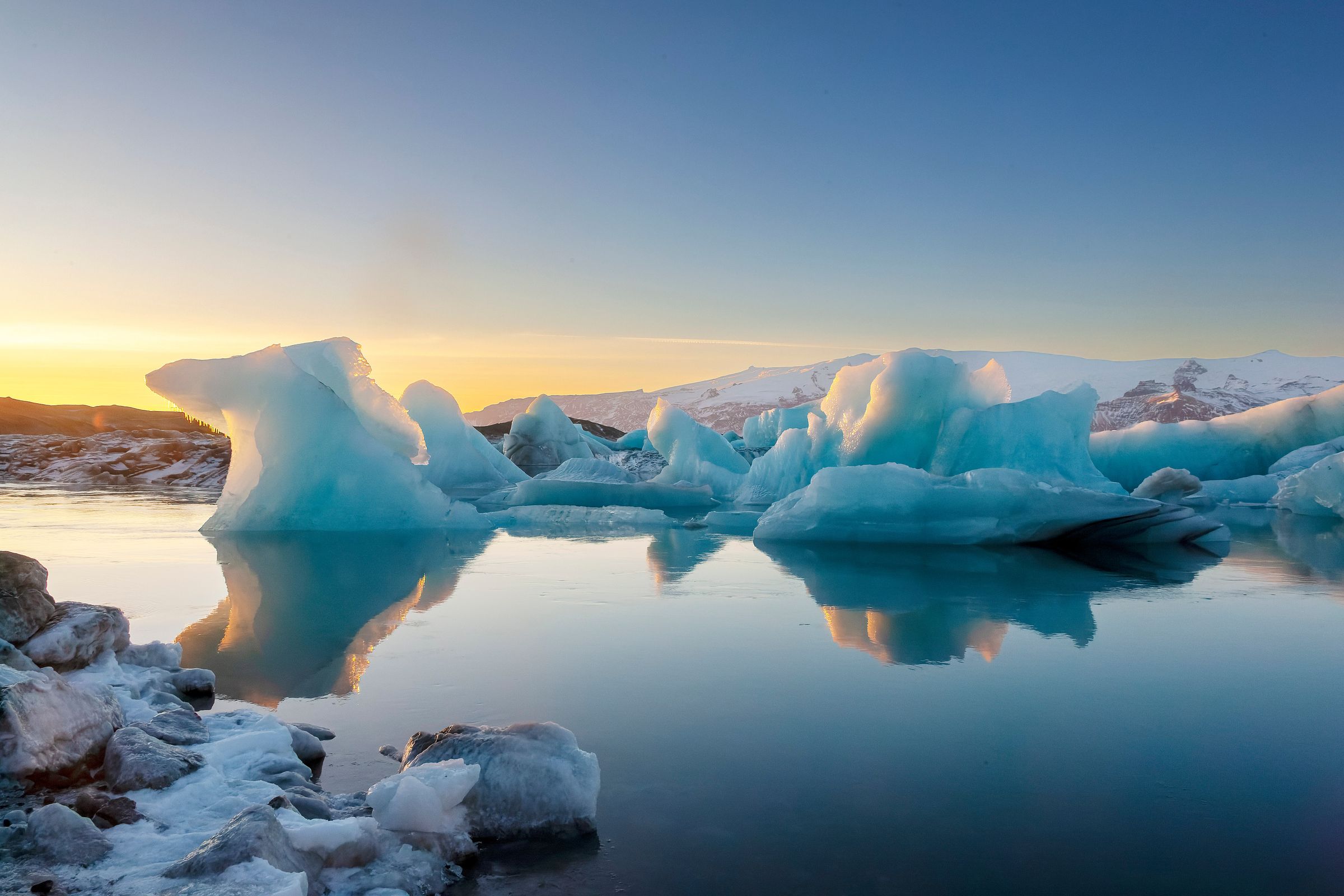
House-sized icebergs drift through this deep lagoon while seals swim around them. It formed in the 1930s and reaches 284 meters in spots. Boat tours cost $55–$70. Diamond Beach next door has ice pieces glowing on black sand.
Skaftafell / Vatnajökull National Park
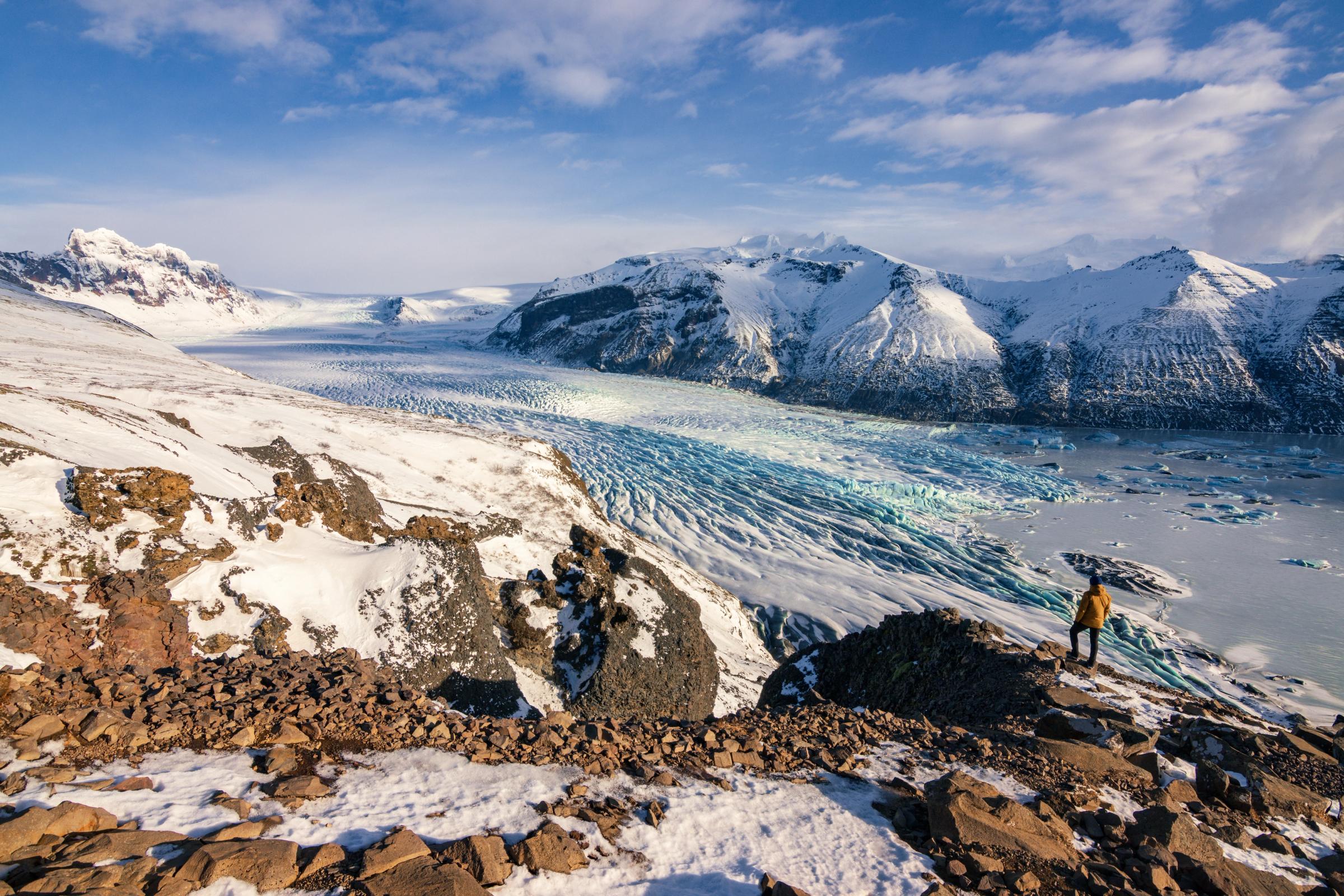
Skaftafell is a green spot surrounded by glaciers and black desert. You can hike easy trails or join glacier tours for $110–$140. Ice caves open from November to March. Camping and a nearby hotel make it easy to explore.
Svartifoss
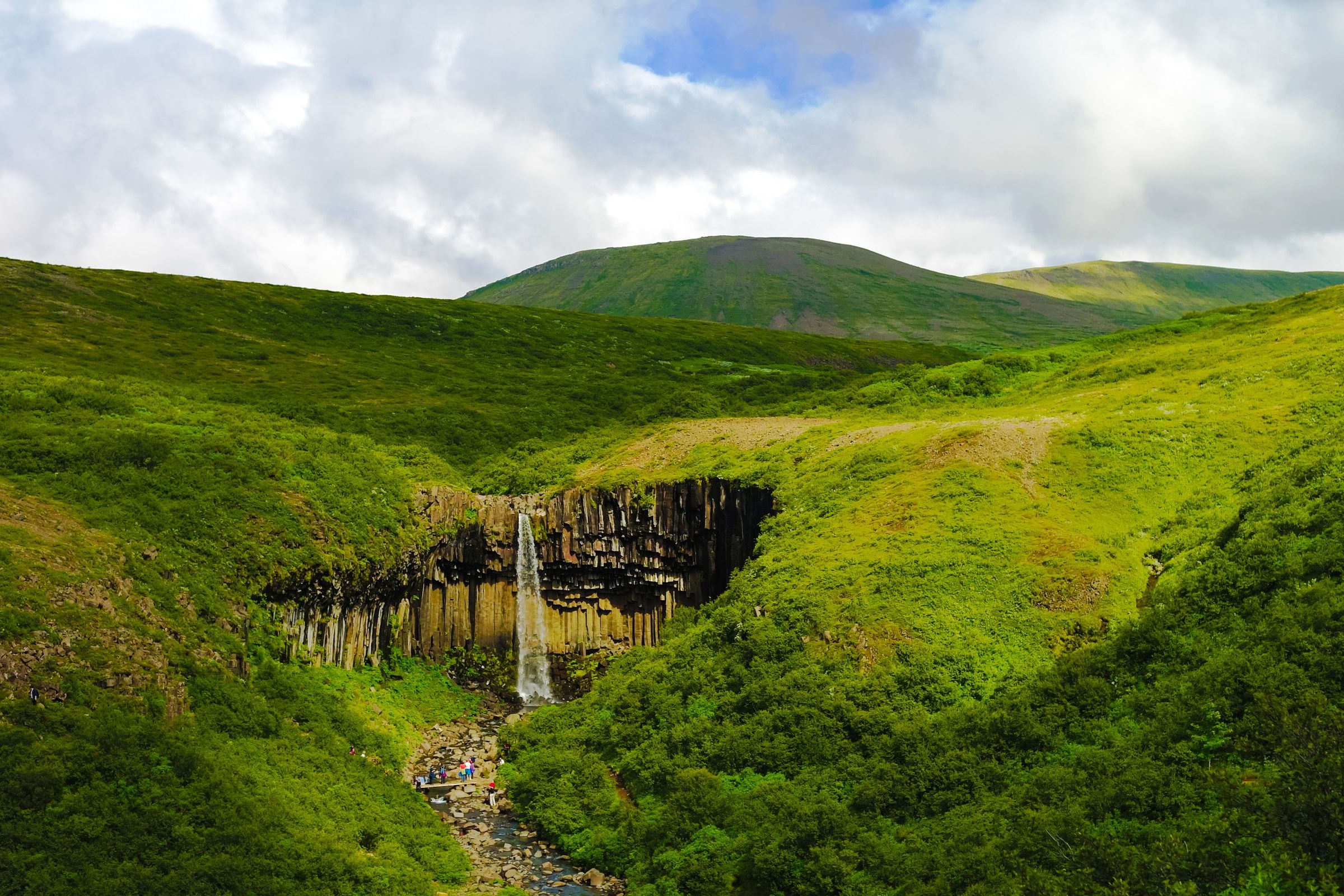
Svartifoss is a 20-meter drop over dark basalt columns that inspired Hallgrímskirkja. The hike takes 1.5–2 hours round-trip and passes smaller falls. The columns formed as lava cooled slowly. Afternoon light is best.
Kirkjufell & Kirkjufellsfoss
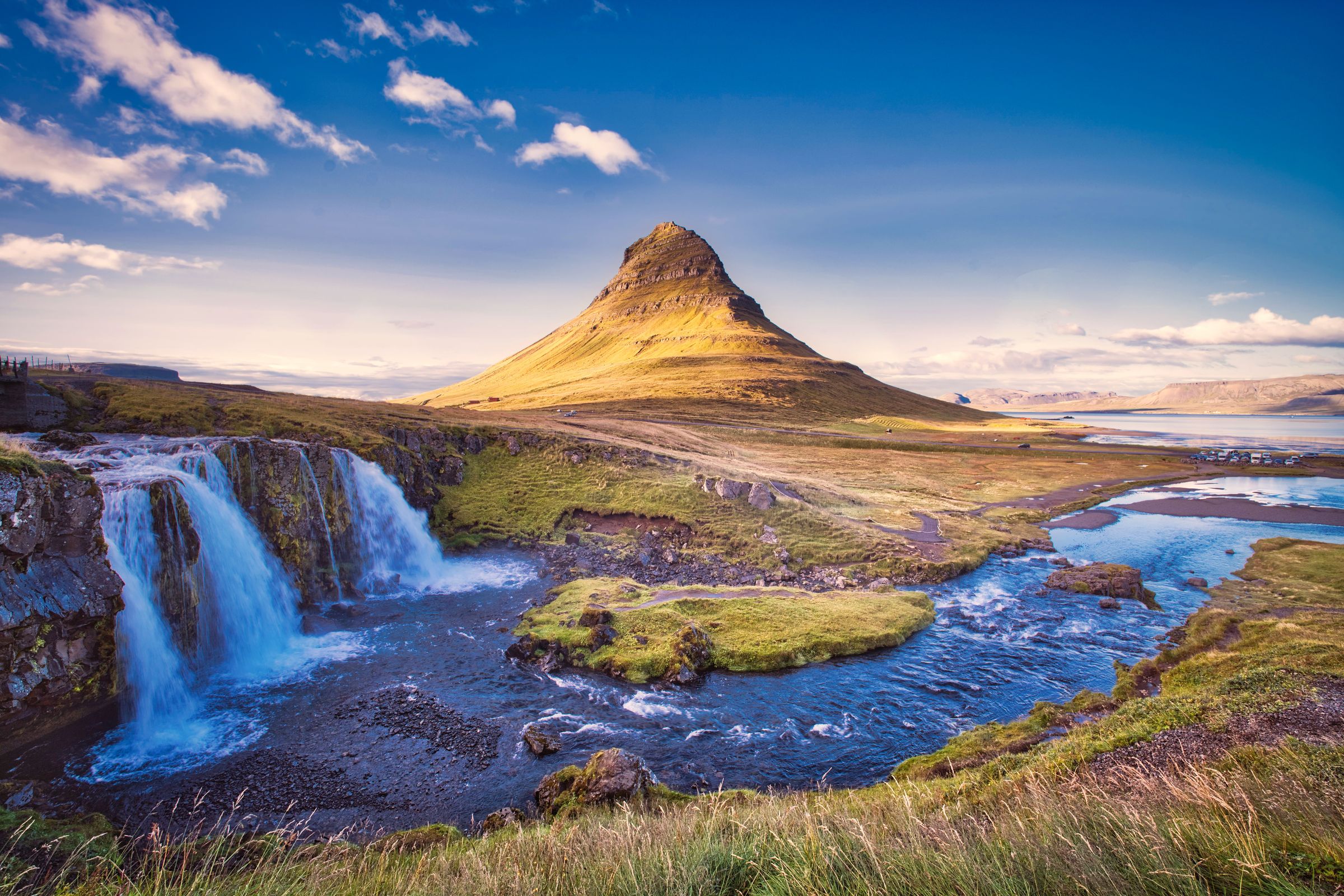
Kirkjufell is a triangular mountain paired perfectly with the nearby waterfall. It’s easy to reach from Grundarfjörður. Winter brings Northern Lights and summer brings Midnight Sun photos. Game of Thrones made it even more famous.
Landmannalaugar
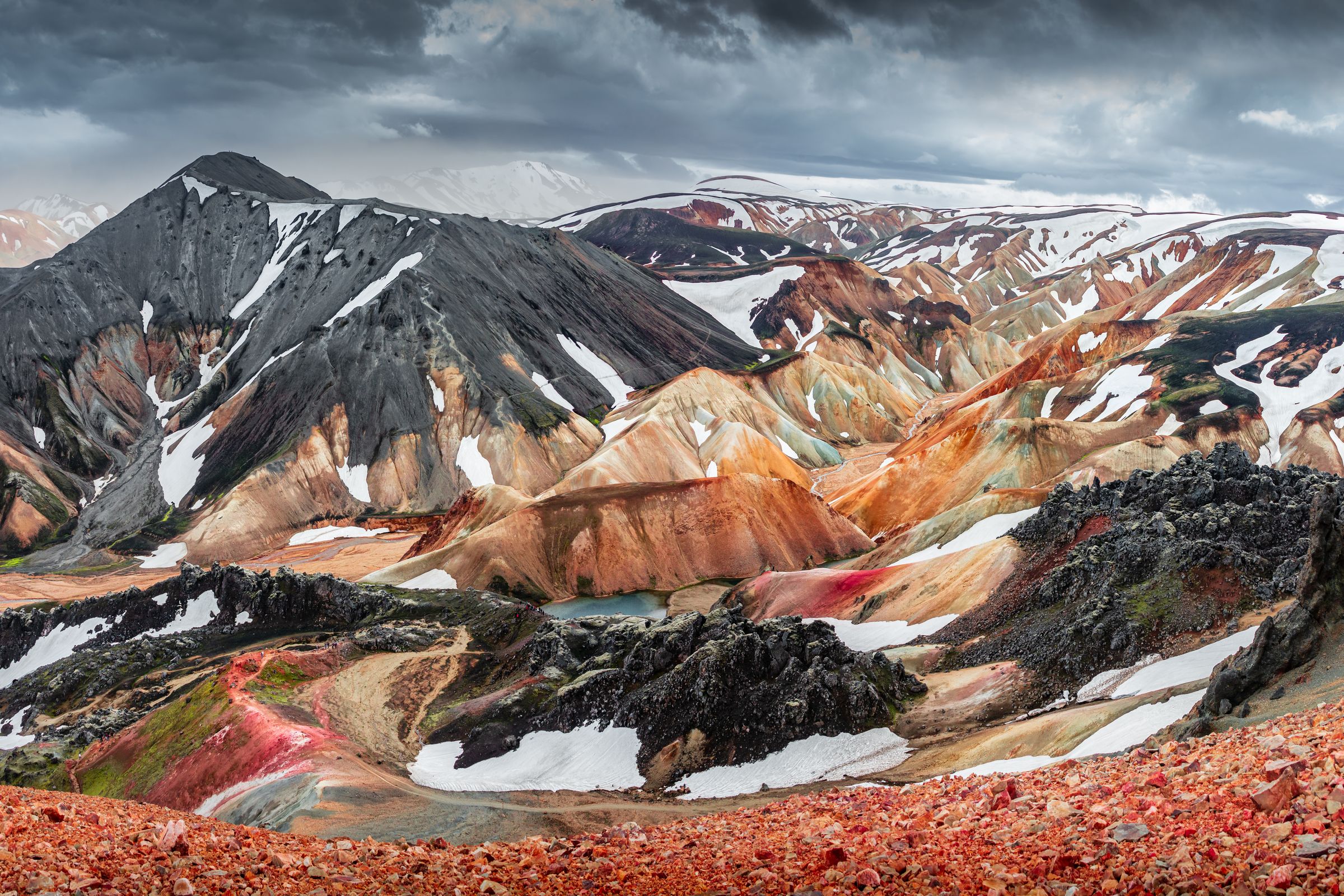
Landmannalaugar has colorful rhyolite mountains and natural hot springs in the Highlands. You need a 4x4 or bus to get there, and it’s open June to September. Hikes include Brennisteinsalda and the long Laugavegur trail. Mountain huts cost about $55 and book fast.
Dettifoss
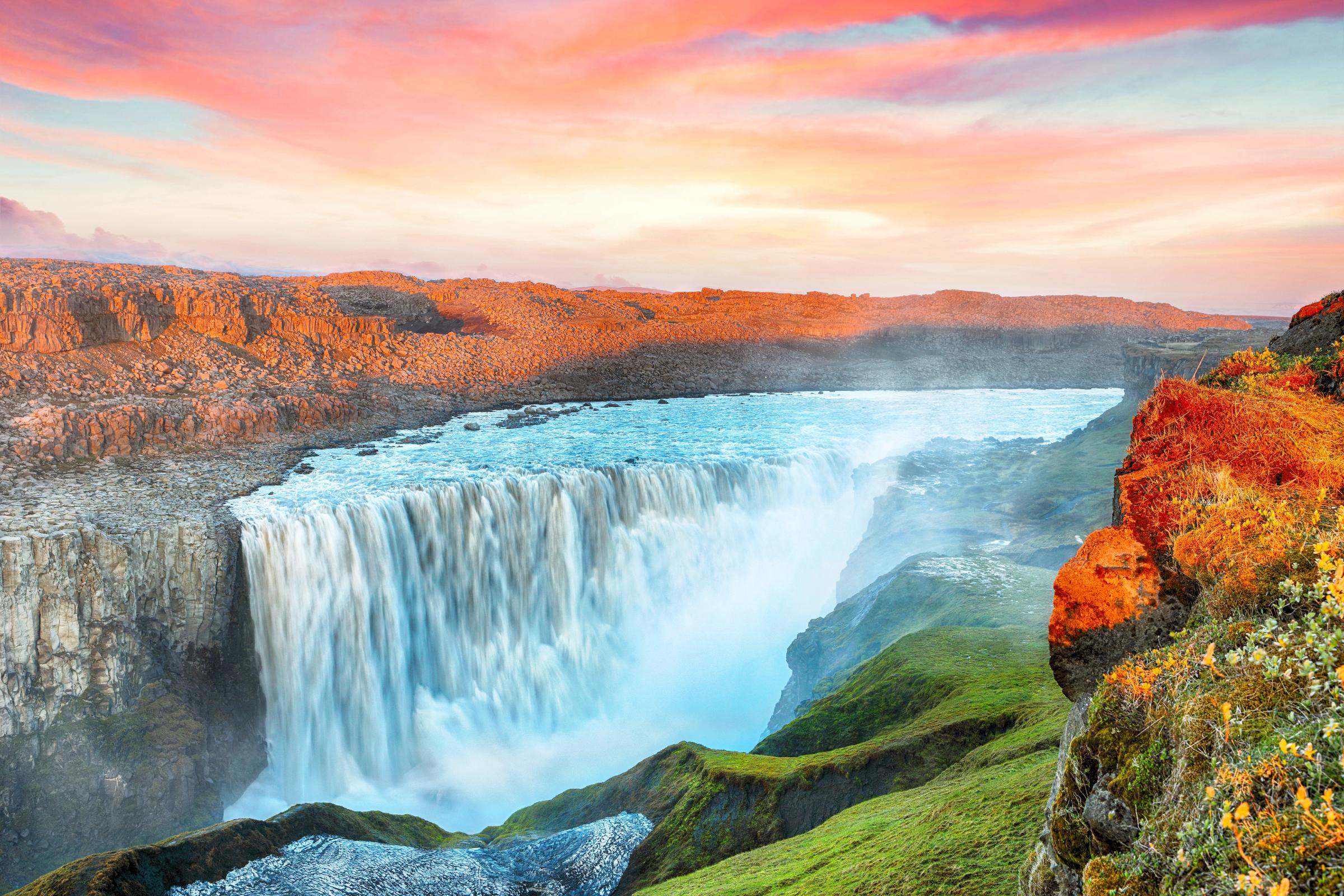
Dettifoss is Europe’s second most powerful waterfall, dropping 44 meters with huge force. You feel it before you see it through the mist. The east side has a paved road; the west needs a 4x4. Prometheus filmed here because of the intense scenery.
Lake Mývatn Area
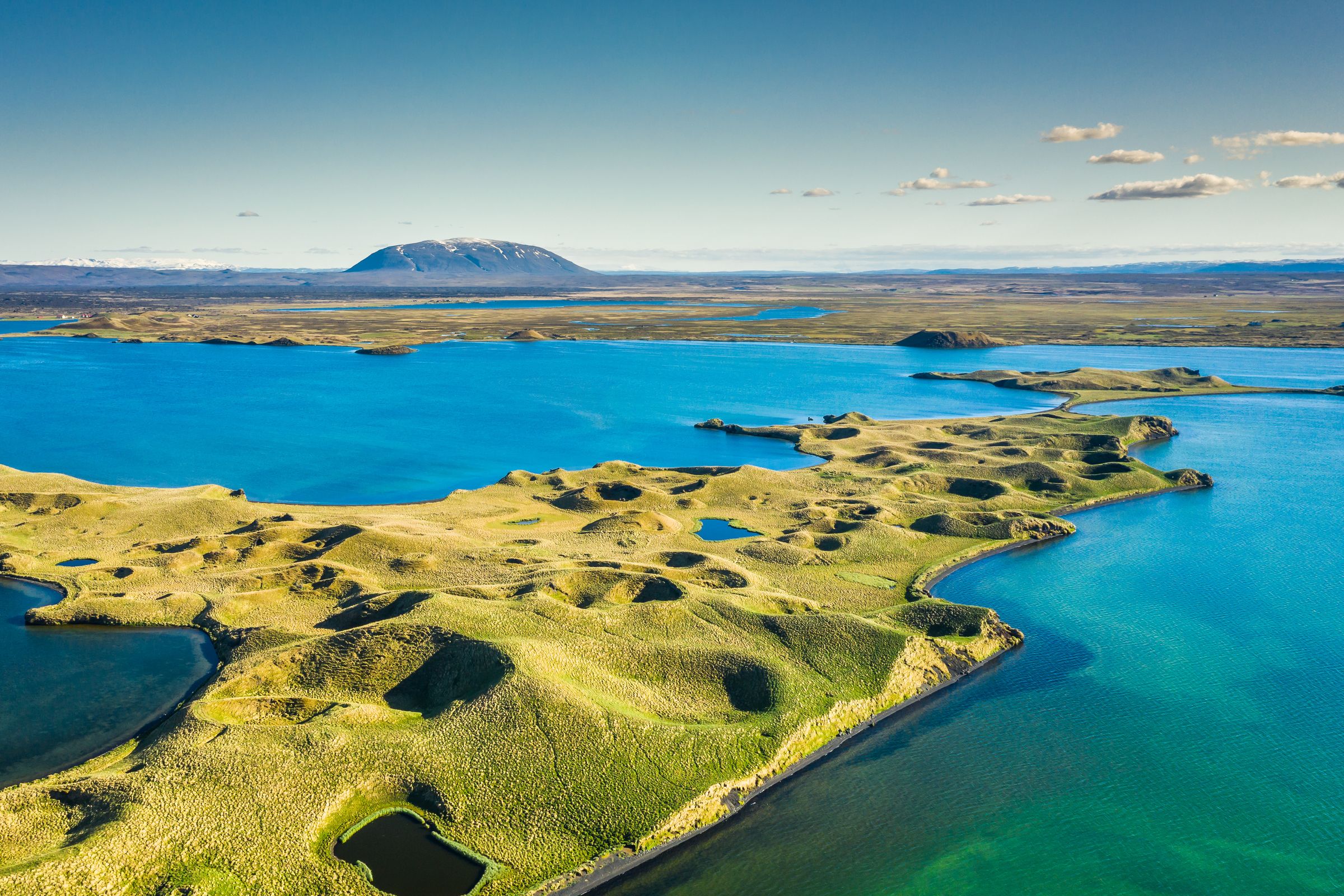
Lake Mývatn has fake craters, lava formations, mud pots, and the Hverfjall crater. Summer midges give the lake its name. The Mývatn Nature Baths cost $58 and are a quieter Blue Lagoon. NASA even trains astronauts here because of the volcanic terrain.
Húsavík
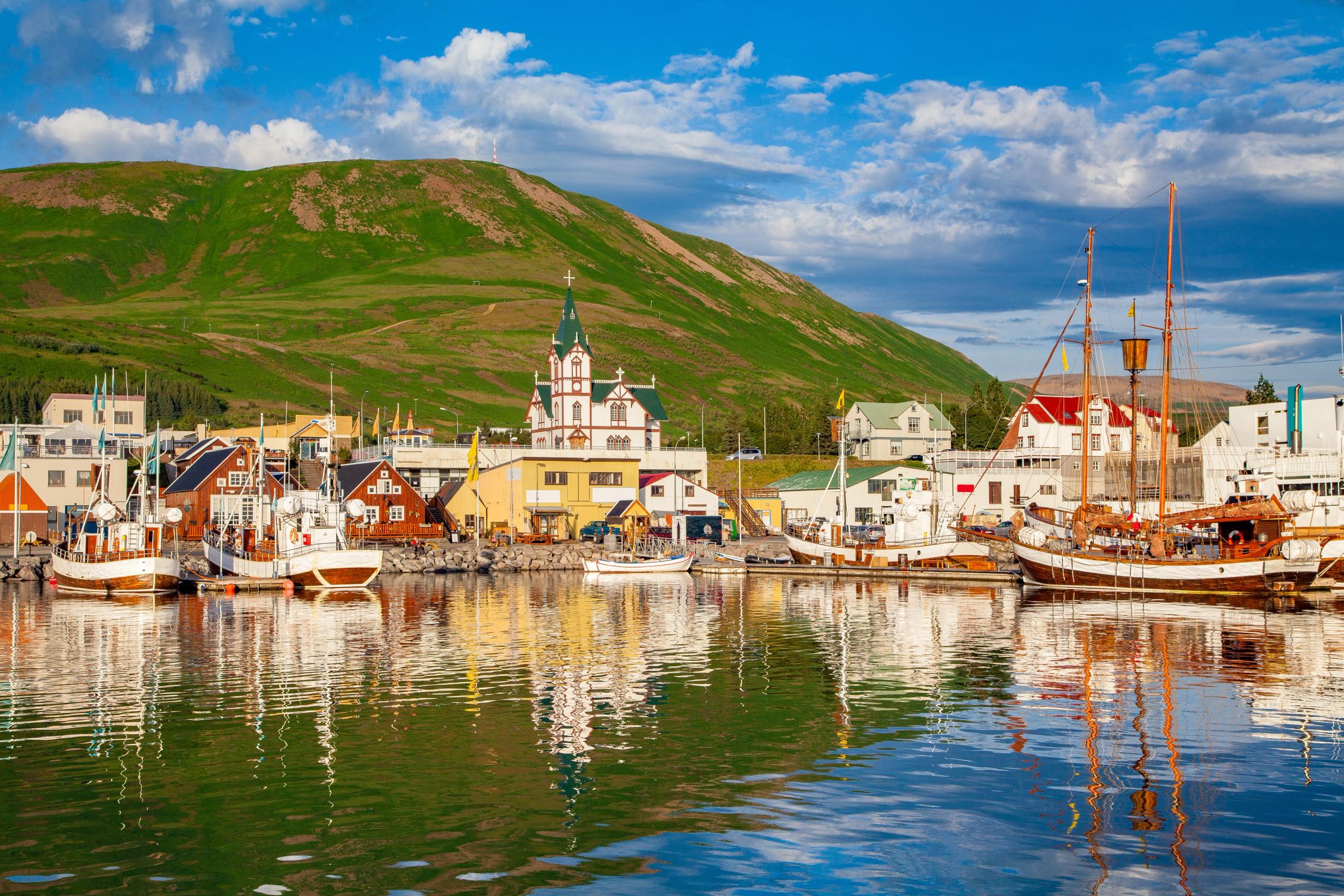
Húsavík is Iceland’s whale watching capital with 99% success seeing humpbacks, minke whales, or dolphins. Tours cost around $110. The Whale Museum and GeoSea baths make the town even better. June to September is the best season.
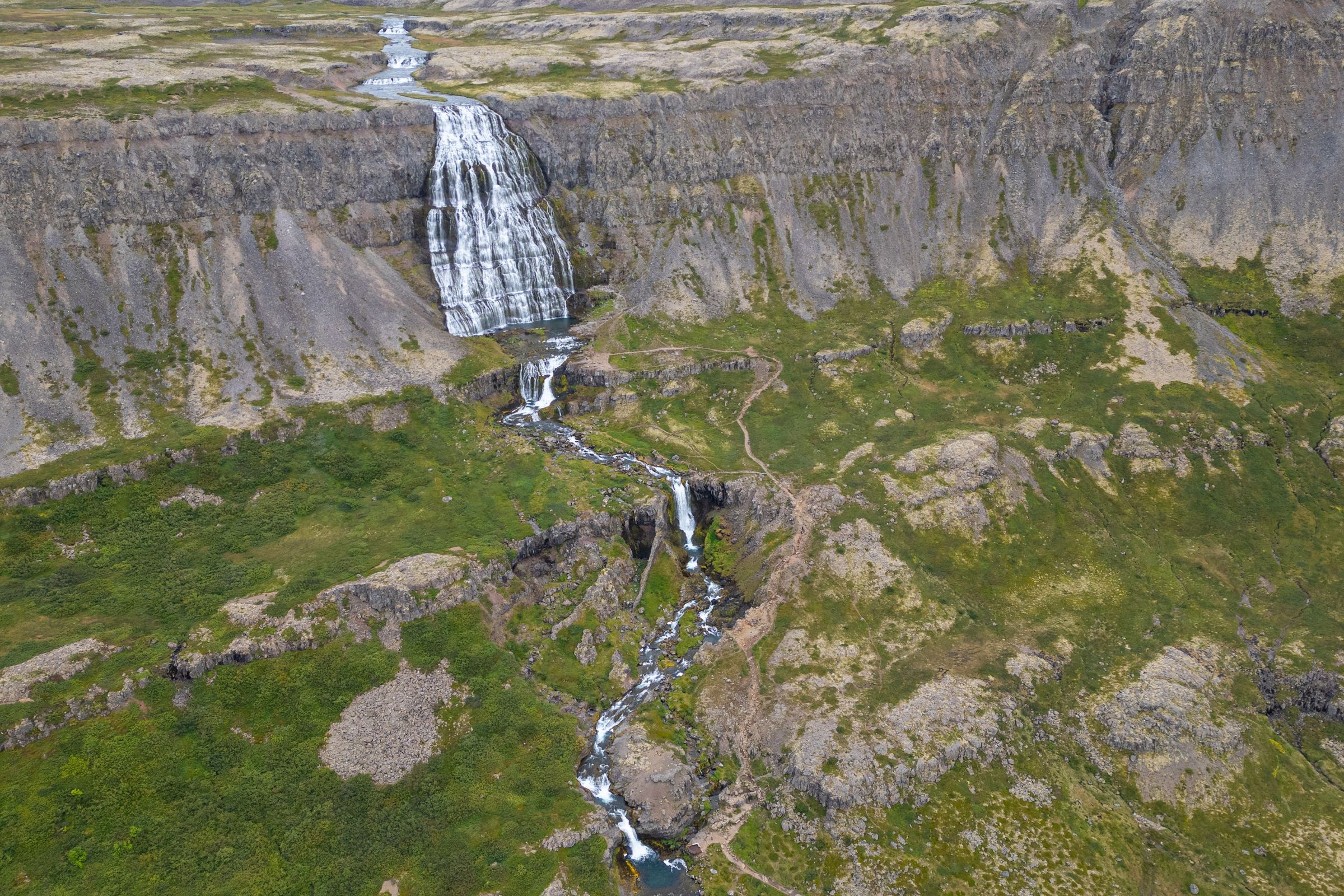
Dynjandi (Fjallfoss)
Dynjandi is a 100-meter waterfall with six smaller falls along the hike. Reaching it takes a long remote drive in the Westfjords. It flows strongest in late spring. You can combine it with Látrabjarg or Rauðisandur.
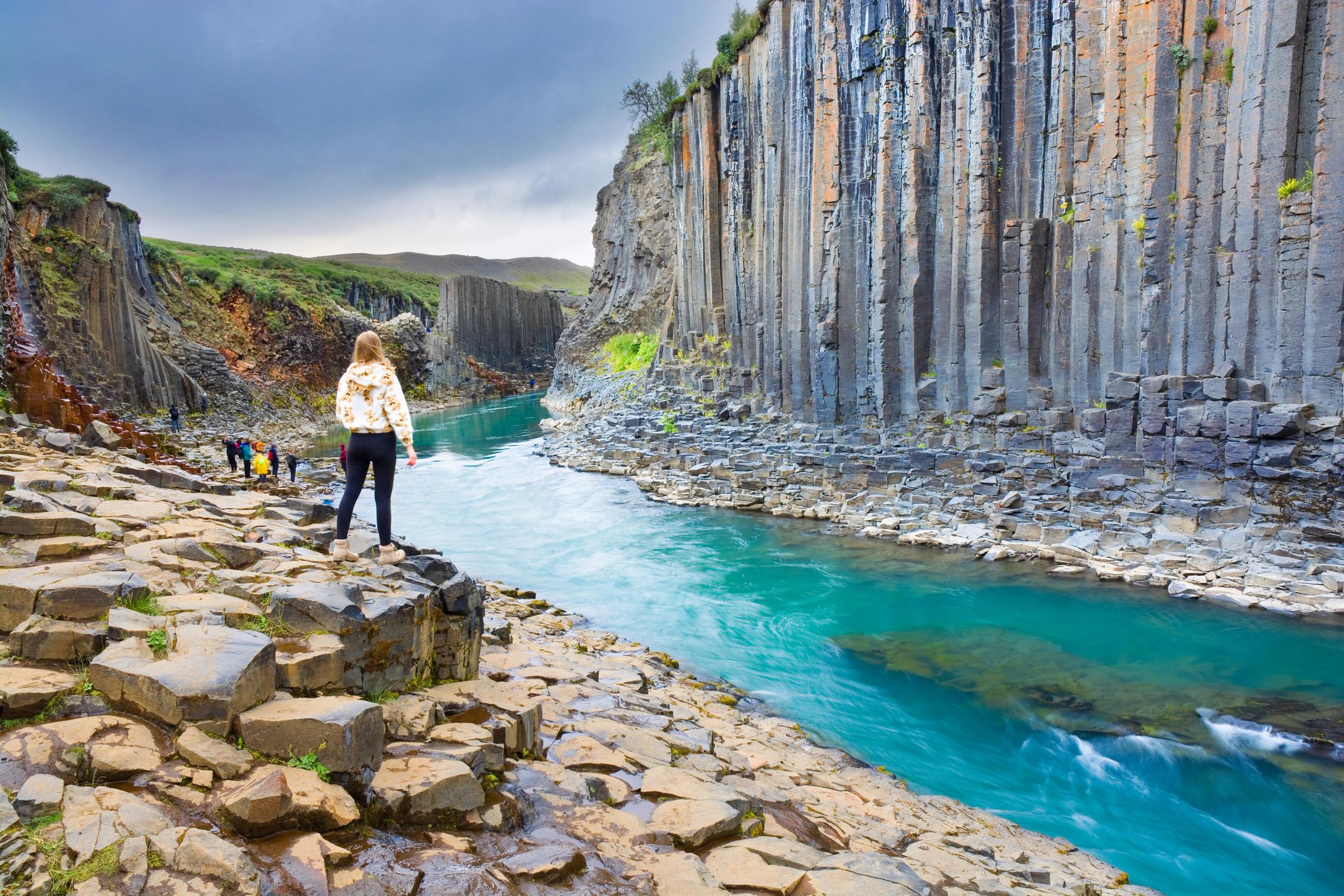
Stuðlagil Canyon
Stuðlagil has huge basalt columns rising over bright turquoise water. A dam revealed the formations only recently. The east side is the easiest access. Summer and fall give the best water color.
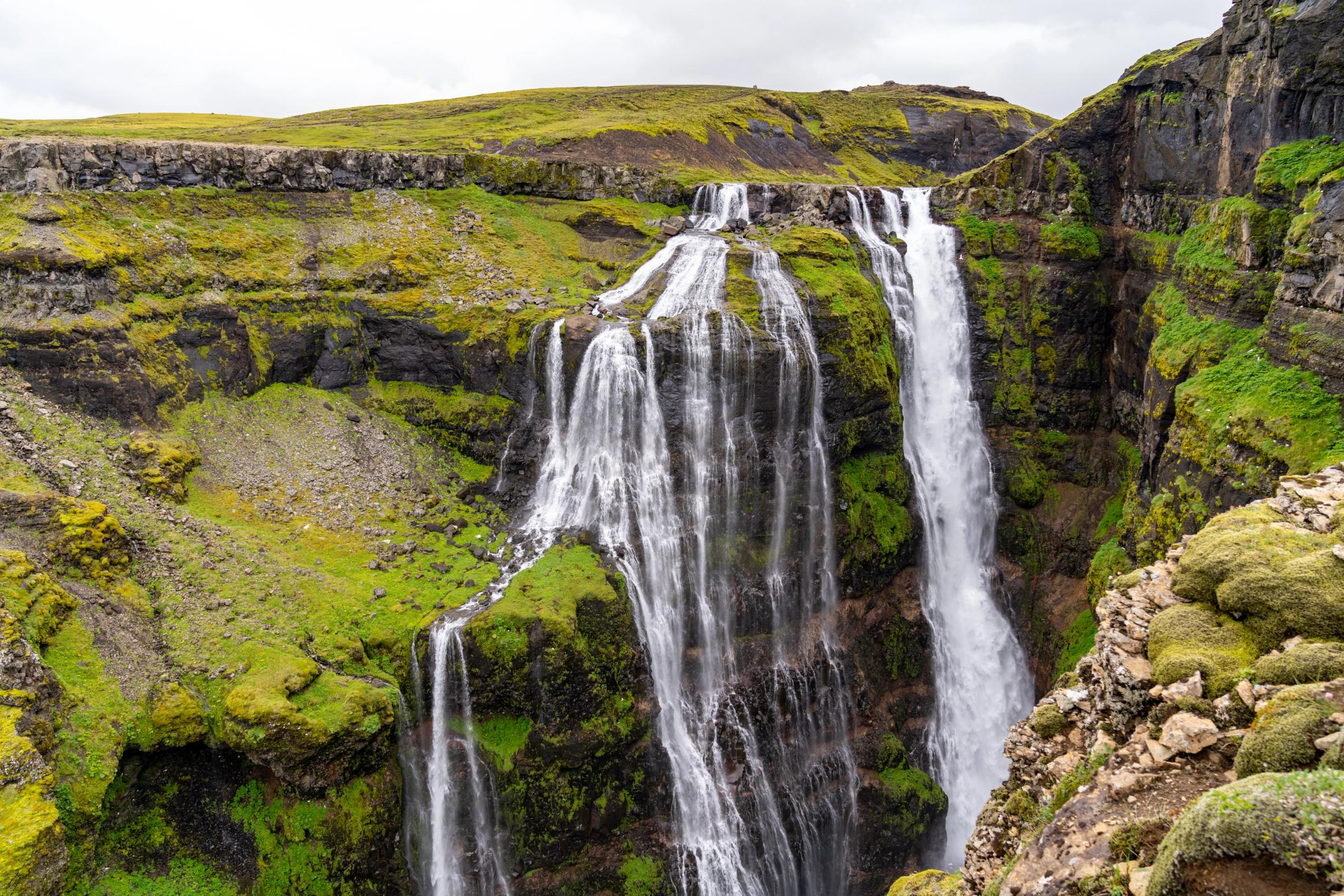
Glymur
Glymur is a 198-meter waterfall reached by a hike with river crossings, a cave, and some scrambles. The full loop takes 3–4 hours. It’s just over an hour from Reykjavík. Even a partial hike gives great views.
Vestrahorn & Stokksnes
Vestrahorn has jagged peaks and black sand dunes that reflect when wet. Access costs about $8 through the Viking Café, with a Viking village nearby. Morning and evening light look best. It’s close to Höfn and pairs well with Jökulsárlón.
Aldeyjarfoss
Aldeyjarfoss drops into a turquoise pool surrounded by twisted basalt columns. It’s in the northern Highlands on summer gravel roads. Few people visit because it’s remote. The patterns inspired Icelandic architecture.
Kerlingarfjöll
Kerlingarfjöll has colorful mountains, hot springs, and steam rising from the valleys. Highland Base is the main starting point. The 7-kilometer loop feels remote and dramatic. You can reach it in summer via the Kjölur route.
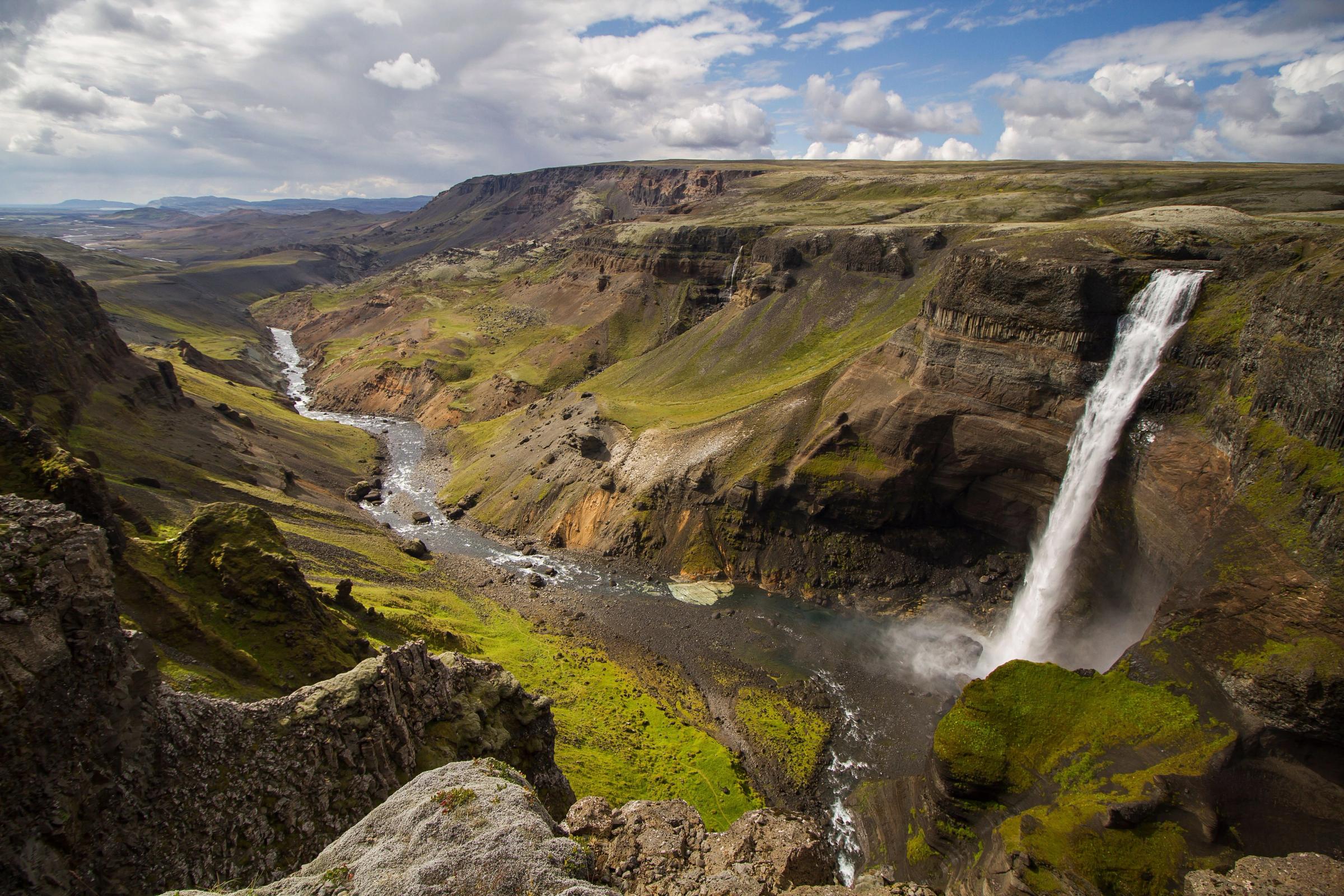
Háifoss & Granni
Háifoss and Granni are two waterfalls dropping 122 meters into a canyon. You need a 4x4 for the improved F-road. Wind is strong at the cliff edge but views stretch across the valley. Hekla Volcano is visible on clear days.
Brúárfoss
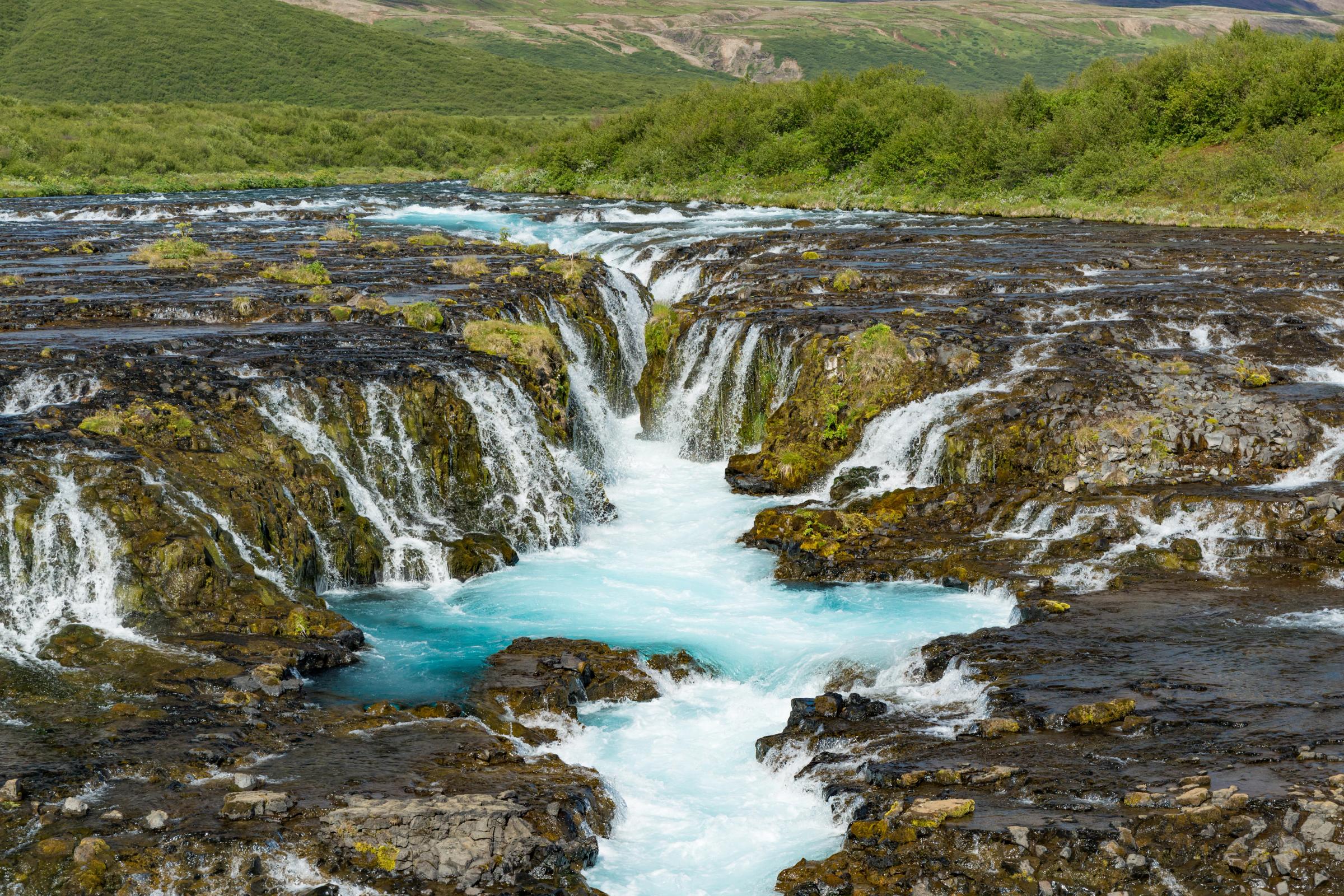
Brúárfoss is known for its bright turquoise water flowing over mossy rocks. The 1-kilometer walk costs $6. You can still see parts of the old bridge upstream. The color looks best in the morning.
Mulagljúfur Canyon
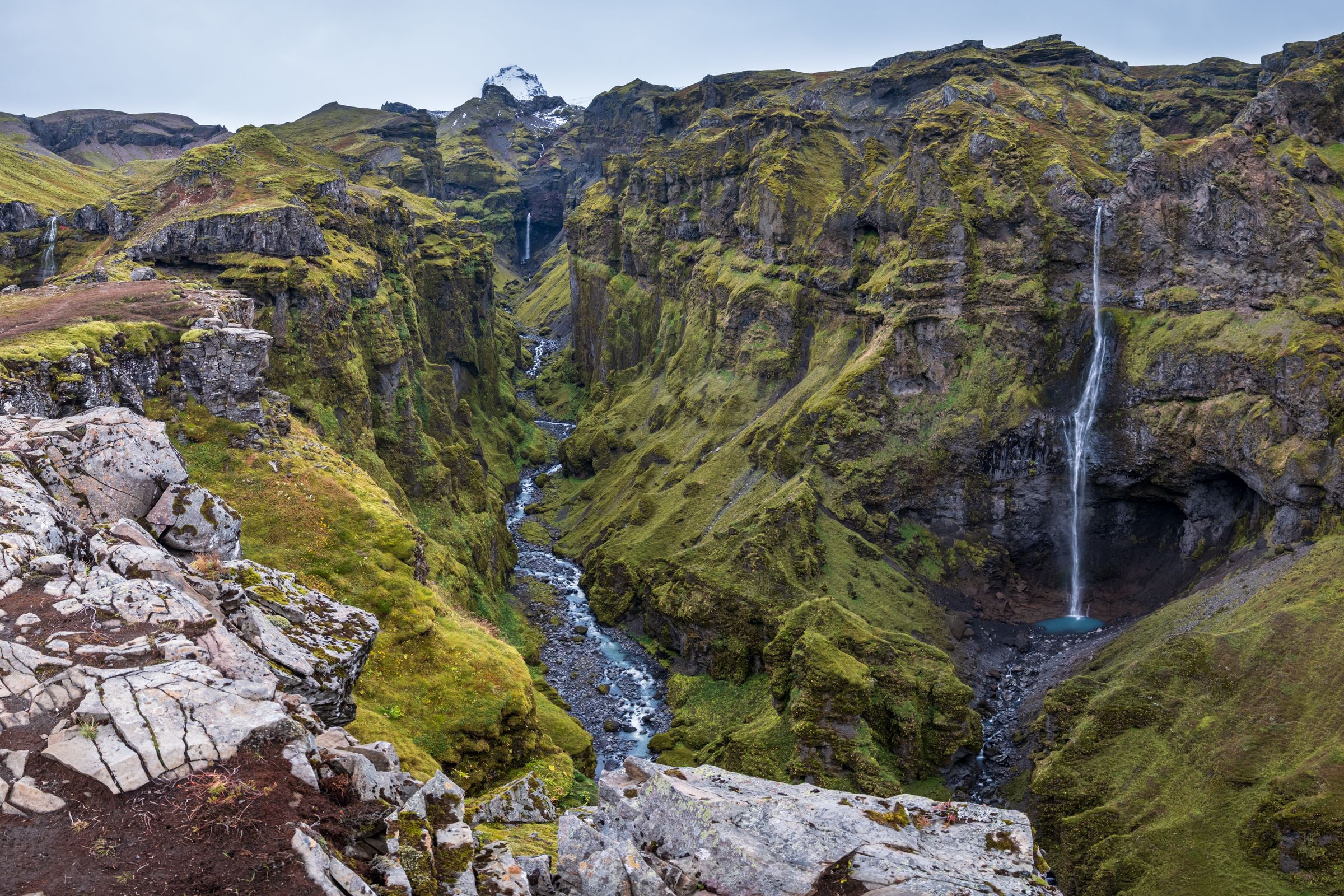
Mulagljúfur has two hanging waterfalls falling into a mossy canyon with glacier views. The 2-hour hike has steep parts and river crossings. It became popular recently but still feels untouched. The turnoff from the Ring Road is easy to miss.
Sigöldugljúfur
Sigöldugljúfur has dozens of waterfalls dropping into a turquoise river, earning it the name “Valley of Tears.” You need a 4x4 on F208 in summer. The viewpoint is a quick 10-minute walk. The turn sign is easy to miss.
Látrabjarg Bird Cliffs
Látrabjarg is a 14-kilometer cliff full of millions of seabirds, especially puffins. The long gravel drive keeps crowds low. You can get close to puffins by lying flat. Stay behind the safety markers and avoid disturbing the birds.
Kolugljúfur Canyon
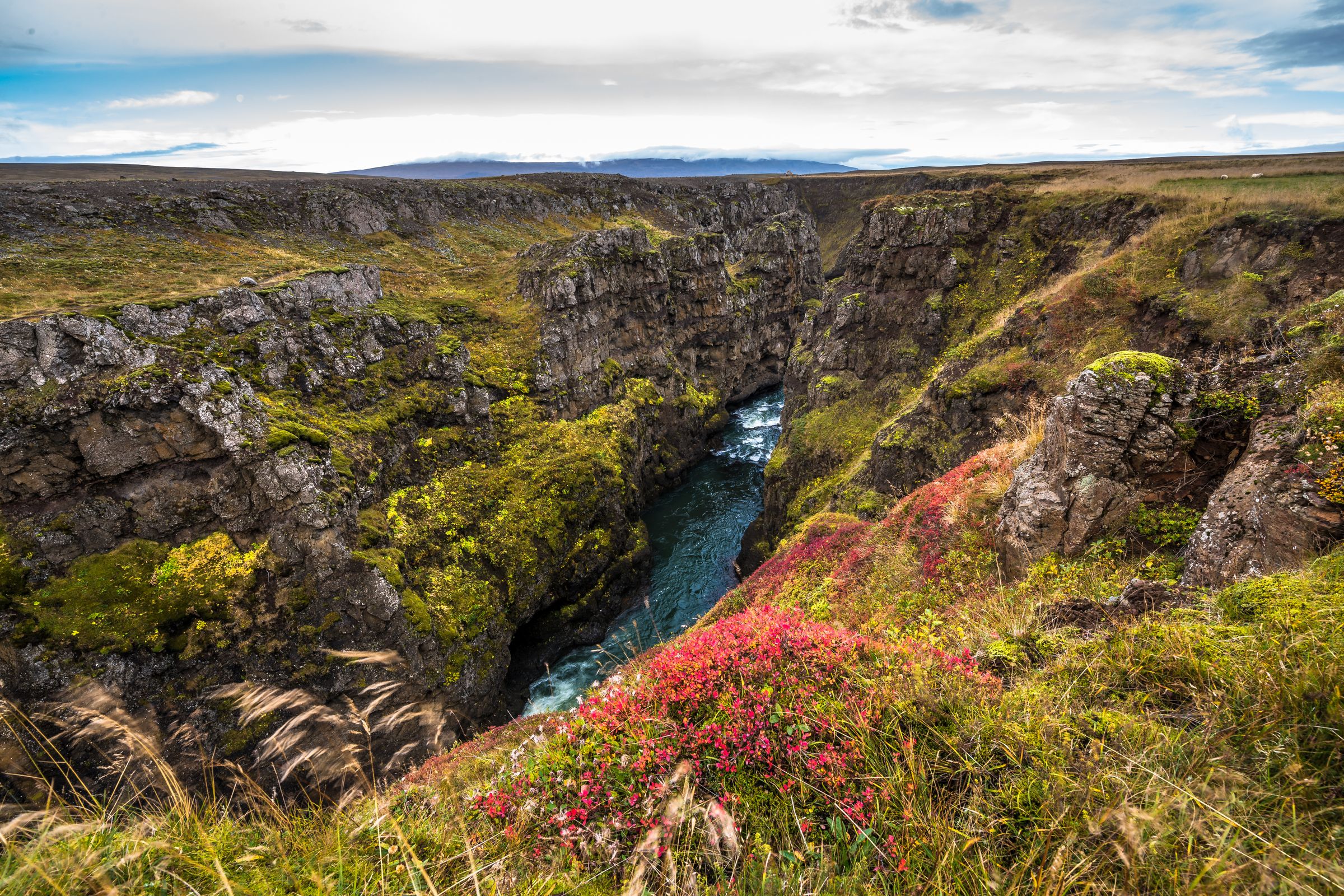
Kolugljúfur is a narrow gorge with waterfalls flowing through basalt arches, tied to a troll story. It’s about an hour from the Ring Road in northwest Iceland. New bridges in 2025 improve safety. The short walk offers great views with fewer people.
Rauðisandur
Rauðisandur is a 10-kilometer red sand beach with golden and reddish tones. You need a 4x4 and careful driving. Low tide reveals mountain reflections and peaceful silence. Long summer daylight makes it even better.
Planning Your Iceland Adventure
Iceland is amazing but unpredictable, with rough roads and fast-changing weather. Check road.is, expect long drives, split your stays, and book summer hotels early. Read rental insurance, bring maps, and use public pools or cooking to save money. Download the 112 app, pack extra supplies, and never cross rivers unless you know what you’re doing.
Conclusion
Iceland has unforgettable natural spots from the Blue Lagoon to the Highlands. Match your plans to the season and how much rough driving you want. Don’t try to fit everything into one trip. Slow down and enjoy the moments that end up becoming your favorites.
1. Blue Lagoon
The Blue Lagoon sits in the middle of black lava rocks about 20 minutes from the airport. It's not natural. The milky-blue water comes from a power plant nearby, but that doesn't make it any less amazing. The water stays warm year-round, and the silica mud leaves your skin super soft. You can grab drinks without leaving the water and get massages while you float around.
You have to book online well in advance because it fills up fast. Basic tickets start around $65, but the premium packages with towels and face masks are worth it. Avoid the middle of the day when tour buses show up. Early morning or evening is way better. Going in winter is incredible. Picture yourself soaking in hot, blue water while snow falls around you, maybe with the Northern Lights overhead.
2. Reykjavík
Reykjavík packs more energy into a small space than cities twice its size. Downtown around Laugavegur street has colorful houses, cool street art, and cafés serving everything from traditional soup to fancy Nordic food. Hallgrímskirkja church has a weird rocket-ship design and great views from the top. Harpa Concert Hall by the harbor is pretty striking with all that glass.
Use Reykjavík as your base for day trips around the country. The whole city runs on clean energy, which is pretty cool. Try the hot dogs at Bæjarins Beztu. Even Bill Clinton ate there. Hit up one of the public pools like Laugardalslaug for a real local experience. If you're here in November, the Iceland Airwaves music festival turns the city into one big party.
3. Fjaðrárgljúfur Canyon
This 2-kilometer canyon winds through the landscape with 100-meter walls covered in bright green moss. The river at the bottom looks tiny from up top. It's got this magical quality that makes you understand why Iceland has so many folklore stories.
The canyon sits near Kirkjubæjarklaustur on the south coast. It got super popular after Justin Bieber and Game of Thrones filmed here, so they had to close it for restoration in 2019. New platforms help protect the moss from all the foot traffic. Walking the rim takes about 30 to 45 minutes.
4. Þingvellir National Park
At Þingvellir, you can walk between two continents. The North American and Eurasian plates are pulling apart here, creating this massive rift valley with clear blue fissures. This is also where the world's oldest parliament met, starting in 930 AD. Vikings would gather at the Law Rock to debate laws and settle disputes.
It's 45 minutes from Reykjavík on the Golden Circle route. Entry is free, and parking costs about $5. The Silfra fissure has some of the clearest water on earth. You can snorkel or dive between the continents if you don't mind freezing water. The views from Almannagjá rift are pretty awesome, and rangers give talks about how the whole thing works.
5. Gullfoss
Gullfoss drops 32 meters in two huge steps into a narrow canyon. When the sun hits the mist just right, you get rainbows everywhere. That's why they call it the "Golden Waterfall." In summer, enough water goes over to fill an Olympic pool every 15 seconds. The sound is crazy loud, like constant thunder.
This waterfall almost got turned into a dam in the early 1900s, but a local woman fought to save it. You can walk right up to the edge and get soaked by the spray. In winter, parts freeze into huge ice sculptures. The café nearby serves hot soup, which you'll need after standing in the mist for photos.
Seljalandsfoss lets you do something no other big waterfall can: walk behind the 60 meter drop. There's a path that takes you into a cave space behind the water. You'll get completely soaked, but it's pretty cool. The water comes from the Eyjafjallajökull glacier, the same volcano that disrupted flights worldwide in 2010.
It's right off the main Ring Road, so it’s super easy to reach. Walk 500 meters north to find Gljúfrabúi, a hidden waterfall tucked into a narrow gorge. You'll need to wade through a stream to see it properly. Bring waterproof clothes and extra shoes. Sunset here makes for some great photos, and you can camp nearby.
7. Snæfellsjökull National Park
The national park, located in the Snæfellsnes Peninsula, has everything: black sand beaches, bird cliffs, lava fields, and that mystical 1,446-meter volcano. This glacier-topped volcano inspired Jules Verne's "Journey to the Center of the Earth.". It’s like a mini-Iceland, because you see so many different landscapes.
Drive around to see Djúpalónssandur beach with old shipwreck pieces, Arnarstapi village with sea arches, and the Saxhóll crater, which you can climb. The park has hiking trails and lava cave tours at every turn. Even on clear days, the volcano makes its own weather, so bring layers. Many people say they feel something special here. Whether that's real or just the dramatic scenery, the place definitely has a unique vibe.
8. Skógafoss
Skógafoss hits you with serious power. It's 60 meters tall and creates double rainbows on sunny days. You can walk right up to the base and feel the ground shake, or climb 527 steps to the top for ocean views. This is where the famous Fimmvörðuháls Trail begins, which runs between two glaciers.
Legend says a Viking hid treasure behind the falls, and people swear they can see gold glinting in the rainbows. The Skogar museum nearby shows how Icelanders lived in grass-roof houses. Puffins nest on the cliffs in summer, although it’s not the best place to see them. Scenes from Game of Thrones and Thor were filmed here, which brought more crowds, but you may still have a peaceful visit if you go early in the morning.
This is my favourite waterfall in the whole country.
9. Reynisfjara Black Sand Beach & Reynisdrangar
This black sand beach looks pretty wild. The sand comes from volcanic ash, and huge basalt columns rise from the beach in these weird geometric patterns. The Reynisdrangar sea stacks rise from the ocean, their tall, pointed shapes standing out. Local stories say they're trolls that got turned to stone by sunlight.
The beach is beautiful but dangerous. Sneaker waves have pulled people into the freezing Atlantic, so never turn your back on the water. Puffins nest on the cliffs from May to August. It's near Vík village, which is a nice stop in your South Coast itinerary. The black-and-white contrast makes every photo look pretty dramatic.
10. Jökulsárlón Glacier Lagoon
Icebergs the size of a house float through this lagoon after breaking off from a massive glacier. Seals swim around the ice chunks, and the whole scene changes constantly as bergs drift toward the ocean. The lagoon only formed in the 1930s as the glacier retreated, and it's now 284 meters deep in spots.
Boat tours run from May to October and cost from $55 to $70. You weave between icebergs while they crack and pop around you, and you can even see seals sunbathing in the icebergs. It's right beside the Ring Road, so you can visit year-round. Some ice washes up on the nearby Diamond Beach, creating these crystal sculptures on black sand.
Batman and James Bond movies were filmed here because it looks so extraordinary.
11. Skaftafell / Vatnajökull National Park
Skaftafell is like this green oasis surrounded by black deserts and white glaciers. It's inside Europe's largest national park, Vatnajökull, and offers everything from easy walks to serious glacier adventures. The visitor center has maps and info about current trail conditions.
You can hike to waterfalls in an hour or spend all day on glacier tours with guides (around $110 to $140). Ice caves open from November to March when they're stable enough to explore. The area has its own microclimate that creates surprisingly green vegetation. You can camp here or stay at the nearby hotel for easy trail access.
12. Svartifoss
Svartifoss, the "Black Waterfall," drops 20 meters over dark columns that look like organ pipes. These geometric shapes inspired the design of Hallgrímskirkja church in Reykjavík. The contrast between white water and black rock makes it one of Iceland's most photographed falls.
The hike from Skaftafell takes about 1.5 to 2 hours round-trip and passes smaller waterfalls along the way. The columns formed when lava cooled slowly over millions of years. Trails get muddy, so wear good boots. Visit in the afternoon when the light hits the falls perfectly, and combine it with other Skaftafell hikes.
13. Kirkjufell & Kirkjufellsfoss
Kirkjufell is a mountain with a perfect triangular shape that rises from the peninsula. Pair it with Kirkjufellsfoss waterfall in front, and you get Iceland's most photographed combo. The 463-meter mountain stands alone, shaped by glaciers scraping past for thousands of years.
The classic photo spot is right beside the falls, easy to reach from Grundarfjörður town. Winter brings people hoping to catch the Northern Lights dancing over the mountain, while in summer, you can take pictures under the Midnight Sun. Game of Thrones fans will recognize it as the "mountain like an arrowhead." Despite being famous, it’s not as crowded as other stops.
14. Landmannalaugar
Landmannalaugar looks pretty wild. The rhyolite mountains are painted red, yellow, green, and pink from minerals in the rock. You can soak in natural hot springs while surrounded by this colorful landscape. You can only get here with a 4x4 or special bus, as it’s located in the southern Highlands, inside Fjallabak Nature Reserve.
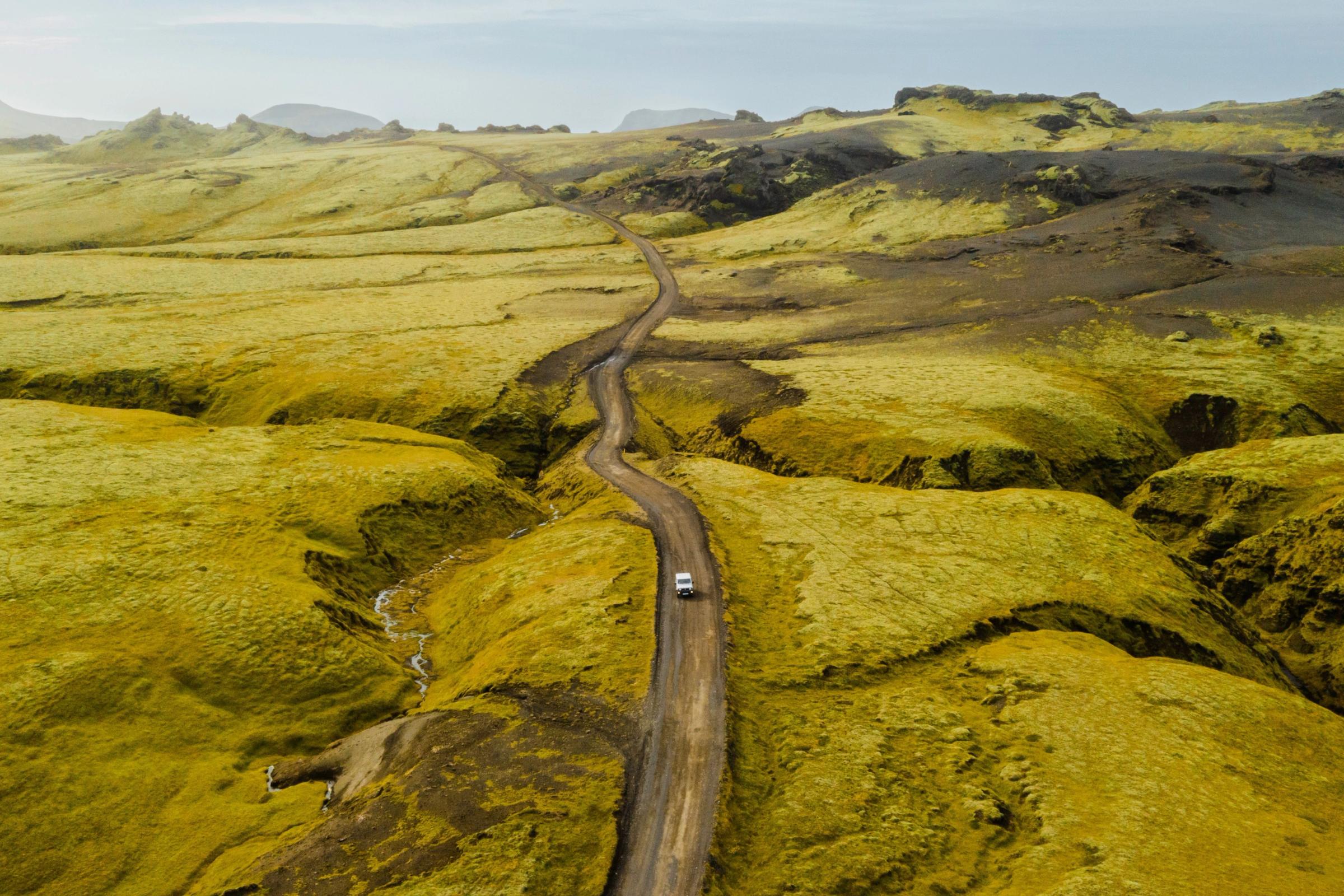
The area is open from June to September, when mountain roads (F-Roads) become drivable. Day hikes include a 4-kilometer loop around the colorful Brennisteinsalda mountain. The famous 55-kilometer Laugavegur trail to Þórsmörk starts here. Book mountain huts well in advance (around $55/night) because they fill up fast. The drive on F208 or F225 feels pretty remote, with river crossings and views that will have you in awe.
15. Dettifoss
Dettifoss is Europe's second most powerful waterfall. It drops 44 meters with more force than any other: 193 cubic meters per second on average, up to 500 during peak summer. You'll feel the vibrations in your chest before you even see it through the constant mist cloud.
You can approach from the east (paved road) or the west (gravel, need 4x4). The eastern route is easier. Prometheus filmed here because it looks so intense. Standing at the viewpoint really makes you feel small. The canyon walls show millions of years of volcanic history in their layered rock.
16. Lake Mývatn Area
Lake Mývatn sits in the middle of this volcanic playground. You've got fake craters at Skútustaðagígar, weird lava formations at Dimmuborgir, bubbling mud pots at Hverir, and the Hverfjall crater, which you can climb. This whole area formed from thousands of years of eruptions.
The name means "Midge Lake." In summer, you'll understand why when tiny flies swarm everywhere. Pack a head net for June and July. The Mývatn Nature Baths are like a quieter (and cheaper) Blue Lagoon for $58. NASA trains astronauts here because the terrain is so unusual. Each spot tells a different story of how volcanoes shaped Iceland.
Húsavík calls itself Iceland's whale watching capital, and they back it up: 99% success rates for seeing humpback whales, minke whales, or dolphins in summer. The bay's rich waters attract marine life, while the colorful town has a great whale museum and cozy harbor vibe.
Tours cost around $110 and run from traditional wooden boats to modern electric ones. The Whale Museum has whale skeletons and cool interactive exhibits. The GeoSea baths, located at the edge of town, offer geothermal pools overlooking the bay. Visit June to September for the best whale activity. If you visit in winter, you might even catch the Northern Lights while at the sea.
18. Dynjandi (Fjallfoss)
Dynjandi falls 100 meters down these stepped cliffs in a wide, flowing stream. The name means "thundering," and as you hike up from the parking lot, the sound goes from a whisper to a roar that drowns out conversation. On that same hike from the parking, you’ll pass along six smaller waterfalls that are a nice add-on: Hæstahjallafoss. Strompgljúfrafoss, Göngumannafoss, Hrísvaðsfoss, Hundafoss, Bæjarfoss.
Getting here takes commitment: 5 to 6 hours driving through the remote Westfjords on partly gravel roads. The remoteness helps to keep crowds away, making this way more peaceful than the busy falls of the South Coast. It flows strongest in late spring when snowmelt feeds the river. You can combine it with Látrabjarg bird cliffs or Rauðisandur red beach if you're doing the full Westfjords thing.
19. Stuðlagil Canyon
Stuðlagil is home to some of Iceland's most impressive basalt columns. These perfect hexagonal pillars rise above a turquoise river, creating a sight that’s hard to beat, even in Iceland. Nobody really knew about it until recent years, when a dam lowered water levels and revealed these crazy formations.
It's in east Iceland's Jökuldalur valley. The eastern side gives closer views with an easier walk, while the western side takes more effort but offers different angles. The contrast between those dark geometric columns and the bright blue water is pretty striking. Visit in summer for the clearest water, or fall, when lower levels make the columns stand out more.
20. Glymur
Glymur drops 198 meters into this mossy canyon, making it Iceland's second-tallest waterfall. The hike involves river crossings (across a small bridge), cave passages, and some cliff scrambles, making getting there just as memorable as the falls themselves. Round-trip takes 3 to 4 hours, and you need decent fitness.
It's in Hvalfjörður fjord, 1 hour and 15 minutes north of Reykjavík. They put up a log bridge across the river in June and take it down in October, so check conditions first. Even if you can't do the whole loop, a partial hike still gives excellent views of the fjord. It's one of the few serious hiking adventures close to the capital.
21. Vestrahorn & Stokksnes
Vestrahorn's jagged peaks rise straight from black sand dunes, creating mirror reflections when the sand gets wet. The mountain is made of a different type of rock than most of Iceland, giving it this unique Gothic look that's perfect for photos.
You must pay a small fee (about $8) at the Viking Café to access it, as it sits on private land. There’s a replica Viking village with some unfinished houses and buildings, which is a nice cultural addition. They built it for a 2010 movie and left it there afterwards. Visit in the early morning and or in the evening, as the light makes the mountain glow. It's near Höfn, so you can combine it with Jökulsárlón glacier lagoon, about an hour away.
22. Aldeyjarfoss
Aldeyjarfoss is a waterfall that flows through this natural theater of twisted basalt columns. The 20-meter drop creates this cool contrast between white water and dark volcanic rock, while a turquoise pool below reflects all those geometric patterns.
It's in the northern Highlands, near the Sprengisandur route, and requires some gravel-road driving that most 4x4s can handle in summer. As it happens with Dynjandi, the remote location means way fewer visitors than the waterfalls off the Ring Road. The columns formed from ancient lava flows that cooled at different rates, creating these patterns that actually inspired Icelandic architecture.
23. Kerlingarfjöll
Kerlingarfjöll mixes steaming valleys with colorful mountains. These rust red peaks with patches of green and snow, while underground heat creates bubbling springs and steam rising everywhere. The "Old Woman's Mountains" get their name from folklore about a troll turned to stone.
Highland Base has eco-friendly rooms and serves as the starting point for hikes into the Hveradalir geothermal valley. The 7-kilometer loop through hot springs and rainbow hills feels pretty remote. You can only reach it via the Kjölur highland route in summer, and the lodge books up fast for the short July to September season.
24. Háifoss & Granni
Háifoss and its neighbor, Granni, create this double waterfall dropping 122 meters into a flood-carved canyon. The name means "High Waterfall". When you're standing at the viewpoint, you'll get why Vikings didn't bother with fancy names.
You need a decent 4x4 vehicle for the F-road drive, but they've made recent improvements. The setting feels incredibly remote despite being just 2 hours from Reykjavík. Wind gets pretty intense at the cliff edge, so hold onto your camera. Views stretch across the Þjórsárdalur valley, and you may even see the active Hekla Volcano.
25. Brúárfoss
Brúárfoss might be Iceland's bluest waterfall. Glacial silt creates this almost neon turquoise as the river tumbles over moss-covered rocks in multiple gentle drops. It's completely different from Iceland's powerful single-drop falls, way more peaceful.
The easy 1-kilometer walk from the parking (pay $6 via app) makes this a perfect add-on between Geysir and Gullfoss. The name comes from an old bridge, of which you can still see ruins upstream. The morning light makes the blue color really pop, so make the effort to get up early.
26. Mulagljúfur Canyon
Mulagljúfur hides two hanging waterfalls, Múlafoss and Hangandifoss, dropping over 100-meter cliffs into a turquoise river. Moss-covered walls and glacier views create this fantasy atmosphere that feels completely untouched.
It's in southeast Iceland near Vatnajökull. The 2-hour hike includes river crossings and some steep climbs to reach viewpoints. This only got popular recently through social media, so it still feels like discovering something new. Pay close attention to the road or you’ll miss the turn on the Ring Road. Besides that, any car can make the short drive to the parking lot. Bring offline maps and don't hike alone.
27. Sigöldugljúfur
Sigöldugljúfur earns its "Valley of Tears" nickname from the dozens of waterfalls that spill over stepped cliffs into a turquoise river. You can count 50 to 100 individual cascades depending on the water levels. It's like nature's greatest hits all in one spot.
You need a 4x4 to tackle the F208, and can only visit in summer. The 10-minute walk from the parking lot to the viewpoint offers one of Iceland's most photogenic views. The drive includes river crossings and rough sections, but that's part of the adventure. The yellow road sign that marks when to turn is easy to miss, so pay attention.
28. Látrabjarg Bird Cliffs
Látrabjarg stretches 14 kilometers, making it Europe's biggest bird cliff, rising 440 meters above crashing waves, where millions of seabirds nest in summer. Puffins steal the show here. You can get incredibly close by lying flat and moving slowly.
The drive takes 6+ hours through the remote Westfjords on gravel roads, but the reward is wildlife encounters you can't get anywhere else. Up to 50,000 puffin pairs nest here from May to August, along with other seabirds. There are safety barriers marking cliff edges, but always be careful. It’s crucial that you don’t do anything that can disturb the birds.
29. Kolugljúfur Canyon
Kolugljúfur cuts this narrow 100-meter gorge where waterfalls flow through natural basalt arches. Local stories say the troll woman Kola created this as her fishing spot, adding a touch of Folklore we all love.
It's in northwest Iceland, about an hour off the Ring Road. New bridges in 2025 made it safer after some tourist accidents. The easy walk to the viewpoints takes only 20-30 minutes, but that doesn’t make it any less memorable. Despite being accessible, it sees fewer visitors than the waterfalls in the south, so it’s a perfect spot to disconnect.
30. Rauðisandur
Rauðisandur stretches for 10 kilometers as a stunning red sand beach, where shell fragments create golden and reddish hues that change with light and tides. It's completely different from Iceland's typical black beaches, offering solitude surrounded by dramatic cliffs, and the chance to see seals.
Getting there is not extremely easy, although recent improvements have made the road safer. Still, you’ll need a 4x4 and to be careful. During low tide, you can see the reflections of the surrounding mountains. It’s a sight to see. The beach is completely silent except for waves, making this one of Iceland's most peaceful spots, especially during long summers when the sun doesn’t set until 11 PM.
Planning Your Iceland Adventure
Iceland is awesome but it can bite you if you're not prepared. The weather is crazy unpredictable, roads can be rough, and you're often hours away from help. A bit of planning makes the difference between an amazing trip and a disaster.
Basic Planning Stuff:
Weather flips from sunny to stormy in minutes, so check road.is every morning
F roads close from October through May, and you need a 4x4 to drive them
The Ring Road stays open all year, but you need winter tires in cold months
Gravel roads take way longer than you think, like double the time
Everything looks closer on the map than it really is
Don't try to see everything from Reykjavík; stay in different areas
Book hotels early for summer, small towns fill up fast
Car Stuff:
Read rental insurance carefully, F road damage usually isn't covered
If you don't want to drive rough roads, book a super jeep tour instead
Winter tires are required by law from November to April
Bring paper maps, as GPS can be unreliable in remote areas
Saving Money:
Public pools are way cheaper than fancy spas and just as relaxing
Restaurant prices are brutal, cook your own food when you can
Hostels and guesthouses cost way less than hotels
Many campsites have kitchens and hot showers for cheap
Shop at Bonus supermarkets, they're the cheapest
Safety Stuff:
Download offline maps, cell service sucks in remote areas
Tell someone where you're going when heading to the highlands
Pack extra food, water, and warm stuff in case you get stuck
Get the 112 Iceland emergency app on your phone
Fill up your gas tank every chance you get
Don't try crossing rivers unless you really know what you're doing
Rent a Camper in Iceland
Explore the land of fire and ice with complete ease
Iceland has natural spots that you won’t forget easily. From the Blue Lagoon to wild spots in the Highland, there's something here for everyone. The trick is matching what you want with the season and how much rough driving you're up for.
Don't try cramming everything into one trip. Iceland works better if you come back, and rushing between highlights means missing the quiet moments that often end up being your favorite parts. Whether you stick to main roads or go into the backcountry, take time to enjoy landscapes you won't find anywhere else.
Frequently Asked Questions
Summer (June to August) is when all the highland roads open and you get super long days, but everyone else knows this too, so expect crowds and high prices. November is good because you might see the Northern Lights, and there are way fewer tourists, but some mountain areas start closing. Winter is tough for getting around, but you get ice caves and northern lights if you're lucky.
For the main stuff, like Gullfoss and that glacier lagoon, any regular car works fine all year. But if you want to see highland places like Landmannalaugar, you definitely need a 4x4 and can only go in summer anyway.
The nature stuff is mostly free; just pay $5-$7 for parking. Blue Lagoon starts at around $65, whale watching is $70 to $ 110, and glacier tours cost $110 to $ 140. The real money killers are hotels and food, that's where you'll spend the most.
Stick to the Golden Circle (Þingvellir, Geysir, Gullfoss) and the South Coast (Seljalandsfoss, Skógafoss, that black beach). Throw in Blue Lagoon and spend some time in Reykjavík. That's a solid week, and you'll see the best of Iceland without stressing about rough roads.
Big ones like Gullfoss and Skógafoss stay open all year, though they might be partly frozen which actually looks pretty cool. Highland waterfalls are off limits when the mountain roads close. Winter gives you different scenery with all the ice formations.
About the author
Aron Freyr
Born and raised in Iceland, Aron Freyr has spent all 28 years of his life exploring the country and getting to know its landscapes, regions, and ever changing conditions. From long summer road trips to winter journeys through remote areas, he has traveled across Iceland more times than he can count. As part of the Go Car Rental Iceland team, Aron turns this firsthand experience into trustworthy, practical guidance that helps visitors navigate Iceland with confidence. His deep local insight makes him one of the most reliable voices on Icelandic travel today. He claims this expertise also includes knowing exactly which gas stations make the best hot dogs.