Hraunfossar: A Unique Lava Waterfall in West Iceland
Hraunfossar is one of the most unusual waterfalls in the country. Instead of a single powerful drop, you'll find countless little streams coming right out of a lava field and flowing into the river below. It’s located in West Iceland, a region with a lot of things to see, making it great to draw a campervan itinerary. This spot works perfectly for a road trip, with easy parking and campsites close by. The whole scene mixes volcanic rock, birch trees, and glacier-fed water that creates a pure and classic Icelandic feel.
If you're after something calm and different from the big-name falls, Hraunfossar delivers. And there’s another great waterfall really close, so you’ll have two in one trip. Come along as we break down everything you need to know about this special place.
Key Takeaways
- Hraunfossar is a series of waterfalls located in West Iceland.
- They are part of the Hvitá River.
- The water comes out of a lava field.
- There’s another waterfall a few meters upstream called Barnafoss.
What's Hraunfossar?
There are certain waterfalls that remind of others. There are certain similarities that make them look alike. But not in this case. Hraunfossar is a one-of-a-kind waterfall. It’s located in West Iceland, in a region called Borgarfjörður. In this unique place, the water pops out from under a big lava field, tumbles over rocks, and ends up into the Hvitá River. It's not your usual waterfall with one big curtain of water. Instead, it's a wide spread of small cascades that look like they're coming straight from the rock. And, in fact, they do.
The clear water, part of an underground branch of the river, filters through the solidified lava before it surfaces. This creates an almost magical look, the blue water coming out between the gaps of the porous rocks. Around, you'll see dark lava covered in moss and lichen, with birch woods adding some green in the back, creating a gorgeous postcard. In fall, the leaves turn gold and red, making the whole view even prettier.
The process that took place to form the waterfalls is quite interesting. The lava field, called Hallmundarhraun, came from an eruption that took place around 800 AD. Over time, the rock's holes and cracks allow glacier water, originating at the Langjökull Glacier, the second-largest in Iceland, to seep through and emerge as natural springs. It's a great example of how Iceland's volcanoes and ice work together to shape things. The area got protected status in 1987, which helps keep its plants and animals safe.
On the history side, Hraunfossar connects to Iceland's early days. The lava field showed up shortly before the first Norse settler arrived. In fact, there’s a settlement not far, Reykholt, that holds an important place in the country’s history. But talk about it later.
People love how easy and quiet it is here. From the parking lot, a short flat path takes you to viewing spots where you can get close without a hard hike. And the parking area is just off a road that goes along the Hvitá valley, it’s very accessible.
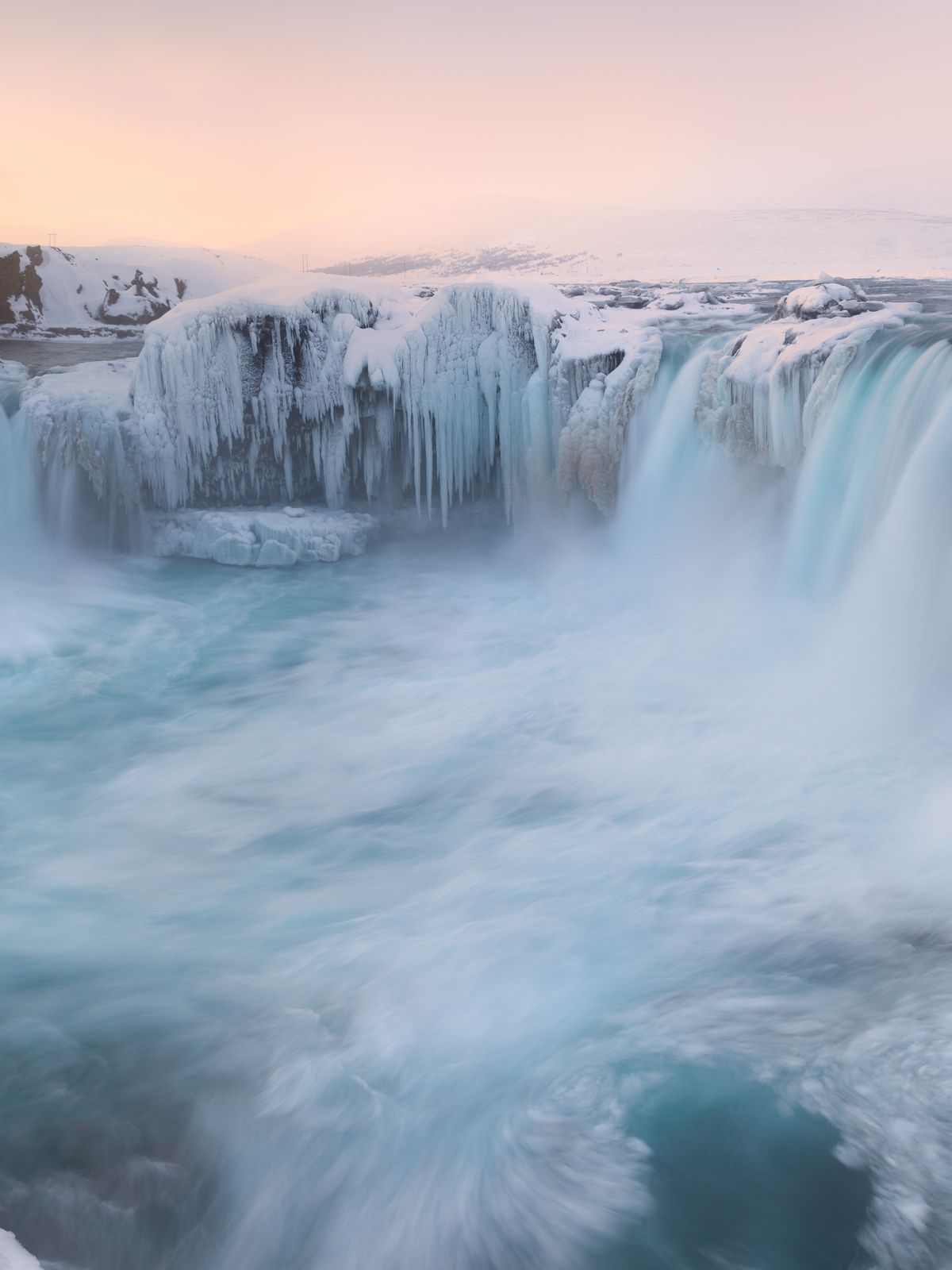
The water's sound is gentle, not loud, so it's a nice place to just sit and take it in. Photographers come for the light playing on the water, especially at sunset. In winter, parts freeze into ice shapes, creating a new look altogether.
It also shows off how water works underground in Iceland. The glacier melt travels below the surface, in hidden paths, before appearing, which is interesting if you're into natural science. All in all, Hraunfossar is one of those places that looks amazing in photographs. But it looks even better in real life.
Folklore at Hraunfossar
Many natural sites in Iceland have legends or mythological tales associated with them, but that’s not the case in Hraunfossar. One of the Sagas of the Icelanders, the foundation of this nation’s history and literature, talks about how the Hvítá River was modified to change its course, showing how people dealt with the land early on. Hraunfossar is not mentioned, though. On the other hand, this region has been an important travel route since medieval times, from old farmers to today's Silver Circle, a scenic route in this region.

About Hraunfossar Waterfalls
Let's get into the details on Hraunfossar. Starting with the name.
Name Meaning and Origin
In Iceland, the names of natural places are usually quite descriptive. In this case, Hraunfossar comes from two Icelandic words: "hraun" for lava; and "fossar" for waterfalls. “Foss” is the native word for waterfall, and “fossar” is the plural. Yes, in this case, this place is called “lava waterfalls.” It fits because the water looks like it's pouring from the lava rocks. In reality, its underground streams come through the Hallmundarhraun field.
Size and Dimensions
Size-wise, it stretches about 900 meters wide (2,950 feet), one of Iceland's biggest spreads for a waterfall. The drops are small, from 0.5 to 3 meters high (1.6 to 10 feet), so it's more of a gentle flow than a big fall. The flow changes with seasons—stronger in late spring and summer from the glacier melt, slower in winter. In fact, part of the waterfalls freezes in the colder months, but there’s always some water flowing.
Geology and Water Conditions
The origin of this natural monument is the interaction of different natural forces. First, we have volcanoes. An ancient eruption formed the lava field where the waterfalls are located. Then, we’ve got glaciers. The source is meltwater from the Langjökull Glacier, which is a few kilometers to the east, where the Hvitá River originates.
The field covers 200 square kilometers from eruptions that took place under Langjökull a thousand years ago. The lava's full of gaps, so water sinks in and comes out as springs. Rocks are mostly dark basalt. This material is created when molten lava touches water and cools rapidly. Then, the erosion has kept shaping the edge over time. The water's always 4-6°C from the glacier.

Where's Hraunfossar and How to Get There
As we have already mentioned, Hraunfossar sits in West Iceland, in an area called Borgarfjörður, 126 km northeast of Reykjavik. It's part of the Silver Circle, a scenic route that connects several phenomenal places in this region. It’s not as well-known as other itineraries, like the Golden Circle, and not as busy. Although it’s fantastic for a road trip, with a few places to spend the night in a campervan.
The best way to reach the waterfalls is by having your own car or campervan. No public buses drop off at Hraunfossar, and few tourist tours do. Even so, having a vehicle allows you to visit the place whenever you like and spend as much as you want there. And then, you can continue with your journey afterwards.
If you’re coming from Reykjavik, the drive takes 1.5 to 2 hours. Start by taking the Ring Road (Route 1) northbound for 70 kilometers (46 miles), crossing the Hvalfjörður tunnel. Just before the Borgarfjörður bridge, turn right onto Route 50. 27 kilometers (16.7 miles) later, take Route 518, which leads to the waterfalls. Drive on it for approximately 30 kilometers (18.5 miles) until you see a sign to Hraunfossar. It’s a smaller road to the left. There’s a free parking area with toilets and a café. From there, it’s just a couple of minutes on foot to the viewing point.

Where to Stay Near Hraunfossar Waterfall
There are many campsites near Hraunfossar where you can spend a night or two.
Húsafell Camping Ground
Distance to Hraunfossar: 6.5 kilometers (4 miles) Opening period: June 1 to September 28.
This family-friendly camping ground is located in the astonishing Húsafell area, surrounded by a forest and with access to many hiking trails. It’s great for families and groups, and it features toilets, showers, electricity, a swimming pool, hot tubs, a restaurant, a playground for children, and a golf course. It’s a very popular place in Iceland, highly rated, and every Saturday evening the staff organize a bonfire and all the guests are invited.
Hverinn
Distance to Hraunfossar: 24 kilometers (15 miles). Opening period: Year-round.
Situated in a beautiful natural environment, this camping ground has a restaurant that serves food using ingredients from its own greenhouses. The facilities include toilets, showers, electrical hookups, a washing machine, and a dryer. Next to the campsite are the local swimming pool and the local school with playground, soccer field, and basketball court, available for guests during the summer.
Varmaland
Distance to Hraunfossar: 41 kilometers (25.5 miles). Opening period: June 1 to August 31.
Located outside the town of Varmaland, this large campsite features a sports center with a swimming pool open during peak summer hours. This campground is spacious, with grassy pitches and access to toilets, cold and hot running water, electrical hookups, free Wi-Fi, and a sink for washing dishes.
Fossatún Camping Ground
Distance to Hraunfossar: 35 kilometers (22 miles). Opening period: All year. Winter season from September 1 to April 30, limited services.
This camping ground is regarded as one of the best and most unique in all of Iceland. It even has a touch of folklore, as it features a troll garden. It has great and well-maintained facilities, such as toilets, showers, a playground for children, hot tubs, laundry, electricity hookups, minigolf, and a restaurant serving traditional Icelandic cuisine. It is a charming, family-oriented site that combines elements of Icelandic culture (like trolls) with beautiful natural surroundings.
Selsskógur Camping Ground
Distance to Hraunfossar: 45 kilometers (28 miles). Opening period: Mid-May to mid-September.
This campsite is located in the middle of a small and beautiful forest, and the pitches are sheltered by trees. Selsskógur provides spots for campervans with electricity, hot/cold water, showers, and toilets. Although it is a simple site, the natural setting is astonishing, and you’ll feel immersed in nature. It's divided into smaller areas for privacy.
Borgarnes Camping Ground
Distance to Hraunfossar: 57 kilometers (35.5 miles). Opening period: Late May to late September.
Located quite close to the Ring Road, this campsite is your go-to option if you want to stay in a town, close to services. It’s basic, with toilets, electrical hookups, a BBQ area, and free Wi-Fi. Being close to the city center, you’re minutes away on foot from stores, banks, gas stations, restaurants, a playground, a football field, a golf course, a swimming pool, a bar, and a post office.

What to See and Do Near Hraunfossar
Hraunfossar is very close to another great waterfall, called Barnafoss. The two are connected by a short 200-meter walk along a path, so you can make the most out of your visit and see them both. On top of that, this part of Iceland is full of amazing natural monuments and cultural landmarks.
Barnafoss
Barnafoss, which translates as "Children's Falls," is Hraunfossar’s neighbor, about 200 meters away. Barnafoss is bigger and more dramatic, and also part of the Hvitá River. The water here is more turbulent and carves through a narrow gorge, creating a striking contrast to the landscape around. There’s a short trail from the parking area that leads to a viewing platform, perfect for photos. The waterfall takes its name from a tragic legend that says that two children drowned here after falling from a natural stone bridge.

Selgil Hot Spring
Selgil Hot Spring lies in the Húsafell area, a lesser-known geothermal spot with warm pools nestled in a forested canyon. Reachable by a moderate hike, it offers natural bathing amid birch trees and rocky terrain. The waters, heated by underground sources, provide a soothing soak with views of the surrounding hills. It's about 10 kilometers from Hraunfossar, ideal for a relaxing afternoon dip after waterfall viewing.
Víðgelmir Cave
Not far from Hraunfossar, we can find another side of ancient volcanic activity. Víðgelmir is Iceland's longest lava tube at 1,595 meters, and features stunning ice formations, stalactites, and colorful mineral deposits. There are guided tours that take visitors underground to see the cave’s colorful interior, illuminated by LED lights to highlight its dramatic elements. It’s a fascinating journey into Iceland’s volcanic past.
Surtshellir
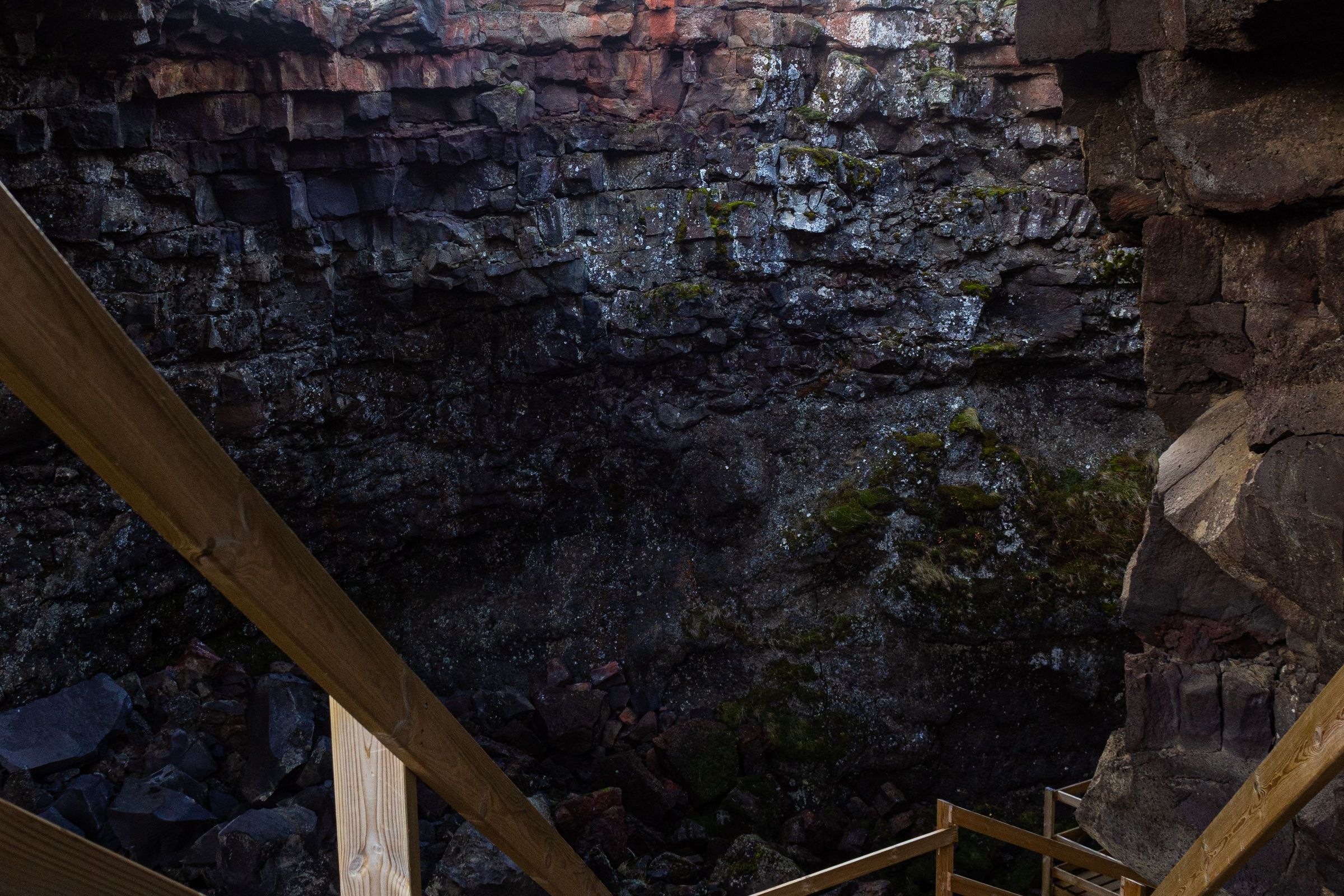
Surtshellir is a massive lava cave system, stretching over 1 kilometer with dark tunnels. It’s a place linked to Icelandic mythology, as it’s named after a fire giant called Surtur. It’s necessary to carry a flashlight to illuminate the interior. The road leading to the entrance is rocky and difficult, and you’ll need a 4x4 van to deal with it.

Langjökull Glacier
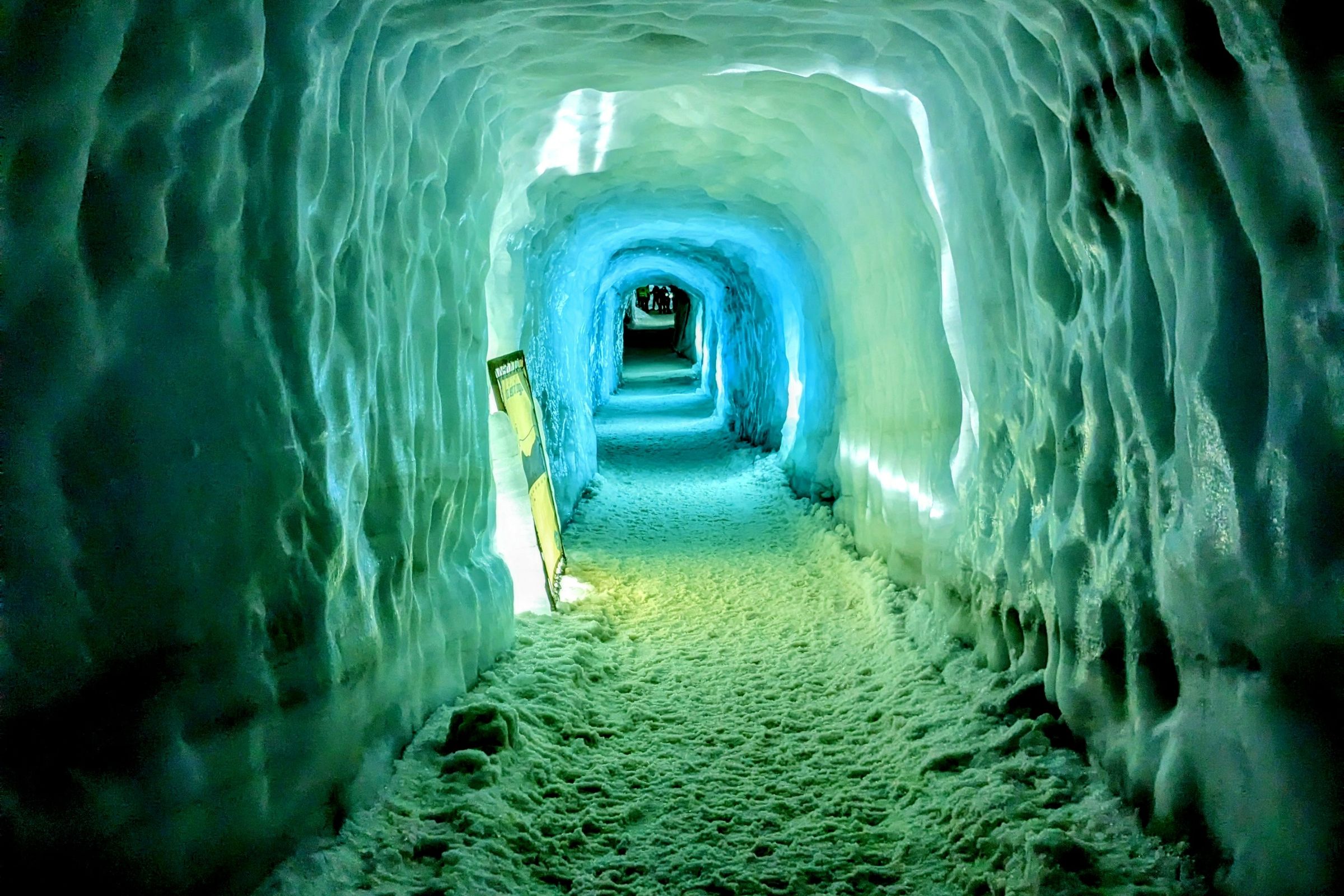
As we have seen before, Iceland has been shaped by different natural forces, and glaciers are one of the most visible ones. The country’s second largest glacier, named Langjökull, which can be translated as “long glacier.” It’s not far from Hraunfossar. In fact, the water in the waterfalls comes from this glacier. It offers thrilling activities such as snowmobiling, glacier hiking, and visiting the man-made tunnel, the largest of its kind in the world. It can also be visited year-round, while the rest of ice caves in Iceland are only accessible in winter.
Reykholt
Reykholt is a historic village with a big importance in Iceland’s heritage. Here’s where Snorri Sturluson, Iceland’s most prominent poet and historian, lived. In the 12th and 13th centuries, this chieftain, poet, scholar, and historian established himself. His works have shaped our understanding of Norse mythology and medieval European history. The village’s historical significance can still be felt at Snorrastofa, a museum and medieval research center.

Deildartunguhver
Deildartunguhver is Europe’s highest-flowing hot spring, producing 180 liters of steaming water per second. This astonishing amount of water is used to power different towns and cities in West Iceland, such as Borgarnes and Akranes. It’s a fantastic example of geothermal activity in Iceland. The water is too hot for bathing, but that’s something you can do in the nearby Krauma Spa, which uses waters from Deildartunguhver.

Krauma Spa
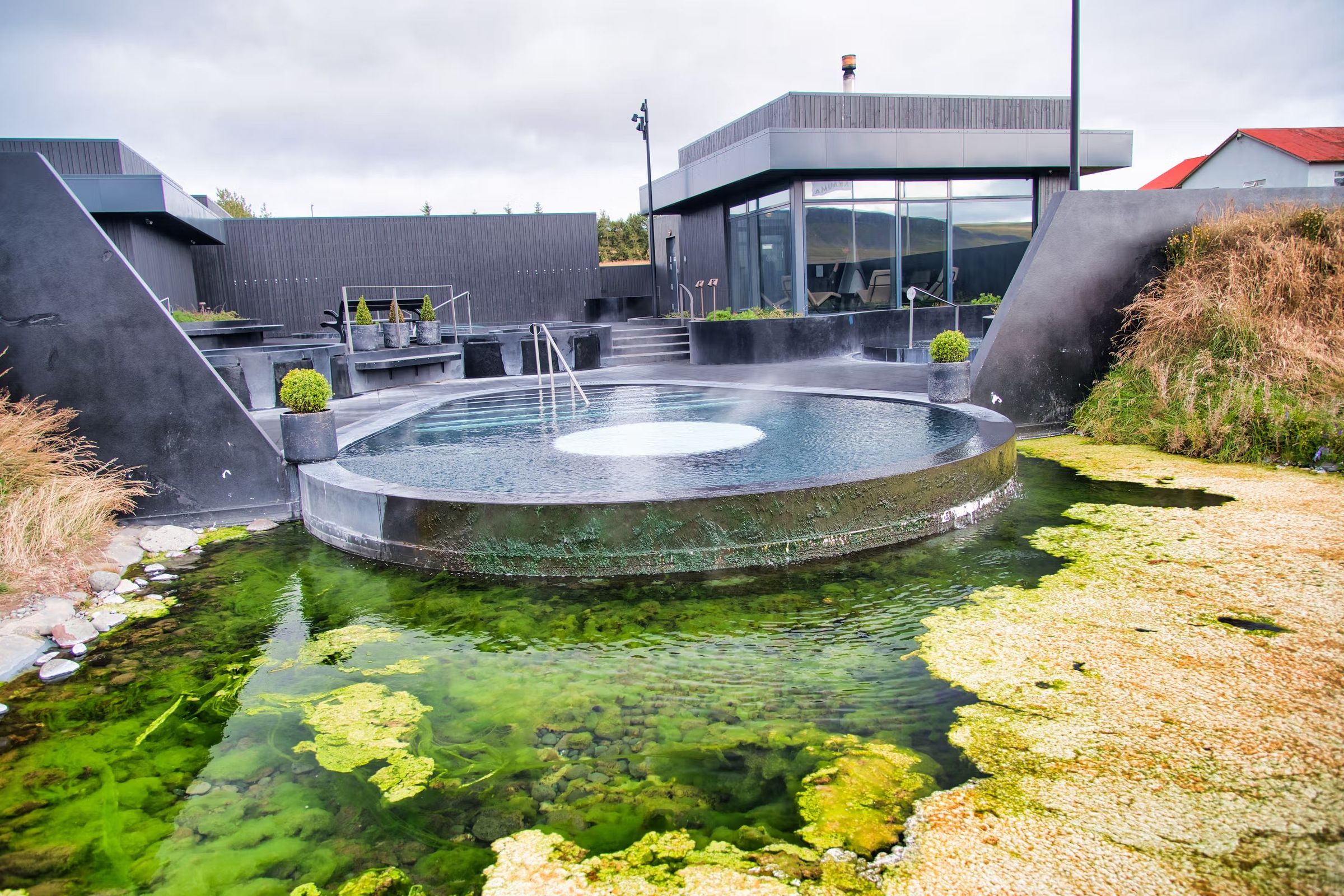
This place sits next to Deildartunguhver, and it’s a modern geothermal bath spa. It mixes hot spring water with cold glacier flow for pools at different temperatures. You'll find five hot tubs, a cold plunge, two saunas, and a relaxation room with a fireplace and music. It has great views over the geothermal landscape around. Entry includes towels, about 15 km from the falls, perfect for unwinding after a day out.
Best Time to Visit Hraunfossar
The weather can have a huge impact on your travel experience, as most of the things you’ll want to see, like Hraunfossar, are outdoors. Here’s what you can expect in each season.
Spring arrives with cold weather that improves every week, with temperatures and daylight on the rise. By mid-season, the waterfalls increase their flow thanks to the melting snow. The landscapes around Hraunfossar shine green and full of flowers. There are not many tourists, so you can enjoy a quiet visit. Disadvantages involve potential mud on paths and unpredictable showers that can make the area slippery.
Summer is the best season in terms of weather. There are always chances of rain, and the skies are a mix of sunshine and sudden showers. The days are really long, the sun barely sets in late June, and the falls are at full flow from glacial melt. On the other hand, it’s peak season, so you’ll need to book the accommodation in advance to secure your preferred campsite.
Autumn transforms the site, as the fields and trees start to change colors, creating amazing photo opportunities. The temperatures cool down, and the probability of rain increases. The days grow shorter, and the first days of snow can arrive by mid-October. It’s the season with the fewest tourists.
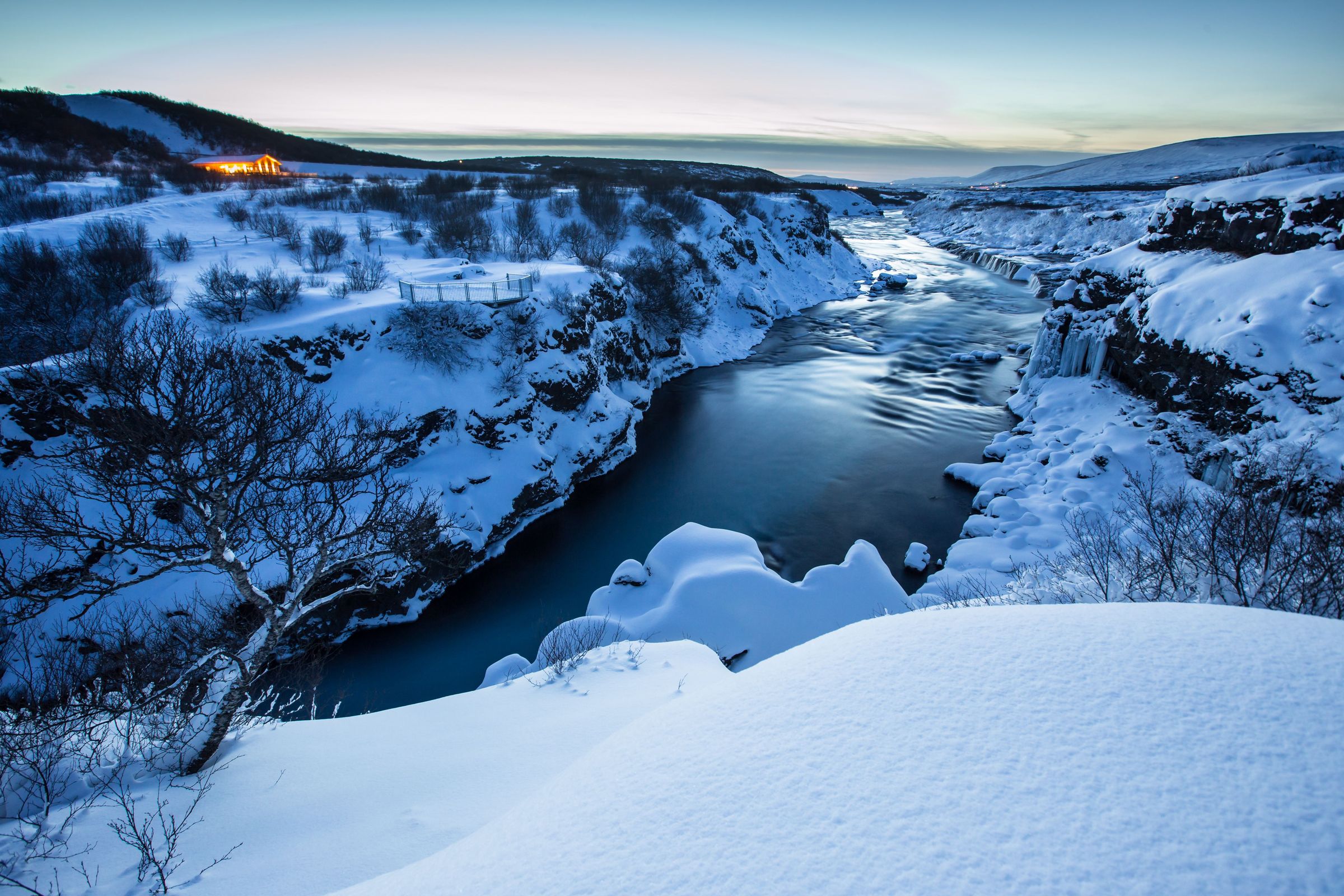
Winters are long and cold in Iceland, with temperatures around freezing point for most of the time. Almost everything is covered in snow, which can make traveling by road quite complicated. Parts of the waterfalls freeze, creating mesmerizing ice sculptures. The days are very short, barely 4-6 hours of natural light, so you have to plan your visit and activities to fit those moments. On a positive note, it’s when the northern lights can be seen if the night is clear.


What to Pack to Visit Hraunfossar
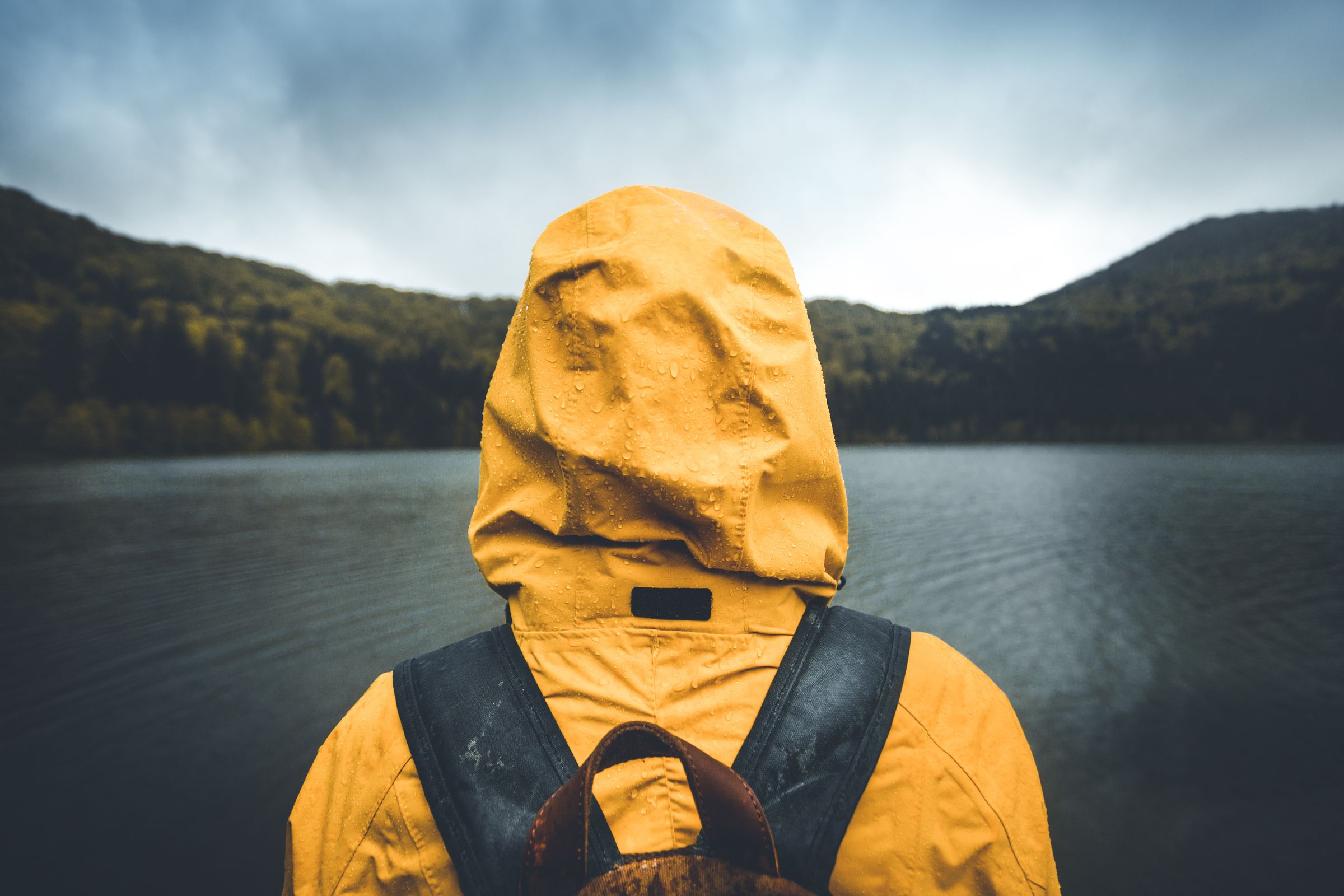
- A waterproof and windproof jacket to handle sudden rain.
- Sturdy hiking boots with a good grip.
- Warm layers, such as fleece or wool. Layering is the best way to deal with the temperature changes.
- Hat and gloves to protect against chilly breezes, especially outside summer.
- Reusable water bottle. Tap water is clean and safe to drink in Iceland.
- Flashlight or headlamp if you’re planning on visiting some of the caves.
Travel Tips
- Check the road conditions before departing to avoid setbacks.
- Don’t wander off marked paths to protect the fragile ecosystem
- Arrive early or late to avoid peak crowds and enjoy quieter views.
- Combine your visit with Barnafoss for a double waterfall experience.
- If you’re not coming in the summer, rent a campervan with heating.
- Pack out all trash to keep the area pristine.
Conclusion
There are tons of waterfalls in Iceland, all of them unique and special. Some are really famous, while others, while being marvelous, are not as well-known. It’s the case of Hraunfossar, a place that shows how nature has gone the extra mile to create something amazing.