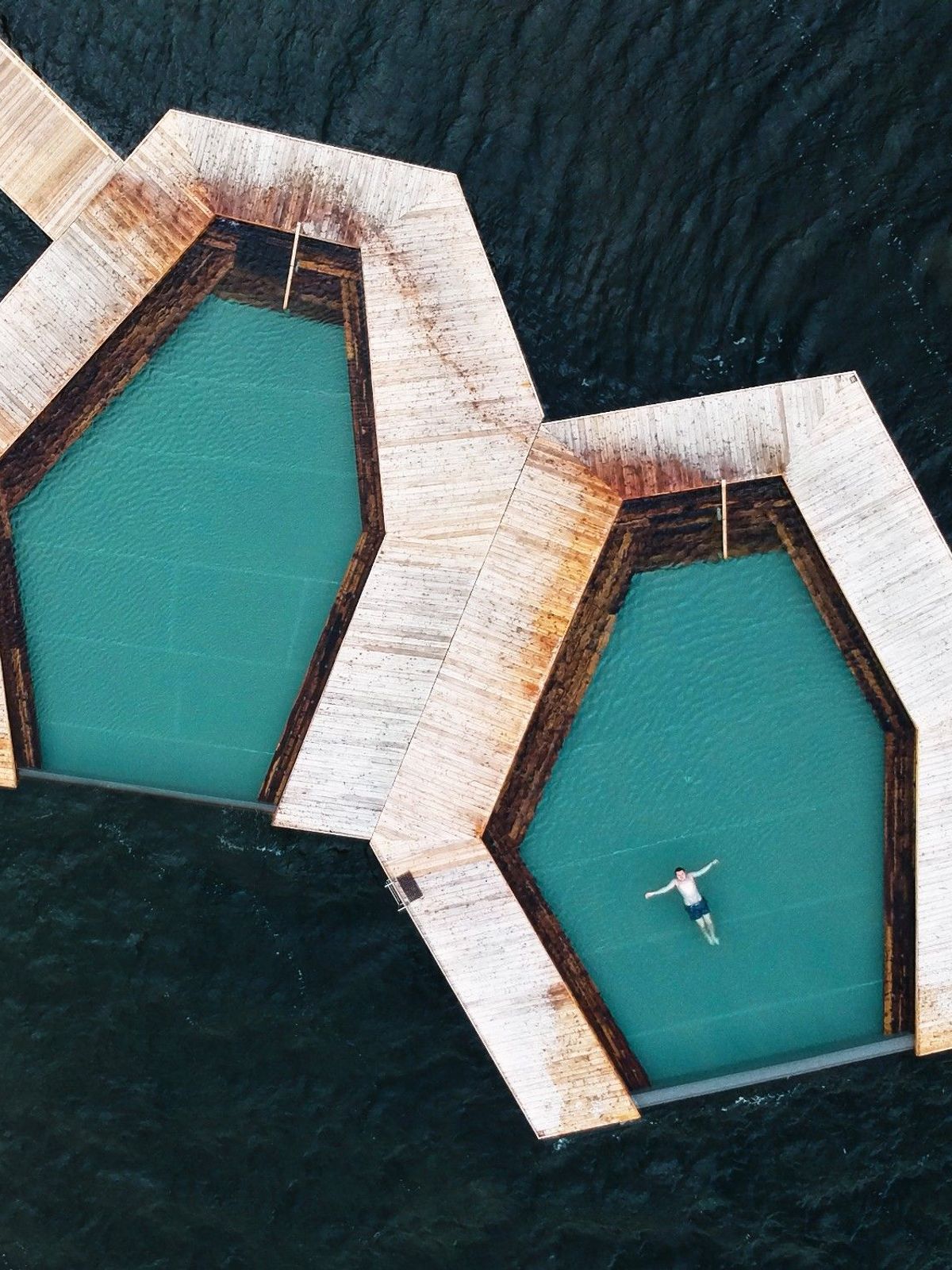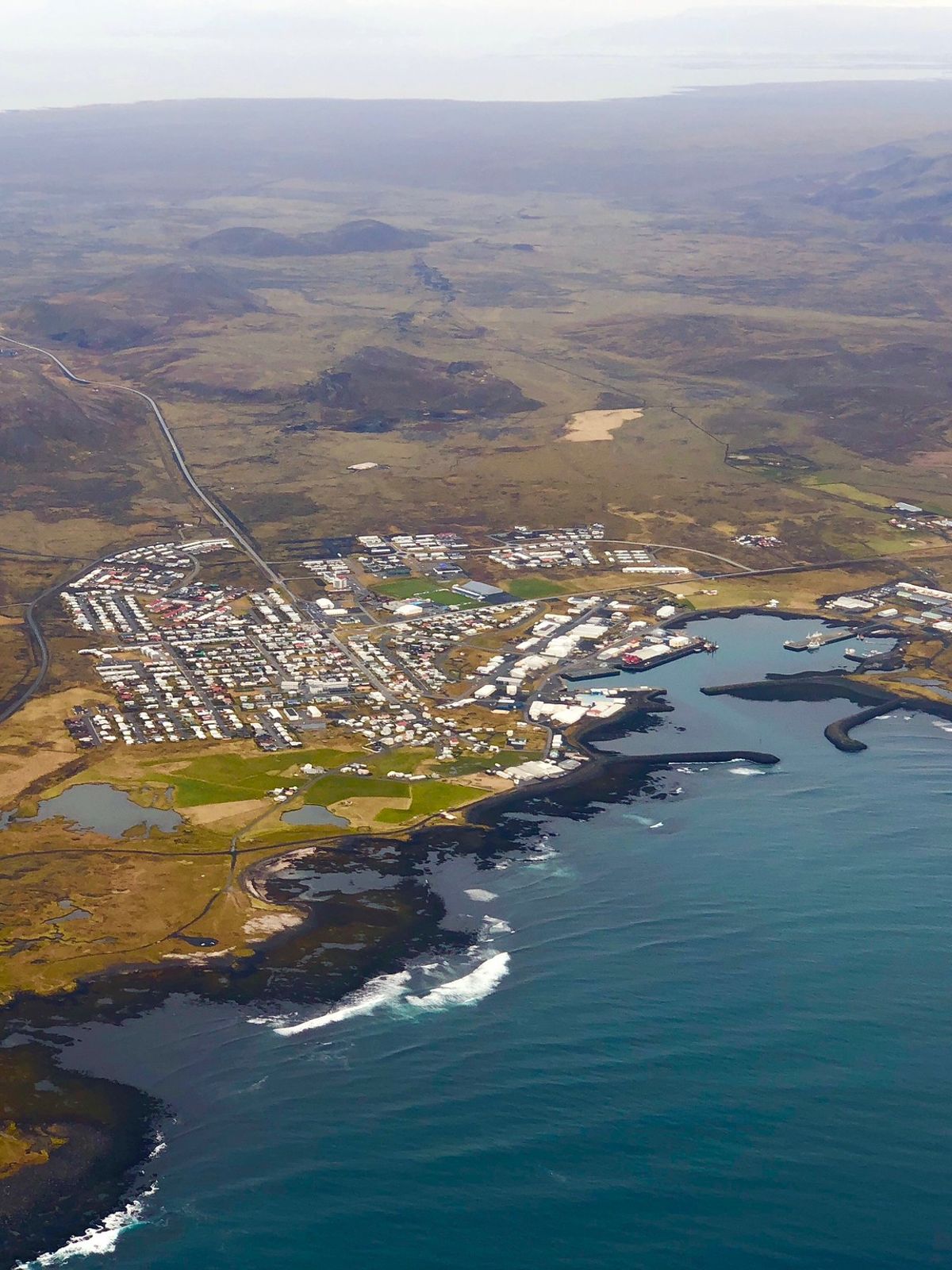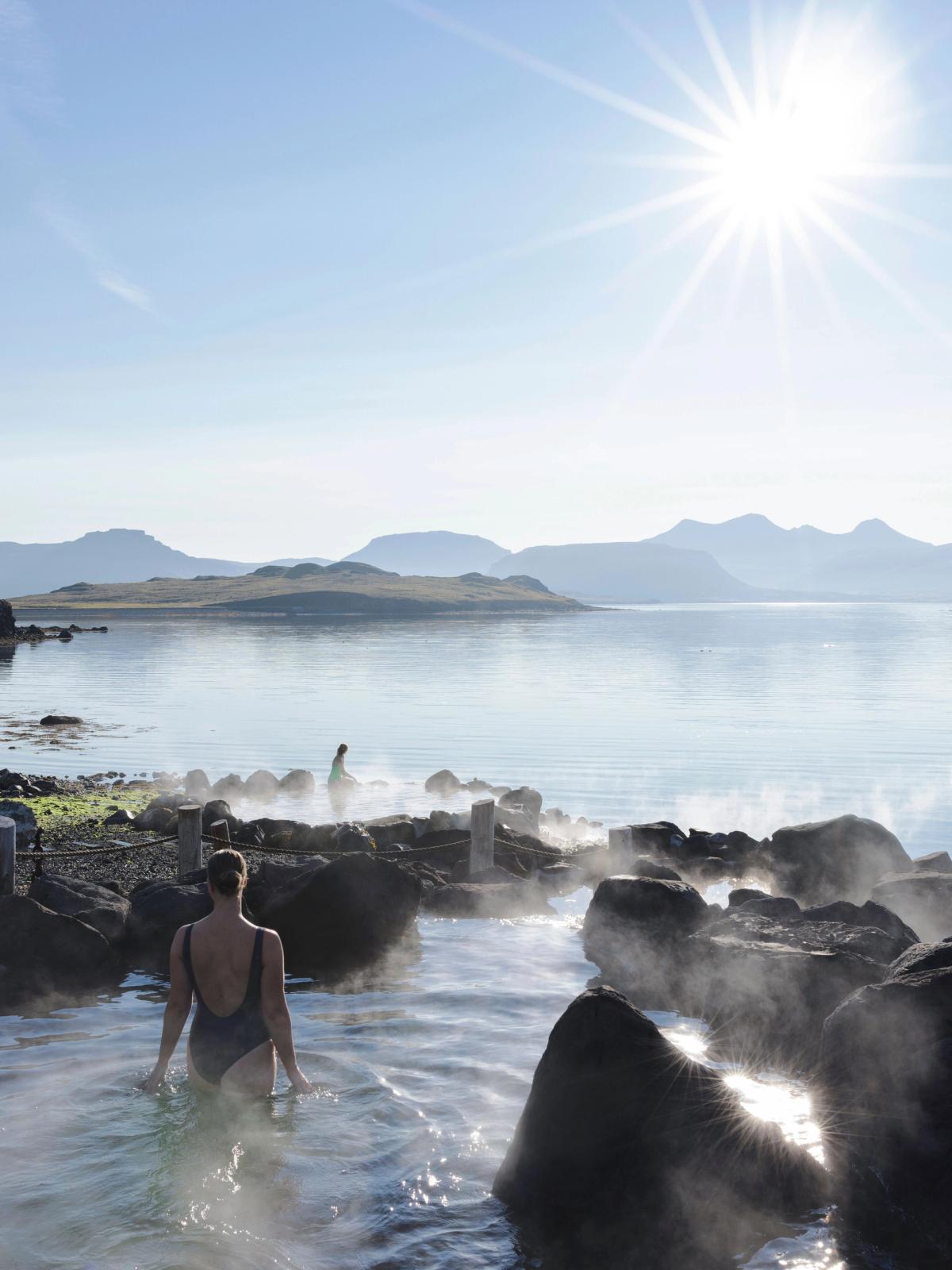
A unique approach to thermal bathing: A complete guide to the GeoSea Geothermal Sea Baths
There’s a spa in North Iceland that stands out from the rest. It’s unique in a sense. The GeoSea Geothermal Sea Baths use naturally heated seawater drawn from deep boreholes. Most of the geothermal baths in the country use fresh water, usually from hot springs. Its location, on the shore of a beautiful bay, and amazing views make it a top destination for a campervan trip. And North Iceland is not as visited as other parts of the country, but is one of the country’s most spectacular regions.
Key Takeaways
- The GeoSea Geothermal Sea Baths is a geothermal spa that uses seawater.
- The water is extracted from the sea and heated naturally with geothermal energy.
- It’s located on the shores of Skjálfandi Bay, in North Iceland.
What are the GeoSea Geothermal Sea Baths?
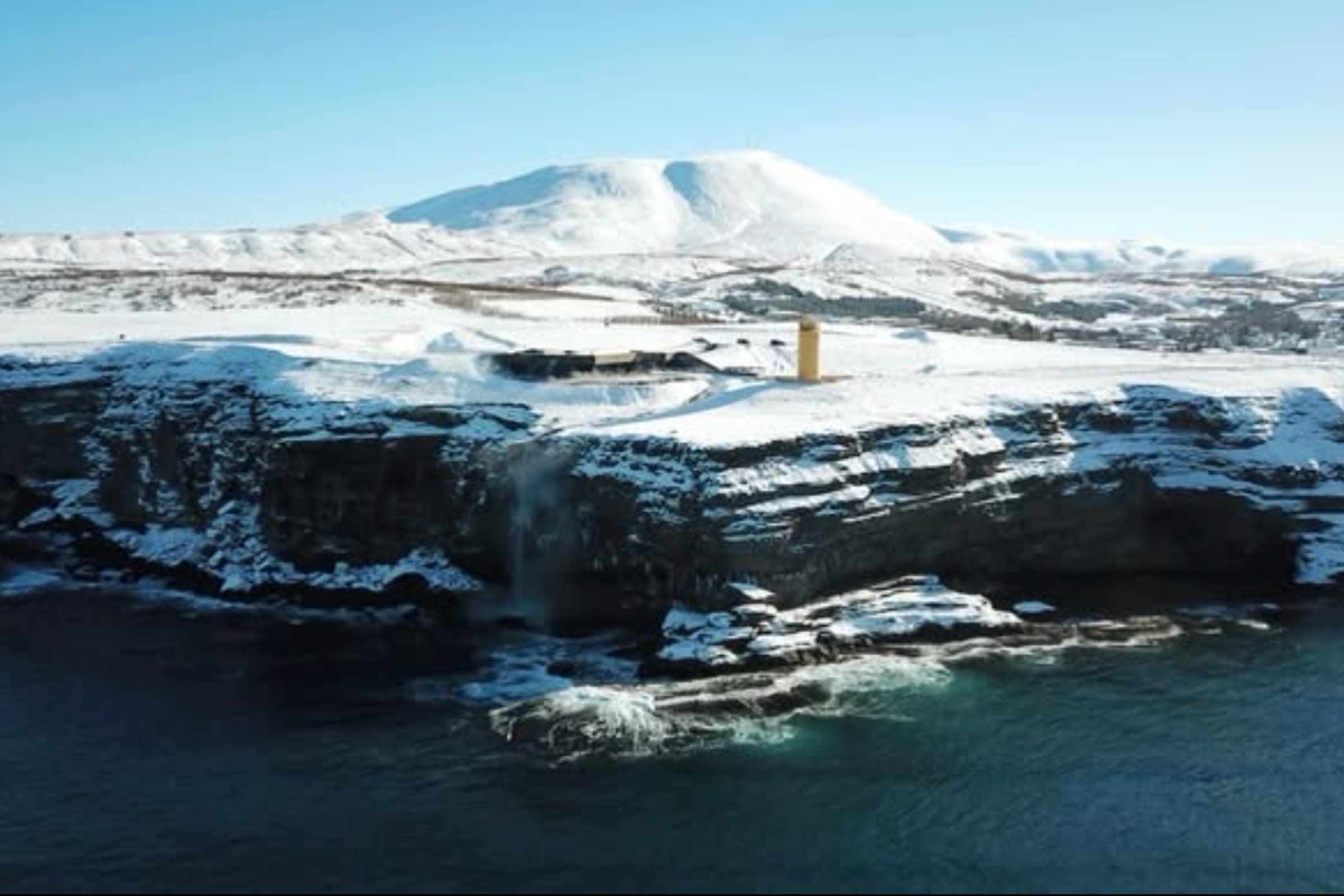
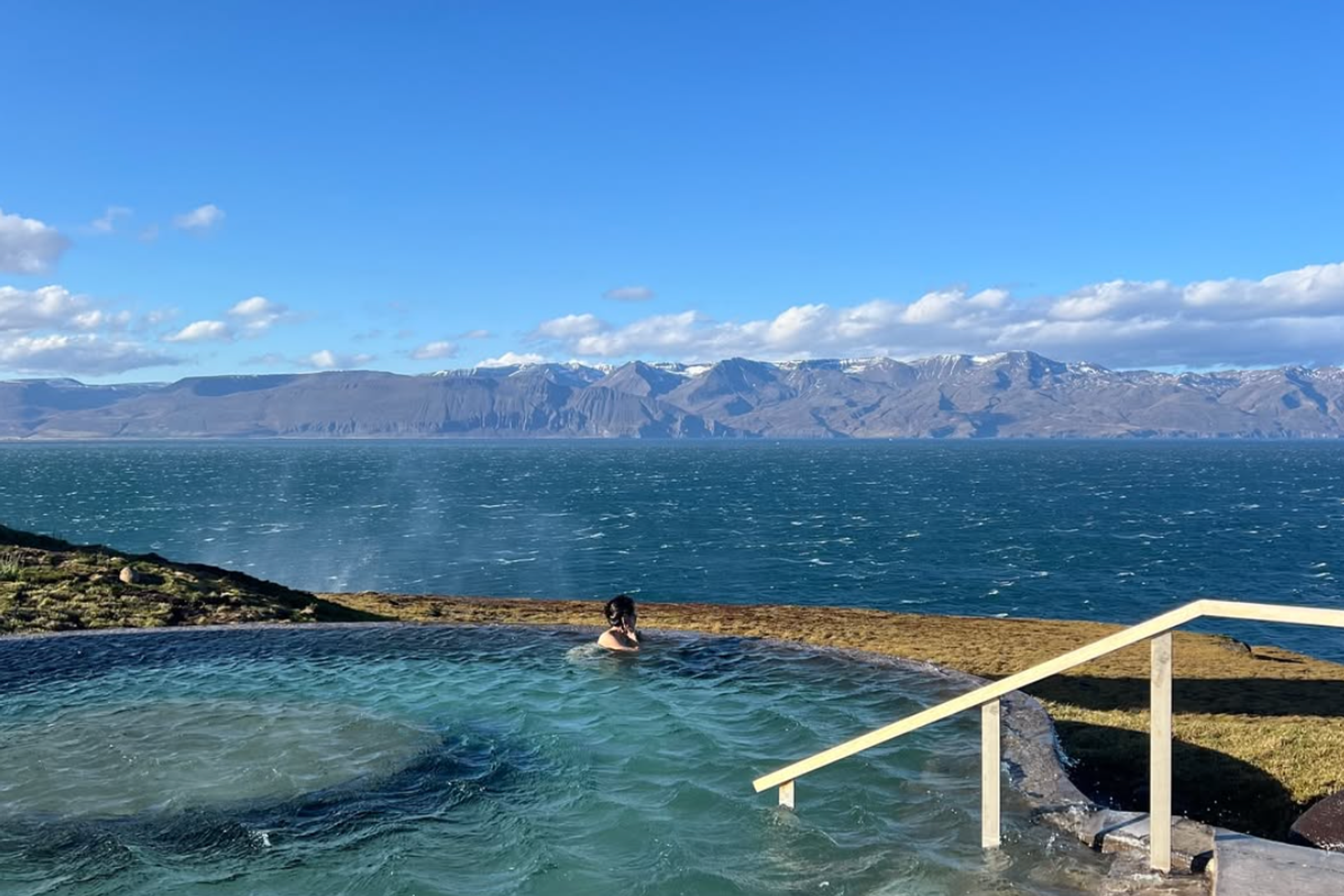
Well, that’s an easy question to answer. Basically, the GeoSea Geothermal Sea Baths is a geothermal spa located in North Iceland. It sits on a cliff, looking west, on the Húsavíkurhöfði peninsula, just outside Húsavík, one of the most interesting and charming towns in this area. Both the baths and the town are part of the Northeastern Region, called Norðurland Eystra in Icelandic.
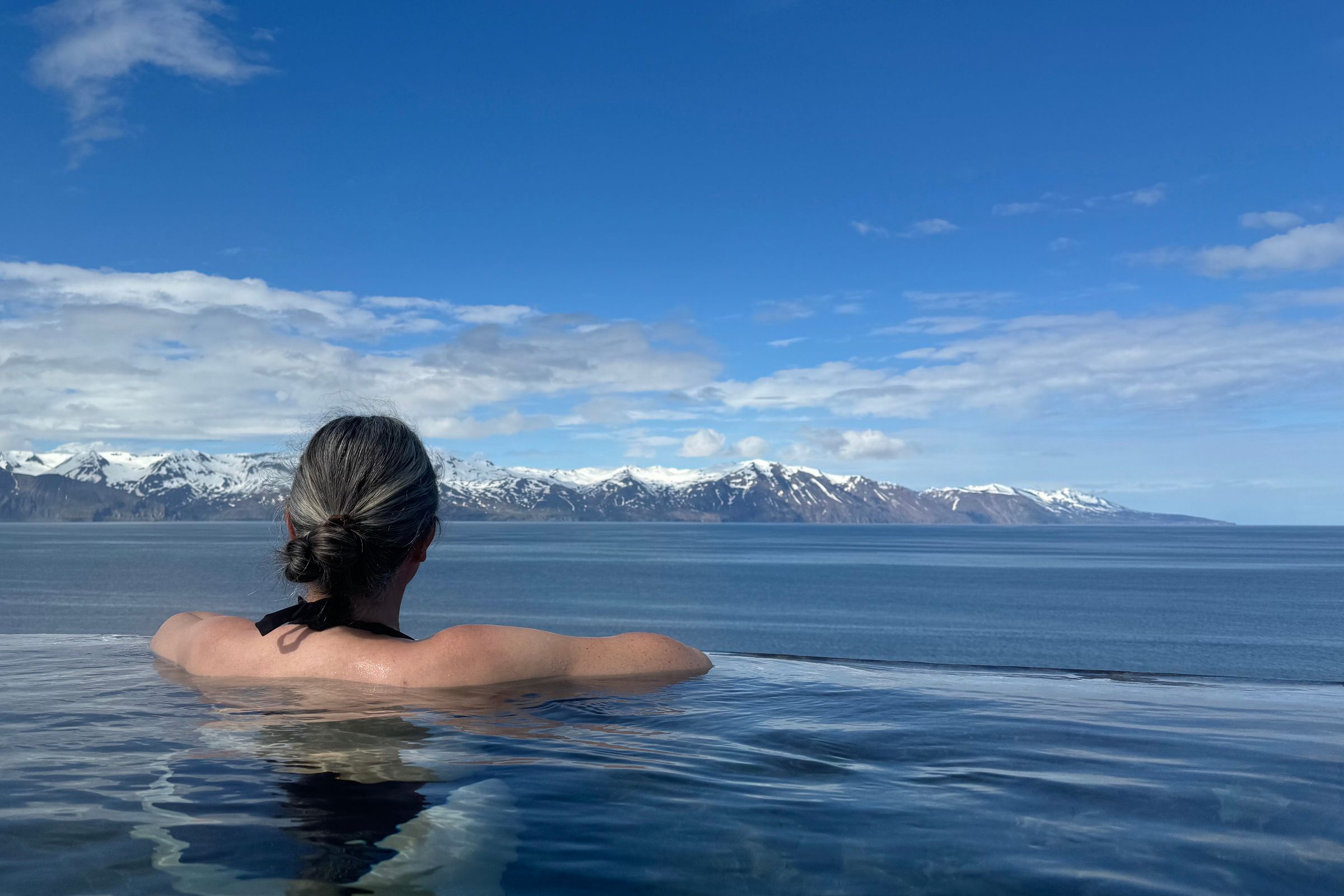
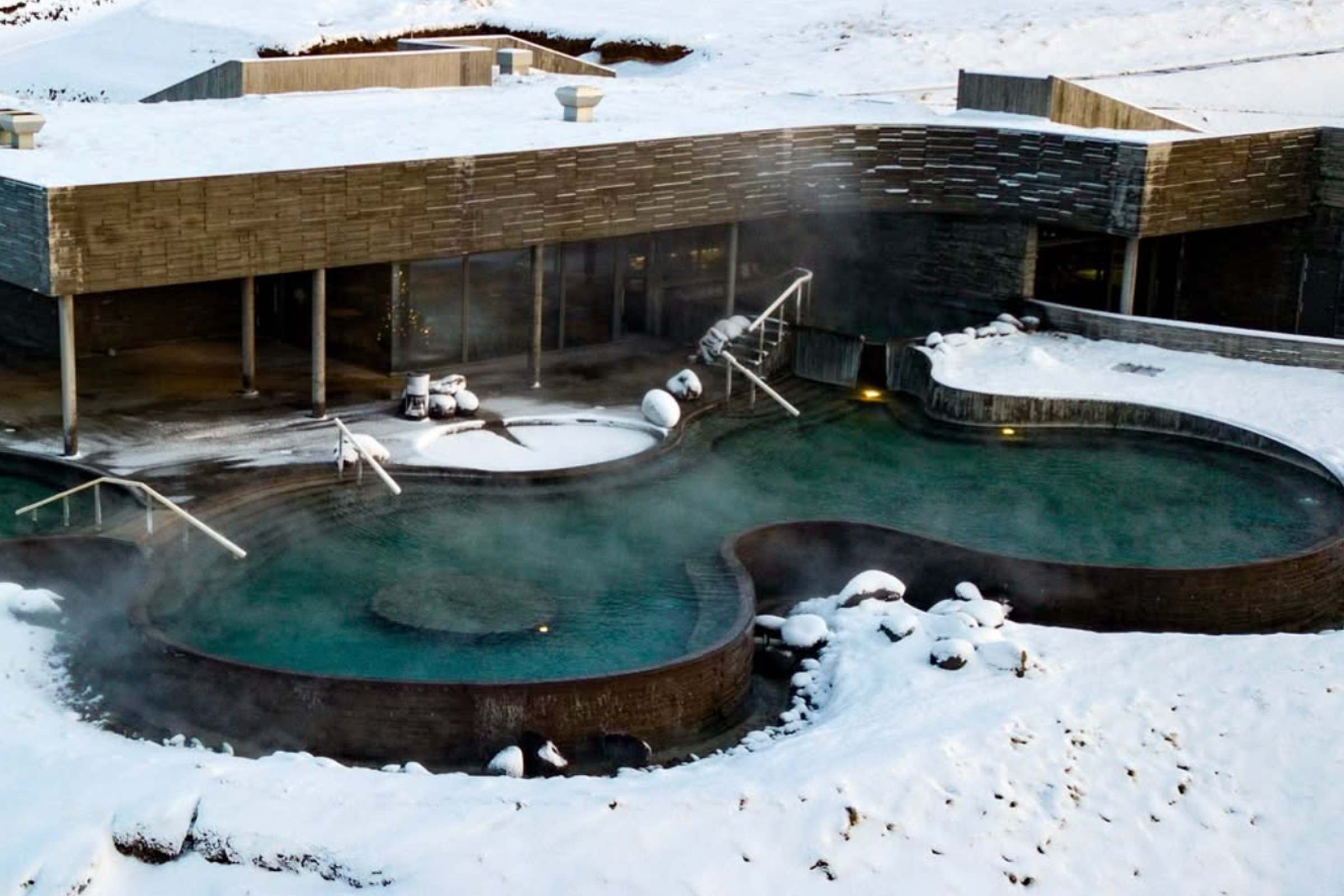
The spa consists mainly of three infinity pools built from local lava rock and slate, blending perfectly with its surroundings. They are built in three different levels. The largest pool in the middle stays slightly cooler and offers the widest view across Skjálfandi Bay.
Geothermal bathing is a very popular activity in Iceland. It’s been enjoyed by the locals for centuries. They go there to relax, socialize, and, sometimes, even conduct business. And now it has also become one of the most appealing aspects of Icelandic culture for tourists.
Inside the pools, the water temperature stays steady between 38 °C and 39 °C year-round, regardless of the outside conditions, Geothermal heat keeps constant, it doesn’t fluctuate with the seasons. But here’s what makes GeoSea different from the rest of the spas and geothermal baths in the country. The water that fills the pools comes from the sea, not from hot springs like most of them use.
What Makes GeoSea Different?
But here’s what makes GeoSea stand out from the rest of the spas and geothermal baths in the country: the water that fills the pools comes from the sea, not from hot springs like most of them use.
The seawater comes from two geothermal boreholes drilled in the mid-20th century. The spa is built on a cliff, just above the sea. At first, the hot seawater was used for house heating in Húsavík, but soon this spot also became a local bathing spot with simple wooden changing rooms. In 2018 the modern facility opened, keeping the water completely chemical-free and letting it flow naturally with the tides.
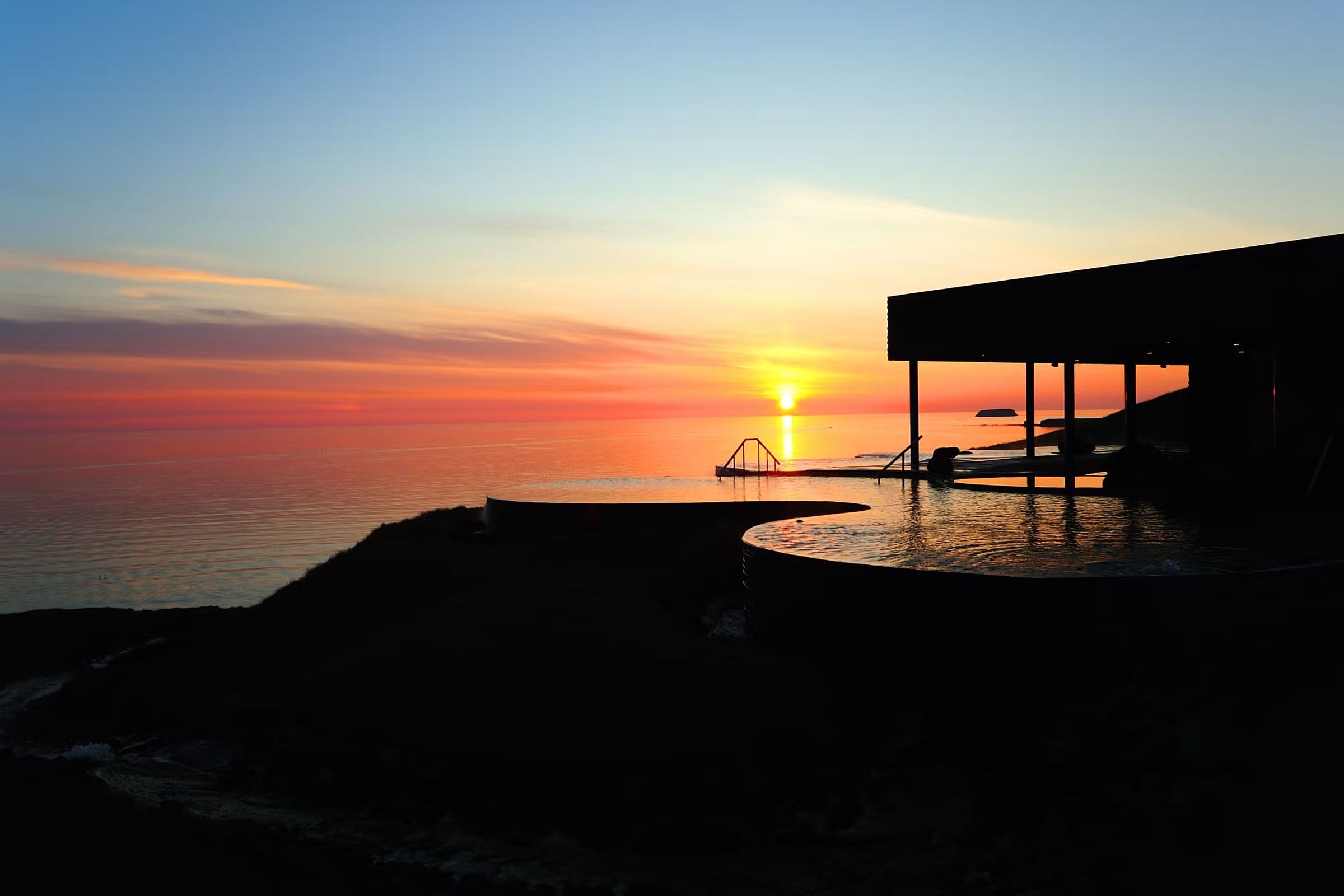
The name of the spa is a no-brainer. “GeoSea” combines “geo” for geothermal heat from the earth and “sea” for the source of the water itself. The water is full of minerals, not only regular salt, which are said to soften skin and ease sore muscles. On top of that, this spa stands out because of its setting. Inside the baths, the main pool seems to blend with the sea, and it’s an especially magical place at sunset, as it’s facing west. You can see the sun drop behind the horizon.
This coastline belongs to Skjálfandi Bay, the most active area for whales in Iceland during the summer. If you’re lucky enough, you may see a whale or two breaching the surface during your visit. In winter, the days are very short, there is barely any natural light, and it’s quite difficult to see whales. But if the night is clear, you can enjoy your warm bath under the northern lights.
The experience continues Iceland’s long tradition of gathering in hot water to relax and talk. Locals still visit regularly, keeping the social side alive, along with the tourists who come attracted by everything this place has to offer.
General Information about the GeoSea Geothermal Sea Baths
The GeoSea Geothermal Baths open every day of the year, but the opening hours change with the seasons. Here’s the full schedule:
Summer (June 1 to August 31): 10 a.m. till midnight Guests can enjoy the baths until 11:45 p.m.
Winter (October 1 to April 30): 12 p.m. to 10 p.m. Guests can enjoy the baths until 11:45 p.m.
Spring and autumn (May 1 to May 31 and September 1 to September 30): 10 a.m. to 10 p.m. Guests can enjoy the baths until 11:45 p.m.
However, always check the website before traveling. Sometimes, the management does some maintenance work, closing parts of the baths. The spa can fit up to 160 people at the same time, it’s quite big. In summer, peak tourism season, it can fill up, so it’s better to book in advance.
Admission prices
- Adults: ISK 7,490 (€ 51.70 or $60.83).
- Senior citizens, disabled, and students (with valid ID to present at reception): ISK 4,790 (€33 or $38.90).
- Children (6 to 16 years old): ISK 3,990 (€27.50 or $34.40).
- Children 5 and under: Free.
The price includes access to all pools, changing rooms, showers, and basic toiletries such as shampoo, soap, and hair conditioner, all from the Icelandic natural skincare company Sóley Organics. Lockers are available.
You are welcome to bring your own bathing suit and towel. In case you didn’t want to put them in your suitcase or you forgot, you can rent them on site. Prices are:
- Swimsuit: ISK 1,290 (€8.90 or $10.50).
- Towel: ISK 1,590 (€11 or $12.90).
- Bathrobe: ISK 2,790 (€19.25 or $22.60).
There’s a swim-up bar that serves soft drinks, beer, and wine. Guests can enjoy a drink without leaving the baths. A separate restaurant area allows visitors in bathrobes to order light meals made with local ingredients.
Booking online in advance is strongly recommended, especially from June to August when capacity fills quickly. Parking is free and spacious enough for campervans. Showers are mandatory before entering the pools. The standard Icelandic bathing etiquette is that you have to shower in the nude before bathing. Many tourists are shocked by this, but most of them comply without problems.
Where are the GeoSea Geothermal Sea Baths and How to get there
As we mentioned at the beginning, the GeoSea Geothermal Sea Baths are just outside Húsavík, a coastal town in North Iceland, in the Northeastern Region, Norðurland Eystra in Icelandic. The spa is less than 1 kilometer away from the town’s center, so Húsavík will be your reference. The town’s lighthouse, Húsavíkurviti, a bright yellow structure, is next door.
The best way to reach GeoSea is with your own car or campervan, giving freedom to explore the area around. You can draw an itinerary through the region. Public transport options exist but are limited and do not serve the baths directly.
From Reykjavík the drive covers 464 km (288 miles) along the Ring Road. From the capital, head north through Borgarnes and Blönduós. Around 30 kilometers after passing Akureyri, the largest town in North Iceland, turn left onto Route 85. There’s a sign before the crossroads that says Húsavík. The total journey takes around six hours in good weather conditions without stops. The road is fully paved and suitable for all campervans.
From Akureyri, the capital of North Iceland, the distance is only 90 km (56 miles) via the Ring Road (Route 1) and Route 85. The drive takes roughly one hour and offers views of the fjord and mountains.
The GeoSea Geothermal Sea Baths have free parking for customers.

Where to stay near the GeoSea Geothermal Sea Baths
Camping culture is strong in Iceland, with campsites scattered throughout the whole country where you can spend the night with your campervan. It’s important to know that wild camping is illegal in Iceland. Here you have some options close to the GeoSea Geothermal Sea Baths.
Húsavík Camping Ground
Distance to the GeoSea Geothermal Sea Baths: 1.2 km (0.75 miles). Opening period: May 15 to September 30 (some services available longer).
This is the closest you can stay to the GeoSea Geothermal Sea Baths with your campervan. This campsite is in Húsavík and sits within walking distance of the harbor, grocery store, and swimming pool. The facilities include toilets, two hot showers, a washing machine, cooking area, free Wi-Fi, and electricity hookups. The central position makes it perfect for campervan travelers who want to visit GeoSea on foot or want to stay close to all the services that can be found in Húsavík. There’s also a disc golf course next door.
Mánarbákki Campsite
Distance to the GeoSea Geothermal Sea Baths: 23 km (14.3 miles). Opening period: March 1 to November 15.
Set on the Tjörnes peninsula, this camping ground is also named Camping 66.12 North. It has sweeping coastal views, this campsite offers toilets, showers, washing machine and dryer, kitchen, and common area. A small museum and restaurant operate on site during the season. Its location, over the sea, makes sunsets especially memorable from the terrace.
Heiðarbær Campsite
Distance to the GeoSea Geothermal Sea Baths: 21 km (13 miles). Opening period: June 15 to September 15.
This well-equipped site lies south of Húsavík on Route 87. It’s one of the most complete camping grounds in North Iceland. The site offers excellent services, including wheelchair accessibility, toilets, electricity, showers, cooking facilities, seating area, grocery store, restaurant, bar, café, barbecue, golf course, hiking trails, walking paths, sport area, playground, horse rental, fishing, and medical help.
Ásbyrgi Camping Ground
Distance to the GeoSea Geothermal Sea Baths: 61 km (38 miles). Opening period: May to September.
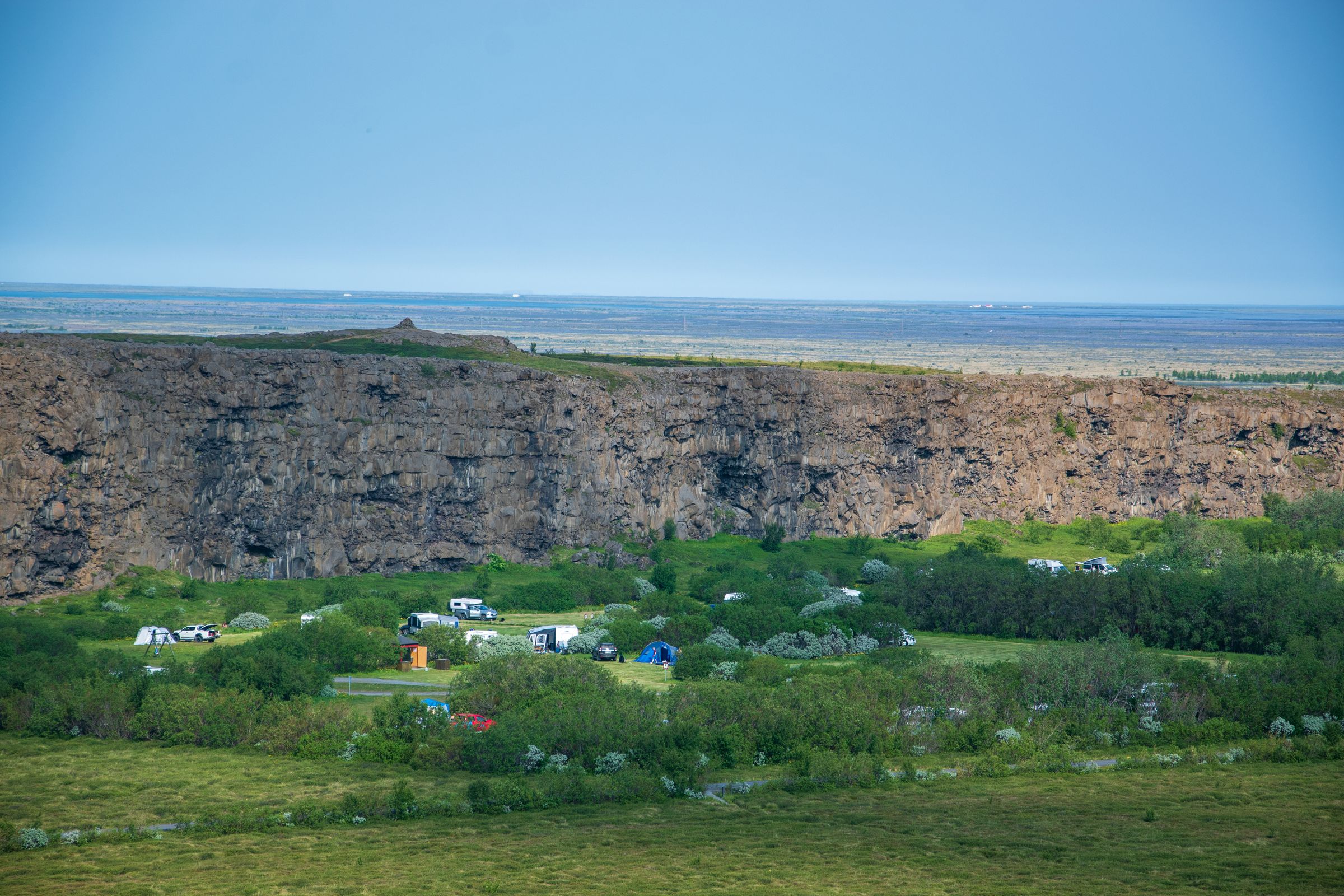
This campsite is located by the birch woods near Ásbyrgi, the astonishing canyon that is part of the Diamond Circle. The natural environment is outstanding, and there are trees that shelter the pitches from the wind. It has toilets, showers, electricity, cooking facilities and a laundry room. It’s quite big, with a capacity for 500 people, but it’s recommended to book in advance, as it’s quite popular. Some of the trails that go to the canyon start right at the camping ground.
Lundur Campsite
Distance to the GeoSea Geothermal Sea Baths: 67 km (41.5 miles). Opening period: June 10 to August 31.
Also in the Ásbyrgi area and not far from the coast, Lundur has flat grassy pitches with electricity, toilets, showers, and outdoor sink. It’s a basic camping ground, but it’s close to services and activities, such as a playground for children, a shop, and a restaurant.
What to see and do near the GeoSea Geothermal Sea Baths
There’s a scenic route in North Iceland that connects some of the best things to see in the region. It’s called the Diamond Circle, a 250-kilometer loop (155 miles) that stops at the most amazing natural monuments in the area. Húsavík, the town where the GeoSea Geothermal Sea Baths are in, is one of the five main stops.
Húsavík
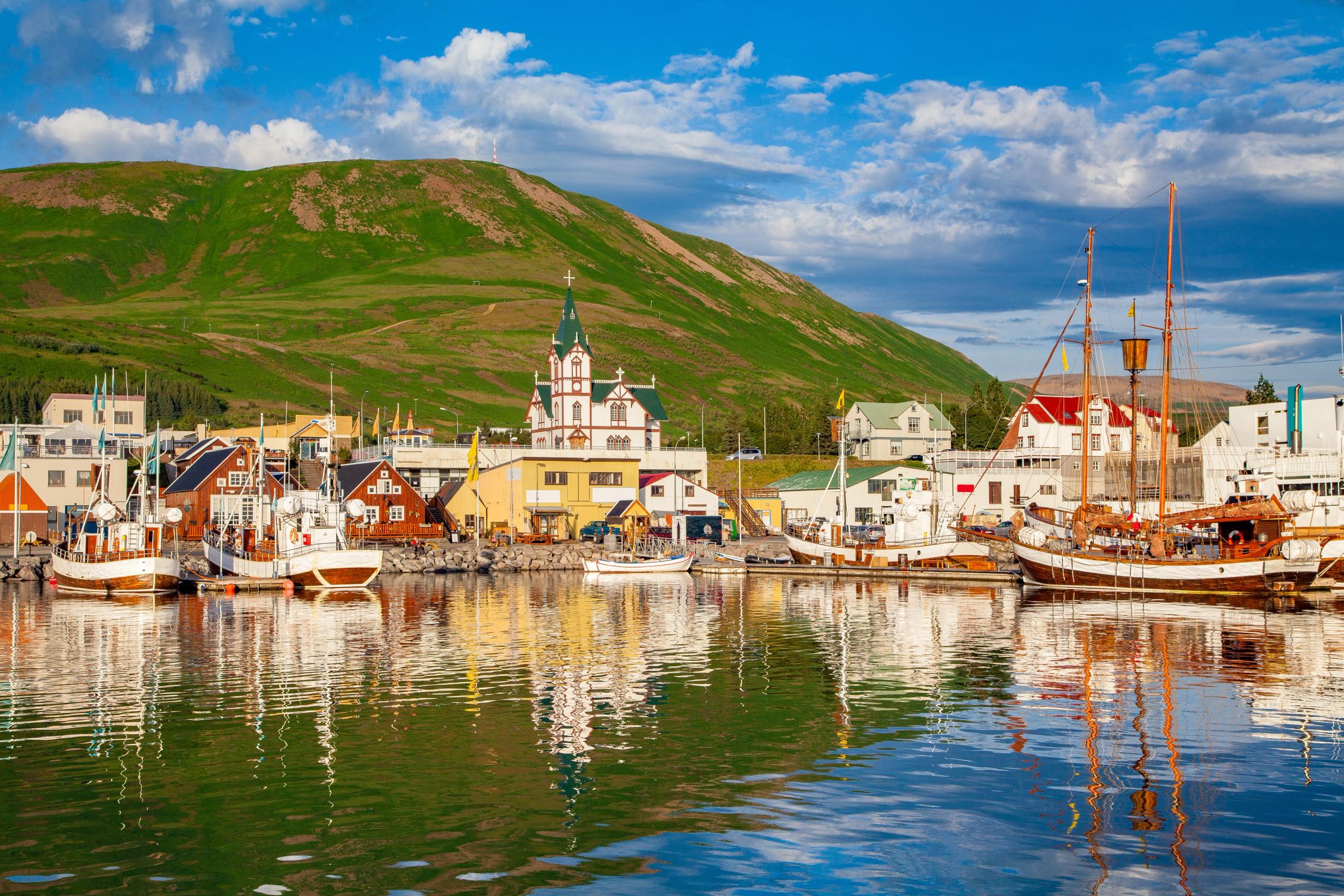
The town itself deserves time. And if spotting wildlife is one of the main things on your travel list, even more. Húsavík is known as Iceland’s whale-watching capital, its harbor offers tours with a 98 % success rate for seeing humpback, minke, and sometimes blue whales. If that doesn’t feel enough, you can learn more about whales at the Whale Museum. The town is quite nice for a stroll, and it’s a great place to taste some Icelandic food.
Ásbyrgi Canyon
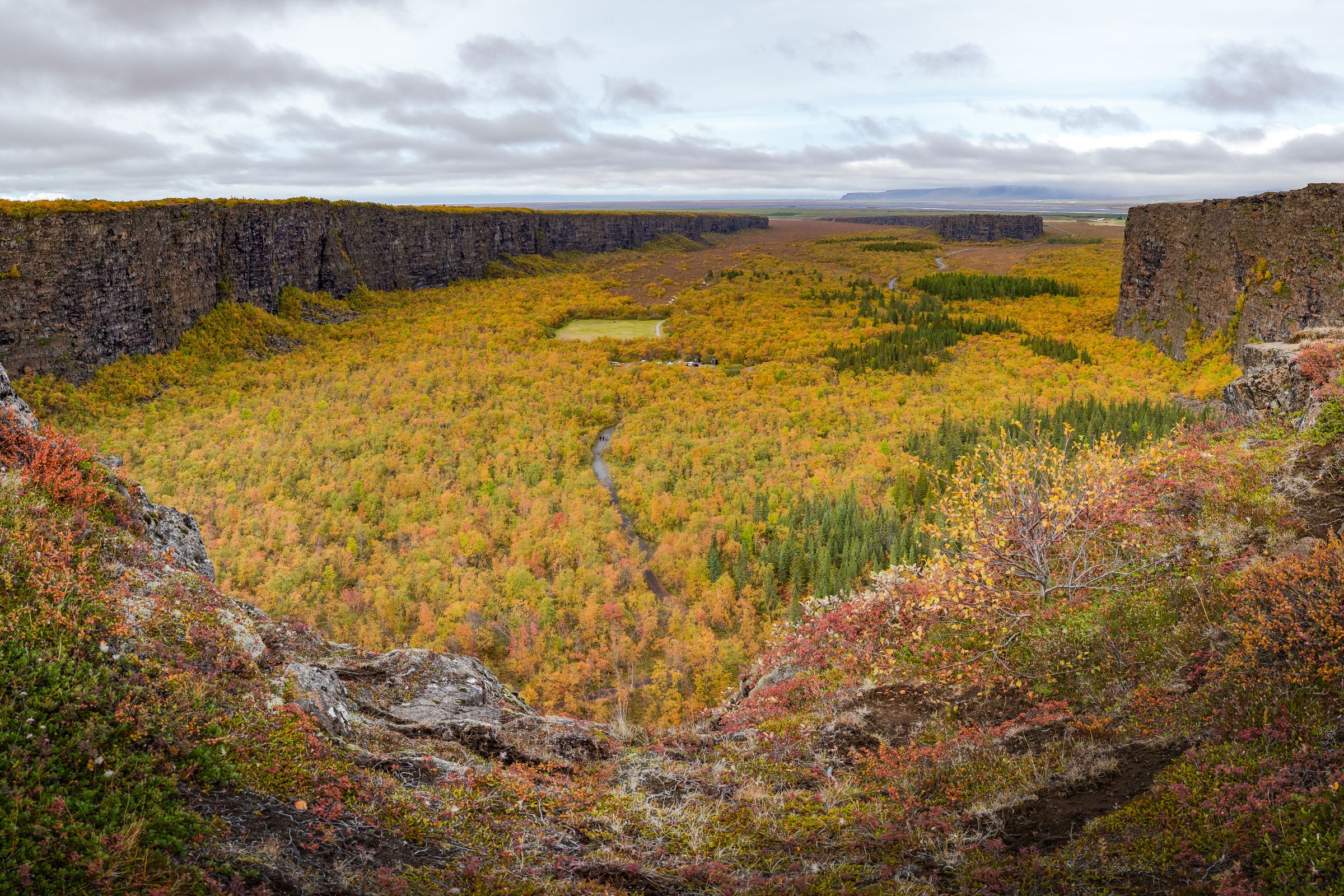
If you are interested in Norse mythology, this place is a great example of the connection between nature and legend that so often happens in Iceland. Ásbyrgi Canyon is a horseshoe-shaped gorge that looks so good that it can seem artificial. In fact, the legend says that it was formed when Sleipnir, Odin’s eight-legged horse, struck the land with its hoof. In reality, it is believed to be formed by massive glacial floods that happened thousands of years ago. The canyon walls rise 100 meters (328 feet) and there’s a birch forest at the bottom, something rare in this country. There are several trails that allow you to explore every corner, from the charming pond in the middle of the forest to going all the way up for panoramic views.
Dettifoss
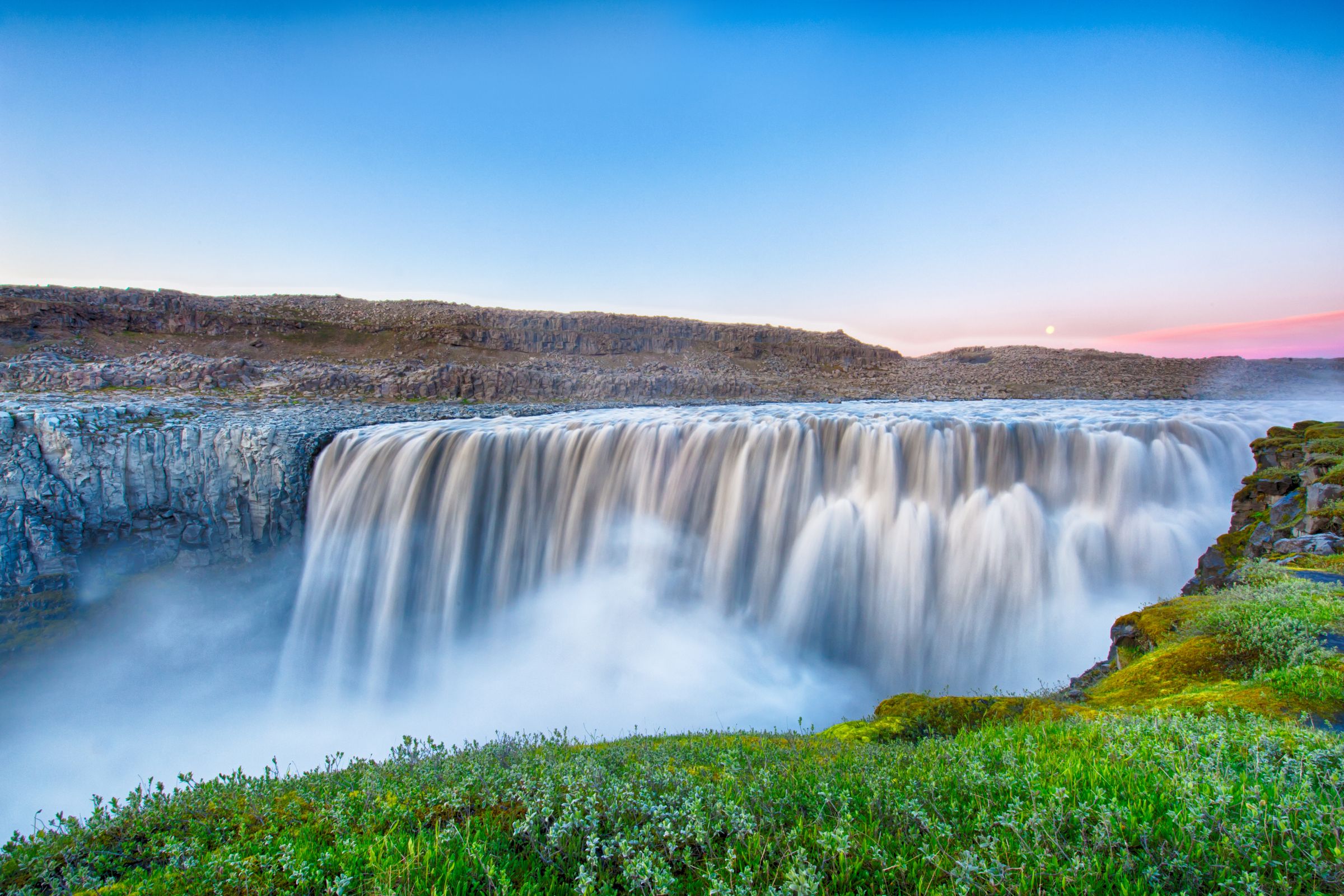
The next stop is the second more powerful waterfall in Europe: Dettifoss. It has a drop of 44 meters (144 feet) and is 100 meters (328 feet) wide, creating a roar that can be heard from quite some distance. Its raw power is something to behold, and one feels really small standing in front of this beast. A short hike from the parking lot leads to different viewpoints, one on each side of the river. There are two smaller waterfalls nearby, Selfoss and Hafragilsfoss, both within walking distance, making the experience even better.
Earth lagoon Mývatn
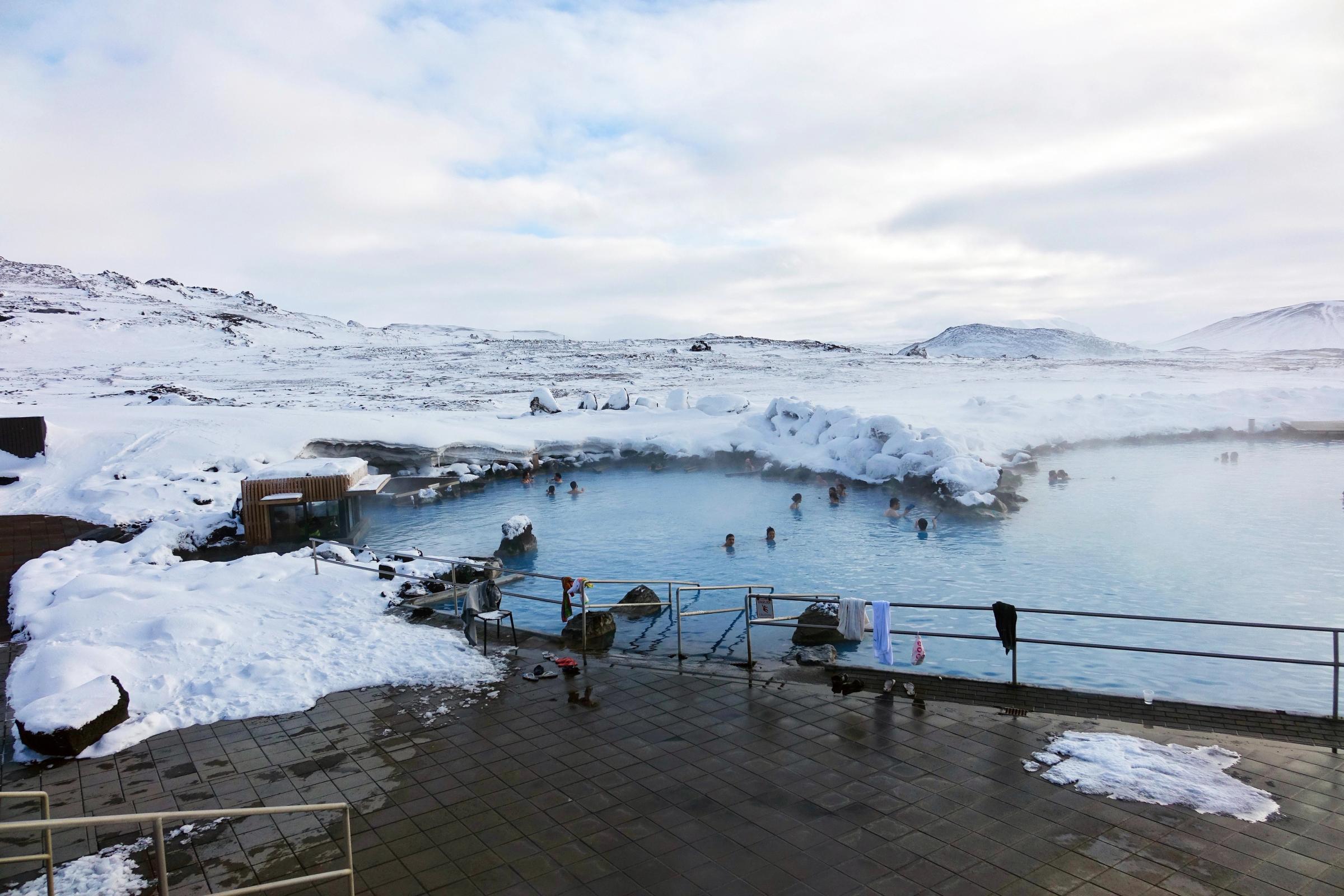
Formed by an eruption over 2,000 years ago, Earth Lagoon Mývatn is a volcanic wonderland. This lake, with its water of an intense blue hue, is surrounded by lava fields and bubbling mud pots, as it is an active geothermal area. You’ll also find pseudo craters, formed when lava met water and cooled down rapidly. The lake is surrounded by wetlands that are full of different bird species, such as the harlequin duck, the tufted duck, or the common snipe, among others. Summer is the best time to see them. Close to the lake’s shore, there’s another fantastic geothermal spa, the Earth Lagoon Mývatn.
Dimmuborgir
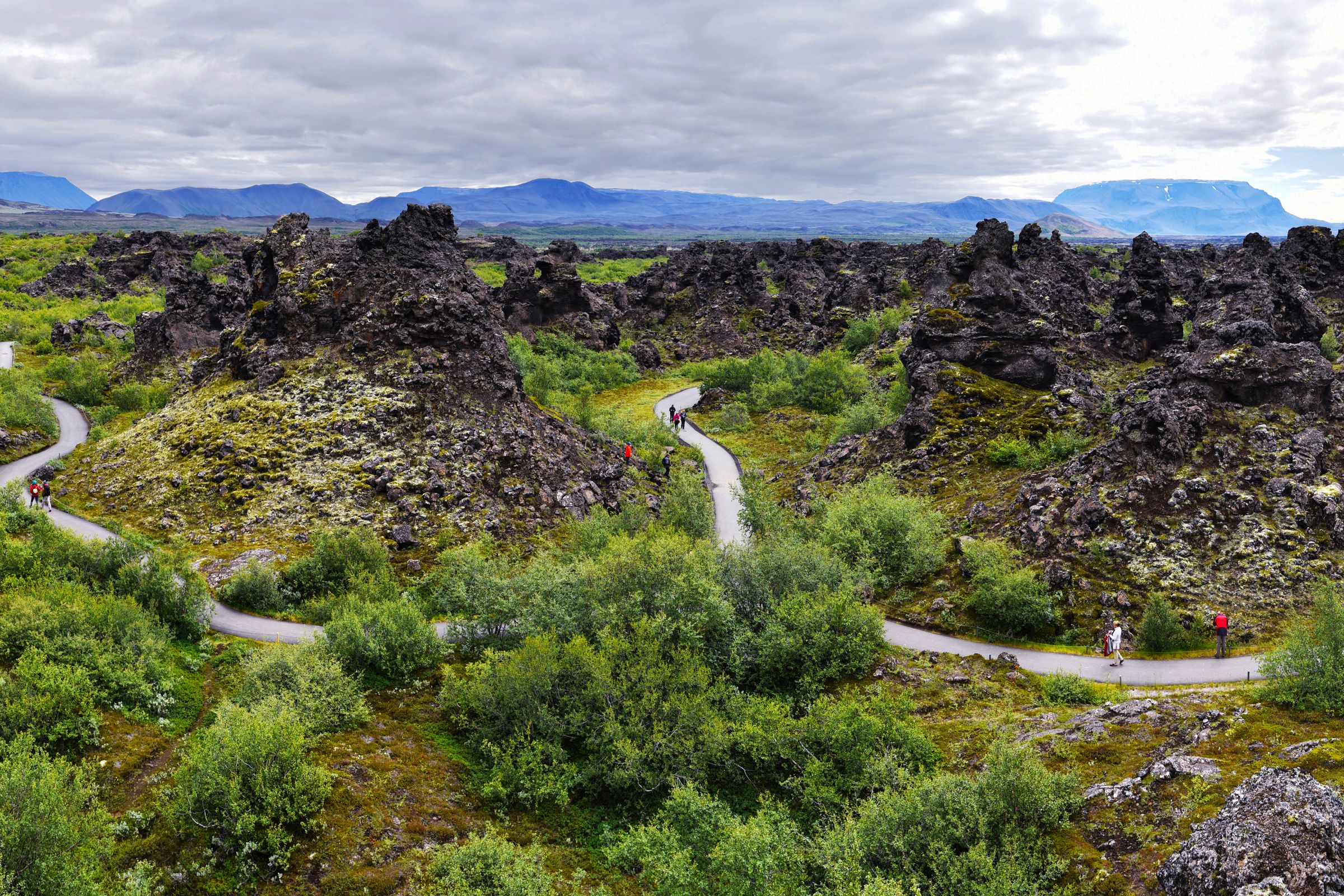
Known as the “Dark Castles,” these lava formations create a maze of pillars, arches, and caves. There are several walking paths that wind through the area. It’s place strongly linked to local folklore, with stories of trolls and hidden people living among the rocks. The site lies on the eastern shore of Lake Mývatn.
Goðafoss
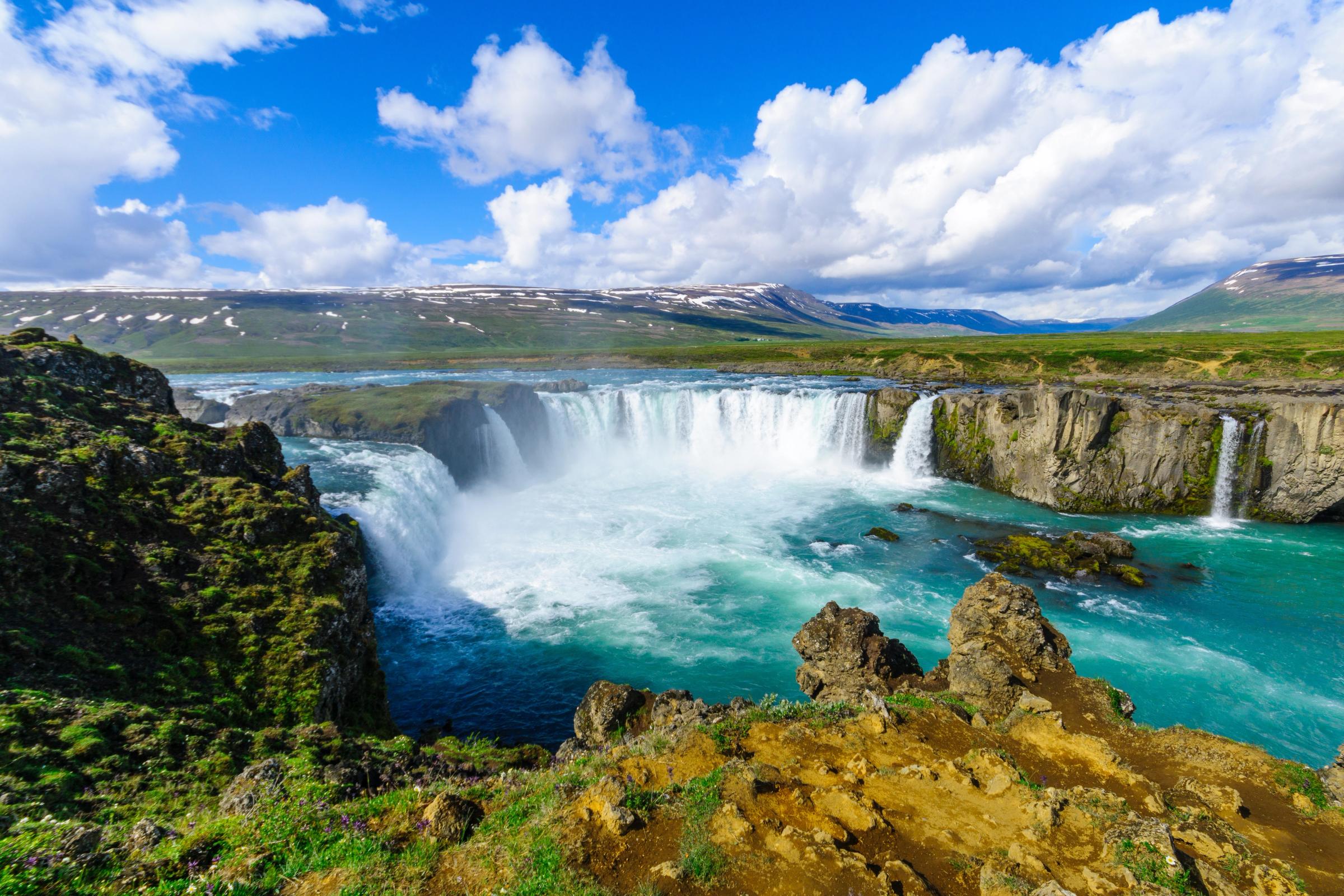
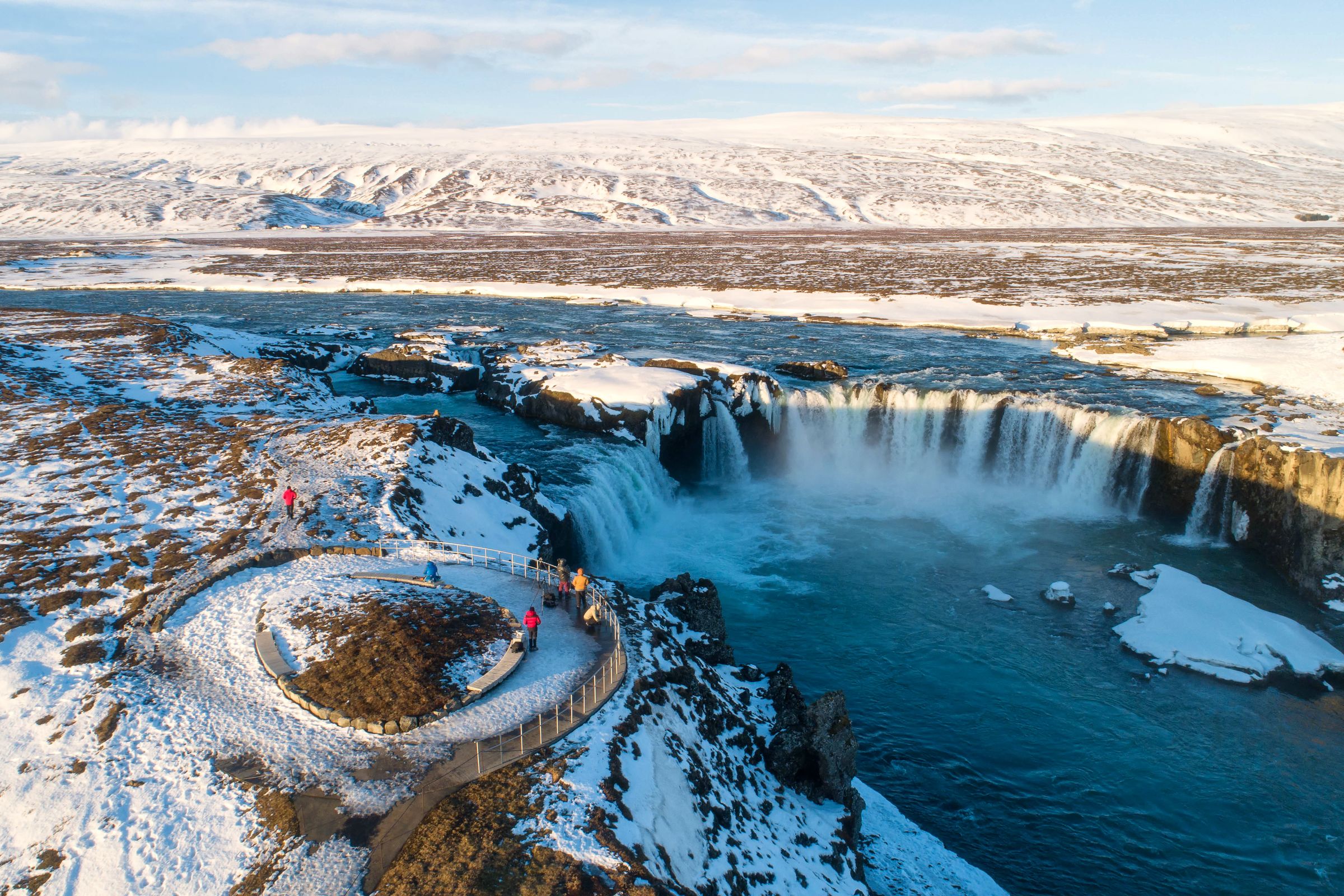
There’s another waterfall, apart from Dettifoss, that is also one of the main stops of the Diamond Circle. Goðafoss, or "Waterfall of the Gods," is not as big or powerful but its charm resides in its astonishing looks. It’s a 12-meter cascade with a crescent or horseshoe shape, and the water is of an intense turquoise color. It gets its name from a historic event that happened here. In the year 1000 AD, local chieftain and law speaker Þorgeir Ljósvetningagoði threw his pagan idols into the waterfall to symbolize the nation’s conversion to Christianity.
Selfoss Waterfall
Just upstream from Dettifoss, Selfoss is a lesser-known waterfall in the region. It’s not as powerful as its neighbor or as picturesque as Goðafoss, but is full of charm. It consists of several small cascades rather than a single fall.
Arctic Henge
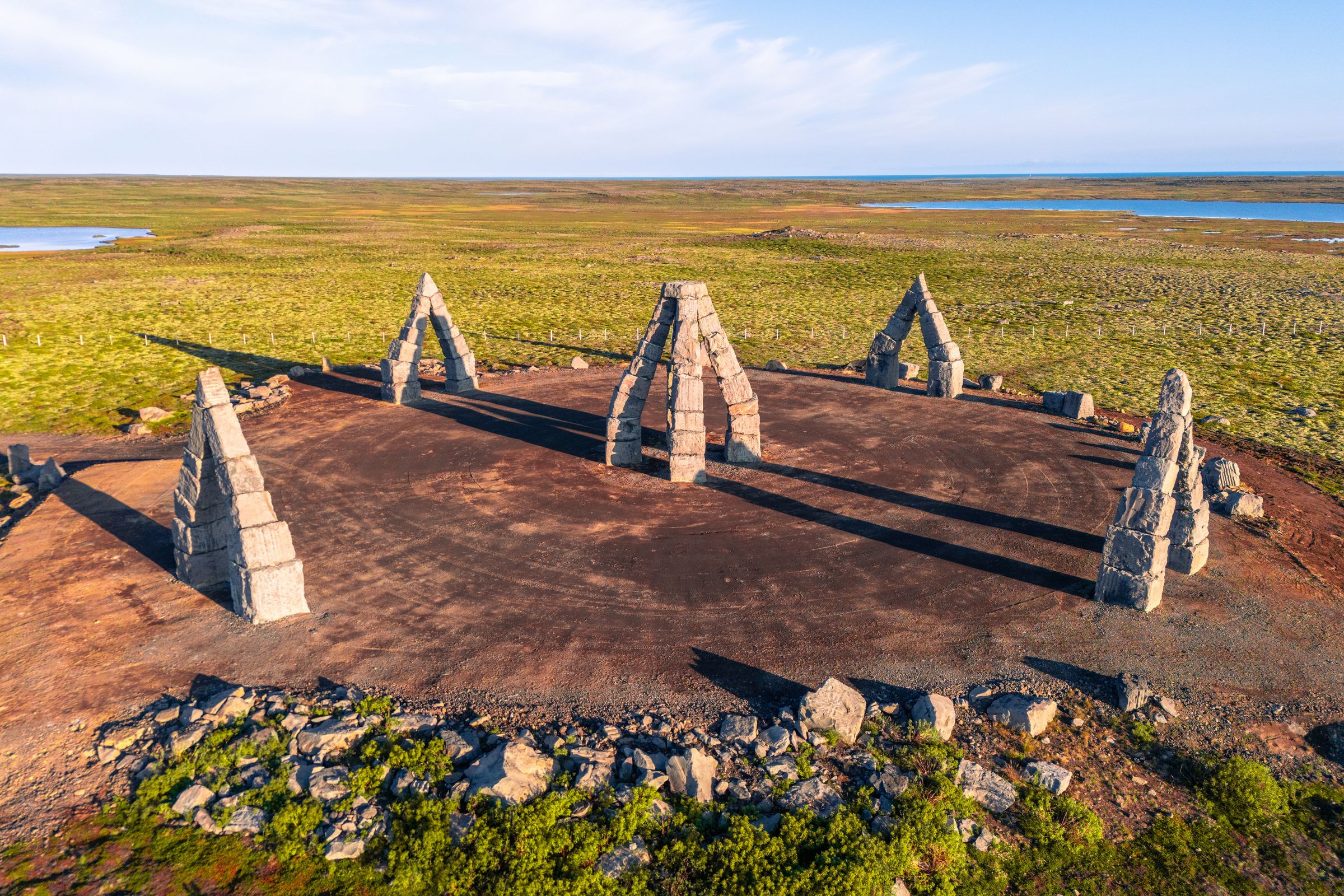
Near the village of Raufarhöfn, the northernmost town in mainland Iceland, this modern stone monument consists of basalt columns arranged in a circle. The Arctic Henge consists of four gates, each about 6 meters high, aligned to the cardinal directions. At the center there’s a 10-meter column. Around, there are 72 smaller stones, each representing a dwarf from the ancient Eddic poem Völuspá, which tells the story of the creation, destruction, and rebirth of the world in Norse lore.
The seasons at the GeoSea Geothermal Sea Baths
The GeoSea Geothermal Sea Baths are open all year round, so you can have this great experience in all the seasons. However, each one of them comes with its own peculiarities.
Spring (April and May)
Days grow longer and roads open after the long winter. The temperatures move between 0-10°C (32-50°F) and there are high chances of rain. There’s still some lingering snow at the beginning of the season, and the nights can be quite cold, dropping below freezing point. The seasonal campsites begin to open and the whale watching season begins. There are not many tourists.
Summer (June to August)
It’s the best season in terms of weather, with mild temperatures of 10-15°C (50-59°F). The days are really long, the sun barely sets at the end of June, so you’ll have plenty of time to enjoy the baths with natural light. It’s peak season, so book your accommodation with time in advance, as some campsites are full. Whale-watching tours run at full capacity, and all campsites operate with maximum services.
Autumn (September and October)
Similar to spring, but going in the opposite direction. The temperatures drop gradually and the days get shorter by the week. Visitor numbers drop, making last-minute bookings easier. Some campsites begin closing by late September.
Winter (November to March)
The baths stay open with adjusted shorter hours, but travelling becomes a bit tricky. Some roads, especially secondary and gravel ones, close if the weather is adverse, so check the road conditions before departing. Everything is covered in snow, giving the landscapes a beautiful look. The days are very short, barely 4 hours of natural light by the end of December, but if the night is clear, there are chances to see the northern lights. And taking a bath under the aurora is a once-in-a-lifetime experience. On the other hand, some attractions and campsites close or limit services.
What to pack to visit the GeoSea Geothermal Sea Baths
- Swimsuit (or rent one on site, but it’s a good way to save).
- Quick-dry towel (again, you can rent it on site).
- Flip-flops for changing rooms and wet areas.
- Warm jacket or fleece for the walk back to the campervan.
- Waterproof outer layer.
- Sunscreen and sunglasses (strong UV in summer even on cloudy days).
- ID if you are eligible for a discounted ticket.
Travel Tips
- Book GeoSea tickets online at least a day ahead during peak season.
- Shower thoroughly, including hair, before entering the pools.
- Leave your camera in the locker—photos are allowed in the pools but respect other guests’ privacy.
- Keep the volume down in the pools. Talking is allowed, but it’s a place for relaxation. Playing music is forbidden.
- Bring a reusable water bottle. Geothermal baths can dehydrate you. You can always have a drink at the bar.
- Combine a morning whale-watching tour with an afternoon at the baths for a perfect day in Húsavík.
- There are no gas stations in rural areas, so fill up the tank in cities or towns, such as Húsavík or Akureyri.
- Pack snacks and a hot drink thermos for the drive—services are limited outside towns.
Conclusion
Taking a geothermal bath is one of the best experiences one can have on a trip to Iceland. It’s relaxing, good for your mind and body, and it’s a great way to get close to Icelandic culture. There are many options to do it in Iceland, but not many are as unique as the GeoSea Geothermal Sea Baths.