Katla Ice Cave: Essential Travel Guide
Katla Ice Cave is located under one of Iceland’s most active volcanoes. It’s also the only natural ice cave in the country that you can visit all year round. Inside the cave, blue ice is mixed with layers of black volcanic ash. It looks unusual in photos, and it looks the same in real life. Along Iceland’s South Coast, it’s one of the more unique places you can visit.
Key takeaways:
- Located under the Mýrdalsjökull glacier near Vík, about 2.5 hours from Reykjavík
- Open year-round, unlike most ice caves in Iceland
- You must visit with a guided tour because it isn’t safe to go alone
- Tours usually last 3 to 4 hours and include a super jeep ride
- The mix of black volcanic ash and blue ice makes it visually different
- Waterproof clothing and sturdy hiking boots are required
What Is Katla Ice Cave (and Why It’s Unique)
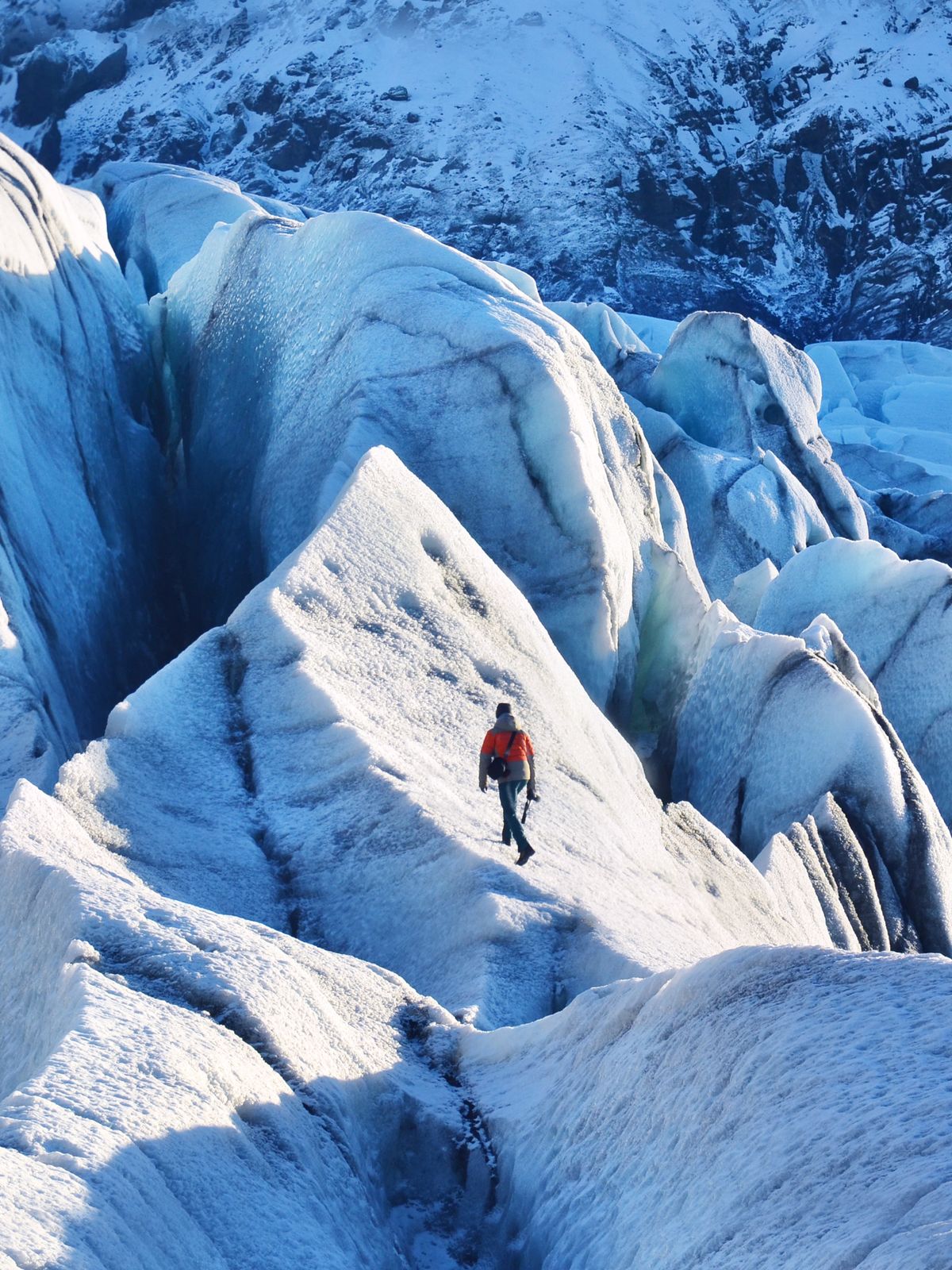
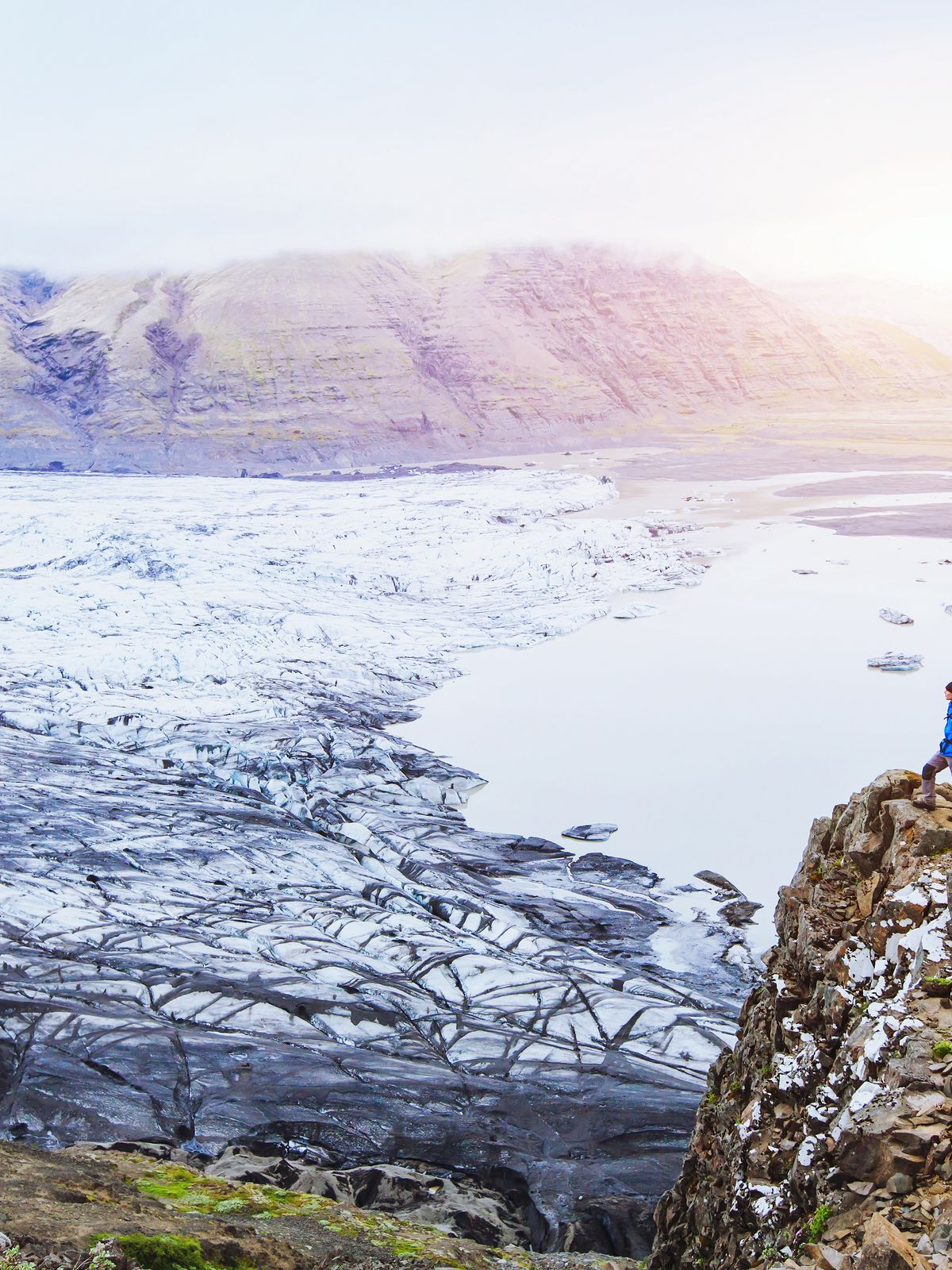
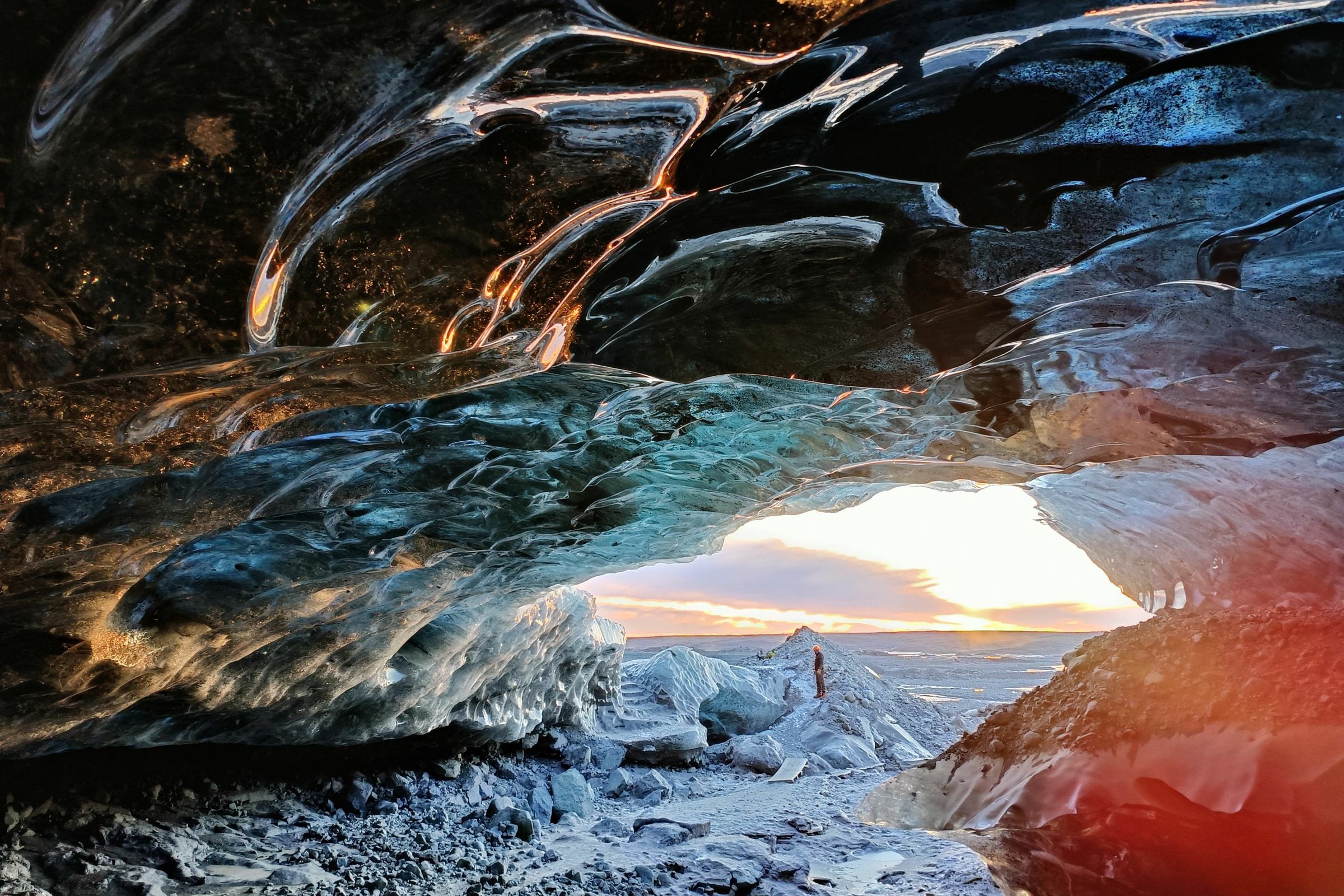
Katla Ice Cave forms inside the Mýrdalsjökull glacier, which sits on top of the Katla volcano in southern Iceland. Meltwater moves through the glacier and slowly creates tunnels in the ice. At the same time, ash from past eruptions becomes trapped in the ice and forms dark layers along the walls.
This creates a volcanic ice cave that looks different from others in Iceland. Inside, you’ll see blue glacial ice marked with black ash lines. The cave sits above an active volcano, which adds context to your location, but the main reason it’s special is simple. It’s accessible all year, while most ice caves can only be visited during winter.

Where Is Katla Ice Cave Located?
Katla Ice Cave is on Iceland’s South Coast, inside the Mýrdalsjökull glacier near the town of Vík í Mýrdal. From Reykjavík, it’s about 187 kilometers east along the Ring Road (Route 1), which usually takes around 2.5 hours to drive. The entrance to the cave is on the eastern side of the glacier, though the exact location changes as the ice shifts each season.

You can’t drive directly to the cave. The final part of the route crosses rivers, lava fields, and rough volcanic ground. This section requires super jeeps designed for the terrain. Most tours start in Vík, where you meet your guide before heading toward the glacier.
Is Katla Ice Cave Open Year-Round?
Yes. That’s one of the main reasons people choose to visit Katla. Most ice caves in Iceland, especially those in Vatnajökull, are only open from November to March when colder weather makes them safer. Katla Ice Cave stays open in summer as well. Heat from the volcano below helps keep the cave more stable than typical seasonal ice caves.
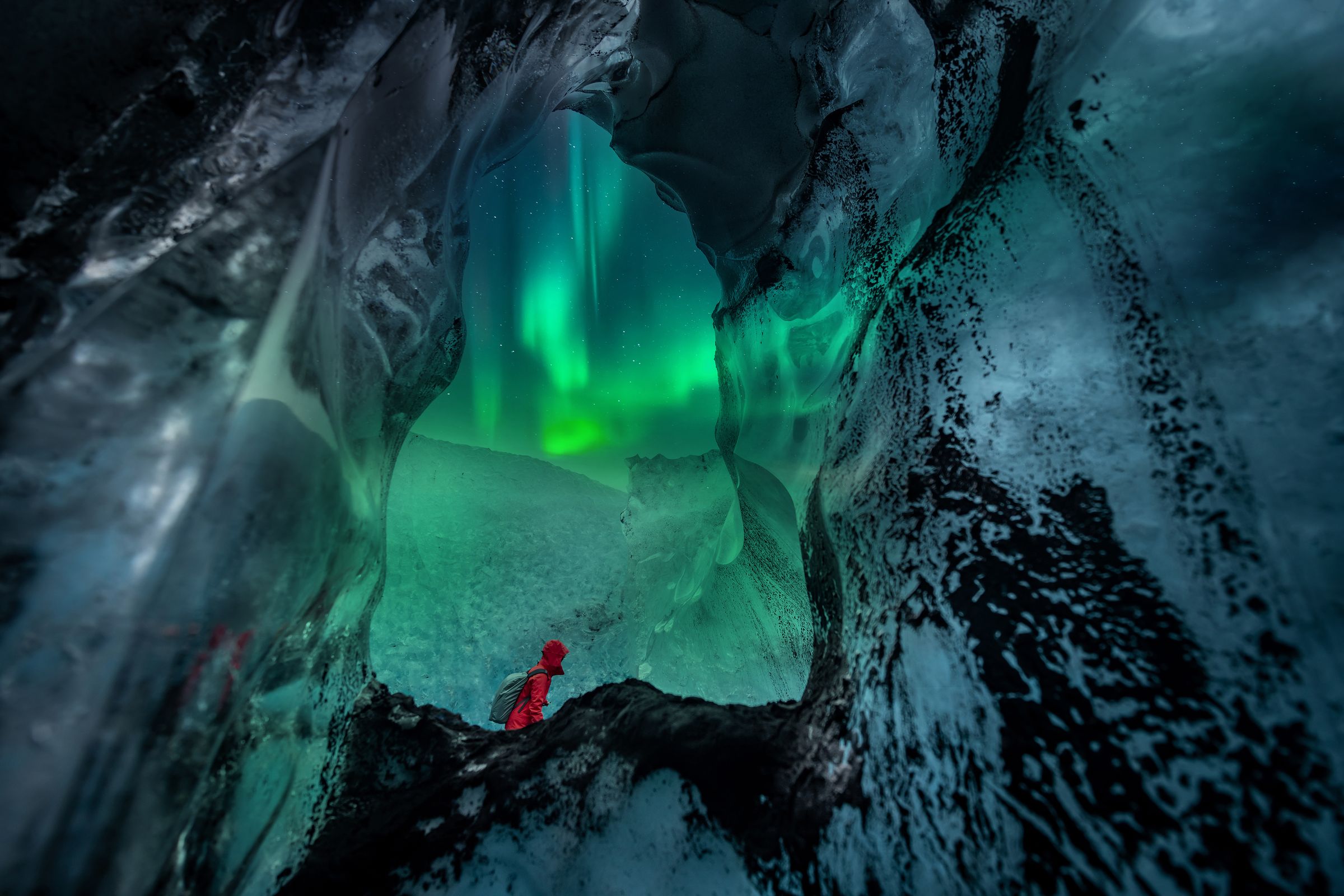
In summer, the black ash layers are usually more visible, and melting ice causes water to drip inside the cave. In winter, the ice often appears brighter blue, and there may be a chance to see the northern lights after the tour. The cave changes throughout the year as ice melts and refreezes, but guided tours run daily in all seasons.
Best Time to Visit Katla Ice Cave
The best time to visit depends on what you want to see and how you like to travel. Winter, from November to March, is when the ice usually looks the bluest. When the light hits it well, the ice almost glows. This is also the busiest time of year, so tours sell out faster, and prices are usually higher. On clear nights, there’s a chance you’ll see northern lights on the drive back to Vík.
Summer, from June to August, is easier in terms of weather and road conditions. Driving is simpler, and daylight lasts much longer. During summer, the black ash layers inside the cave stand out more against the ice, and you’ll often see water dripping from melting ice. There are usually fewer people than in winter, but the cave can feel darker in summer because direct sunlight reaches it less, as the sun is much higher in the sky than in winter.
Spring and fall fall somewhere in between. These shoulder seasons usually mean fewer crowds, decent weather, and solid ice conditions. They’re also a good option if winter tours are already booked.
Weather matters more than the exact month. Heavy rain can flood parts of the cave, and strong winds can cancel tours. It’s best to stay flexible and check the forecast close to your tour date.
How to Visit Katla Ice Cave (Tours Only)
You can’t visit Katla Ice Cave on your own. Everyone must go on a guided tour. The glacier has hidden crevasses, unstable ice walls, and a real risk of sudden flooding if conditions change. Guides check the area daily and know which routes are safe at any given time.
Most tours last about 3 to 4 hours total. The tour starts with a 30 to 45 minute ride in a super jeep across black sand plains, lava fields, and shallow rivers. These vehicles are built for rough terrain, and the ride can be bumpy.
Once you reach the glacier, guides hand out the necessary gear. This includes crampons to walk safely on ice and helmets to protect against falling ice. Some tours also use harnesses in steeper sections. The walk from the jeep to the cave entrance takes around 15 to 20 minutes over gravel and ice.
Inside the cave, you’ll spend about 45 to 60 minutes exploring tunnels and chambers. Guides explain how the cave formed, point out ash layers from past eruptions, and make sure everyone moves through the cave safely.
Tour Options and Prices
Katla Ice Cave tours come in a few different formats depending on how much time you have and where you’re starting from. Some focus just on the cave itself, while others turn it into a longer day out.
Fast Track Ice Cave Tour from Vík (Katla Track)
This is a 3-hour tour that focuses mainly on the ice cave itself. Prices start at around $250 USD per adult. The tour includes super jeep transport, safety gear, and an English-speaking guide. It works well if you’re short on time or traveling with family.
Katla Ice Cave Super Jeep Tour from Vík (Troll Expeditions)
Another 3-hour tour starting at around $189 USD per person. After the cave visit, the group gets coffee and chocolates. Group sizes are usually small, around 8 to 12 people. Some seasons include discounts, and a few operators offer reduced prices if you book more than one tour.
Katla Ice Cave Tour from Reykjavík (Arctic Adventures)
These full-day tours combine the ice cave with South Coast stops like Skógafoss and Seljalandsfoss. Prices usually range from $238 to $300 USD per adult. The total tour time is about 11 hours and includes transport from Reykjavík, all safety gear, and multiple sightseeing stops. This is a good option if you don’t want to rent a car.
Most tours leave from Vík, with companies like Katla Track and Troll Expeditions running daily departures. Group sizes usually stay between 8 and 14 people. Tours from Reykjavík are also available if you prefer not to drive yourself.

Is Katla Ice Cave Safe?
Katla Ice Cave is safe if you visit with certified guides. The cave sits above an active volcano, but Katla hasn’t erupted since 1918. Scientists monitor the volcano constantly, and tour operators cancel trips immediately if there’s any sign of increased activity or unsafe conditions.
Inside the cave, the main risks are slippery ice and falling chunks of ice from the ceiling. This is why helmets and crampons are required. Guides carry first aid kits and communication devices and know what to do if conditions change suddenly.
The cave changes all the time. A tunnel that exists one week can collapse the next as ice melts and refreezes. Guides regularly check routes and adjust where groups go. Visiting without a guide is extremely dangerous, even if you manage to reach the glacier. Hidden crevasses and unstable ice can be fatal without proper knowledge and equipment.
What to Wear and Bring
Dress for cold and wet conditions, no matter when you visit. The cave stays close to freezing year-round. Start with thermal base layers or wool underwear, add an insulating layer like fleece or a down jacket, and finish with a waterproof outer layer. Waterproof pants matter just as much as a jacket, since water drips constantly inside the cave, and you may cross shallow streams.
Essential clothing:
- Waterproof jacket with a hood
- Waterproof pants or rain pants
- Thermal base layers or wool underwear
- Fleece or down jacket
- Sturdy, waterproof hiking boots with ankle support
- Warm gloves or mittens
- Warm hat that fits under a helmet
- Wool or synthetic socks
What to pack:
- Small backpack for extra layers
- Water bottle
- High-energy snacks
- Sunglasses for glare on the glacier
- Sunscreen
- Camera and extra memory cards
- Lens cleaning cloth for moisture
- Extra phone battery or power bank
Don’t show up in sneakers or fashion boots. Guides will turn you away if your footwear isn’t suitable. Your boots must be waterproof and compatible with crampons. Avoid cotton clothing. Once it gets wet, it stays cold. Wool or synthetic materials work much better.

Katla Ice Cave vs Other Iceland Ice Caves (Quick Comparison)
If you’re choosing between Katla and other ice caves in Iceland, the season matters most. Ice caves in Vatnajökull, like the Crystal Ice Cave, usually have brighter blue ice and are often larger. You can only visit them in winter, usually from November to March.
Katla is different because there’s a volcano under the glacier. That’s why you see black ash frozen into the ice. You don’t get that in Vatnajökull. Katla is also smaller, with lower ceilings and narrower tunnels.
Katla is easier to reach, especially if you’re already on the South Coast. It’s much closer to Reykjavík. Vatnajökull caves are farther east and take more time to get to. If you’re visiting in summer, Katla is the only natural ice cave you can visit. In winter, Vatnajökull caves may look more impressive, but they require more travel. Both options require guided tours and similar safety gear.

Places to Visit Nearby
One of the nice things about Katla Ice Cave is how many other places are close by. Most of the main South Coast stops are easy to combine into the same day.
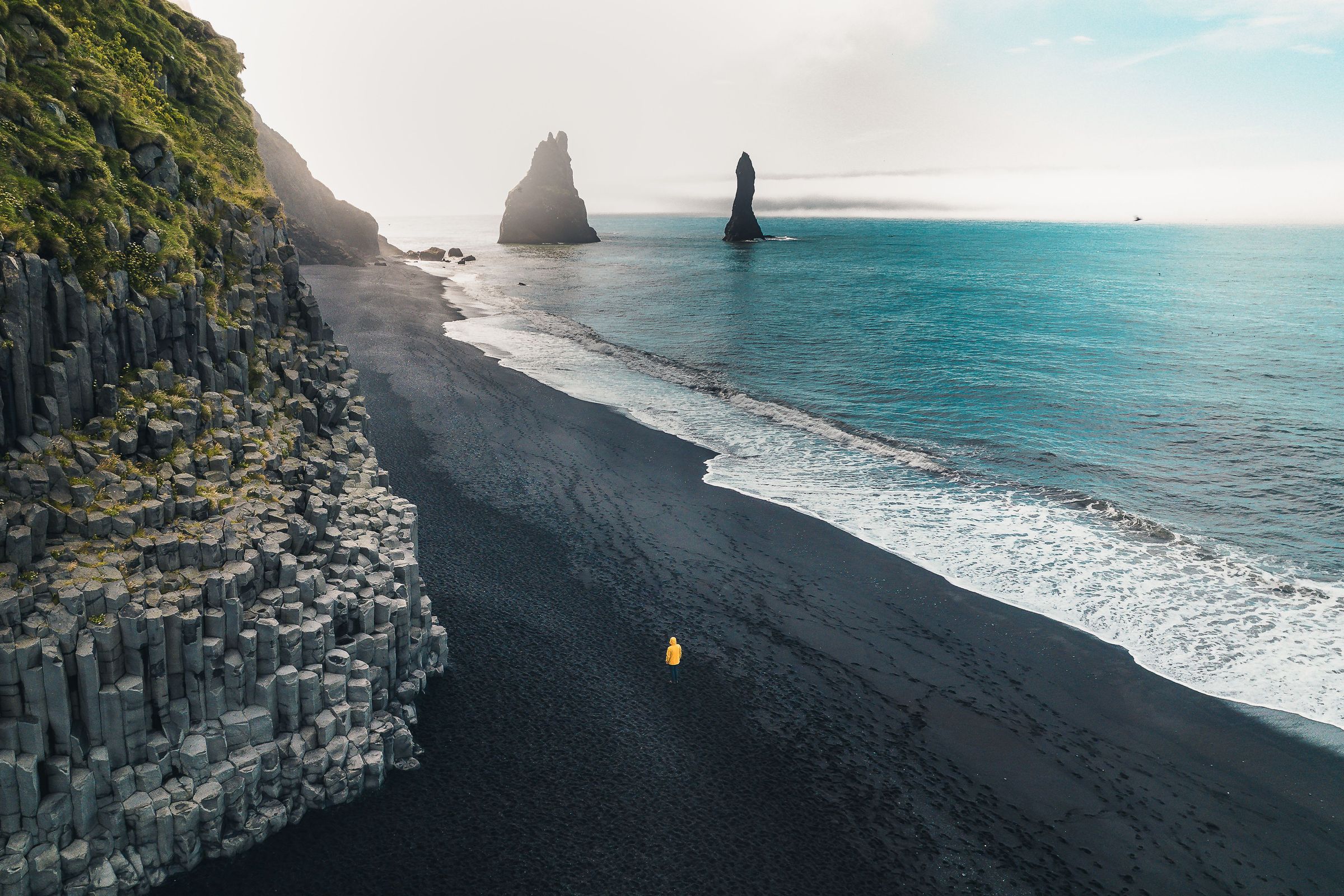
Reynisfjara Black Sand Beach
About 11 kilometers (6.8 miles) west of Katla, this beach is known for black sand, basalt columns, and sea stacks just offshore. It’s also dangerous. Sneaker waves can come in without warning and travel far up the beach. Stay well back from the water and don’t turn your back on the ocean.
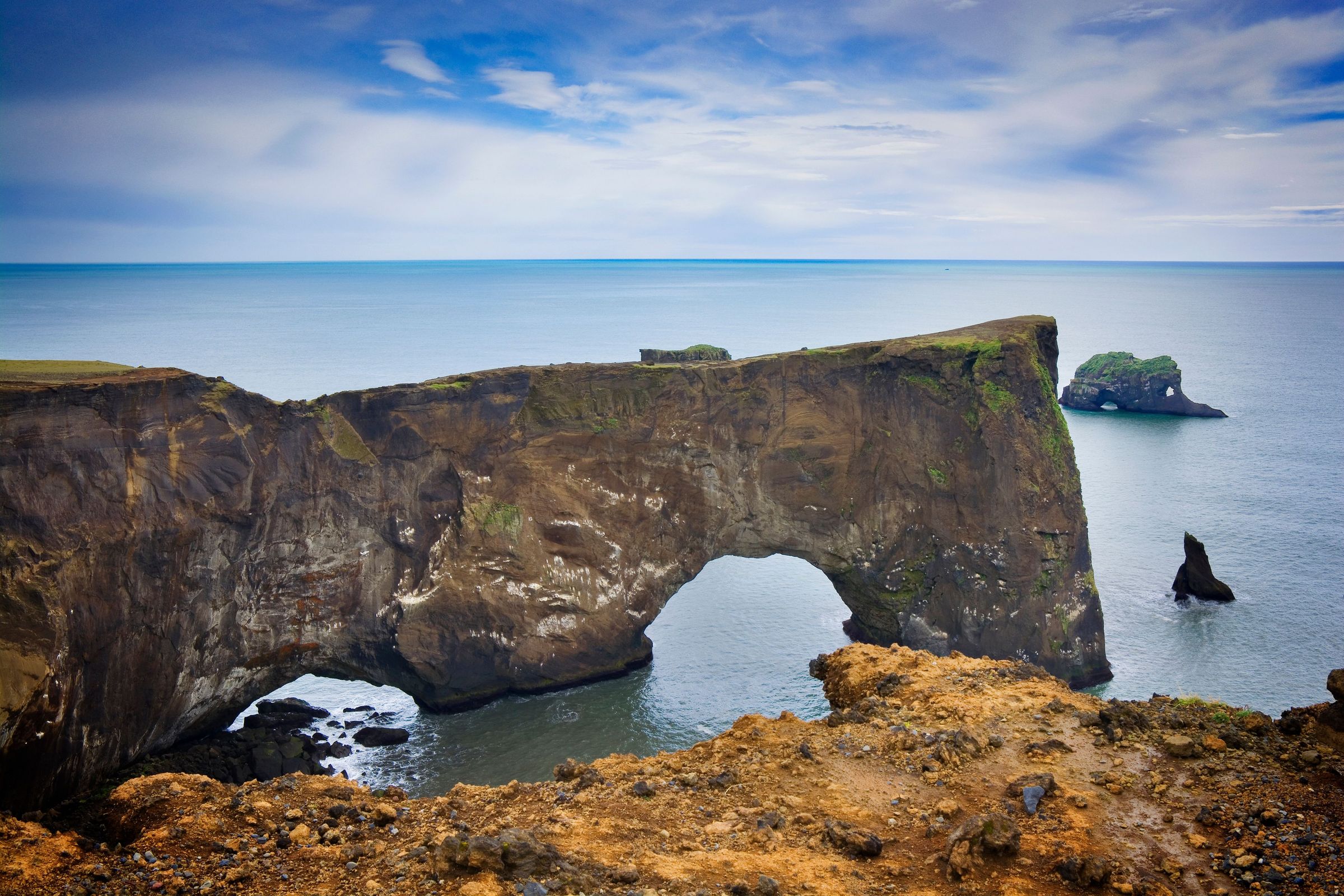
Dyrhólaey Peninsula
Located at the southern tip of Iceland, this peninsula has wide views of the coast. There’s a large rock arch out in the water and a lighthouse above. From May to early August, puffins nest on the cliffs. The road to the upper viewpoint is steep and best for 4x4 vehicles, but you can walk up from the lower parking area.
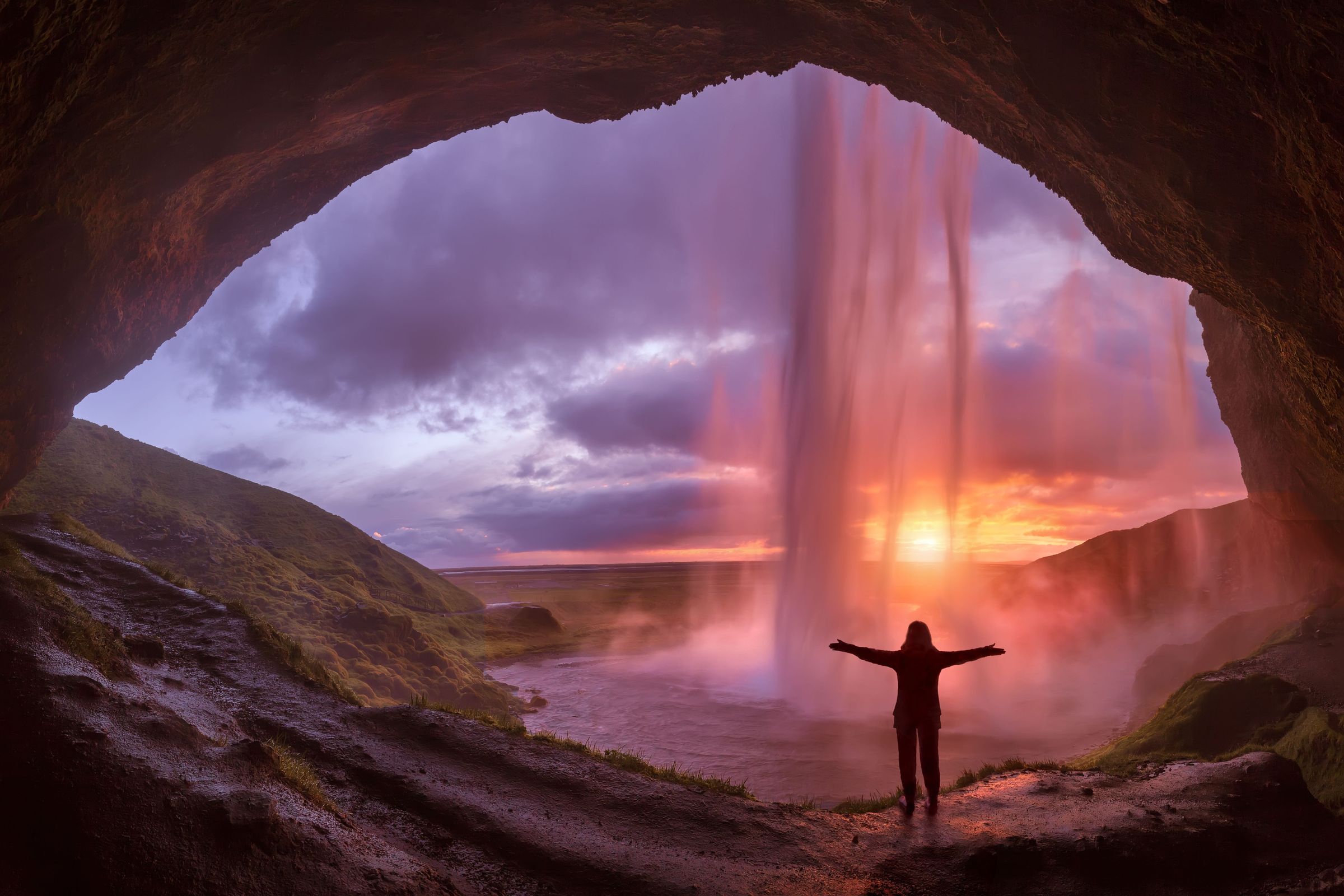
Skógafoss Waterfall
About 34 kilometers (21 miles) west of the cave on the Ring Road (Route 1), this waterfall drops straight down for 60 meters. You can walk right up to the base or climb the stairs to the top. On sunny days, rainbows often show up in the spray. The Skógar Folk Museum next door is worth a stop if you want some local history.

Seljalandsfoss Waterfall
Located 30 kilometers west of Skógafoss, you can walk behind this waterfall, but you will get wet. In winter, the path behind it sometimes closes when ice makes it unsafe.
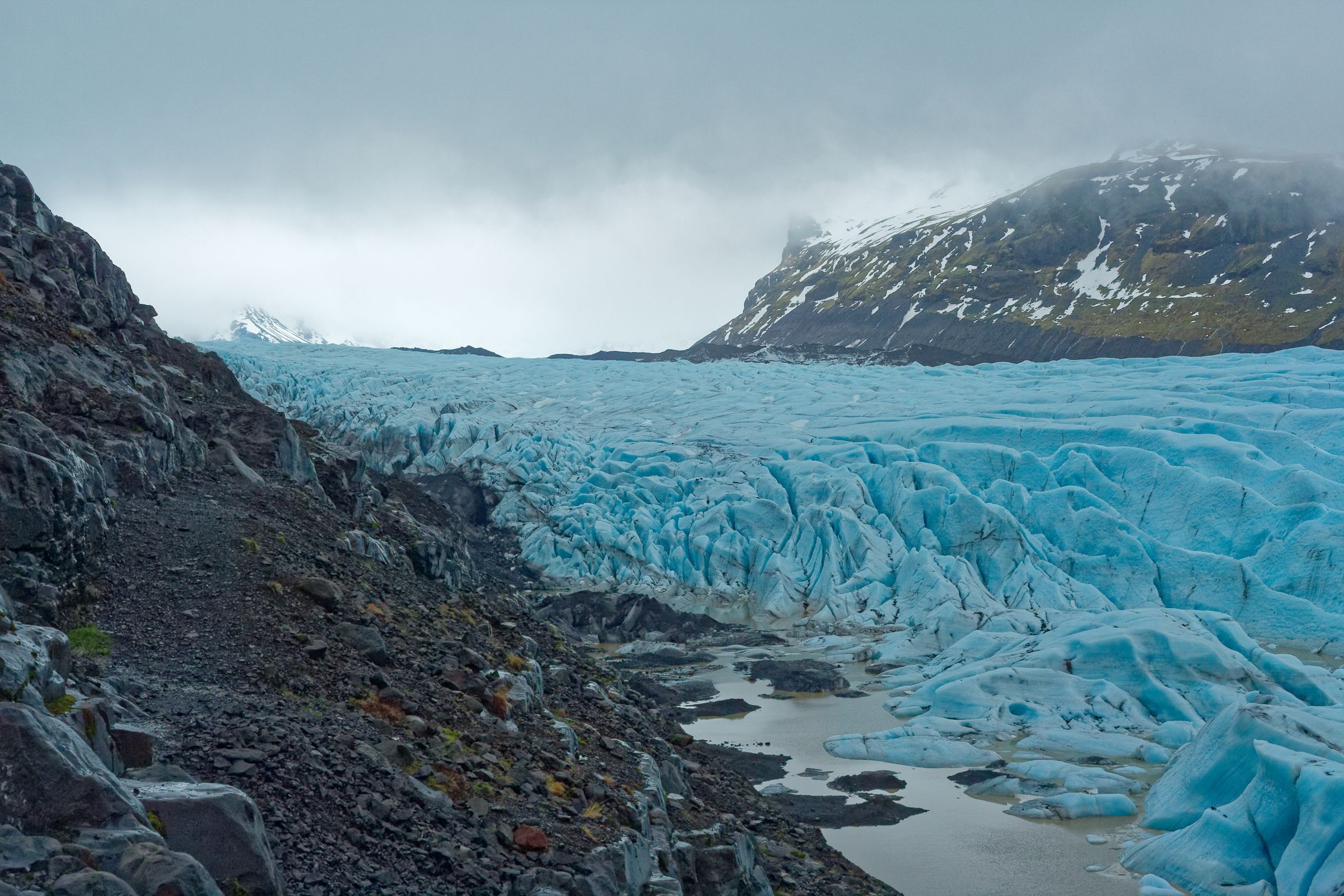
Sólheimajökull Glacier
Sólheimajökull is one of the outlets of Mýrdalsjökull. Many glacier hikes start here. Even if you don’t join a tour, you can walk from the parking lot to a viewpoint over the glacier lagoon.
Fjaðrárgljúfur Canyon
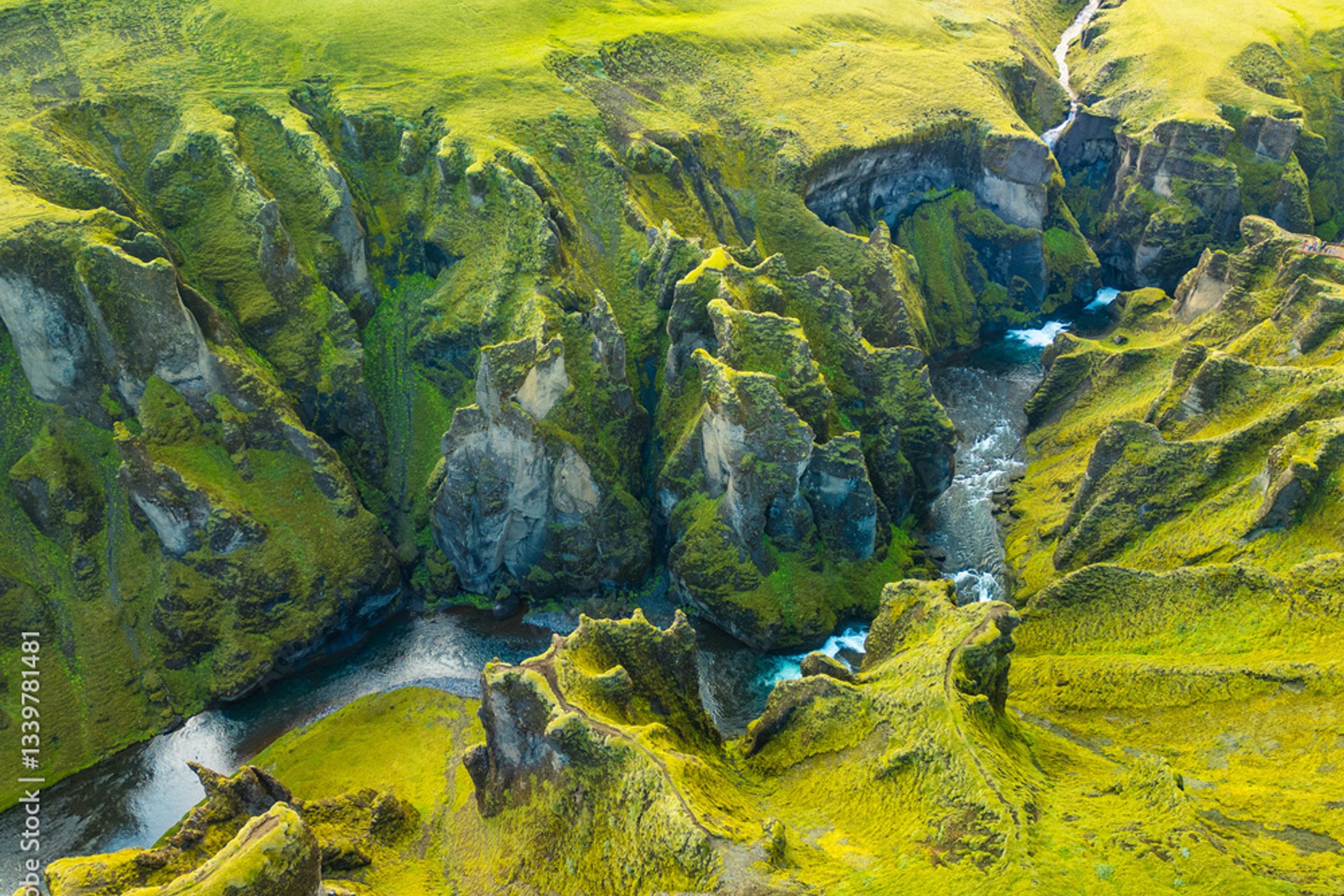
About 45 kilometers east of Vík, Fjaðrárgljúfur Canyon is a narrow canyon with paths along the edge. It became very popular after appearing in a music video, so it can get busy. Access is sometimes closed to protect the moss.
Most of these places work well before or after your ice cave tour. If you stay in Vík for a night or two, it’s easy to visit them without rushing.
Conclusion
Katla Ice Cave is different from most places in Iceland. You’re walking through ice shaped by both glaciers and volcanoes. The cave changes often, so no two visits are exactly the same.
If you’re already traveling along the South Coast, it’s an easy place to add to your route. Book your tour ahead of time, dress for cold and wet conditions, and follow your guide’s instructions. With so many stops nearby, Katla Ice Cave fits naturally into a South Coast trip.
Frequently Asked Questions Katla Ice Cave