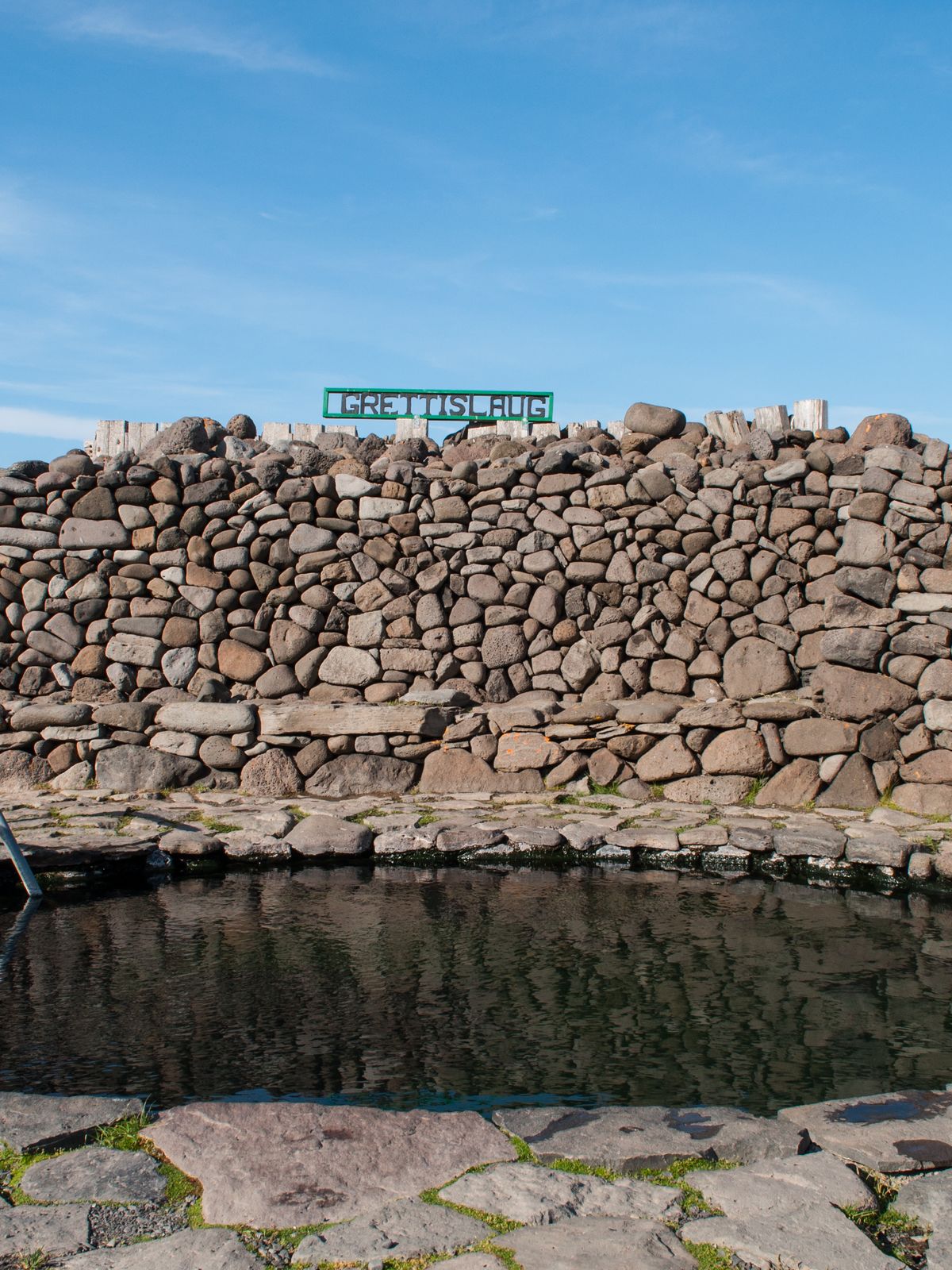
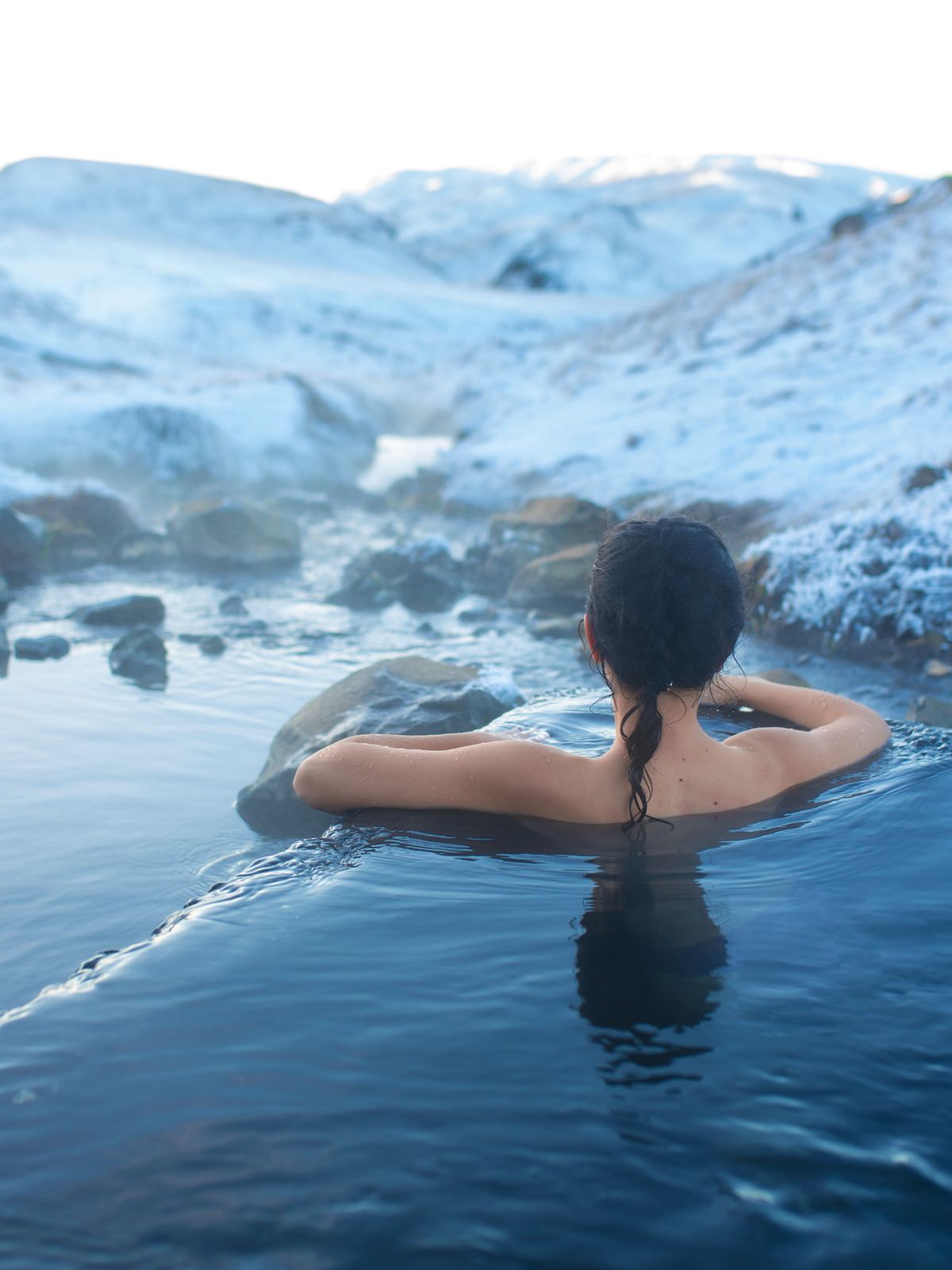
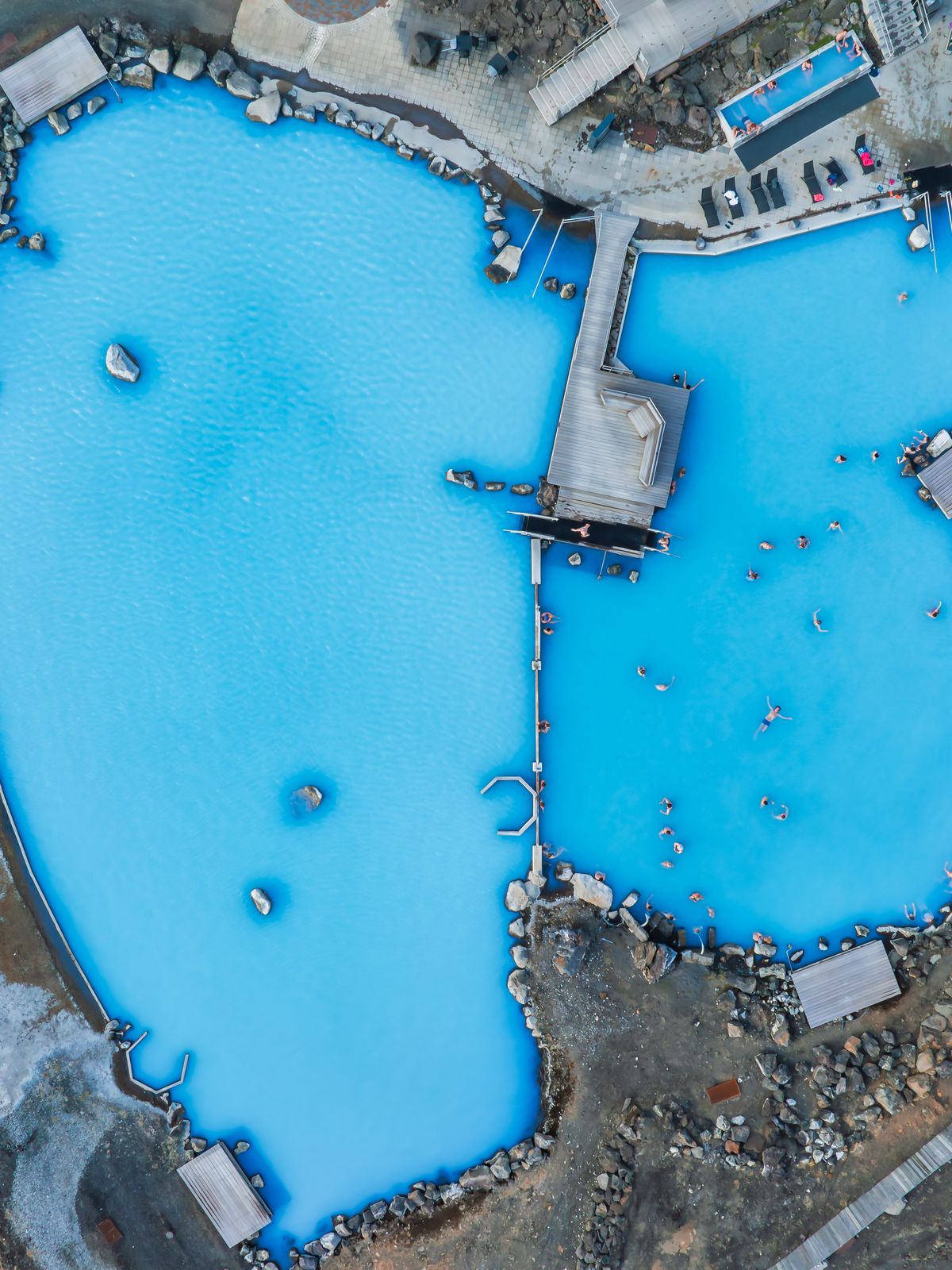
If you’re thinking about Hvammsvík, you’re probably already leaning toward something quieter and more natural. There’s nothing to hurry through here. You get there, get into the water, and let the place slow you down.
Here’s everything you need to know to make the most of your visit to this amazing hot spring.
Hvammsvík Hot Springs Overview
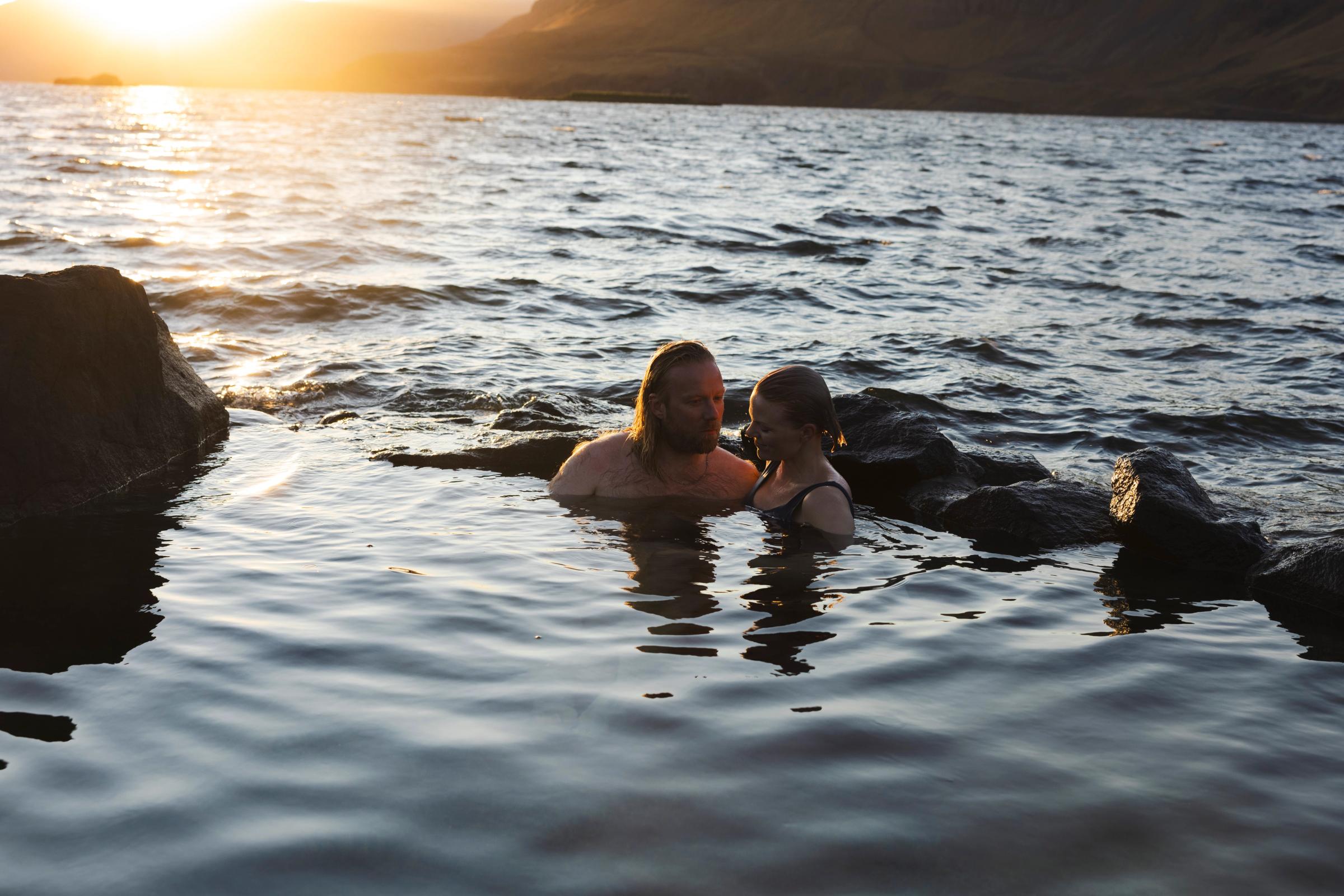
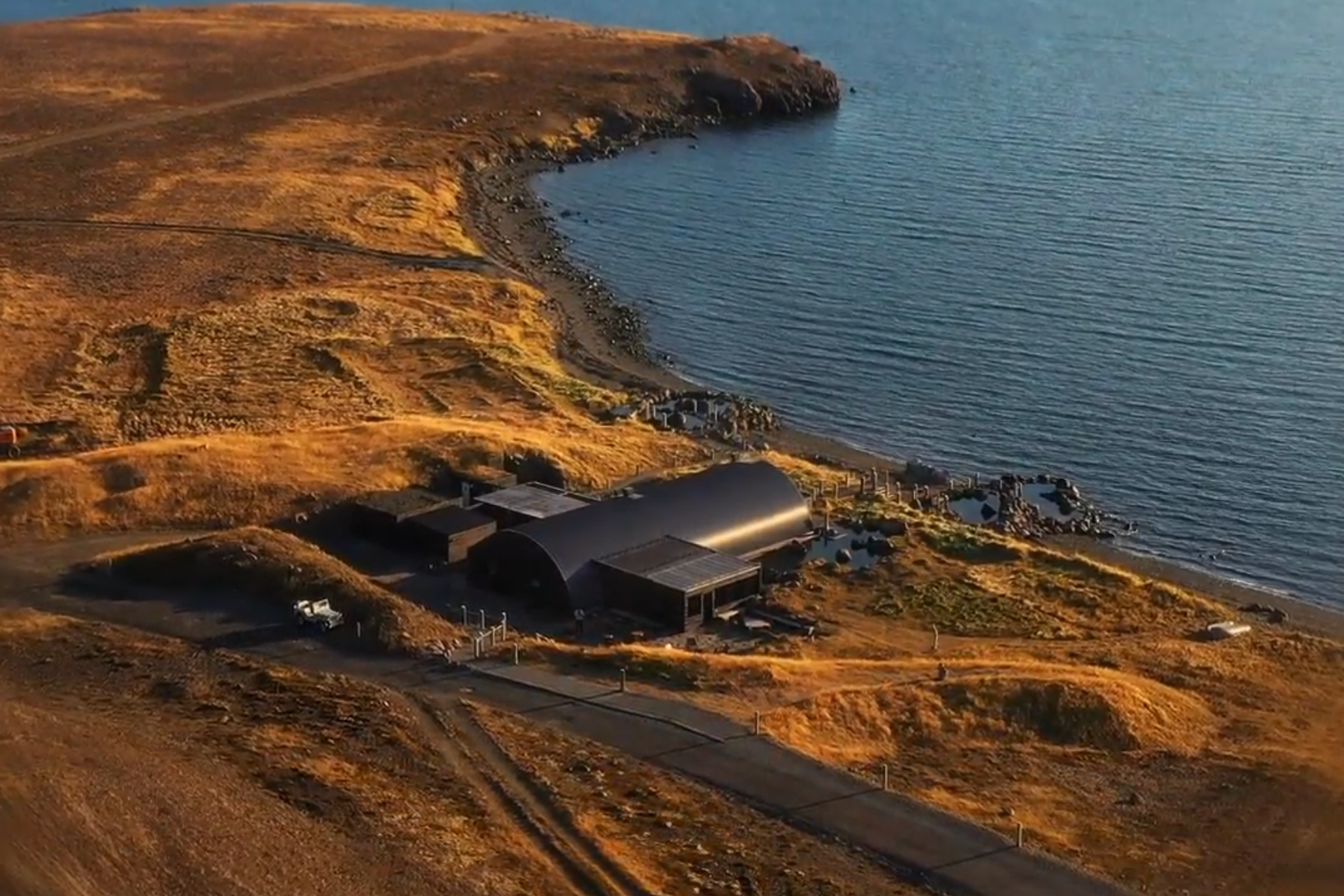
Hvammsvík Hot Springs is a group of eight natural geothermal pools right on the Atlantic Ocean in Hvalfjörður, about 35 miles from Reykjavík. The pools are built into rock and filled with hot water from underground mixed with seawater. Because the ocean moves with the tides, the pools change temperature throughout the day. It feels quiet and natural, not built to impress.
What Makes Hvammsvík Unique
Hvammsvík feels raw and unfinished compared to many other hot springs. The ocean is part of the pools, so nothing stays the same for long. The area has history going back to Viking times and was later used as a World War II naval base. Seals are common here, and whales sometimes pass through the fjord.
Distance from Reykjavík and Accessibility
Hvammsvík is about a one hour drive from Reykjavík. The route is simple and clearly marked. It feels removed from the city without actually being far away.
Location & Natural Setting
Hvalfjörður is wide and quiet, with mountains rising on both sides. It does not feel dramatic, just calm and steady. The setting feels settled and peaceful.
Fjord Environment and Coastal Features
The mountains help block wind, and the fjord keeps the water calmer than the open ocean. The beach is black volcanic sand, and steam rises from the pools. Tides change how the pools feel during the day, which you notice as you move around.
Getting There from Reykjavík
From Reykjavík, drive north on Route 1, then turn onto Route 47 before the tunnel. Parking is free, with a short walk to the pools. Shuttle transfers from Reykjavík are available starting at around $128.
The Hot Springs Experience
There are eight pools, all different in size and temperature. You move between them based on what feels good at the time. Conditions depend on tides, weather, and even the hour.
Geothermal and Ocean-Fed Pools
Hot geothermal water comes from underground at about 35 to 40°C. Cold seawater flows in and out with the tides. Pools closer to the ocean change more than those set into the rocks.
Tidal Pool Variations and Temperature Differences
Pools are usually warmer at low tide and cooler at high tide. Temperatures can shift while you are there. Most people move around instead of staying in one pool.
Steam Bath and Cold Plunge Options
There is an indoor geothermal steam bath that feels hotter than the outdoor pools. You can also walk straight into the Atlantic Ocean, which is usually around 4 to 8°C. The switch from hot to cold is intense but common here.
Icelandic Bathing Culture and Etiquette
You must shower without a swimsuit before entering the pools since the water is untreated. Private shower stalls are available. People generally keep things quiet and low key.
Amenities, Food & Facilities
Facilities are simple and practical. You get what you need, nothing extra. Everything is cashless and charged to a wristband.
Changing Rooms and Essential Facilities
There are shared and private changing rooms with lockers. All tickets include shampoo, conditioner, and body wash. Higher tier tickets include towels and water shoes.
Stormur Bistro & Bar
Stormur Bistro is open from 11:00 AM to 7:30 PM and is known for its seafood soup with sourdough bread. There is also a swim up bar serving drinks and wellness shots. Most food costs around 2,000 to 3,000 ISK.
Prices, Hours & Booking Information
There are three ticket types with prices based on time and day. Hvammsvík is open daily from 10:30 AM to 8:30 PM, with last entry at 7:00 PM. Booking online in advance is required.
Admission Pricing Structure
The Natural Package costs about 51 to 76 USD and includes basic access. The Classic Package ranges from 68 to 93 USD with indoor changing rooms. The Comfort Package costs about 95 to 120 USD and includes towels, water shoes, and one drink.
Operating Hours and Seasonal Access
Hvammsvík is open year round unless the weather is extreme. Winter visits are common. The bistro closes at 7:30 PM.
Booking Requirements and Capacity Management
All visits must be booked online. You choose a date, time window, and ticket type. Guest numbers are limited so it never feels crowded.
Best Time to Visit
Hvammsvík feels different depending on the season. There is no single best time to go. It depends on what kind of experience you want.
Year-Round Access and Seasonal Highlights
The springs are open all year. Being in hot water when it is cold outside is a big part of the experience. Storms can cause short closures.
Winter: Northern Lights Potential
From November to March, there is a chance to see the Northern Lights. Light pollution is low in the fjord. Moving between pools can feel cold, so warm clothes help.
Summer: Midnight Sun and Extended Daylight
In summer, daylight lasts almost all night. You can take your time without rushing. Summer is busier and more expensive.
Weather Considerations
Weather changes quickly in Iceland. Layers are useful in every season. Route 47 can be icy in winter, making shuttles a safer option for some.
How Hvammsvík Compares to Other Hot Springs
Hvammsvík does not try to match large commercial hot springs. It feels smaller and less controlled. That difference is obvious once you are there.
Hvammsvík vs Blue Lagoon
The Blue Lagoon is large, organized, and very structured. Hvammsvík is smaller, with clear water and natural rock pools. Prices start in a similar range, but Blue Lagoon upgrades cost more.
Hvammsvík vs Sky Lagoon
Sky Lagoon follows a set ritual and predictable flow. Hvammsvík changes with the tides and weather. It works better if you are fine with things being different each day.
Natural vs Commercial Spa Experiences
Commercial spas control water temperature and flow. Hvammsvík does not. Nature decides what the experience is like.
Nearby Attractions
Hvammsvík works well as a single stop or part of a day trip. A few places nearby fit easily into the visit. You do not need to rush.
Glymur Waterfall
Glymur is Iceland’s second tallest waterfall at 198 meters. The hike takes about 3 to 4 hours round trip. Many people hike first and visit Hvammsvík afterward.
Hvalfjörður War and Peace Museum
This small museum covers the fjord’s World War II history. It connects to Hvammsvík’s past as a naval area. It is open from May to late August.
Including Hvammsvík in Your Road Trip Around West Iceland
Hvammsvík fits easily into a West Iceland road trip. It works as a break between other stops. Some people use it to slow down after busy days.
Who Should Visit Hvammsvík?
Hvammsvík is not for everyone. It helps to know what it is before you go. Expectations matter here.
Ideal Visitors: Nature and Wellness Travelers
It suits people who like natural places that change throughout the day. You need to be comfortable outdoors. Hot and cold contrast is a big part of it.
Perfect for Couples and Slow Travel
Hvammsvík works well for couples. Visitor numbers are limited, so it stays quiet. It fits a slower pace without rushing.
Who Might Prefer Alternatives
If you want spa treatments or a very structured setup, other hot springs may be better. Large groups and families with young kids may find it less convenient. It also takes more planning than places closer to Reykjavík.
Conclusion
Hvammsvík is simple at its core. It is hot water beside the ocean in a quiet fjord. If you like things natural and changing, it works well.
Hvammsvík Hot Springs Overview
Hvammsvík Hot Springs is a set of natural geothermal pools on the edge of the Atlantic Ocean, about 35 miles from Reykjavík, in a fjord called Hvalfjörður (Whale Fjord). There are eight pools, all built into natural rock, and they’re fed by hot water from underground mixed with seawater from the ocean.
The big thing about Hvammsvík is that the pools sit right on the Atlantic Ocean. The ocean moves in and out with the tides, so the pools change all the time. Some days the water is hotter, other days cooler. You might see seals swimming nearby, and in winter, there’s a real chance of seeing the Northern Lights while you’re soaking.
It doesn’t feel designed to impress you. It just exists where it exists, and you’re allowed to be there.
What Makes Hvammsvík Unique
Hvammsvík isn’t polished or controlled. There are eight pools, all built into natural rock, all filled with geothermal water that comes straight from underground. The ocean is part of the experience, not kept separate.
As a result, nothing remains fixed. A pool that feels hot when you arrive might feel cooler an hour later. Tides, waves, and weather all affect what the pools are like at any given moment.
This place also has a long history. People lived here as far back as 900 AD, during Viking times. During World War II, the fjord was used as a major Allied naval base called Falcon Beach. At its peak, there were about 40,000 troops and roughly 200 ships in the area. Some of the buildings you use today sit on old military foundations from that period.
Wildlife is just part of the scene. Seals are often around and swim close to the pools. Whales sometimes pass through the fjord, too, which can stop a conversation pretty quickly.
Distance from Reykjavík and Accessibility
Hvammsvík is about a 1-hour drive from Reykjavík. You take Route 1 north, then turn right onto Route 47 before the Hvalfjörður Tunnel. It’s an easy drive and clearly marked.
Once you get there, it feels like you’ve stepped away from the city without having to go far. There’s no noise, no sense of urgency. You arrive, and that’s it.
Location & Natural Setting
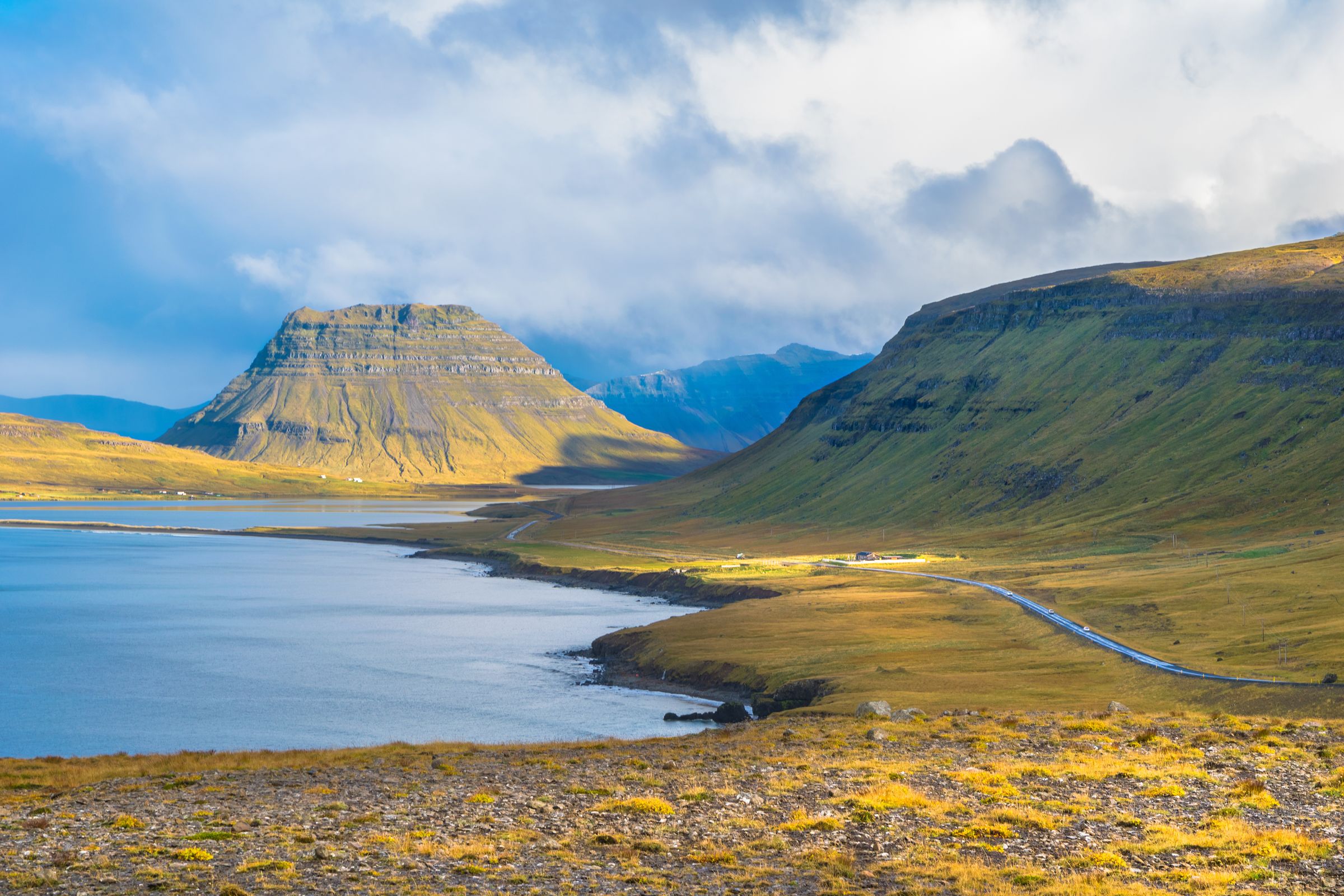
Hvalfjörður feels wide and quiet. The fjord stretches inland, with mountains rising straight up on both sides. It’s not dramatic in a showy way. It’s just there, steady and calm.
Fjord Environment and Coastal Features
The setting works well for soaking outdoors. The mountains block much of the wind, and the fjord keeps the water calmer than the open ocean. You’re outside, but you don’t feel exposed.
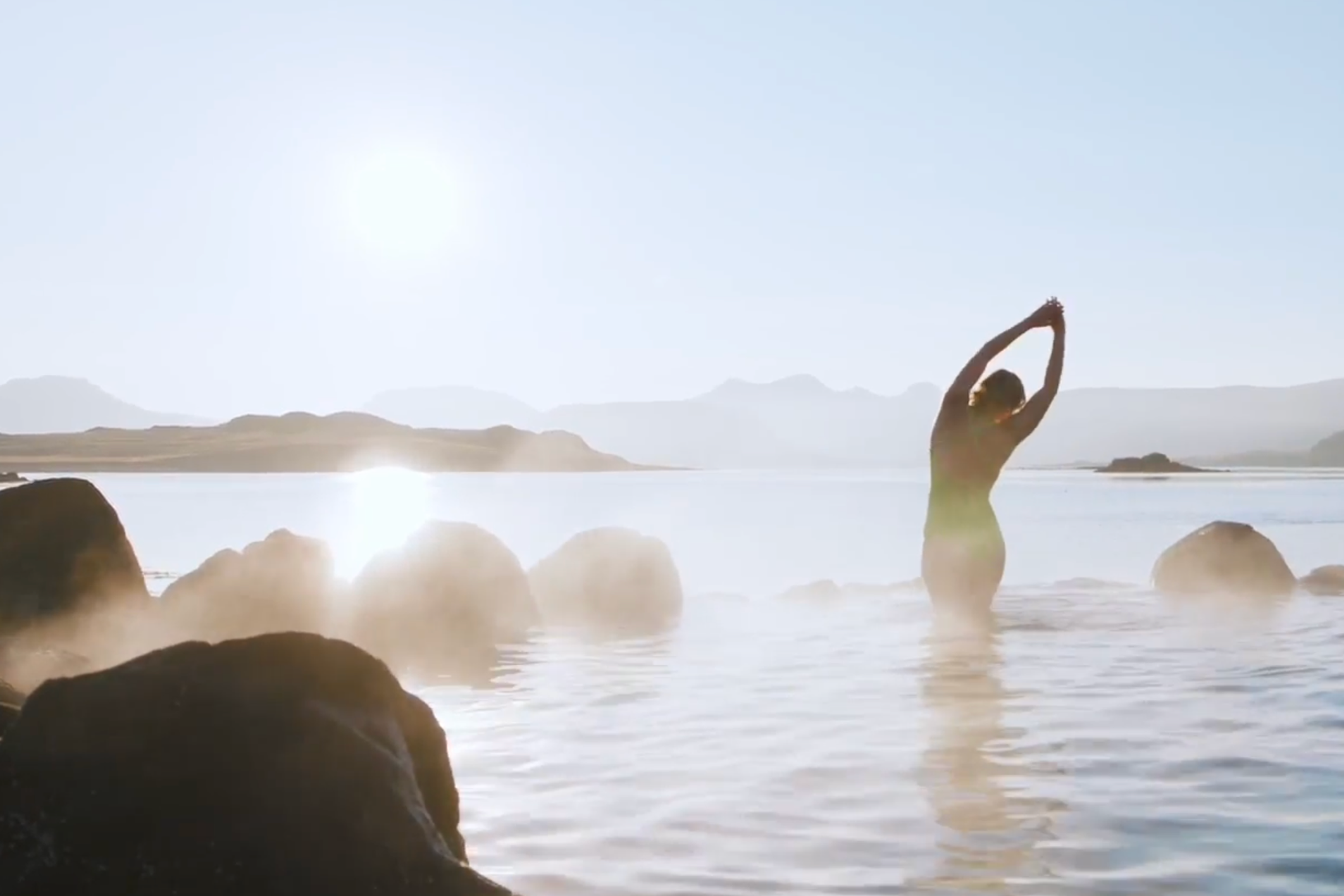
The beach is black volcanic sand. The pools sit right next to it, with steam rising into the air. The color of the water changes depending on the light, from dark blue to green.
The ocean is always part of what’s happening. At high tide, waves can push into some pools or cover them for a while. At low tide, the pools usually feel warmer. Things shift during the day, and you notice it as you move around.
Getting There from Reykjavík
From Reykjavík, drive north on Route 1 for about 30 minutes. Before the tunnel, turn right onto Route 47 and follow it for around 20 minutes until you see signs for Hvammsvík.
The drive eases you into the area. The fjord slowly opens up, and by the time you arrive, your pace has already dropped a bit.
Parking is free and nearby, but not right beside the pools. You walk a short distance before reaching the water, which helps keep the area around the springs feeling calm.
If you don’t have a car, shuttle transfers from Reykjavík are available starting at around $128. These are often bundled with tours or entry tickets.
Rent a campervan in Iceland
Explore and relax all around the island with your house on wheels
There are eight pools at Hvammsvík. None of them are meant to be the same, and that’s kind of the point. Some are small and hot. Some are bigger and cooler. You don’t need a plan. You just move around and see what feels good.
Because the pools sit right on the ocean, what they’re like depends on the day. Tides matter. Weather matters. Sometimes even the hour matters.
Geothermal and Ocean-Fed Pools
The hot water comes from underground geothermal sources and is usually around 35-40°C. That water flows straight into the pools along the shore.
At the same time, cold Atlantic seawater moves in and out with the tides. That mix is what changes the temperature and feel of the pools.
Pools tucked into the rocks usually stay warmer. Pools closer to the ocean change more. When the weather is rough, some pools cool down a lot or get covered by waves for a while.
Nothing here is kept steady or adjusted behind the scenes.
Tidal Pool Variations and Temperature Differences
At low tide, the pools are usually warmer since there’s less seawater flowing through them. When the tide comes in, some pools cool down noticeably.
Most people don’t stay in one pool the whole time. You move around, try different ones, and adjust as things change.
Steam Bath and Cold Plunge Options
Inside the main building, there’s a geothermal steam bath that uses natural steam from the springs. It’s hotter than the outdoor pools and feels more intense.
You can also walk straight into the Atlantic Ocean if you want a cold plunge. The water is usually around 4-8°C. Going from hot water to a cold ocean is a shock, but it’s something people here have done for a long time. It’s uncomfortable for a moment, then you feel very awake.
Icelandic Bathing Culture and Etiquette
You have to shower without your swimsuit before getting into the pools. The water isn’t treated with chemicals, so this step keeps it clean.
There are private shower stalls if you want them. Communal showers are normal in Iceland, and not something most locals think much about.
In the pools, people keep things quiet. Some talk softly. Some don’t talk at all. If you take photos, you’re expected to be aware of who’s around you.
Icelandic swimming pool etiquette: All you need to know
Hvammsvík keeps things straightforward. You get what you need, and that’s it.
Changing Rooms and Essential Facilities
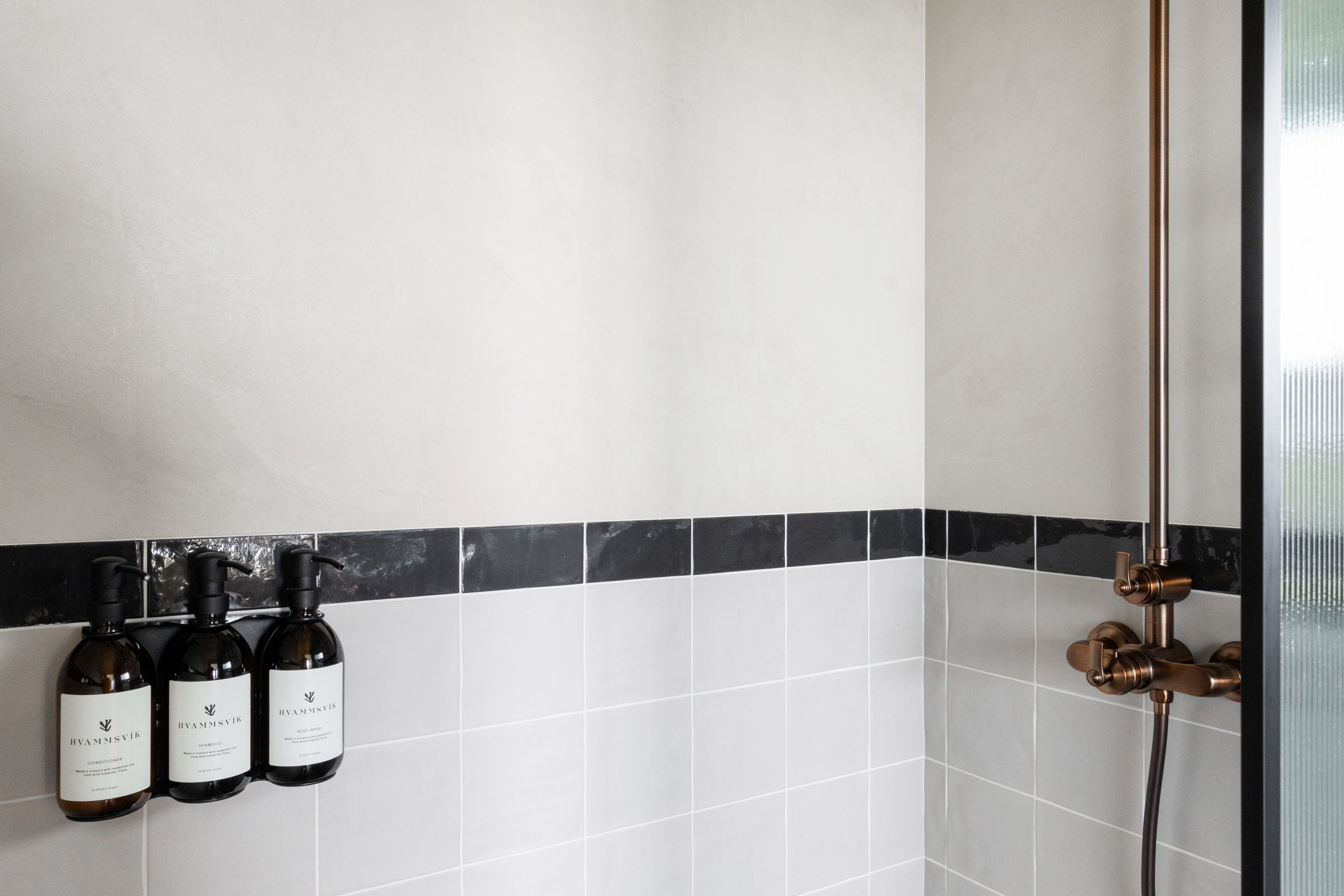
The main building has shared and private changing rooms with secure lockers. All tickets include shampoo, conditioner, and body wash.
More expensive tickets include towel rental and water shoes. If you choose a cheaper ticket, bringing your own towel will save you money. Everything is cashless, and whatever you buy gets charged to your wristband.
Stormur Bistro & Bar
Stormur Bistro is open from 11:00 AM to 7:30 PM. The thing most people order is the seafood soup, a creamy shellfish soup served with fresh sourdough bread. After sitting in hot water for a while, it hits the spot.
There’s also a swim-up bar in one of the pools. You can order Icelandic beer, wine, cocktails, or wellness shots made with local seaweed. Everything goes on your wristband, so you don’t need to carry anything.
Food prices are typical for a remote place in Iceland. Most dishes cost around 2,000 to 3,000 ISK. It’s not cheap, but the quality is good, and the ingredients are local.
Prices, Hours & Booking Information
There are three ticket options, depending on how much comfort you want.
Admission Pricing Structure
The options are:
Natural Package (51–76 USD) Access to the pools and steam bath, open-air changing shelters, a safety box for valuables, and basic toiletries.
Classic Package (68–93 USD) Includes indoor changing rooms with private lockers and showers.
Comfort Package (95–120 USD) Includes towel rental, water shoes, and one free drink.
Prices change based on the day and time. Weekday mornings are cheaper than evenings and weekends. If you plan to rent a towel and buy a drink anyway, the Comfort package often makes sense.
Operating Hours and Seasonal Access
Hvammsvík is open every day from 10:30 AM to 8:30 PM. Last entry is at 7:00 PM. The bistro closes at 7:30 PM.
They’re open year-round unless the weather is extreme. Winter visits are common, especially when there’s snow around.
Booking Requirements and Capacity Management
You need to book online in advance. Walk-ins aren’t available.
When you book, you choose a date, time slot, and ticket type. There’s a one-hour arrival window, and guest numbers are limited so it never feels crowded.
Weekends, holidays, and summer afternoons fill up fast. Off-peak times are usually quieter and cheaper.
Best Time to Visit
Hvammsvík feels different depending on when you go, and there’s no wrong season.
Year-Round Access and Seasonal Highlights
The springs are open all year. Bad storms can cause temporary closures, but otherwise it’s always accessible. Being in hot water while it’s cold outside is a big part of the experience.
Winter: Northern Lights Potential
From November to March, there’s a chance of seeing the Northern Lights while you’re in the pools. The fjord has very little light pollution, which helps.
The contrast between cold air and hot water is stronger in winter. Moving between pools can be cold, so warm clothes are important.
Summer: Midnight Sun and Extended Daylight
In summer, especially June through August, there’s almost constant daylight. You don’t have to rush, and you can see the fjord clearly at any hour.
Summer is more comfortable temperature-wise, but it’s also busier and more expensive.
In winter, Route 47 can be icy. If you’re not comfortable driving in those conditions, taking the shuttle is the easier option.
How Hvammsvík Compares to Other Hot Springs
There are a lot of hot springs in Iceland, and Hvammsvík doesn’t really try to compete with the big names. It’s doing its own thing, and that makes the differences pretty clear.
Hvammsvík vs Blue Lagoon
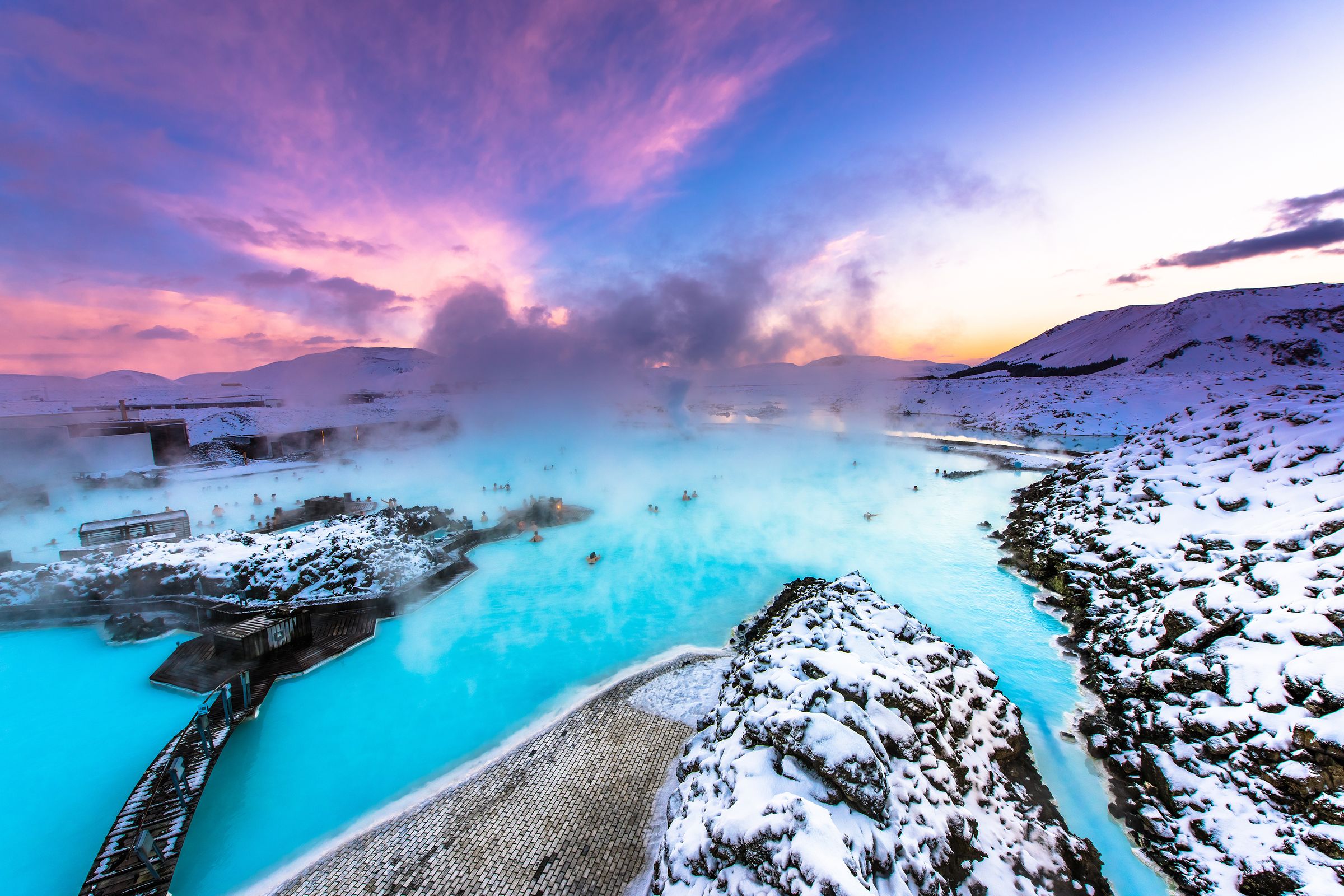
The Blue Lagoon is huge and very organized. The water is milky blue, the paths are built up, and everything runs on a schedule. You book a time, you go in, and you move through the experience with a lot of other people.
Hvammsvík feels much smaller and looser. The water is clear, geothermal water mixed with seawater, not runoff from a power plant. The pools have natural rock edges, not concrete. There’s one bistro instead of several restaurants, and there are no spa treatments.
Blue Lagoon handles thousands of visitors a day and keeps things moving. Hvammsvík limits the number of people, so you’re not watching the clock the whole time.
Prices start around the same range, with Blue Lagoon entry starting at about 98 USD, but the Blue Lagoon gets much more expensive if you upgrade.
Hvammsvík vs Sky Lagoon
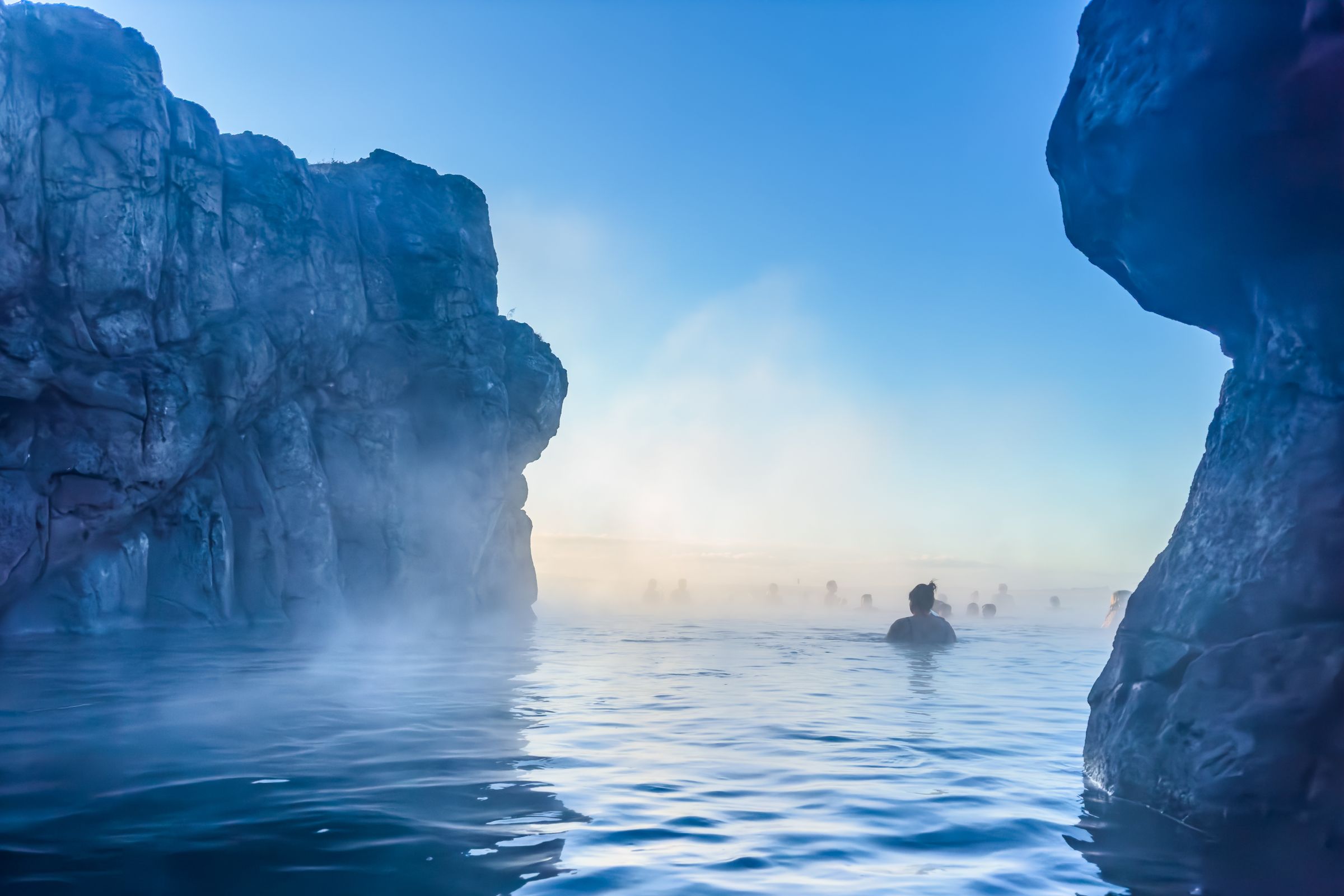
The Sky Lagoon is closer to Reykjavík and built around a very planned experience. There’s an infinity edge, a set bathing ritual, and everything is controlled and predictable.
Hvammsvík doesn’t have rituals or a fixed flow. The pools change with the tides, and the experience depends on the day you’re there.
Sky Lagoon works well if you want something polished and consistent. Hvammsvík works better if you’re okay with things changing and not being perfectly set.
Natural vs Commercial Spa Experiences
The real difference comes down to control. Places like Blue Lagoon and Sky Lagoon decide how everything works, from water temperature to how long you stay.
Hvammsvík doesn’t. Tides, weather, and the ocean all affect what happens. Some people love that. Some people don’t.
It’s not better or worse. It’s just a different kind of place.
Nearby Attractions
You can visit Hvammsvík on its own, but there are a few nearby stops that fit well if you want to do more in the area.
Glymur Waterfall
Glymur is Iceland’s second-tallest waterfall and is about 22 minutes farther into Hvalfjörður. The hike takes around 3 to 4 hours round-trip and goes through a river canyon before reaching the waterfall, which drops 198 meters.
A lot of people hike Glymur first and then go to Hvammsvík after. Doing it in that order makes sense.
Hvalfjörður War and Peace Museum
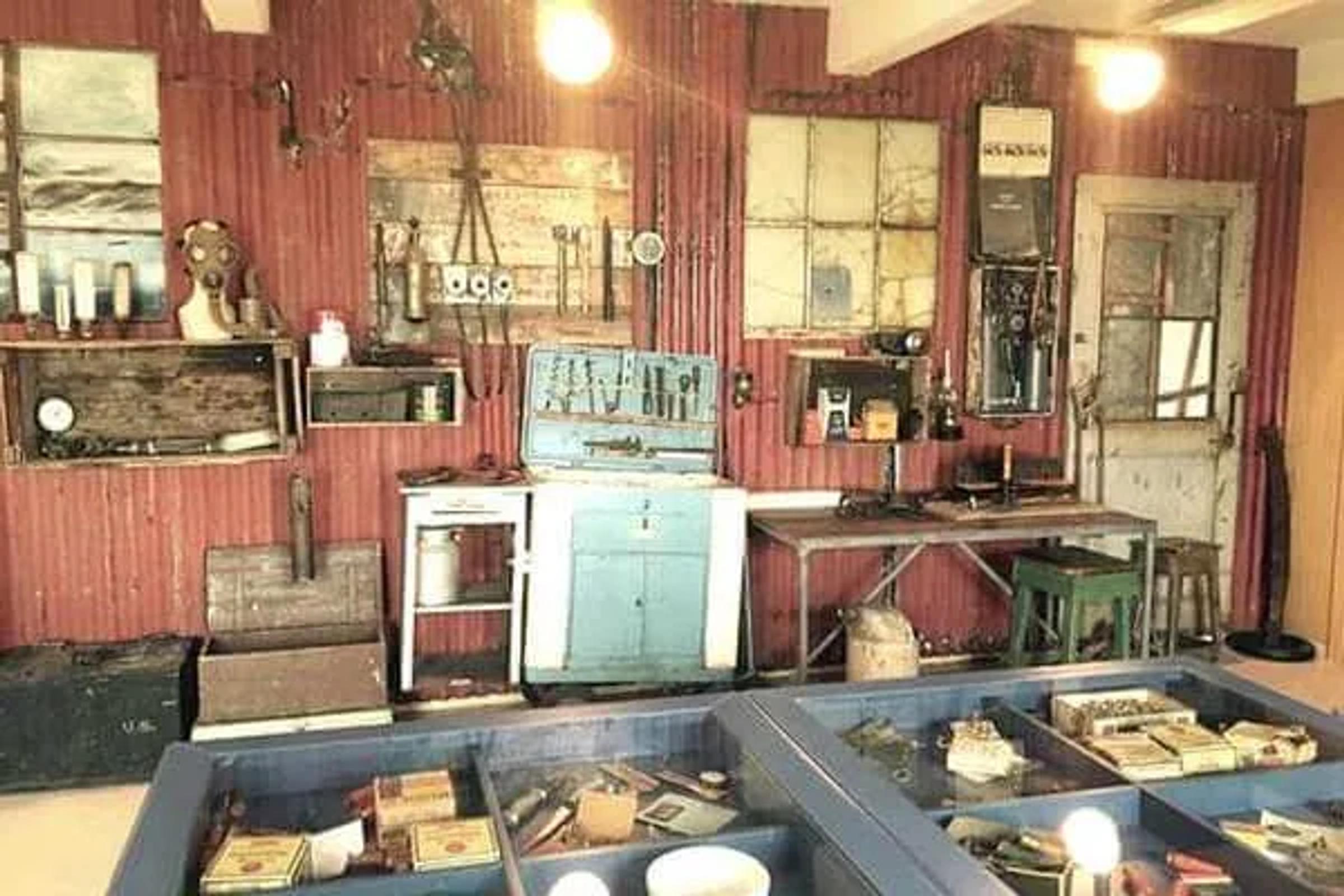
This is a small museum that focuses on the fjord during World War II, when it was used as an Allied naval base. It covers daily life during that time and includes information tied to Hvammsvík’s military history.
It’s close by and easy to visit, but it’s open only from May to late August.
Including Hvammsvík in Your Road Trip Around West Iceland
Hvammsvík fits easily into a West Iceland road trip. It works as a stop on the way to places like glaciers, caves, or the Snæfellsnes Peninsula.
Some people use it to wind down after several busy days. Others start their trip here and head west afterward.
Who Should Visit Hvammsvík?
Hvammsvík isn’t meant for everyone, and it’s better if you know that going in.
Ideal Visitors: Nature and Wellness Travelers
If you like places that feel natural and don’t stay the same all day, Hvammsvík is a good fit. It suits people who are okay with changing conditions and spending time outside.
If you enjoy hot and cold contrast and slower experiences, you’ll probably get more out of it.
Perfect for Couples and Slow Travel
Hvammsvík works well for couples. It’s quiet, and because the number of visitors is limited, it doesn’t feel crowded.
It also suits slow travel. If you like staying in one place for a few hours and not rushing, this setup works well.
Who Might Prefer Alternatives
If you want lots of amenities, spa treatments, or a very structured experience, other hot springs may be a better choice.
Large groups or families with very young kids might find the natural layout harder to deal with. The location also takes a bit more planning than hot springs closer to Reykjavík.
If you prefer everything to be predictable, Hvammsvík might feel frustrating instead of relaxing.
Conclusion
Hvammsvík is simple at its core. It’s hot water, right next to the ocean, in a quiet fjord with a long history.
The experience depends on the day. Tides change things. Weather changes things. You don’t control much.
If that sounds appealing and you’re not looking for something polished or tightly planned, Hvammsvík does what it does very well.
Frequently Asked Questions About Hvammsvík Hot Springs
Yes. The pools are shallow and made for soaking, not swimming. You can stand or sit comfortably in all of them.
Most people stay around 2 to 3 hours. There’s no time limit once you’re inside, so you can take your time.
Yes, but it’s more of an adult-focused place. Kids need to be supervised, and there aren’t any pools made specifically for children.
Yes. The weather can change how warm the pools feel, especially wind and rough seas. In very bad conditions, Hvammsvík may close for safety reasons.
About the author
Aron Freyr
Born and raised in Iceland, Aron Freyr has spent all 28 years of his life exploring the country and getting to know its landscapes, regions, and ever changing conditions. From long summer road trips to winter journeys through remote areas, he has traveled across Iceland more times than he can count. As part of the Go Car Rental Iceland team, Aron turns this firsthand experience into trustworthy, practical guidance that helps visitors navigate Iceland with confidence. His deep local insight makes him one of the most reliable voices on Icelandic travel today. He claims this expertise also includes knowing exactly which gas stations make the best hot dogs.