Complete Guide to Ólafsvík: Whale Watching in a Charming Fishing Town
There are many reasons to travel to Iceland. The country has different sides that attract people from all over the world. Undisputably, nature is the main draw here. Different natural forces have combined in this country to create some of the most staggering landscapes in the world. Culture is also quite interesting. There are certain elements of Icelandic identity that will surely surprise anyone who’s not familiar with them. A third pillar of tourism in Iceland is wildlife. Many animal species, some of them unique, can be seen here. And there are places in Iceland that combine all three together to create a magnificent destination.
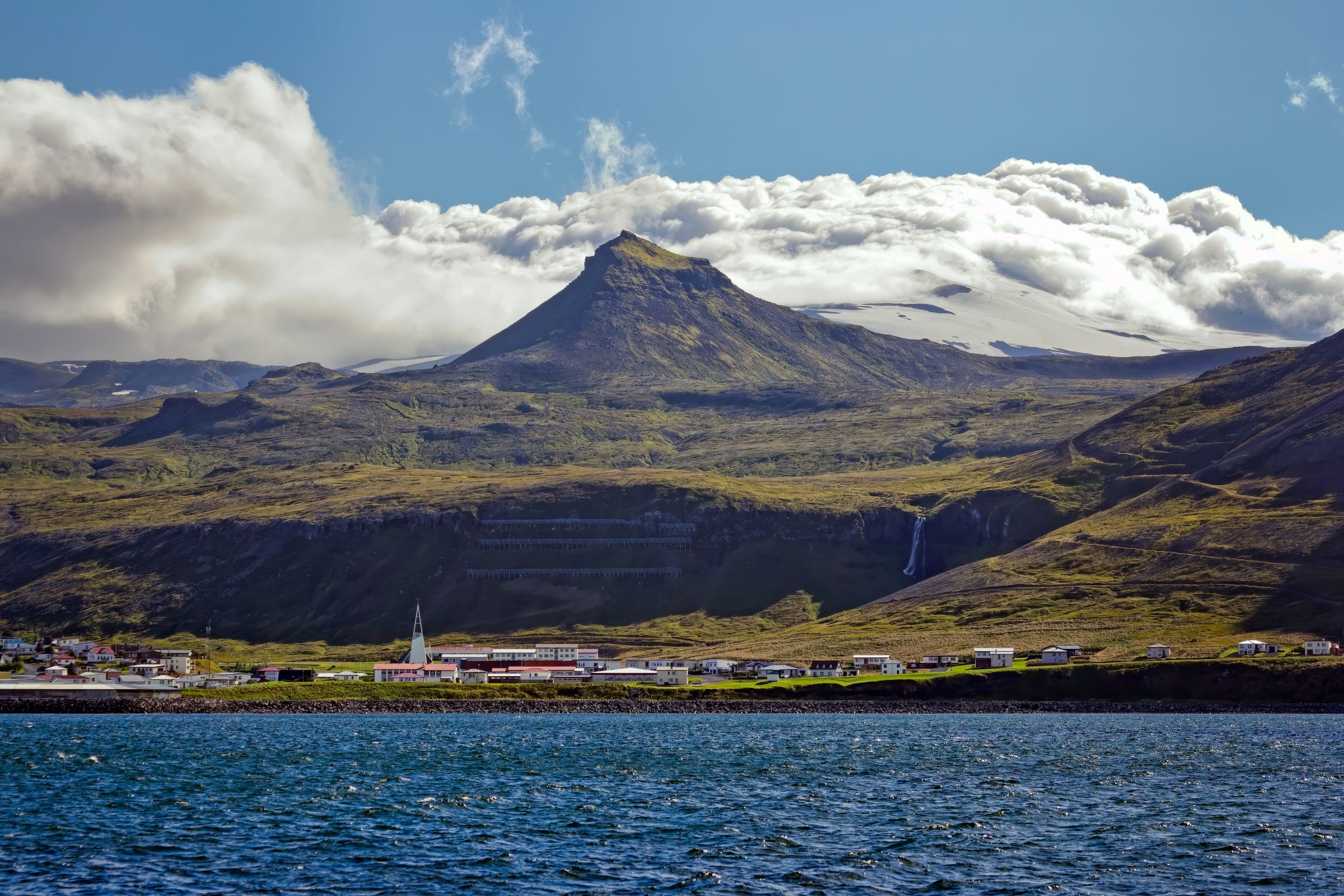
That's the case with Ólafsvík, a small town in West Iceland. This compact fishing community of just over 1,000 residents is located on the northern shore of the Snæfellsnes Peninsula. This region is known for its natural diversity, displaying some of the things the country is known for in a relatively small territory. Ólafsvík is a town that blends everyday Icelandic life with easy access to some of the country’s most varied natural monuments. And for animals, it’s one of the best places in all Iceland to see whales. There are thousands of these huge mammals in the waters in front of the town, with options to see them on boat tours from the harbor. Come with us to discover everything this unique place has to offer.
Key Takeaways
- Ólafsvík is a small fishing town on the Snæfellsnes Peninsula, in West Iceland.
- It’s inside Snæfellsjökull National Park, one of the three in Iceland.
- It’s a town famous in the country for its whale watching opportunities.
Why to go to Ólafsvík
Well, that depends on what you’re looking for when traveling to Iceland. But whatever that answer is, Ólafsvík sure is a great destination. And it’s because of its blend of nature, culture, and unique things to do both in town and around.
Although Ólafsvík is small in size, it’s quite big in charm. This little town in West Iceland has been around for quite some time. Historically, it has served as a trading and fishing hub since the 17th century, when it received one of Iceland’s first commercial licenses from the King of Denmark. This led to the development of a medieval settlement into a prosperous town. This maritime heritage has its center in the natural harbor that shelters the fleet of fishing vessels that depart every night and return with the catch of the day.
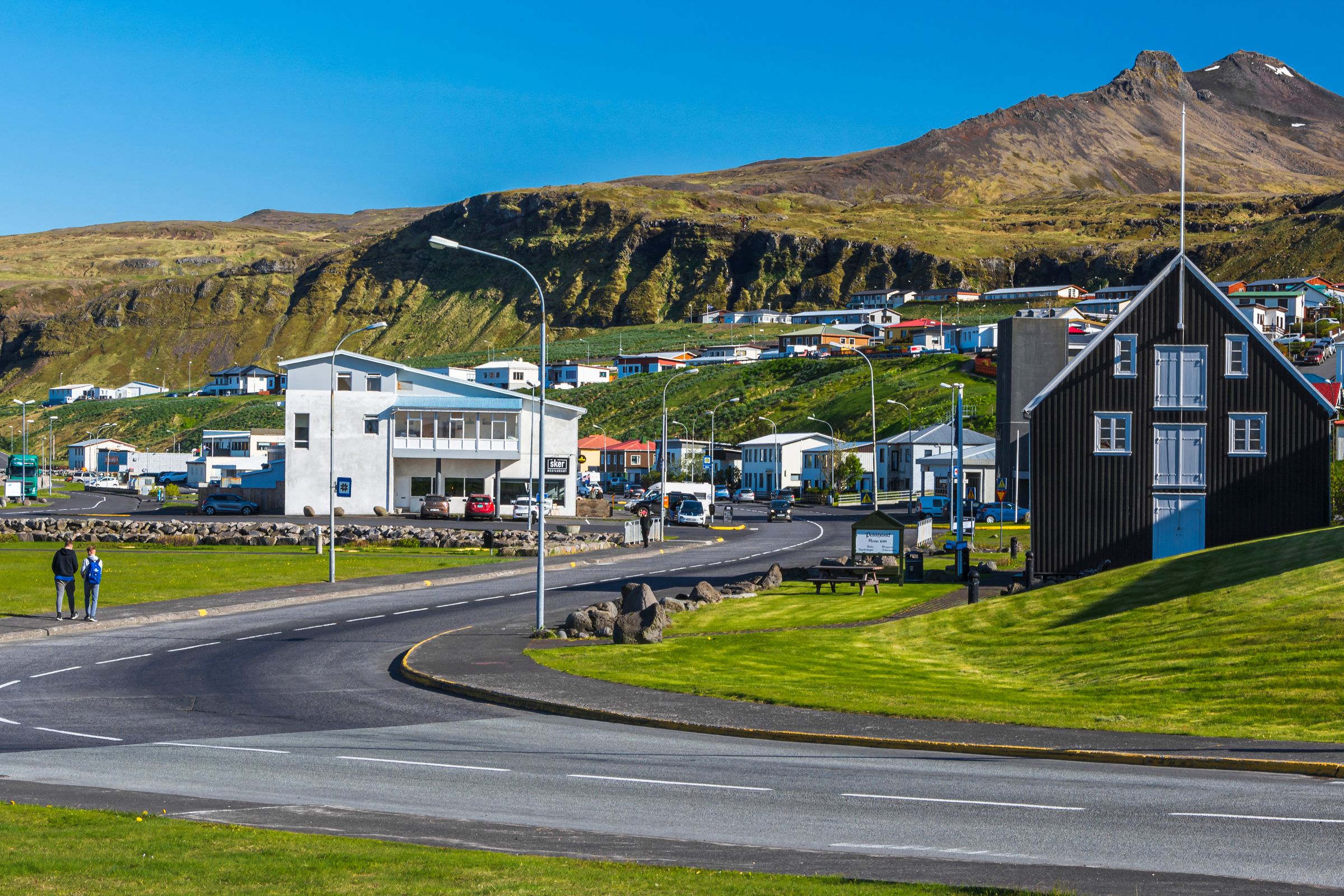
It can also be seen in the historic Pakkhús building, dating from 1844, now a regional museum displaying historical objects, mainly linked to the sea, alongside local handicrafts. The town functions as the administrative center of Snæfellsbær municipality. This makes it a practical hub for people doing a road trip through this part of the country, as the town has all the services needed. Ólafsvík has a swimming pool, small shops, and a gas station, making it a convenient stop without the crowds found in larger towns.
What sets Ólafsvík apart is its location. It’s on the Snæfellsnes Peninsula, one of the most diverse and interesting parts of Iceland. This stretch of land is nicknamed “Iceland in miniature,” as it has a bit of everything this country is known for. This area is full of wonders, as we will explain more in detail later. Here you will find one of the most famous glaciers in Iceland, black lava fields, green meadows, gorges, and rugged cliffs. The area also has loads of mythological stories linked to its monuments. Legends from the Icelandic sagas, including tales of a half-troll protector.
Ólafsvík is much more than just a practical stop, though. The town is quite nice to really see the authentic way of life in this country. It’s the quintessential Icelandic town. The main attraction is whale watching. Iceland is one of the world’s top destinations for this activity, and the two best places for it are Húsavík, in the Northeastern Region, and Ólafsvík.
Apart from that, there are several easy hiking trails, and a peaceful atmosphere that suits families, couples, and solo explorers alike. In short, Ólafsvík delivers authentic Icelandic daily life paired with immediate access to world-class natural wonders.

Whale watching in Ólafsvík
One of the main reasons people visit Ólafsvík is to see whales. As we just commented, this town is one of the best spots in Iceland for whale watching. Several species of these huge mammals live, feed, or pass, as part of their migratory routes, by the deep waters north of the Snæfellsnes Peninsula. This part of the ocean is particularly rich in nutrients, creating ideal conditions for sightings for most of the year. The warmer months, between June and September, have the highest chances of sightings, but each species has its own timings. In winter, the chances are significantly lower.
The company Láki Tours operates the main departures from the harbor at Norðurtangi 9. Tours run daily from 15 February to 30 September, with sailings at 10:00 and 14:00 (weather permitting). Each trip lasts 2 to 3.5 hours aboard a comfortable vessel designed for minimal disturbance to marine life. This company is focused on sustainable whale watching, so they try to respect the animals’ natural habitat as much as possible.
The animal most commonly seen during these tours is orcas. Seeing them is almost certain from February through early July, with strong chances the rest of the summer. Sperm whales appear regularly between March and June, sometimes showing up a little longer in the year. Later in the season, well into autumn, minke whales, humpbacks, pilot whales, and white-beaked dolphins become more common. It doesn’t happen regularly, but some lucky visitors have spotted other species such as fin and sei whales. Even the largest animal on the planet, the blue whale has been spotted near Ólafsvík on a good number of occasions. However, they are shy and elusive, so don’t count on seeing them.
The price of the tours is:
- Adults (16 and over): ISK 14,000 per person (€97 or $115).
- Youth (7-15): ISK 7,000 (€48.50 or $57.50).
- Children (6 and under): Free.
From time to time, there are promotions and offers, so keep an eye on them. It’s highly recommended to book in advance, especially for the summer months (June to August) as it’s peak tourism season and tours fill up.
For the tour itself, the company provides warm overalls if needed and English-speaking guides who share facts about the whales, their behavior, feeding routines, and habitat. In the unlikely case that there are no sightings during the tour -a very uncommon occurrence- the operator usually offers a free rescheduling for another trip within the same season.
It can be cold and windy out in the ocean, so dress appropriately. Bring warm layers and waterproof jacket and pants for the rain and spray from the sea. Having a pair of binoculars can be helpful, as some animals can breach out the surface far from the boat. Consider also bringing some sickness medication, especially if you’re sensitive to waves. The waters in front of Ólafsvík are usually calm, but that’s not a certainty.

Things to do and see in Ólafsvík
Although whale watching is the most popular activity in Ólafsvík, that’s not everything. Even if the town is small, it has several attractions that will make your trip even more complete.
Ólafsvíkurkirkja
The town’s church, completed in 1967, stands out with its clean lines and singular design. It has a prominent position near the harbor. If you step inside you will see a simple Nordic design and stained glass that catches the light.

Port Ólafsvík
The natural harbor is the heart of the town. Fishing boats come and go all the time, and a small maritime museum near the water displays tools and stories from the town’s seafaring past. Take a stroll to watch locals at work or simply enjoy the views of the ocean. It’s especially nice if the weather is good.

Bæjarfoss
Nature starts to display its magic just at the edge of town. Not far from the church, Bæjarfoss is a beautiful waterfall that tumbles over a rocky ledge. This waterfall looks especially striking after rain or during spring melt. It’s surrounded by green slopes and there are views of the town from there.

Ólafsvík Lighthouse
This compact orange structure, built in 1946, rises just a few meters above the coastline. In fact, from some distance, it barely resembles a traditional lighthouse. It’s on a green plain over a small cliff, serving as a beacon for the many boats that want to find their way into the harbor at night. The views of the town and the coast are unbeatable, and it’s a good spot to see some seabirds.
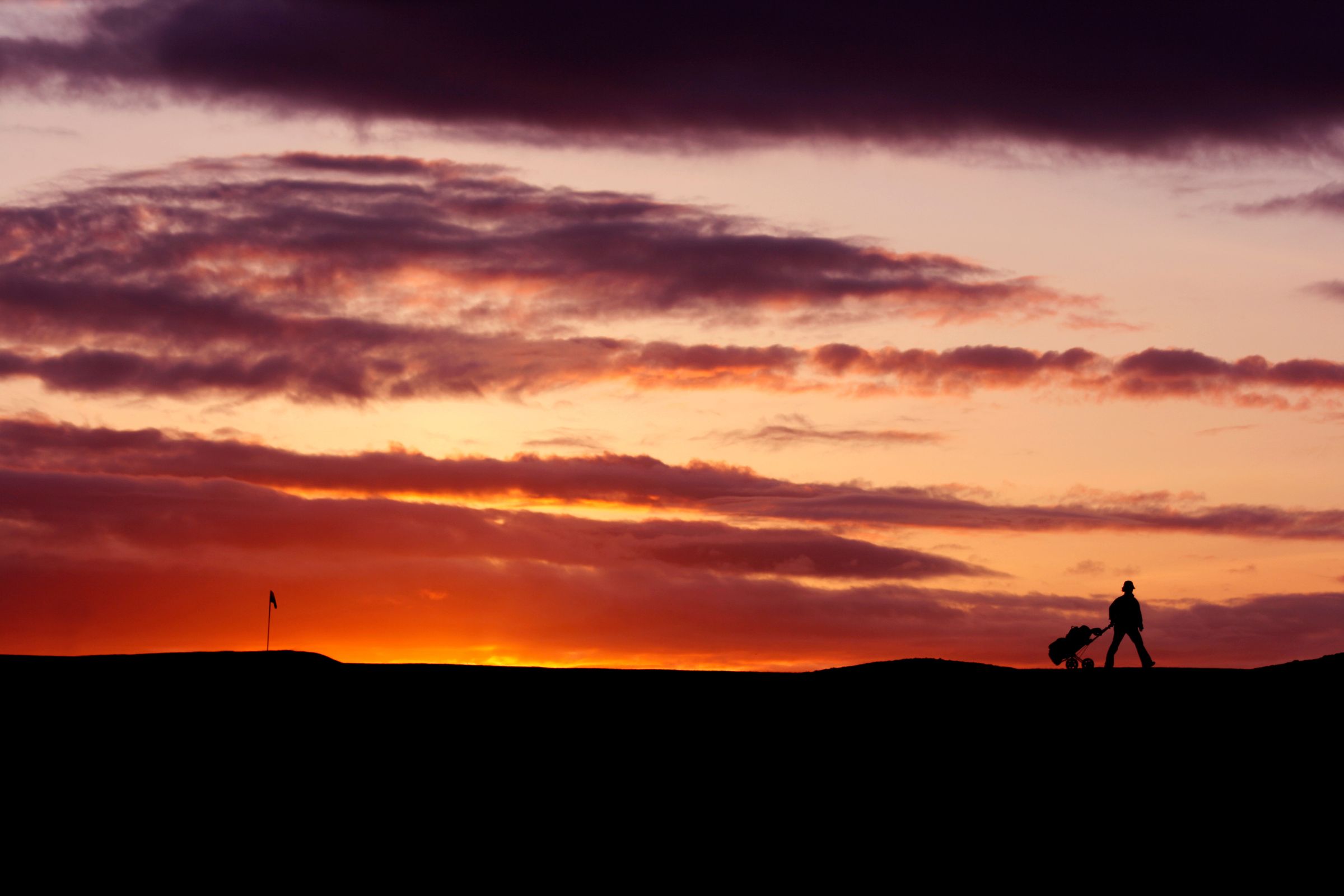
Ólafsvík Disc Golf Course
This sport is growing in popularity in Iceland, and there’s a really nice course by the local camping ground. The layout is beginner-friendly but offers enough variety to keep experienced players engaged. The first tee sits just across a small wooden bridge from the campsite. You can bring your own discs if you’re really into frisbee golf, or check locally for rentals. It provides a relaxed outdoor activity that combines light exercise with great natural surroundings.
Réttarskógur
There are not many forests in Iceland, but Ólafsvík has one just outside town. It’s a small birch woodland. It’s a great area to take a walk by one of the many trails there, and the area is sometimes decorated with seasonal themes by local volunteers. It’s also a great spot for a picnic.
Where to eat in Ólafsvík
Dining options in Ólafsvík are limited, but they’re quite good for a town this size. They tend to focus on fresh, local ingredients and relaxed settings that match the town’s vibe.
Matarlist serves carefully prepared Icelandic classics with an emphasis on meat and fish. They even have a catch of the day special, depending on what the fishing boats brought in that day. They also have burgers and a good selection of wines and beers.
Sker Restaurant has a varied menu ranging from classic fish and chips to more refined plates. They also serve burgers, salads, and pizzas. They only open on evenings Fridays and Saturdays.
Sjoppan offers a more casual experience, functioning as a local café and fast-food joint. Expect simple sandwiches, coffee, and light bites perfect for a midday break or pre-tour snack. It's conveniently located near the harbor.

Where to stay in Ólafsvík and nearby
Ólafsvík has a good number of options for accommodation. There are choices for all tastes, budgets, and travel styles.
Hotel Ólafsvík has a central location, near the harbor. It offers simple private rooms. It’s great for those who are looking for a good location and easy access to the harbor.
Gistiheimilið Við Hafið is close to the sea, with views both to the harbor and the mountains on the other side. It’s a guesthouse that offers both private and shared rooms, all with access to shared bathrooms. The guests are welcome to use the communal kitchen, dining room, and lounge area.
Bikers Paradise, initially thought of as a guesthouse for motorcyclists, welcomes all types of travelers. It’s a guesthouse with a terrace with great views of the sea. It feels like a family home, with private rooms and shared bathrooms.
Welcome Apartments Ólafsvík is great for families or groups. It features whole apartments with kitchen for those who want to cook their own meals.
Camping culture runs strong in Iceland, and almost every town has its own camping ground. The Ólafsvík Camping Ground features grassy pitches in a beautiful natural setting, as well as showers, toilets, Wi-Fi, electricity, and a playground for children.
There are more options in Ólafsvík and nearby, these are just a few. All of them usually fill quickly in summer, so advance booking is advised.

Where’s Ólafsvík and how to get there
Ólafsvík lies on the northern coast of the Snæfellsnes Peninsula, about 190 kilometers (118 miles) northwest of Reykjavík. The drive takes roughly 2.5 hours under normal conditions, but adverse weather, especially in winter, could delay your trip. Having said that, the journey from the capital is really nice, passing some amazing landmarks.
From Reykjavík follow the Ring Road (Route 1) north, passing through the Hvalfjörður tunnel. After exiting the tunnel continue on the Ring Road until you reach the Borgarfjordur Bridge, just before Borgarnes. Once you’ve crossed Borgarnes, turn left onto Route 54, which leads to the Snæfellsnes Peninsula. Drive on that road for 115 kilometers (71.5 miles) and then, near the northern coast of the peninsula, turn left again onto Route 574. Then it’s just 5 kilometers (3 miles) until arriving at Ólafsvík.
The whole itinerary is made through paved and well-maintained roads; there’s no need for 4x4 cars or special extras. But if you come in winter, consider renting a 4x4 car.
The best way, in fact, to get there, and to move around Iceland in general, is to have your own vehicle. A car provides the greatest flexibility, though summer bus services and organized peninsula tours also reach the town. However, on those you need to follow a strict schedule. Having your own car will allow you to go to all the amazing places near Ólafsvík on your terms.
Fuel and basic supplies are available in Ólafsvík, but it’s a good idea to fill up your tank there, as there are no gas stations in rural areas.

What to see and do near Ólafsvík
The Snæfellsnes Peninsula is a 90-kilometer-long region that compresses everything Iceland is known for into a compact area. In fact, the region is nicknamed “Iceland in miniature.” Ólafsvík could be a fantastic base from which to explore all the wonders that can be found here.
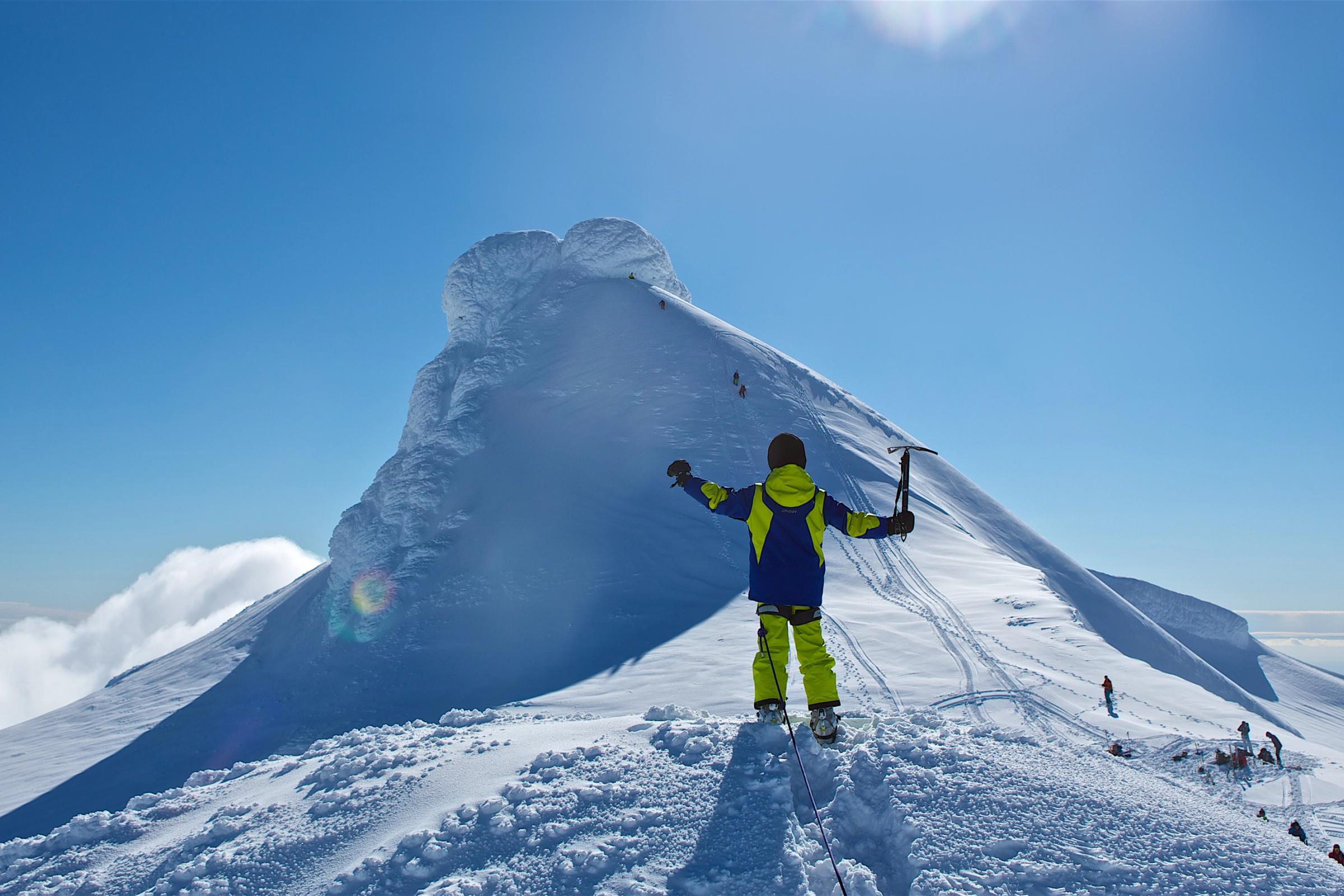
Snæfellsjökull National Park
This magnificent national park, one of the three in Iceland, covers most of the peninsula. The central piece is the glacier-capped Snæfellsjökull volcano, visible from much of the region, including Ólafsvík. But Snæfellsjökull National Park is much more than that. It has hiking trails, guided glacier walks, volcanic deserts, and lava-tube cave to explore the area’s volcanic history. The park’s western tip features a rugged coastline and historic lighthouses.
Kirkjufell and Kirkjufellsfoss
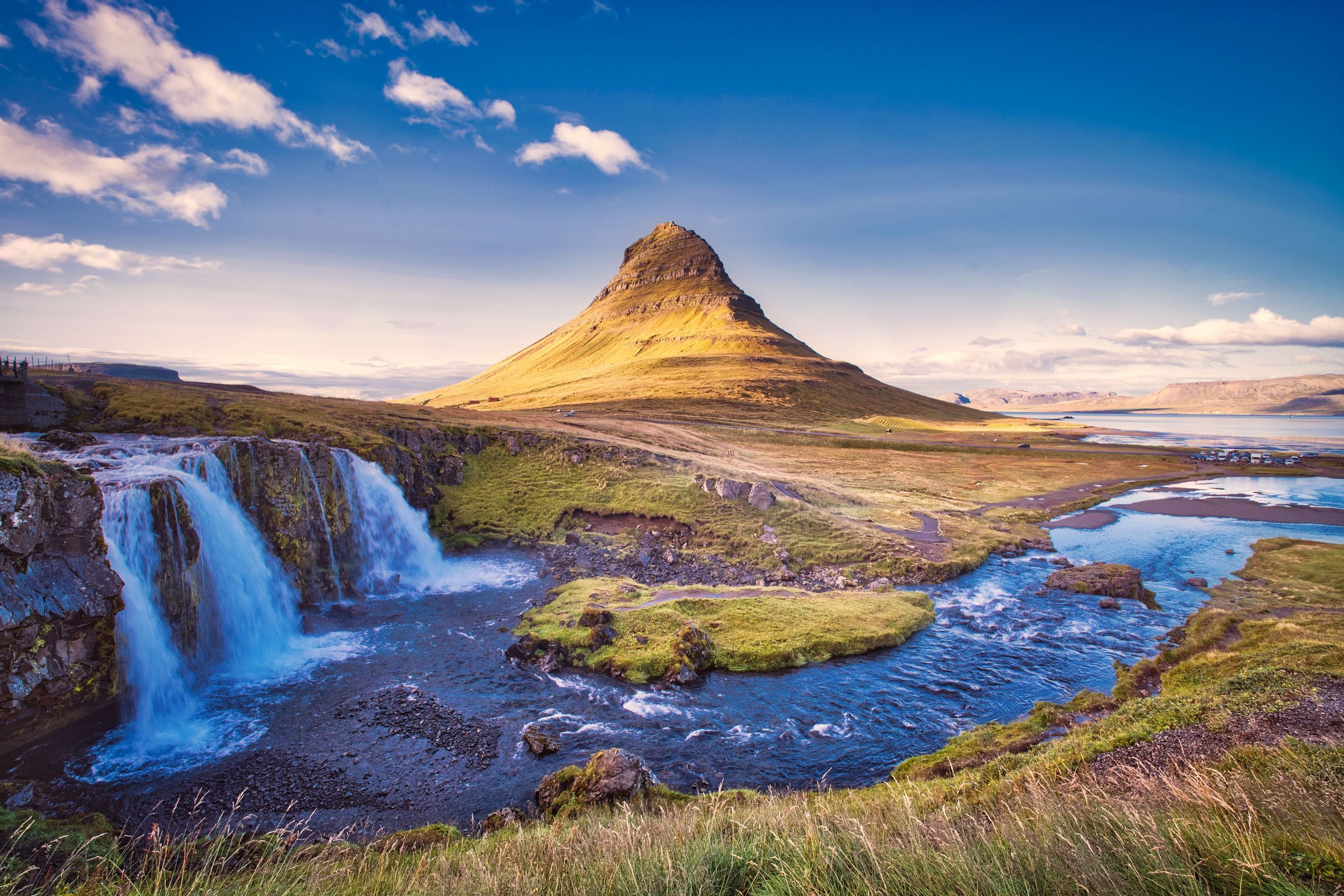
Also on the northern coast of the peninsula but a bit further east, outside the town of Grundarfjörður, we can find the most photographed mountain in Iceland. Kirkjufell, which means “mountain church,” is a striking natural feature. It’s not huge, it rises 463 meters, but its steep, arrowhead shape resembles a church’s steeple or a witch’s hat. It looks like it came out of a fantasy novel. In fact, it appeared in the TV show Game of Thrones. There’s an enchanting waterfall very close called Kirkjufellsfoss.
Bugsfoss
This lesser-known waterfall is close to Ólafsvík. It’s not as impressive as other tall and powerful waterfalls in Iceland, but it’s a quieter alternative. The surrounding terrain is great for short walks and snapping pictures of the cascade from different angles.

Saxhóll Crater
Near the western tip of the peninsula, Saxhóll is a great example of the volcanic activity that has shaped most of the country. Its perfectly symmetrical shape, like a cone, is made of loose volcanic material, such as scoria and ash, with a central depression filled with black sand and scattered rocks. A metal staircase, consisting of 385 steps, has been built from the base to the rim, which makes it quite easy to reach the summit. The views from the top are simply astonishing.

Lóndrangar
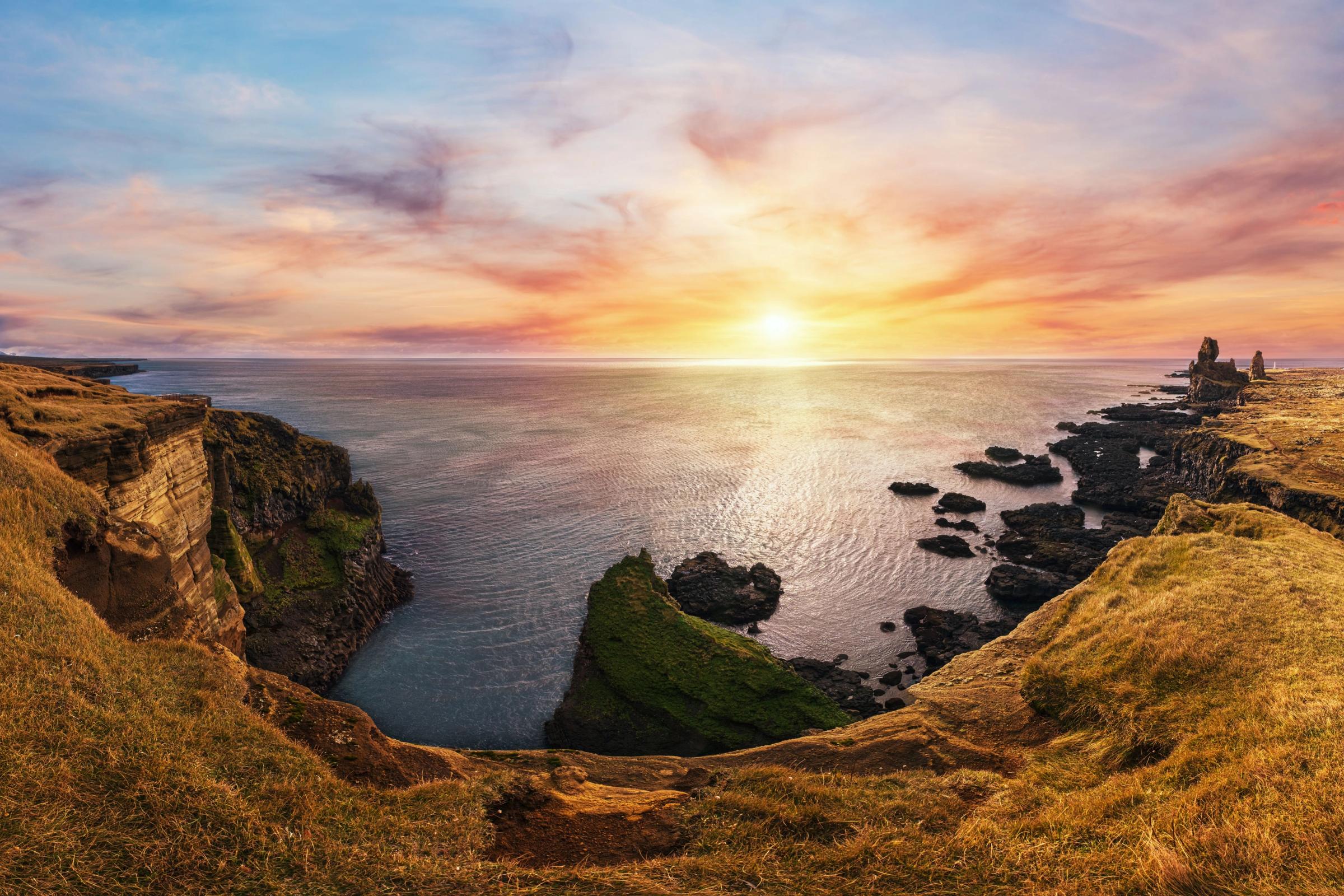
On the southern coast, the Lóndrangar cliffs offer a fantastic view. The most prominent features are the two basalt pillars that rise from the sea. They are the remnants of an ancient crater that has been eroded by the sea and the wind. The tallest of the two is 75 meters (246 feet) tall, while the other stands at 61 meters (200 feet). This part of the park is also steeped in folklore, as there are tales that say the two stone pillars are the remains of two trolls who were surprised by the sun and turned to stone.
Arnarstapi and Hellnar
These two neighboring fishing villages are the best example of the human and cultural side of Snæfellsjökull National Park. They were once busy fishing hubs but are now quiet places, but a strong example of the deep connection between Iceland and the sea. The cliffs of Arnarstapi are impressive, with the iconic Gatklettur, a natural stone arch, in front of them. There’s a 2.5-kilometer (1.5 miles) trail that connects both towns.

The weather in Ólafsvík
The sea plays a huge part in the weather patterns in Ólafsvík and the Snæfellsnes Peninsula. This part of the country is not as cold as, for example, the north or the center of the island. On the other hand, it rains quite frequently and can get very windy.
Spring (April and May) brings gradually warming temperatures after the winter, with daytime highs from 3°C to 7°C (37–45°F) and nighttime lows near or slightly below freezing. There can be some lingering snow in some areas, but it will melt soon. It rains quite often and it’s a windy season.
Summer (June to August) offers the most comfortable conditions, with highs around 10–15°C (50–59°F) and lows of 7–9°C (45–48°F). This is the driest season, though completely dry days are rare. It’s a mix of sunny spells and sudden showers. The days are really long, almost 24 hours of natural light by the end of June, giving you plenty of time to explore the region. It’s the season with the best travelling conditions, but it’s also the busiest, so book your accommodation and activities, such as whale watching, with time in advance.
Autumn (September and October) is very similar to spring, but going in the opposite direction. The average temperature drops to 5–9°C (41–49°F) by day and 2–7°C (36–45°F) at night. Rainfall comes back strong and wind picks up. The days get shorter by the week, and there could be some snow by late in the season. There are not many tourists.
Winter (November to March) features cold, wet, and very windy weather. Daytime highs hover around 3°C (37°F) with lows near 0–1°C (32–34°F). Snowfall is common, daylight is limited to a few hours, and storms can arrive suddenly. Road conditions change quickly, so monitor the weather forecast closely.

What to pack to visit Ólafsvík
- Waterproof and windproof jacket and trousers. Great for the weather and very convenient on whale watching tours.
- Layered clothing: It’s the best way to adapt to the temperature changes.
- Sturdy hiking boots with good grip.
- Warm hat, gloves, and scarf. Even in summer, nights can be cold.
- Binoculars and camera with zoom for whale watching.
- Reusable water bottle and snacks for day trips.
- Motion-sickness remedies if prone to seasickness.
Travel Tips
- Check the road conditions and weather forecast before every drive, especially outside summer.
- Fill the tank before leaving Ólafsvík and continuing your journey. Gas stations are scarce outside towns.
- While hiking, stay on marked paths to protect the environment.
- Book whale-watching tours in advance during peak season.
- Bring some cash for small purchases; card payments are widely accepted but not universal.
- Download offline maps; mobile coverage can be patchy in remote areas of the park.
- Pack out all trash and leave sites cleaner than you found them.
Conclusion
Ólafsvík is not the kind of place that comes first on a list of places to visit in Iceland. However, it’s a town that blends culture, nature, and the Icelandic way of life to perfection. It’s also one of the best places in Europe for whale watching. If you’re planning on going to West Iceland, don’t miss out on this charming town.