Many astonishing natural monuments await in North Iceland, each one leaving visitors speechless. Of all of them, perhaps the most surprising one is Lake Mývatn. This shallow lake, formed by volcanic activity, features striking water color, pseudo-craters, lava fields, and steaming geothermal areas. It’s also a prime spot for birdwatching and has a geothermal spa. But not only that. It’s part of a fantastic scenic route that connects the best things in this region.
Come with us to discover this magical place and sites to spend the night in your campervan.
What’s Lake Mývatn?
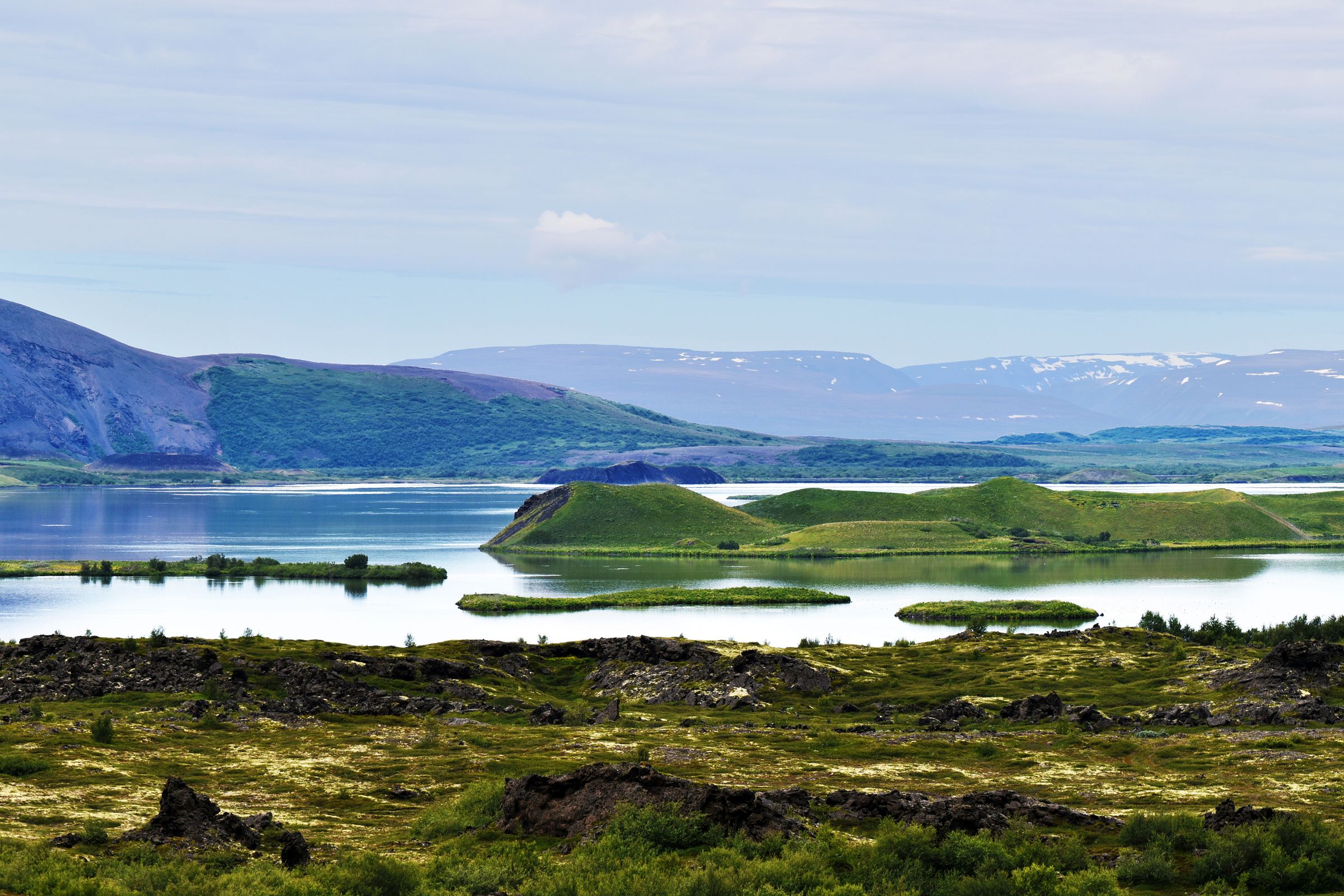
Lake Mývatn is a shallow lake in North Iceland formed by a fissure eruption about 2,300 years ago that blocked the natural flow of water. It has an average depth of 2.5 meters, a maximum of around 4.5 meters, and covers 37 square kilometers, making it the fourth largest lake in Iceland. Its name means “Midge Lake” because large numbers of non-biting midges fill the area and support a rich ecosystem. The volcanic landscape around the lake includes pseudocraters formed when lava flowed over wet ground and caused steam explosions.
Birdwatching in Lake Mývatn
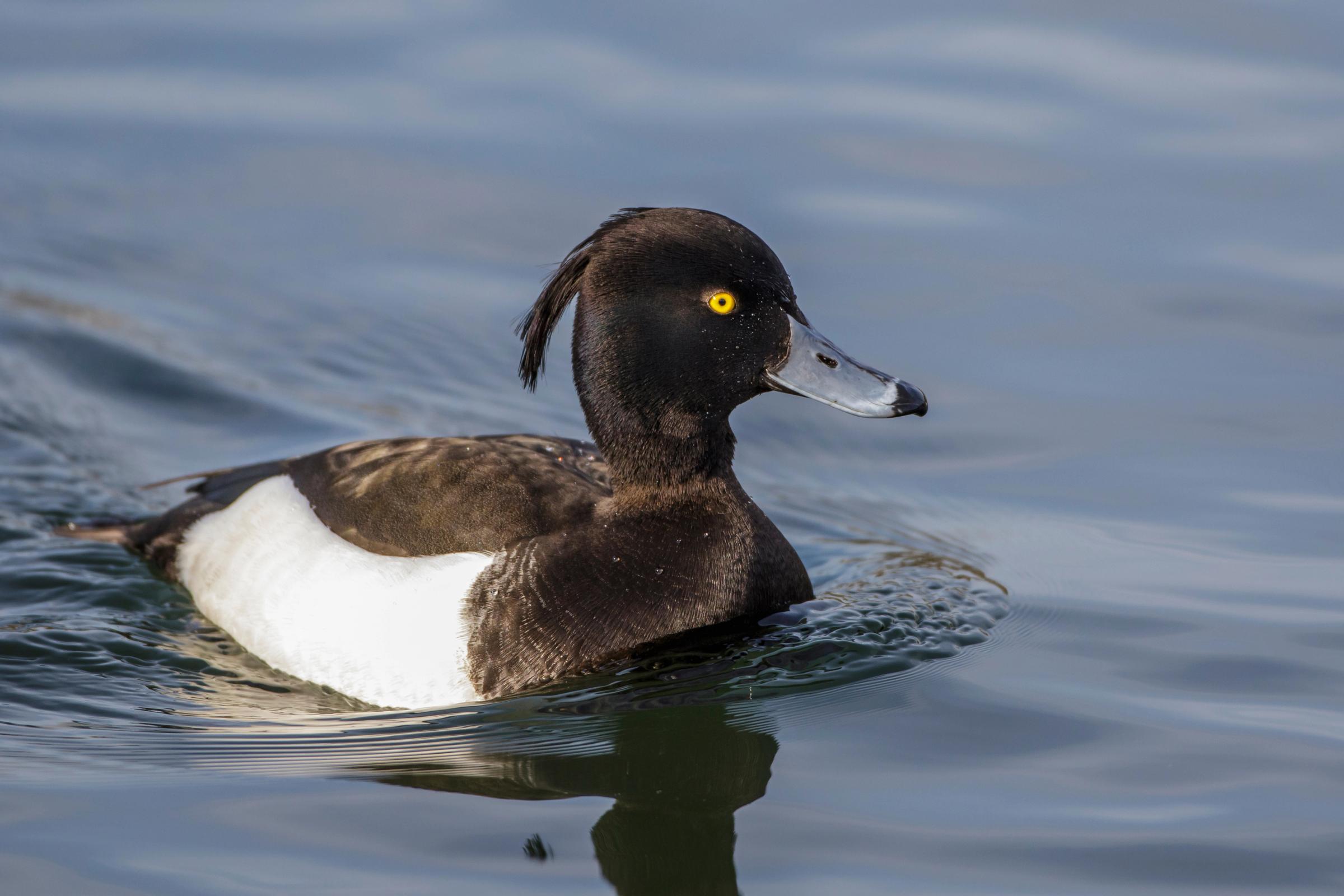
Lake Mývatn is one of the best places in Iceland for birdwatching thanks to the rich food supply created by the midges. More than fifteen species of ducks breed here, including Barrow’s goldeneye, tufted duck, wigeon, scaup, pintail, gadwall, and harlequin duck. Whooper swans, northern divers, and red-throated divers also migrate to the lake during the warmer months. The best time for bird activity is from late May to July, especially in the wetlands and around the pseudocraters.
Where’s Lake Mývatn and How to get there
Lake Mývatn is located in North Iceland about 70 kilometers east of Akureyri in the Northeastern Region. The Ring Road (Route 1) runs past the lake, making it easy to reach by campervan or rental car. From Reykjavik the drive is about 460 kilometers and takes roughly 5 hours and 45 minutes without stops. From Akureyri it takes around one hour, passing Goðafoss on the way.
Where to stay near Lake Mývatn
There are several campsites around Lake Mývatn offering facilities for tents and campervans. Some are located directly on the shore, while others sit in nearby villages or valleys within 30–40 kilometers of the lake. Most provide basic services such as toilets, showers, cooking areas, and electricity. Some campsites operate all year, while others are open only during the summer season.
What to see and do near Lake Mývatn
Lake Mývatn is one of the main stops on the Diamond Circle, a scenic 250-kilometer route in North Iceland. The area features volcanic landscapes, geothermal zones, waterfalls, and coastal towns. Many travelers explore the region over two or three days while staying in nearby campsites. The lake serves as a central point to visit several natural attractions.
The seasons at Lake Mývatn
The weather around Lake Mývatn changes significantly throughout the year. Summer brings almost 24-hour daylight, mild temperatures, and the peak of bird activity, while autumn brings cooler weather and fewer insects. Winter is long and cold with snow, frozen areas of the lake, and very short daylight hours, but it is also the season for northern lights. Spring brings melting snow, returning migratory birds, and greener landscapes.
What to pack to visit Lake Mývatn
Weather conditions can change quickly around Lake Mývatn, so waterproof and windproof clothing is essential. Dressing in layers helps adapt to temperature changes during the day. Sturdy hiking boots, binoculars for birdwatching, and insect repellent in summer are recommended. Swimwear, a power bank, and warm accessories such as a hat and gloves are also useful.
Travel Tips
Check weather forecasts and road conditions before driving in the region. Fill up your fuel tank in towns like Reykjahlíð or Akureyri because stations are scarce in rural areas. Keep a safe distance from birds and nests to protect wildlife. Download offline maps and watch for sheep on rural roads.
Conclusion
Lake Mývatn is one of Iceland’s most unique natural areas, known for its volcanic geology, wildlife, and dramatic landscapes. The lake combines calm water, lava formations, and geothermal activity in one place. Its surroundings offer many attractions connected by the Diamond Circle route. This combination makes Lake Mývatn one of the most remarkable destinations in North Iceland.
Key Takeaways
Lake Mývatn is a beautiful lake of volcanic origin.
It’s located in North Iceland, and it’s part of the Diamond Circle.
The lake has its own geothermal baths, the Mývatn Nature Baths.
What’s Lake Mývatn?
Lake Mývatn is a unique and peculiar lake located in an active volcanic zone in North Iceland, in the Northeastern Region (Norðurland eystra).
There are hundreds of bodies of water all over Iceland. In this country, you can find glaciers, rivers, waterfalls, lakes, and, of course, the ocean. They all show the variety this country has, as they come in many shapes and sizes. Among the lakes, the most spectacular of them all is probably Mývatn.
As it happens with its surroundings, Lake Mývatn owes its existence to a major fissure eruption that took place roughly 2,300 years ago. Lava from the eruption spread across the landscape and blocked the natural course water would follow, allowing water to collect and form the lake.
Features and Key Facts
For this reason, the lake is quite shallow with an average depth of just 2.5 meters and a maximum of around 4.5 meters. The distribution of lava creates more or less uniform terrain; there’s not much elevation, something that happens with lakes of different origins. This shallow profile creates a rich, nutrient-filled environment that supports an unusually diverse ecosystem. On the other hand, it’s quite big in extension, covering 37 square kilometers, ranking as the fourth largest lake in Iceland.
The name Mývatn translates to “Midge Lake.” Natural places have quite descriptive names in Iceland, like here. “Mý” means midge in the native tongue; while “vatn” is water but can also be lake, like in this case. During the warmer months, huge numbers of non-biting midges fill the air over the lake and surrounding wetlands. While the insects can feel annoying to humans, they are harmless, and they form the base of a complex food chain that draws thousands of birds each year.
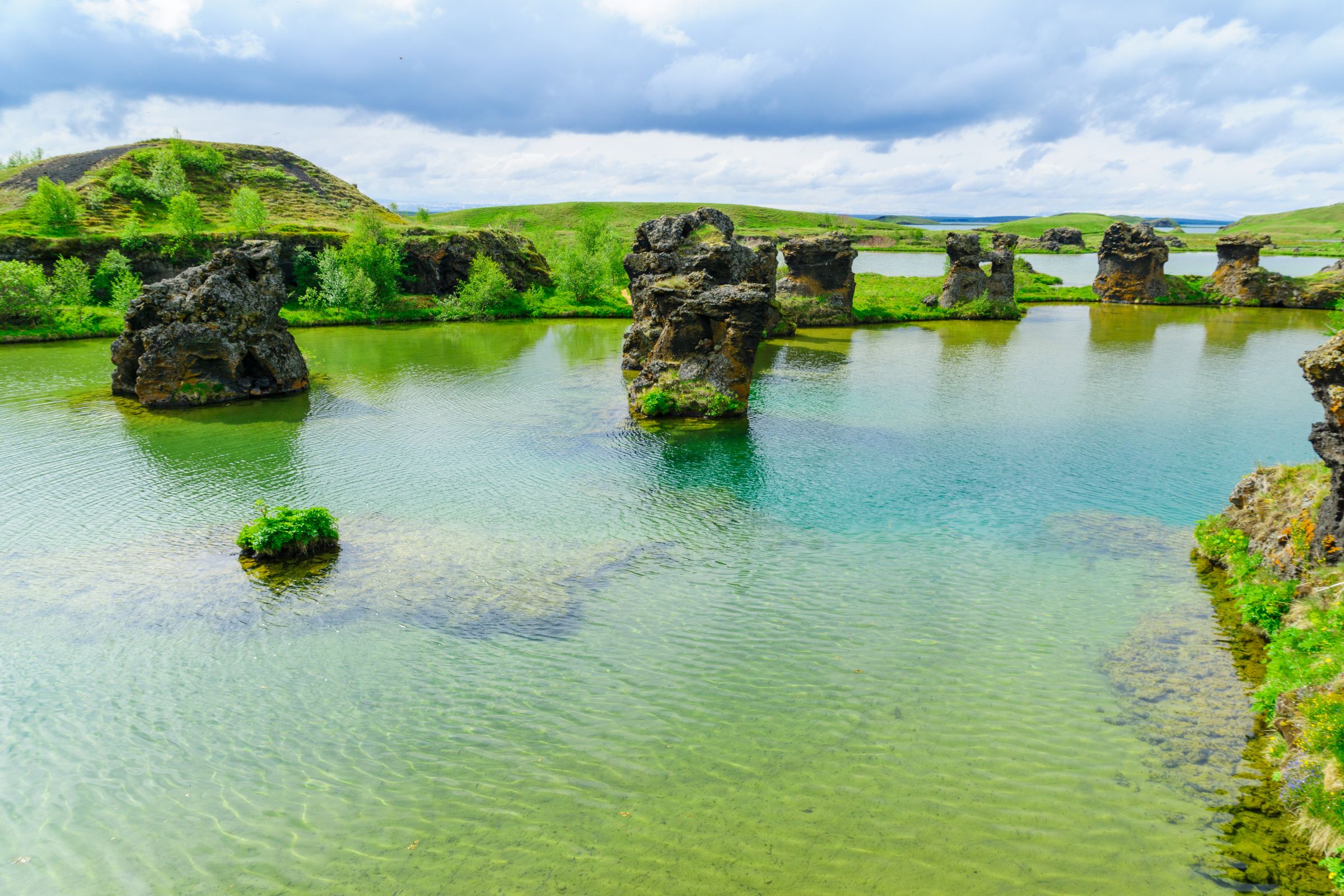
The water has amazing colors. In some parts, it’s deep blue and green in others. And all the shades in between. Even if the water looks great, that’s not the most striking feature. The surrounding terrain is quite dramatic. The most unique thing in Lake Mývatn are the pseudocraters. This geological element looks like mini volcanoes, but they don’t erupt. They are formed when lava flows into wet ground or water and causes steam explosions. The lava rapidly cools in the process, creating these shapes.
There are more volcanic and geothermal features in Lake Mývatn, like Dimmuborgir or the Mývatn Nature Baths (now called Earth Lagoon Mývatn), but we’ll explain them in detail later.
The Geology of Lake Mývatn
Geologically, Mývatn belongs to the Krafla volcanic system. Eruptions have repeatedly shaped the region, and the lake itself sits directly on the Mid-Atlantic Ridge, where the Eurasian and North American plates slowly pull apart. This means this area is constantly evolving.
The combination of water, lava, and heat creates an ever-changing scene. One moment you stand on dark, jagged lava; the next, you look across calm blue water dotted with birds. This variety makes Lake Mývatn far more than just a body of water.
Where’s Lake Mývatn and How to get there
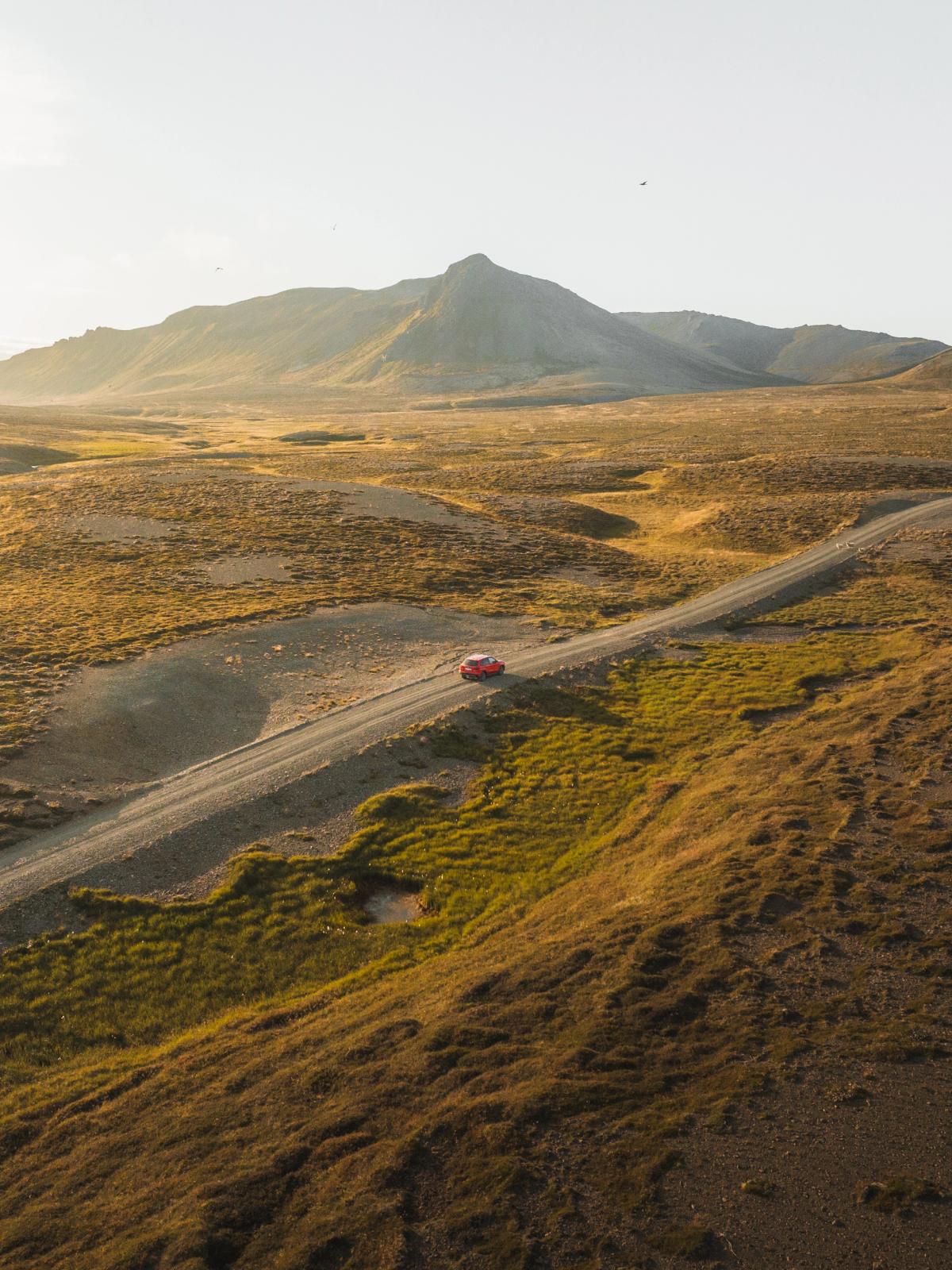
Lake Mývatn sits in North Iceland, in the Northeastern Region, called Norðurland eystra in Icelandic. It’s located around 70 kilometers east of Akureyri, the main city in the north and second largest in the country. The easiest and most flexible way to reach it is by campervan or rental car, giving you the freedom to stop whenever something catches your eye along the way. The Ring Road (Route 1), the main road in Iceland, runs right past the western and northern shores, so it’s quite easy to get there.
If you’re coming from Reykjavik, the drive is pretty straightforward, but it’s a long one. You just have to take the Ring Road heading north and continue until you hit the lake. The total journey covers around 460 kilometers (286 miles), and takes around 5 hours and 45 minutes without stops. However, most travelers spread the journey over a day or two with stops at other sights.
From Akureyri the distance is only 70 kilometers (43 miles), roughly one hour. You simply follow the Ring Road east past Goðafoss and continue straight to the lake. This shorter stretch makes Mývatn an easy day trip from Akureyri. Reykjahlíð has a gas station and supermarkets, so you can restock there. Bear in mind that there are not many gas stations in rural areas, so fill up your tank in towns and cities.
Rent a Campervan in Iceland
Discover Iceland's natural wonders with complete ease and freedom
Being such a prolific region, the lake is surrounded by tons of cool campsites.
Vogar Camping Ground
Distance to Lake Mývatn: None, on the lake’s shore.
Opening period: All year.
You can’t stay closer to the lake with your campervan than in this camping ground. It’s simple, with pitches for tents and campervans, clean restrooms, hot showers, a communal kitchen, and an indoor dining area. There's also a café nearby, and the site has excellent lake views. It operates on a first-come, first-served basis (no reservations), so arrive early during peak season.
Hlíð Ferðaþjónusta
Distance to Lake Mývatn: 1.3 kilometers (0.8 miles).
Opening period: All year.
This campsite is really close to the northern shore of Lake Mývatn, just outside the small village of Reykjahlíð. It has all the necessary things for a campervan stay: toilets, showers, electrical hookups (limited spots, free Wi-Fi, and laundry room.
Lífsmótun – CJA Camping
Distance to Lake Mývatn: 30 kilometers (18.6 miles).
Opening period: All year.
This campground is located in the forest farm Hjalli, in the Reykjadalur valley. It’s a family-friendly site with toilets, showers, electricity, a washing machine and dryer, and cooking facilities. The owners also run a small guesthouse.
Laugar Camping
Distance to Lake Mývatn: 28 kilometers (17.4 miles).
Opening period: May 14 to September 15.
Located in the small village of Laugar, this campsite is a short drive from Lake Mývatn and ideal for exploring the Diamond Circle. It features modern facilities like toilets, showers, a communal kitchen, Wi-Fi, and electricity for campervans. There’s even a golf course next door.
Heiðarbær Campsite
Distance to Lake Mývatn: 37 kilometers (23 miles).
Opening period: June 15 - September 15.
This well-equipped site is one of the most complete camping grounds in North Iceland. The site offers excellent services, including wheelchair accessibility, toilets, electricity, showers, cooking facilities, seating area, grocery store, restaurant, bar, café, barbecue, golf course, hiking trails, walking paths, sport area, playground, horse rental, fishing, and medical help.
Grímsstaðir Guesthouse & Campsite
Distance to Lake Mývatn: 40 kilometers (25 miles).
Opening period: June to September.
This camping ground sits on an old farm close to the Ring Road. It has spaces for tents and campervans with basic facilities, including toilets and a sink for washing dishes. The site also includes a guesthouse with rooms where you can use your own sleeping bag or rent one there.
Birdwatching in Lake Mývatn
Apart from its astonishing beauty and unique geological elements, Lake Mývatn is one of the best places in Iceland for birdwatching, and the reason lies in its rich food supply. The same midges that give the lake its name also feed an impressive variety of birds. More than fifteen species of ducks breed here, including the striking Barrow’s goldeneye. You will also spot tufted duck, wigeon, scaup, pintail, and gadwall. One of the most sought-after species, the harlequin duck, can also be found here. The wetlands around Lake Mývatn are one of the best spots in Europe to see different kinds of ducks.
But not only ducks. Other species, such as whooper swans, northern divers, and red-throated divers, also migrate to the lake’s shores in the warmer months. The best time to visit for breeding activity runs from late May through July. Early morning and late evening offer the quietest conditions and the most active birdlife.
If you want to see them properly, bring a good pair of binoculars and a field guide or app to identify the different species. This way, you can spot them from a safe distance without disturbing the animals. The pseudocraters at Skútustaðir and the wetlands near the Laxá Lake provide particularly good spots. Besides birds, arctic foxes can be seen wandering the area looking for prey.
North Iceland is amazing. It has so many things to see, so varied, that it makes it one of the best regions of the country for a road trip. Lake Mývatn is also one of the five main stops on the Diamond Circle, a scenic 250-kilometre loop that many compare to the more famous Golden Circle in the south. The route links a series of dramatic natural sights with good roads. Our recommendation is to make it in a couple of days or three, if you add secondary stops, staying in the campsites found in the area.
Dimmuborgir
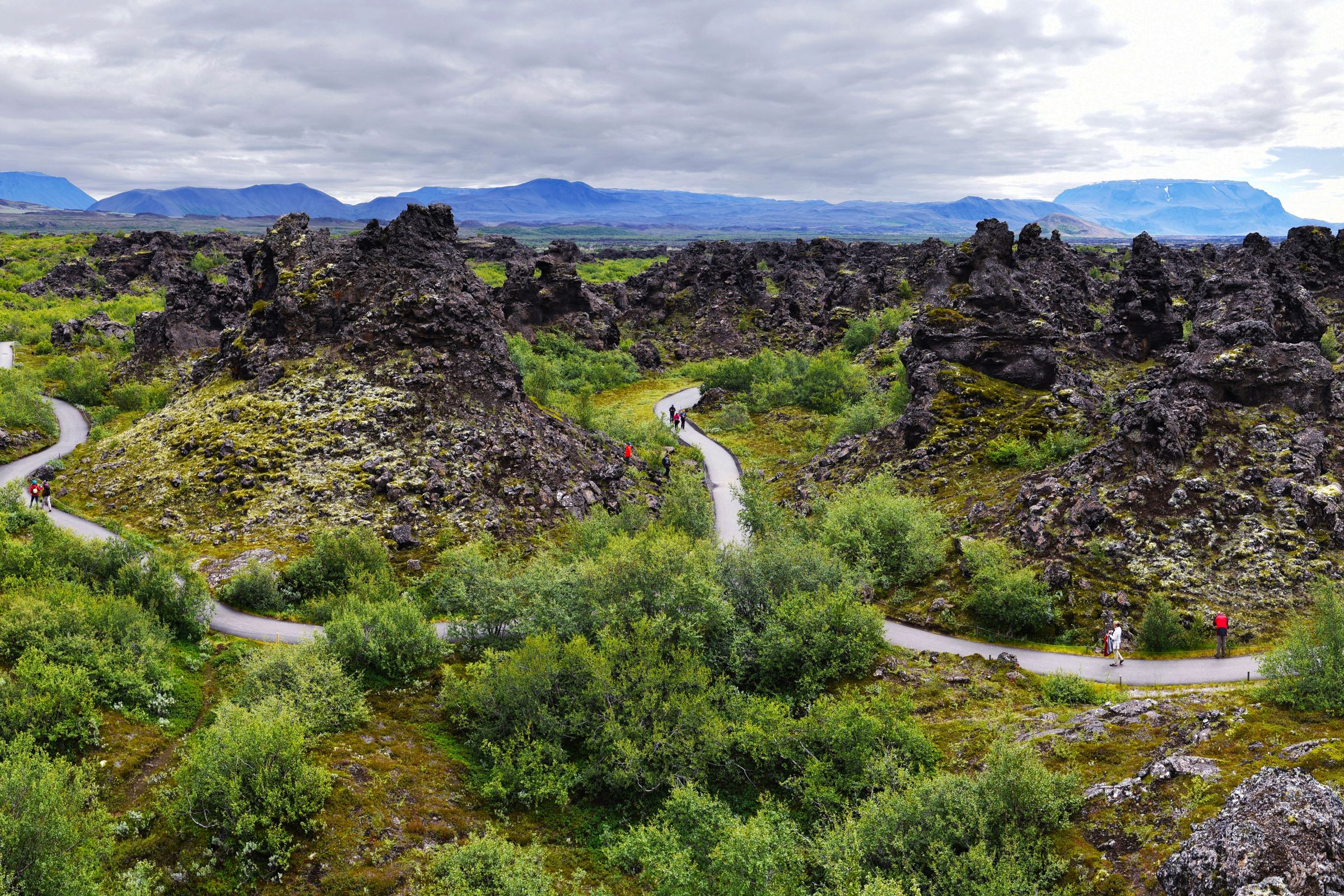
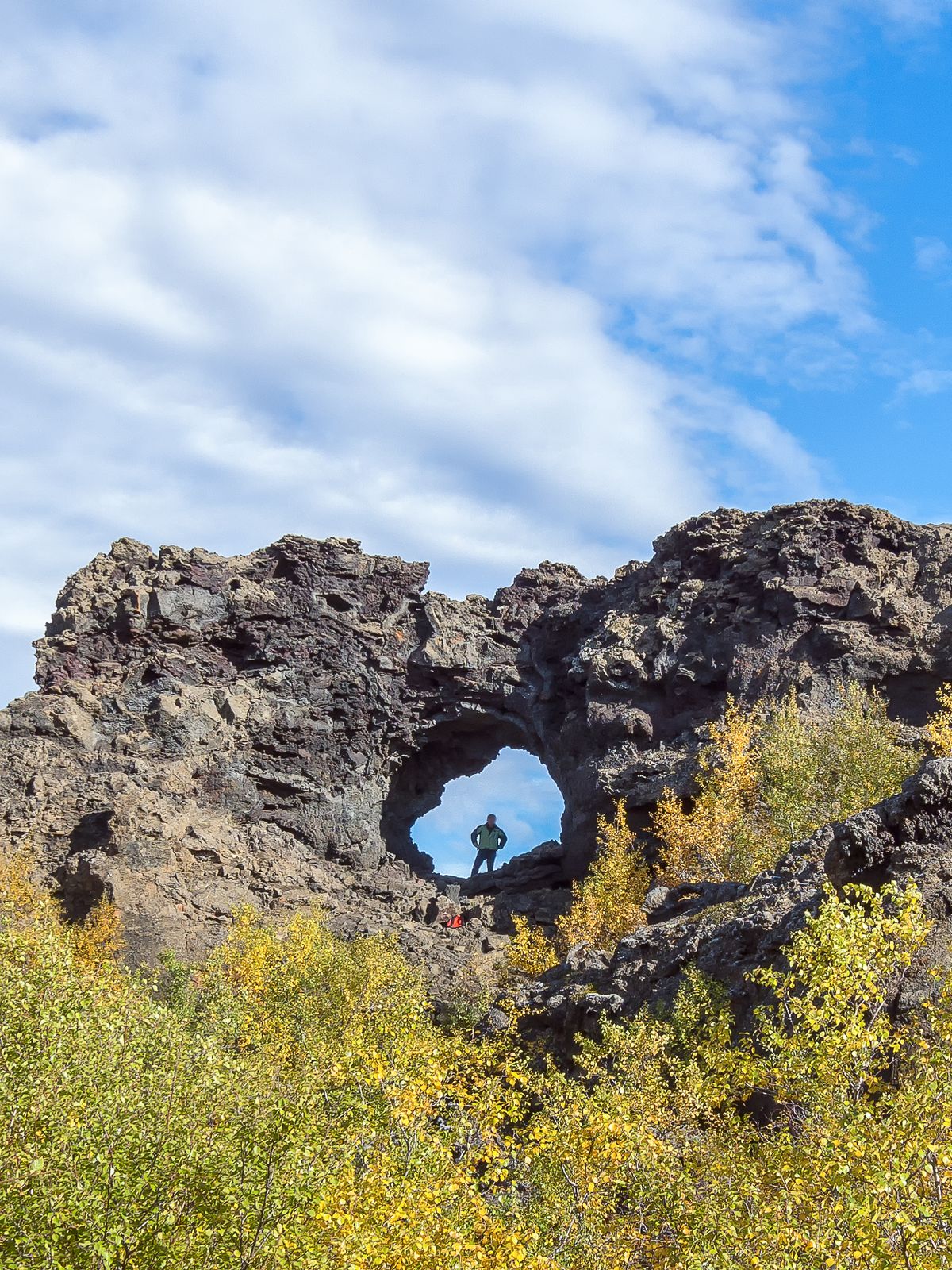
Going to Lake Mývatn and not seeing Dimmuborgir makes no sense. This vast lava field is just east of the lake, close to the shore, so make the most of your visit and spend some time there. It’s a volcanic area full of unique lava formations, forming a maze of twisted pillars and lava tubes. The name means “dark castles,” as some of the structures look like black fortresses from some distance. It’s a place with a big connection to Icelandic folklore, as the legend says that hidden people, elves, and trolls live among the rocks. The contrast between the black lava and the green moss that grows on it changes with the light, so many visitors return at different times of day.
Grjótagjá Cave
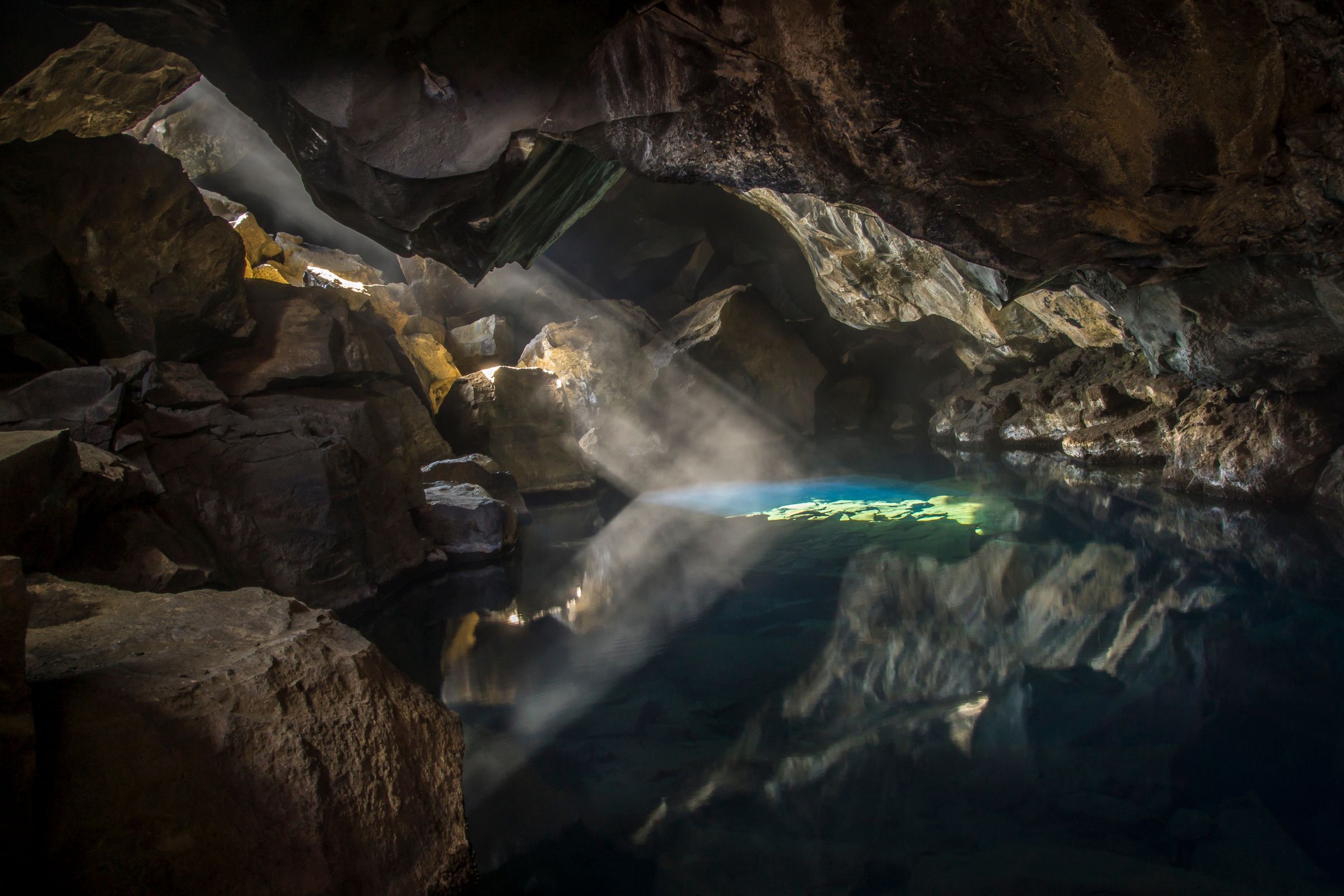
This lava cave is small but really beautiful. It has a geothermal spring inside of a deep turquoise color. The water is too hot for bathing, but perfect for photos. It looks especially enchanting when the light filters by the cracks in the walls. Grjótagjá Cave gained international popularity as it appeared in the TV series Game of Thrones.
Earth Lagoon Mývatn
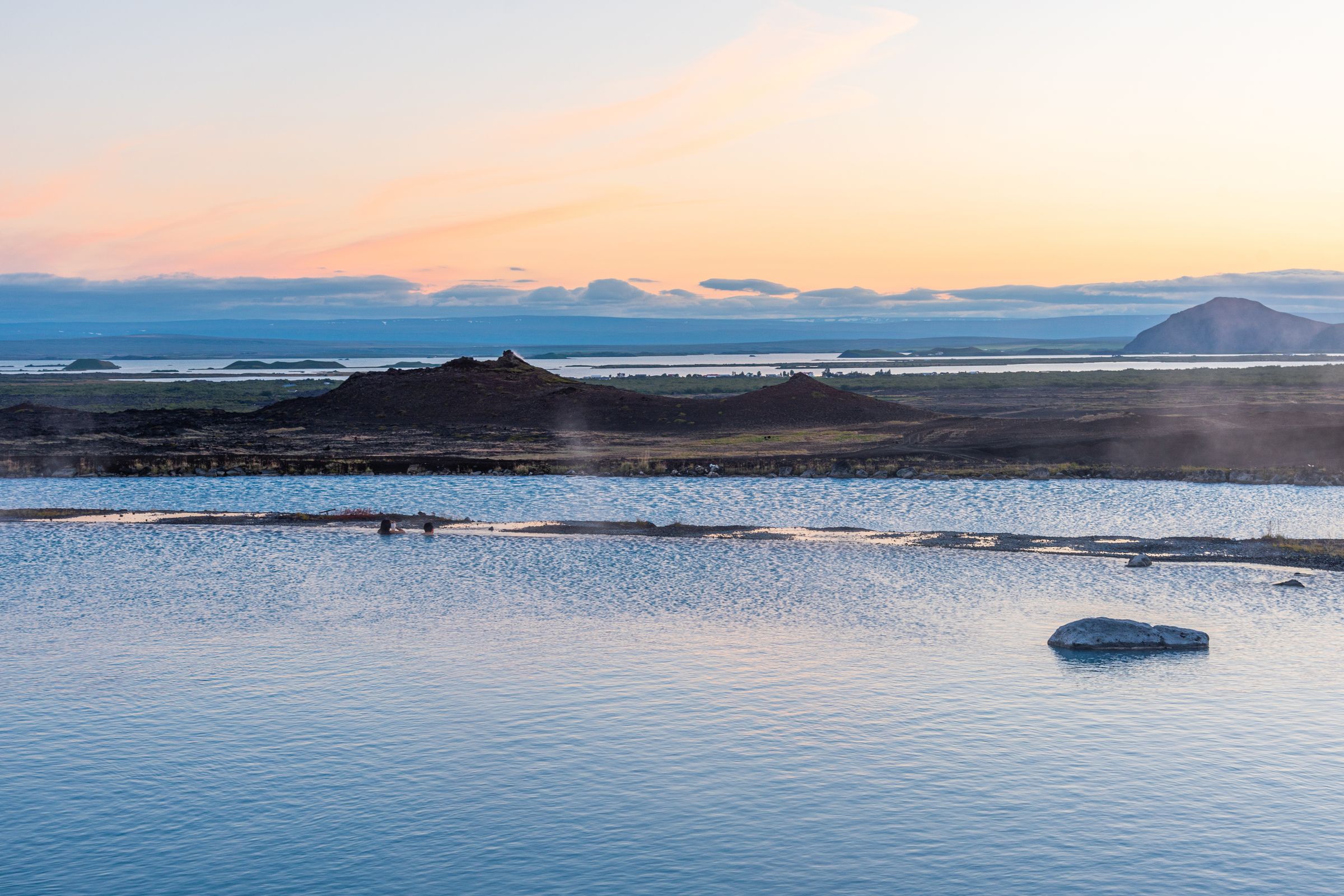
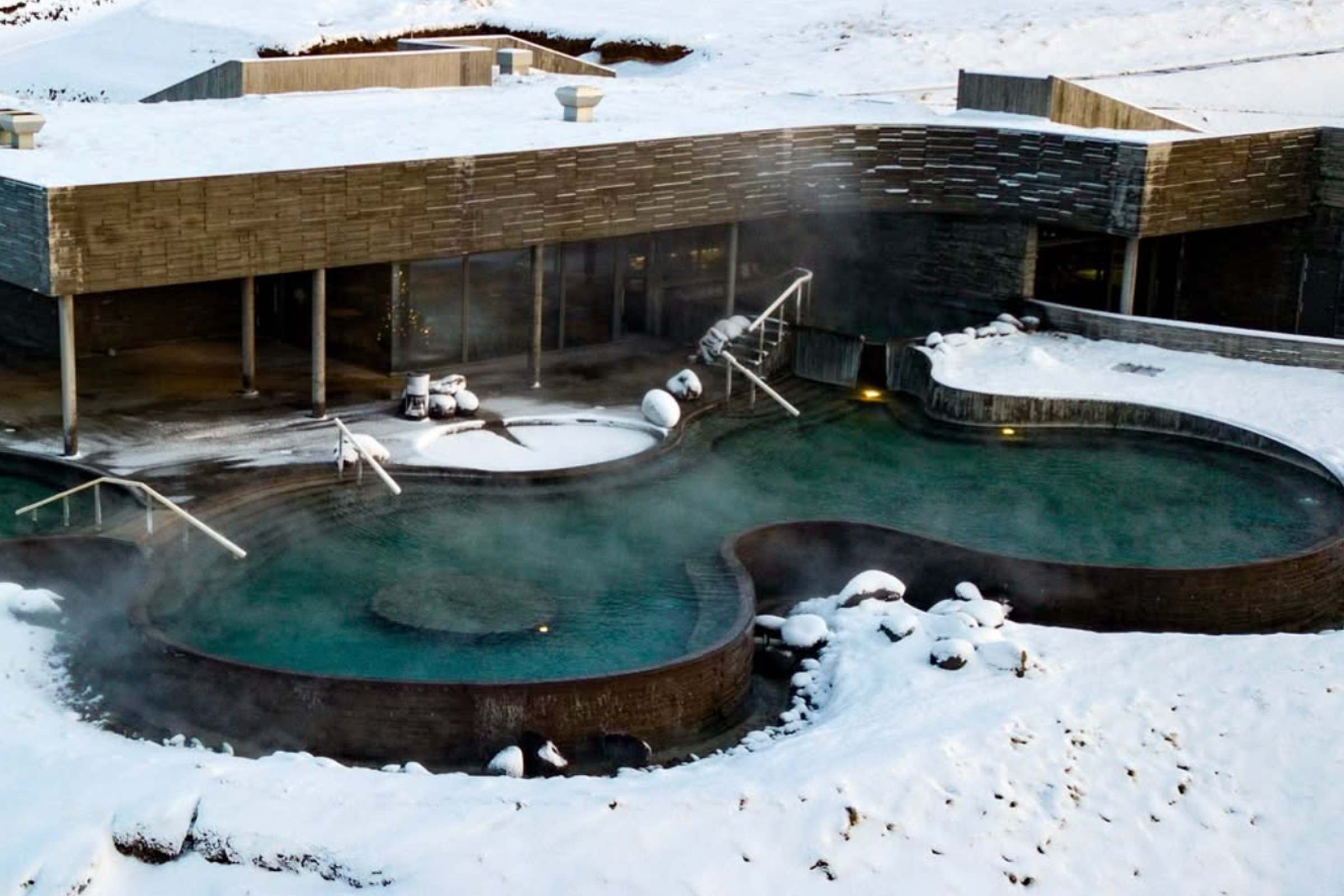
Taking a geothermal bath is one of the best experiences that can be enjoyed in a trip to Iceland. A short drive to the east from the main lake area brings you to the Mývatn Nature Baths, also called the Earth Lagoon. There’s a lot of geothermal energy happening underground in Iceland, and the natives have learned how to harness and use this source of energy for their advantage. Among its many uses, geothermal bathing is probably the most pleasant of them all. The pools are naturally heated at 36–40 °C all year round, despite the temperature outside. The milky blue color comes from dissolved silica, and many visitors say the water feels silky against the skin. There are also steam baths directly over geothermal vents. The facilities include changing rooms, hot showers, and lockers to keep your belongings.
Hverir
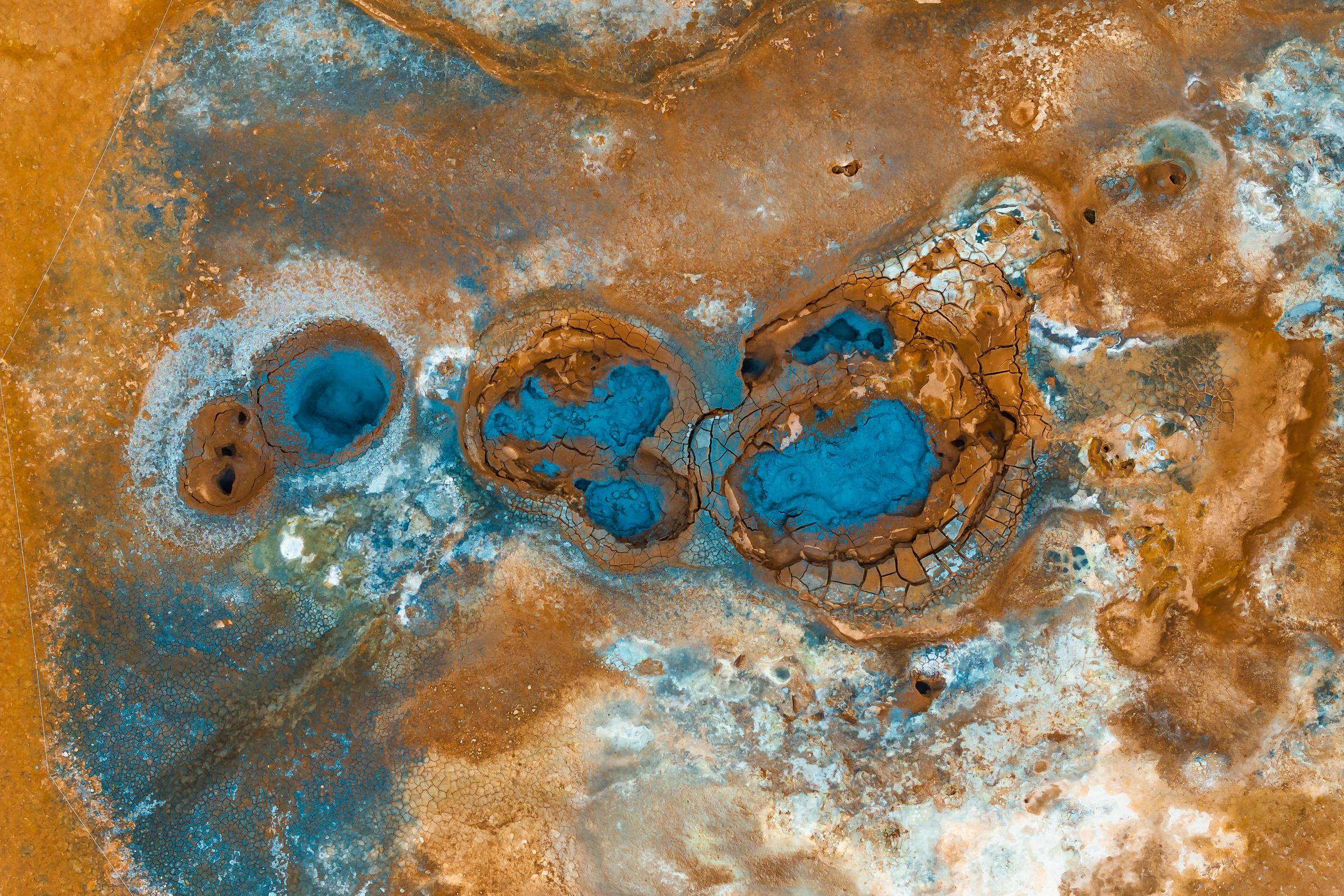
Also known as Námafjall or Hverarönd, Hverir is one of the most striking geothermal areas in Iceland, sitting just east of Lake Mývatn along the Ring Road. This barren, colourful landscape feels from another planet, with bubbling mud pots, hissing steam vents (fumaroles), cracked ground, and bright yellow-red sulfur deposits everywhere. The strong smell of sulfur hits you as soon as you step out of the van, and steam rises constantly from the ground, shifting with the wind. It’s compact, so 30–60 minutes is usually enough to see it all. The different colors and textures are great for photos.
Ásbyrgi Canyon
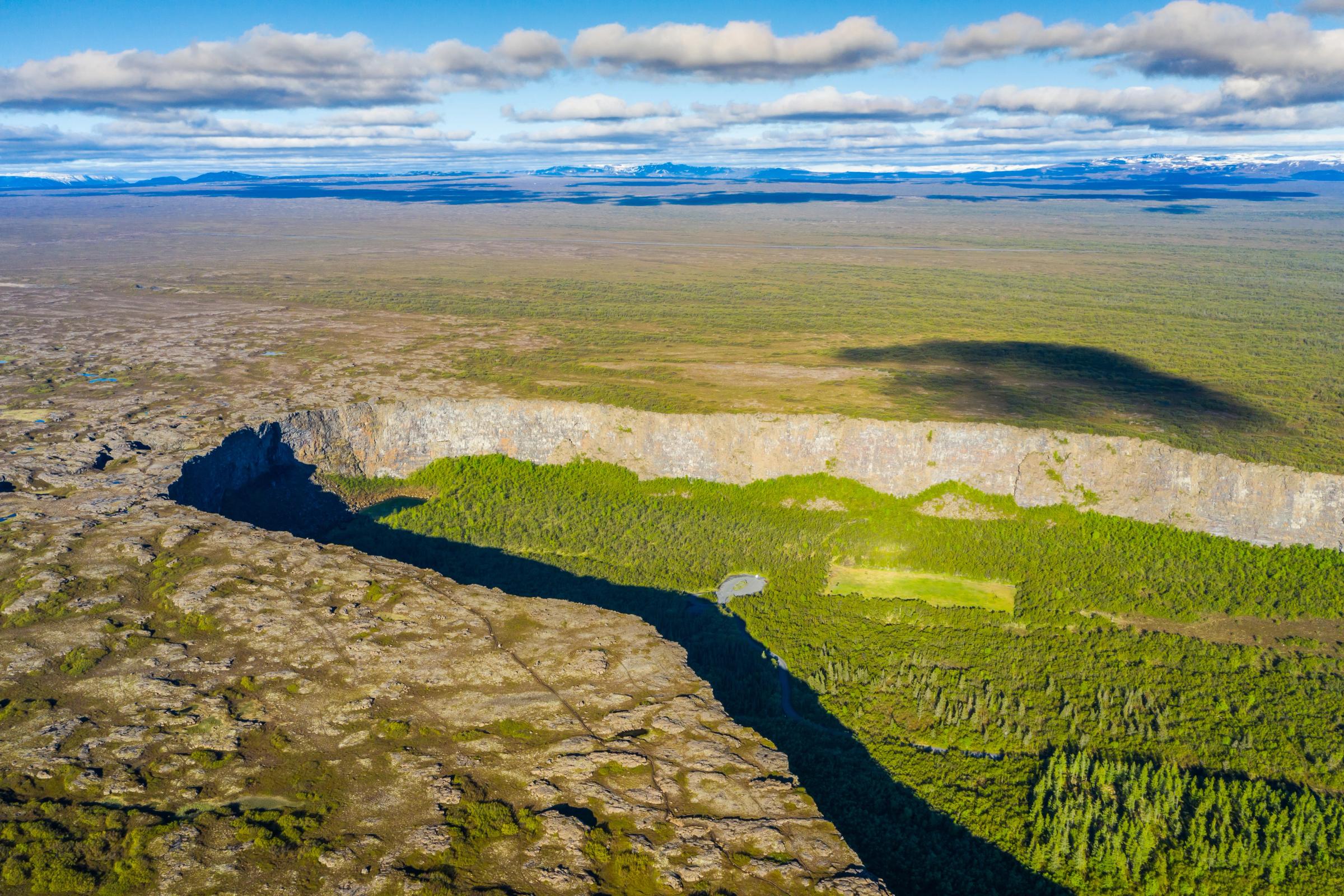
We now move on to the main stops of the Diamond Circle. Ásbyrgi Canyon is a horseshoe-shaped canyon with walls reaching up to 100 meters (328 feet), and a birch forest at the base. According to Norse mythology, it was formed when Sleipnir, Odin’s eight-legged horse, struck the land with its hoof. In reality, it was created due to a massive and catastrophic glacial flood that took place thousands of years ago. There are several hiking trails to see everything, from the picturesque pond in the middle of the forest to the upper part of the canyon.
Dettifoss
There are many waterfalls in Iceland, but not many are as impressive as Dettifoss. It’s Europe’s second most powerful waterfall, and the sheer volume of water plunging over the edge creates a constant roar that you feel as much as hear. The falls drop 45 meters (147 feet) into a narrow canyon. There are viewing points on both sides of the river, each one offering a different perspective. There are two other waterfalls nearby, one upstream and the other downstream, called Selfoss and Hafragilsfoss. So, in the same visit, you can see three different cascades.
Húsavík
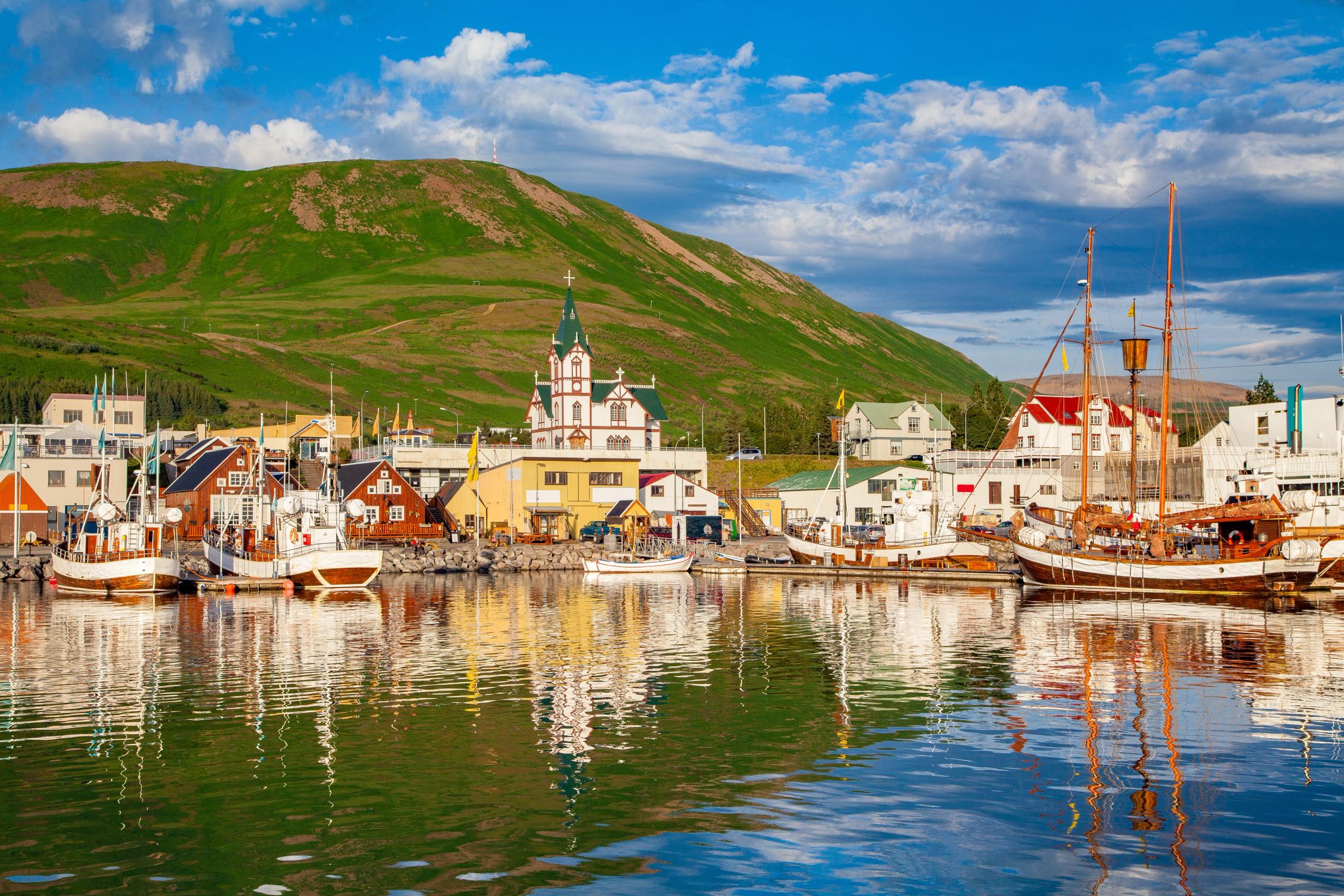
Húsavík is a small town on the coast north of Lake Mývatn. This place is renowned as the “whale-watching” capital of Iceland. There are several companies that operate tours that go into Skjálfandi Bay to see orcas, humpbacks, minke whales, and dolphins. If you’re lucky, you might even spot a blue whale, but they’re difficult to see. If that doesn’t feel enough, you can learn more about whales at the Whale Museum. The town is quite nice for a stroll, and it’s a great place to taste some Icelandic food. The church is its most iconic building, it’s quite picturesque, and the views from there are fantastic.
GeoSea Geothermal Sea Baths
Just outside Húsavík, a couple of minutes north, there’s a fantastic geothermal spa. However, this is not your regular bathing spot. The GeoSea Geothermal Sea Baths use water extracted from the sea, and then naturally heated with geothermal energy. The pools are at a pleasant 38–39 °C and offer amazing views across the bay toward the Arctic Ocean. The water is full of minerals, not only regular salt, which are said to soften skin and ease sore muscles. It’s open all year round.
Goðafoss
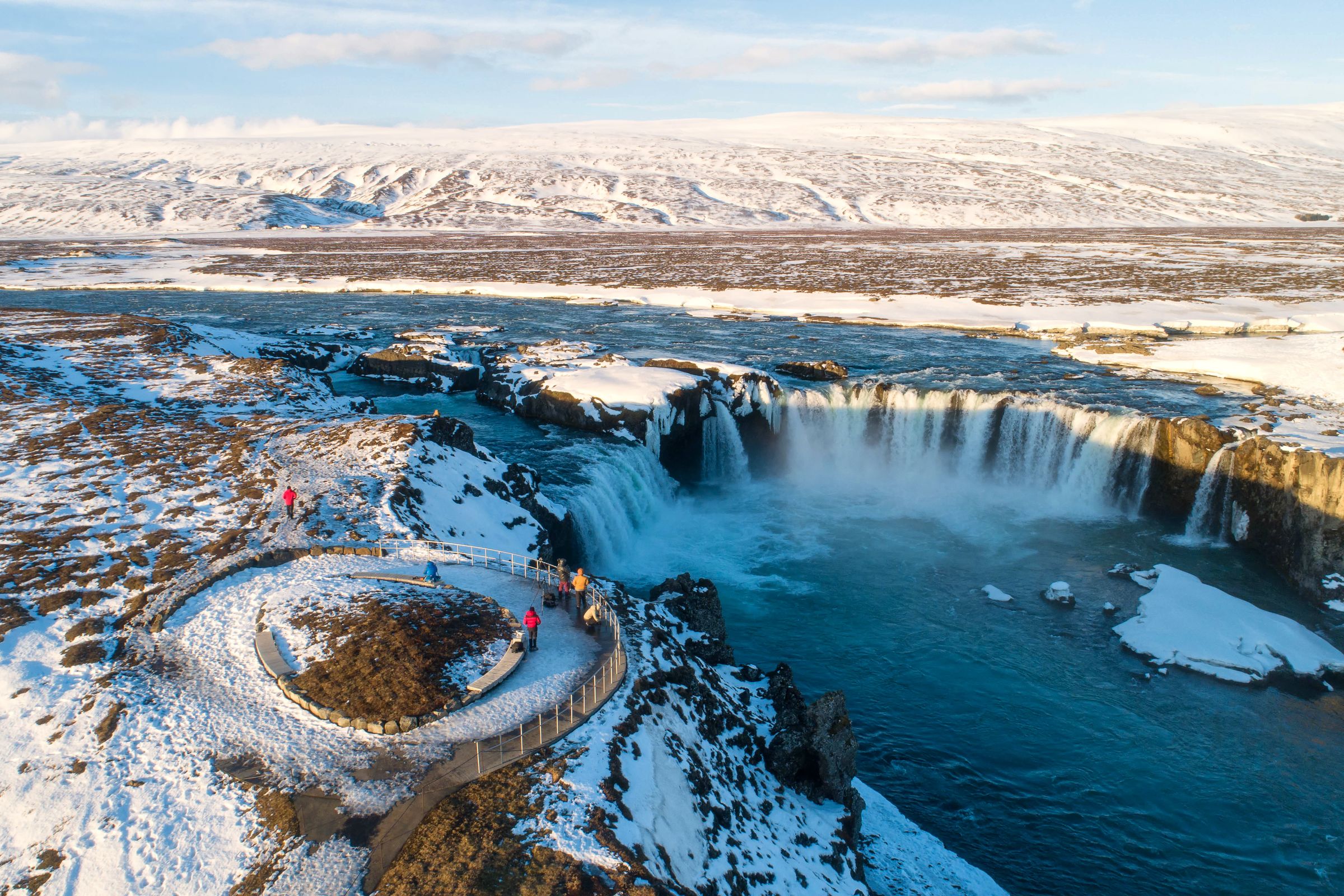
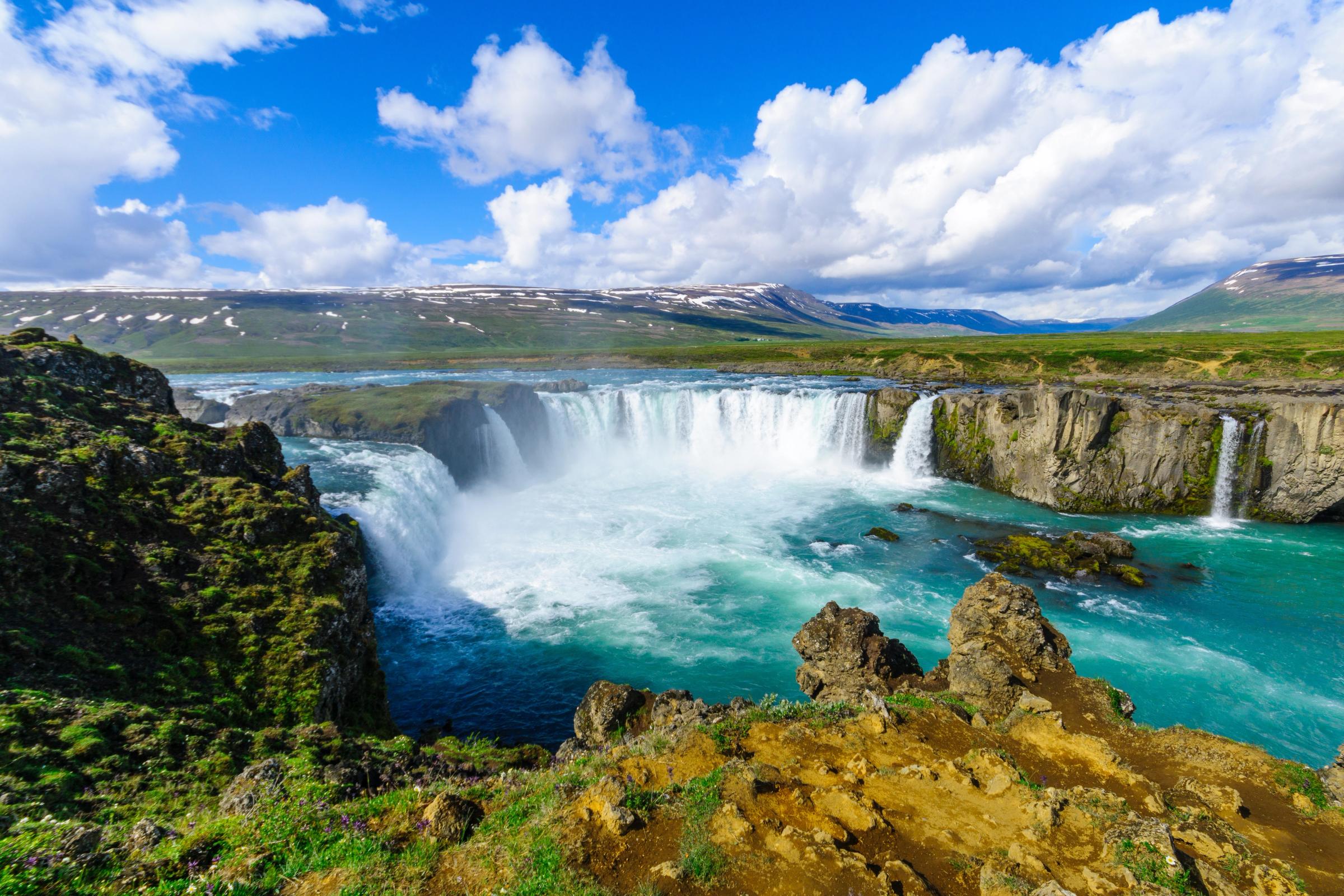
Goðafoss is another waterfall that is also part of the Diamond Circle, but very different from Dettifoss. What sets this place apart is not its size but its looks. It has a crescent or horseshoe shape, and the color of the water is of an intense turquoise. Goðafoss means “waterfall of the gods,” because in the year 1000, a local chieftain threw its pagan idols into the water to symbolize the country’s conversion to Christianity.
The seasons at Lake Mývatn
The weather is a huge factor in a trip to Iceland. In general, it’s quite unpredictable and is constantly changing, but here you have an overview of each season.
Summer (June to August) brings almost 24-hour daylight and the peak of bird activity. The temperatures are mild, and the skies are a mix of sunshine and occasional rain. With so many hours of natural light, you’ll have plenty of time to explore the lake and its surroundings. The midges are the main downside. Also, it’s peak season, so expect more tourists, and book the campsites in advance if possible.
Autumn (September and October) changes the color of the landscapes around Lake Mývatn. The temperatures go gradually down, and so do the daylight hours. Rain and wind pick up, but the midges disappear and, with them, the migratory birds. Some campsites begin to close for the season.
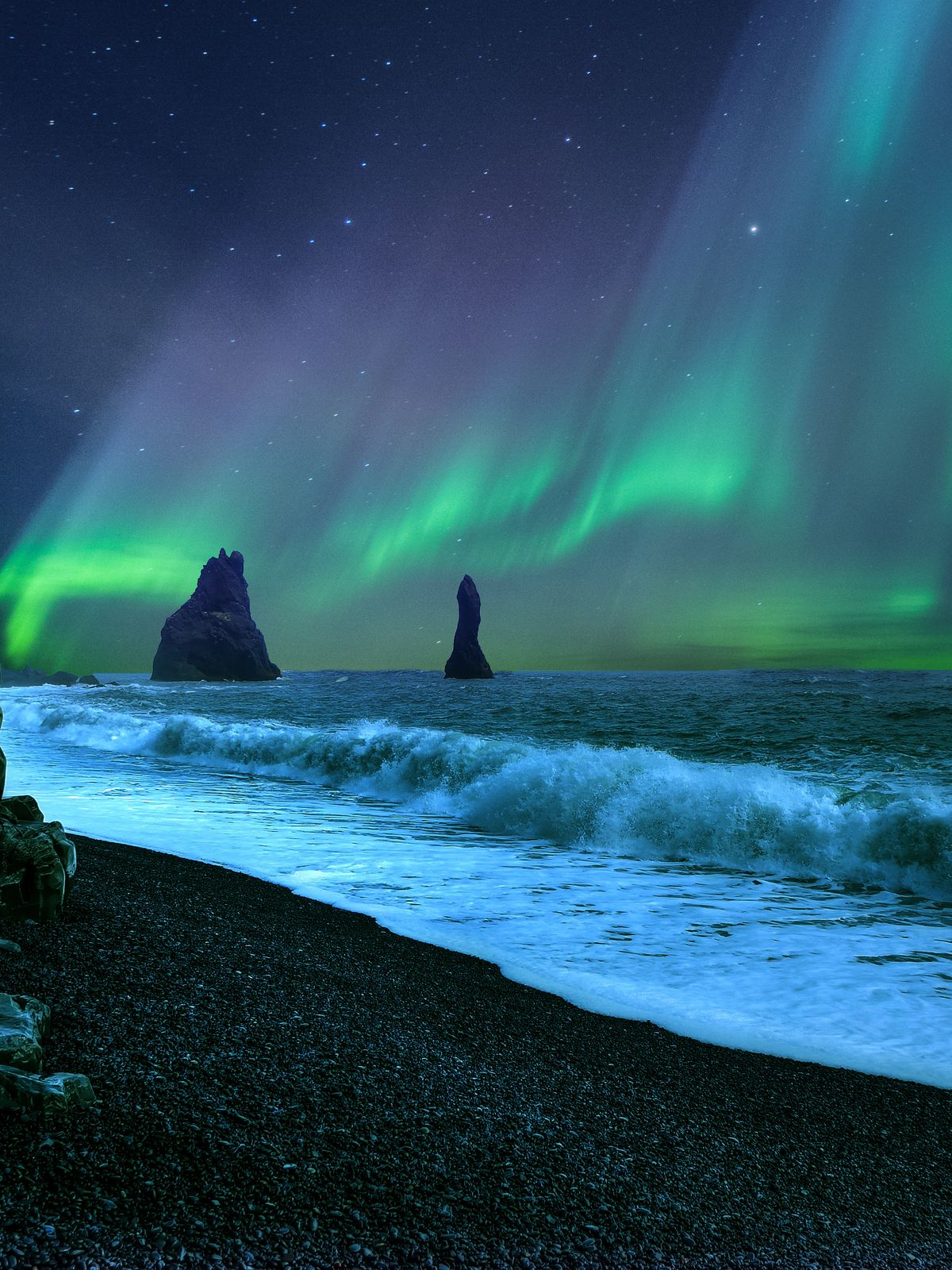
Winters (November to March) are long and cold in Iceland. And North Iceland is one of the coldest regions. Everything is covered in snow, and some parts of the lake freeze. Traveling by road can be complicated, as many roads, especially secondary ones, close if the weather is bad. The days are very short, barely 4-6 hours of natural light. On the other hand, it’s the time of the year when the northern lights happen.
Spring (April and May) sees the snow melt and the first migratory birds return. The landscape turns green quickly, and the days grow longer. Weather can still change fast, with rain and wind being quite common, but the awakening nature and fewer crowds make it a rewarding time to explore the trails and pseudocraters.
What to pack to visit Lake Mývatn
Waterproof and windproof jacket and pants. Rain can strike suddenly.
The best way to adapt to the temperature changes is to dress in layers.
Sturdy hiking boots with a good grip.
Binoculars for birdwatching.
Insect repellent (summer essential).
Swimwear and a quick-dry towel for a dip in one of the geothermal baths.
Power bank for long days out. You don’t want to run out of battery trying to find your way back to the camping ground.
Warm hat, gloves, and scarf. Even in summer, nights can be cold.
Fill up with fuel in Reykjahlíð or Akureyri. There are no stations outside towns.
Keep a safe distance from birds and nests to protect them.
Book tickets to the spas well in advance if you’re coming in summer.
Watch for sheep on roads, especially in rural areas.
Download maps offline. Cell phone signal can be weak in rural spots.
Leave the place as you found it.
Conclusion
There are countless amazing landscapes in Iceland, but not many are as unique and magical as Lake Mývatn. This place blends astonishing looks, a fascinating geology, and wildlife. On top of that, the surroundings are just as great. Lake Mývatn is, for sure, one of Iceland’s best natural monuments.
Frequently Asked Questions About Lake Mývatn
Lake Mývatn’s shallow, nutrient-rich water creates ideal conditions for midge larvae to grow. These insects hatch in huge numbers during summer and serve as a vital food source for birds and other wildlife in the lake’s ecosystem.
Swimming in the lake itself is uncommon because the water is cold and shallow. Instead, most visitors bathe in nearby geothermal pools like the Mývatn Nature Baths, where naturally heated water stays around 36–40 °C year-round.
Most travelers spend one to two days exploring Lake Mývatn and its surrounding attractions. This allows time to visit nearby geothermal areas, lava fields, waterfalls, and enjoy activities like birdwatching and geothermal bathing.
Yes, Lake Mývatn can be spectacular in winter. Snow-covered lava fields, frozen lake sections, fewer tourists, and opportunities to see the northern lights make it a unique cold-season destination.