Weather in Iceland in June: What to Expect in 2026
Iceland in June is magical. Long daylight hours, milder temperatures, and a landscape that's finally awake after winter make it one of the best times to visit. But Iceland's weather can change quickly, even in summer months. Before you pack those hiking boots, let's look at what you can really expect from Iceland's June climate.
Key Takeaways
- June temperatures average 48-59°F (9-15°C) in most coastal areas
- Rainfall is moderate with about 2 inches of precipitation
- Enjoy nearly 24 hours of daylight with the midnight sun
- The north is typically drier than the south
- Pack layers, waterproof clothing, and good hiking boots
- June is perfect for hiking, puffin watching, and exploring areas that are normally hard to reach
Overview of the Weather in Iceland in June
June marks the beginning of summer in Iceland, bringing warmer temperatures and exceptionally long daylight hours. The weather is mild compared to the rest of the year, though it's still cool by most standards.
What makes June special is the more stable weather. You'll still get Iceland's famous "four seasons in one day," but extreme conditions are rare. Snow is mostly gone except in the highlands, roads are open, and flowers are blooming everywhere.
With better access and milder conditions, June is part of Iceland's busy tourist season. Book your accommodations early, but the effort is worth it – you'll see Iceland at its most vibrant.
The temperature in June in Iceland
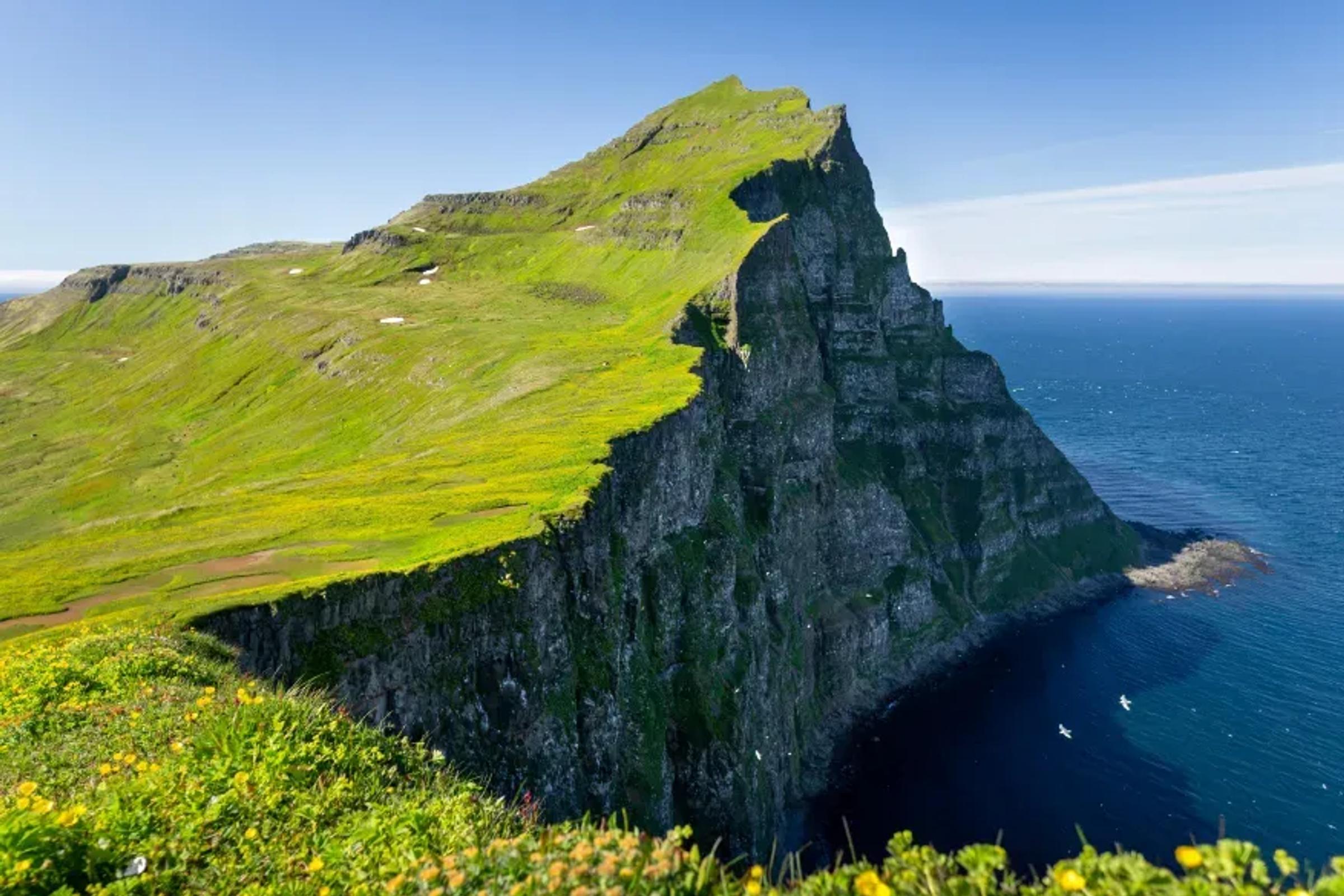
June temperatures in Iceland are mild. Coastal areas typically experience temperatures between 48°F and 59°F (9 °C and 15°C) during the day, dropping to around 43°F and 46°F (6 °C and 8°C) at night.
In Reykjavík, the average high is about 54°F (12°C), with lows around 45°F (7°C). These are just averages – you might get days in the 60s°F (15-20°C), especially in sheltered valleys or when it's sunny.
Northern areas like Akureyri can actually be warmer than the south because the weather is more stable there. Temperatures can reach 59°F (15°C) or higher on clear days.
Higher elevations and the interior highlands stay much cooler, with averages between 41-50°F (5-10°C). Even in June, these areas might see frost or light snow overnight.
Does it Rain and Snow in June in Iceland?
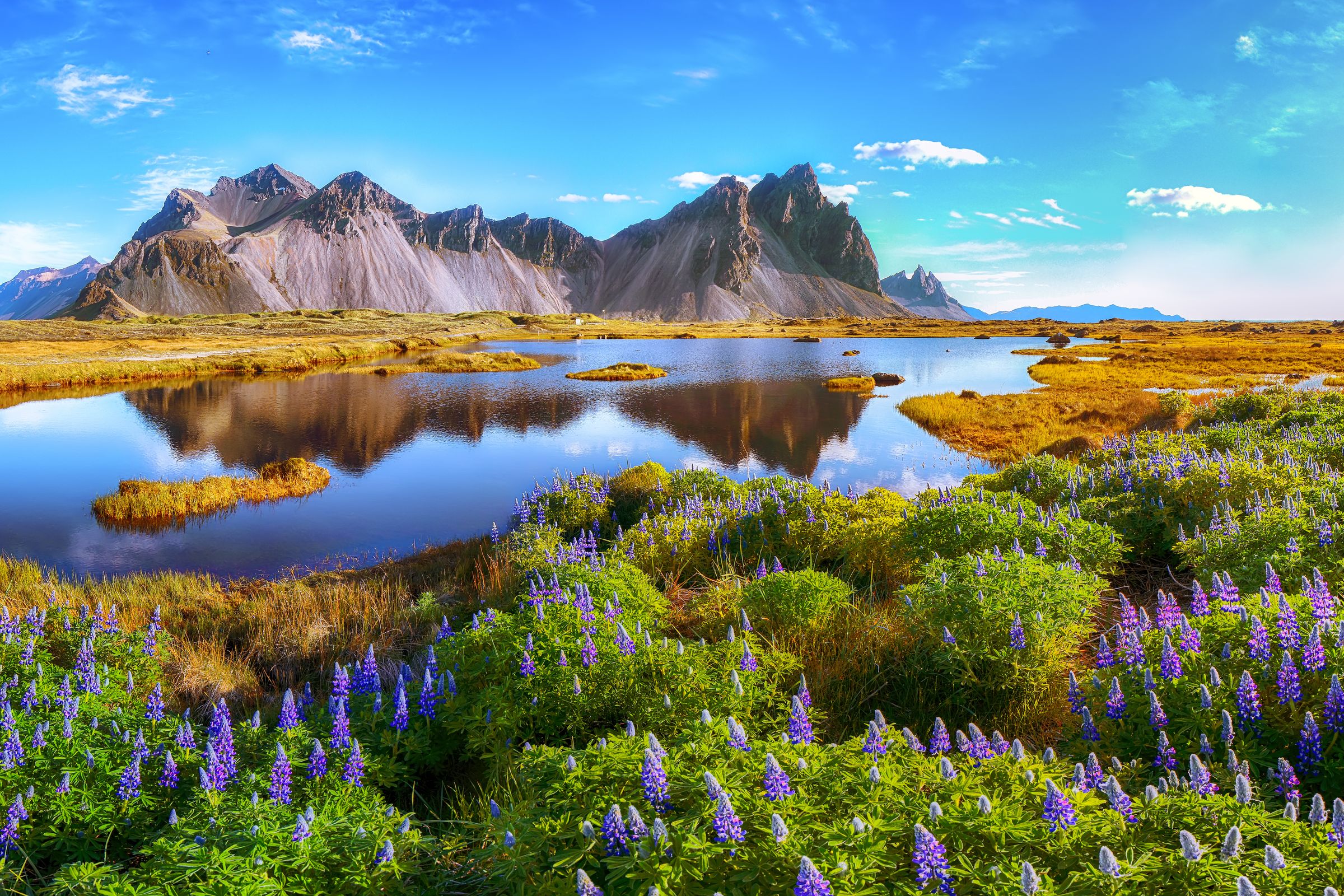
June in Iceland gets a moderate amount of rain, though it's drier than fall and winter. The country gets around 2 inches of rain throughout the month, usually as light showers rather than heavy downpours.
Southern regions typically get more rain than northern areas. Reykjavík typically experiences 10-12 days with some rainfall in June, whereas Akureyri may have only 4-8 rainy days.
Snow is rare in lower areas during June. However, the central highlands can still have patches of snow, especially early in the month or at higher spots. Some mountain roads remain closed until late June due to snow.
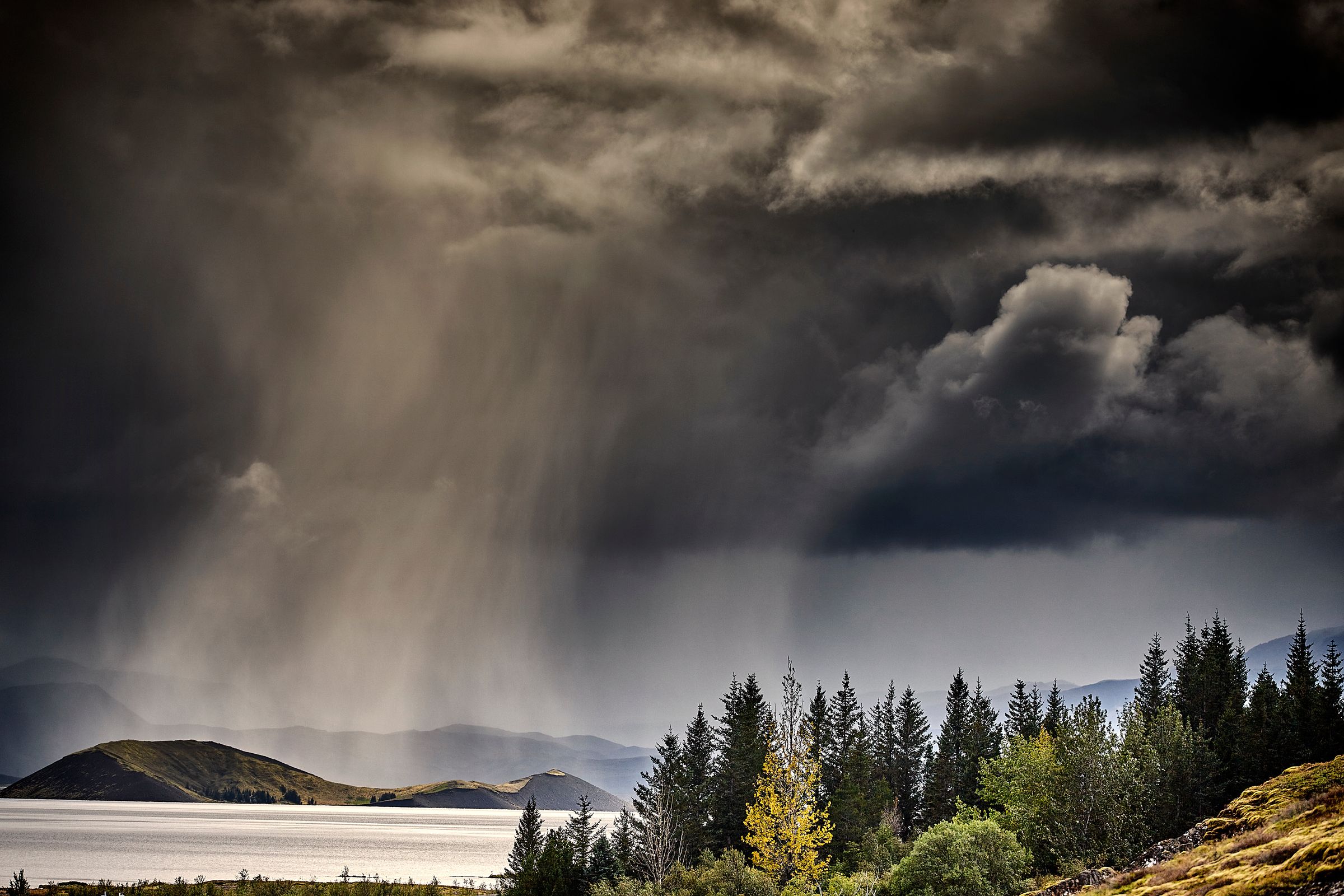
Rain in Iceland is usually light but can last a while. The good news is that the weather changes quickly, so a rainy morning often turns into a sunny afternoon. This means you should always be ready for wet weather, even when the forecast looks good.
Daylight Hours
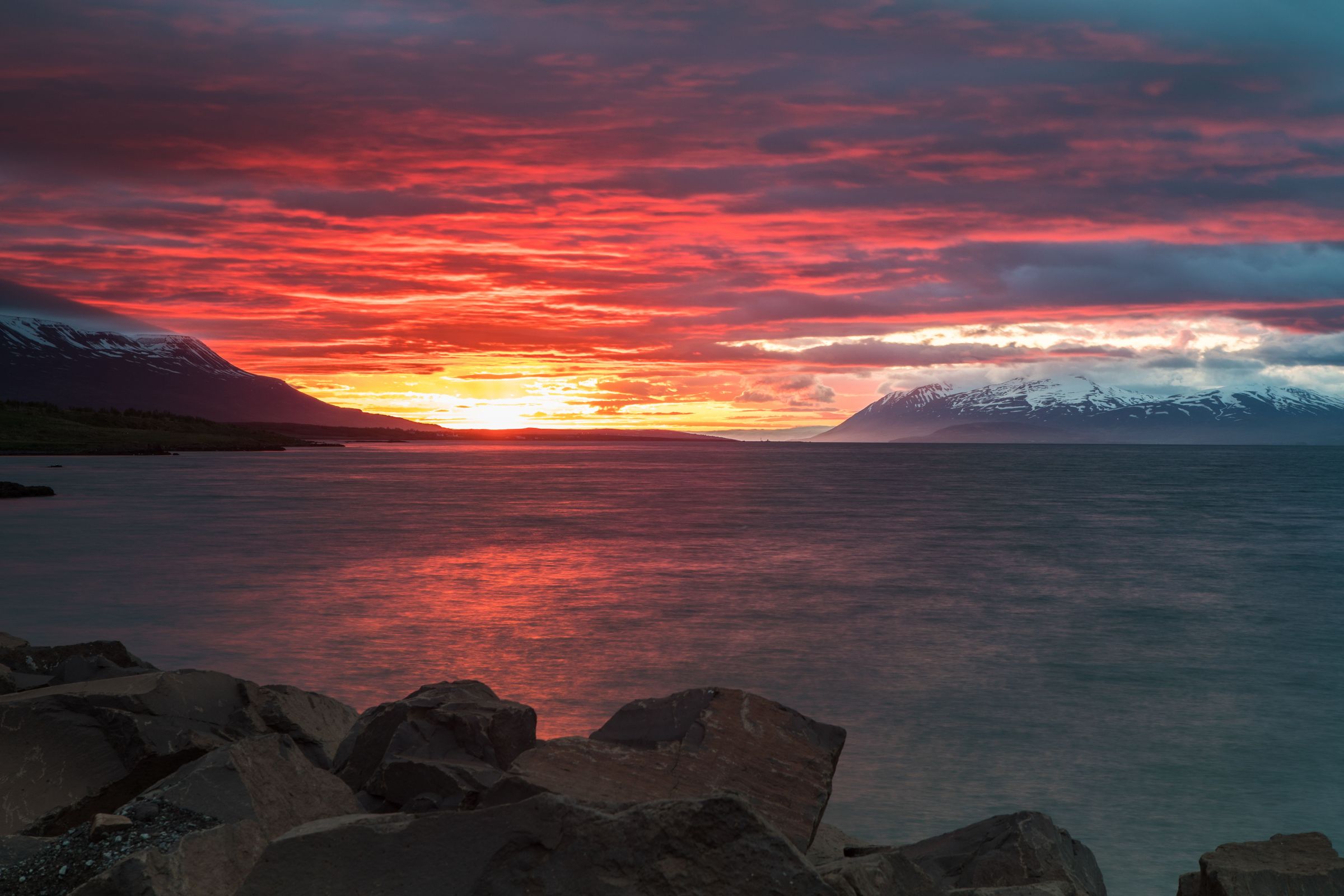
One of the coolest things about June in Iceland is the almost 24-hour daylight. This happens because Iceland sits just south of the Arctic Circle.
In Reykjavík, the sun officially sets for only about 2-3 hours in late June, but it doesn't get dark – there's a constant twilight. On June 21st (the longest day of the year), Reykjavík gets about 21 hours and 45 minutes of visible daylight.
Northern areas like Akureyri have even more dramatic light, with the sun barely setting in late June. This creates a continuous golden hour – great for photos.
These long daylight hours are great for travelers:
- More time for sightseeing
- No rush to finish activities before dark
- Unique photo chances with golden light at midnight
- Safer driving with constant visibility
The constant light can make sleeping tough, so hotels usually have blackout curtains, but bringing a sleep mask is a good idea.

Weather in Iceland in June by Region
June is a great time to visit the country in general, although the weather changes significantly from one region to another.
South (Reykjavík, Vik, Golden Circle)
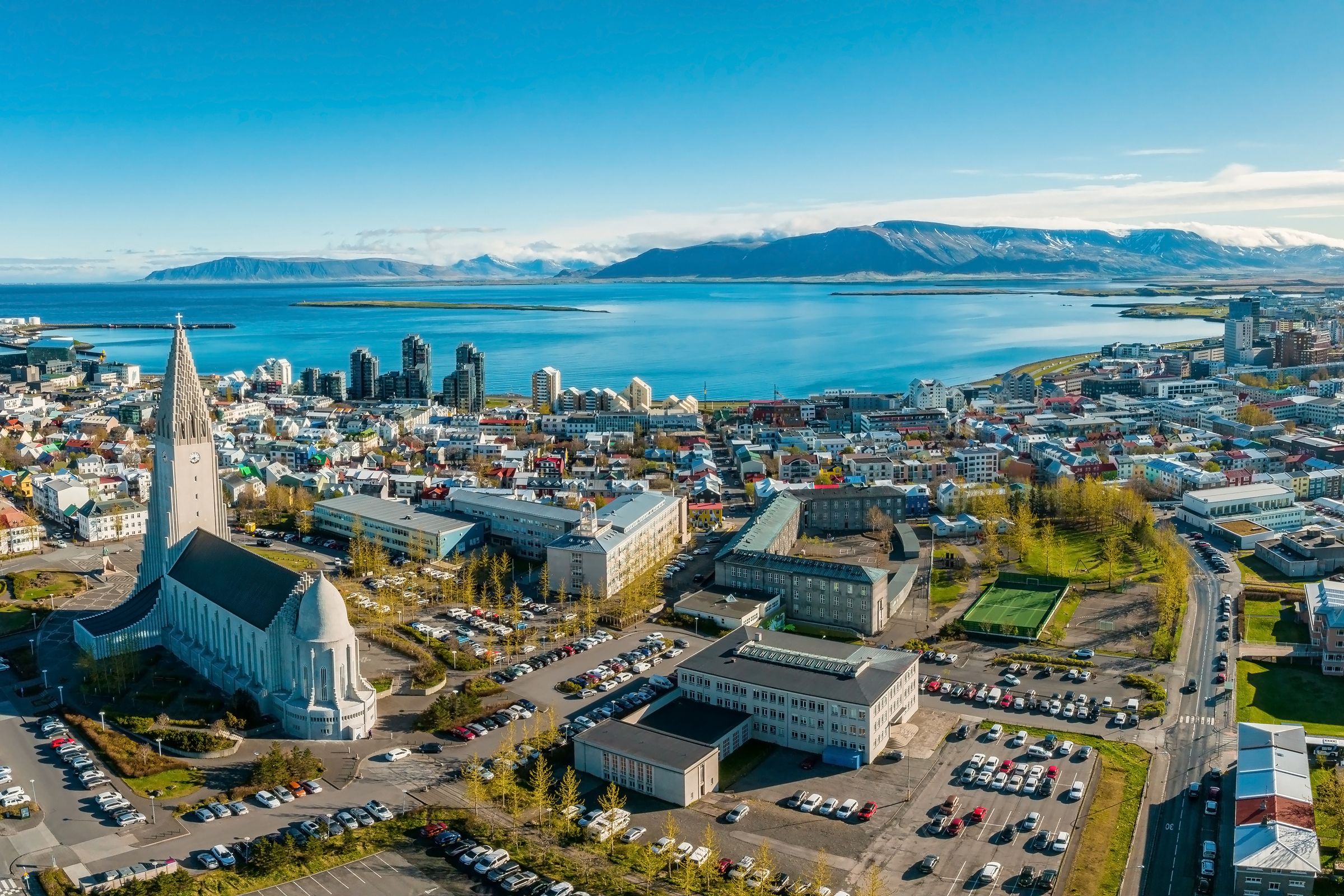
The South Coast, including Reykjavík, sees temperatures of 45-54°F (7-12°C) with about 2 inches of rain. This region tends to be cloudier and a bit wetter than northern Iceland.
Reykjavík has fairly stable weather in June, though sudden wind gusts and quick showers happen. The Golden Circle area is similar, with temperatures sometimes higher in sheltered areas like Þingvellir.
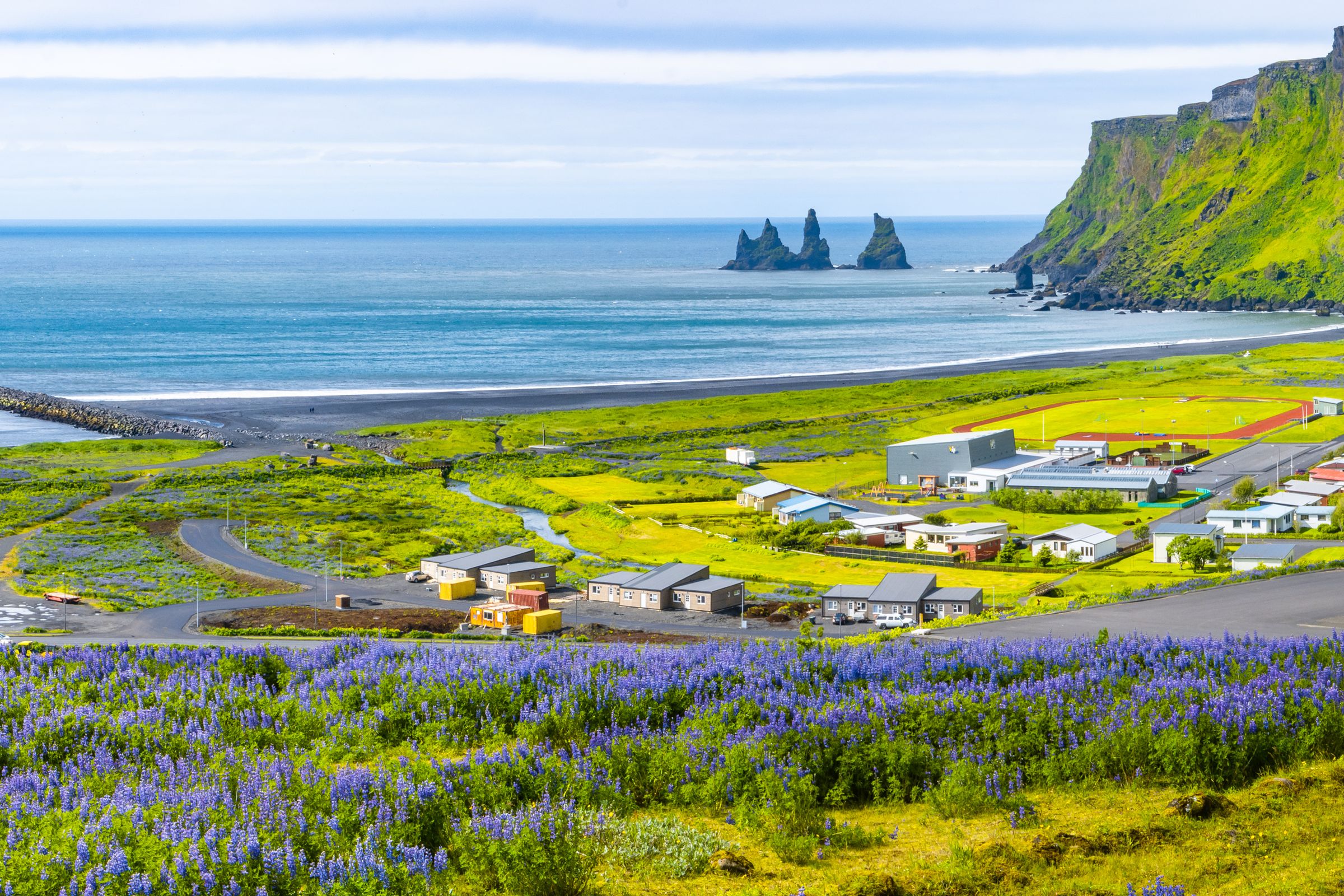
Vik and the southern coastal areas face more changing conditions because they're exposed to Atlantic weather. Wind can be stronger here, and fog sometimes comes in from the ocean, temporarily blocking views at places like Reynisfjara black sand beach.
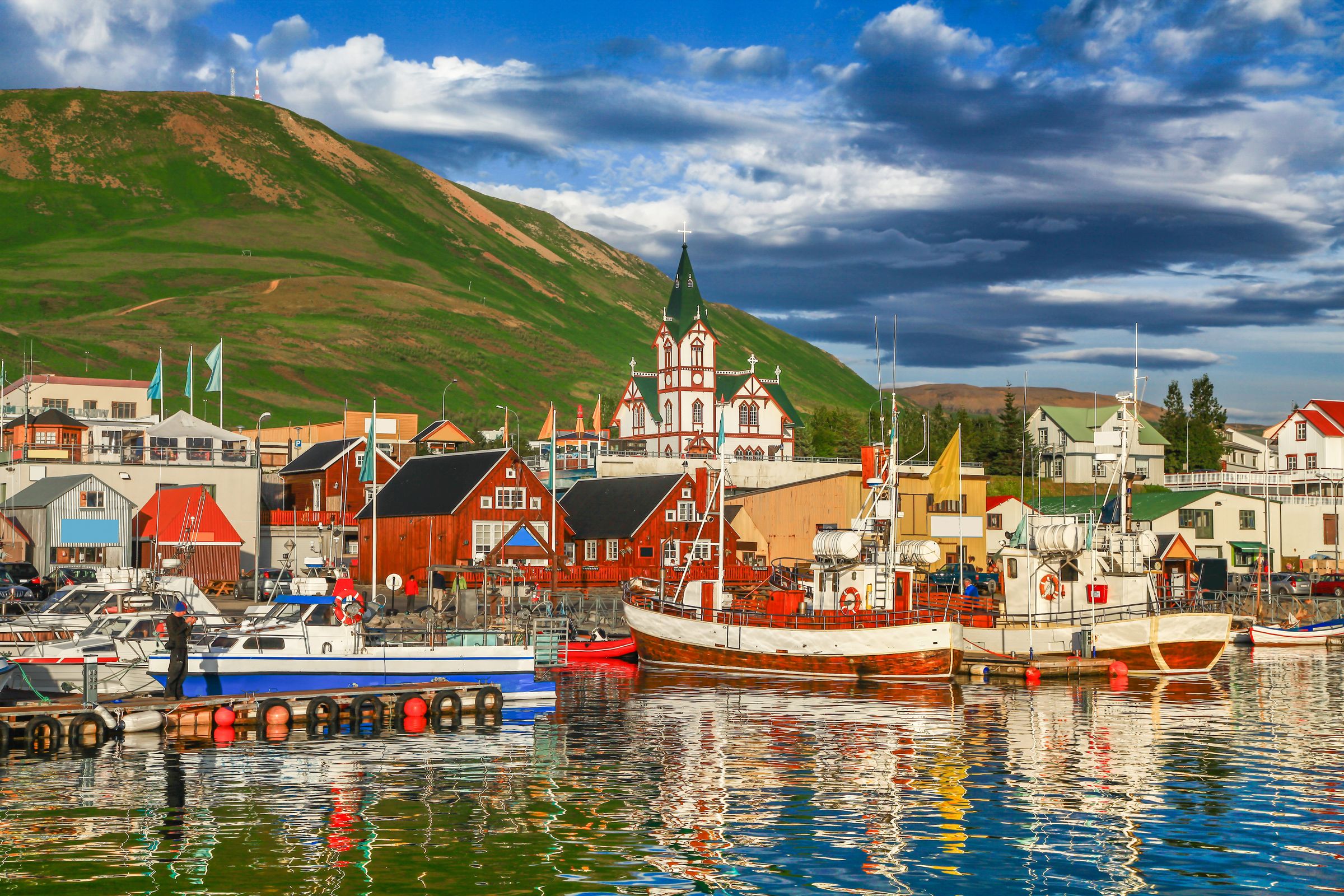
North (Akureyri, Húsavík)
Northern Iceland, including Akureyri and Húsavík, often has the best June weather. Temperatures range from 45-59°F (7-15°C), with noticeably less rain than the south – often less than 1.2 inches for the month.
Akureyri sits in a fjord surrounded by mountains, creating a pocket of protection from harsh weather. It typically gets more sunshine than Reykjavík in June, making it surprisingly pleasant.
The north benefits from more stable high-pressure systems in summer, creating stretches of clear, calm days that are perfect for whale watching around Húsavík or exploring Lake Mývatn.
East
Eastern Iceland experiences June temperatures similar to those in the north, averaging 45-57°F (7-14°C). This region gets moderate rainfall, particularly in the southeastern areas near Vatnajökull glacier.
The East Fjords create many small microclimates, where one fjord might be sunny while the next sees rain. Generally, the inner fjords are warmer and more protected from wind than coastal areas.
Morning fog is common in the fjords but typically burns off by midday. The East enjoys excellent conditions for experiencing the midnight sun, with beautiful low-angle light illuminating the dramatic fjord landscapes.

West
Western Iceland, including the Snæfellsnes Peninsula, has June temperatures of 45-54°F (7-12°C) with moderate rainfall that's typically higher than the north but lower than the south.
This region gets weather from multiple directions, making it somewhat unpredictable. The Snæfellsnes Peninsula in particular can experience rapidly changing conditions due to its prominent position and the influence of Snæfellsjökull glacier.
Coastal fog can occur in western regions, especially in the mornings, sometimes hiding landmarks like Kirkjufell mountain. However, these fog banks often clear by afternoon.

Central Highlands
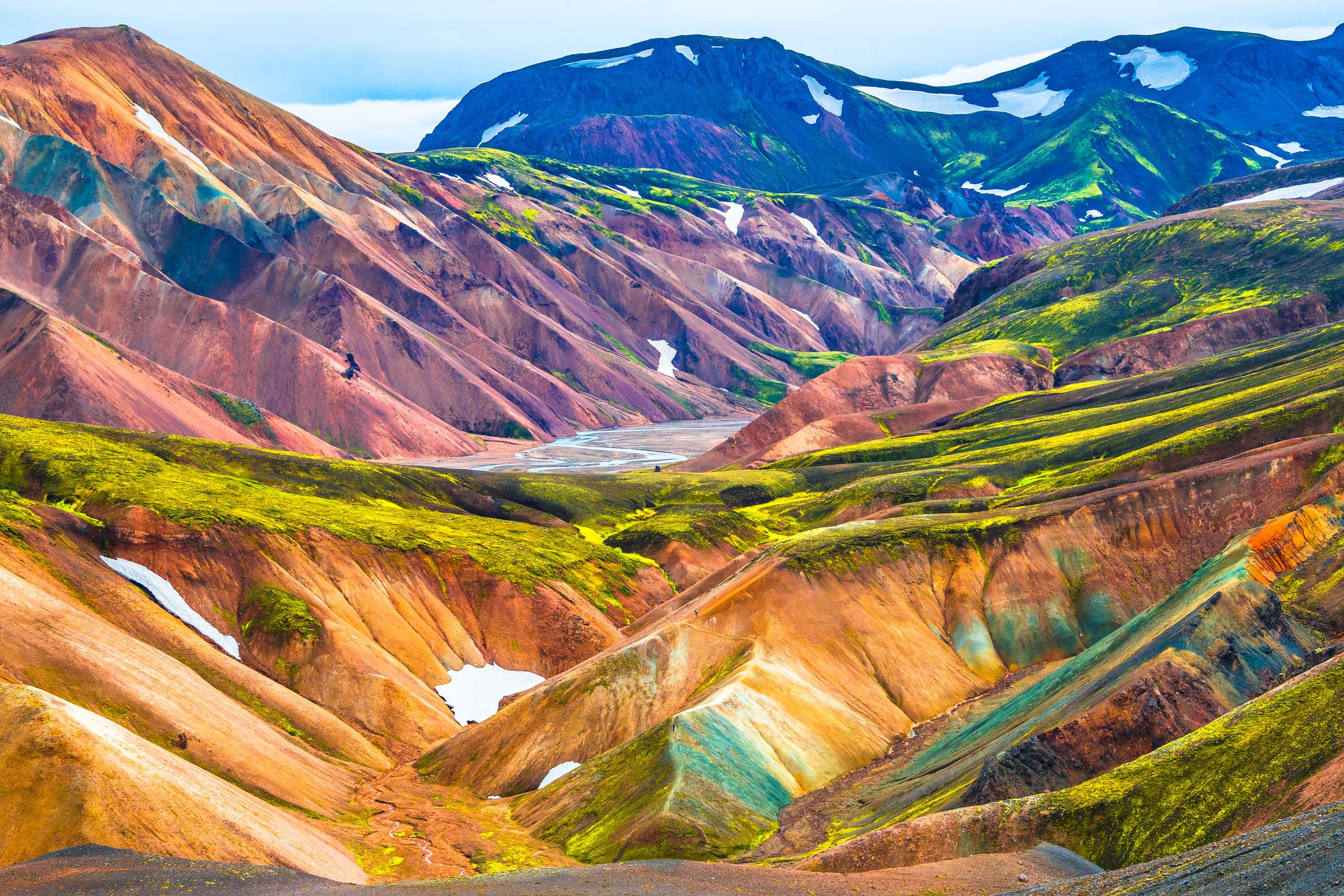
The Central Highlands remain Iceland's coolest region in June. Temperatures range from 39°F to 50°F (4 °C to 10°C), with nighttime temperatures occasionally dropping near freezing.
Many highland areas become accessible in June as snow melts, though some mountain roads may not open until late June. Early June visitors might still see significant snow patches in areas like Landmannalaugar.
The weather in the highlands changes extremely quickly. Clear, sunny conditions can rapidly shift to fog, rain, or even light snow at higher elevations. Wind tends to be stronger here than in coastal areas.
Westfjords
The temperatures in the remote Westfjords in June average 43- 52°F (6-11°C). This rugged region tends to be slightly cooler than southwest Iceland because it's further north.
The weather in the Westfjords varies greatly from place to place due to the complex landscape of fjords and mountains. One valley might be sunny while the next sees rain. Wind patterns can be complex, sometimes creating strong gusts where fjords narrow.
Many roads in the Westfjords become fully accessible in June, although some of the more remote routes may still experience issues early in the month. The region's dramatic landscapes look amazing under the midnight sun.

| Region | Average June Temperature | Rainfall | Weather Characteristics |
| South (Reykjavík, Vík, Golden Circle) | 45–54°F (7–12°C) | ~2 inches (50 mm) | The south tends to be cloudier and wetter than northern Iceland. Reykjavík usually has fairly stable weather, but quick rain showers and strong wind gusts can happen. Coastal areas like Vík often see stronger winds and occasional ocean fog that can temporarily block views at places like Reynisfjara. |
| North (Akureyri, Húsavík) | 45–59°F (7–15°C) | ~1.2 inches (30 mm) | Northern Iceland often has some of the best weather in June. Akureyri sits in a sheltered fjord, which helps protect it from harsh winds and rain. The north typically gets more sunshine and longer stretches of clear weather, which is great for whale watching and exploring Lake Mývatn. |
| East (Eastfjords) | 45–57°F (7–14°C) | Moderate rainfall | The East Fjords create many small microclimates. One fjord may be sunny while the next sees rain. Coastal areas can be cooler and windier, while inner fjords tend to be calmer and slightly warmer. Morning fog is common but often clears by midday. |
| West (Snæfellsnes Peninsula) | 45–54°F (7–12°C) | Moderate rainfall | Western Iceland gets weather from several directions, so conditions can change quickly. The Snæfellsnes Peninsula is especially unpredictable due to ocean winds and the influence of Snæfellsjökull glacier. Coastal fog sometimes hides landmarks like Kirkjufell, but it usually clears later in the day. |
| Central Highlands | 39–50°F (4–10°C) | Low–moderate | The Highlands remain the coolest region in June. Snow can still be present early in the month, and some mountain roads may not open until late June. Weather changes very quickly here, with sudden shifts between sunshine, fog, rain, or even light snow. Winds are often stronger than in coastal areas. |
| Westfjords | 43–52°F (6–11°C) | Moderate rainfall | The Westfjords are slightly cooler because they are farther north. Weather varies greatly between valleys and fjords. Some areas may be sunny while nearby fjords see rain. Wind gusts can also be strong where fjords narrow. Many roads become accessible in June, although remote routes may still have conditions early in the month. |
What Was the Weather Like in June 2025?
June 2025 in Iceland was unusually cold with low atmospheric pressure across the country. In many areas, temperatures were actually lower than during May, which had been exceptionally warm. The north and northeast experienced very rainy conditions, while the western part of the country stayed relatively dry. A significant northerly storm hit on June 3rd and 4th, causing problems with strong winds and heavy precipitation.
Reykjavík recorded an average temperature of 8.8°C (47.8°F), which is 1.0°C (1.8°F) below the 1991-2020 average and 0.8°C (1.4°F) below the average for the last decade. Akureyri was even colder at 8.1°C (46.6°F), 1.5°C (2.7°F) below the 1991-2020 average and 2.0°C (3.6°F) below the average for the past decade. The contrast with May was most dramatic in northeast and east Iceland, where temperatures were up to 3°C (5.4°F) lower than the previous month. The highest temperature recorded during the month was 21.7°C (71.1°F) at Hjarðarland on the 14th.
The month brought heavy rain to North and Northeast Iceland, with Akureyri receiving 65.3 mm (2.57 inches) of precipitation; more than three times the normal amount. This was Akureyri's third-rainiest June on record. Significant snowfall occurred in mountainous areas at the start of the month during the northerly storm, with some lowland stations recording temporary snow cover.
Reykjavík enjoyed above-average sunshine with 203.1 hours, while Akureyri had considerably less sunshine than normal with just 131.6 hours. Wind speeds were stronger than usual, with record-breaking gusts measured at several stations during the early June storm.
(All this information comes from the Icelandic Met Office)

What to Pack
Packing for Iceland in June means being ready for changing conditions. Essential items include:
- Waterproof jacket and pants (lightweight but reliable)
- Warm mid-layers (fleece or wool sweaters)
- Moisture-wicking base layers
- Sturdy, waterproof hiking boots
- Hat and gloves (even in June, especially for highland visits)
- Sunglasses and sunscreen (the sun is up most of the day)
- Sleep mask (if you're sensitive to light when sleeping)
- Swimsuit (for hot springs and pools)
- Camera (for capturing the midnight sun)
The key is layering. You might start the day with multiple layers and gradually take them off as it warms up, only to put them back on in the evening or if the weather changes.
Even though it's summer, avoid cotton clothing, which gets cold when wet. Instead, go for wool or synthetic materials that keep you warm even in damp conditions.
What does June weather in Iceland mean for trip planning?
June’s weather and long daylight hours make travel in Iceland much easier than in winter. However, conditions still vary across the country, so it helps to plan with the weather in mind.
Longer days mean more time to explore
June has nearly 24 hours of daylight around the summer solstice. This gives you much more flexibility when planning your days. You can start sightseeing early, drive longer distances, or visit popular attractions later in the evening when they’re quieter.
Road trips are much easier
Most of Iceland’s main roads are fully accessible in June. The Ring Road is usually easy to drive, and road conditions are far more predictable than in winter. Some Highland roads begin opening in June as snow melts, although many F-roads don’t open until late in the month.
You should still expect changing weather
Even in summer, Iceland’s weather can change quickly. Wind, light rain, and sudden temperature shifts are common. When planning activities, it’s a good idea to leave some flexibility in your itinerary in case the weather changes.
Campsites and accommodations fill up quickly
June is the start of Iceland’s busy summer travel season. Campsites, hotels, and tours can fill up quickly, especially along the South Coast, Golden Circle, and around Reykjavík. Booking your campervan, campsites, and popular activities in advance is recommended.
Outdoor activities are at their best
The milder weather and long days make June a great month for outdoor experiences. Hiking trails are usually snow-free at lower elevations, whale watching conditions are good in the north, and the midnight sun creates unique opportunities for late-evening sightseeing and photography.
The Highlands may still require planning
While some Highland areas open in June, access can vary depending on snow conditions. If you plan to visit places like Landmannalaugar or drive on F-roads, check road conditions in advance and be prepared for colder temperatures at higher elevations.
Packing for variable conditions is important
Even though June is one of Iceland’s milder months, you should still pack for wind and rain. Waterproof layers, warm mid-layers, and sturdy shoes will help you stay comfortable while exploring different regions of the country.
Things to Do in June
The nice June weather is perfect for outdoor activities and wildlife experiences.
Hiking
June is an ideal time for hiking in Iceland. Most trails are free of snow, and the long daylight means you can start late without worrying about darkness. Popular June hiking spots include:
- Skaftafell in Vatnajökull National Park
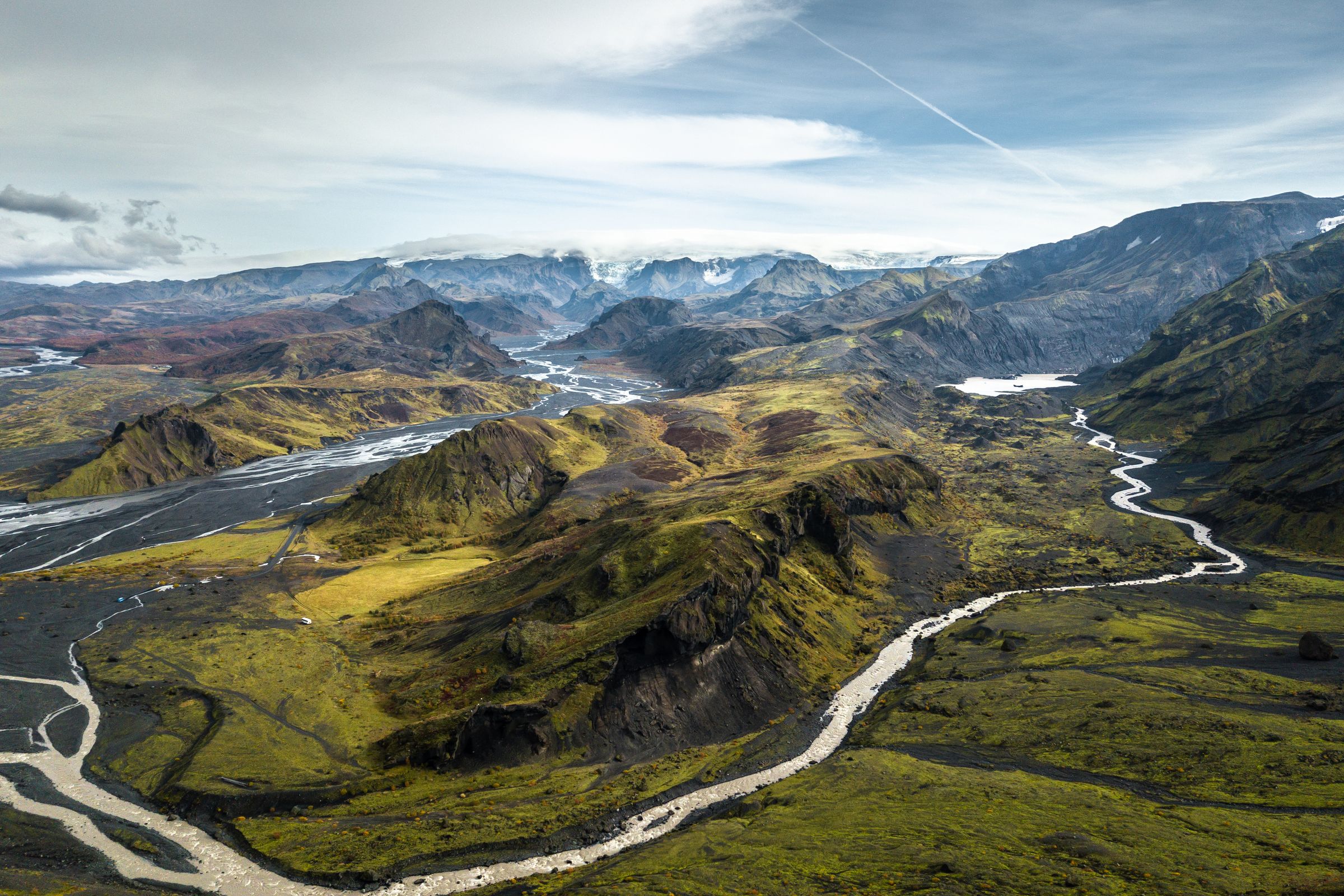
- Þórsmörk Valley (accessible by special buses in June)
- Coastal paths in the Eastfjords
- Hornstrandir Nature Reserve in the Westfjords
The highlands begin to open in June, although some areas, such as Landmannalaugar, may still be difficult to reach early in the month.
Whale Watching
June is great for whale watching, with more whales in Icelandic waters. Húsavík in North Iceland is the whale watching capital, but tours also run from:
- Reykjavík
- Akureyri
- Dalvík
- Ólafsvík on Snæfellsnes Peninsula
Types of whales commonly seen in June include humpback whales, minke whales, white-beaked dolphins, and harbor porpoises. Orcas are occasionally spotted, particularly in the west.

Puffin Watching
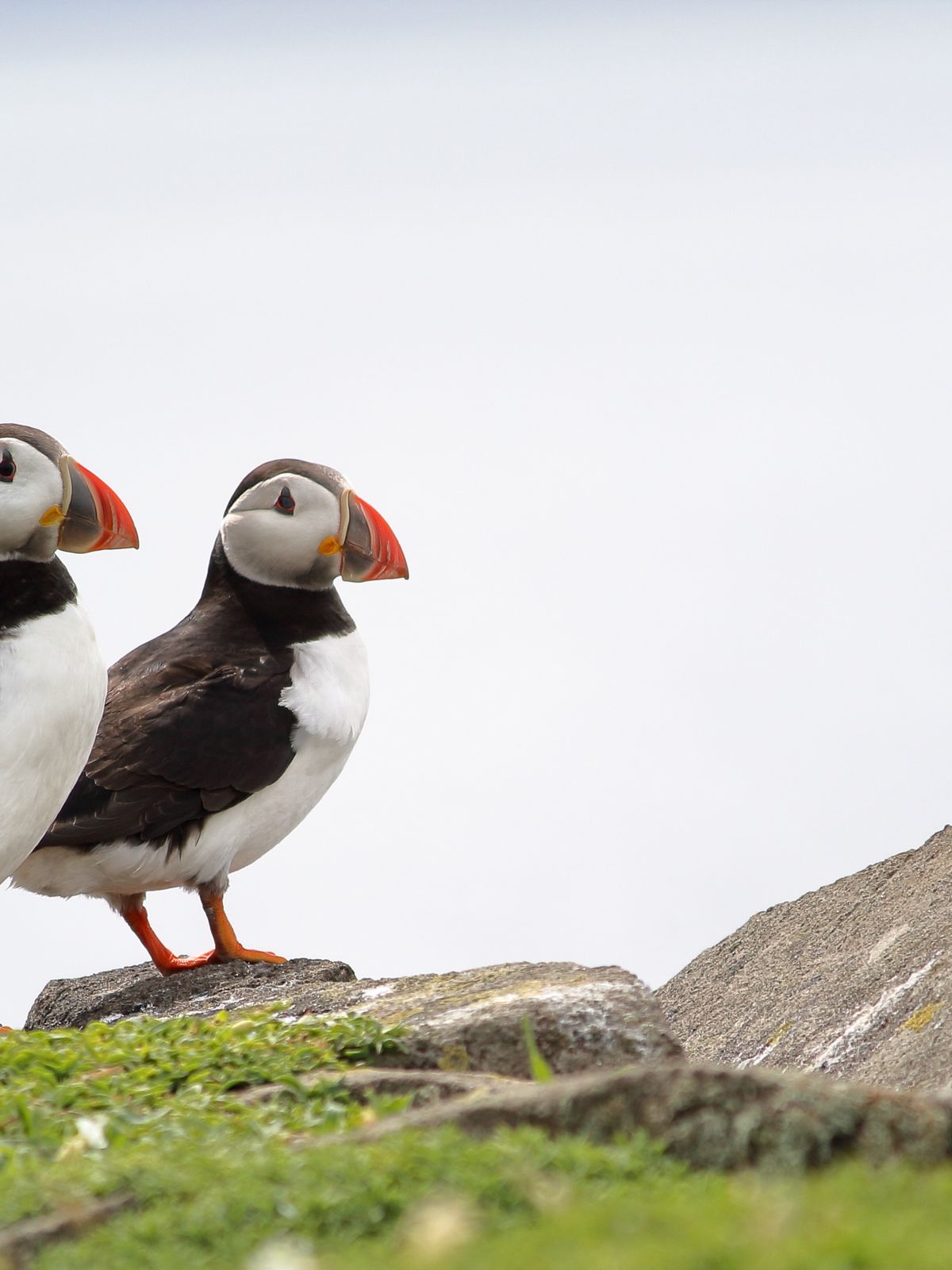
June is prime puffin season, when these cute birds are nesting along Iceland's cliffs. Top puffin watching spots include:
- Látrabjarg in the Westfjords
- Borgarfjörður eystri in East Iceland
- Dyrhólaey near Vík
- The Westman Islands
Tours are available from several coastal towns, but with a car, you can visit the lookout points on your own. Morning and evening hours typically offer the best viewing chances.

Midnight Sun Activities
Take advantage of the nearly endless daylight with special Midnight Sun experiences:
- Midnight sun golf (many courses offer late tee times)
- Evening horseback riding under the midnight sun
- Late-night hot spring visits
- Photography tours capturing the golden light
- Midnight hikes to viewpoints
These unique opportunities only happen during the few weeks around the summer solstice, so make the most of your visit.
Hot Springs and Swimming
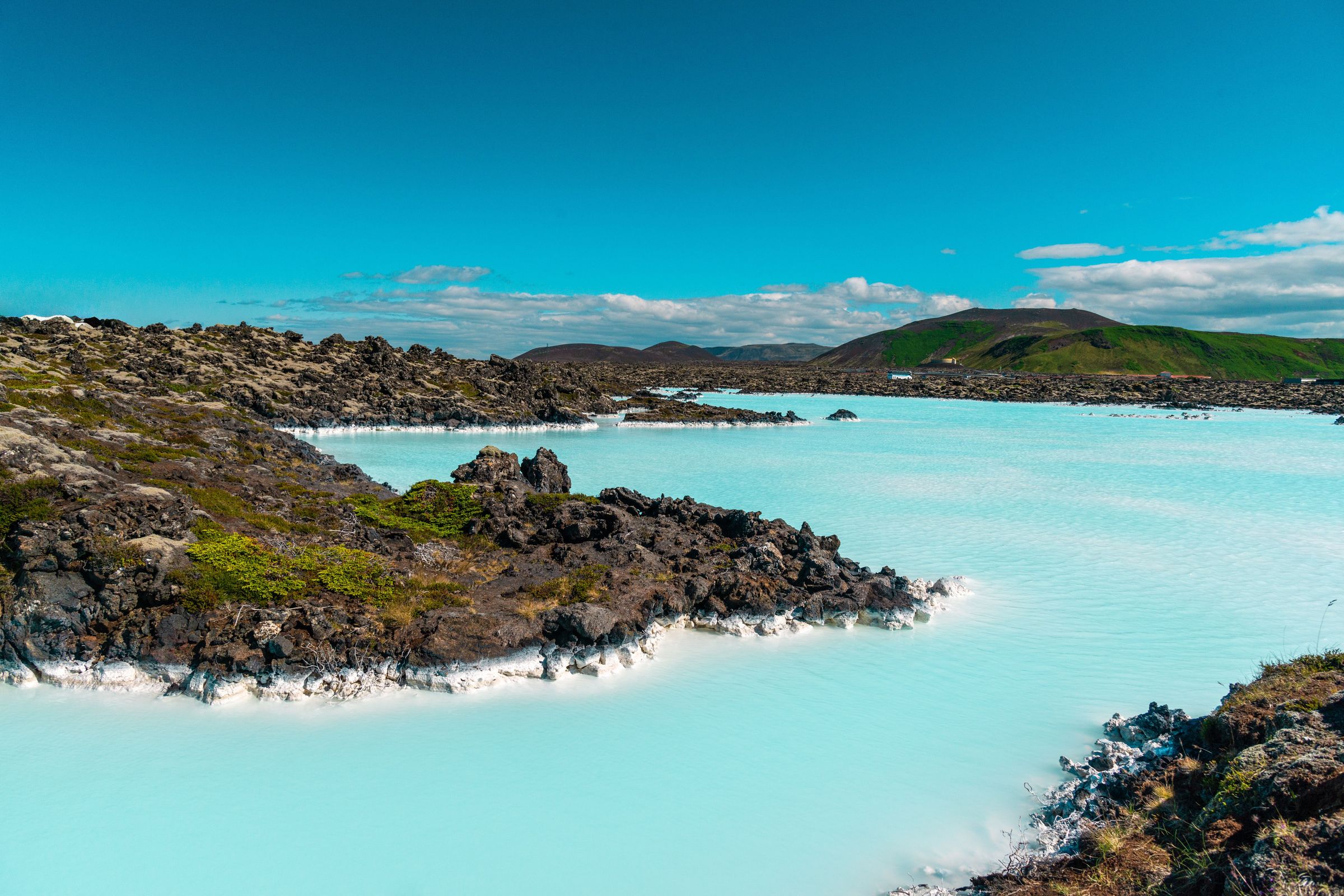
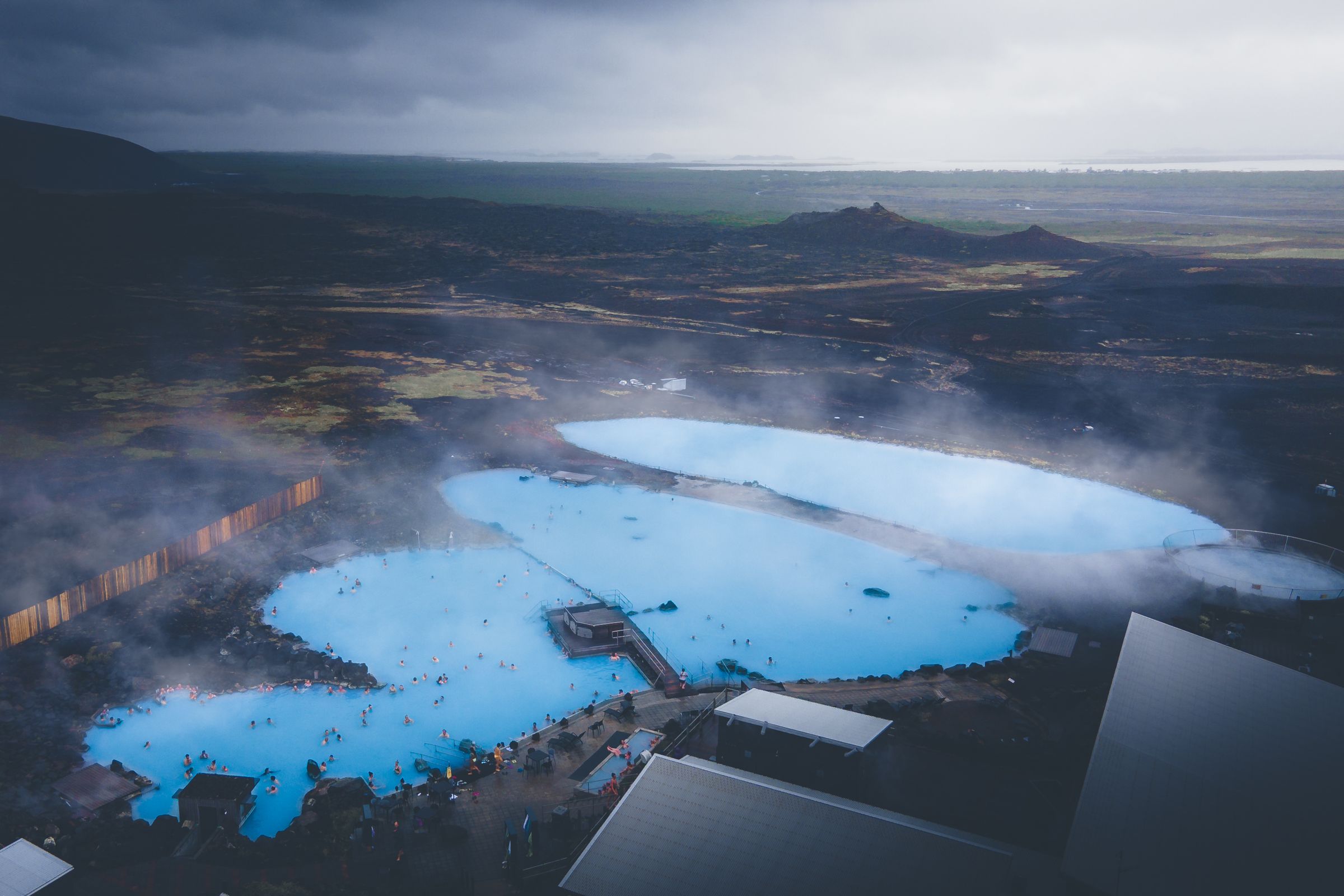
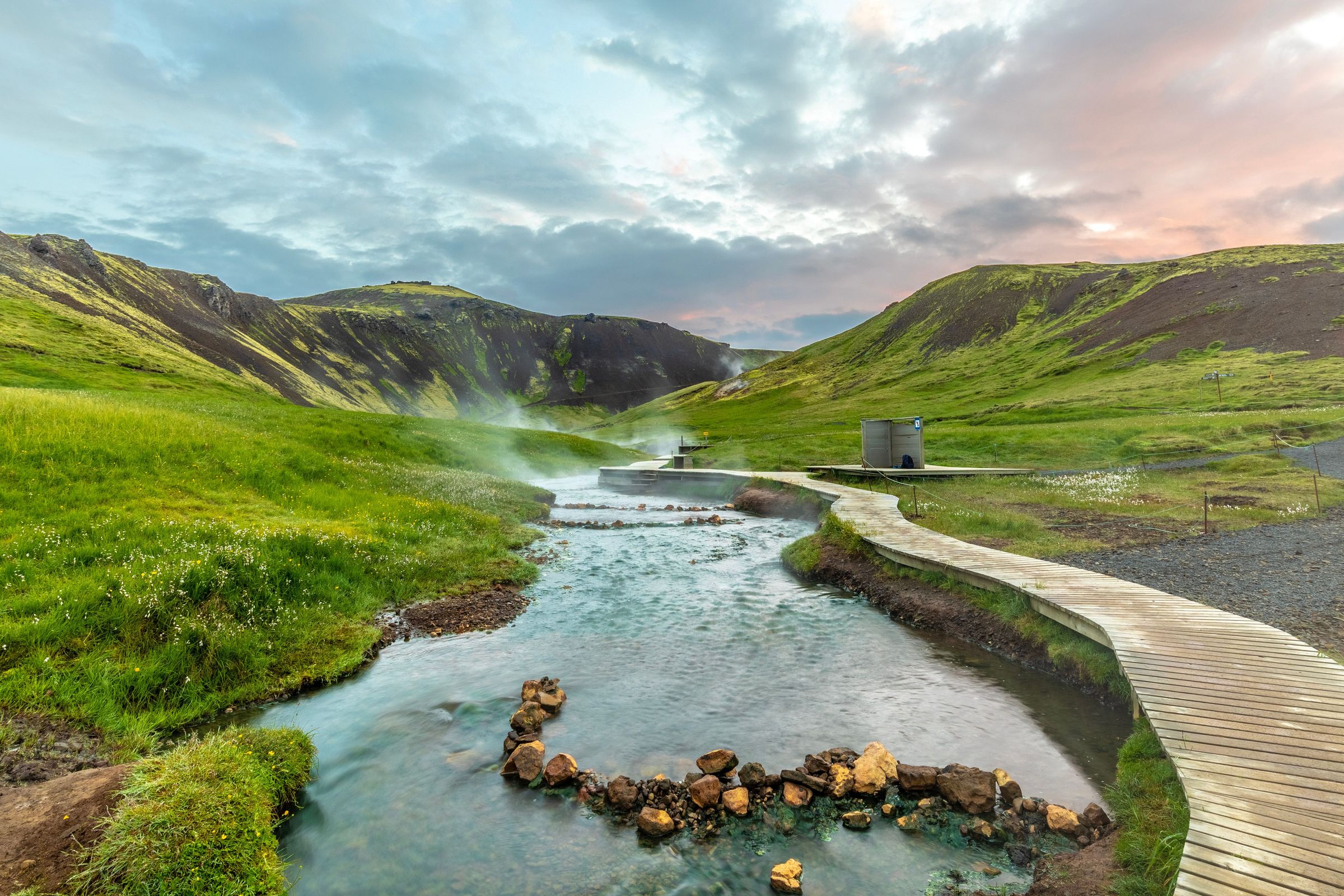
Iceland's geothermal pools and hot springs are super nice to visit all year-round, but the milder June weather makes the experience particularly pleasant. Beyond the famous Blue Lagoon, consider:
- The new Sky Lagoon near Reykjavík
- Mývatn Nature Baths in the north
- Secret Lagoon in Flúðir
- Natural hot springs like Reykjadalur Hot Spring Thermal River
There are swimming pools in every town, and visiting them gives you a glimpse of how Icelanders enjoy their hot spring culture.
Conclusion
June offers an ideal balance of accessibility, milder weather, and maximum daylight for exploring Iceland. While you should still prepare for changing conditions, it's one of the most reliable months for comfortable travel throughout the country.
The combination of open highland roads, active wildlife, flowing waterfalls, and the magical midnight sun makes June a prime time to experience Iceland's natural wonders. Remember to book accommodations well in advance, pack for variable conditions, and stay flexible to adapt to changing weather conditions.
FAQs about the weather in Iceland in June