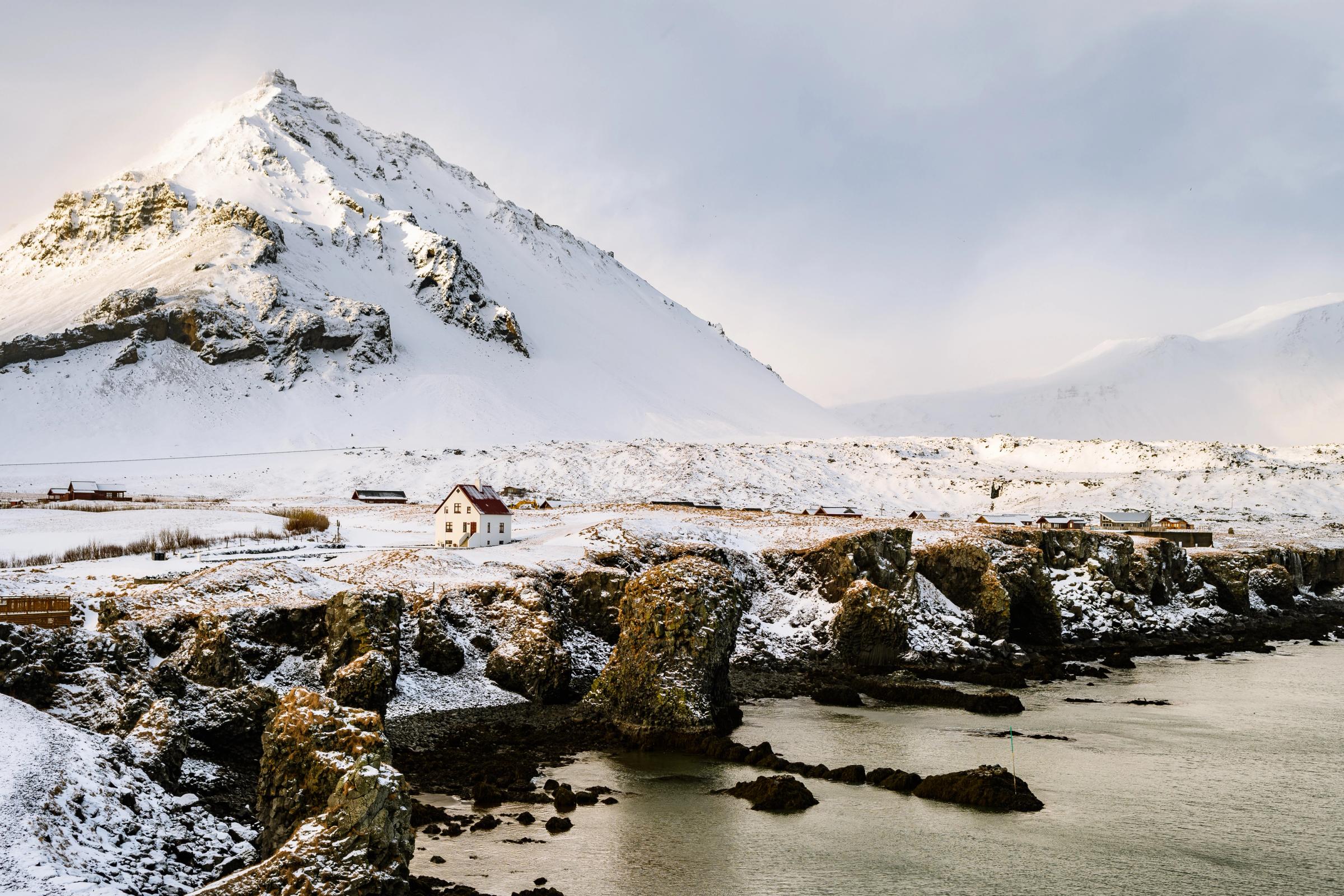
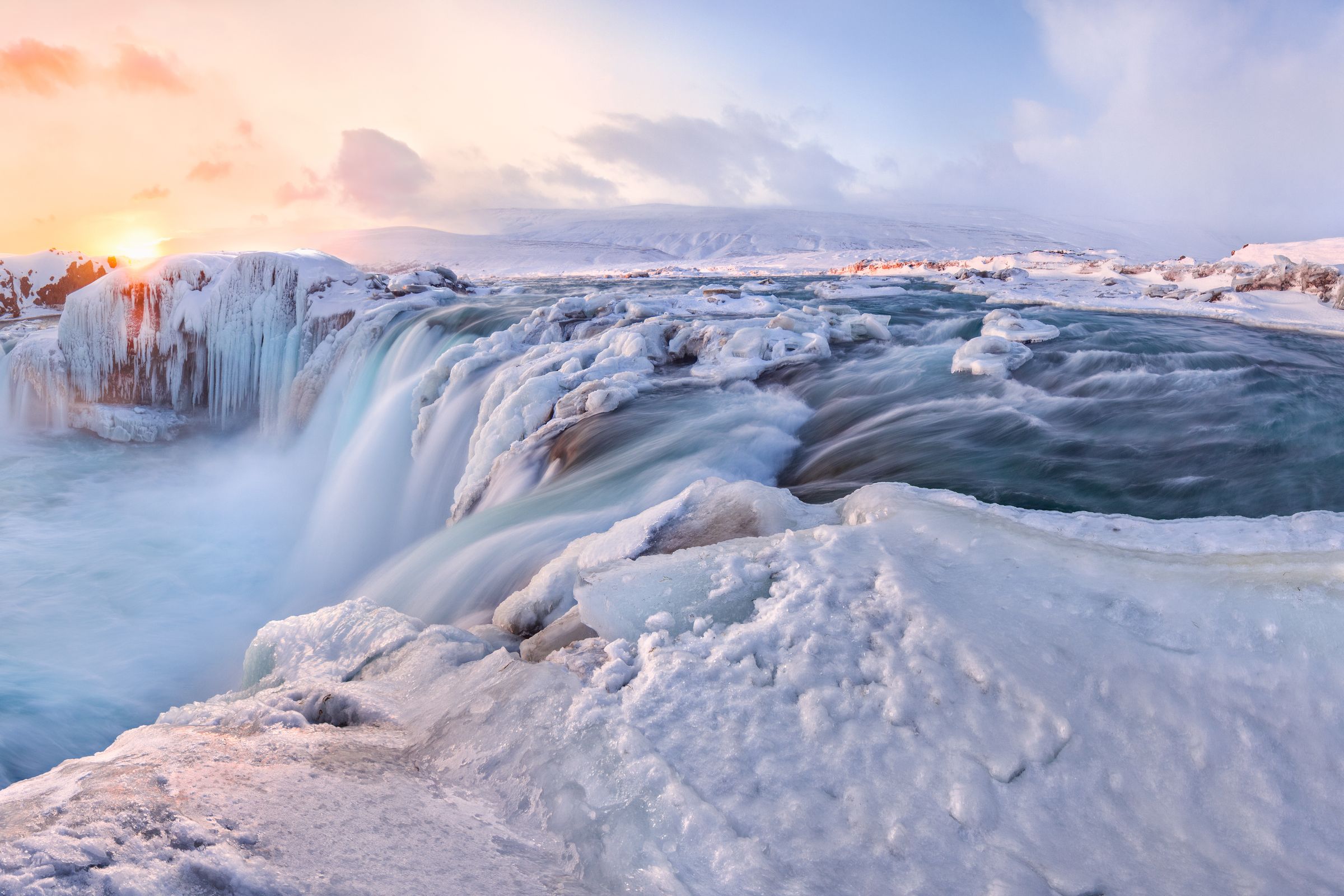
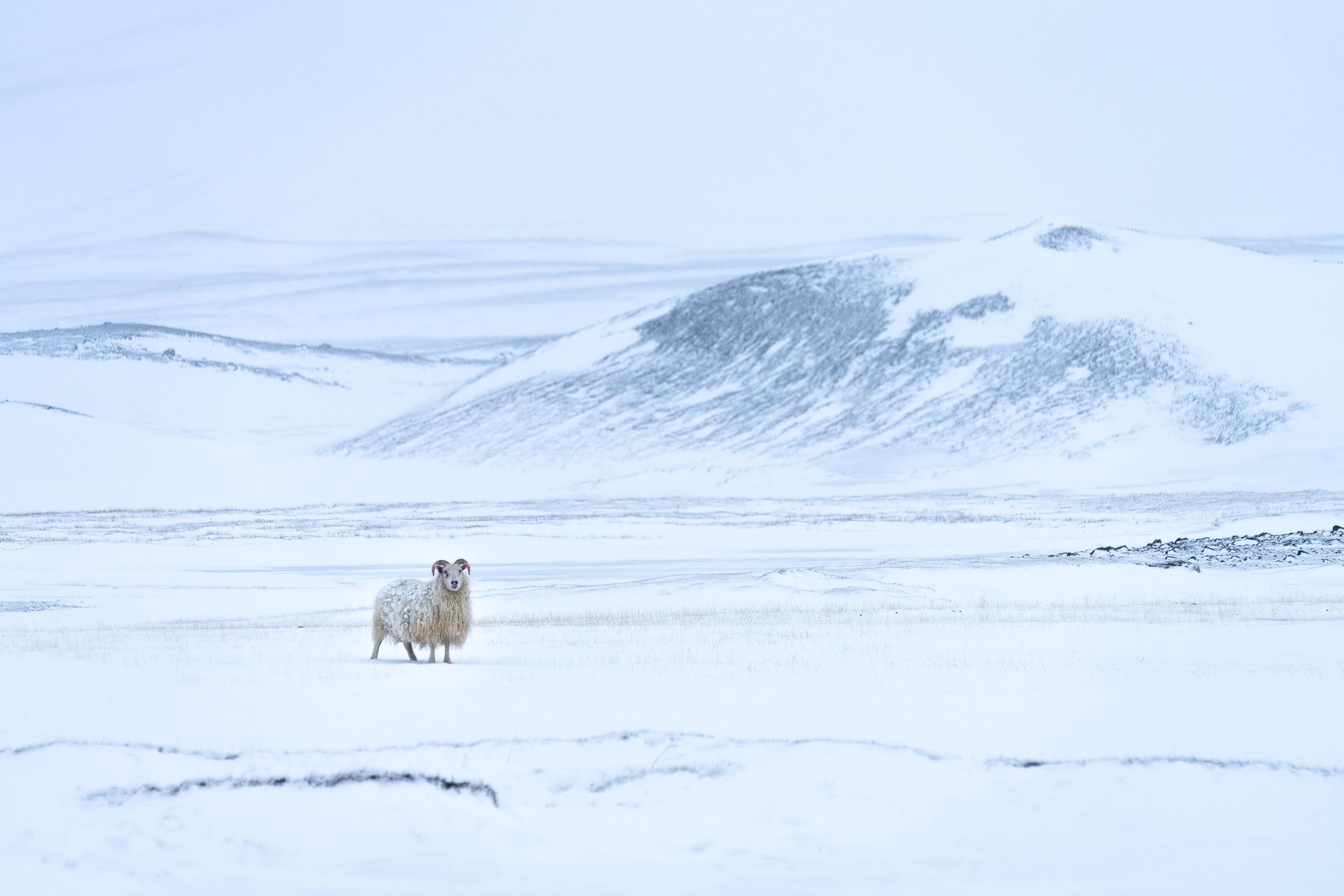
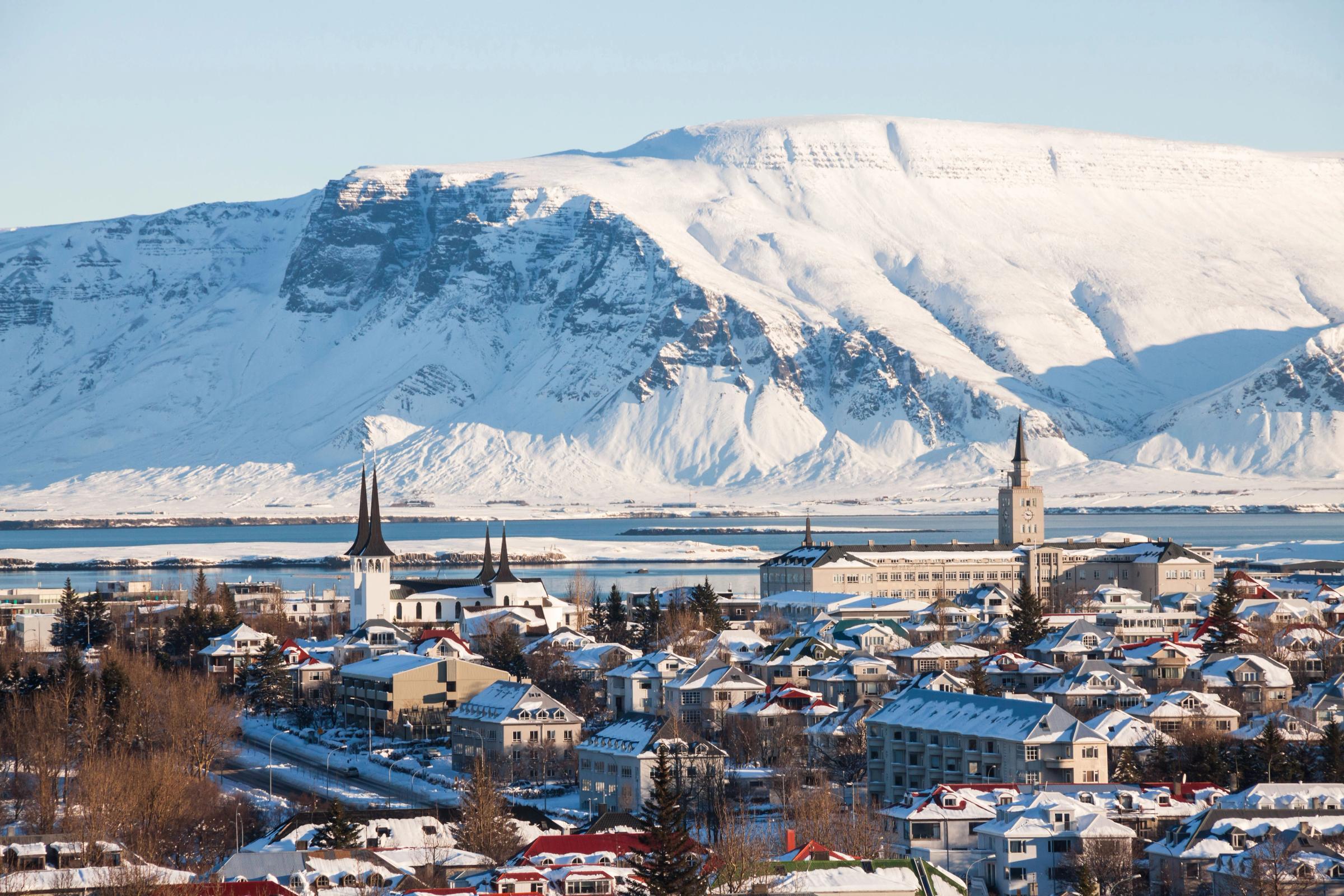
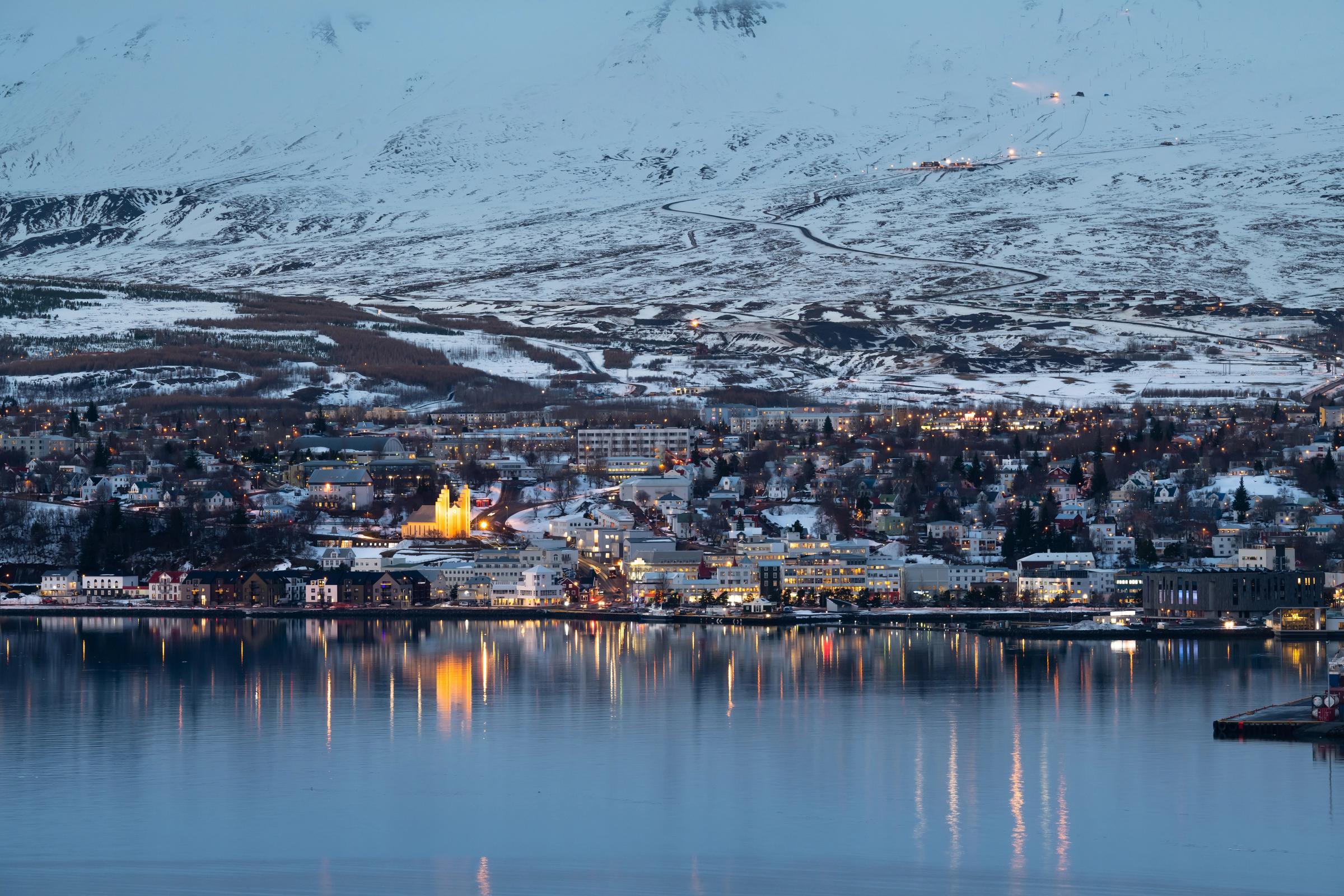
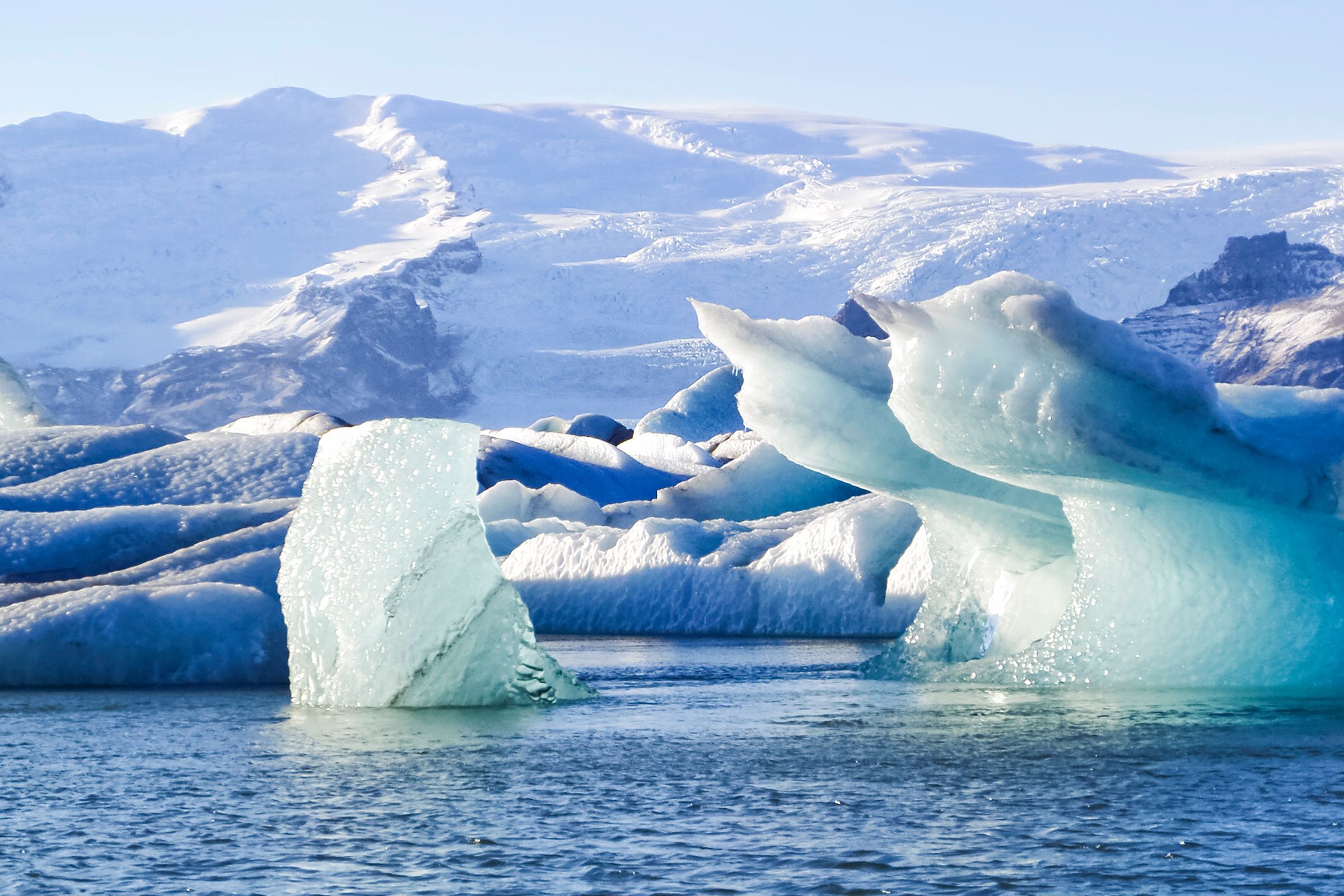
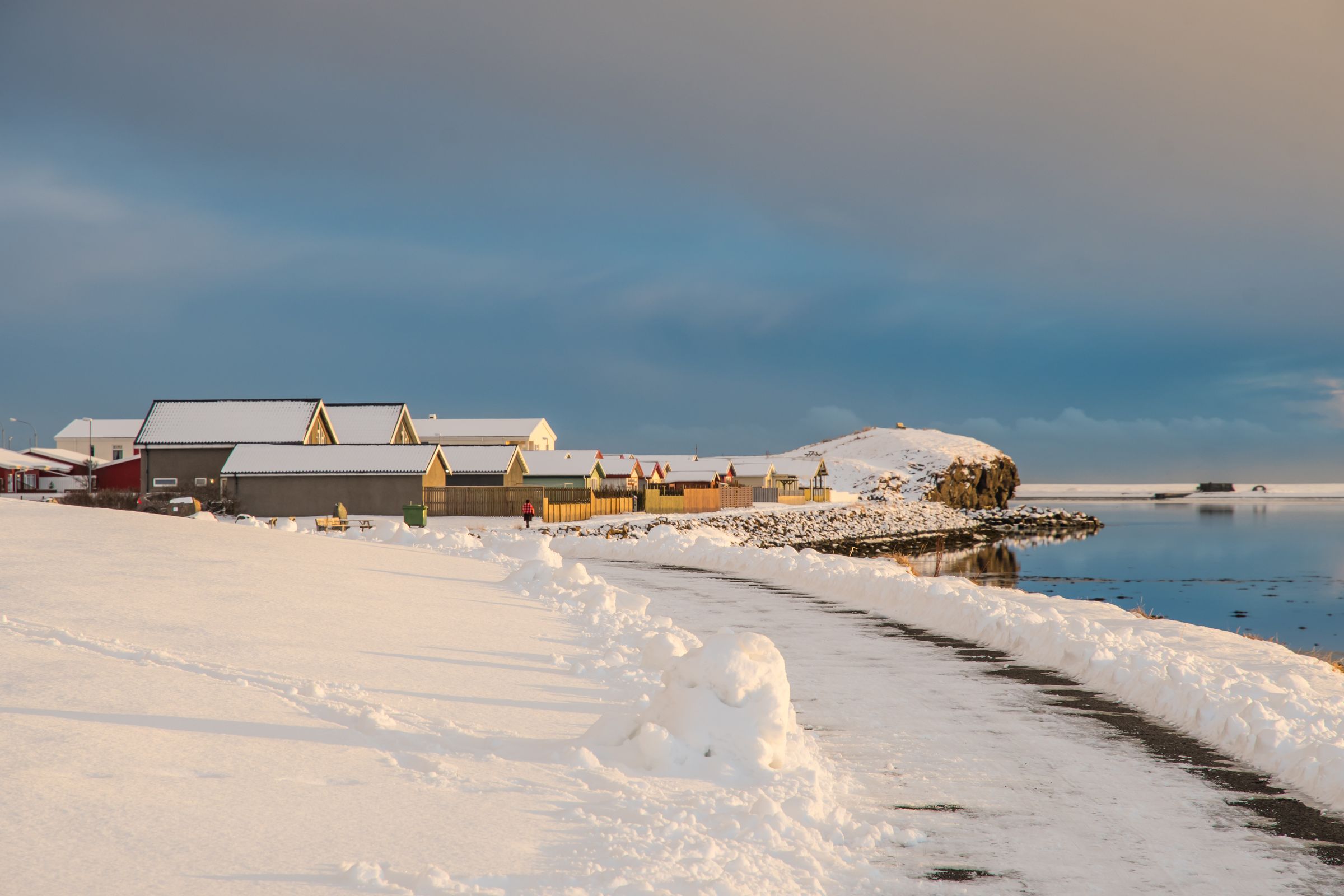
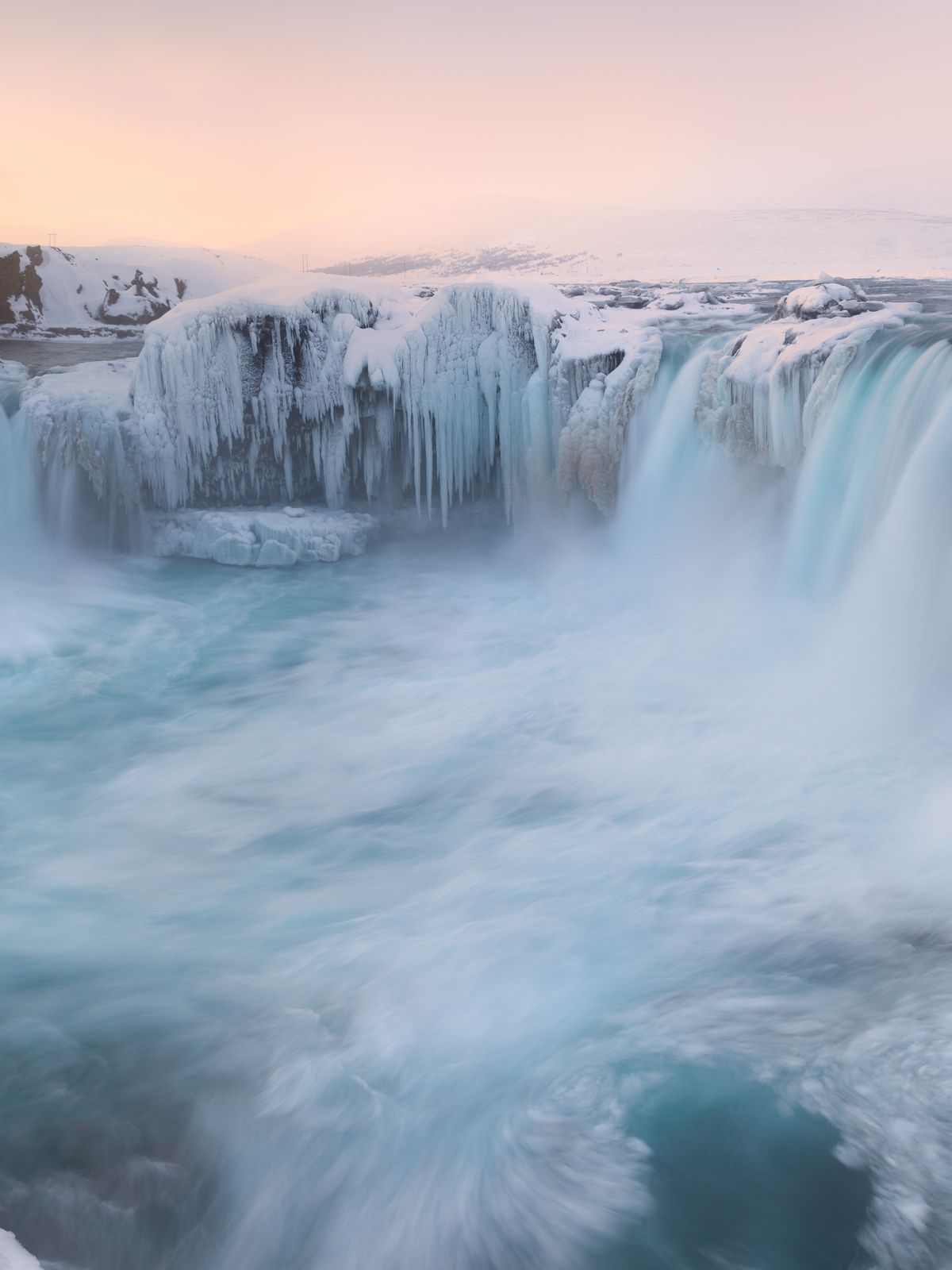
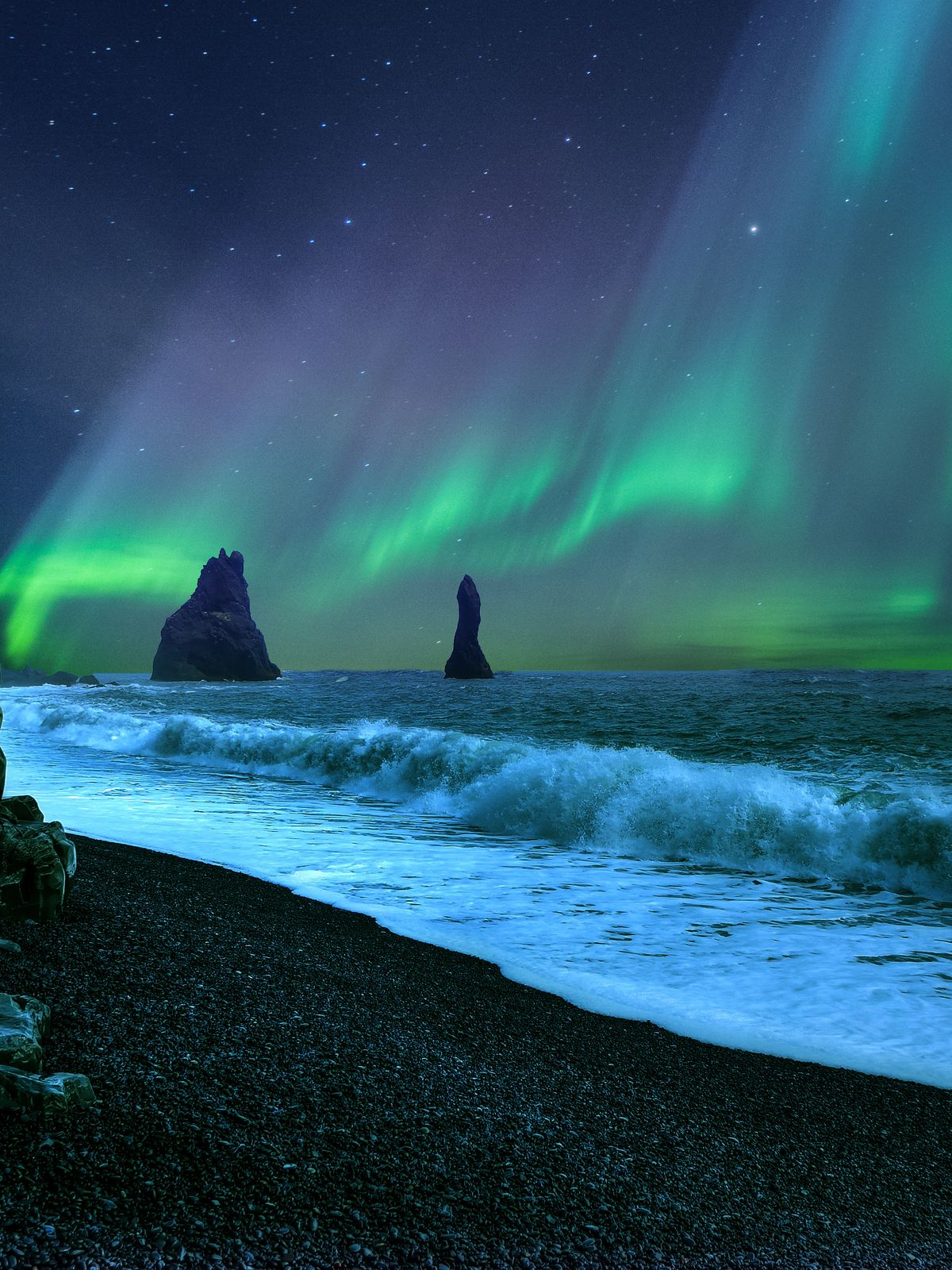
February in Iceland is real winter. Cold, snowy, windy, the whole deal. But it’s also when the country looks amazing, and you won’t be dealing with big crowds. If you’re ready for winter, it can be a great time to visit.
Here’s everything you need to know about the weather if you’re planning to visit Iceland in February.
Overview of the Weather in Iceland in February
February weather comes from Arctic air mixing with the North Atlantic, creating real winter conditions that change fast. Storms are frequent, and it’s normal to see sun, snow, rain, and strong wind all in one day. Winds around 25 mph are common, so plans need to stay flexible.
Temperatures in February
Most of Iceland sits between -3°C and +3°C (26–37°F) in February, but location matters a lot. Reykjavík is warmer, while northern, inland, and highland areas are much colder, with places like Hveravellir averaging -6.7°C and nights below -10°C. Wind chill makes it feel colder, and big temperature swings during the day are normal.
Rain & Snow in February
February brings snow, rain, sleet, or a mix, depending on temperature and location. Reykjavík usually gets snow 10–13 days with 15–20 cm total, while northern areas see 16–17 snowy days with snow that stays on the ground. Storms can cause whiteouts, slippery roads, and frequent weather warnings.
Daylight Hours and Northern Lights
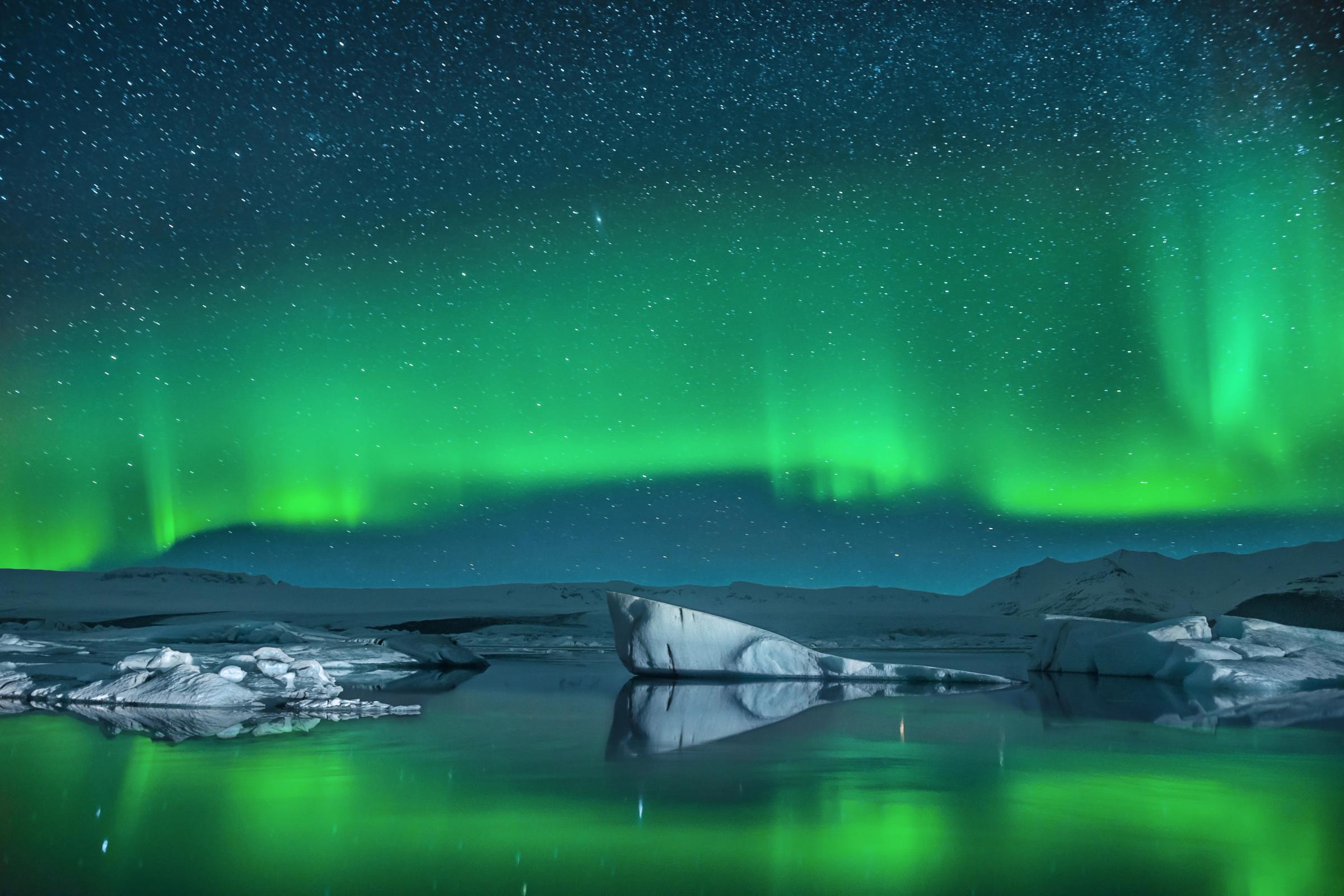
Daylight increases quickly in February, from about 7 hours early in the month to nearly 10 hours by the end in Reykjavík. The country gains around 7–10 minutes of daylight each day, making midday best for outdoor plans. Long nights make February one of the best months for northern lights, though clouds are common.
Weather by Region in February
Reykjavík and Southwest Iceland
This area has the mildest winter weather due to the Gulf Stream, with temperatures usually between 0.5–3°C. Precipitation often falls as rain or sleet, with 90–140 mm total, and snow usually melts quickly. Roads like the Ring Road and Golden Circle usually stay open, except during major storms.
North Iceland and Akureyri
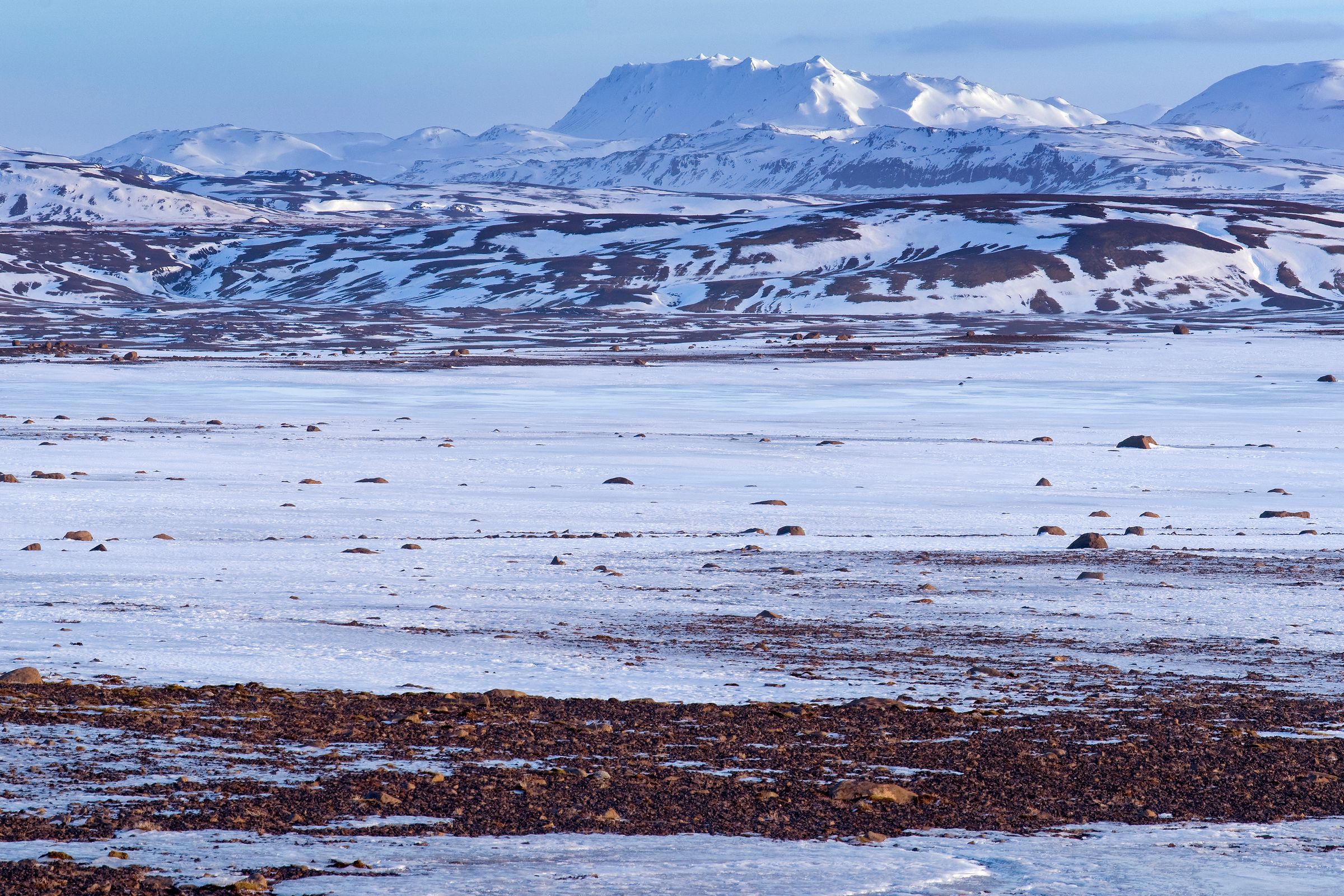
North Iceland is colder and feels more like a classic winter than the south. Temperatures range from -0.4°C to 2°C, with colder inland nights below -5°C. Snow falls on 16–17 days and stays all month, creating bright winter landscapes.
South Coast and Jökulsárlón Glacier Lagoon
The south coast gets some of the strongest winter storms in Iceland. Temperatures are similar to Reykjavík, but precipitation is much higher, often 145–225 mm in February. Winds are strong, and smaller roads near Jökulsárlón may close during storms.
East Iceland
East Iceland has very unpredictable winter weather, especially in the fjords. Coastal areas average around 1.1°C, while inland areas are much colder, with heavy precipitation often over 130 mm. Storms can close roads, increase avalanche risk, and cause isolation.
Icelandic Highlands and Ring Road Conditions
The Central Highlands are completely inaccessible in February, with temperatures from -6°C to -15°C and all F-roads closed. The Ring Road usually stays open in the south and west but may close in the north and east during storms. Conditions change fast, so checking weather and road updates is critical.
Recap of the Weather in February 2025
February 2025 was unusually warm, averaging 2.4°C above normal and ranking among the seven warmest on record. Record high temperatures were set, and rainfall was extreme, with Reykjavík at 141.7 mm and Stykkishólmur more than double normal. Snow cover was very limited, especially in Reykjavík and Akureyri.
What to Pack for Iceland in February
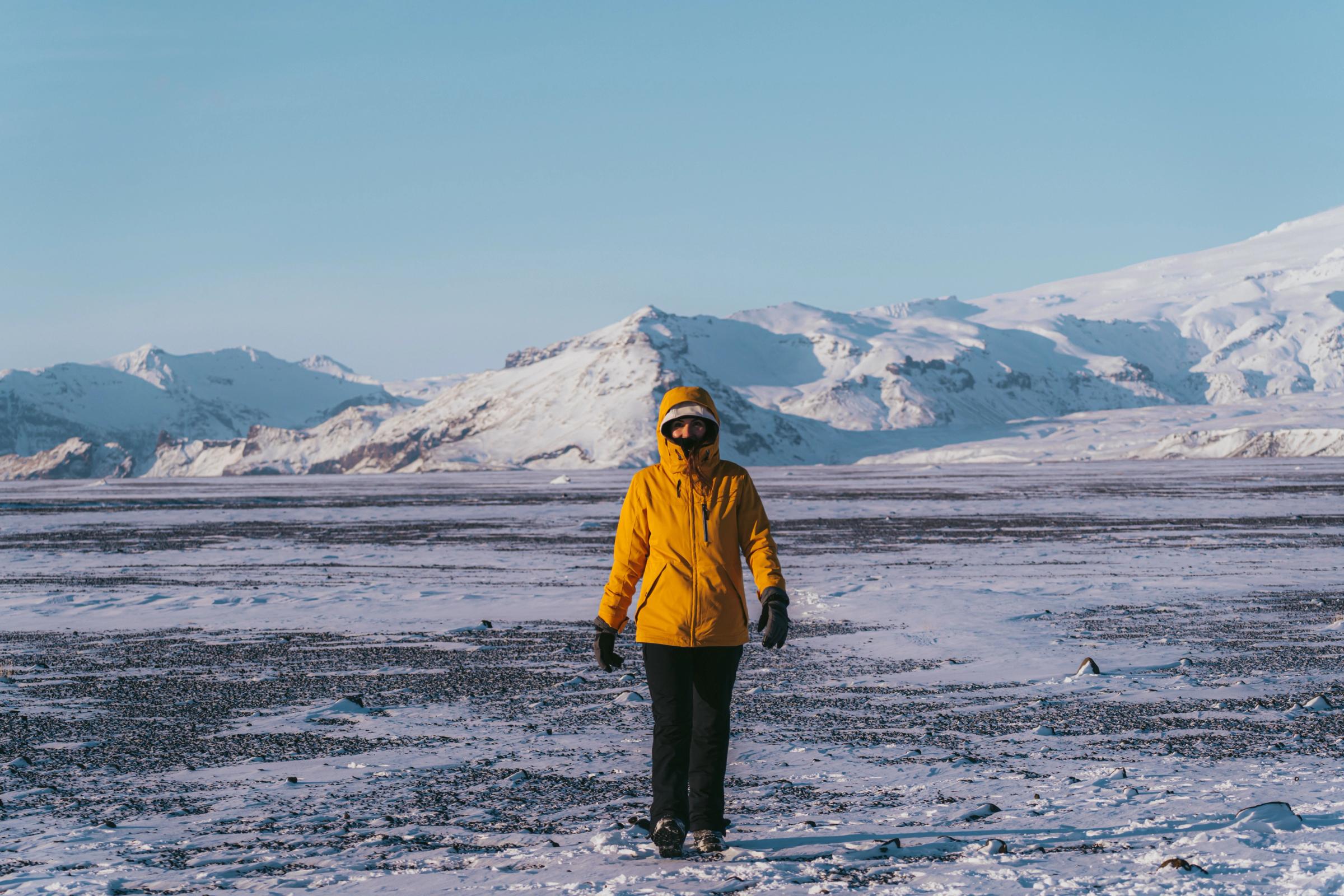
Dressing in layers is essential, starting with moisture-wicking base layers, warm mid layers, and waterproof outer shells. Insulated waterproof boots, thermal socks, and ice cleats are very important. Accessories, electronics protection, swimwear, and emergency supplies help you stay comfortable and safe.
Best Activities for Iceland's February Weather
February is perfect for ice caves, glacier hikes, and northern lights tours. Geothermal baths feel especially good in winter, with water around 38°C. Snowmobiling and winter photography are also popular thanks to snowy landscapes and low winter light.
Conclusion
February brings true winter conditions to Iceland, with cold, storms, and fast-changing weather. If you’re prepared and flexible, it can be one of the most rewarding months to visit.
Key Takeaways
It’s cold. Daytime temps are usually 1–3°C (34–37°F), and nights go down to around -2 to -5°C (23–28°F)
Snow shows up a lot, about 10–15 days of it, sometimes with strong storms
Days get longer fast, from about 7 hours of daylight to over 10
Northern lights are at their best thanks to long nights
The south is much milder than the north
The weather is getting stranger, and February 2025 was unusually warm and wet
Overview of the Weather in Iceland in February
February weather is what happens when icy Arctic air meets the North Atlantic. That mix makes things a bit warmer than you might expect for such a northern country, but you still get real winter conditions.
Storms come in one after another, so the weather changes a lot. It can be sunny, then snowing, then windy, all in the same afternoon. That’s just normal here. It means you need to stay flexible with plans.
The low-pressure systems that move in also bring a lot of wind. A normal day can have around 25 mph winds, and storms push that even higher. Because the air coming off the ocean holds moisture, you end up with snow, rain, sleet, or a mix of all three.
Temperatures in February
Most of Iceland sits between -3°C and +3°C (26–37°F) in February, but where you are makes a big difference.
Reykjavík and the southwest are the warmest areas. Highs are around 3°C (37°F), and lows are around -2°C (28°F). February 2025 was unusually warm, with an average temperature of 3.1°C, 2.6°C above normal. That made it one of the seven warmest Februarys ever recorded.
Northern towns like Akureyri are colder. Average temperatures run from about -0.4°C to 2°C (30–36°F). Go inland or into the Highlands, and it gets much colder. Hveravellir averages around -6.7°C (20°F), and nights can easily drop to -10°C (14°F) or lower.
Wind chill makes temperatures feel colder than they are. A calm 0°C feels fine. A windy 0°C can feel rough. Winds of 15–25 mph are common, so the “feels like” temperature is usually lower.
Big swings are normal. You might start your morning at -5°C and be at +5°C later in the day if a weather system moves through.
Rain & Snow in February
February gives you pretty much every kind of winter weather. Iceland sits right in the path of Atlantic storms, so there’s always moisture coming in. Whether it falls as rain or snow depends on the temperature and where you are in the country.
Snow patterns change a lot by region. Reykjavík usually gets snow around 10–13 days in the month, building up maybe 15–20 cm (6–8 inches) total. But because the ocean keeps temperatures slightly warmer, the snow often melts between storms.
In the north and east, snow sticks around much longer. They get 16–17 snowy days on average, and the snow piles up deep. In rural northern areas, snow can reach close to a meter deep by late winter.
Rain amounts are all over the place, too. Most areas get around 50–90 mm, but February 2025 was unusually wet. Reykjavík recorded 141.7 mm, which is 55% above normal. Some spots along the south coast had over 200 mm.
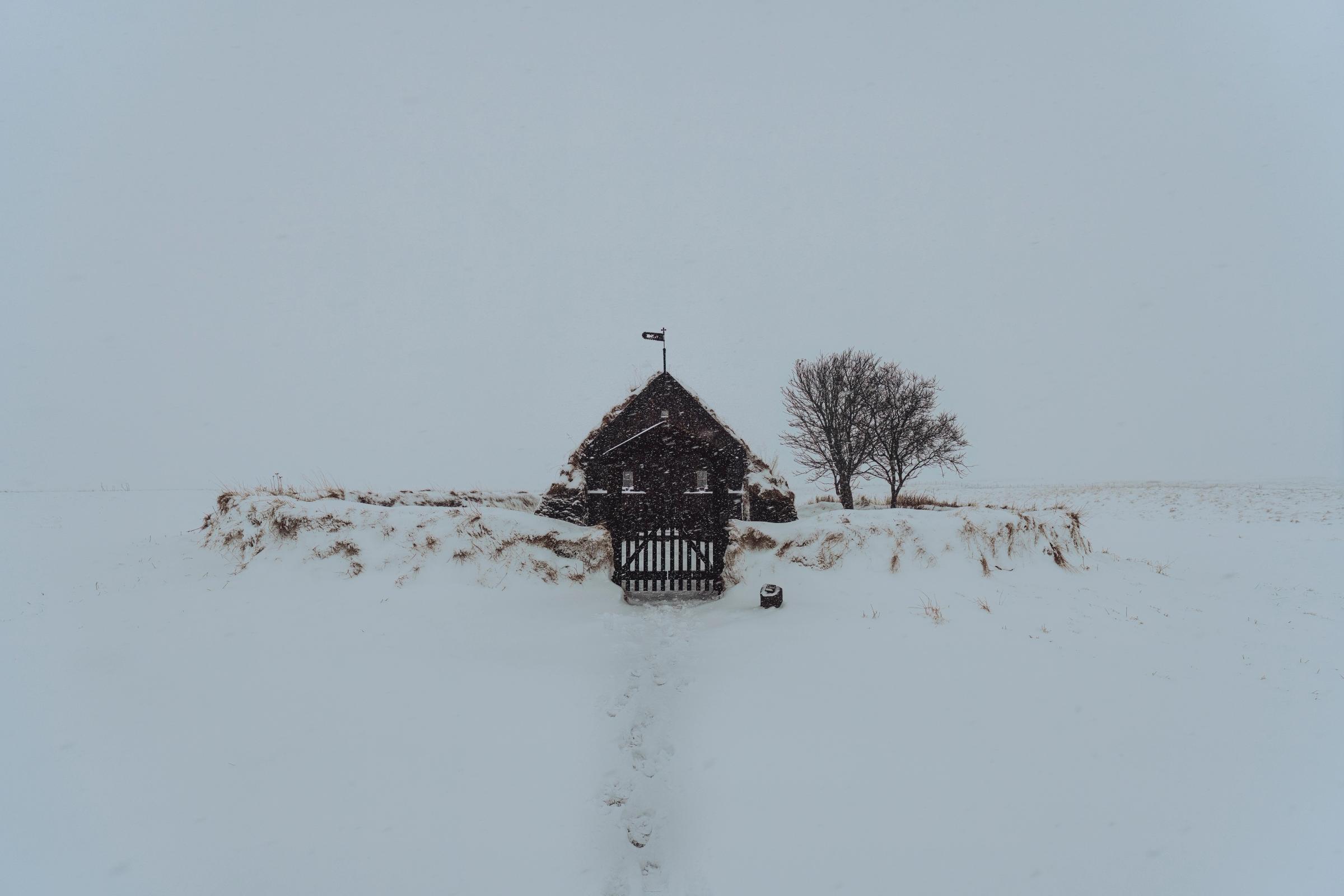
Storms can drop a lot of snow fast, creating whiteout conditions where you can’t see anything. These storms often come from the southwest and hit the south and west first.
Mixed precipitation is common near the coast. Rain can turn into snow, then into sleet, and then back again in the same afternoon. Sleet makes things very slippery.
The Icelandic Met Office often issues warnings in February for heavy snow, heavy rain, or nasty mixes of both that can affect travel.
Daylight Hours and Northern Lights
February is when Iceland starts climbing out of the dark winter period. You can actually notice the days getting longer even if you’re only visiting for a week.
Daylight increases fast. Reykjavík gets around 7 hours of daylight at the start of the month (sunrise around 10:00 AM, sunset around 5:00 PM). By the end of the month, it’s closer to 10 hours (sunrise around 8:30 AM, sunset around 6:30 PM).
Up north, in places like Akureyri, you start with around 6.5 hours of daylight in early February, but the increase is just as quick. The whole country gains about 7–10 minutes of light every day.
Sunrise and sunset are still late and early, so plan indoor stuff for early mornings and evenings. Save outdoor plans for the middle of the day.
Northern lights are excellent in February. Long nights plus peak aurora season make it one of the best months for them.
Clouds are the main problem. February skies are cloudy around 75% of the time, so you need patience. It helps to plan several nights for aurora chasing and be ready to drive around to find clearer skies.
Aurora forecasts from the Met Office give you info on both solar activity and cloud cover, which makes it much easier to know when to go out.
Weather by Region in February
Iceland’s landscape creates totally different weather zones. The Gulf Stream warms some areas more than others, so you can go from mild coastal weather to harsh inland cold in just a few hours of driving.
Reykjavík and Southwest Iceland
This part of the country gets the mildest winter weather because the Gulf Stream hits the coast here. This includes Reykjavík and the Reykjanes Peninsula.
Temperaturestypically range from 0.5–3°C (33–37°F), with highs around 3–4°C and lows around -2°C. February 2025 was warmer than usual here too, with Reykjavík averaging 3.1°C.
Precipitation is often rain or sleet rather than snow. Total moisture is usually 90–140 mm. Snow does fall, but it melts fast because temperatures stay close to freezing.
Wind still shows up, but it’s not as intense as in more exposed areas. Storms do bring strong gusts, though.
Getting around is easier here. The Ring Road and Golden Circle usually stay open, except in the worst storms. This area is great for winter first-timers.
North Iceland and Akureyri
North Iceland feels like a different version of winter compared to the south. It’s colder, snow stays on the ground longer, and the whole area has a more “classic winter” feel.
Temperatures range from -0.4°C to 2°C (30–36°F), noticeably colder than in Reykjavík. Inland spots often drop below -5°C, especially at night.
Snow is a big part of life up here. There are usually 16–17 snowy days in February, and the snow doesn’t melt between storms. It accumulates and remains all month.
Precipitation totals are lower than in the south, around 50–60 mm, but most of that comes as snow. That’s why the landscapes look so bright and white all winter.
Northern lights viewing can be excellent here because skies tend to clear more often, and there’s less city light. The long nights help too.
South Coast and Jökulsárlón Glacier Lagoon
The south coast sees some of Iceland’s most dramatic winter weather. Atlantic storms hit this area hard, and the large glaciers nearby affect the local climate.
Weather patterns here look similar in temperature to Reykjavík (around a 1.9°C average), but there’s way more rain and snow. Some spots get 145–225 mm in February, which is among the highest in the country.
Storm exposure is intense. This coastline is exposed to the full force of Atlantic systems, so the winds and precipitation can get very strong. The black sand beaches look amazing during storms, but you have to be careful near the water.
Glaciers like Vatnajökull create their own mini weather zones. Places close to the ice tend to be cooler and get more moisture.
Roads along the Ring Road usually stay open, but smaller side roads, including the ones around Jökulsárlón, might close during storms.
East Iceland, especially the fjord areas, gets some of the most unpredictable winter weather in the country. The mountains and distance from the Gulf Stream make the weather feel more isolated.
Temperatures near the coast, like in Höfn, average around 1.1°C, but inland fjord towns get much colder. The difference between coastal and inland temperatures can be huge.
Precipitation is heavy. Many places see more than 130 mm. It falls as rain near the coast and as deep snow in the mountains and fjords. Avalanche risk increases a lot during long snowfalls.
Isolation plays a big role here. If a storm hits, roads may close for a while, and assistance may take longer to reach you.
Getting around can be tricky. Mountain passes and remote roads often close in February, so you need extra time and a flexible plan.
Icelandic Highlands and Ring Road Conditions
No one travels into the Central Highlands in February because everything is buried in snow, but knowing what happens up there helps you understand the weather everywhere else.
Highland conditions are extreme. Temperatures stay below -6°C to -10°C and can reach -15°C or even lower. Deep snow makes the entire interior impassable, and all F-roads stay closed until late spring.
Ring Road access varies by section. The southern and western parts usually stay open, while the northern and eastern parts might close during big storms.
Checking the weather is really important if you’re driving the Ring Road in February. Things change fast. What looks safe in the morning can become dangerous later in the day.
Emergency prep matters too. If you’re driving, you need warm layers, blankets, snacks, water, a flashlight, and a first aid kit. If something goes wrong in winter, you need to be ready while waiting for help.
Rent a Campervan in Iceland
Explore Iceland no matter the weather with total ease and safety
February 2025 is a good example of how unpredictable Iceland’s winters are becoming. It also shows what visitors might expect as the climate keeps changing.
Temperatures were way warmer than normal. The national average was 2.4°C higher than the 1991–2020 baseline, which made it one of the seven warmest Februarys since records began in the 1800s.
Several records were broken. Sauðanesvita hit 17.6°C on February 1, the highest February temperature ever recorded in Iceland. Stykkishólmur reached 11.7°C the same day, which is wild for a place that has weather records going back to 1845.
Rain was extreme. Stykkishólmur got 181.2 mm of precipitation, more than double what’s normal and one of the wettest Februarys since 1856. Reykjavík had 141.7 mm, which is 55% above normal.
Storms were rough, especially the big southerly gale on February 5–6. It was one of the worst in recent years. Travel shut down all over the country, and the Eastfjords took heavy damage, especially around Stöðvarfjörður.
Snow barely showed up. Reykjavík had full snow cover on only three mornings, which is nine fewer than normal. Akureyri had only four snow-covered days, twelve fewer than normal, and the lowest since 2006.
Regional differences were huge. Inland areas warmed the most, while the coasts were a bit cooler. This aligns with shifting weather patterns that are increasingly affecting Iceland each year.
What to Pack for Iceland in February
Packing well is the key to enjoying Iceland in February. If you dress in layers and stay dry, the cold and wind are totally manageable. If you wear the wrong things or get wet, it becomes miserable fast.
Clothing Layers
Base layers are your starting point. Go with merino wool or synthetic thermals that pull moisture off your skin. Avoid cotton completely. Once cotton gets wet, it stays wet and cold.
Mid layers give you warmth. Fleece or wool sweaters are perfect since you can add or remove them as the temperature changes during the day.
Outer shells need to be waterproof and windproof. Look for jackets with sealed seams. A 3-in-1 jacket with a removable insulated layer gives you lots of flexibility.
Leg protection matters too. Wear waterproof pants or ski pants over thermal leggings. Jeans are a bad idea because they soak through and take forever to dry.
Cold Weather Accessories
Head coverage is important because you lose a lot of heat from your head. Bring a warm hat that covers your ears. A balaclava is great for really windy days or long nights outside watching the northern lights.
Hand protection works best in layers. Pack insulated waterproof gloves plus thin liner gloves for using your phone or camera. Mittens are great when you need extra warmth.
Neck protection, like a scarf or neck gaiter, keeps cold wind from getting into your jacket. It really helps keep your core warm.
Face protection can make harsh weather much easier to handle. A face mask or balaclava helps a lot when the wind picks up.
Footwear
Insulated boots are essential. They should be waterproof and warm enough for at least -10°C. Higher boots help keep snow out.
Traction devices like ice cleats are extremely helpful. You can slip easily on icy sidewalks and trails, so having grip can save you from a fall.
Thermal socks made of wool or synthetic materials keep your feet warm and dry. Bring a few pairs so you can swap them out if they get damp.
Waterproof gaiters keep snow from getting into your boots if you’re walking in deep snow or doing outdoor activities. Not needed in cities, but great for hikes.
Other Important Stuff
Swimwear might seem odd for February, but hot springs and pools are some of the best things to enjoy in winter.
Electronics protection helps a lot. Cold conditions drain batteries quickly, and wet weather can damage gear. Bring waterproof cases and extra batteries.
Emergency supplies are smart to keep in the car. Pack blankets, snacks, water, a flashlight, and a first aid kit. Winter problems can become serious fast.
Daypack essentials should include a thermos with a warm beverage, extra gloves, hand warmers, lip balm, and sunglasses for sunny, snow-filled days.
Best Activities for Iceland's February Weather
February’s tough weather actually opens the door to some of the coolest things you can do in Iceland. A lot of winter-only activities are at their very best this month. The trick is to pick things that work well with the weather instead of trying to fight it.
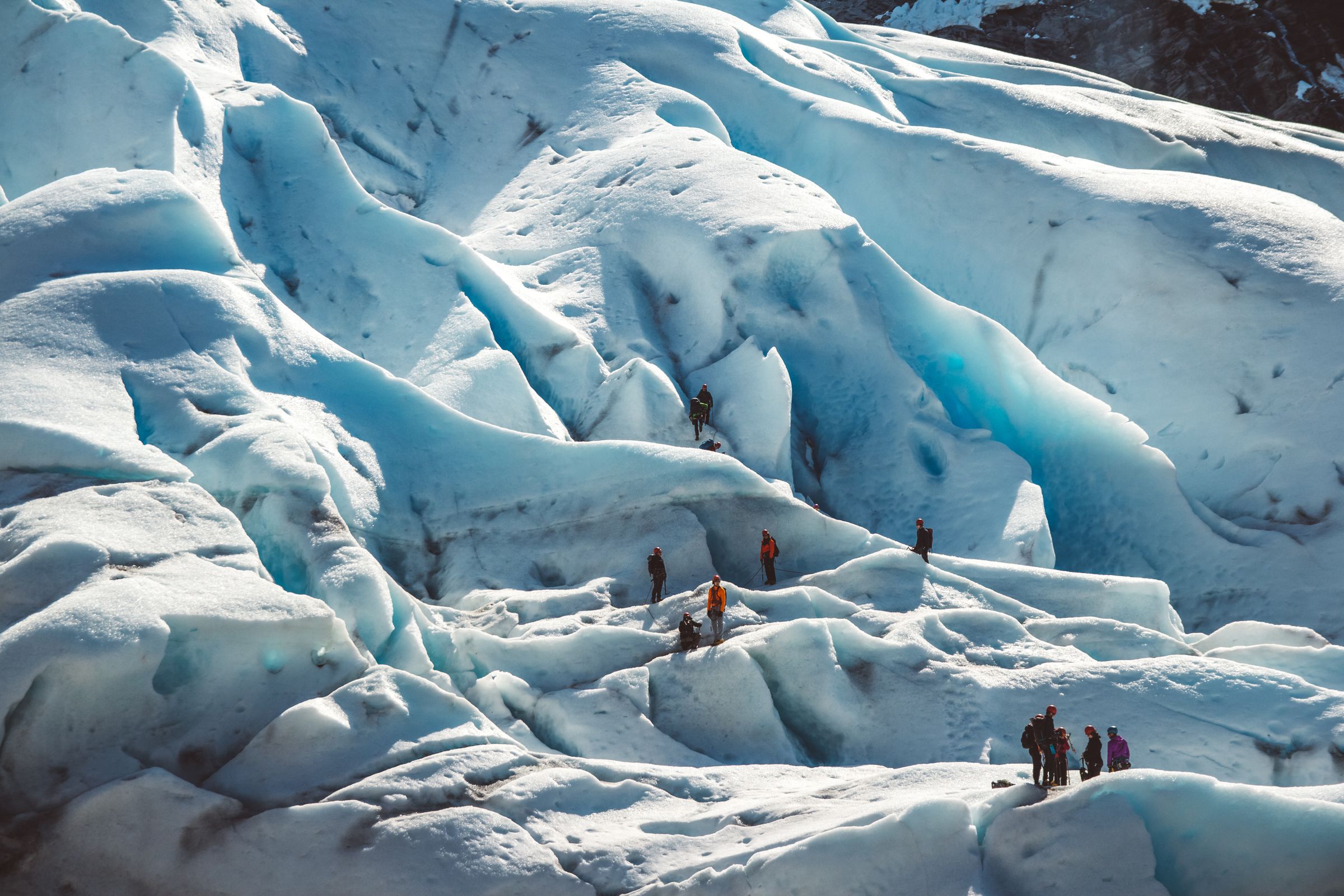
Ice cave tours are a big highlight. February is when glacier caves are usually the most stable and safest to visit. The blue ice inside Vatnajökull looks unreal and is something you can only experience in winter.
Glacier hiking is great this time of year, too. Guided tours take you onto the ice where the snow, low winter sun, and frozen surfaces create colors and textures you won’t see in summer.
Northern lights tours take advantage of the long nights. February is peak season, and guides know the best spots to check when clouds get in the way.
Geothermal baths feel even better in winter. Sitting in hot water at 38°C while cold air and snow surround you is one of the best feelings you’ll have on this trip. Places like the Blue Lagoon and small local pools are perfect for this.
Winter photography is amazing. Snowy landscapes, frozen waterfalls, sunsets with low sun angles, and northern lights give you tons of great shots.
Snowmobiling on glaciers is another classic February activity. Tours often run on Langjökull and other glaciers, and it's a fun way to see big winter landscapes you can’t reach on foot.
Conclusion
February in Iceland brings real winter conditions, and you have to respect them. You’ll deal with freezing temperatures, storms, and fast-changing weather. But if you’re prepared, this month can be one of the most rewarding times to visit.
Frequently Asked Questions About the Weather in Iceland in February
Yes, as long as you’re ready for winter weather. It’s a great month for viewing the Northern Lights, exploring ice caves, and enjoying winter scenery. Plus, there are fewer tourists compared to summer
Most towns sit between -2°C and 3°C (28–37°F). Wind chill often makes it feel colder. In northern and inland areas, temperatures can drop to -10°C (14°F) or even lower.
Yes. February is one of the snowiest months, with 10–17 snowy days depending on where you are. The south gets more rain and sleet, while the north keeps steady snow cover.
Definitely, February is one of the best months for northern lights because the nights are still long, and it’s peak aurora season. Clear skies are the only challenge, so plan a few nights for chasing them
It can be, but you need to be comfortable driving in winter conditions. A 4x4 helps a lot, and you should check weather and road updates often. Many visitors choose guided tours instead. Always follow road closures and warnings.
About the author
Aron Freyr
Born and raised in Iceland, Aron Freyr has spent all 28 years of his life exploring the country and getting to know its landscapes, regions, and ever changing conditions. From long summer road trips to winter journeys through remote areas, he has traveled across Iceland more times than he can count. As part of the Go Car Rental Iceland team, Aron turns this firsthand experience into trustworthy, practical guidance that helps visitors navigate Iceland with confidence. His deep local insight makes him one of the most reliable voices on Icelandic travel today. He claims this expertise also includes knowing exactly which gas stations make the best hot dogs.