Morsárfoss Waterfall: Iceland's Tallest Cascade inside Europe’s largest national park
There are countless waterfalls in Iceland. The unique orography of the country, shaped by volcanoes, glaciers, and the separation of tectonic plates, among others, has created towering mountains and deep valleys, often crossed by glacial rivers. These rivers often encounter cliffs and drops, resulting in the many waterfalls that can be found on this island. And, even if Iceland is not a huge country, there are certain corners and areas that have been barely explored, and surprises can be found every now and then. Even if they seem hard to miss.
If you don’t believe that’s possible, let us introduce you to Morsárfoss, the tallest waterfall in Iceland. It wasn’t until a few years ago that it was discovered. It had been hidden underneath a thick ice cap, but the retreat of the glaciers revealed its majestic size. Now, it can be seen coming out of Vatnajökull, the largest glacier in the country and in Europe. It’s not easy to reach it, but it’s a great addition to an itinerary through South Iceland. Get your hiking boots ready and come with us to discover this unique place.
Key Takeaways
- Morsárfoss is the tallest waterfall in Iceland, with 228 meters (748 feet).
- It originates in Vatnajökull, the largest glacier in Iceland.
- The waterfall was discovered in 2007.
What's Morsárfoss?
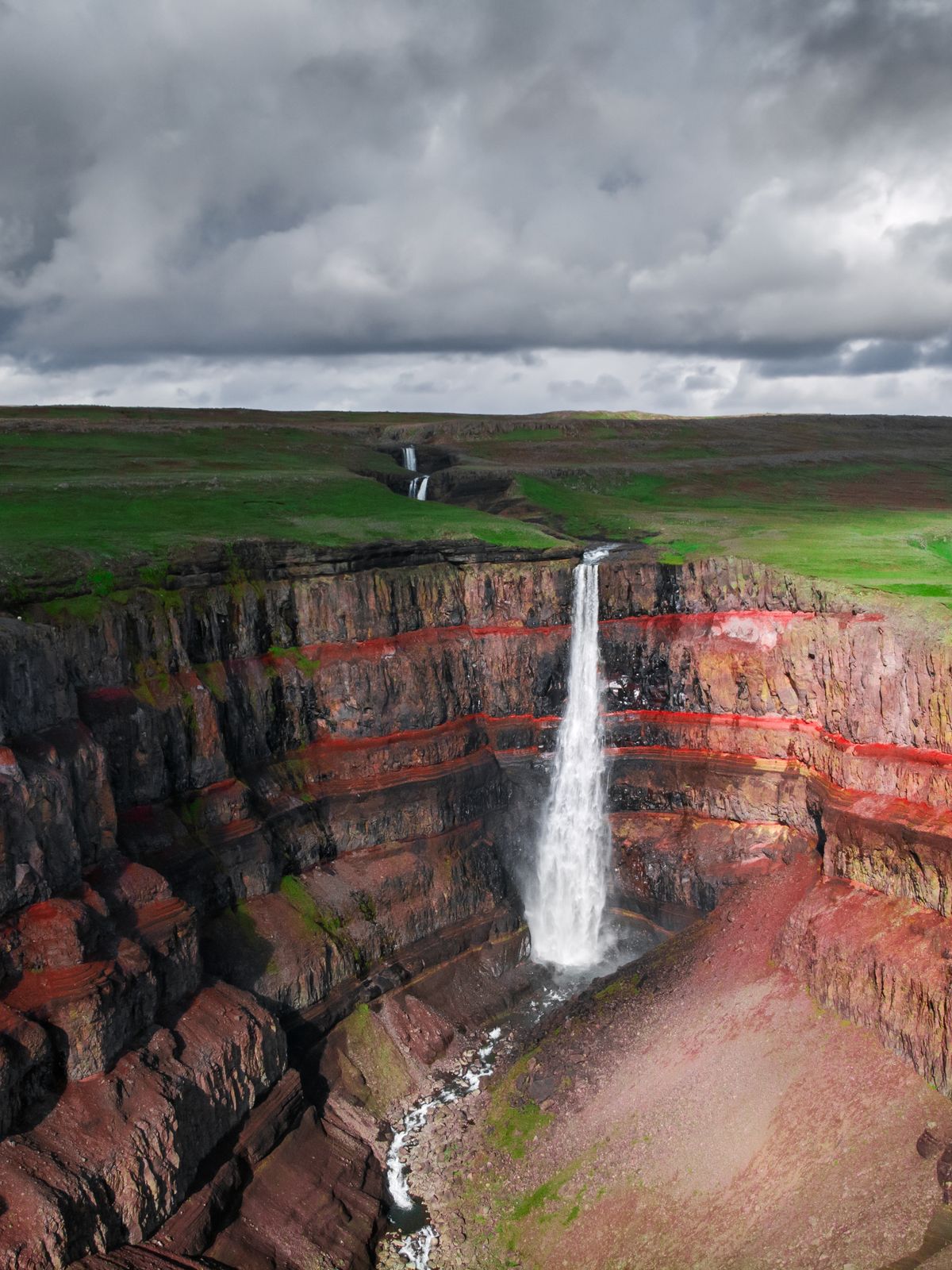
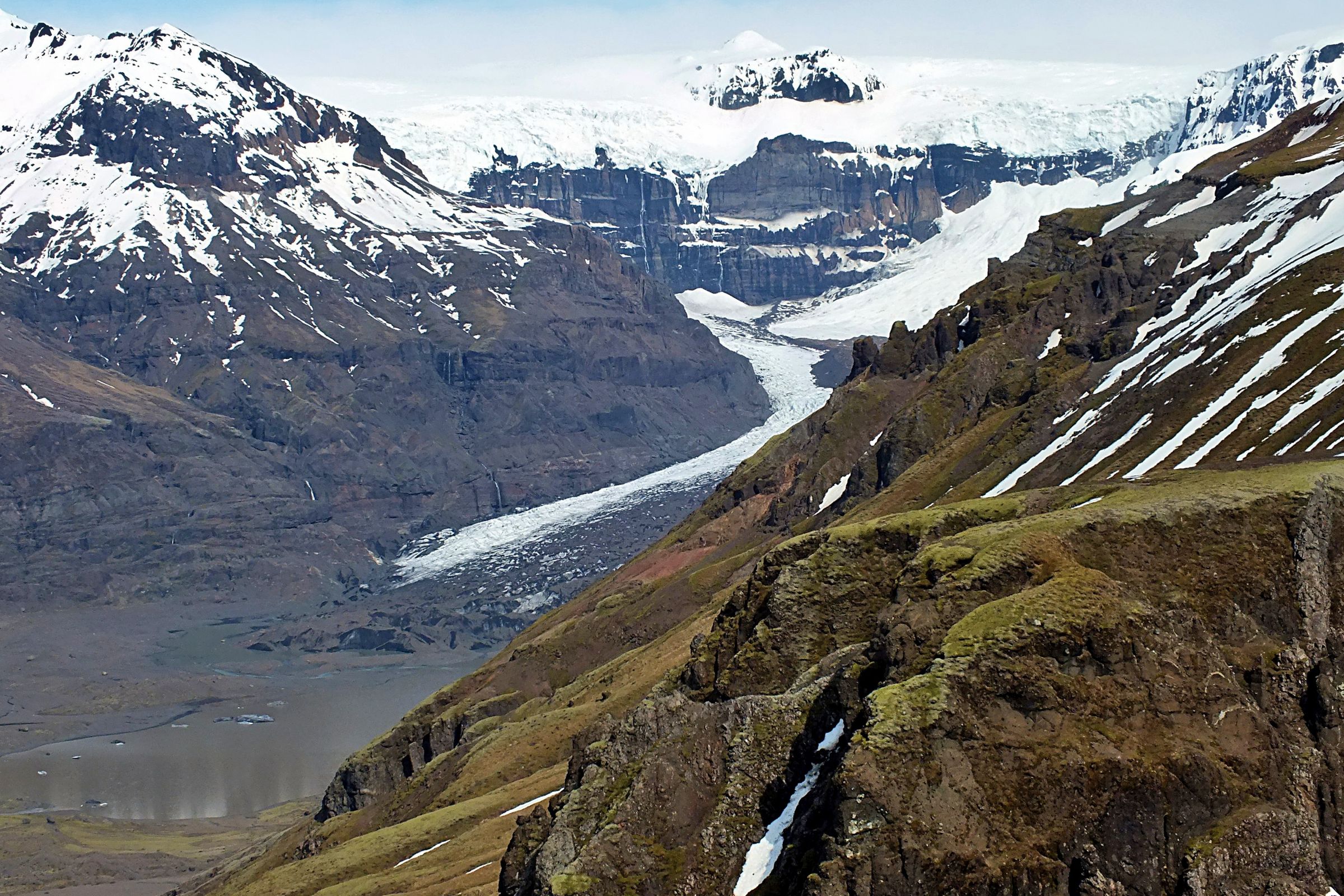
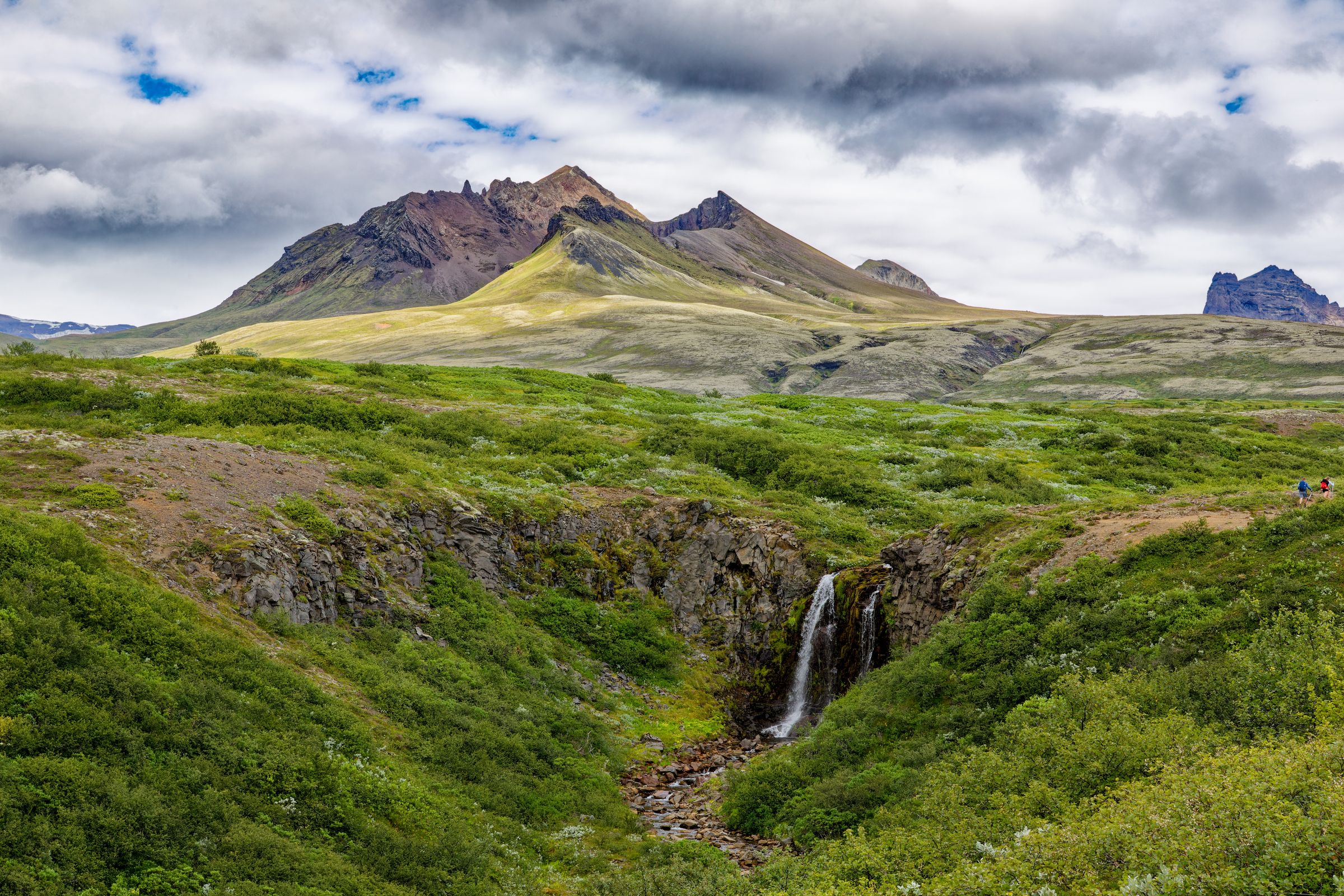
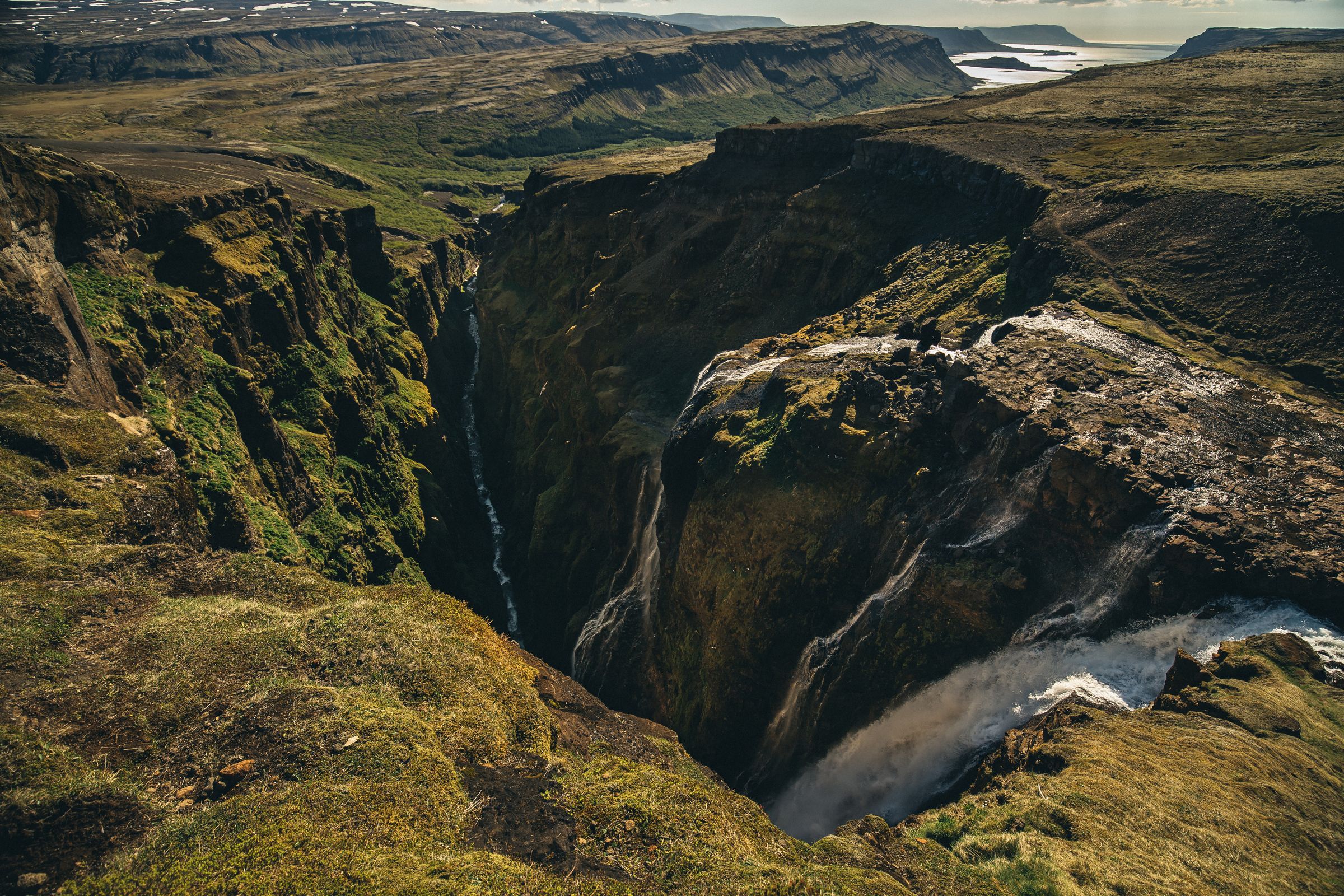
Morsárfoss isn't just any waterfall – it's a force of nature. This magnificent natural feature originates from the retreating edges of Morsárjökull, one of the many glacier tongues that come out from Vatnajökull, Europe's biggest ice cap. The first thing one sees when arriving there is a massive stream of water plunging straight down a rocky face, with smaller cascades joining in. There are parts where the drop is not that vertical, but they create a different backdrop.
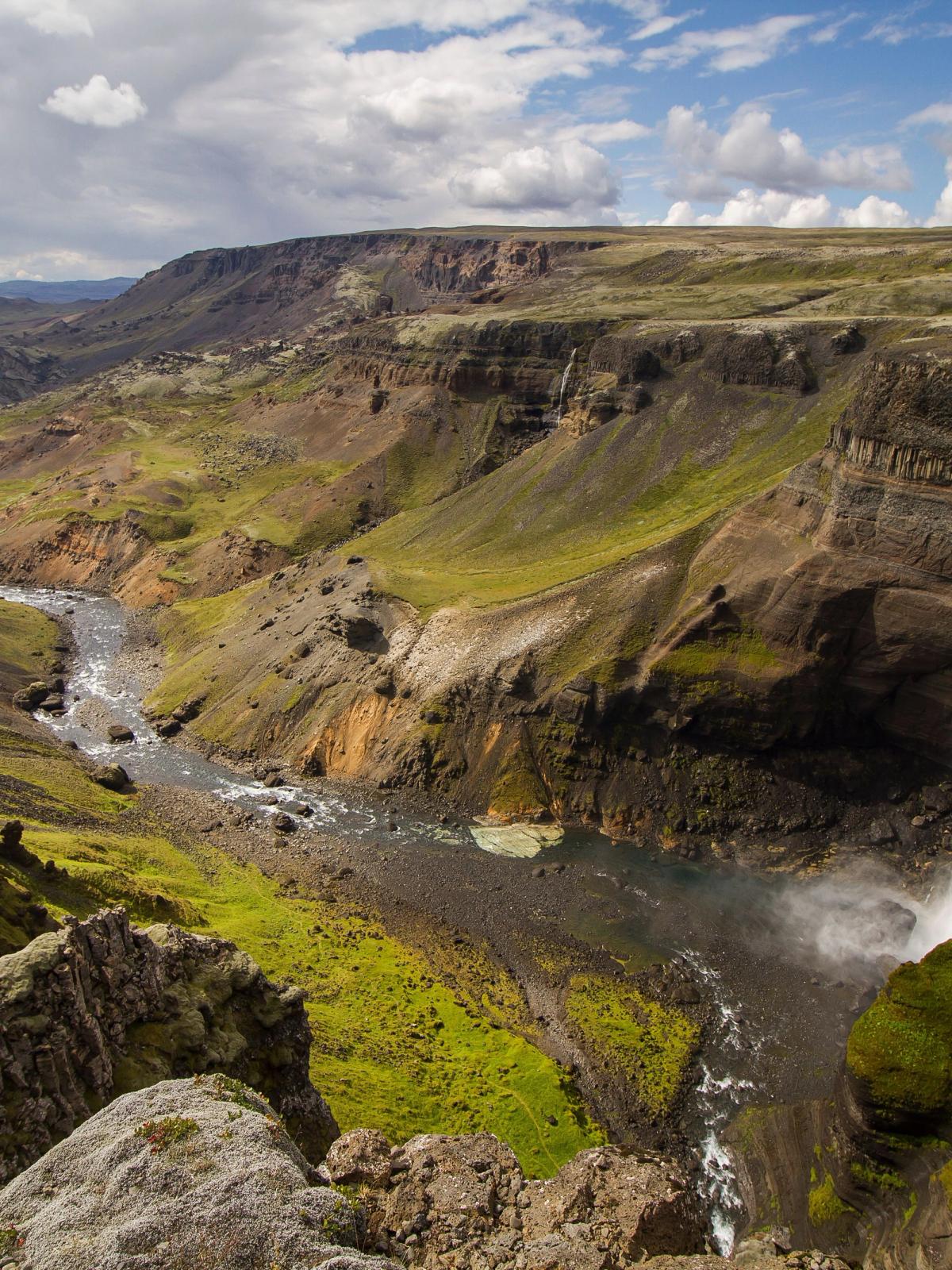
The surroundings are pure Iceland. Towering rocky cliffs, chunks of blue ice, and vast open spaces that make you feel small in the best way. Although this is a place that has been shaped by the action of natural forces for centuries, it feels, at the same time, somewhat new. Morsárfoss was discovered in 2007, when it started to become visible. Glaciers are retreating, in general, all over the world as a result of climate change. In this particular case, the Vatnajökull, and more precisely the tongue Morsárjökull, started to pull back, revealing this natural masterpiece. Before that, it was hidden under ice, and now it's out there for us to admire, a reminder of how Iceland's landscapes are in constant evolution.
At first, it was clear that this was a monster of a waterfall, but, of course, scientists wanted to know exactly how much. Because of its location and difficult access, measuring it was a bit tricky. After some work and efforts involving ropes and careful steps over crevasses, it was officially crowned Iceland's tallest. Teams had to deal with slippery ice and changing conditions, but their work paid off.
Formation & Folklore
Because of its recent discovery – although we don’t know exactly how long Morsárfoss has been around – there’s not much history around this waterfall. Most of the natural monuments in Iceland have legends attached to them, showcasing the connection between nature and folklore so common here. However, there's no ancient Viking saga tied specifically to Morsárfoss – at least none we've uncovered yet – but the whole area looks like a great scenario for some tale about a mythological battle involving giants, trolls, and elves.
The Vatnajökull glacier itself is like a living myth, with its volcanoes under ice and rivers carving new courses. For you as a traveler, it's about the thrill of discovery. You can’t get near the waterfall in a vehicle. You can drive up to the area and park your campervan, but then you’ll have to hike a few miles to see this beast from the viewpoint. As you get closer, you’ll start to hear the roar of the water. It’s not just a fantastic sight, but also a totally immersive experience in Iceland’s wildest side.
If you're into geology, this spot shows off how meltwater erodes volcanic rock over time, creating these dramatic drops. And since it's part of a national park, you're in a protected zone where wildlife like ptarmigans or arctic foxes might pop up during your hike. Because of its recent addition to the country’s list of waterfalls, it’s not as famous as others, so not many tourists go there to see it. It’s a place that changes with the seasons, and going in winter can be difficult, but we’ll get into that later.
Facts about Morsárfoss Waterfall
Facts about Morsárfoss Waterfall
Let's break down the name first, because Icelandic words are often quite descriptive.
- "Foss" is straightforward – it means waterfall.
- "Ár," derived from á, means water, or river, like in this case.
- Then we have “mors,” which is a bit trickier. It can mean something dar,k but can also go for stony.
So, in this case, the name is not that clear in meaning as other natural elements are in Iceland. If we take into consideration that the waterfall comes out of the Morsárjökull glacier tongue, it’s easy to see the connection.
- “Jökull” means glacier.
- The name was picked in 2011 through a public contest with over 1,000 entries.
Regarding its size, Morsárfoss towers at around 228 meters (that's about 748 feet) for the main plunge.
- However, the first estimations measured it at 240 meters when including bits hidden by snow.
- Either way, it dethroned Glymur as Iceland's tallest, which stands at 198 meters.
- It’s not very wide, though – it's more of a focused jet than a wide curtain of water.
The volume of water changes with the seasons.
- Being at its highest in summer, when glacier melt increases the flow.
- The drop is so big that there’s an almost constant mist coming out that can drench visitors even from a distance.
- If there’s wind, the effect could be even bigger.
- In winter, if it’s really cold, the waterfalls can freeze up almost completely, creating some amazing ice sculptures.
Where's Morsárfoss Waterfall and How to Get There
Tucked in southeast Iceland, Morsárfoss calls Vatnajökull National Park home, right near the Skaftafell Nature Reserve. It sits at the edge of the Vatnajökull glacier. It’s not far from the famous Ring Road, Iceland’s main highway, so it’s relatively easy to access. At the same time, it’s far enough to feel remote.
Hands down, the best way to reach it is by car or, even better, a campervan. You've got the freedom to stop whenever and wherever you want, save money by cooking in the van, and choose between the many campsites where you can park for the night.
If you’re coming from Reykjavik, the itinerary is quite easy to follow. Start by taking Ring Road (Route 1) eastbound. You'll cover about 327 kilometers (203 miles), which normally takes roughly 4 hours. Pass through towns like Selfoss and Hveragerði early on, then cruise past Vík around the 187-kilometer (116-mile) mark. From there, it's another 140 kilometers (87 miles) through lava fields and open plains until you see a road on the left with signs for Skaftafell. Pull into the visitor center parking lot; it's well-marked and has spots for campervans.
Along the way, you’ll pass by some of the most spectacular monuments in South Iceland, so you might want to stop and see them, adding more minutes to your trip. You could also plan to get to Morsárfoss as part of a road trip, dividing this itinerary into two or three stages.
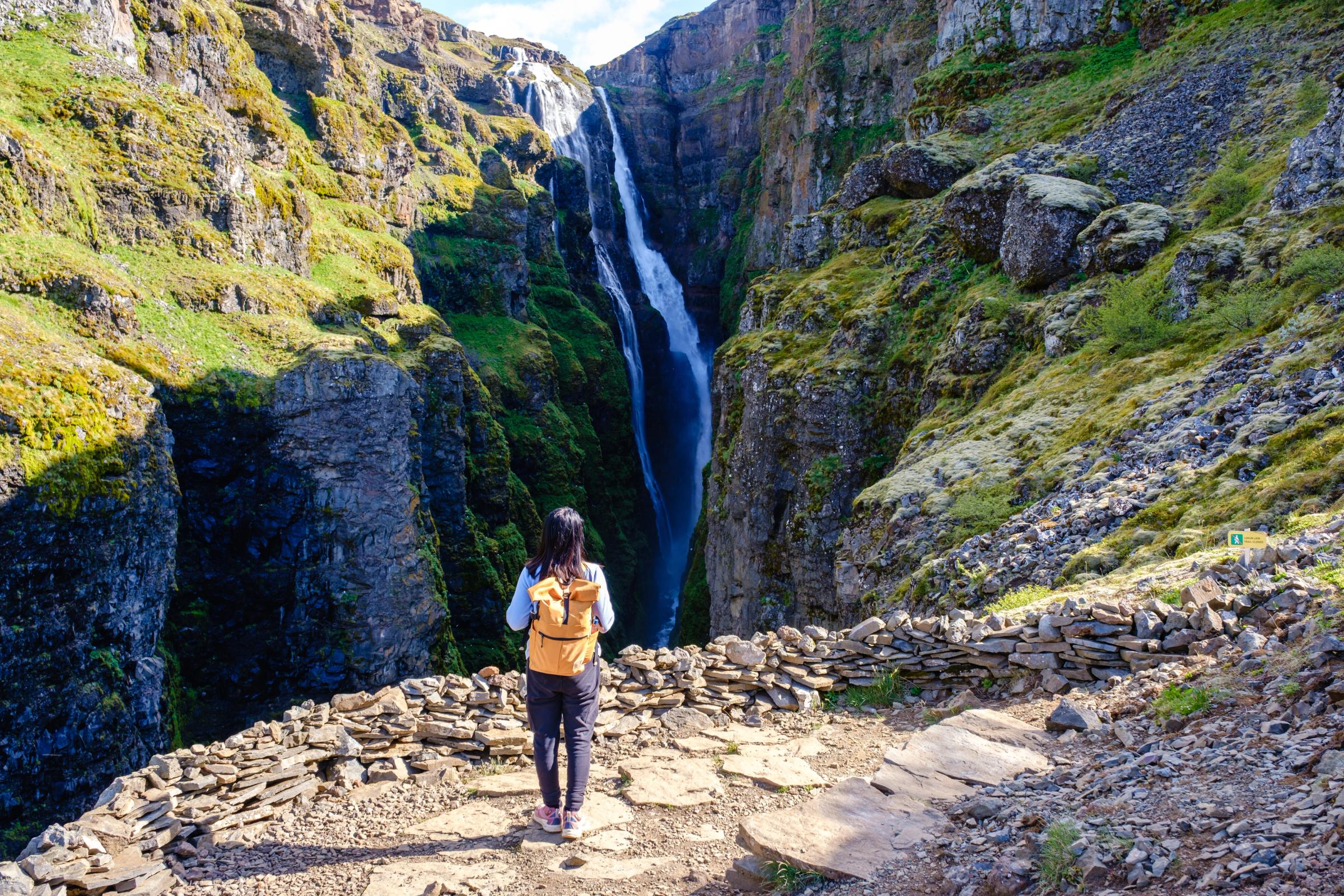
Either way, the trip doesn’t end at the Skaftafell parking area. Once parked, the real fun starts: you can't drive right up to the falls. It's hike-only from here. Grab a backpack with water and a snack and follow the trail toward the Kristínartindar peaks. It's about 6 kilometers (3.7 miles) one way, with some uphill sections that are a bit harder. Plan around 4-5 hours round trip. The path is marked, but it can be rocky and muddy, so a good pair of boots are key. You'll get distant views of Morsárfoss along the way with the massive Vatnajökull behind, perfect for photos.

Where to Stay Near Morsárfoss Waterfall
One of the best things about making a road trip through Iceland in a campervan is that there are tens of camping grounds where you can go for the night. Even if Morsárfoss is a bit remote, you have a few good options nearby.
Skaftafell Campsite
Distance to Morsárfoss: Just at the start of the trailhead – couldn't sleep any closer. Opening period: Year-round, though some areas close in heavy snow.
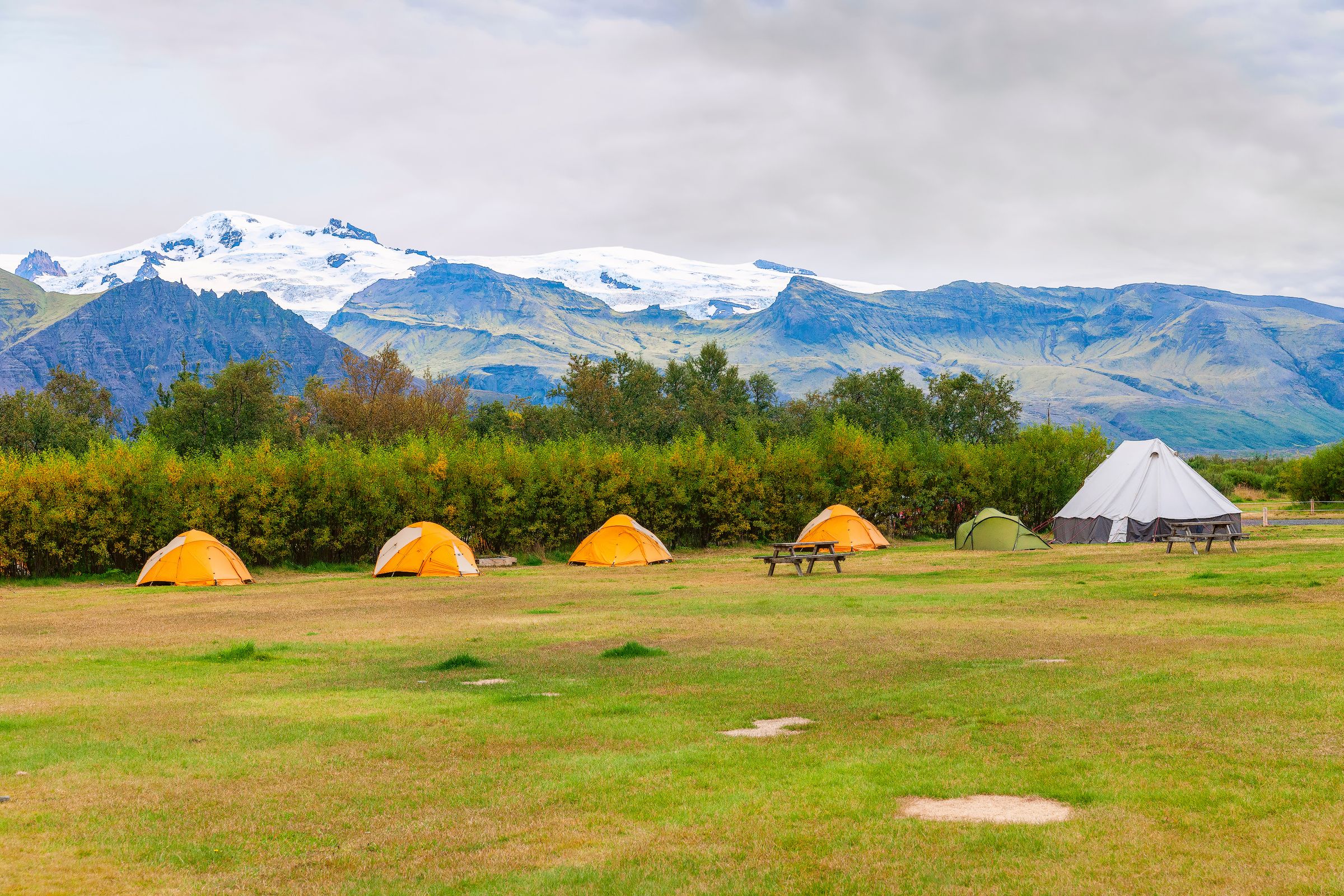
This camping site is inside Vatnajökull National Park, just meters away from the Skaftafell visitor center. It’s one of the best options if you want to stay close to Morsárfoss. In fact, you can’t get any closer, because the trail that goes up to the waterfall starts at the visitor center. The campsite itself is quite big, with lots of pitches for both tents and campervans, with more than 400 spots. The facilities are basic but well-maintained, with toilets, showers (additional fee), sinks to do the dishes, and tables for eating. There’s no kitchen, so you must cook in your van or on a stove you bring. The location is unbeatable, and it’s very close to Svartifoss, one of the best waterfalls in Iceland.
Svínafell
Distance to Morsárfoss: Around 8 kilometers (5 miles) to the trailhead. Opening period: May to September.
Just a short drive from Skaftafell, Svínafell offers a quieter escape with a large service building, Skáli, housing toilets, showers, and a communal kitchen. Campervans are welcome, but there’s no electricity available. This site also has six cabins for four people that can be rented, but you must bring your own sleeping bag. They don’t take reservations in advance.
Hörgsland
Distance to Morsárfoss: About 60 kilometers (37 miles) west, near Kirkjubæjarklaustur. Opening period: June 1 to September 30.
Set in a pretty valley, Hörgsland mixes a camping area with cottages, with spaces for campervans, too. It’s a very comfortable site with toilets, showers, electricity, Wi-Fi, laundry room, shared kitchen, outdoor and indoor lounge area, playground for children, and hot tubs. The staff organize different activities, such as horse-riding tours. You can also get fishing permits on site.
Kleifar-Mörk Camping Ground
Distance to Morsárfoss: Roughly 72 kilometers (45 miles). Opening period: June to August.
A quite cheap and basic option to spend the night. This campsite is in a nice valley, surrounded by trees and hills. The facilities are simple, with just toilets and running water.
Kirkjubær Camping Ground
Distance to Morsárfoss: Around 70 kilometers (43 miles) west in Kirkjubæjarklaustur. Opening period: March to September.
Just outside the town of Kirkjubæjarklaustur, this campsite is equipped with everything you need for a cozy campervan stay. The flat, grassy area is ideal for parking, and the electricity hookups allow you to charge devices or run small appliances. The facilities feature toilets, showers, electricity hookups, a communal kitchen, a washing machine, and a dryer. The village has a shop, a gas station, and a restaurant, which can be very convenient for restocking. In addition to camping, they also offer sleeping bag accommodation in seven heated cottages.
What to See and Do Near Morsárfoss Waterfall
Going to Morsárfoss is a great and true Icelandic adventure. But once you're in the area, why stop at just the falls? Draw an itinerary through this part of the country and make the most out of your trip.
Vatnajökull National Park
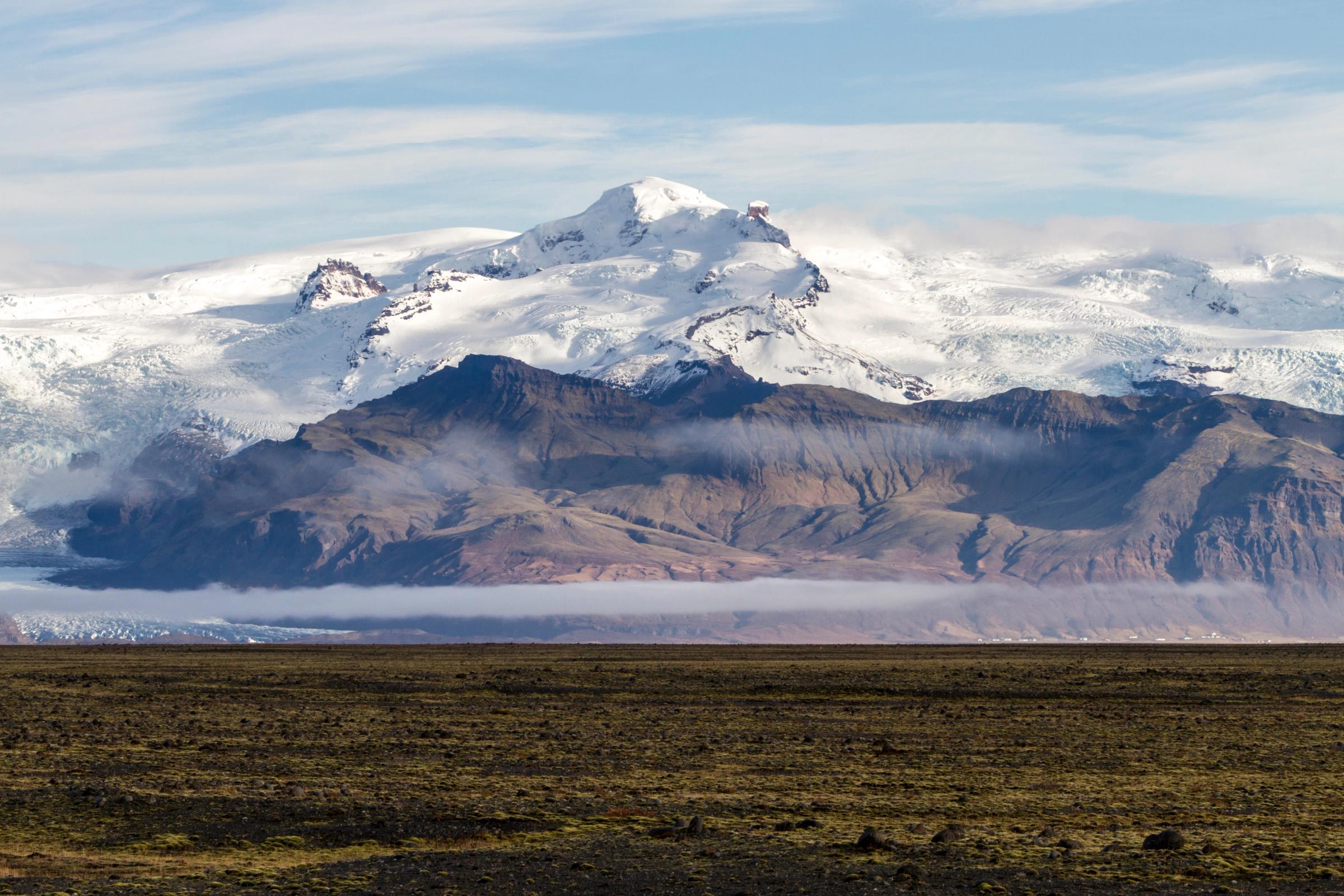
Technically, if you go to see Morsárfoss, you’re already inside the park. Vatnajökull is one of the three national parks in Iceland. It’s also the largest not only in the country, but in Europe. The park’s centerpiece is the glacier of the same name, also the biggest in the continent, but it’s so big that not everything is ice. There are many different ecosystems inside, for all tastes. One of the most popular things is guided tours on the glacier. The expert guides will give you amazing insights about the park and glaciers in general, as well as safety gear like helmets and crampons. In winter, you can embark on a visit to the ice caves. Every summer, meltwater carves the glacier, creating tunnels and crevasses. When the cold arrives, it freezes up again, creating unique formations that are different each year.
Skaftafell
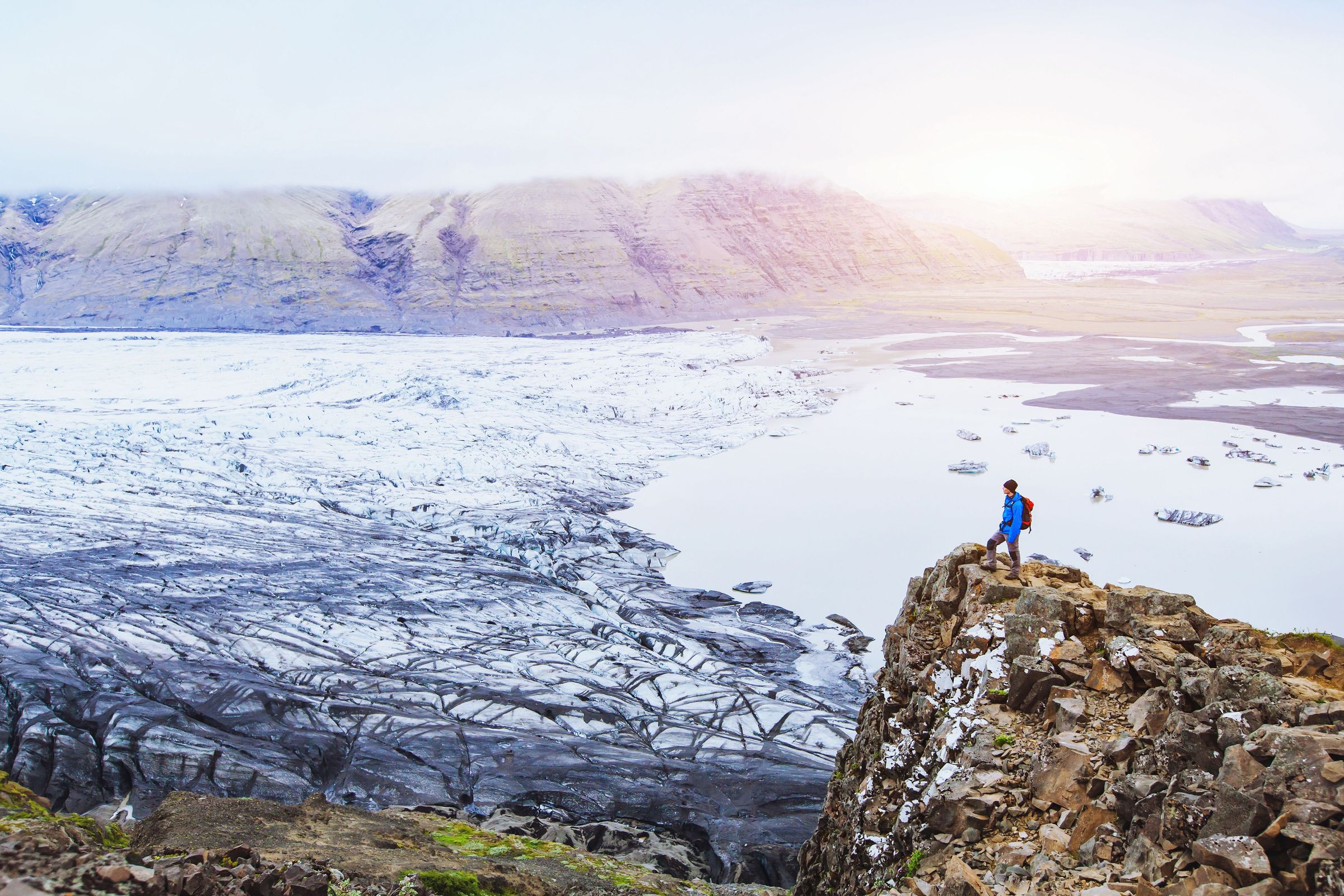
This nature reserve is also part of the park, but deserves a mention apart. It’s also the area where Morsárfoss is in. In fact, the trail to the waterfall starts at the visitor center, so it might be a good idea to begin your visit there. They provide maps and have exhibits on the park’s geology. It’s one of the most geologically diverse areas of the park. In the past, it was a national park in itself, but was later integrated into the larger Vatnajökull. This nature reserve is very varied, and is best discovered by hiking on some of the many trails that can be found there.
Svartifoss
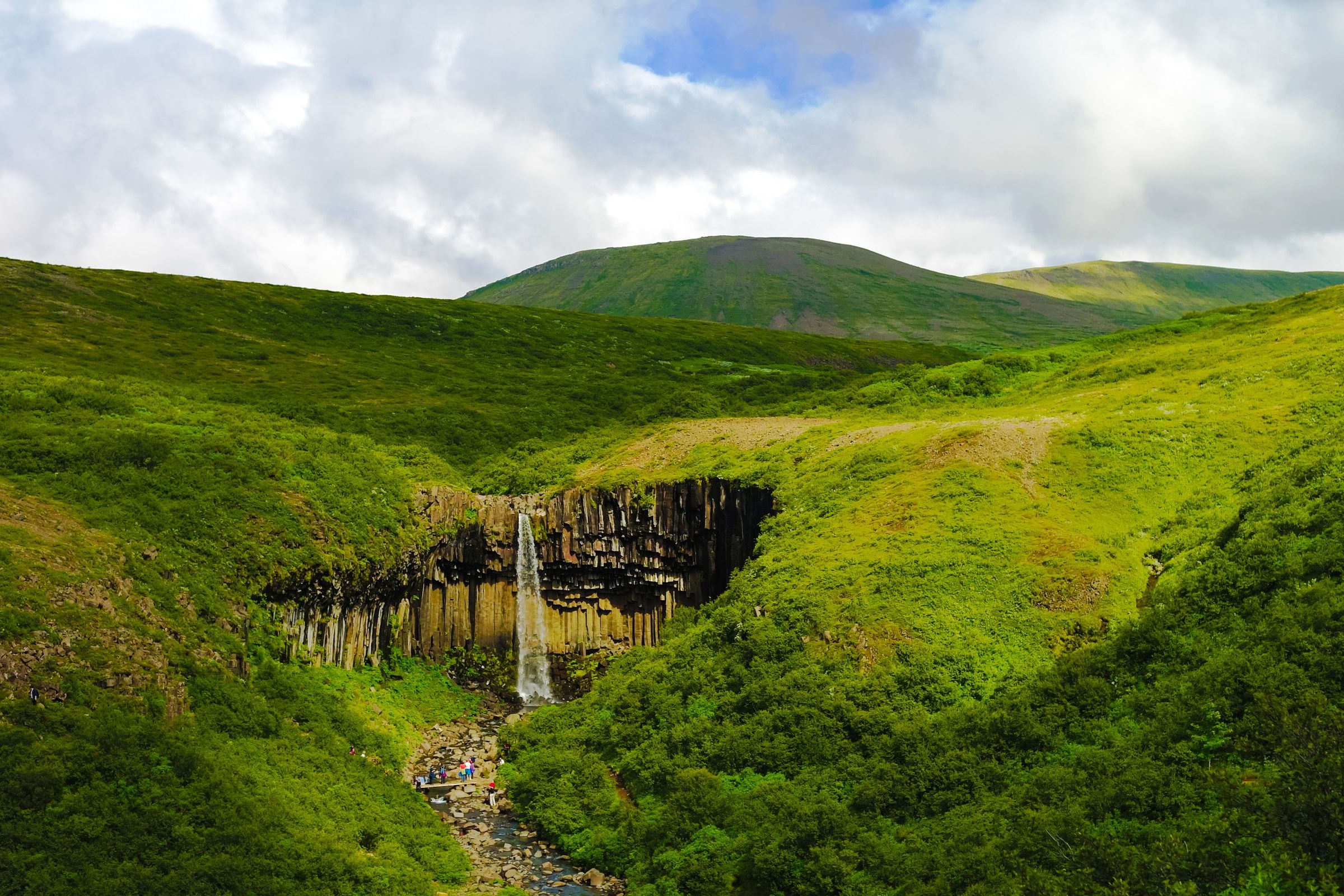
Iceland has so many waterfalls that it is hard not to see them. One of the most famous in the country, Svartifoss, is quite close to Morsárfoss. You can stop to see it on your hike from the Skaftafell visitor center. You’ll find a drop of water of about 20 meters (68 feet) surrounded by hexagonal basalt columns.
Hundafoss
On the way to Svartifoss, don't miss Hundafoss – a 25-meter curtain of water over mossy rocks. The name means "dog falls," maybe from some old tale, but it's a peaceful sidetrack. Pull over for a moment and take some pictures.
Skeiðará Bridge Monument
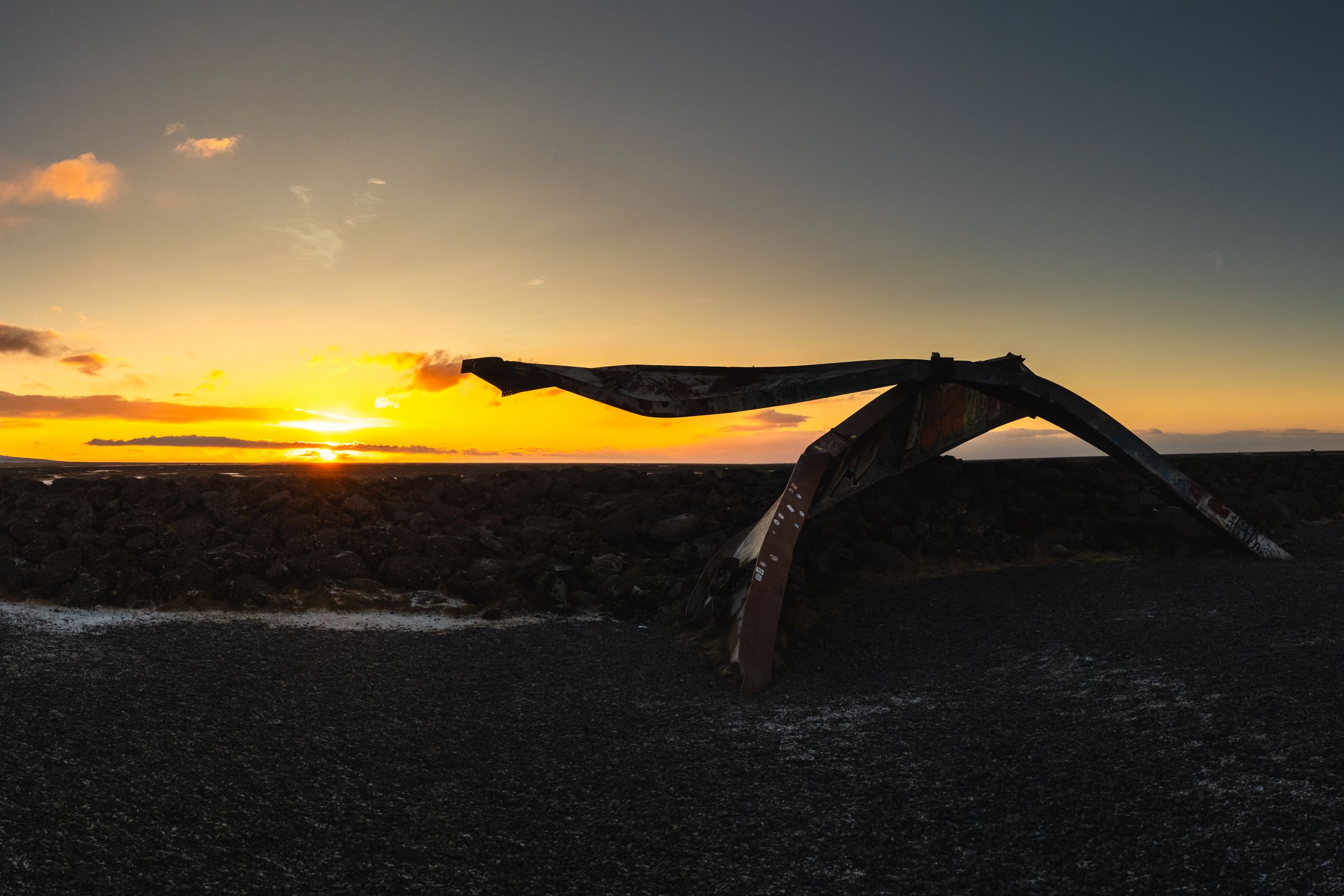
A couple of miles down Route 1 from Skaftafell, we can find this sculpture. In 1996, a strong glacial flood destroyed a long bridge that was there, spanning over the Skeiðará river. This river is not especially long, it originates in a glacier merely 25 kilometers (15 miles) north, but has a bad reputation because of its glacial floods, which can be quite devastating and fatal. The monument is made with twisted girders of the bridge that was wiped out.
Múlagljúfur Canyon
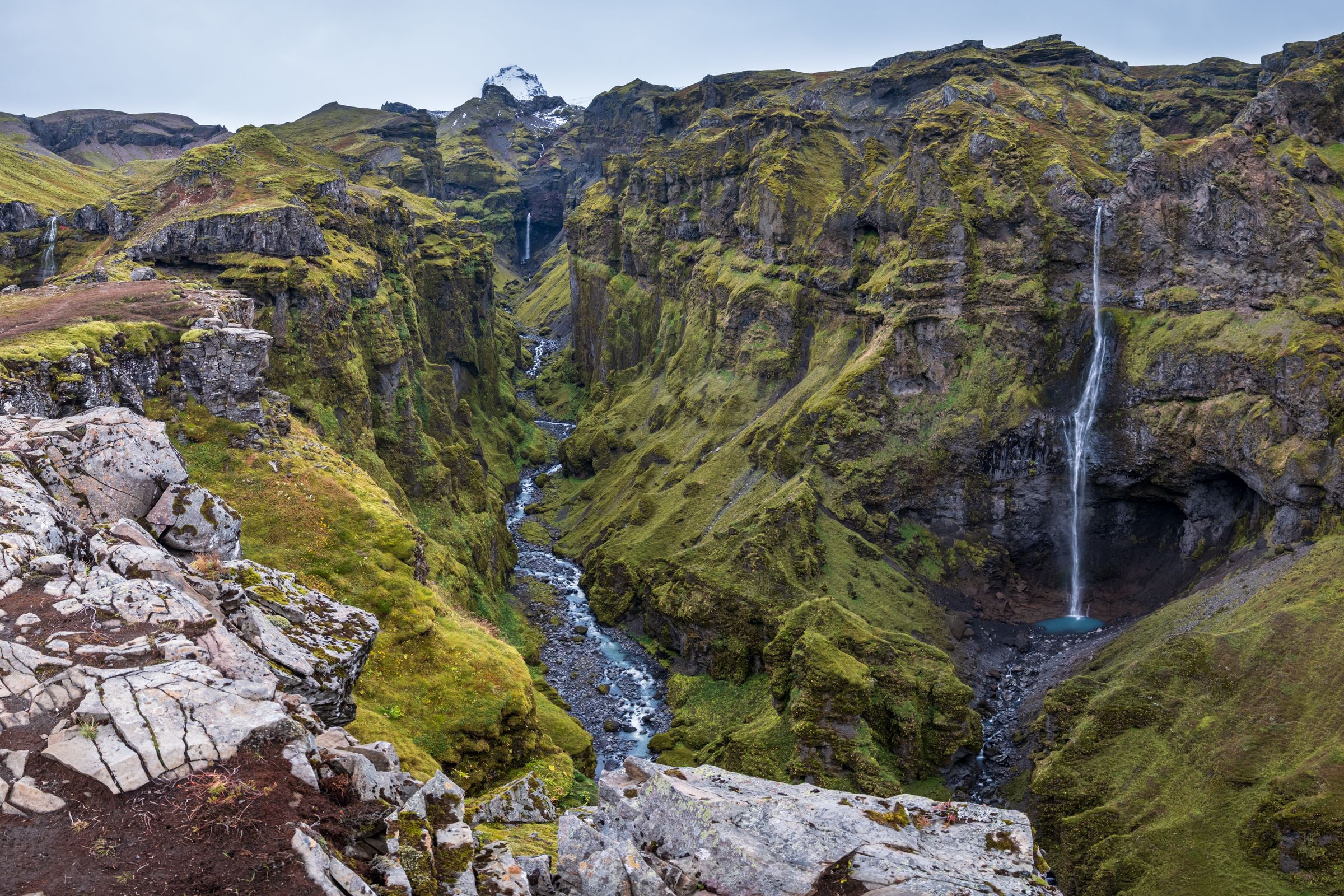
This narrow but beautiful gorge, not far from Morsárfoss, has rocky walls covered in a thick layer of green moss. The canyon is not as crowded as other nearby spots, so it’s a great place to explore on foot, as there are several trails to discover the area. There are two waterfalls inside the canyon: Hangandifoss, over 120 meters tall, and the harder-to-spot Múlafoss.
Jökulsárlón Glacier Lagoon
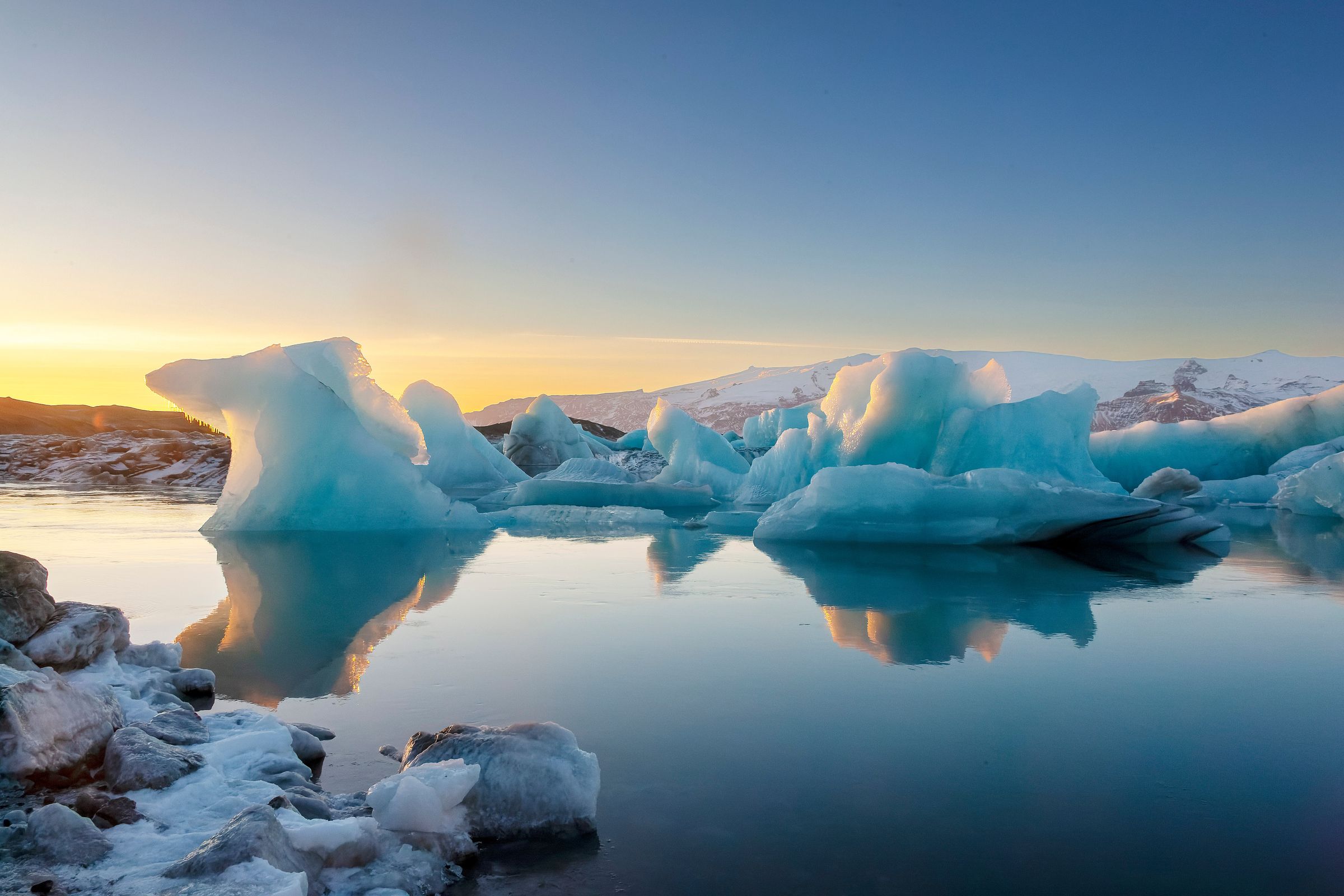
One of the most famous natural monuments in South Iceland, this lagoon is also a consequence of the massive Vatnajökull glacier. Jökulsárlón Glacier Lagoon has tons of chunks of ice floating on its surface. These little icebergs have separated from the glacier and spend several days on the lagoon before drifting out to the sea. The ice has different colors, from deep white to intense blue. Many of them end up at nearby Diamond Beach, where they create a beautiful contrast with the black sand. There are boat tours that go into the lagoon to see the ice from up close.
The Seasons at Morsárfoss Waterfall
Spring at Morsárfoss means rebirth. After the long winter, the fields come back to life with plants, and the days lengthen, giving you more time to explore. The snow begins to melt, increasing the waterfall’s flow. It’s a season with not many tourists, so you can enjoy a peaceful hike up to the falls. But keep an eye out on the floor, it can be slippery, as it’s the rainy season.
Summer's prime time: warmer weather, though it rarely exceeds 15°C (59 °F). The temperature usually gets lower as you go up the trail and get closer to the waterfall because you’ll be surrounded by ice. The days are very long, almost 24 hours of natural light by the end of June. Morsárfoss is in full flow, and everything’s accessible, from roads to trails. It’s peak season, so expect more company and book accommodation in advance.
Autumn is a quiet season in Iceland, and few travelers make their way to Morsárfoss. The temperature goes gradually down, and so do the daylight hours. The fields get beautiful, changing colors, but the weather changes constantly. The probability of rain and wind increases.
Winter can be a tricky time to visit Morsárfoss. On the one hand, the waterfall partially freezes, with the fields covered in snow, creating an amazing sight. On the other hand, traveling can be difficult, and the trail up to the waterfall can be closed due to heavy snow. It’s really cold, but there are chances to see the Northern Lights if the night is clear.
What to Pack to Visit Morsárfoss Waterfall
- Sturdy hiking boots. They are essential for the trail up to the falls. It would be much better if they were waterproof.
- Waterproof jacket and pants. Rain is always a possibility.
- Wear different layers to adapt to the changes of temperature you’ll likely experience during the hike.
- A backpack with water, snacks, and a basic first-aid kit.
- Hat, gloves, and scarf to protect you against the wind.
- Sunscreen and sunglasses. In summer, the UV rays can be strong. Also, the reflection of snow can be harmful.
- Crampons if you're going in winter.
Travel Tips
- Always check the weather forecast before going.
- Book glacier tours with time in advance; they are a popular activity.
- Don’t wander off the marked paths; it could be dangerous.
- Get a paper map of the Skaftafell reserve and its trails at the visitor center. They are the most complete, and there are areas where there’s no cell phone service.
- Leave no trace – pack out your trash.
Conclusion
If you want to see Iceland in its rawest and purest form, Morsárfoss is calling your name. There are countless waterfalls in Iceland, but not many are as impressive as this one, the tallest of them all. It requires a bit of effort to get there, but you’ll be rewarded with a unique view.