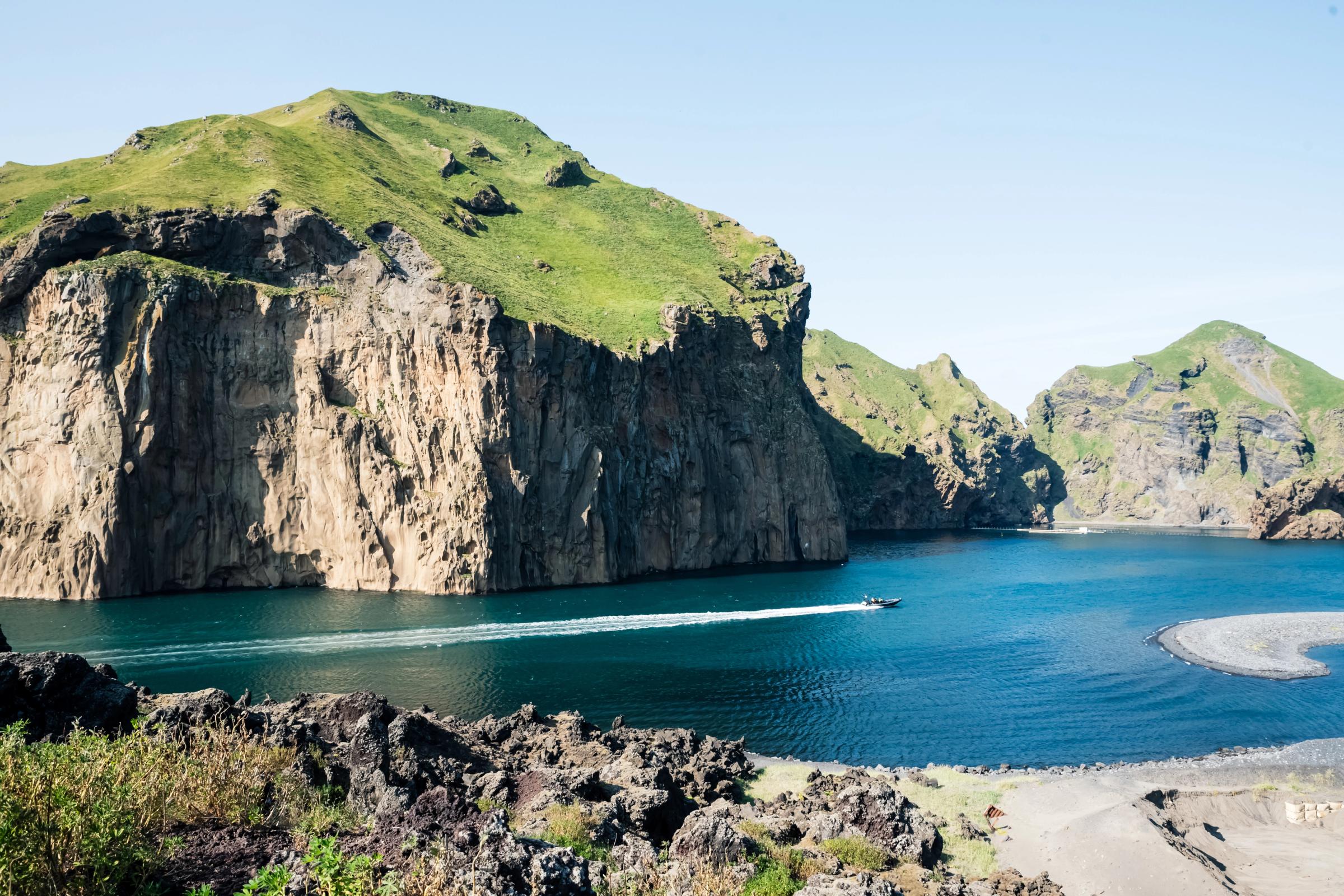
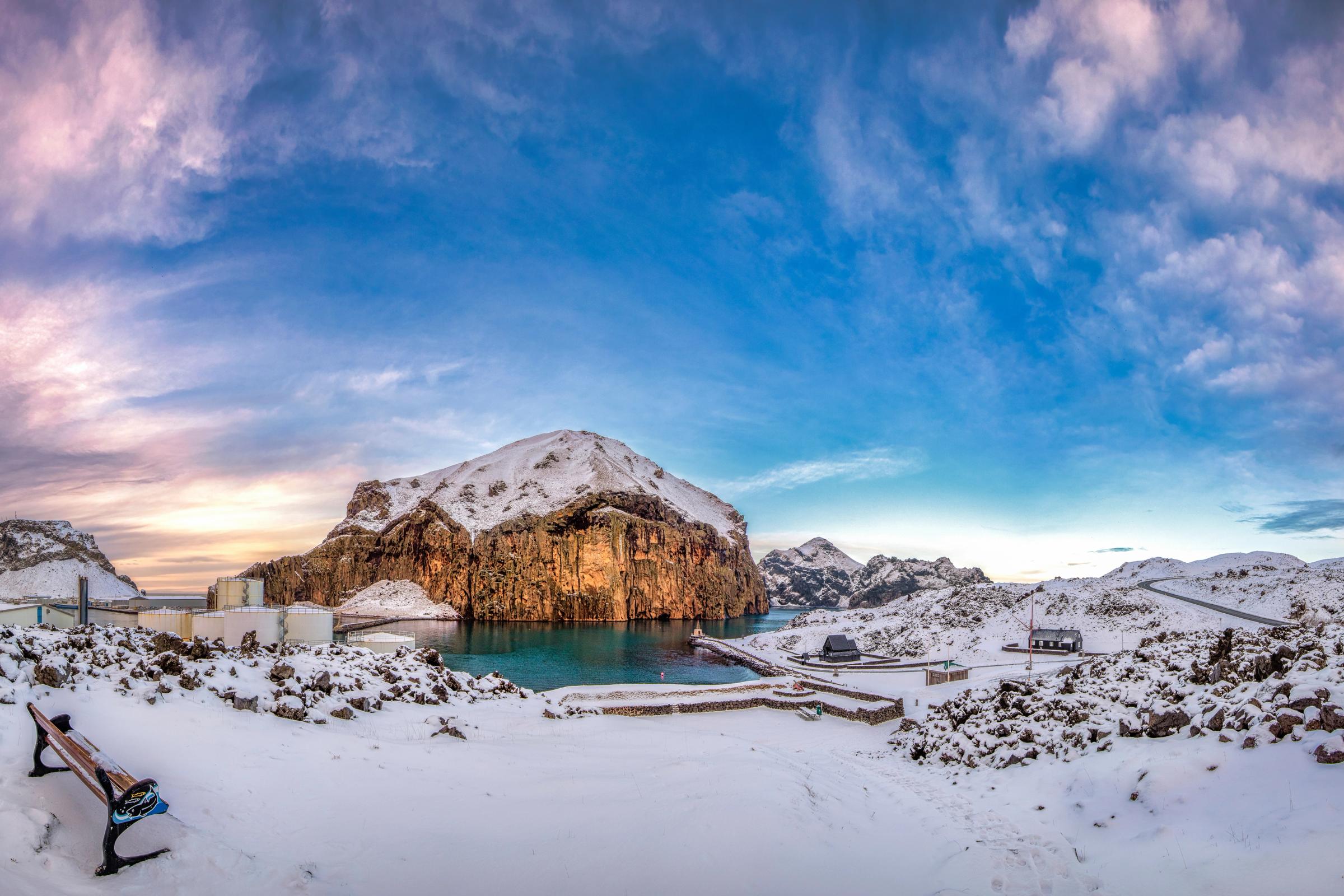
Picture this: you're standing on a volcano that erupted just 50 years ago, watching millions of puffins fly around crazy cliffs, while fresh seafood smells drift from a harbor that almost got destroyed by lava. Welcome to the Westman Islands, one of Iceland's coolest spots that most people never even know about.
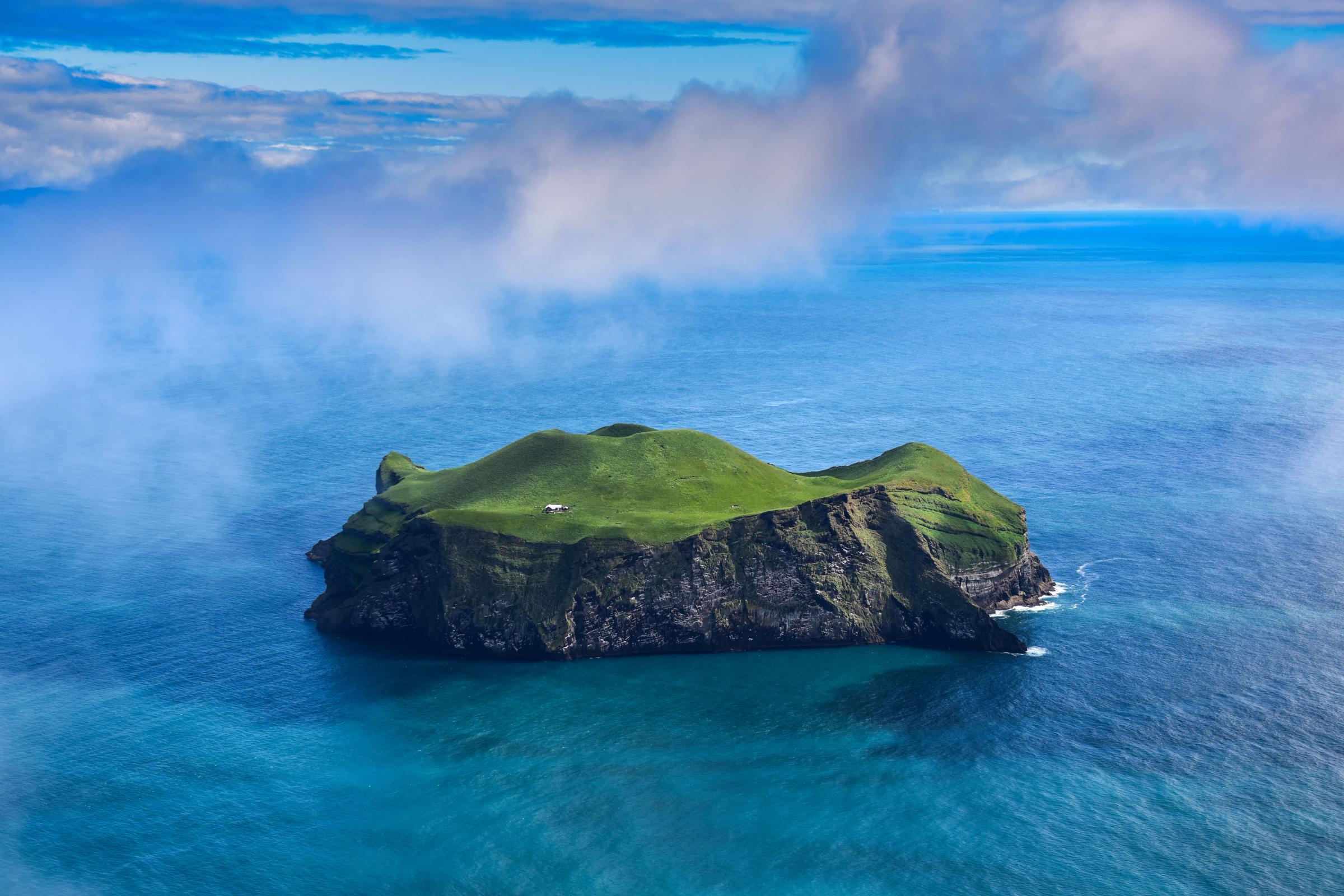
The Westman Islands (Vestmannaeyjar in Icelandic) sit just off Iceland's south coast, about 10 kilometers from the mainland. You can get there with a quick 35-minute ferry ride from Landeyjahöfn, so it's easy to add to any Iceland trip. These 15 volcanic islands have way more to offer than you'd think. Only Heimaey has people living on it, about 4,500 folks who've built one of the most resilient communities you'll find.
How to Get to the Westman Islands
Most people take the Herjólfur ferry from Landeyjahöfn, which runs often in summer, takes 35 minutes, and costs about 2,500 ISK. In winter, bad weather can move the route to Þorlákshöfn, making the trip almost 3 hours. Eagle Air offers a quick 20-minute flight from Reykjavík, but it’s seasonal and easily cancelled. Always book ahead in summer and check weather updates before you travel.
Top Things to Do
You can hike Eldfell Volcano for easy slopes and great views, visit the Eldheimar Museum built around a house buried in ash, and see puffins up close at Stórhöfði. Boat tours show off cliffs, caves, seals, and Elephant Rock, and the Beluga Whale Sanctuary is home to Little White and Little Grey. In summer, you can also watch locals do traditional cliff swinging. Herjólfsdalur Valley offers hikes, Viking ruins, and hosts the Þjóðhátíð festival.
Wildlife Highlights
Heimaey has the world’s largest puffin colony, with millions of birds visiting from April to early September. Summer is also great for whale watching, with humpbacks, minkes, fins, orcas, and dolphins often seen around the islands. You can also spot Surtsey, a protected volcanic island formed in the 1960s. May to August is the best wildlife season, with the puffin rescue happening in late summer.
Where to Stay on Heimaey
Hotel Vestmannaeyjar is the main hotel with modern rooms, while Hotel Eyjar is a simpler and cheaper option. Guesthouses like Hamar and Lava Guesthouse offer good value, and the Herjólfsdalur campground has camping and glamping options. Stay in town if you want to walk everywhere, or stay on the edges for quieter nature access. Book early for summer and very early for the Þjóðhátíð festival.
Best Places to Eat & Drink
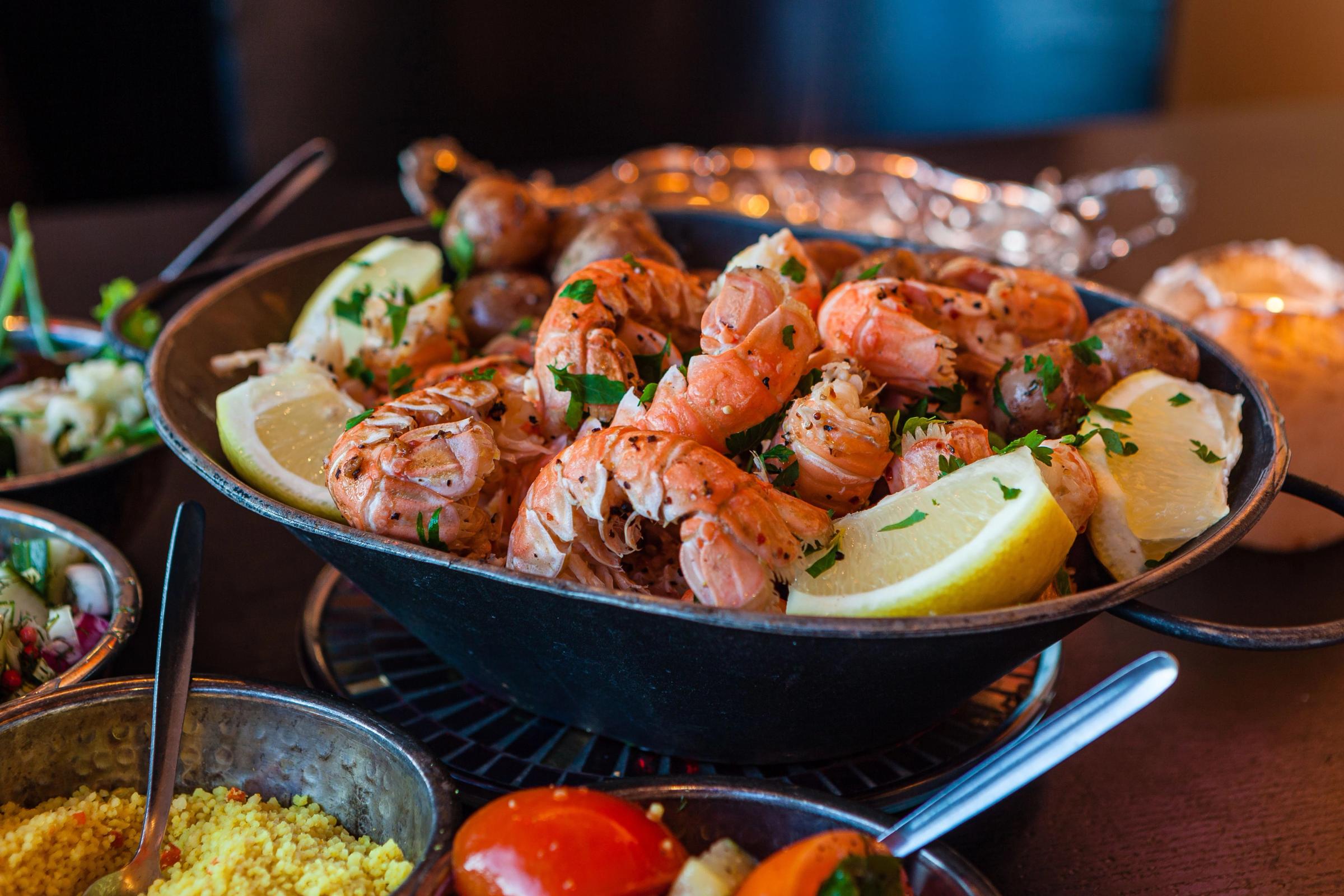
Slippurinn is the top restaurant, serving creative local dishes with fresh seafood and foraged ingredients. GOTT and Tanginn offer tasty, casual meals like haddock, lamb stew, and seafood sandwiches, while Einsi Kaldi is a nicer hotel restaurant. Vigtin Bakhús is great for pastries and the famous Eldfell bread. Local favorites include langoustine, fresh fish, and volcanic-baked bread.
Practical Tips
Summer has the best weather and the most things open, but it’s also the busiest time. Bring layers, rain gear, and sturdy boots because temperatures are cool and it’s always windy. Bring camera gear, seasickness pills, and sunscreen. The town is walkable, and bikes, taxis, or a car help you reach places like Stórhöfði and Herjólfsdalur.
History & Culture
The 1973 eruption forced the whole island to evacuate overnight, buried hundreds of homes, and nearly blocked the harbor, but cooling the lava with seawater saved it. In 1627, pirates raided the island and took 237 people, with only a few ever returning. The tradition of sprangan comes from collecting bird eggs on cliffs, and Þjóðhátíð has grown into Iceland’s biggest outdoor festival. These stories show how tough and proud the island community is.
Why Should You Visit?
You’ll see millions of puffins, walk on a volcano that reshaped the island, enjoy some of Iceland’s best seafood, and experience a close community with unique traditions. It’s a small place with a lot to offer.
Conclusion
The Westman Islands are absolutely worth adding to your Iceland trip, even for just a day. You can explore fresh volcanic landscapes, meet tons of puffins, and see how the island rebuilt after disaster.
How to Get to the Westman Islands
Reaching the Westman Islands is relatively easy, although the weather can sometimes disrupt your plans.
Ferry: Your Main Way
The Herjólfur ferry runs from Landeyjahöfn on Iceland's south coast. During the summer months (May-September), you'll enjoy 12-16 trips daily, with a ride time of just 35 minutes. Adult tickets cost about 2,500 ISK (around $20), and you can bring a car for roughly 3,750 ISK ($30) and your camper for 5,000 ISK ($40).
Here's what you need to know: Landeyjahöfn is about a 1-hour 40-minute drive from Reykjavík. The harbor was built just to serve the islands and is usually calm. Book ahead in summer, especially during festival time in August.
Winter Route Changes
From October to April, rough weather often forces ferries to use the older port at Þorlákshöfn instead. This route takes 2 hours 45 minutes and can be rough (pack seasickness pills if you get motion sick). Check the weather and ferry updates before you travel.
Flights: Limited but Fast
Eagle Air runs flights from Reykjavík's domestic airport to Vestmannaeyjar Airport. The 20-minute flight costs 11,900-18,900 ISK ($90-$150) and gives you great views from above. However, flights are seasonal and weather-dependent, so they often get cancelled due to wind or fog.
Booking Tips
Book ferry tickets 1-2 weeks ahead in summer
Check the weather – high winds can cancel both ferries and flights
If you're staying overnight, book the last ferry back the next day in case the weather delays you
During the Þjóðhátíð festival, book months ahead as everything fills up
Top Things to Do
The Westman Islands have way more activities than you'd expect for such a small place.
Hike Eldfell Volcano
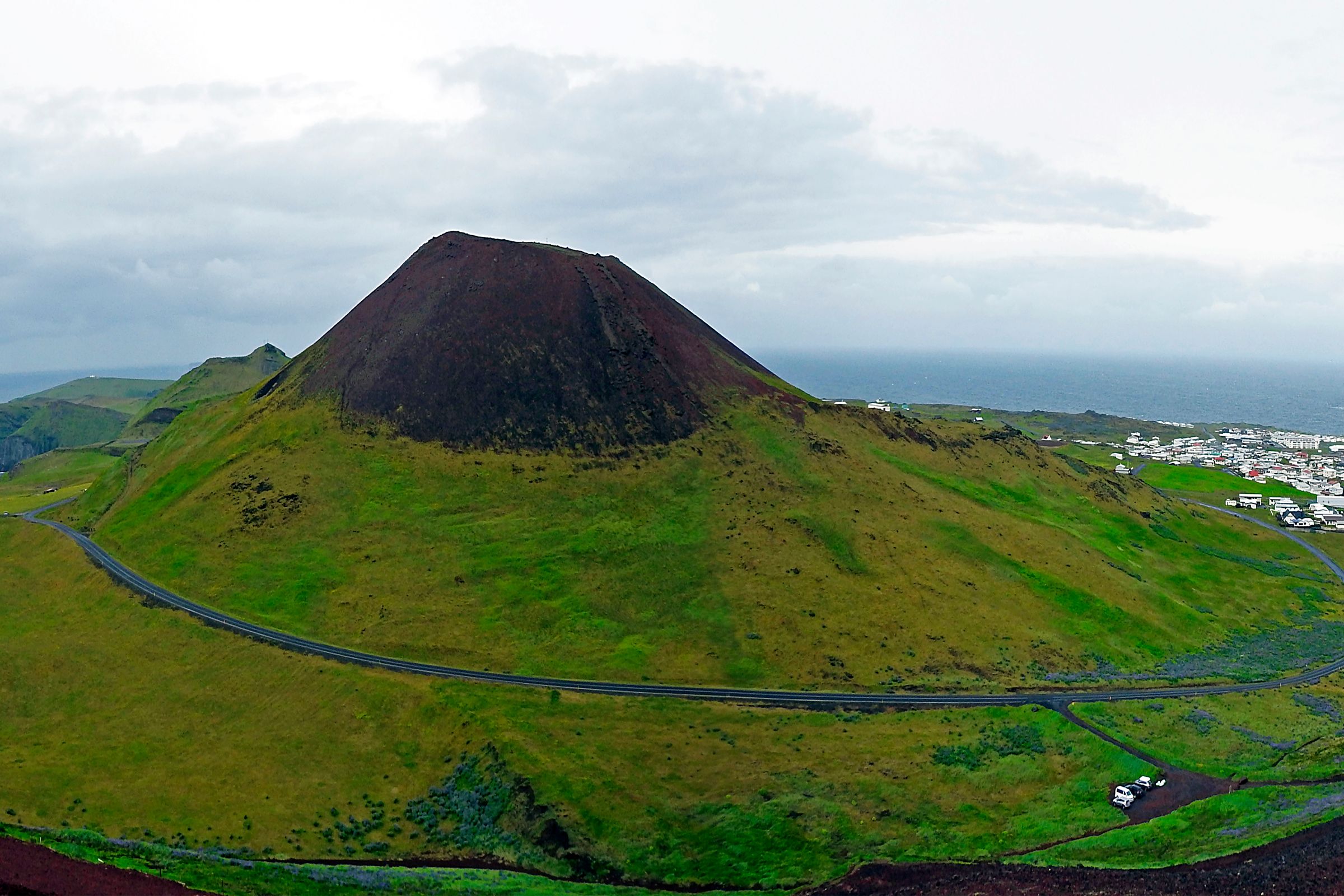
This is a must-do activity that takes approximately 30 minutes to reach the crater rim. The red volcanic slopes are easy to climb, and you'll get great views all around over Heimaey, the ocean, and other islands. The ground is still warm in spots, so you can still feel the heat coming through, 50 years later. Bring good shoes and a jacket since it's always windy up there.
Eldheimar Museum: "Pompeii of the North"
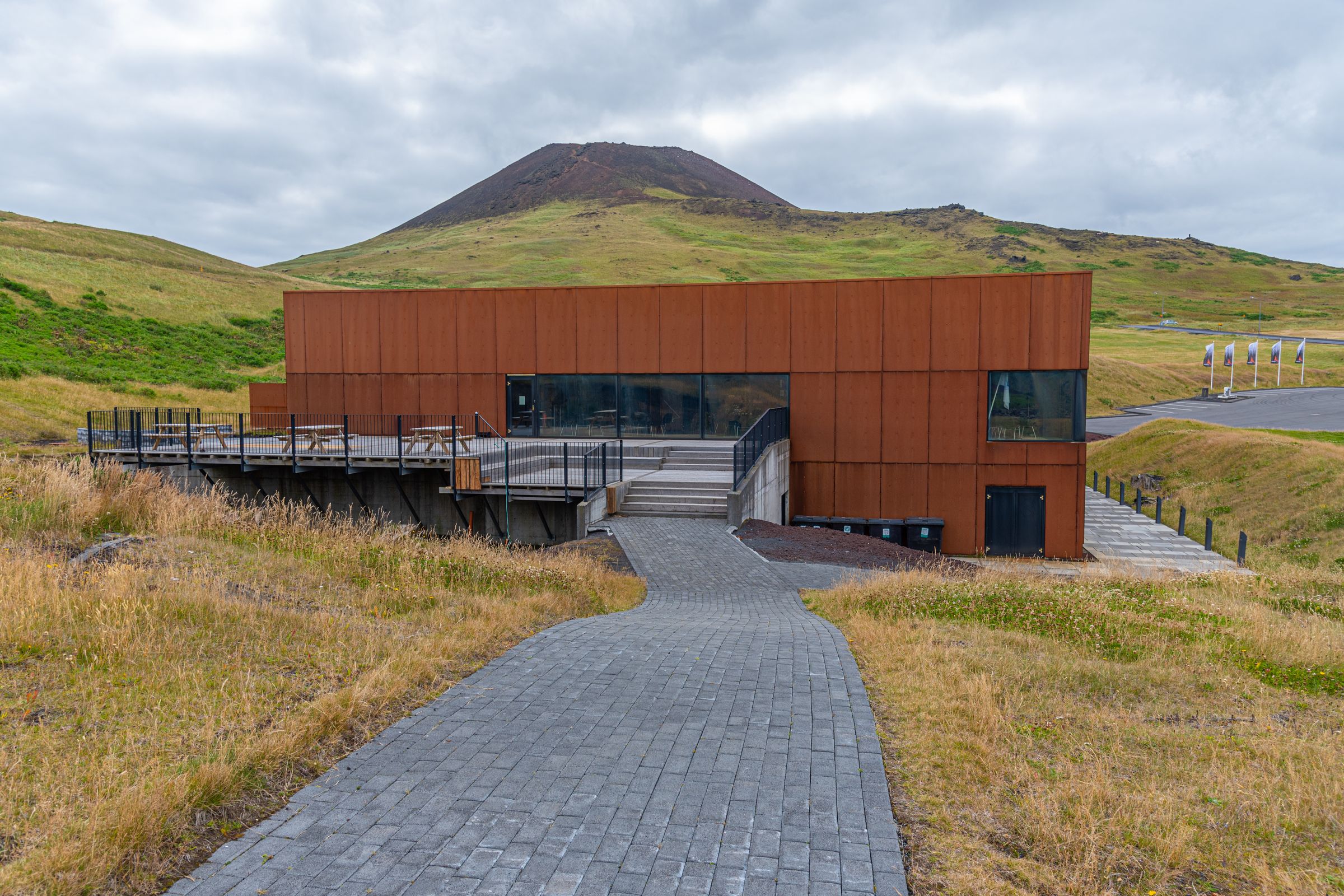
This modern museum is built around a real house that was dug out of volcanic ash. Interactive displays guide you through the eruption timeline, the emergency evacuation, and how people rebuilt their lives. You'll see household items that got preserved and understand just how close this community came to disappearing. It's moving and educational – worth the admission fee.
Puffin & Seabird Watching at Stórhöfði
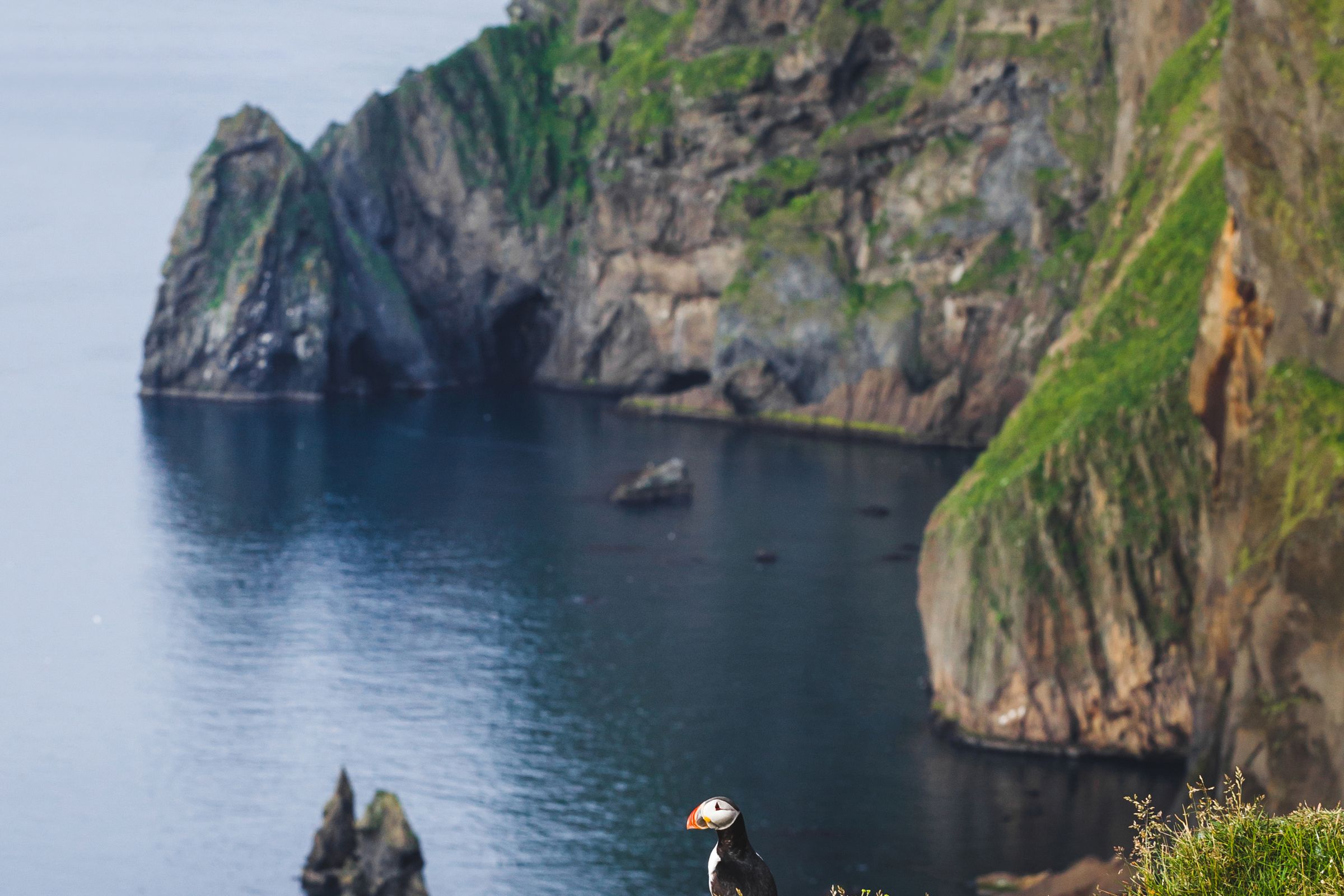
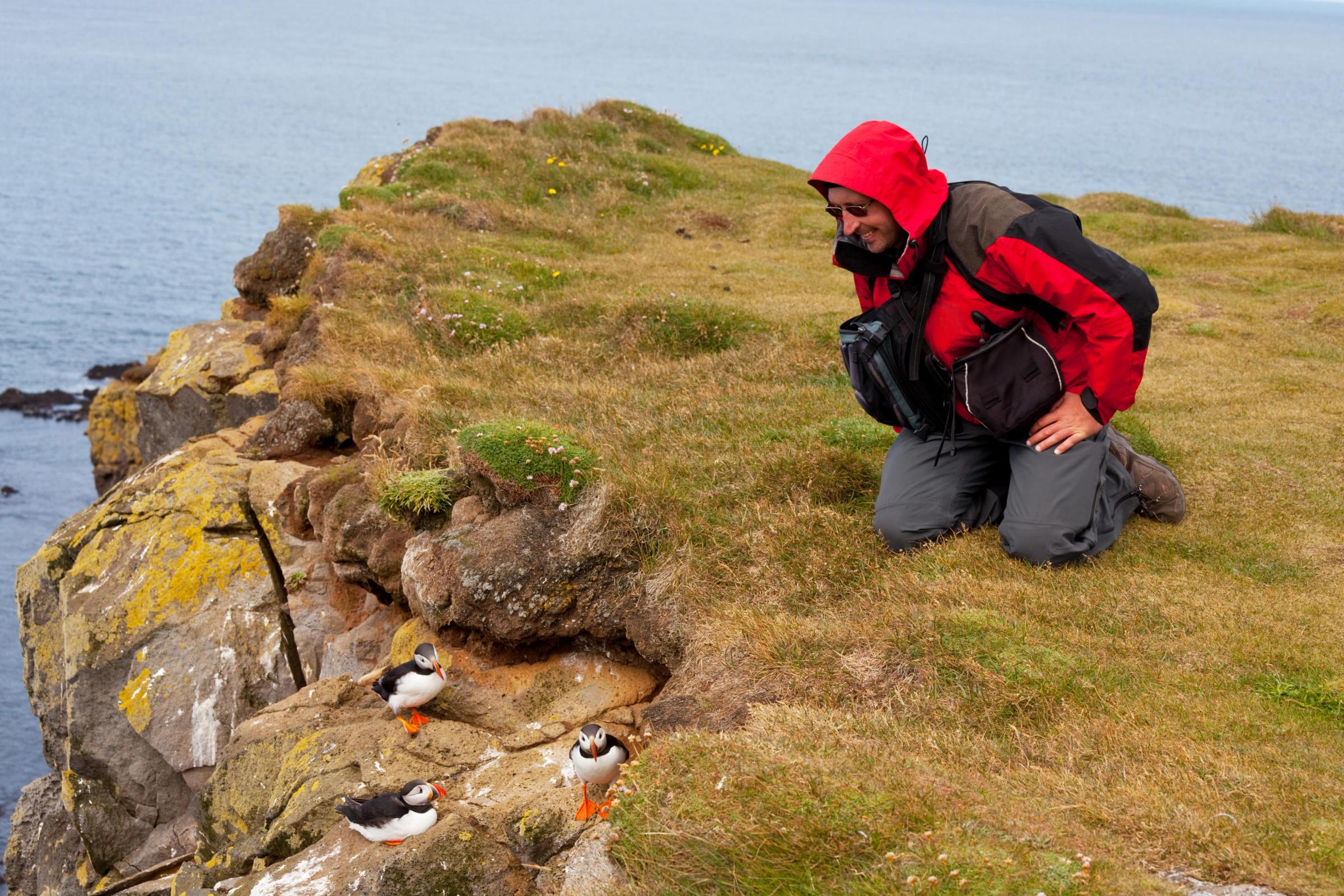
The southern part of Heimaey is home to the world's largest Atlantic puffin colony. From May to August, you can walk right up to cliff edges where thousands of puffins nest just meters away. There's a wooden viewing platform, but you don't need it; puffins are everywhere. Bring a camera with a good zoom, and be ready to spend hours watching these charming birds.
Coastal Boat Tours
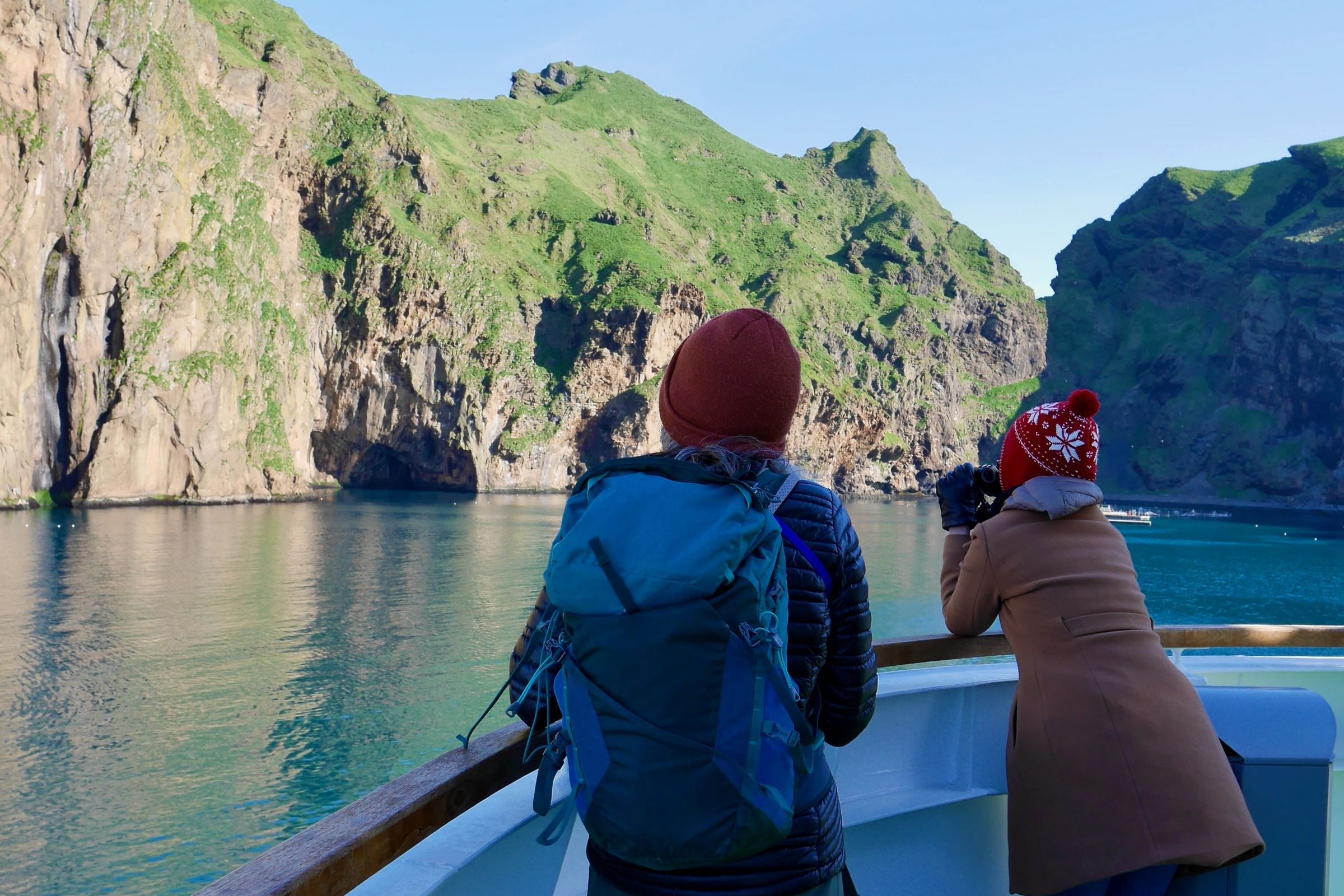
RIB boat tours take you around the islands to see dramatic sea cliffs, hidden caves, and the famous Elephant Rock, a coastal rock that looks exactly like an elephant drinking from the sea. Some tours include live music played inside sea caves, which creates a really cool acoustic experience. You'll also see seals, and sometimes whales and dolphins.
SEA LIFE Beluga Whale Sanctuary
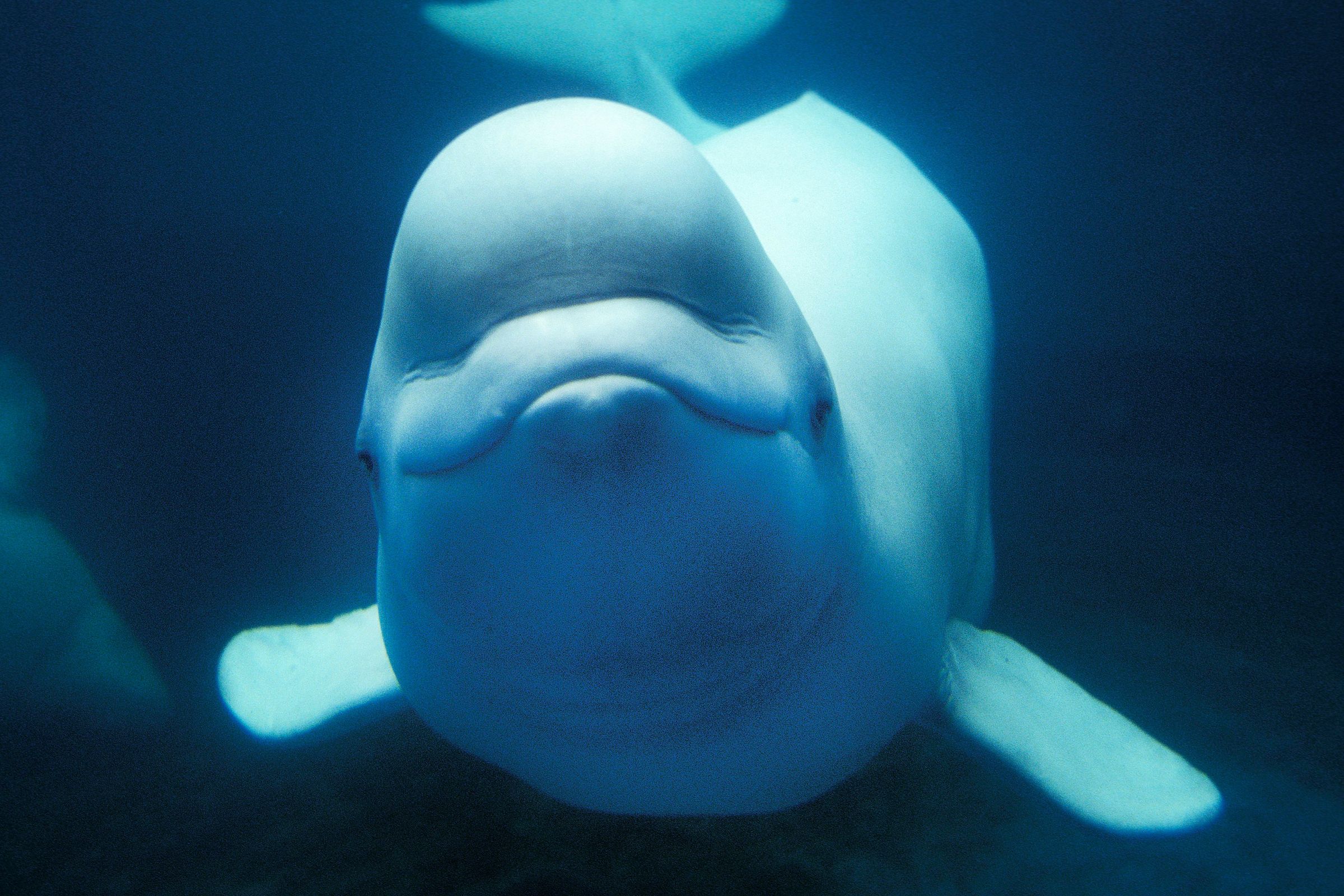
Two beluga whales, Little White and Little Grey, were moved here from a Shanghai aquarium to live in a more natural sea pen. The visitor center teaches about sea life and conservation, and you can sometimes spot the whales from viewing areas or on boat trips to Klettsvík Bay.
Sprangan Rope-Swing Cliff Activity
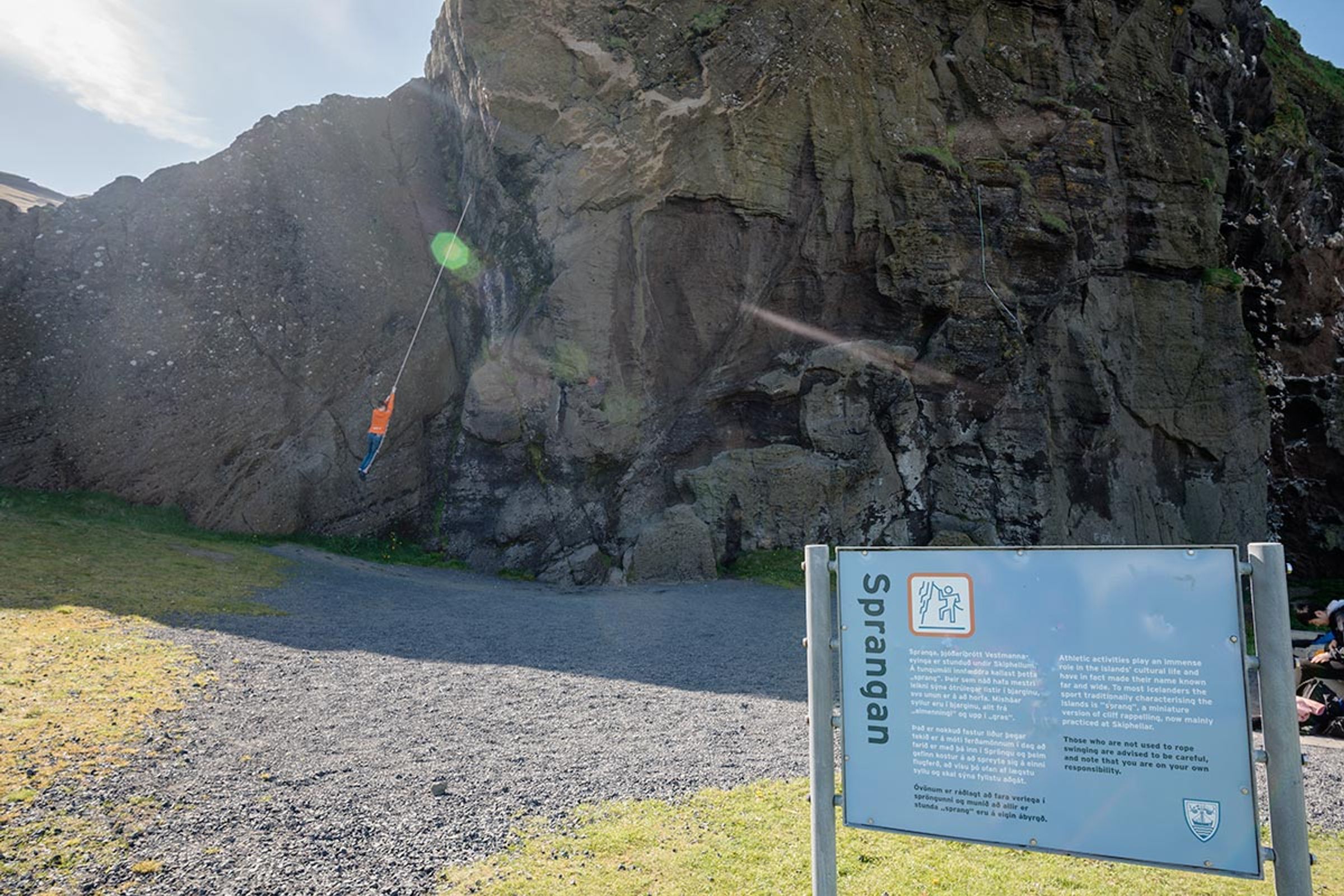
During summer, locals show off the traditional art of cliff rappelling and rope swinging near the harbor. This isn't something that anyone can do; it needs serious skill and training. But watching the demos shows you how islanders used to collect bird eggs from impossible cliff faces.
Herjólfsdalur Valley
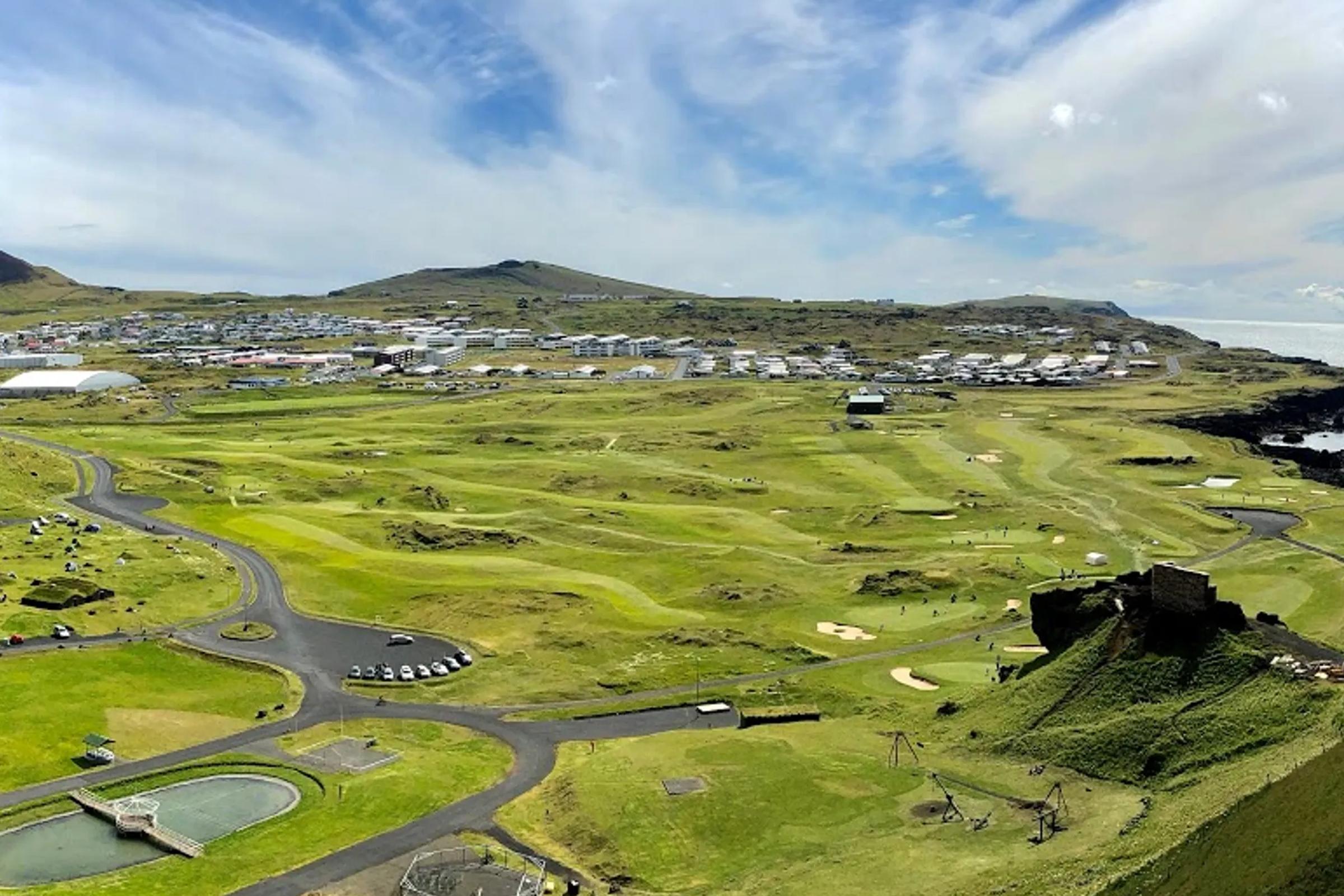
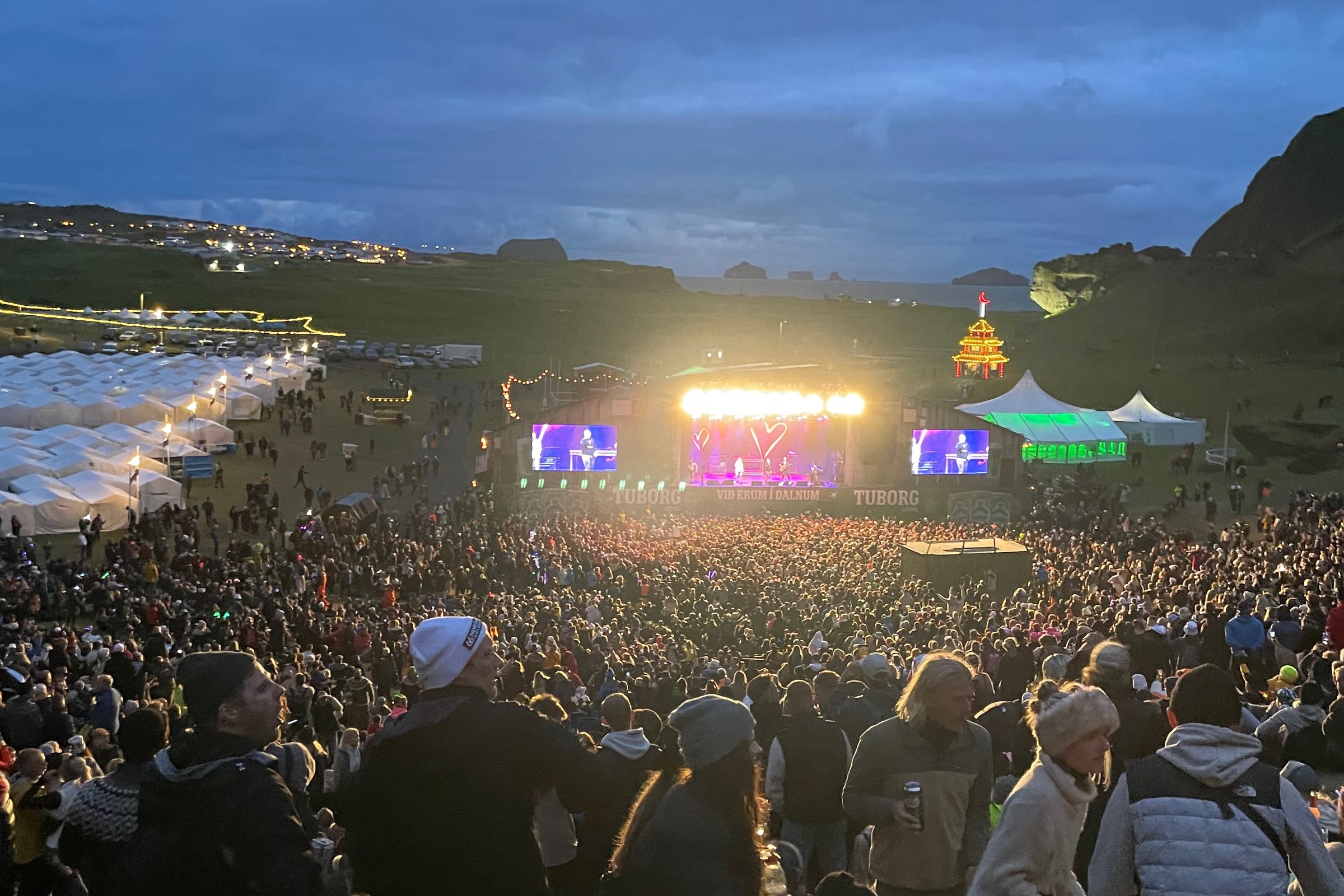
This picturesque valley on the west side of Heimaey is where the Þjóðhátíð festival is held each August. The rest of the year, it's a peaceful spot for hiking with ruins of a Viking-age farm and a replica turf house showing how early settlers lived. The valley's natural bowl shape makes it perfect for outdoor events.
Wildlife Highlights
The Westman Islands are one of the world's best places for wildlife watching, especially seabirds.
World's Largest Puffin Colony
With 8-10 million Atlantic puffins visiting each summer, Heimaey hosts about 20% of all the world's puffins. They arrive in April and depart by early September, spending the rest of the year at sea. You'll see them everywhere, floating in the waves, coming ashore with beaks full of fish, or jumping off cliffs.
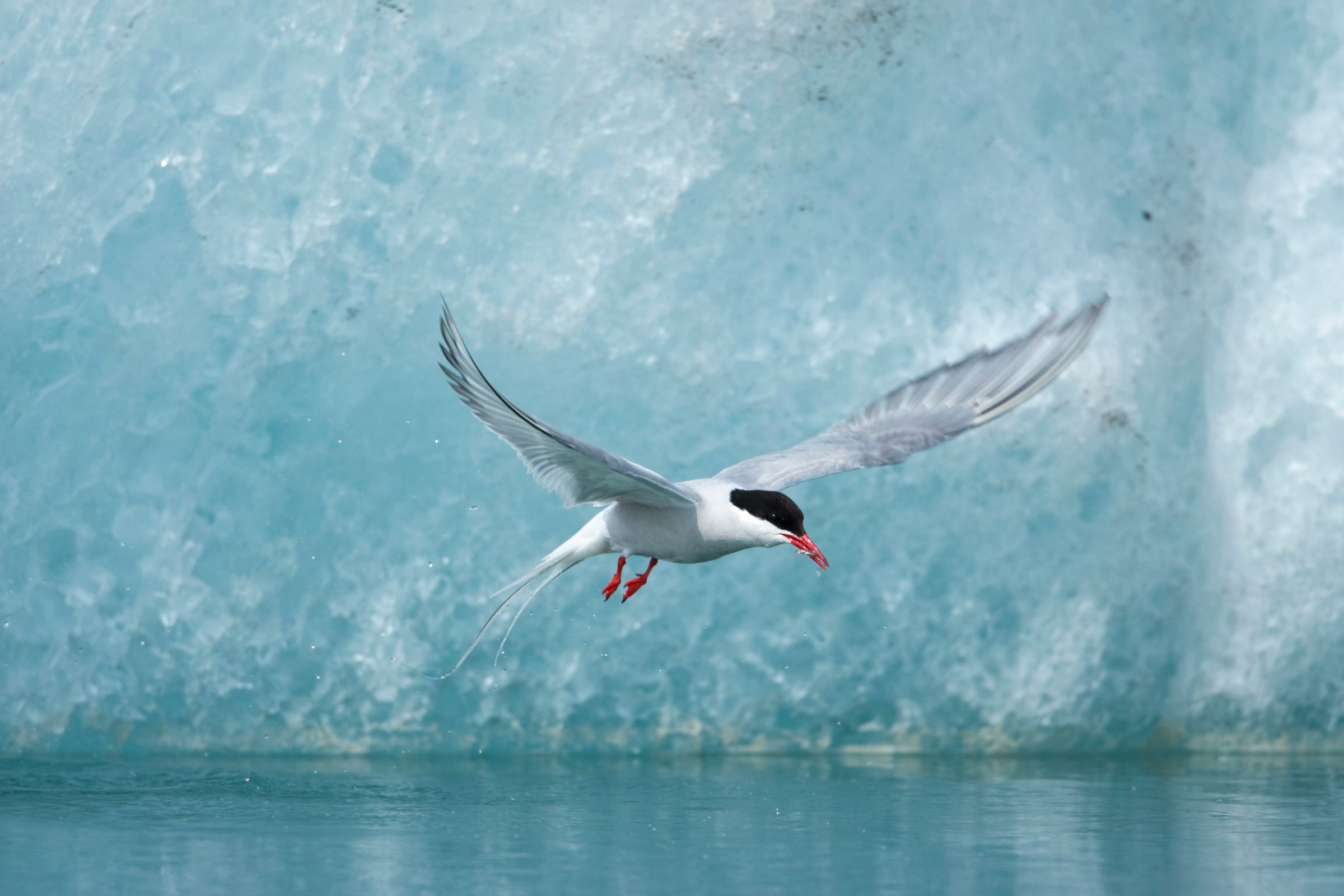
The best viewing is at Stórhöfði peninsula, where tons of puffins nest in grassy clifftops. You'll also see guillemots, kittiwakes, fulmars, razorbills, and Arctic terns. Bring binoculars, but honestly, the birds are so close you might not need them.
Whale and Dolphin Watching
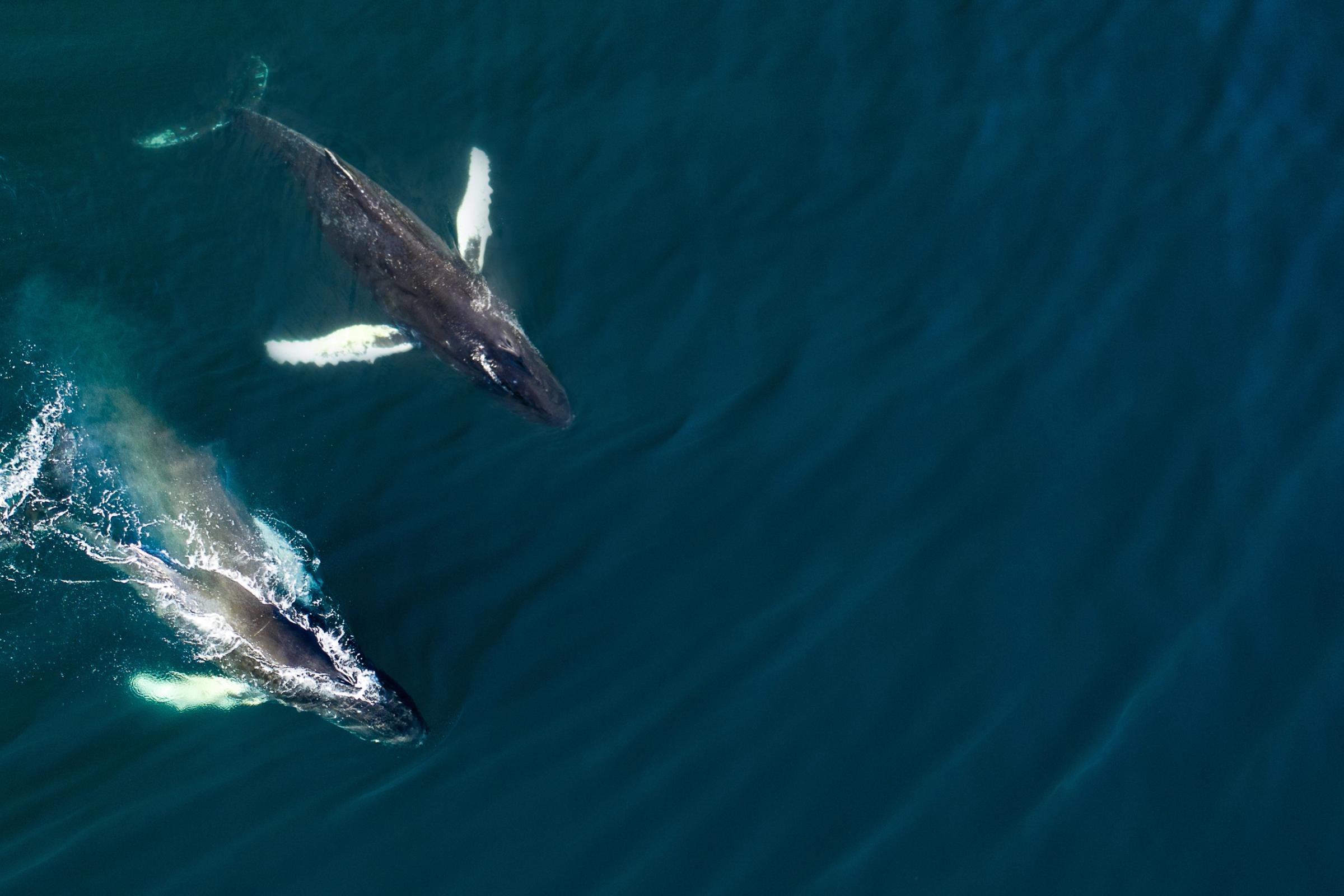
The rich fishing areas around the islands attract bigger sea life, too. In summer, you'll often see humpback, minke, and fin whales. Orcas show up year-round, and white-beaked dolphins often play alongside boats. Harbor seals hang out on rocks around the harbor – they're used to people and don't usually swim away when you get close.
Discover where to see whales during your trip to Iceland
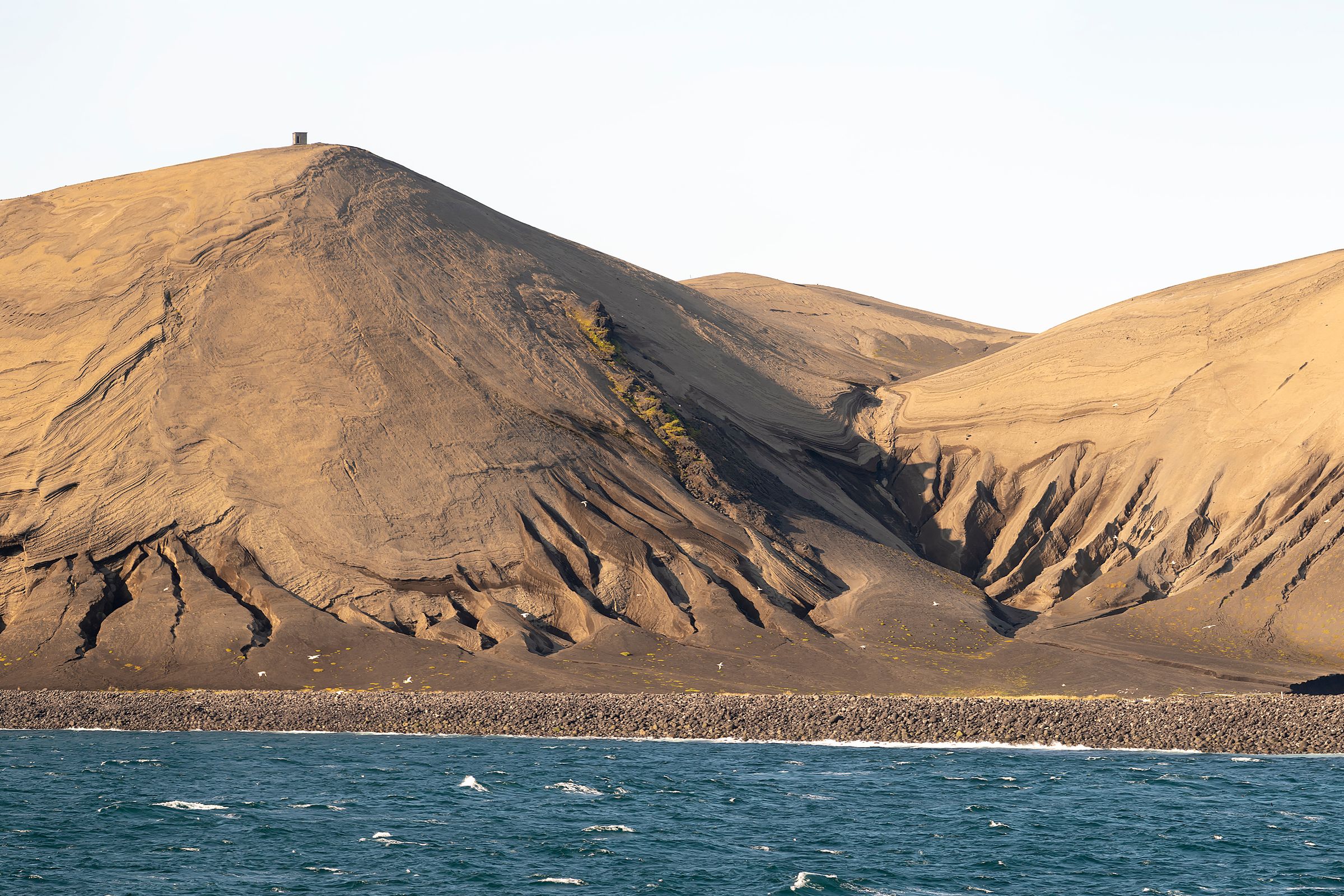
Just south of Heimaey, Surtsey Island erupted from the sea between 1963-1967, creating new land that's now protected for science. Only researchers can land there, but you can see it from boat tours or flights. It's wild to think you're looking at land that didn't exist 60 years ago.
Best Times for Wildlife
Puffin season runs May through August, with the most birds in June and July. For whales and dolphins, summer gives you the best viewing, though orcas can show up anytime. The annual "puffin rescue" happens in August and September when young puffins get confused by town lights and crash-land in streets – local kids collect them and let them go at dawn.
Where to Stay on Heimaey
You don't have tons of choices, but they cover different budgets and travel styles.
Hotels
Hotel Vestmannaeyjar is the island's main hotel, right in town with 36 modern rooms, a spa, and a great restaurant. Rooms range from standard doubles to ocean-view suites. It's expensive (28,000-45,000 ISK per night) but has the most amenities and best location.
Hotel Eyjar is smaller and cheaper, near the golf course with simple Scandinavian style and continental breakfast. It's about 1.5 kilometers from town but has free parking and a shuttle service.
Guesthouses & Apartments
Several family-run guesthouses offer good value, complete with kitchenettes and personalized service. Guesthouse Hamar offers sea views and home-cooked breakfast, while Lava Guesthouse is closer to the puffin cliffs and has garden terraces and free bikes. Expect to pay 15,000-32,000 ISK per night for these.
Self-catering apartments are ideal for longer stays, as they have a kitchen to prepare your own meals and save money.
Glamping & Camping
Herjólfsdalur campground runs May through September in the pretty valley. Basic camping costs around 5,000 ISK per night, while glamping pods with beds and heating run 15,000-25,000 ISK. The location is beautiful, but it gets busy during the August festival.
Best Areas & Booking Tips
Stay in the town center if you want to be within walking distance to restaurants, museums, and the harbor. Choose the outskirts for quieter settings and better access to nature. Book 1-2 months ahead for summer visits, and 3-6 months ahead if you're coming during Þjóðhátíð festival when everything sells out.
Best Places to Eat & Drink
The islands have way better food than you'd expect for such a small place, focusing on super fresh seafood.
Fine Dining
Slippurinn is the standout spot. A New Nordic restaurant in an old shipyard workshop serving tasting menus with foraged seaweeds, local cod, and creative preparations.
Casual & Family-Friendly
GOTT Restaurant serves healthy, made-from-scratch dishes, such as pan-seared haddock and lamb stew, in a family-friendly setting. The owners get fish daily from the harbor auction.
Tanginn offers quick bites and takeout with fresh seafood sandwiches and local specialties.
Hotel Dining
Einsi Kaldi Restaurant at Hotel Vestmannaeyjar serves classy European-Icelandic fusion with good wine pairings. It's convenient if you're staying at the hotel and want a nice dinner without going out.
Cafés & Bakeries
Vigtin Bakhús bakes fresh bread, pastries, and the famous "Eldfell bread" – rye bread baked using volcanic heat from the still-warm ground. Stop by for coffee and local baked goods.
Craft Beer
Brothers Brewery makes local beers that go great with seafood. You'll find their brews at restaurants around the island.
Local Specialties
Don't miss langoustine (Icelandic lobster) caught in local waters.
Smoked puffin is a traditional dish, but it is also controversial due to conservation concerns and, let’s be honest, because they’re super cute.
Fresh cod, haddock, and seasonal fish represent the fishing heritage of the islands.
Many restaurants serve Eldfell-baked bread as a unique local experience.
Practical Tips
Visiting an island is always a bit trickier than just visiting the mainland, and for that reason, planning properly is essential.
Weather & Seasonality
Summer (June-August) has the warmest weather, longest days, and all attractions open. This is peak puffin season, but also the busiest time of year. Spring and fall have fewer crowds, but some services might be limited. Winter can be dramatic with storms, but you'll have the islands mostly to yourself.
Pack layers since the weather can change quickly. Summer temperatures range from 10 °C to 15°C, and it's always windy. Rain gear is a must year-round.
What to Pack
Bring sturdy, waterproof hiking boots for volcano climbing and cliff walking. Pack warm layers even in summer, plus a rain jacket and a windproof outer shell. Don't forget camera gear with extra batteries (cold drains them fast) and seasickness pills if you're sensitive to boat motion.
Sunglasses and sunscreen are essential. The mix of sea reflection and wind can surprise you. Binoculars make wildlife watching better, but aren't a must since animals are often close.
Getting Around the Island
Heimaey town is small and walkable. Most hotels, restaurants, and the harbor are within easy walking distance. For attractions like Stórhöfði or Herjólfsdalur valley, you can rent bikes, take local taxis, or bring a car on the ferry.
Taxis are available but limited. Bike rentals are ideal for exploring puffin cliffs and hiking trails on a nice day. If you bring a vehicle, parking is free but limited during busy times.
History & Culture
The Westman Islands have one of the most fascinating stories in Iceland, blending tragedy with remarkable resilience.
The 1973 Eldfell Eruption: Iceland's Biggest Disaster
On January 23, 1973, at 1:42 AM, a huge crack opened just 300 meters from Heimaey's town center. The Eldfell volcano began erupting, spewing lava and ash, forcing all 5,300 people to evacuate the island overnight. Here's the crazy part: the fishing boats happened to be in harbor because of bad weather, so they could take everyone to safety.
For months, lava threatened to block the harbor entrance, which would've killed the fishing business and the town. In an innovative engineering solution, they used massive pumps to spray seawater on the moving lava, cooling it down and changing where it went. They saved the harbor, though about 400 homes got buried under lava and ash.
The eruption ended in July 1973, and most people came back to rebuild. Today, you can walk through the "Pompeii of the North", with dug-up houses still buried in ash, and hike up Eldfell to look into the crater. The ground is still warm in spots.
The 1627 Pirate Raid: A Dark Chapter
In 1627, pirates from North Africa raided Heimaey in what's called the "Turkish Abductions." They killed dozens and took 237 islanders to sell as slaves in Algeria. Only 27 people ever made it back home. This raid devastated the community and remains one of the worst events in Iceland's history.
Sprangan: The Art of Cliff Swinging
For hundreds of years, islanders collected bird eggs and down from steep cliffs using ropes. This evolved into sprangan, which is essentially cliff rappelling and rope swinging that's now taught to kids as both a sport and a tradition. You can watch demos during the summer, and brave visitors sometimes get to try it (with proper help).
Þjóðhátíð: Iceland's Biggest Outdoor Party
Every August since 1874, the islands have hosted the Þjóðhátíð festival in Herjólfsdalur valley. What started as a local party created for when bad weather kept islanders from attending Iceland's national festival has become the country's largest outdoor celebration. Thousands of Icelanders camp in the valley for a weekend of music, bonfires, and serious fun.
Why Should You Visit?
Why should you go? Four big reasons. First, you'll see the world's largest Atlantic puffin colony; we're talking 8-10 million birds during summer. Second, you can walk on a volcano that erupted in 1973, making new land and almost burying a whole town. Third, the islands have some of Iceland's best seafood, from lobster caught that morning to local dishes you won't find anywhere else. And fourth, this close community has kept traditions and stories alive that'll show you a totally different side of Iceland.
Conclusion
The Westman Islands should definitely be part of every Iceland trip, even if you only have time for a day visit. Where else can you walk on a 50-year-old volcano, get up close with millions of puffins, and experience a community that literally came back from disaster?
Frequently Asked Questions About the Westman Islands
Most travelers find 1 full day enough for major highlights, but 2 days lets you explore Eldfell, take a boat tour, and enjoy the restaurants without rushing.
Yes, but expect limited tours, strong winds, and unpredictable seas. Museums stay open, but puffins are gone and ferries may run from the longer winter route.
Puffins aren’t tame, but they’re accustomed to people and often sit close to paths during summer, making the islands one of the easiest places in the world to see them up close.
No—Heimaey is walkable, and taxis and bike rentals cover most needs. A car only helps if you want maximum flexibility or are visiting in bad weather.
About the author
Aron Freyr
Born and raised in Iceland, Aron Freyr has spent all 28 years of his life exploring the country and getting to know its landscapes, regions, and ever changing conditions. From long summer road trips to winter journeys through remote areas, he has traveled across Iceland more times than he can count. As part of the Go Car Rental Iceland team, Aron turns this firsthand experience into trustworthy, practical guidance that helps visitors navigate Iceland with confidence. His deep local insight makes him one of the most reliable voices on Icelandic travel today. He claims this expertise also includes knowing exactly which gas stations make the best hot dogs.