Discover Kvernufoss: A hidden waterfall in South Iceland
If you’re planning a trip to Iceland and looking for some off-the-grid sites, let us introduce you to Kvernufoss. Of all the natural landmarks in Iceland, waterfalls are, without a doubt, some of the most spectacular and sought-after. This one, tucked away in a narrow gorge just a short walk from the much busier Skógafoss, is a 30-meter cascade that delivers all the magic of Iceland's famous falls without the crowds. Iceland’s south coast is a collection of wonders and has a big number of camping grounds, so it’s perfect to go on a road trip with a campervan. Come with us to discover everything about this hidden gem.
Key Takeaways
- Kvernufoss is a 30-meter waterfall located in South Iceland.
- It’s really close to Skógafoss, one of the most famous waterfalls in the country.
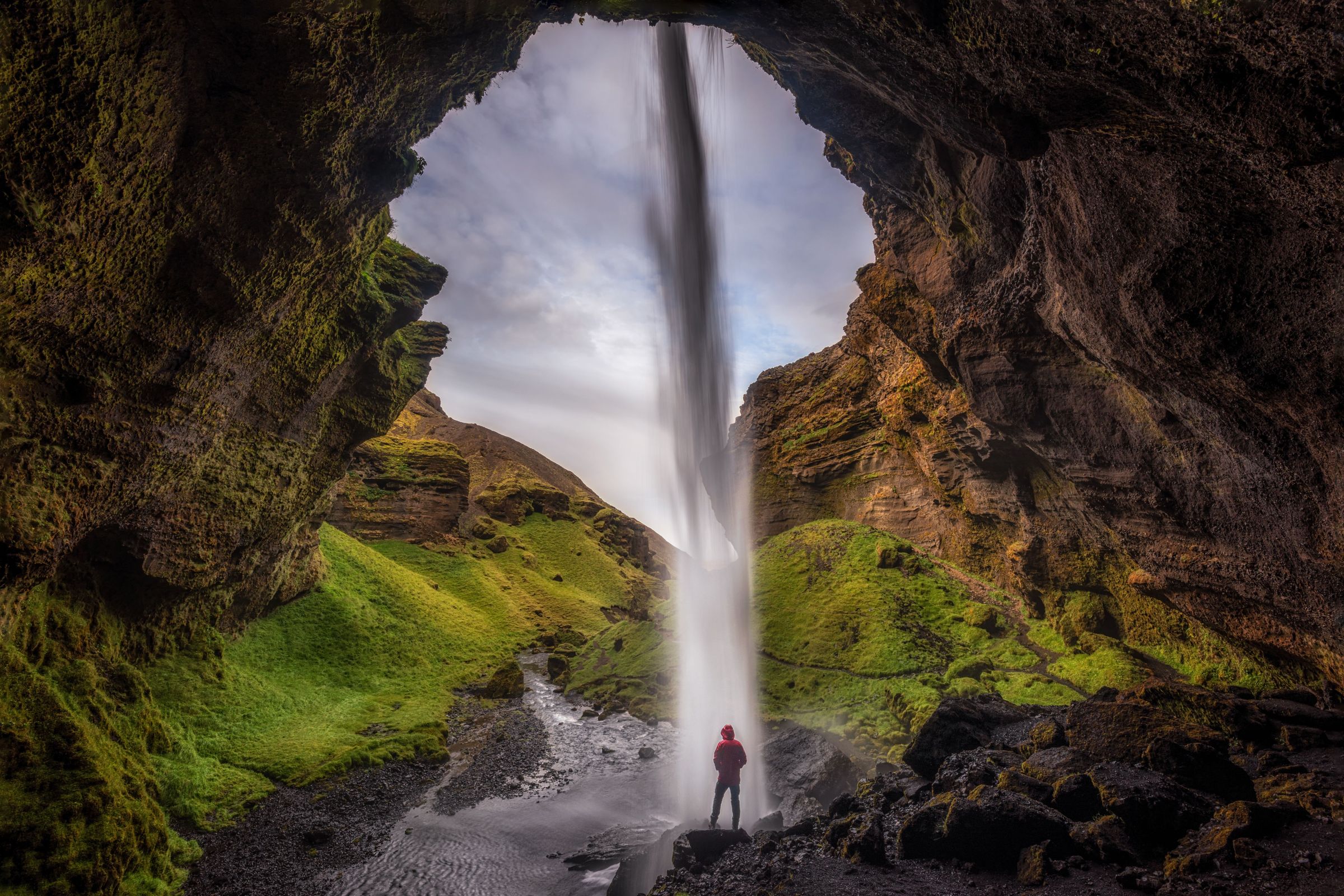
- There’s a path that goes behind the curtain of water, so you can see the cascade from a unique point of view.
What's Kvernufoss?
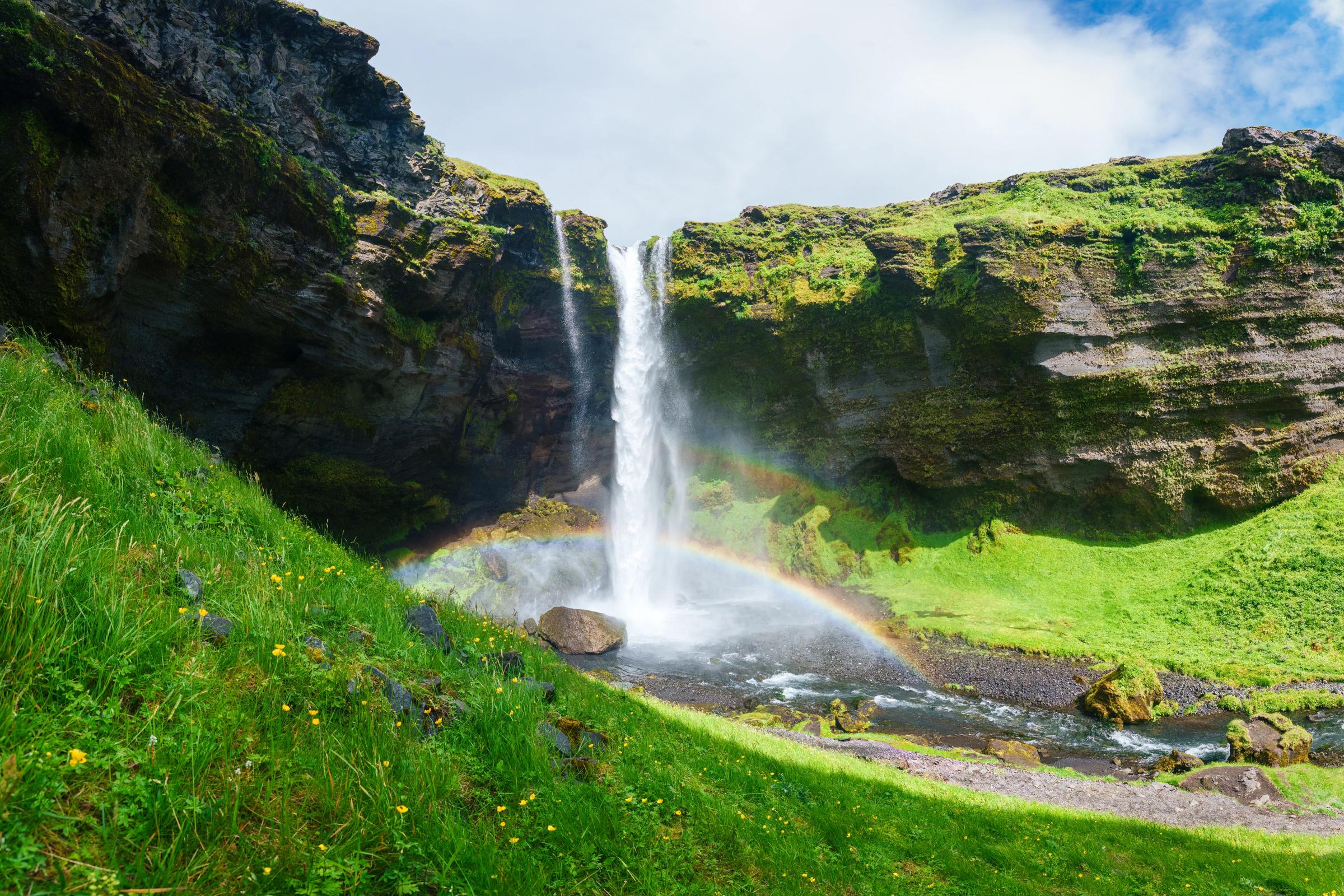
Of all the waterfalls found in Iceland, Kvernufoss stands out as one of the country’s more understated waterfalls. In fact, not many people outside Iceland know much about it, let alone have heard of it. It’s hidden, literally and figuratively. In fact, it’s tucked into a narrow gorge, called Kvernugil, in the Southern Region. The falls are part of the Kverna River, which originates in the Icelandic Highlands and makes its way through volcanic rocks. Here, it creates a kind of natural amphitheater made of dark basalt rocks, some of them covered in a beautiful and lush green moss.
This site feels like a secret, something away from the most transited tourist attractions, especially compared to its most famous neighboring monuments. In fact, it’s less than a mile away from one of the most famous waterfalls in Iceland, Skógafoss, which is part of a different river. At Kvernufoss, you can get a taste of pure Iceland without waiting, making it a more immersive experience.
What makes Kvernufoss particularly interesting is the opportunity to walk behind the falls. There’s a path that goes into a small cave. This feature allows for a unique perspective. When the sun is out, the light filters through the water, creating small rainbows. This is a thing that is not exclusive to Kvernufoss. There’s a more famous waterfall in South Iceland, Seljalandsfoss, which will be explained more about later, that also has a path that goes behind the water, but they are different.
Geology and Folklore
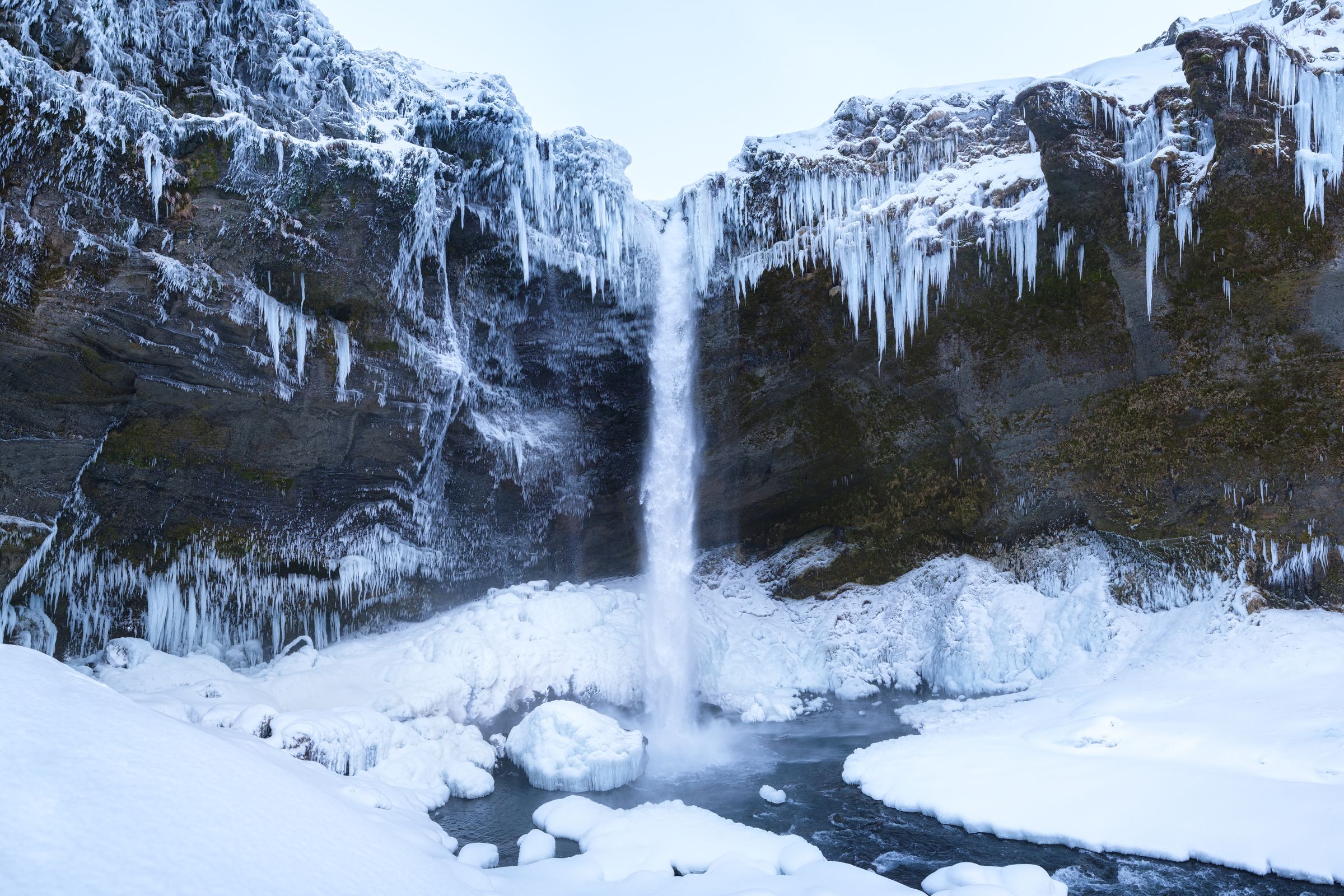
Here at Kvernufoss, there’s a gorge that is a great display of Iceland's geological history. The walls of the canyon have different layers of hyaloclastite and basalt that reveal the island’s volcanic activity. In summer, wildflowers and grasses add patches of color, while winter transforms the area completely. Everything around is covered in snow, and some parts of the waterfall are frozen, creating unique ice formations.
Historically, Kvernufoss lacks the grand tales associated with some Icelandic sites. In this country, it is quite common to have legends associated with natural monuments, but there are also stories of elves and trolls at Kvernufoss. However, the nearby village of Skógar was inhabited since the Viking Age, around 900 AD, when the first settlers from Scandinavia arrived on the island. However, the waterfall’s location, near this settlement, suggests that it had been frequented by the locals centuries ago.
it’s quite close to the famous Ring Road, the main road in Iceland, so stopping to see this magnificent place is easy. It’s a convenient and practical addition to a road trip through an itinerary by the South Coast.

About Kvernufoss Waterfall
Let’s dive into some facts about Kvernufoss. We’re going to start with the name.
Name Meaning and Origin
In Iceland, natural places often have quite descriptive denominations. Kvernufoss derives from two Icelandic words: "kverna," meaning millstone or grinder, and "foss," which simply means “waterfall”. Every place whose name ends this way is a waterfall, so they are quite easy to spot on a map.
It’s not exactly clear why the waterfall gets this name. There are no remains of old mills that used the power of the river or the waterfall. The most extended theory is related to the erosive force of the water as it descends, much like a mill grinding grain. Some interpretations suggest it’s a reference to the gorge's shape or the way the river has "ground" its path through the rock over time.
Size and Dimensions
Now let’s talk about size. Kvernufoss is about 30 meters (98 feet) high. It’s not very wide, but it’s not narrow either, with a width of roughly 10 meters (33 feet), creating a focused, elegant cascade rather than a broad curtain of water. The water drops over a black basalt rock face, and the flow remains consistent year-round. Having said that, it’s fed by springs and glacial melt from the nearby Eyjafjallajökull volcano, so the flow is a bit higher in late spring and early summer.
Geology and Water Conditions
Geologically, the site formed due to Iceland’s volcanic activity. Basalt is a rock of volcanic origin. The gorge, Kvernugil, features striking contrasts: dark lava rocks against green moss in summer, or white ice formations in winter. The water temperature is usually around 4-6°C (39-43°F) all year. That’s very cold for a swim.
Where's Kvernufoss Waterfall and How to Get There
Kvernufoss hides in southern Iceland, right in the small settlement of Skógar, just off Route 1, the famous Ring Road. It's practically next door to Skógafoss—about 1.5 km away—so you can easily visit both in the same stop. The best way to reach it is by car or campervan, as public transport options are limited and don't drop off directly at the trailhead.
From Reykjavik, head east on Route 1 for approximately 156 kilometers (97 miles), a journey that takes about 2 hours under good conditions. Start by following the Ring Road past Selfoss, the capital and main city in the Southern Region. Continue through Hella, a small town that is a great stop for fuel and supplies before heading to more rural areas, where there are barely any gas stations or supermarkets. After Hvolsvöllur, watch for signs to Seljalandsfoss, another waterfall along the way; it's about 30 kilometers (19 miles) from there to Skógar.
Then, keep an eye out for a sign on the right-hand side of the road pointing to Skógafoss. There’s a road on the left that leads to Skógar. Once you get there, the best option is to park at the Skógar Museum lot, which charges around 500 ISK (about €3.40 or $4) via the Parka app. From the parking area, the trail begins with a short climb, then follows a flat path along the river for 1.4 kilometers (0.9 miles) round trip. The hike is easy, taking 15-20 minutes each way, with minimal elevation gain of about 40 meters (130 feet).
Road conditions on Route 1 are paved and well-maintained, suitable for all vehicles, including 2WD campervans, in all seasons. However, check the weather forecast before traveling, as Iceland's conditions can change quickly. If you come in winter, heavy snow can disrupt travel by road, so it’s always better to be one step ahead and check the road conditions.

Where to Stay Near Kvernufoss Waterfall
Campervan enthusiasts will find several well-equipped sites near Kvernufoss, offering a mix of basic and comfortable options. These spots emphasize Iceland's natural beauty, with many providing views of mountains or rivers. Most accept tents, vans, and caravans, but book ahead in peak summer.
Skógar Camping Ground
Distance to Kvernufoss: 1.6 kilometers (1 mile). Opening Period: Year-round.
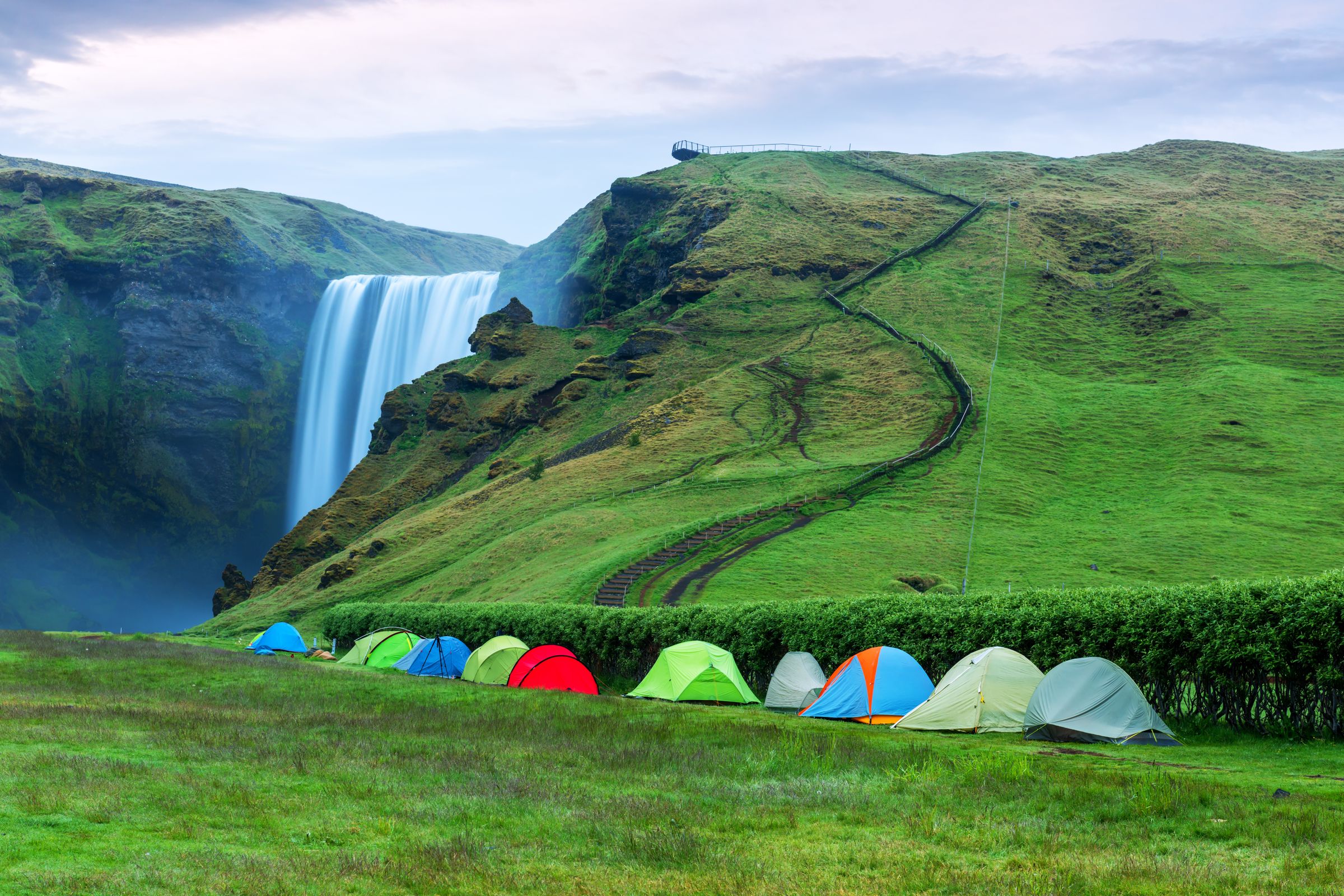
This campsite sits right at the base of Skógafoss, Kvernufoss neighbor waterfall. You can’t stay any closer. From there, you can reach Kvernufoss via a short walk. This campsite offers simple pitches with electricity, restrooms, showers, and a small shop for basics. And, the best of it, the surroundings are impressive. It is possible to camp in tents, vans or caravans all year round. Reservations are not required, but the number of electrical hookups is limited, so better arrive early to get one of those spots.
Vík Camping Ground
Distance to Kvernufoss: 34 kilometers (21 miles). Opening Period: May to October.
Located in the village of Vík, this site features level pitches for campervans near Reynisfjara black sand beach and just by the town’s center. It has toilets, showers, electricity, and a playground for children. Being so close to the town’s center, you’re just a walk away from shops, restaurants, and a gas station. For this reason, it could be a great base to explore the south coast.
Þakgil Camping Ground
Distance to Kvernufoss: 55 kilometers (34 miles). Opening Period: June to September.
This place is a bit remote, but if you’re coming in summer, it’s one of the best camping experiences you can get in this region. Þakgil is a remote valley surrounded by cliffs covered in moss and green hills. And it has its own camping ground. It’s quite basic, but it has toilets, cold water, fire pits, and a cave dining area. The rough access road requires a 4x4 campervan, so you’ll need to plan ahead when booking your campervan if you want to spend the night here. That said, the reward is a fantastic experience in a unique setting with hiking trails to waterfalls and canyons. Don’t expect too many luxuries in the campsite, but you’ll have the basics.
Hvolsvöllur Camping Ground
Distance to Kvernufoss: 50 kilometers (31 miles). Opening Period: May to October.
Located in the town of Hvolsvöllur, this campsite offers flat pitches, toilets, showers, electricity hookups, free Wi-Fi, a washing machine and dryer, and a children’s playground. It’s quite close to the town center, with access to services including a bank, post office, pharmacy, supermarket, restaurants, and a gas station.
Hellishólar Campsite
Distance to Kvernufoss: 53 kilometers (33 miles). Opening Period: Year-round.
Hellishólar is a large camping ground with grassy pitches for campervans and tents, as well as toilets, showers, a laundry room, electricity, and a playground for children. You’ll also find a restaurant on-site and a 9-hole golf course. There are also cottages for rent.
Hella Gaddstaðaflatir
Distance to Kvernufoss: 62 kilometers (38.5 miles). Opening Period: May to September.
Hella is one of the main cities in South Iceland. It’s a great place to stop and restock, and there’s also a good camping ground in town. Gaddstaðaflatir, also known as Hella Campsite, has ample space for tents and campervans, and access to toilets, showers, electricity, a dryer, Wi-Fi, cold and hot running water, and a shared kitchen. Pets are allowed on a leash.
Volcano Huts Þórsmörk
Distance to Kvernufoss: 58 kilometers (36 miles). Opening Period: Year-round (access seasonal).
The next site on our list is a bit far, but it’s a great stay in summer if you want to go to the Icelandic Highlands. This place is in Þórsmörk valley, a green oasis in the middle of black lava fields. It’s a modern and well-equipped site with toilets, hot showers, electricity, a restaurant, and a bar. They have different options to stay: camping in a tent or campervan, mountain huts, private rooms, cottages, and glamping tents.
Básar Camping Ground
Distance to Kvernufoss: 60 kilometers (37.3 miles). Opening Period: June to September.
Also in Þórsmörk, Básar offers a simpler camping experience with basic facilities in a stunning natural setting. Ideal for hikers, it’s close to trails leading to glaciers and volcanic landscapes. The site has toilets, hot showers, and cabins that can be rented if you prefer a more comfortable stay. It’s a budget-friendly choice compared to its neighbor, for those prioritizing scenery over amenities.
What to See and Do Near Kvernufoss Waterfall
Kvernufoss is a great visit in itself, but the journey doesn’t end there. The Southern Region of Iceland is one of the most complete parts of the country and hosts a large number of amazing natural monuments. Draw an itinerary through the region and enjoy!
Skógafoss
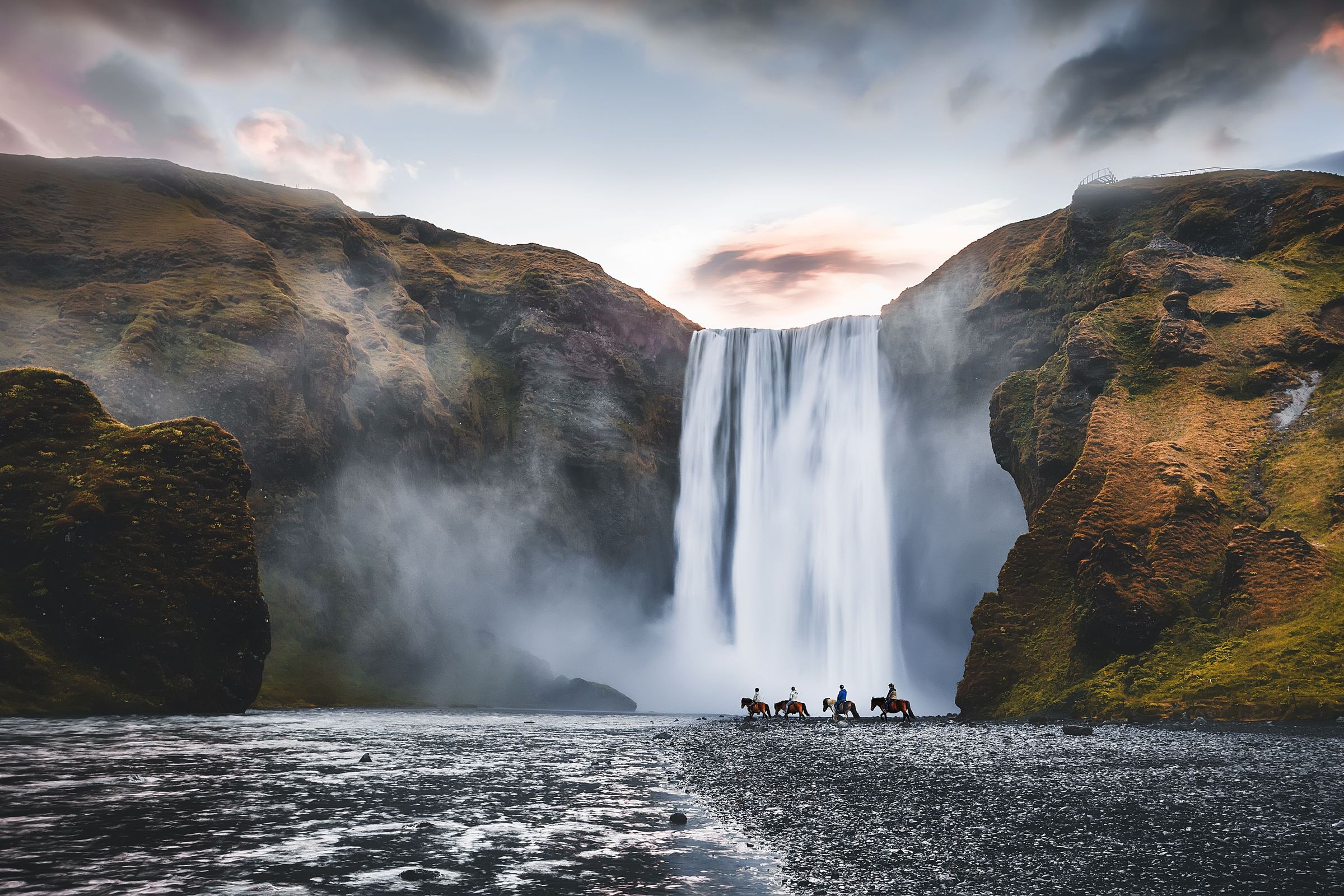
It doesn’t make much sense to go to Kvernufoss and not visit Skógafoss. They are 1.6 kilometers (1 mile) apart, and you can also walk from the Skógar parking area, although Skógafoss has its own parking lot. Compared to its more secluded sister, Skógafoss dominates the landscape with its 60-meter (197-foot) drop and 25-meter (82-foot) width. There’s a staircase that allows you to go all the way to the top and enjoy the panoramic views from there, but bear in mind that it consists of 527 steps, so pace yourself. There’s a legend tied to this place that says that Þrasi Þórólfsson, an early Viking settler, hid a treasure chest behind the curtain of water.
Skógar Museum
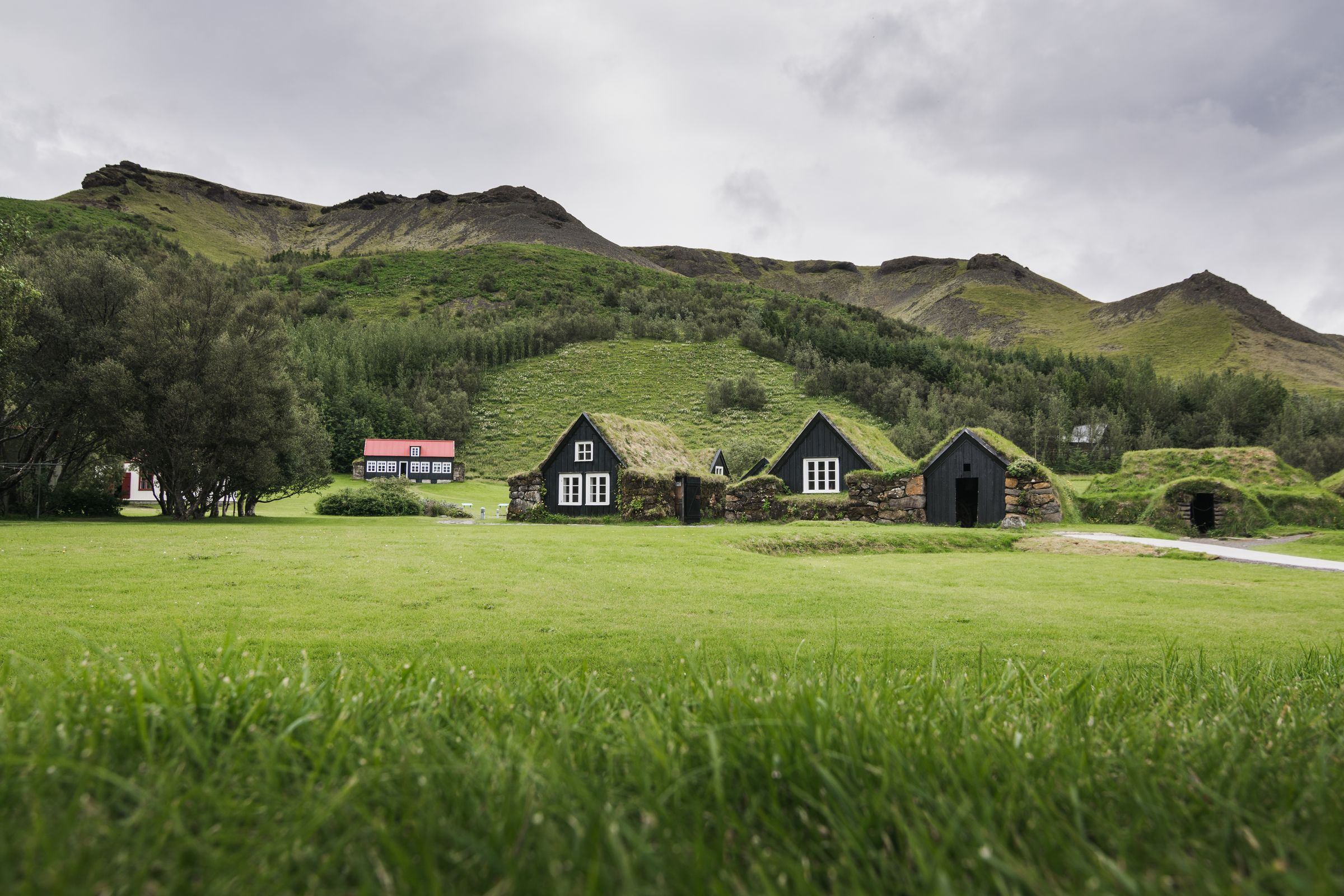
You can pair the visit to the two waterfalls with a cultural touch. The Skógar Museum, located where the trail for Kvernufoss starts, is focused on history and Icelandic heritage. It hosts exhibits on folk life, turf houses, and artifacts, including a ring that, allegedly, belonged to the Skógafoss treasure. The open-air section recreates traditional buildings, while indoor displays cover transportation and technology.
Drangurinn í Drangshlíð
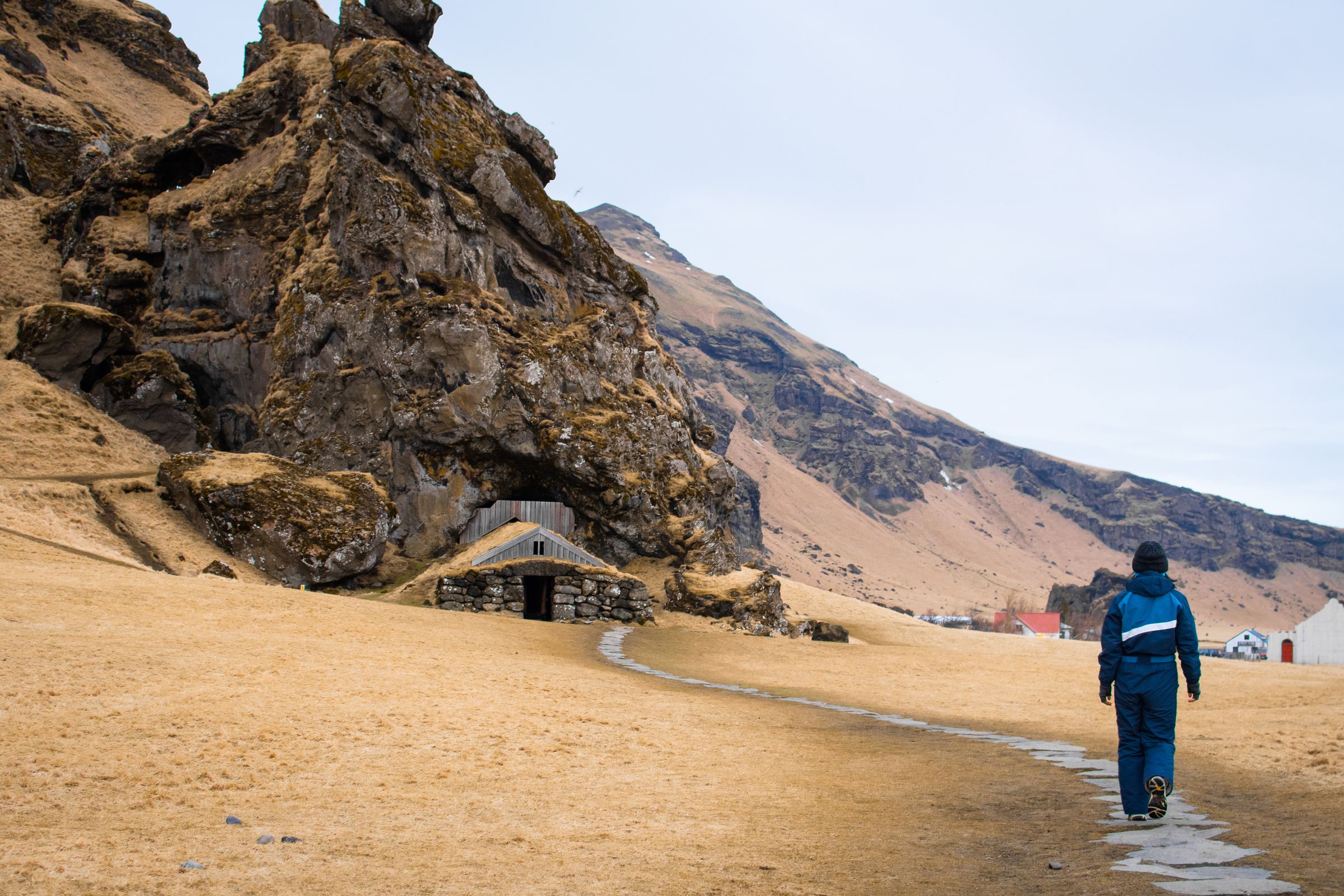
These peculiar rock formations and caves, formed by erosion, sit beneath the mighty Eyjafjallajökull glacier. Once used as shelters by farmers, they now offer a glimpse into the region’s rural history. There’s a short trail that goes around the place, connecting history and nature.
Skalabrekkufoss Waterfall
Part of the Skógá River, the same Skógafoss is part of, this lesser-known fall drops in different tiers. The surrounding area, made of green hills, is really picturesque. It's accessible via the Fimmvörðuháls trail, which starts at Skógafoss, and there are several smaller waterfalls along the way.

Solheimasandur Plane Wreck
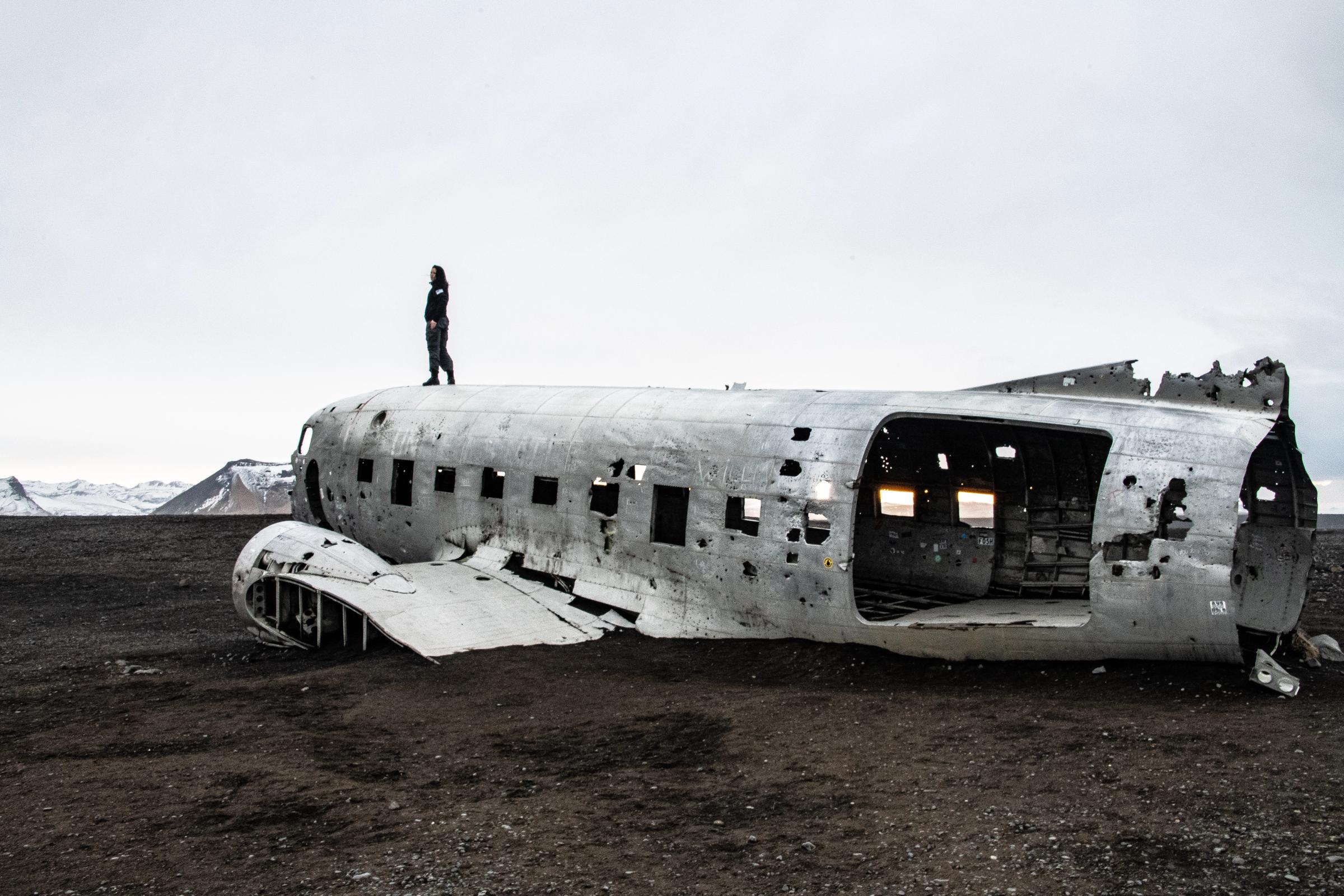
In 1973, a DC-3 plane belonging to the US Navy crashed on a beach in South Iceland. While the crew survived, the remains of the plane are still scattered on the beach. It was never retrieved because of how difficult and expensive it would be. Today, the white fuselage creates a sharp contrast with the black sand, and has become a popular attraction. There’s a parking area by the Ring Road and, from there, a 4-kilometer (2.5 miles) trail across a volcanic plain.
Seljalandsfoss
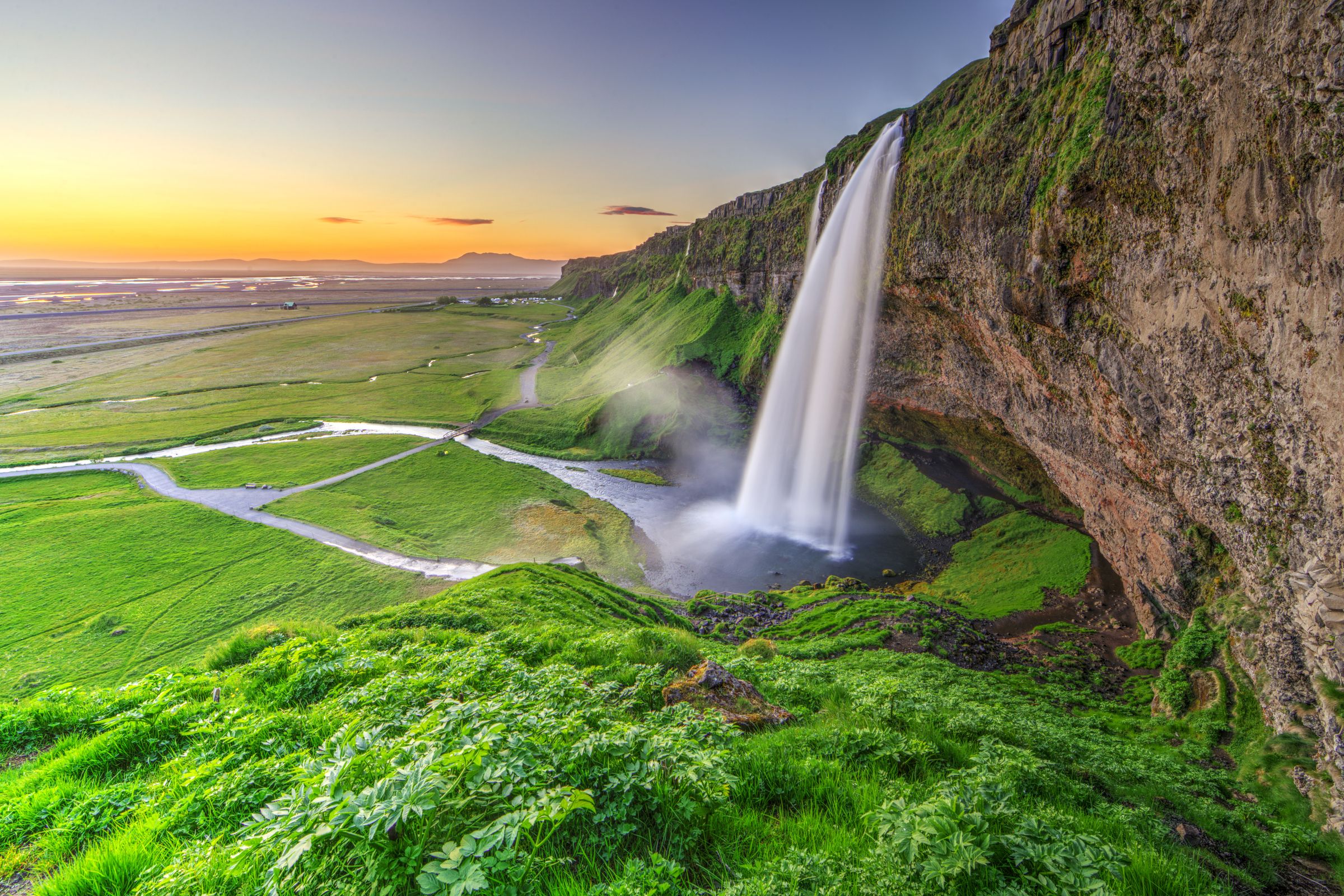
This 60-meter (197-foot) cascade is, probably, the most famous waterfall in Iceland. Seljalandsfoss is tall, slender, and its surroundings are beautiful. However, its most distinctive element is a walking path that goes behind the water curtain into a small cave. Very much like in Kvernufoss, but at a much larger scale. The views from there are pretty unique. Wear waterproof clothes and shoes, you’ll most likely get wet.
Gljúfrabúi
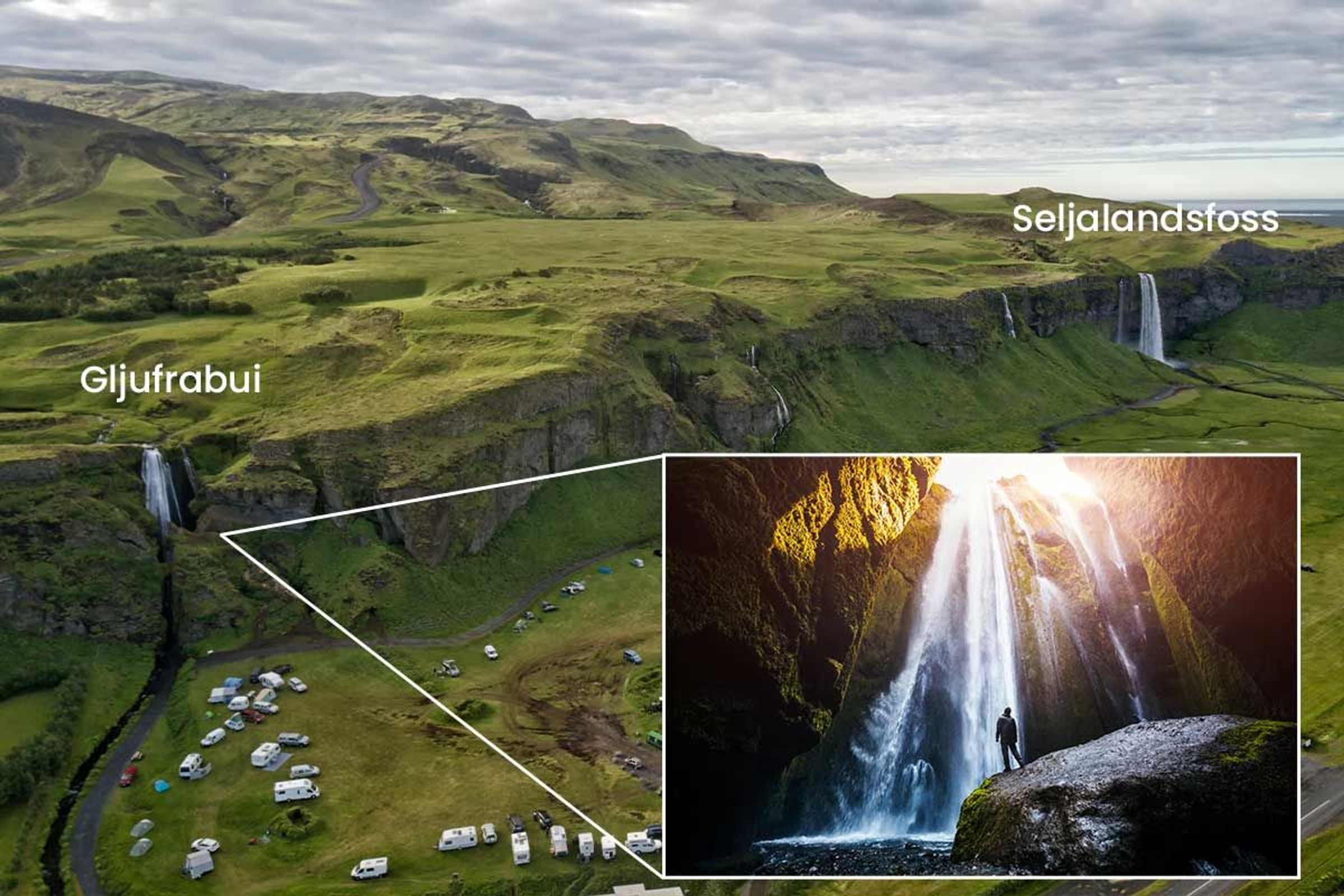
If you’re going to see Seljalandsfoss, you’ve got to also visit its hidden neighbor, called Gljúfrabúi, just 200 meters away. It’s another waterfall, a bit smaller, around 40 meters tall (131 feet). Its name can be translated as the “canyon dweller”, as it’s completely invisible from the outside. To see it, you’ll need to walk through a shallow stream inside a narrow gorge till you get to a chamber where the waterfall pours over mossy rocks into a quiet pool. It’s not as visited as Seljalandsfoss, but it is an amazing surprise to those who go see it.
Best Time to Visit Kvernufoss Waterfall
Spring (April and May): The snow from winter starts to melt, revealing the green patches around the waterfall. The temperatures usually move between 0 and 10°C (32-50°F). The days start to grow longer, but rain is common, leaving the trail leading to Kvernufoss muddy. Most of the campsites that close for winter reopen and there are not many tourists.
Summer (June to August): The weather is mild, a mix of sunny days with occasional rain. The temperatures hover around 10-15°C (50–59 °F). There are almost 24 hours of natural light per day by the end of June. It’s peak season, so book your camping spots well in advance.
Autumn (September and October): This season cools down to 0-10°C (32-50°F), very similar to spring but going in the opposite direction. The days are significantly shorter, and there are few visitors, so you can enjoy the natural monuments in a quieter atmosphere. Rain and wind pick up, turning gravel roads slippery.
Winter (November to March): Winters are long and cold in Iceland, and the area where Kvernufoss sits is no exception. The temperature is usually below freezing point, and the days are very short, barely 4 to 6 hours of natural light in late December. Many campsites close for the season, and driving can be a bit tricky. On the other hand, it’s the season when the Northern Lights start to be visible.
What to Pack to Visit Kvernufoss Waterfall
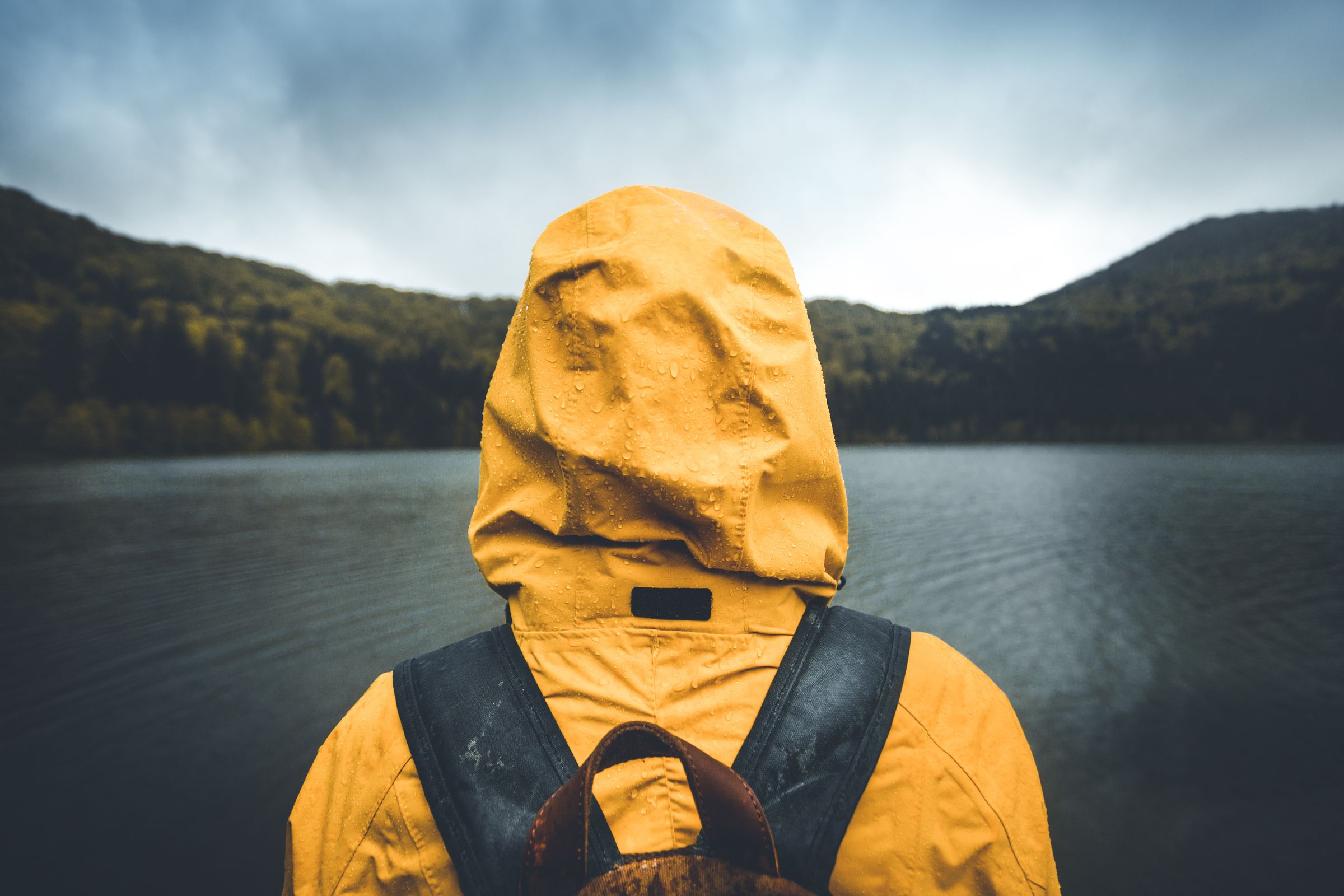
- Waterproof jacket and pants to stay dry from mist and rain.
- Hiking boots, better if they’re waterproof.
- The best way to adapt to the weather changes is to dress in layers. Think a thermal base layer, wool or fleece for the intermediate, and waterproof outside.
- Hat, gloves, and scarf for temperature drops and cold nights.
- Sunscreen and sunglasses for bright days.
Travel Tips
- Check the weather forecast before heading out, as conditions change rapidly.
- Stay on marked paths to protect the fragile environment.
- Visit early in the morning or late in the evening to dodge crowds.
- Respect nature by packing out all trash.
- There are no gas stations in rural areas. Fuel up in cities and towns when you have the chance.
- Combine with Skógafoss for a full day.
- Download offline maps for areas with poor signal.

Conclusion
South Iceland has some of the most impressive natural monuments in Iceland. Many of them have become well-known and attract visitors from all over the globe, while others remain a secret. In this category, not many are as beautiful as Kvernufoss. It’s one of those hidden gems that will enhance your trip.