Krossneslaug: Iceland's Remote Geothermal Pool by the Sea
So you want to sit in a hot pool while staring straight at the ocean? Krossneslaug is basically the dream version of that. It’s small, simple, and way out in the Westfjords, where very few people go. There’s no fancy setup, no spa music, no big crowds. Just hot water, cold ocean air, and a view that feels kind of unreal. Getting there takes effort, but that’s part of why it feels special.
Here’s everything you need to know for planning your visit.
Key Takeaways
- A remote geothermal pool in Iceland’s Westfjords with a wide-open Arctic Ocean view
- You can only reach it in summer, and the last stretch of road needs a 4x4
- Entry is about 1,000 ISK (around $7), and the facilities are basic but clean
- Best times to visit if you want quiet are early morning or later in the evening
- Easy to combine with places like the Djúpavík ruins or trips into the Hornstrandir wilderness
- Only open from mid-May to late August because winter blocks the roads
What Is Krossneslaug?
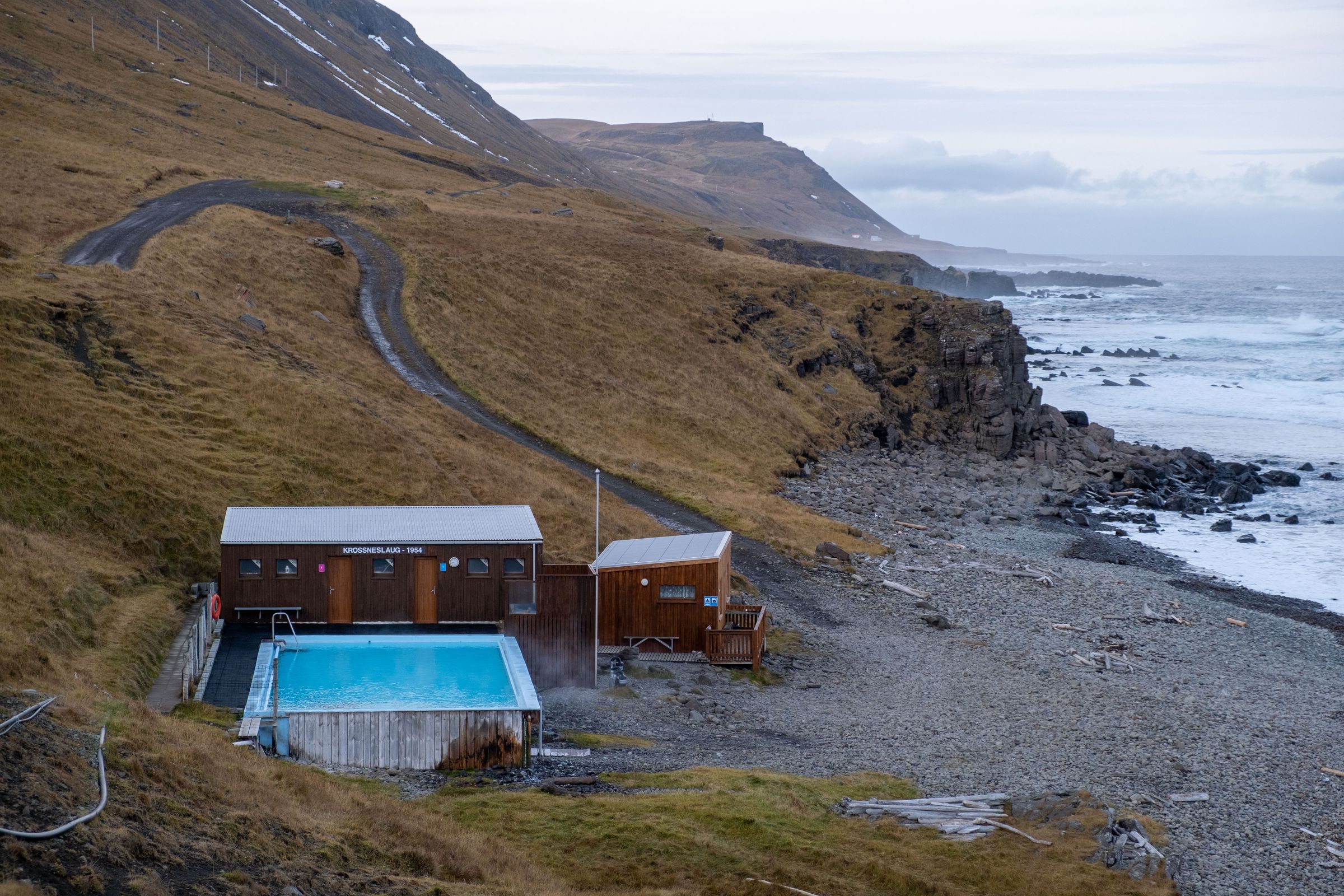
Krossneslaug is a small community pool that uses natural hot water and is located next to the ocean. It’s in an area called Strandir in the Westfjords, and it’s honestly one of the most remote public pools you can still drive to. Only about 53 people live in the whole municipality, so this is not a busy place.
The water stays around 38–40°C (100–104°F), which makes it warm and easy to stay in for a long time. There’s a bigger pool where you can swim a bit, and a smaller hot tub that’s slightly hotter. The heating is all geothermal, straight from the ground, nothing complicated.
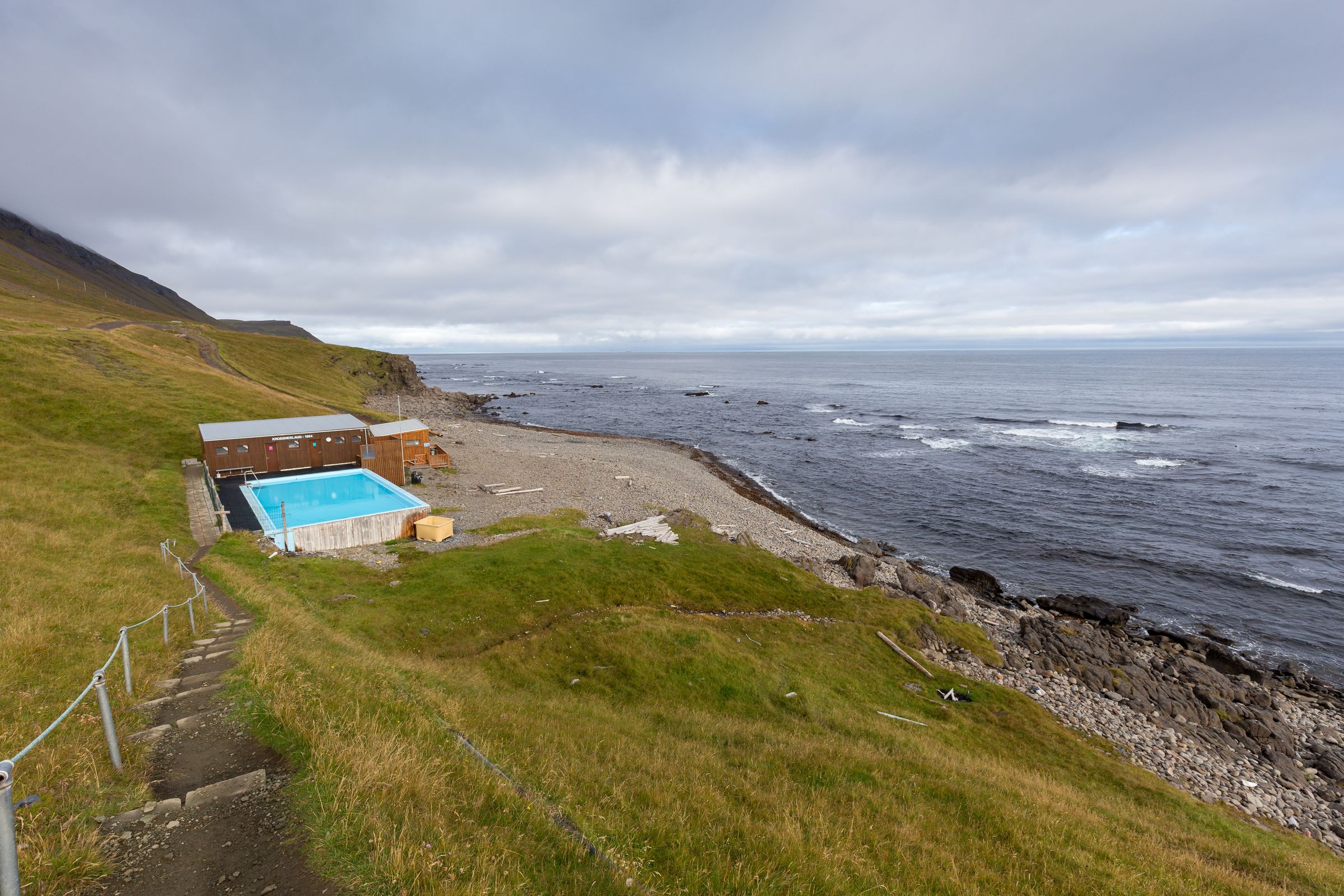
People make the long drive because the pool lines up with the ocean in a way that almost feels like the water just continues into the sea. It’s like a natural infinity effect. And unlike the Blue Lagoon or other tourist spots, this pool wasn’t built for visitors. Local farmers made it back in 1954 to give the community a warm place to bathe, and it still serves that purpose.
Where Is Krossneslaug?
The pool is in a tiny spot called Krossnes in the Strandir region of the Westfjords. If you’re starting in Reykjavík, expect roughly a five-hour, 330-kilometer drive. That’s part of the deal: this place is far.
The pool sits right on the coast with the Arctic Ocean in front of you and a mountain called Kaldbakur behind you. The closest bit of civilization is Norðurfjörður, a small harbor village about two kilometers away. Djúpavík, with its old herring factory ruins, is 40 kilometers to the south. The last real stop for gas, groceries, or anything important is Hólmavík, about 100 kilometers back on a rough gravel road.
You’re very close to the Arctic Circle here. In summer, the sun barely sets, so you can soak at midnight and still have light. In winter, you can’t visit at all because the road is buried under snow.
Floating in warm water while cold ocean air hits your face, with nothing between you and Greenland, is a strange yet amazing feeling.
Why Krossneslaug Is Unique
Here’s the simple version of what makes this place stand out.
That Infinity-Pool Look
Fancy hotels love to build pools that look like they blend into the horizon. Krossneslaug does it by accident. When you sit in the warm water, the pool and the ocean almost line up. Waves hit the rocks just meters away while you stay warm and relaxed.
It’s Actually the Real Thing
This isn’t a staged “authentic” experience. It’s just an actual community pool from 1954 that locals still use. The changing room still shows the year it was built. You’re stepping into their everyday life, not something designed to impress tourists.
Animals Show Up
Since you’re right at the edge of the sea, you sometimes see humpback whales out in the water during summer. Seals hang around the harbor. Loads of seabirds fly and dive nearby. And there are moments when you get the whole place to yourself, which is rare in Iceland now.
Soaking Under the Midnight Sun
In summer, it never fully gets dark. You can sit in the pool late at night while everything is still glowing with soft golden light. The mix of warm water and cold Arctic air is something you don’t really find anywhere else.
History of Krossneslaug
The story behind this pool makes it even easier to appreciate. Back in 1954, local farmers noticed that hot water was flowing out of the ground and straight into the sea. Since the Westfjords don’t have much geothermal activity compared to the rest of Iceland, this was a pretty big deal. Most of Iceland sits on young volcanic areas, but the Westfjords are older and more stable, so hot springs are rare.
Instead of wasting hot water, these farmers decided to build a pool and use it. It was a huge improvement for people living so far from bigger towns. Over the past 70 years, the community has sustained the place. They’ve repaired the equipment, added the small hot tub, and updated the changing rooms, but the core idea remains the same.
The pool is important to the people who live here. And now that travelers visit more frequently, entry fees help cover upkeep. It’s one of those few places where tourism actually helps a local community instead of putting a strain on it.
Geothermal System & Water Source
The heating system here is as simple as it gets, which is probably why it’s so reliable. Hot water comes straight out of the ground near the coast at around 40°C, and then it’s mixed with cooler groundwater to get the pool temperatures just right.
The main pool is around 38°C, warm enough to relax in but cool enough to move around comfortably. The smaller hot tub is a bit hotter so it feels more like a regular soaking pool. Both pools use a basic overflow system: hot water flows in, extra water spills out. This keeps the water clean and the heat steady.
Everything runs on natural geothermal energy, which has been bubbling there for who knows how long. Even when the pool closes for the winter season, the hot springs keep flowing under the snow. When the roads open again in late spring, the system is ready to go with almost no fuss.
What It's Like to Visit Krossneslaug
People often talk about the drive or the remoteness, but the actual experience of being in the pool is what makes this experience unique. It hits both your senses and your emotions in a way that’s hard to explain until you’re there.
That Wide Ocean View
As soon as you slide into the pool, you get this clear, open view of the ocean. On calm days, the pool water and the sea almost look connected. It feels strange and peaceful at the same time.
Warm Water, Cold Air
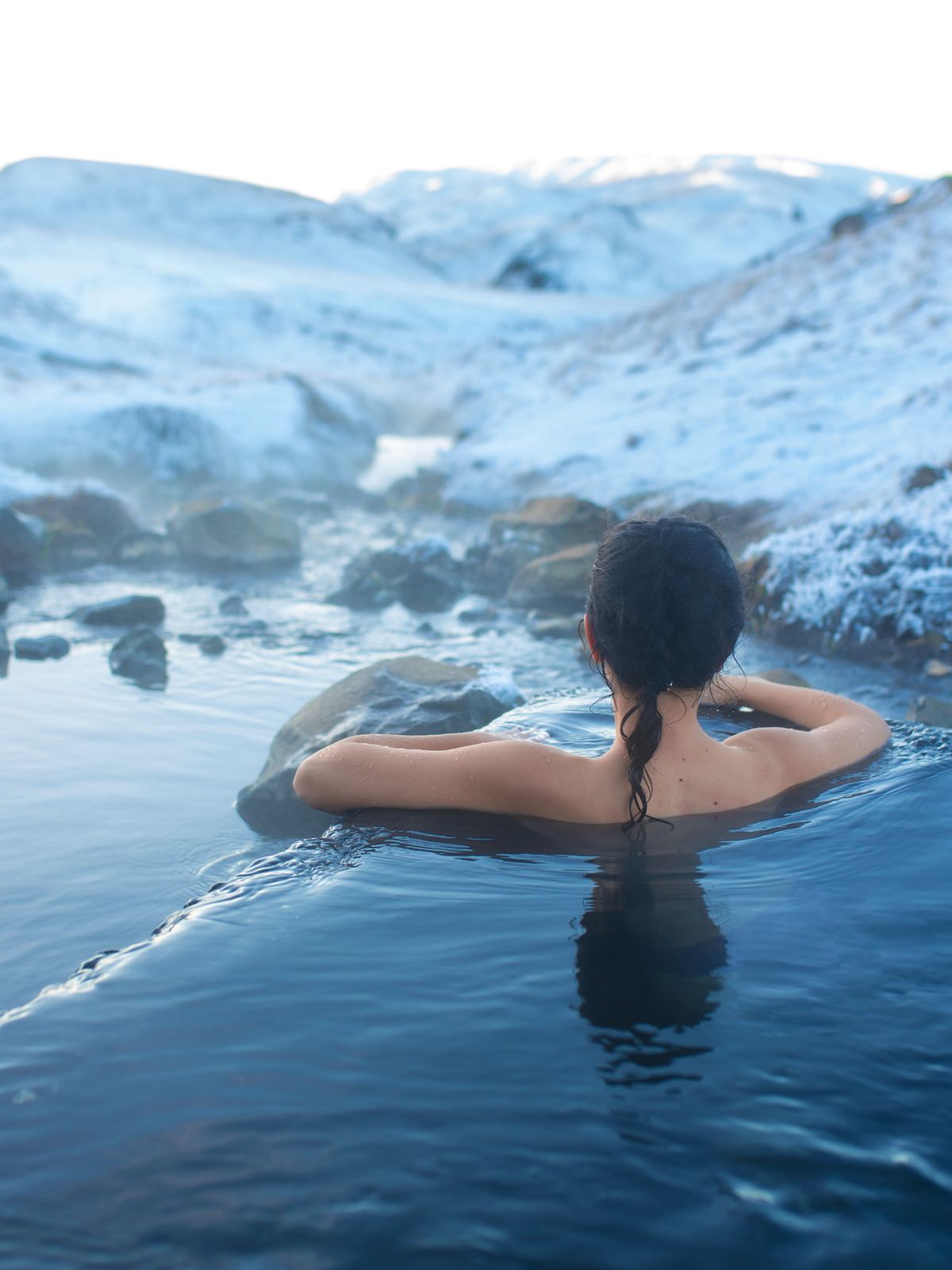
Your body sits in this warm 38°C water while your face gets brushed by the cold ocean wind. You hear small splashes in the pool, mixed with the sound of crashing waves nearby. Steam curls off the water, birds swoop down for fish, and everything around you feels alive.
The Season Changes the Mood
Early summer (May and June) is full of bright green views and wildflowers. Later (August), the land starts showing early autumn colors. During June and July, you can visit at 11 PM and still have sunlight because of the midnight sun. Sometimes, early northern lights appear toward the end of the season, which feels unreal from a hot pool.
Zero Distractions
There’s hardly any cell service, which turns out to be a blessing. You end up just sitting there, soaking and watching the ocean. The whole environment has this calming effect that sneaks up on you. It doesn’t feel like a spa treatment. It feels like the place itself is doing the work.
How to Get to Krossneslaug
From Reykjavík, head north on the Ring Road for about 50 kilometers. Then take Route 60 into the Westfjords and follow Route 61 to Hólmavík. This is your last solid stop for gas, groceries, and anything important.
After passing a village called Drangsnes, turn onto Route 643. This is where things get real.
The Rough Stretch
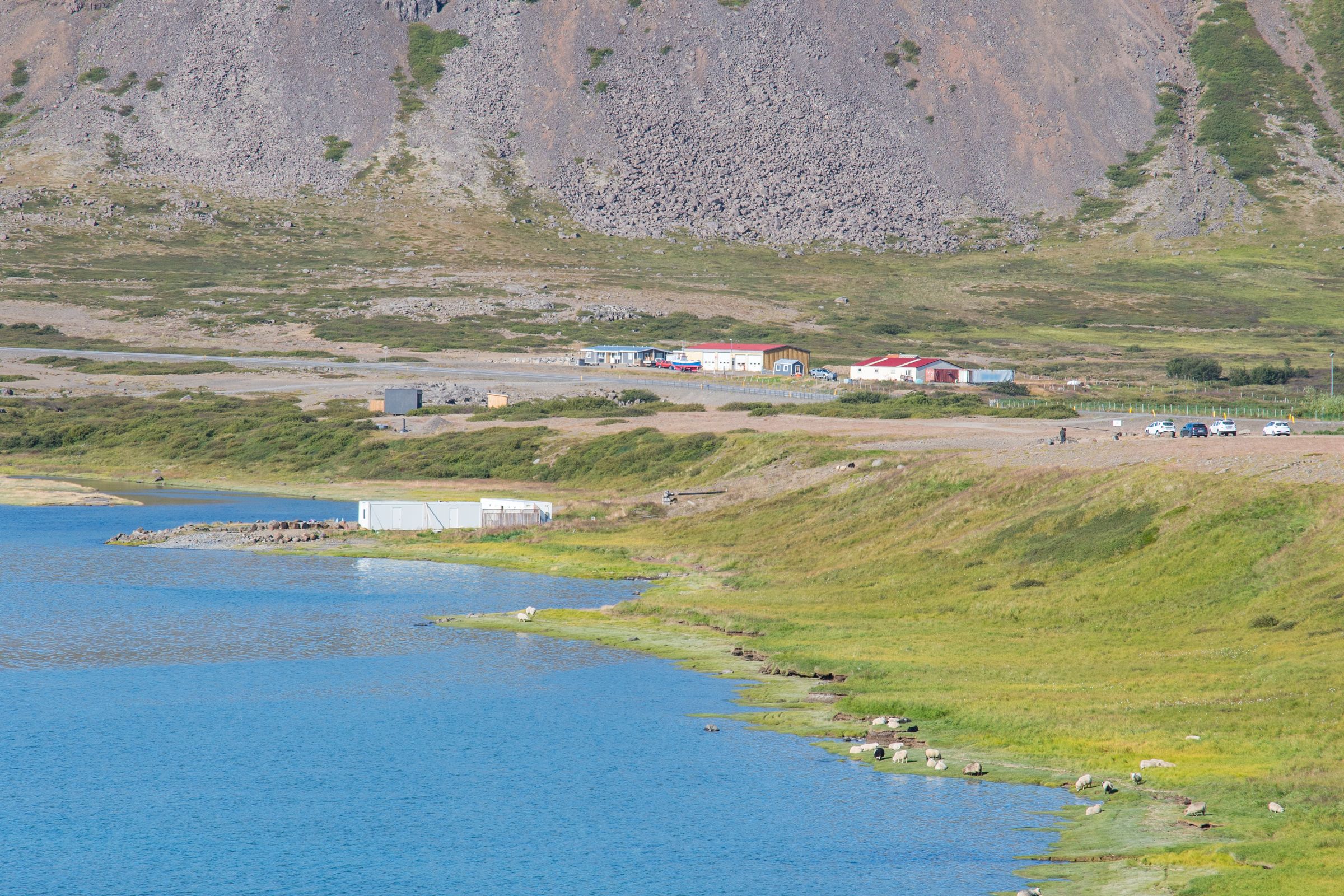
Route 643 is a gravel road, and parts of it are pretty rough. You’ll run into potholes, narrow spots, steep drops, and even some small stream crossings. You can technically drive it in a regular car if you go very slow, but a 4x4 makes the whole thing easier and safer, especially if the weather turns bad.
Even though it’s only about 100 kilometers from Drangsnes to Krossneslaug, expect the drive to take 2.5 to 3 hours. You’ll want time to handle the tricky sections and to stop for photos, which you definitely will.
Finding the Pool
There’s a driftwood sculpture called “Leif the Lucky” along the shore that tells you you’re getting close. Once you near Norðurfjörður, the pool is marked with signs, so you won’t miss it.

Opening Hours, Seasonality & Accessibility
Krossneslaug only operates from mid-May through late August. After that, Route 643 gets buried under snow and basically disappears until late spring. The person who runs the pool only lives there in the summer, so once September hits, everything shuts down.
Trying to get there anytime from September to April is unsafe and, honestly, impossible. You’d get stuck long before reaching the pool, and no one would be around to help.

Krossneslaug only operates from mid-May through late August
Daily Use
During the summer, the pool is open all the time. Someone is usually around from about 8 AM to 11 PM, but even outside those hours, you can still use the pool if you pay the honor-system fee in the changing room.
Because of the Midnight Sun in June and July, late-night soaking is super popular. If you want the quietest, early morning before 9 AM or after 8 PM usually works well.
Staff are usually present from 8 a.m. to 11 p.m.; outside those hours, the pool is still available with the honor-system fee paid in the changing room.
Getting Around on Site
The area around the pool is uneven, and there are some steps to walk down from the parking area. The changing rooms are clean and simple but don’t have the same accessibility features you’d find in a city pool. If you have mobility challenges, this location might be tough.
Entrance Fee & Facilities
Entry costs about 1,000 ISK per adult, about 7 US dollars. Kids are either discounted or free. You’ll want to bring cash, because card machines aren’t reliable this far out. If no one is working when you arrive, there’s a cash box inside the changing room. Just drop your fee in.
For comparison, this is extremely cheap. Big Icelandic attractions like the Blue Lagoon start at around $85. Even city pools in Reykjavík cost more than this.
Entry is approximately 7$
What’s Available
You get clean changing rooms with heat, benches, and hooks. The showers have both hot and cold water, and yes, like all pools in Iceland, you need to wash with soap and no swimsuit before you get in. There’s a bathroom too.
There are no towel rentals, no swimsuit rentals, no café, and no shop. Bring whatever you need with you. Sometimes there’s a picnic table or two outside, but don’t count on extra amenities. The setup focuses on being clean, warm, and functional, not fancy.
Places to Visit Nearby
If you’re making the trip all the way out to this coastline, it’s worth exploring the area a bit. The Strandir region has a mix of quiet wilderness, history, and forgotten buildings that tell stories you won’t find in more touristy parts of Iceland.
Norðurfjörður Village
This small harbor village is only two kilometers from the pool. It has the only restaurant in the area, Kaffi Norðurfjörður, plus a small shop and a couple of places to stay. Seals often hang around the harbor, and if you like hiking, there are trails leading up nearby peaks with great views.
Djúpavík Historic Ruins
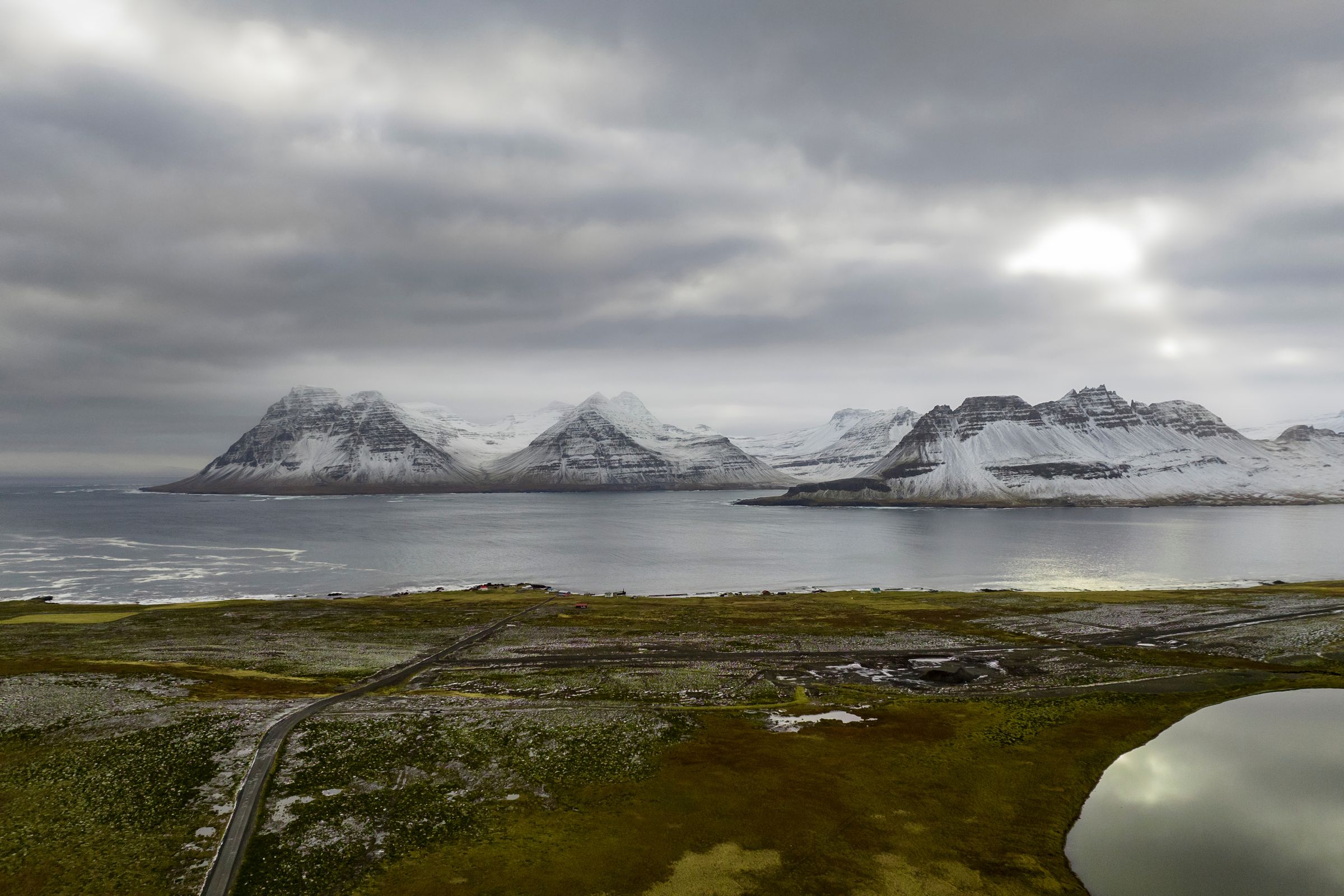
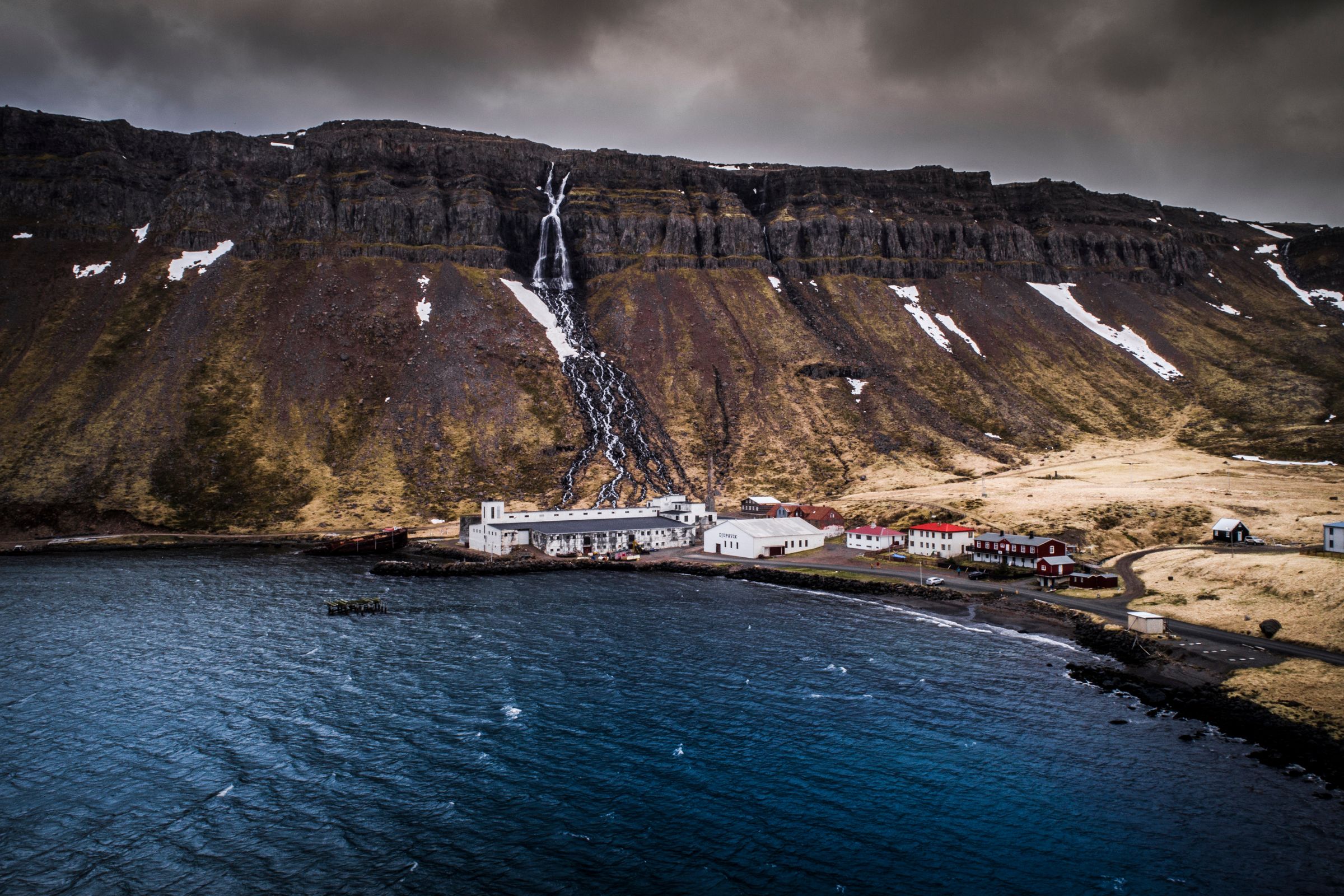
About 40 kilometers south, you’ll reach Djúpavík, which has huge concrete ruins from a 1930s herring factory. Walking around them feels kind of eerie in a cool way. There’s also a shipwreck on the beach. If you want to stay the night, Hótel Djúpavík offers rooms in the old workers’ quarters.
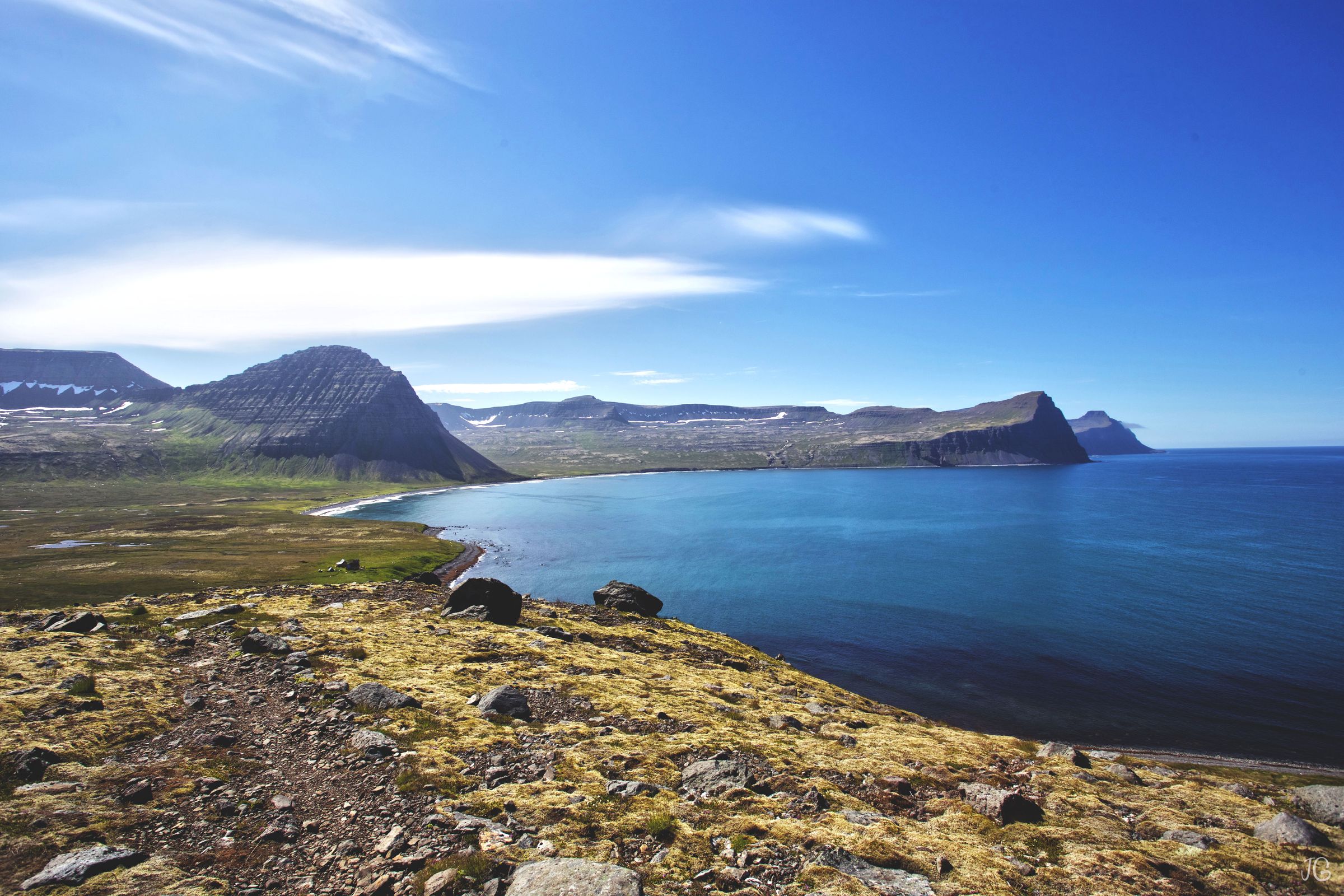
Access to Hornstrandir Wilderness
Boats from Norðurfjörður sometimes take people over to Hornstrandir, which is a completely roadless nature reserve. It’s one of the most untouched parts of Iceland, with Arctic foxes and wide open landscapes. It’s beautiful but serious terrain, so only go if you really know what you’re doing.
Other Hot Springs Nearby
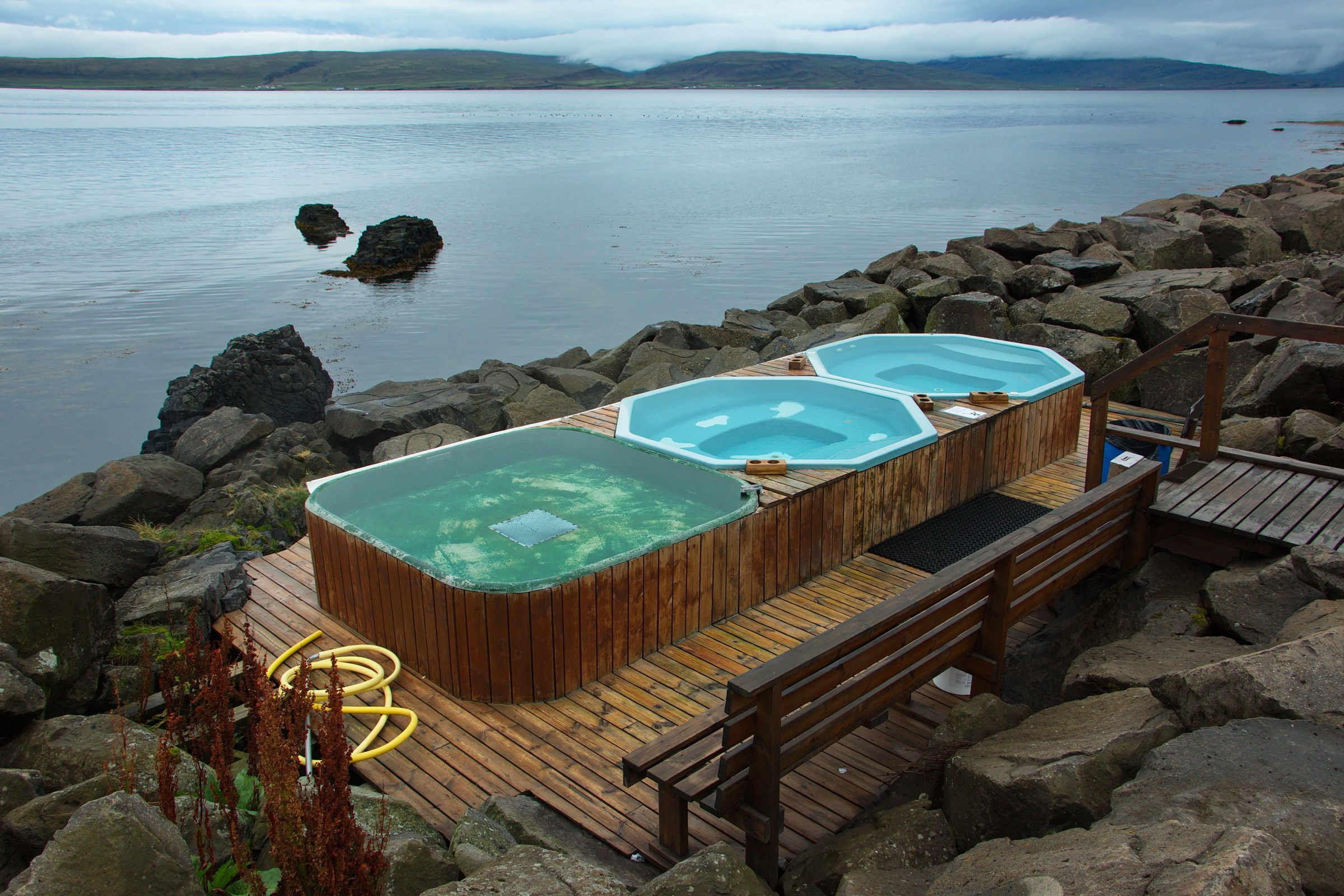
Drangsnes hot tubs are about 100 kilometers south and open 24/7 for free. They sit right by the ocean as well, but the vibe is more casual village life. Reykjafjarðarlaug near Djúpavík is another geothermal pool if you want to compare different soaking spots on the same route.
Travel Tips & Sustainability
A good trip to Krossneslaug requires planning ahead and being mindful of how you move through such a fragile and isolated place. The area doesn’t have much support infrastructure, so what you do as a visitor really matters.
What to Bring
Check road conditions on road.is before you leave. Route 643 may close suddenly if the weather turns bad. Fill your gas tank in Hólmavík, as you may not find fuel again until you return. Bring cash in Icelandic krónur, swimwear, towels, warm clothes for after your soak, and your own food, as there’s little for sale up there.
It’s smart to pack basic emergency supplies such as a first-aid kit, an emergency blanket, and extra water. Cell service is weak or nonexistent, so download offline maps and tell someone where you're going. A headlamp can help too, since the changing rooms might not always have working lights late at night.
Weather Can Shift Fast
Fog can roll in off the ocean without warning, and that road becomes stressful pretty quickly when you can’t see well. Ocean wind can also make getting out of the pool feel freezing if you’re not ready. Always bring warm, waterproof layers for both the drive and the walk from the pool to your car.
Never attempt the trip in winter. Even in summer, if the weather gets bad, turn around instead of pushing on and getting stuck somewhere remote.
Be a Respectful Visitor
This area is beautiful because people take care of it. Pack out all your trash. Stick to paths so you don’t damage sensitive land. Shower thoroughly before entering the pool to keep the water clean. And always pay the entrance fee, even if no one’s there. That money is what keeps the pool running.
Remember that this is a real community. Keep your voice down, give others space, and treat the place like someone’s home, because it is. If you can, support local businesses such as Kaffi Norðurfjörður and small guesthouses. These places help the community stay alive in a tough location.
Comparing Krossneslaug to Other Hot Springs in Iceland
People often assume Krossneslaug will feel like other Icelandic hot springs, but it’s really in its own category because it’s community-run and extremely remote. Here’s how it actually compares:
Krossneslaug vs Blue Lagoon
Blue Lagoon focuses on luxury and spa experiences. It has milky blue water, restaurants, packages, and crowds. Entry can be 75 euros or more.
Krossneslaug is the total opposite. It offers clear, natural water, simple amenities, a genuine community feel, and costs under $10. On a busy day, you might see a few dozen people, not thousands.

Krossneslaug vs Sky Lagoon
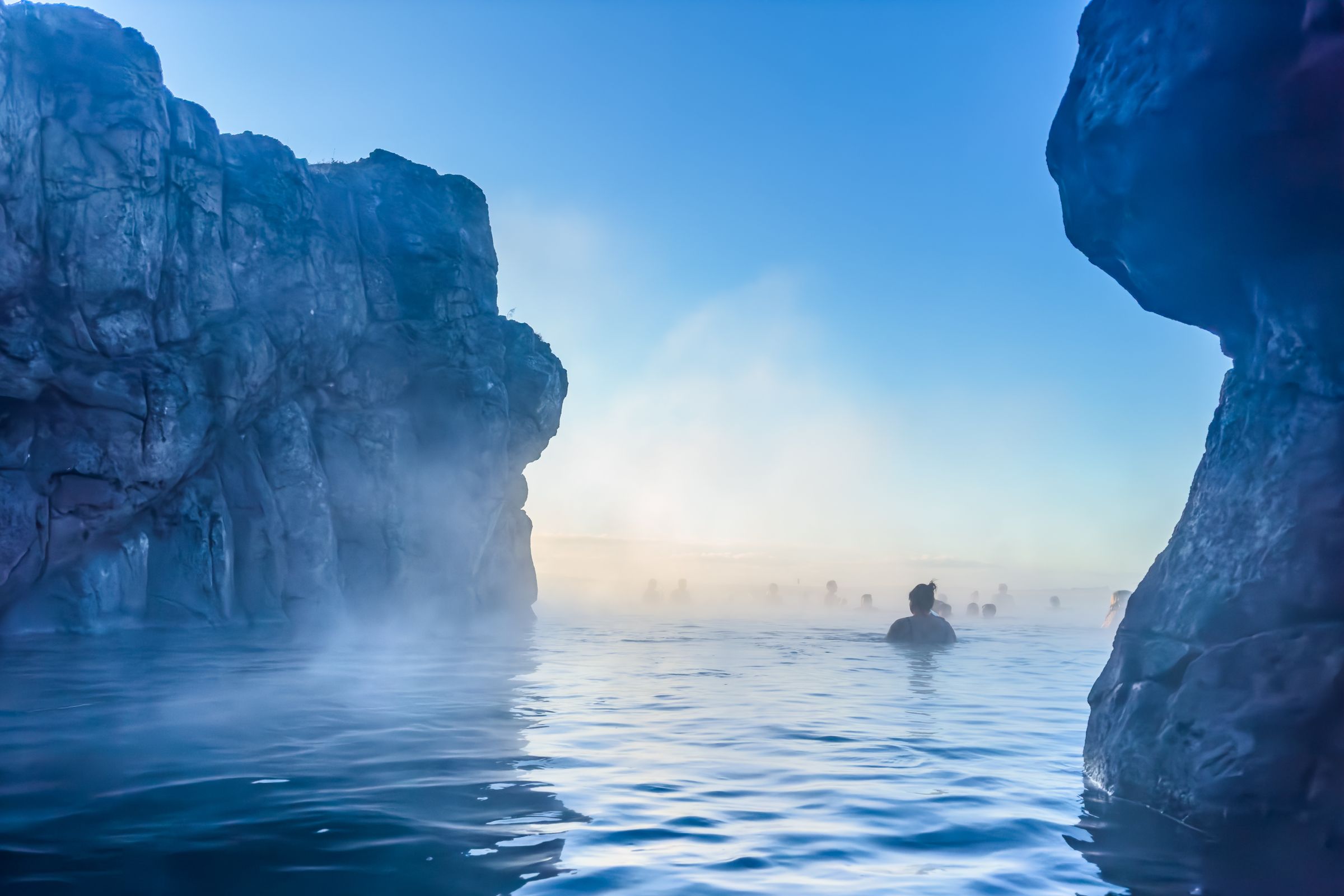
Sky Lagoon offers stylish infinity views close to Reykjavík, with cocktails, sauna rituals, and a very curated atmosphere for about 65 dollars.
Krossneslaug offers real infinity views, thanks to nature, no fancy touches, and total quiet. For the price of a coffee in Reykjavík.
Krossneslaug vs Municipal Pools
City pools in Reykjavík have slides, multiple hot tubs, great locker rooms, and easy access for families. They cost around 10–15 euros.
Krossneslaug gives you two pools, a simple setup, and a five-hour scenic adventure just to reach it, all for under 10 dollars. It’s less about swimming and more about the whole experience of being in this wild, remote place.
Conclusion
Krossneslaug brings together everything that makes Iceland feel special: raw nature, community spirit, and people who keep traditions alive even in tough, far-off places. It isn’t just another hot spring to tick off a list. It’s a chance to see how geothermal energy fits into daily life and how locals have kept something simple and meaningful running for decades.
Frequently Asked Questions About Krossneslaug