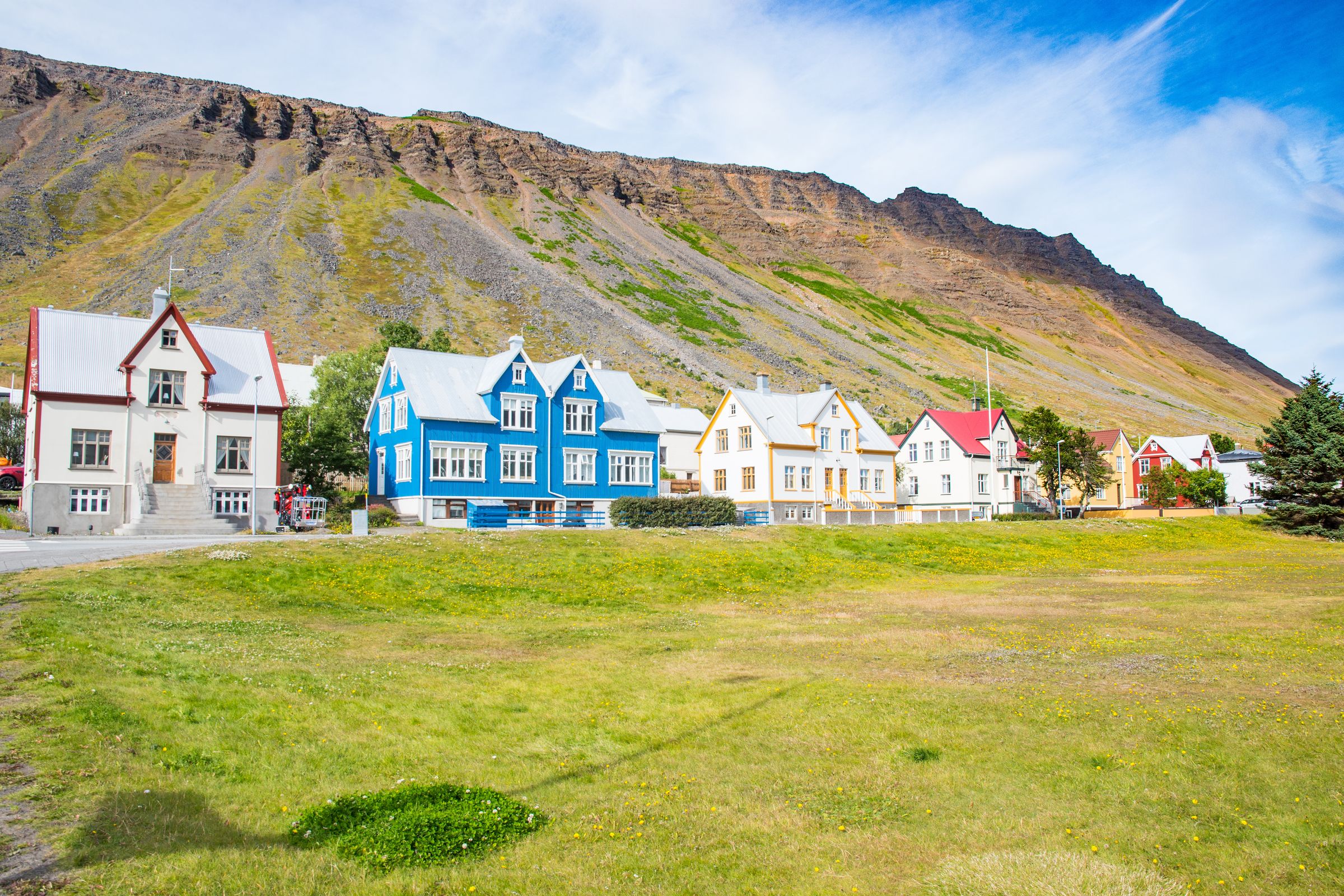
Flateyri is a very small fishing village in Iceland’s Westfjords, right on the shore of Önundarfjörður fjord. About 200 people live there, and that number really matters because it affects everything about the place. It is quiet most of the time, and nothing feels built around visitors. Life follows a steady routine, shaped by the weather, the fishing boats, and what people in the village are dealing with day to day. Avalanche barriers run above the houses, and people walk along them now because they are part of the village, not because they were meant as viewpoints. The local pub sometimes hosts well-known musicians in Iceland, which feels a little odd given how small the village is. Other days, not much happens beyond seeing seals in the fjord or watching the northern lights over the mountains.
If you like traveling slowly and spending time in places that feel normal and lived in, Flateyri works well. It is not comfortable in a tourist sense. There is no luxury hotel, no shopping area, and only a few places to eat, and none of that really changes depending on the season. What you do find is a village that went through real loss, including a deadly avalanche in 1995, and decided to stay and rebuild instead of leaving. Life here feels straightforward, and the scenery is always around you, but nothing is dressed up or put on for effect.
Where Is Flateyri & Why Visit?
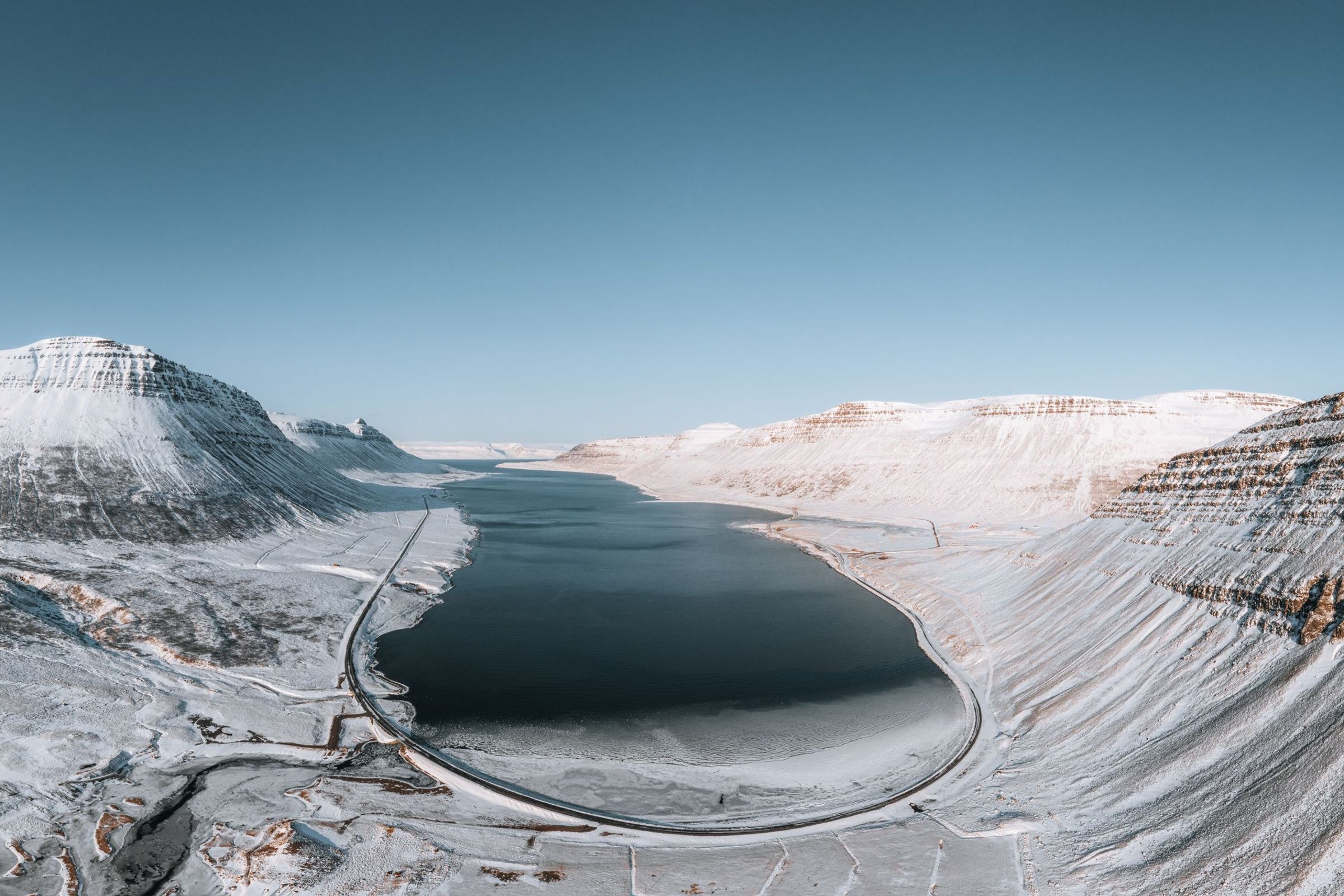
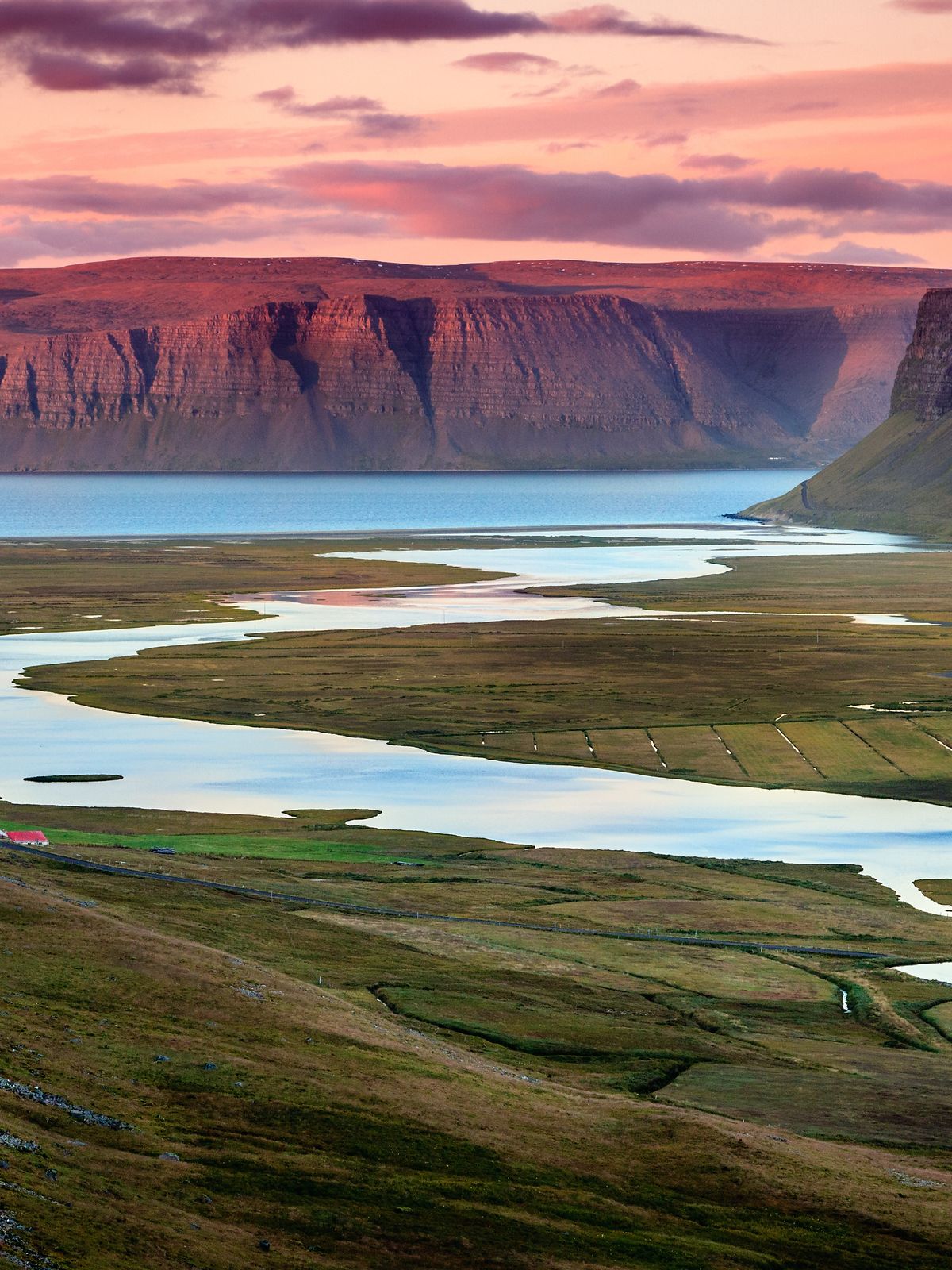
Flateyri is in Önundarfjörður in Iceland’s Westfjords, about 25 kilometers from Ísafjörður and roughly 380 kilometers from Reykjavík. The village sits between steep mountains and the fjord, close to the North Atlantic. The Westfjords are quieter, harder to reach, and shaped by harsh weather and glacier-formed fjords. Flateyri appeals to people who value everyday life, nature, and small communities over famous sights.
Top Things to Do in Flateyri
There are no major attractions or guided tours in Flateyri. Activities are quiet, simple, and closely tied to daily life and the surrounding landscape. Most experiences involve walking, watching the harbor, swimming, or spending time outdoors. The village suits visitors who are comfortable with a slow and unstructured pace.
Vagninn – Flateyri's Cultural Highlight
Vagninn is a restaurant and pub by the harbor and serves as the main social place in the village. It focuses on simple food made with local ingredients, especially fresh fish. Live music is common, even from well-known Icelandic musicians, despite the village’s small size. Vagninn operates seasonally and reflects how people connect and share information in Flateyri.
Hidden Gems & Low-Key Experiences
Many of the best moments in Flateyri are unplanned and come from slowing down. Small places, quiet walks, and simple interactions with locals stand out more than scheduled activities. Wildlife, village history, and community events appear naturally rather than on a timetable. These low-key experiences often leave the strongest impression.
Life in Flateyri Today
Flateyri has around 200 residents and faces challenges common to remote villages in Iceland. Fishing remains central to the local economy, with tourism now playing a supporting role. After the deadly avalanche in 1995, the community chose to stay and adapt. Life today blends modern tools with long-standing traditions.
Flateyri as a Base for Exploring the Westfjords
Flateyri can work well as a quieter and often cheaper base than Ísafjörður. Its location allows for day trips to major sights in the Westfjords. Staying here offers access to the region without busy crowds. It is best suited to travelers who prefer slow travel.
Practical Travel Tips for Flateyri
Visiting Flateyri requires planning due to distance, weather, and limited services. Summer offers the best conditions, while other seasons bring fewer people and more challenges. Getting there usually involves a long drive or a flight to Ísafjörður followed by a short drive. Packing for changing weather and booking accommodation early are important.
Conclusion
Flateyri is a small village where life continues whether visitors are present or not. There are no tourist-focused facilities or packed schedules. The setting is quiet, with mountains and water always close by. It suits people who enjoy slow travel, nature, and everyday village life.
Where Is Flateyri & Why Visit?
Flateyri is in Önundarfjörður, one of the fjords that cut into Iceland’s Westfjords peninsula. It is about 25 kilometers from Ísafjörður, which is the main town in the region, and roughly 380 kilometers northwest of Reykjavík. The village sits on a narrow strip of land, with steep mountains behind it and the fjord opening out toward the North Atlantic. The best and most comfortable way to get to Flateyri is to rent your own vehicle.
The Westfjords feel different from much of the rest of Iceland. While the south has many famous places and busy roads, the Westfjords are quieter and take more time and effort to reach. The region lies close to the Arctic Circle, and the weather can be tough for long stretches. That has shaped both the land and the people who live there. The fjords were formed by glaciers a long time ago, creating sheltered areas where fishing villages like Flateyri were able to exist and continue over many generations.
Flateyri makes sense for people who care more about everyday life than well-known sights. You will probably enjoy it if you like talking with locals, do not need constant things to do, and are fine spending time on simple routines like watching fishing boats come back into the harbor or sitting in a public swimming pool. It suits people who like nature, wide open views, and seeing how small communities work in remote places.
Rent a Campervan in Iceland
Explore Iceland's Charming Villages with Complete Freedom and Comfort
There are no big attractions or guided tours in Flateyri. Most things to do are quiet, simple, and tied closely to daily life and the landscape around the village.
Avalanche Protection Wall and Memorial
One of the most noticeable features of the village is the large avalanche protection wall above it. It was built after an avalanche in 1995 that killed 20 residents. You can walk along the curved concrete wall, which also works as a place to stop and look out. From there, you can see the village, the fjord, and the mountains around it. Near the bottom of the wall, there is a memorial stone for the people who died. It helps explain why the wall exists and what living here has involved.
Harbor and Maritime Life
The harbor is small but active, and it shows how the village works on a daily basis. Fishing boats come and go, birds gather around the water, and you can watch a working harbor in a very remote place. Early mornings and late afternoons are usually the busiest, when boats leave or return with their catch.
Village Swimming Pool
The swimming pool might sound ordinary, but in Iceland pools are where people spend time together. They are part of everyday life. In Flateyri, the pool is a place where locals meet, and visitors are welcome. There are outdoor hot tubs, and you can sit in them while looking out over the fjord. In winter, when the mountains are covered in snow, it feels especially quiet and calm.
Hiking Opportunities
There are many places to walk and hike around Flateyri. Most paths are informal and not clearly marked, so it helps to ask locals where to go and what the conditions are like. Some walks follow the shoreline, others go up to viewpoints above the village, and longer hikes lead into the valleys that branch off from Önundarfjörður.
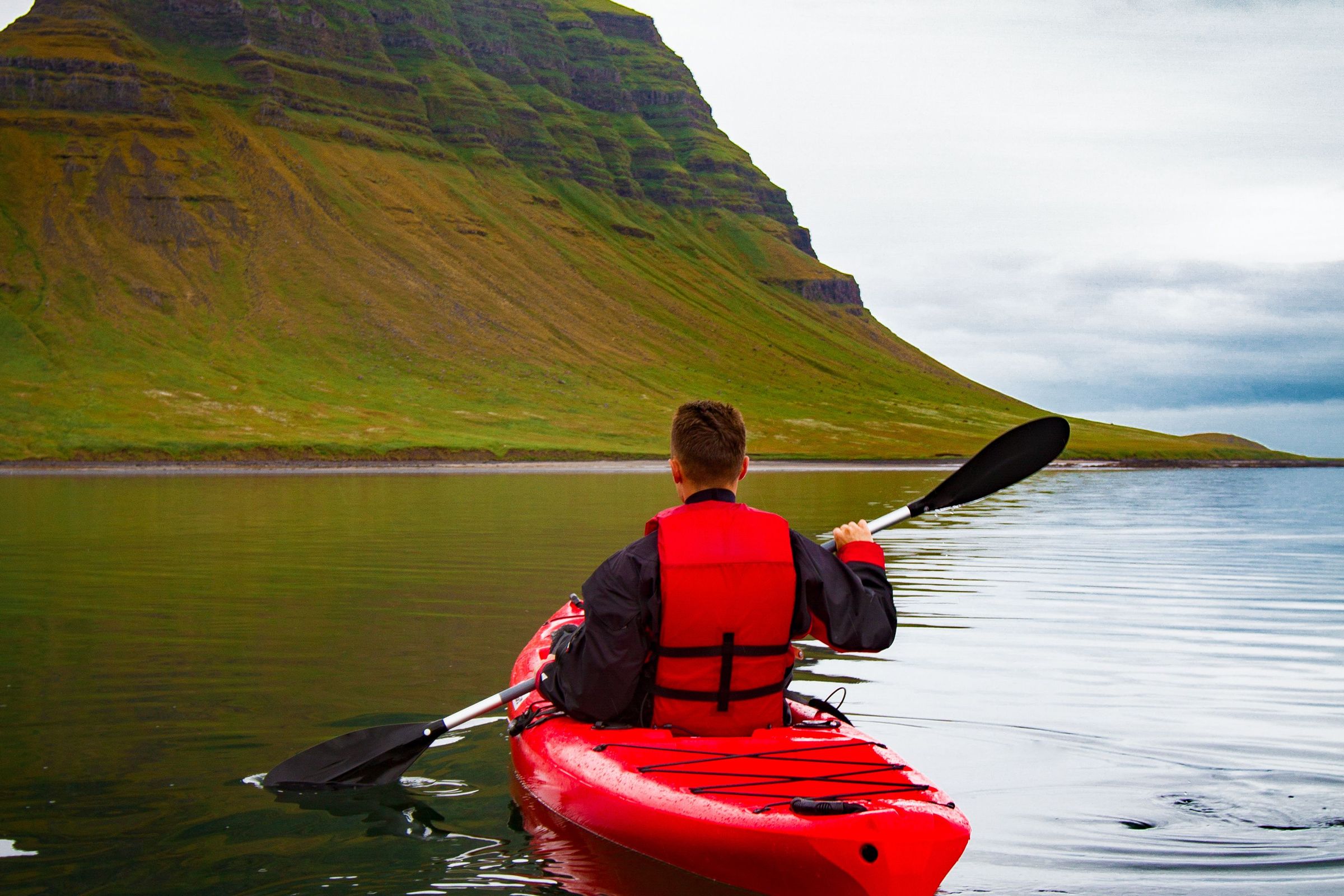
Kayaking in the Fjord
Kayaking is another way to see the area. The water inside the fjord is usually calm enough, but you need to plan ahead since there are no rental shops nearby. Early mornings are often the best time, when the water is still and reflects the mountains around the village.
Vagninn – Flateyri's Cultural Highlight
In a village this small, there is usually one place where people naturally spend time. In Flateyri, that place is Vagninn. It is a restaurant and pub by the harbor, and it works as the main social spot in the village.
Vagninn is not fancy, and it does not try to be. What matters is the feeling inside and the food. Guest chefs often work there, using local ingredients, especially fresh fish from the fjord. Depending on the day, you might get a simple fish soup or something a bit more creative made with seafood.
In the evenings, especially during summer, Vagninn hosts live music. Even though Flateyri is very small, well-known Icelandic musicians do come here to play small shows. Sitting inside while music plays and the midnight sun comes through the windows, with the fjord just outside, feels relaxed and unforced.
The pub is also where people share information. Conversations about the weather, hiking conditions, road closures, and local events happen naturally. It is common to learn useful things just by being there. Sometimes that leads to places or experiences you would not have found otherwise.
Vagninn operates seasonally, with full service in summer and shorter hours in winter. It is worth checking online or asking around when you arrive. You might end up there on a night with live music or a special dinner without planning it. Go Customers receive a 10% discount in this legendary bar by simply showing the staff their car keys.
Hidden Gems & Low-Key Experiences
A lot of the best moments in Flateyri are not planned. They usually come from slowing down, talking to people, or just being in the right place at the right time.
The Old Bookstore and Village Museum
The Old Bookstore, called Gamla bókabúðin, is both a bookstore and a small village museum. It has been run by the same family since 1914, which makes it the oldest bookstore in Iceland that has been operating continuously. Inside, you will find shelves of old and newer Icelandic books, along with photos and objects that tell the story of the village. The museum part shows how people lived in the early 20th century, before modern comforts were common. It is small, quiet, and easy to miss, but it gives a clear picture of what life here used to be like.
Holt Beach and Sandcastle Competition
Holt Beach is nearby and is one of the few places in Iceland with golden sand. Once a year, the village hosts a sandcastle competition there, which brings people from across the Westfjords. Locals and visitors build detailed sand sculptures, and the whole thing feels more like a community gathering than an event. Even if you are not there during the competition, the beach is a nice place to walk or sit, and it feels very open and calm compared to the village itself.
Wildlife Watching
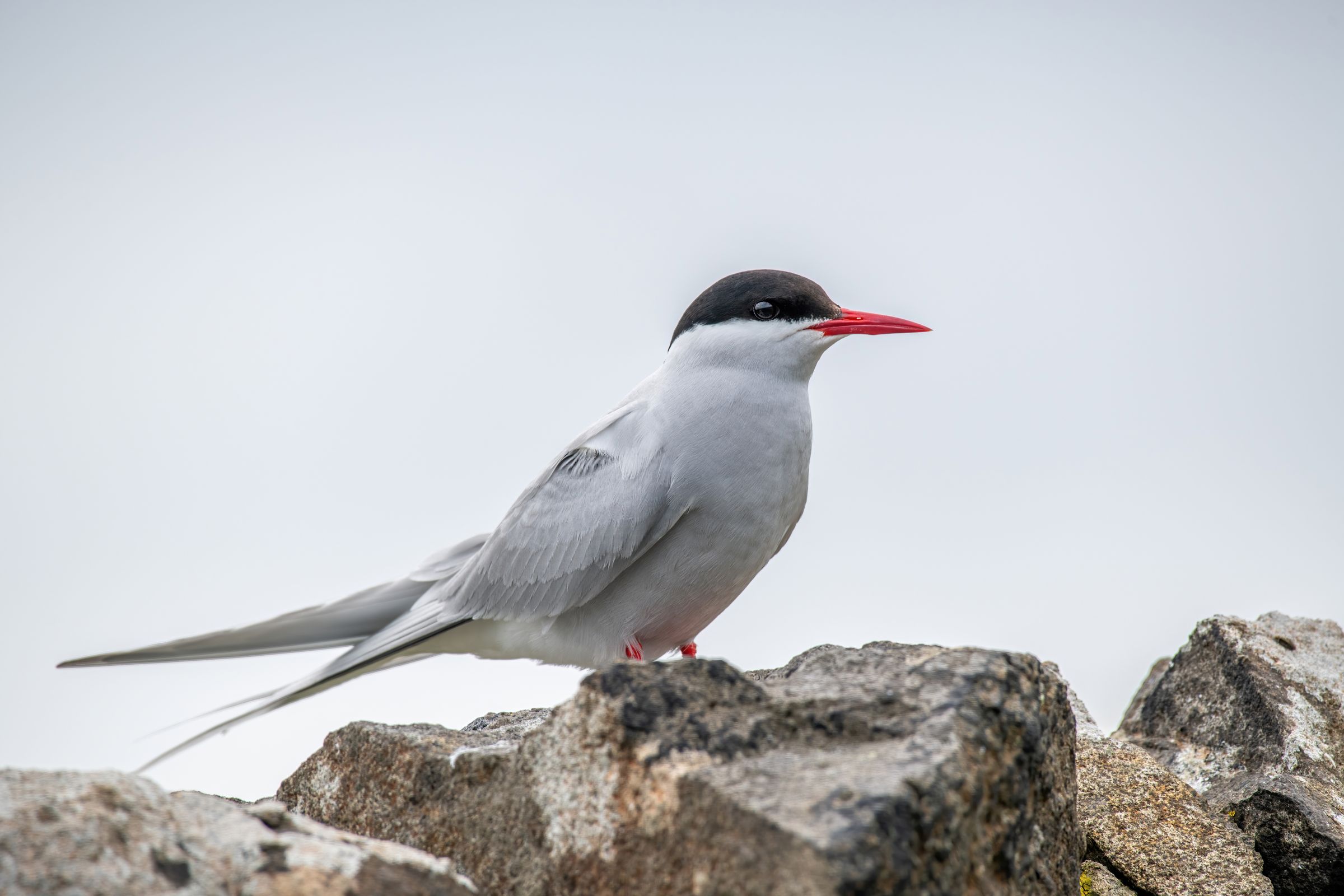
Wildlife in Flateyri does not show up on a schedule. Seals sometimes swim through the fjord, Arctic terns nest along the shoreline, and different birds pass through during migration seasons. It takes patience. Sitting quietly by the water with binoculars often works better than actively looking for anything. Some days you will see nothing, and other days something unexpected appears.
One of the best things to do is simply settle into the pace of the village. Sit by the harbor with a coffee from the local café and watch what happens. Boats come and go. People stop to talk. The village stays quiet. There is very little background noise, and that makes small details stand out. These moments often end up being what people remember most.
Life in Flateyri Today
Flateyri has around 200 residents, and like many remote villages in Iceland, it faces ongoing challenges. Young people often move away for school or work. The local economy depends heavily on fishing, which can change from year to year. Keeping infrastructure running in harsh weather is a constant task.
After the avalanche in 1995, when 20 residents were killed, the village could have been abandoned. Instead, people stayed, safety measures were built, and the community slowly adapted. Fishing is still central to life here, but tourism now helps support the local economy as well.
Life in Flateyri today is a mix of old and new. People might use apps to track fishing quotas while also sharing stories that have been passed down through families. The village school serves children from nearby areas, and services like healthcare depend on cooperation with other towns in the region.
When you visit Flateyri, you are stepping into a place where people actually live. It is not a tourist site. Being respectful matters. Support local businesses, follow local customs, keep noise down, and remember that this is someone else’s home. Ask before taking photos of private property and shop locally when you can.
Flateyri as a Base for Exploring the Westfjords
Flateyri can work well as a base for exploring the Westfjords, especially if you want to avoid the higher prices in Ísafjörður. Its location makes several major sights reachable as day trips, while still letting you stay somewhere quieter.
Ísafjörður Day Trips
Ísafjörður is only 22 kilometers (13.67 miles) away and is where you will find more restaurants, shops, and services. Many people staying in Flateyri drive there when they want more options. The drive itself goes through a mountain tunnel and offers views of the surrounding landscape, which also shows how important infrastructure is in connecting remote communities.
Dynjandi Waterfall Excursions
Dynjandi waterfall is about 51 kilometers (31.7 miles) from Flateyri and makes for a full-day trip. It’s hands down one of the most beautiful waterfalls in Iceland. The waterfall is made up of several smaller cascades, with the main one spreading wide as it flows down the mountainside. The drive there passes through fjords and mountain roads, which are a big part of the experience.
Neighboring Fishing Villages
Other fishing villages, such as Suðureyri and Þingeyri, are easy to reach from Flateyri. Visiting them gives a sense of how different communities deal with similar conditions. Each village feels slightly different, but all share a strong connection to fishing and life in a harsh environment.
Planning Considerations
Flateyri is better suited to people who like taking their time. Roads in the Westfjords require attention, especially in winter, and services outside the main towns are limited. It is not the best choice if you want to see many places quickly.
Practical Travel Tips for Flateyri
Visiting Flateyri takes more planning than traveling along Iceland’s main tourist routes. Knowing what to expect makes the trip much easier.
Best Time to Visit
The time of year makes a big difference. Summer, from June to August, has the best weather, the longest days, and the most services available. During June and July, the midnight sun means there is almost constant daylight. Summer also brings higher prices and more visitors, though it still feels quiet compared to other parts of Iceland.
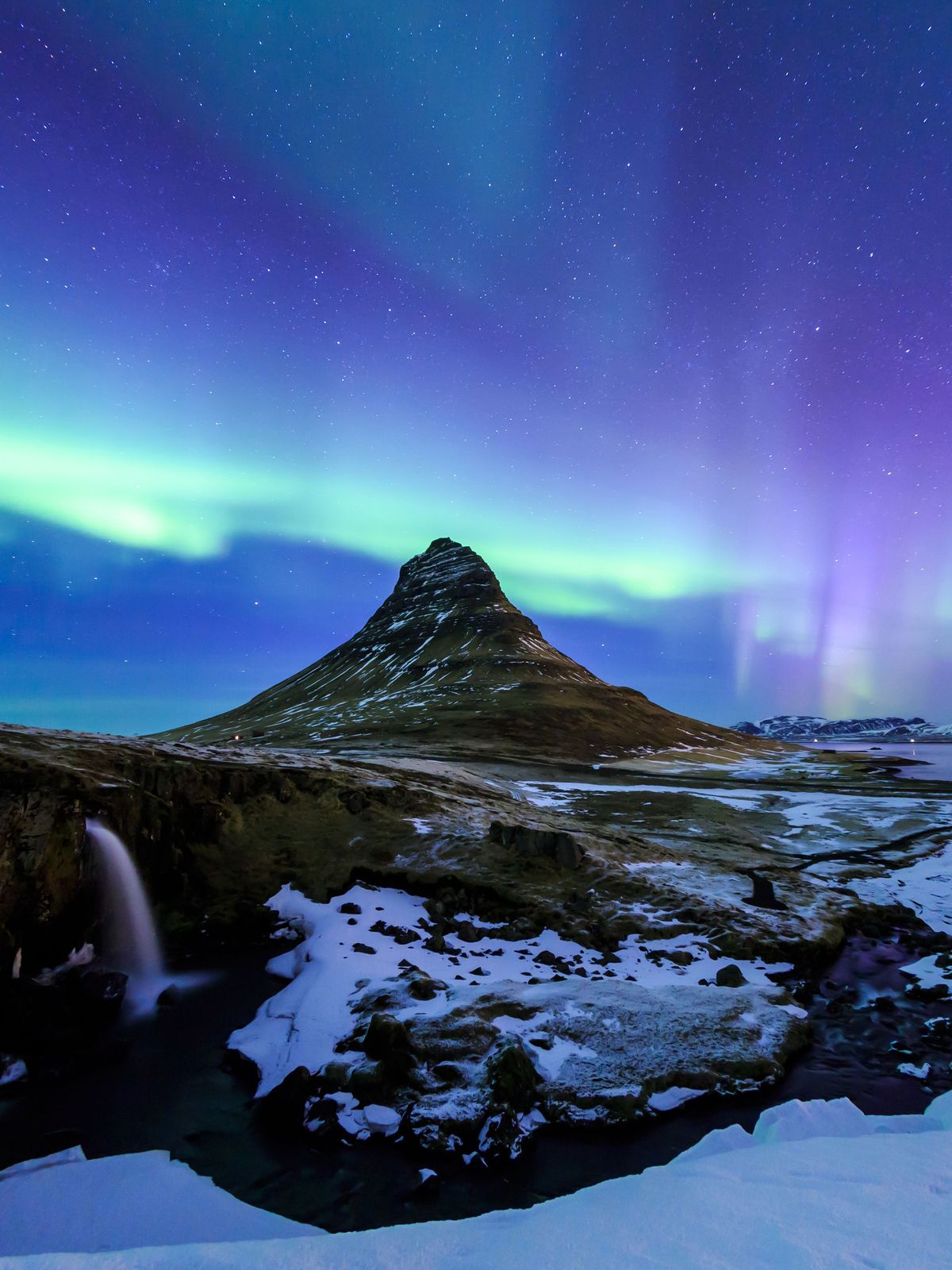
Spring and autumn are good if you want fewer people and do not mind changing weather. September can be good for hiking and autumn colors, while May brings wildflowers and migrating birds. Winter is more demanding, with limited daylight and difficult weather, but it offers chances to see the northern lights and experience village life during the coldest months.
Getting There
Getting to Flateyri takes planning. Most people either drive from Reykjavík, which takes about 7 to 8 hours, or fly to Ísafjörður and then drive 25 kilometers. Flying saves time but costs more. Road conditions change with the seasons, and winter driving requires experience with snow and ice. Always check the weather and road conditions before you travel.
Accommodation Options
Accommodation in Flateyri is limited but sufficient. There is a guesthouse, hostel-style lodging, and a campsite. Summer fills up quickly, especially in July and August, so booking ahead is important. Even in summer, nights can be cold, and temperatures rarely go above 15°C (59°F), so warm sleeping gear is useful.
Local Services
Services in the village are basic. There is a small shop for groceries and essentials, but larger food shopping is best done in Ísafjörður. There is no bank, though card payments are widely accepted. Medical services are also available in Ísafjörður, so bring any medications you need and a simple first-aid kit.
Weather and Packing
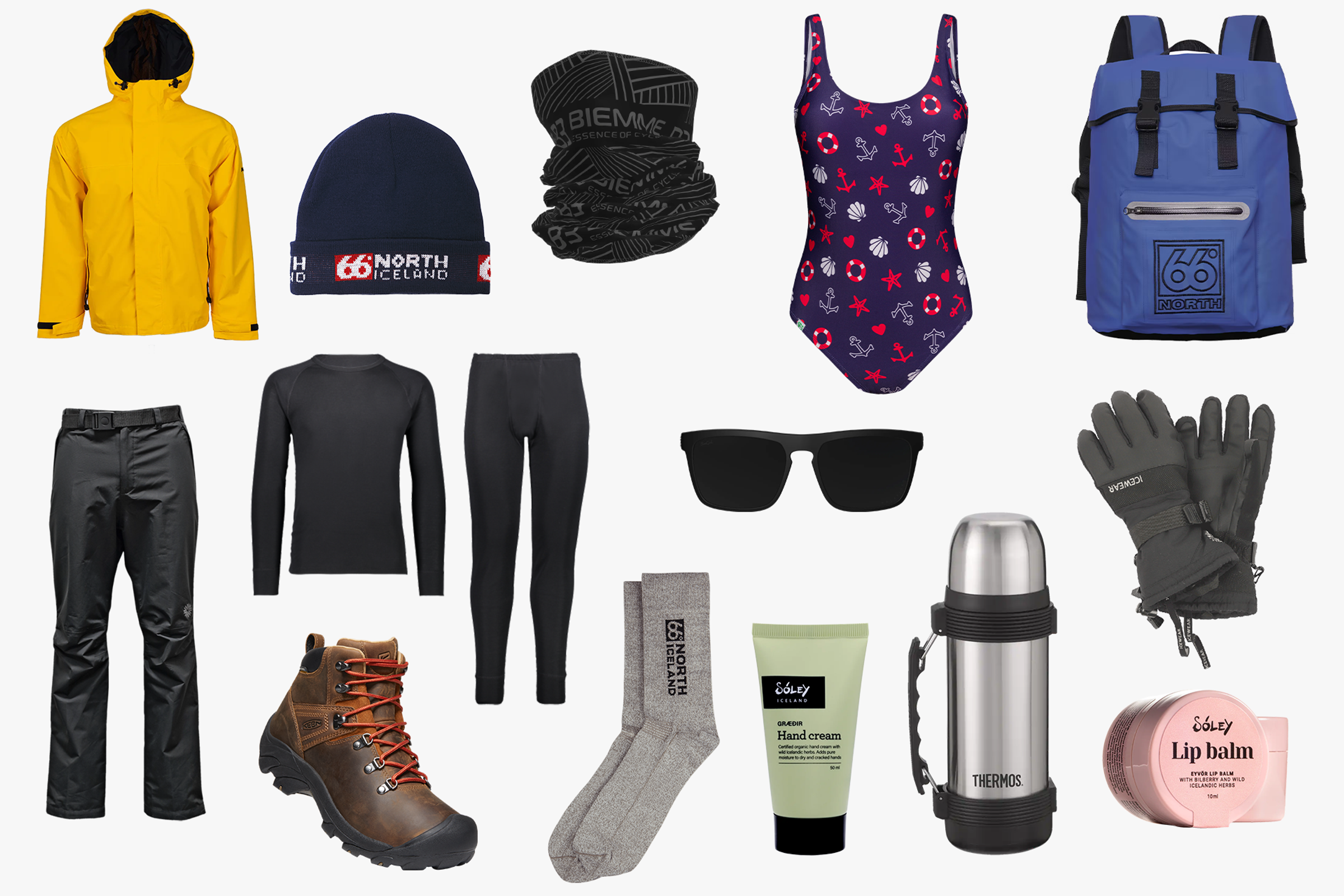
The weather in the Westfjords changes quickly. Waterproof clothing, warm layers, and solid shoes are necessary in every season. Even summer days can be cold and windy. Weather forecasts help, but plans often need to change based on conditions.
Conclusion
Flateyri does not try to be anything special. It is a small village, far from the busy parts of Iceland, where people live their lives whether anyone is visiting or not. There are no fancy places to stay, no packed schedule of things to do, and nothing that feels built around tourism. What you notice instead is how quiet it is, how close the mountains and the water are, and how the place runs on its own rhythm.
It works for people who are fine with things being slow and a little uncertain. If you need a plan for every day or want lots of options, it will probably feel too empty. But if you like taking your time, being outdoors, and seeing what everyday life looks like in a very small place, Flateyri leaves an impression without trying to.
Frequently Asked Questions About Flateyri
Yes, low light pollution makes Flateyri a good spot, but sightings depend entirely on weather and solar activity.
Options are very limited outside of summer, and opening hours can change, so self-catering is often necessary.
It is possible but difficult; having a car makes visiting and exploring the surrounding Westfjords much easier.
One to two days is enough for most visitors, especially if using it as a quiet base for nearby villages.
About the author
Aron Freyr
Born and raised in Iceland, Aron Freyr has spent all 28 years of his life exploring the country and getting to know its landscapes, regions, and ever changing conditions. From long summer road trips to winter journeys through remote areas, he has traveled across Iceland more times than he can count. As part of the Go Car Rental Iceland team, Aron turns this firsthand experience into trustworthy, practical guidance that helps visitors navigate Iceland with confidence. His deep local insight makes him one of the most reliable voices on Icelandic travel today. He claims this expertise also includes knowing exactly which gas stations make the best hot dogs.